Discover Your Perfect Hair Color: A Guide to Shades and Styles
Research shows that over 90% of people in the world have black or brown hair, making these the most common hair colors globally. Understanding your hair color not only helps in personal styling but also connects to cultural and genetic identities.
Hair color is determined by the type and amount of melanin present. Common shades include black, brown, blonde, and red, each influenced by genetics and environmental factors.
Types of Hair Colors Available
Natural hair colors come in a wide range, including black, brown, blonde, and red. Each of these shades can vary significantly in tone and depth. For instance, blonde hair can range from platinum to dark golden shades, while brown can appear as light, medium, or dark chocolate hues. Choosing a shade that complements your skin tone is essential for a harmonious look.
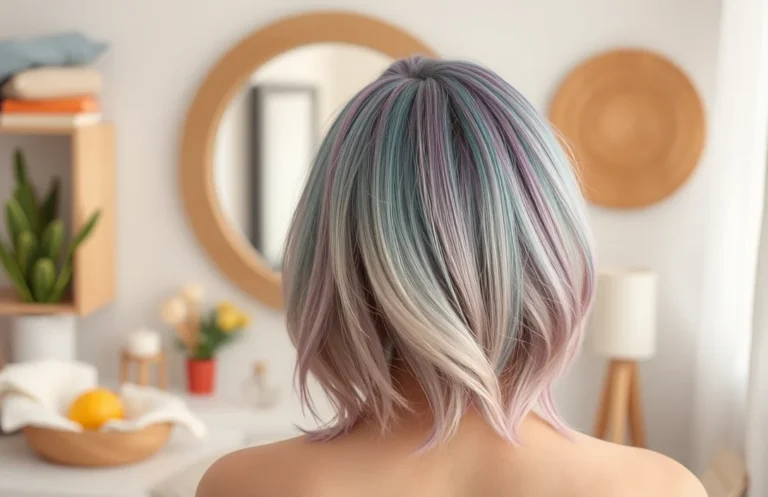
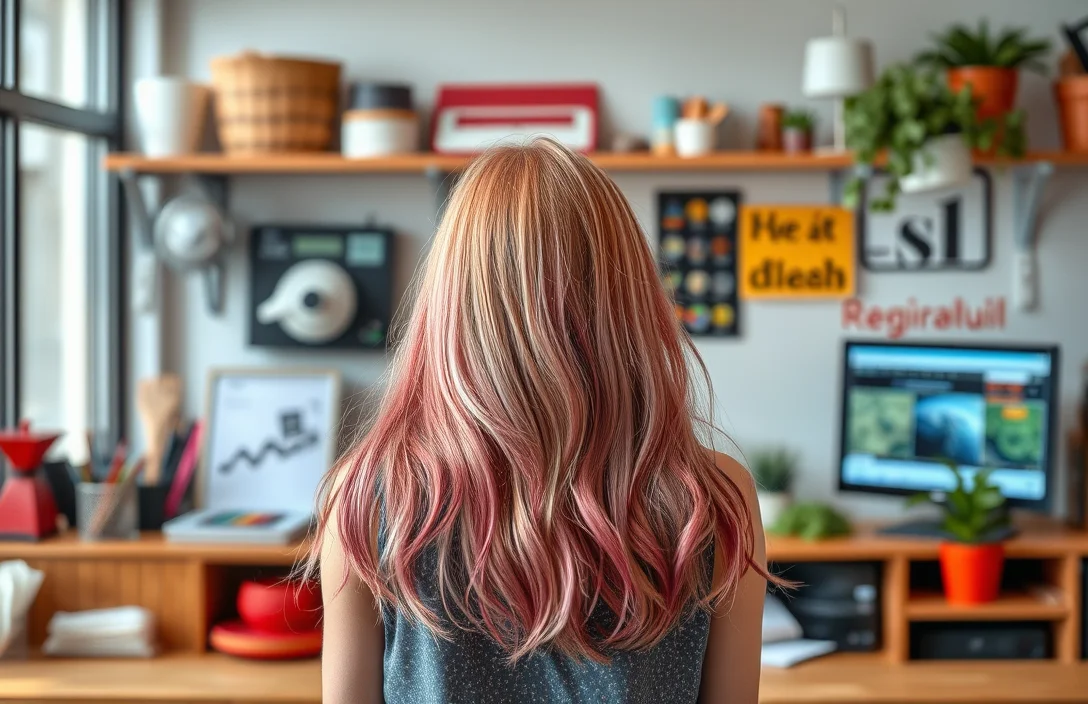
Dyed hair colors offer even more options, from vibrant reds and blues to pastel pinks and purples. Trendy shades like ombre and balayage blend colors for a softer transition. Experimenting with these hues allows for a unique expression of personality and style. Keep in mind that maintenance varies based on the intensity and vibrancy of the color selected.
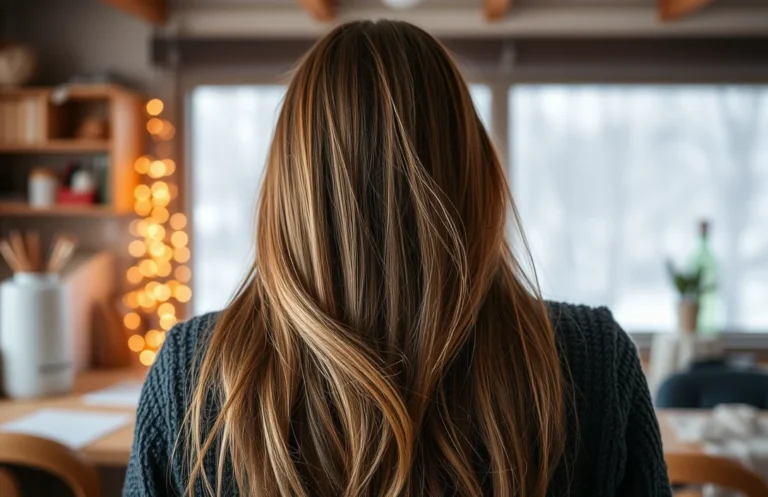
Unique hair color techniques exist for those looking to stand out. Techniques like highlights, lowlights, and creative color placements can add dimension to any base color. For example, adding blonde highlights to dark brown hair creates a sun-kissed effect, enhancing overall appearance. Selecting the right technique can elevate your style significantly.
Consideration of temporary versus permanent options is crucial. Temporary colors wash out after a few shampoos, making them perfect for experimentation without long-term commitment. Permanent dyes, on the other hand, provide lasting results but require careful upkeep and potential touch-ups. Evaluate your lifestyle and preferences before deciding.
Determining Your Natural Hair Color
Identifying your original hair color requires examining your roots. Check the hair at the nape of your neck or sections where the color is less affected by sun exposure or dye. Your natural shade will be more visible in these areas, providing a clearer picture of what color is your hair.
Evaluate the color under natural light. Indoor lighting can distort hues, making it difficult to see the true color. Step outside or stand near a window to ensure you accurately assess the shade. Natural light will reveal undertones that artificial lighting may hide.
Inspect for gray or white strands. These can be indicators of your original color, especially if they blend with the remaining natural hair. Gray hair often reflects a lighter shade, which could help you identify your base color more easily.
Consider age and environmental factors. Hair color can change over time due to aging or sun exposure. If you’re unsure about your natural shade, remember that genetics play a significant role. Family members’ hair colors can provide clues to your original tone.
Record your findings for future reference. Taking pictures or notes can help you remember your natural color as you explore dye options. This information is valuable when selecting shades that complement your style and maintain a more natural look.
Matching Hair Color with Skin Tone
Select hair colors that enhance your natural beauty by considering your skin tone. Skin tones generally fall into three categories: cool, warm, and neutral. Identifying your skin tone helps in selecting shades that complement your complexion effectively, ensuring a harmonious look.
- Cool skin tones suit shades like platinum blonde, ash brown, or deep burgundy. Look for colors with blue or violet undertones, as these will enhance your natural glow.
- Warm skin tones benefit from golden blondes, rich caramel, and warm chestnut shades. Opt for colors that have golden or reddish undertones to create a radiant appearance.
- Neutral skin tones can wear a wide range of colors, from sandy blondes to chocolate browns. Focus on balanced shades without strong undertones to maintain a natural look.
- Test hair dye samples against your skin. Apply swatches near your face to see how different colors affect your overall appearance. Choose the one that makes your skin appear vibrant and healthy.
- Consult a professional stylist for personalized advice. They can analyze your skin tone and recommend specific shades tailored to your features, ensuring you achieve your desired look.
Understanding Hair Color Undertones
Identifying your hair’s undertone is crucial for selecting the right color. Hair undertones fall into three categories: warm, cool, and neutral. Warm undertones usually exhibit hints of gold, copper, or red, while cool undertones display shades of ash or blue. Neutral undertones balance both warm and cool tones, making it versatile.
Warm undertones enhance colors like golden blonde, rich auburn, or honey brown. If your hair exhibits these hues, opt for colors that complement your warmth. Highlighting techniques can emphasize the natural glow, making your hair appear vibrant and alive.
Cool undertones work well with shades such as platinum blonde, deep chocolate, or burgundy. Selecting colors that reflect these cooler tones will create a harmonious look. Ashy highlights can help maintain a cooler appearance, preventing warmth from overshadowing your natural tone.
Neutral undertones allow for greater flexibility in color choices. Shades like caramel, soft brown, or sandy blonde flatter this balance. Experimenting with different highlights can create depth and dimension, enhancing your overall look without clashing with your undertones.
Application Methods for Hair Dye
Applying hair dye effectively requires precision and technique. Start by sectioning your hair into manageable parts, ensuring even coverage. Use clips to hold each section in place, creating a clear workspace. This method allows for thorough application, reducing the risk of missed spots. Always wear gloves to protect your hands from staining, and consider using an applicator bottle for root touch-ups or detailed work.
Choosing a dye application technique depends on the desired effect. For all-over color, use a brush or comb to distribute the dye evenly throughout your hair. For highlights, opt for a foiling technique, wrapping small sections of hair in foil to separate them from the rest. Balayage, a freehand painting method, offers a more natural and blended look, perfect for those wanting a sun-kissed effect.
Ensuring the right timing is crucial for optimal results. Follow the manufacturer’s instructions for processing time and check for color development regularly. Over-processing can lead to unwanted results, so set a timer to avoid leaving the dye on longer than recommended. Rinse thoroughly with cool water to help seal the color and prevent fading.
Utilizing specific tools enhances the application process. A dye brush allows for controlled application, especially at the roots. Applicator bottles are great for precise applications, while gloves protect your hands. Ensure all tools are clean and ready before starting to maintain a smooth workflow. Having everything prepared will streamline the dyeing process.
Maintaining Color Treated Hair
Protecting color-treated hair requires specific care strategies. Frequent washing can strip color, so limit shampoo use to two or three times a week. Opt for sulfate-free products, as they are gentler and help maintain vibrancy. Following these guidelines keeps your color looking fresh longer.
Moisturizing is vital for maintaining healthy strands. Color treatments can lead to dryness, so use deep conditioning treatments weekly. Look for products rich in oils and proteins to restore moisture and strength. Nourishing treatments enhance shine and prevent breakage.
- Always use cold water for rinsing. Cold water helps seal the hair cuticle, locking in color and moisture.
- Limit heat styling tools. Excessive heat can fade color quickly, so embrace air-drying or lower heat settings.
- Protect hair from sun exposure. UV rays can alter color, so wear hats or use UV protection sprays when outdoors.
Scheduling regular trims keeps ends healthy and prevents split ends from traveling up the hair shaft. Aim for a trim every six to eight weeks to maintain a polished look.
Trendy Seasonal Hair Color Ideas
Spring brings vibrant pastels like lavender and mint green, perfect for a fresh look. These shades complement blooming flowers and warmer weather, creating a playful, lighthearted vibe. Soft balayage techniques can enhance these colors, adding depth while keeping the overall style soft and airy.
Summer highlights often include sun-kissed blonde and bright copper tones. These colors mimic the sun’s effect on hair, providing a lively and energetic appearance. Consider incorporating subtle ombre effects to create dimension and movement, ideal for beach days or summer outings.
Autumn introduces rich jewel tones such as deep burgundy and burnt orange. These colors resonate with falling leaves, evoking warmth and coziness. Embrace a full color or highlights to reflect the season’s richness, making a bold statement as the weather cools.
Winter favors darker shades like deep chocolate brown and icy platinum. These colors offer sophistication and elegance, perfect for holiday gatherings. Explore contrasting roots and tips for an edgy twist, ensuring your style remains modern and chic throughout the colder months.
Quick Summary
- The color of hair can vary significantly among individuals and can be influenced by genetics.
- Common hair colors include black, brown, blonde, red, and gray, each with various shades.
- Hair color can change over time due to factors like aging, exposure to sunlight, and chemical treatments.
- Many people choose to dye their hair to achieve a desired color or to cover gray hair.
- Hair color can affect perceptions of beauty and identity in different cultures.
- Natural hair color is determined by the type and amount of melanin present in the hair follicles.
- Hair color can be a form of self-expression and can vary widely in fashion and trends.
Frequently Asked Questions
What color is your hair naturally?
My natural hair color is a combination of shades that can vary from light to dark, depending on genetics and environmental factors. Most people’s natural hair color falls into categories such as blonde, brown, black, or red.
Can hair color change over time?
Yes, hair color can change due to various factors, including age, exposure to sunlight, and hormonal changes. As people age, they may also experience graying, which alters the overall appearance of their hair color.
How can I find my perfect hair color?
To find your perfect hair color, consider your skin tone, eye color, and personal style. Consulting with a professional hairstylist can also provide valuable insights and recommendations tailored to your features.
What are the differences between permanent and temporary hair color?
Permanent hair color penetrates the hair shaft and lasts until the hair grows out or is cut, while temporary hair color coats the hair and typically washes out after a few shampoos. The choice between the two depends on how long you want the color to last and how often you want to change it.
Are there any natural ways to change my hair color?
Yes, there are natural methods to change hair color, such as using henna, chamomile, or coffee. These options can provide subtle changes and are generally less damaging than chemical dyes, but results may vary and are often less permanent.

- 7 Best Detangling Brushes for Curly Hair: Thick, Fine, Long & Natural Hair - September 25, 2026
- 5 Best Moisturizing Curl Defining Creams for Soft, Defined Curls - September 24, 2026
- Best Curl Creams for Straight Hair: 5 Top Picks for Women - September 24, 2026