Discover the Enigmatic World of Nature’s Rarest Hair Colors
Less than 2% of the world’s population has natural red hair, making it the rarest hair color globally. This striking hue results from a genetic mutation, leading to unique traits and cultural significance across various societies. Redheads often stand out due to their vibrant appearance.
Red hair is the most rarest hair color, with only 1-2% of the population possessing it. Other rare colors include blonde and gray, but red remains the pinnacle of rarity in natural hair colors.
Definition of Rare Hair Colors
Rare hair colors refer to hues that occur infrequently in the human population. These colors, often striking and eye-catching, include shades like gray, platinum blonde, red, and even blue. Their rarity can be attributed to genetic variations and mutations, which influence the pigmentation in hair follicles. Understanding these unique colors is essential for appreciating the diversity of human appearance.
Specific shades, such as true red, are among the most uncommon globally. Natural red hair occurs in only about 1-2% of the population, making it a standout among hair colors. Genetic factors, particularly the MC1R gene, play a crucial role in determining this rare hue. As a result, people with red hair often have unique skin tones and eye colors that complement their hair.
Distinct hair colors like silver or gray are also considered rare, especially in younger individuals. While aging typically brings about gray hair, some people experience it prematurely due to genetics or health conditions. This uniqueness can create a striking look that stands out in any crowd.
Unique hair colors often inspire artistic expression and personal identity. Individuals with rare shades frequently embrace their distinctiveness, using it to create a personal brand or aesthetic. As society continues to evolve, the appreciation for these colors has grown, making them even more celebrated in contemporary culture.
Genetics Behind Hair Color
Melanin production directly influences hair color. Two main types of melanin exist: eumelanin, which comes in black and brown shades, and pheomelanin, responsible for red and yellow hues. Genetic variations determine the type and amount of melanin produced, leading to an array of hair colors, including the rarest variations.
Variations in specific genes significantly impact hair color diversity. For instance, the MC1R gene is crucial for red hair. Mutations here can result in unique shades, but such mutations are rare. This rarity contributes to the overall infrequency of certain hair colors globally.
Environmental factors also affect hair pigmentation. Sun exposure can lighten hair, while certain health conditions may influence melanin levels. Such interactions between genetics and environment further complicate the predictability of hair colors, particularly the most uncommon shades.
Genetic inheritance patterns play a crucial role in determining hair color. Traits can be dominant or recessive, influencing the likelihood of producing rare hair colors. Family history often provides clues about potential hair color outcomes, making genetic analysis a fascinating area of study for curious individuals.
Historical Perspectives
Ancient records show that hair colors have been a subject of fascination throughout history. Rarest hair colors, like natural red or platinum blonde, often garnered attention due to their unique visual appeal. Societal perceptions of beauty influenced the desirability of these colors, shaping cultural norms and preferences over centuries.
Records from ancient Rome highlight the use of hair dyes to achieve desired shades, demonstrating early human interest in altering natural colors. Gold and copper hues were particularly sought after, signaling status and beauty. Such practices laid the groundwork for the ongoing fascination with rare hair colors.
Medieval art often depicted individuals with striking hair colors, symbolizing various traits or virtues. Artists used these hues to convey deeper meanings in their work, showcasing the importance of hair color as a form of expression. This trend continued into the Renaissance, where unique hair colors became synonymous with high society.
Modern times have seen the rarest hair colors become a canvas for self-expression. Social media platforms amplify this, allowing individuals to showcase their unique looks, thus influencing trends and fashion. The evolving perception of beauty continues to celebrate the rarity of certain hair colors, keeping the public’s curiosity alive.
Popular Rare Hair Colors
Gray hair, typically associated with aging, can also appear in youth due to genetics or health conditions. This unique color, often considered rare in younger individuals, can create a striking appearance. Embracing gray hair can challenge societal norms regarding beauty and age. Many choose to enhance this color with silver or platinum shades for added vibrancy.
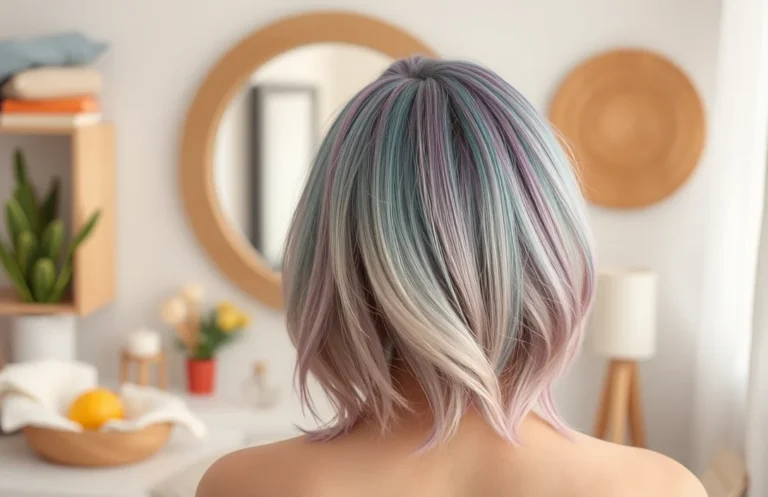
Uncommon colors like lavender or pastel shades have gained popularity, especially among younger generations. These colors allow for personal expression and creativity, often seen in fashion and social media. Hair dye products have evolved, making it easier to achieve these vibrant hues without long-term commitment.
Red hair, while more common than others mentioned here, has its own rarity in the global population. Only about 1-2% of people possess natural red hair. This striking color often draws attention and can be enhanced with various shades like auburn or copper for a more distinctive look.
White hair, often mistaken for gray, is another rare color. True white hair occurs when there is a complete lack of pigment. Some individuals embrace this unique look, while others may seek to maintain their natural color through various hair care practices.
Black hair, while prevalent, can take on rare characteristics with unique undertones. Colors like blue-black or deep violet-black can create an eye-catching look. Achieving these variations often involves using specific dyes or treatments to enhance the natural dark color.
Cultural Significance
Rarest hair colors often carry unique cultural meanings. For example, natural red hair is frequently associated with fiery personalities and Irish heritage. Different cultures may idolize certain shades for their rarity, creating a sense of exclusivity and beauty around them. Understanding these perspectives can enrich appreciation for diverse hair colors.
Various societies celebrate rare hair colors in mythology and folklore. In some tales, characters with unusual hair shades are depicted as magical or extraordinary, granting them special powers or insights. This narrative reinforces the value placed on unique traits, influencing how individuals perceive their own hair and identity.
Artistic expression frequently incorporates rare hair colors. Many artists and designers draw inspiration from the spectrum of human hair, using it to symbolize individuality and creativity. Fashion runways often feature models with striking hair colors, helping to shape trends and challenge traditional beauty standards.
Social media plays a pivotal role in popularizing rare hair colors. Platforms like Instagram and TikTok showcase influencers flaunting unique shades, inspiring others to experiment with their own looks. This visibility not only boosts confidence but also fosters a community that values diversity in hair color.
Education about genetics enhances understanding of rare hair colors. Many individuals are unaware of the biological factors that contribute to these shades. Learning about genetics can demystify why certain hair colors are rare, promoting acceptance and appreciation of natural variations in appearance.
Hair Color vs Eye Color
Emphasizing rarity, the most rarest hair color is often considered to be natural red. This unique hue is found in only about 1-2% of the global population. While other shades like platinum blonde and deep black also exist, red stands out due to its genetic rarity and the specific mutations required to produce such pigmentation.
Statistics reveal that red hair is more common in specific regions, particularly in Northern Europe. Genetics play a crucial role, with the MC1R gene being responsible for red pigmentation. Individuals with this mutation often possess fair skin and freckles, further distinguishing them from other hair colors.
Notably, cultural perceptions significantly influence the allure of rare hair colors. In certain societies, red hair symbolizes uniqueness and beauty, while in others, it may carry superstitions or stereotypes. This cultural significance enhances the fascination surrounding the most rarest hair color, making it more than just a genetic trait.
Exploring hair dye options can also reflect this rarity. Many individuals seek to emulate or enhance their natural color through various hair products. Brands often create vibrant red shades to cater to the demand for this uncommon hue, appealing to those who admire its distinctiveness.
Recognizing the value of rare hair colors encourages appreciation for diversity in beauty. Promoting inclusivity can lead to a broader understanding and acceptance of all hair types, fostering a more inclusive beauty standard that celebrates uniqueness rather than conformity.
Quick Summary
- The rarest natural hair color is red, found in only about 1-2% of the world’s population.
- Blonde hair is also considered rare, particularly natural platinum blonde, which is more common in Northern Europe.
- Black hair is the most common hair color globally, making other colors stand out as rarer.
- Gray or white hair is rare in younger individuals and typically occurs with aging.
- Genetic factors play a significant role in determining hair color, with variations based on geographic ancestry.
- The rarity of certain hair colors can lead to unique cultural perceptions and beauty standards.
- Environmental factors and health can influence hair color changes over a person’s lifetime.
Frequently Asked Questions
What is the rarest hair color in the world?
The rarest hair color is often considered to be natural red. It is estimated that only about 1-2% of the global population has red hair, making it quite unique.
Are there any other rare hair colors besides red?
Yes, while red is the rarest, other unusual hair colors include natural blonde and gray hair. However, these colors can vary widely in prevalence depending on geographic and ethnic factors.
What causes hair color to be rare?
Hair color is determined by the amount and type of melanin produced in the hair follicles. Genetic variations and mutations can lead to rare hair colors, with red hair resulting from a specific variant of the MC1R gene.
Can hair color change over time?
Yes, hair color can change naturally due to aging, exposure to sunlight, and chemical treatments. For example, many people experience a lightening of their hair as they age, leading to gray or white hair.
Is it possible to artificially create rare hair colors?
Yes, through the use of hair dyes and bleaching, people can achieve rare hair colors like vibrant red or unusual shades like pastel and neon hues. However, these colors are not natural and may require regular maintenance to keep looking their best.

- 7 Best Detangling Brushes for Curly Hair: Thick, Fine, Long & Natural Hair - September 25, 2026
- 5 Best Moisturizing Curl Defining Creams for Soft, Defined Curls - September 24, 2026
- Best Curl Creams for Straight Hair: 5 Top Picks for Women - September 24, 2026