Can 20 Volume Developer Lighten Hair? 19 Essential Insights
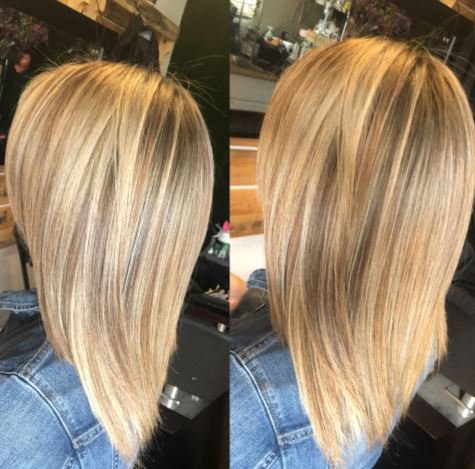
Yes, 20 volume developer can lighten hair by 1–2 levels. It contains 6% hydrogen peroxide, which opens the hair cuticle and lifts natural pigment. It works best on virgin hair and is commonly used with permanent hair color, highlights, and gray coverage. Dark hair may require bleach for significant lightening.
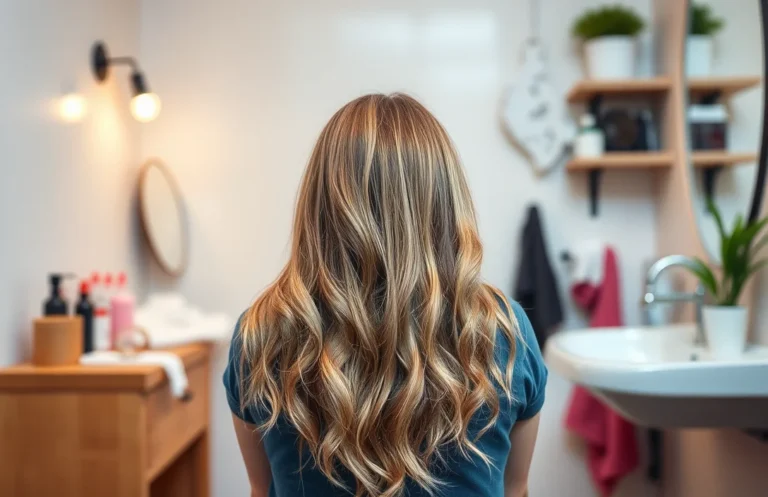
If you’re thinking about lightening your hair, you’ve probably heard about 20 volume developer and wondered whether it can create noticeable results on its own. The answer is yes—but the amount of lift depends on your starting hair color, hair condition, and whether you’re using it with hair dye or bleach.
A 20 volume developer is one of the most popular strengths used by hairstylists because it offers a balance between effective lightening and hair safety. It can brighten natural hair, support permanent color applications, and help cover stubborn gray hair without being as harsh as stronger developers. In this guide, you’ll learn exactly how 20 volume developer works, how much it can lighten hair, potential risks, and the best ways to use it for healthy-looking results.
What Is 20 Volume Developer?

If you’ve ever colored or lightened your hair, you’ve likely come across the term 20 volume developer. It’s one of the most commonly used developers in professional salons and at-home hair coloring kits because it offers a balance between lifting power and hair protection.
A 20 volume developer contains 6% hydrogen peroxide, which helps open the hair cuticle and break down natural pigment. This process allows hair color or bleach to penetrate the hair shaft more effectively. In most cases, 20 volume developer can lighten natural hair by approximately one to two levels while also providing excellent gray coverage.
Because it’s not as aggressive as 30 or 40 volume developer, it’s often recommended for people who want moderate lightening without causing excessive damage to their hair.
Understanding Hair Developer Strengths
Hair developers come in different strengths, measured in “volumes.” The higher the volume, the more lifting power it provides.
Here’s a quick comparison:
| Developer Strength | Hydrogen Peroxide | Lift Potential |
|---|---|---|
| 10 Volume | 3% | Minimal lift |
| 20 Volume | 6% | 1–2 levels |
| 30 Volume | 9% | 2–3 levels |
| 40 Volume | 12% | 3–4 levels |
For most people, 20 volume developer offers the best combination of effectiveness and hair safety. It provides enough lift for permanent color, highlights, and gray coverage without the higher risk of damage associated with stronger developers.
How 20 Volume Developer Works

The science behind 20 volume developer is relatively simple. When applied to the hair, hydrogen peroxide begins oxidizing the natural melanin inside the hair shaft.
The process works in three stages:
Opening the Hair Cuticle
The developer raises the outer layer of the hair, known as the cuticle. This creates a pathway for color molecules and lightening agents to enter the hair.
Breaking Down Natural Pigment
Once the cuticle is open, hydrogen peroxide begins dissolving some of the natural melanin responsible for your hair color. This is what creates the lightening effect.
Depositing New Color
When mixed with permanent hair color, the developer helps color pigments penetrate deeply into the hair shaft, resulting in longer-lasting color and better gray coverage.
Because the process occurs inside the hair rather than simply coating it, the results are more durable than semi-permanent or temporary color products.
Common Uses for 20 Volume Developer
One reason 20 volume developer remains so popular is its versatility. It can be used for several different hair coloring services depending on your goals.
Permanent Hair Color
Most permanent hair dyes are designed to work with 20 volume developer. It provides enough lift to open the hair cuticle while helping the new color fully develop.
Gray Hair Coverage
Gray hair is often resistant to color. A 20 volume developer helps permanent dye penetrate stubborn gray strands more effectively, producing better coverage and longer-lasting results.
Highlights and Balayage
When combined with bleach or lightener, 20 volume developer can create natural-looking highlights and dimensional color without excessive lifting.
Root Touch-Ups
Many people use 20 volume developer for regular root maintenance because it provides predictable results while minimizing unnecessary damage to previously colored hair.
Benefits of Using 20 Volume Developer
For many hair types and coloring goals, 20 volume developer offers several advantages over stronger alternatives.
Provides Controlled Lightening
Unlike 30 or 40 volume developer, which can lift aggressively, 20 volume developer offers more controlled and predictable results.
Less Damaging Than Higher Volumes
Although any chemical process can cause some dryness, 20 volume developer is generally gentler on the hair structure than stronger formulations.
Suitable for Most Hair Types
Whether you have fine, medium, or thick hair, 20 volume developer works well for a wide variety of coloring applications.
Ideal for Beginners
Because it offers moderate lifting power, many hairstylists consider 20 volume developer the safest starting point for people coloring or lightening their hair at home.
Can 20 Volume Developer Lighten Hair Without Bleach?
One of the most common questions people ask is whether 20 volume developer can lighten hair without using bleach. The answer is yes—but only to a certain extent.
While bleach removes large amounts of pigment from the hair, a 20 volume developer alone provides a more subtle lifting effect. It works best on natural, untreated hair and typically creates a lightening effect of one to two levels.
If your goal is a dramatic transformation, such as going from dark brown to blonde, bleach will usually be necessary. However, if you simply want brighter, lighter-looking hair, a 20 volume developer may be enough.
Lightening Virgin Hair Naturally
Virgin hair refers to hair that has never been chemically colored or processed. This type of hair usually responds best to developer-only lightening because there are no artificial pigments blocking the lifting process.
Many people notice:
- Brighter natural highlights
- Softer dimension
- Slightly lighter overall color
- Enhanced warmth and shine
Results are generally more predictable on virgin hair than on previously colored hair.
Lightening Previously Colored Hair
Artificial hair color behaves differently than natural pigment. Once hair has been dyed, the color molecules become trapped inside the hair shaft.
As a result, 20 volume developer alone is often unable to significantly lighten previously colored hair.
You may experience:
- Minimal lifting
- Uneven results
- Exposed warm tones
- Increased brassiness
In these situations, color removers or bleach may be required to achieve noticeable lightening.
How Many Shades Can 20 Volume Developer Lift?
One of the biggest factors people consider before using a developer is how much lightening they can realistically expect. While 20 volume developer is effective, it’s important to understand its limitations.
In most cases, 20 volume developer can lift natural hair by approximately one to two levels. The exact result depends on several factors, including your starting hair color, hair texture, porosity, and whether your hair has been previously colored.
For example:
- Dark blonde hair may lift to a lighter blonde.
- Light brown hair may become dark blonde.
- Medium brown hair may lighten to a lighter brown shade.
- Dark brown or black hair may only show subtle lightening and warmer undertones.
The developer works by gradually breaking down melanin inside the hair shaft. However, because it contains only 6% hydrogen peroxide, the lifting power is moderate rather than dramatic.
Factors That Affect Lightening Results
Several variables influence how well 20 volume developer works:
Natural Hair Color
Lighter hair colors generally lift faster and more noticeably than darker shades.
Hair Porosity
Porous hair absorbs chemicals more quickly, which can accelerate the lightening process.
Hair Thickness
Fine hair often processes faster than coarse or resistant hair.
Processing Time
Leaving the developer on for the recommended time allows maximum lift while minimizing damage.
Previous Chemical Treatments
Hair that has been dyed, permed, or chemically treated may respond differently than virgin hair.
Understanding these factors helps set realistic expectations before beginning any lightening process.
Realistic Expectations Before Lightening
Many online photos and social media transformations create unrealistic expectations about what a single application of 20 volume developer can accomplish.
A common misconception is that developer alone can transform dark hair into blonde hair. In reality, developer is designed to create moderate lift and support color processing—not perform extreme color changes.
Here’s what you can realistically expect:
If You Have Blonde Hair
- Enhanced brightness
- Brighter highlights
- Slightly lighter overall tone
- Improved color dimension
If You Have Light Brown Hair
- Noticeable lightening
- Soft golden undertones
- More visible natural highlights
- Up to two levels of lift
If You Have Medium Brown Hair
- Moderate brightening
- Warm caramel tones
- One to two levels of lift
- Increased shine
If You Have Dark Brown or Black Hair
- Minimal visible lift
- Red, orange, or copper undertones
- Slight softening of natural color
- Limited overall brightness
The darker your starting color, the less dramatic the results will be without bleach.
Hair Types and Hair Colors That Respond Best
Not every hair type reacts the same way to lightening products. Hair texture, density, and natural pigment all influence the final outcome.
Understanding how your hair type responds can help you achieve better results while avoiding unnecessary damage.
Fine Hair vs Thick Hair
Hair texture plays a significant role in processing speed.
Fine Hair
Fine hair usually lightens faster because the cuticle layer is often thinner.
Benefits include:
- Faster processing
- More noticeable lift
- Less product needed
However, fine hair can also be more susceptible to damage if overprocessed.
Thick or Coarse Hair
Coarse hair contains denser pigment and often requires more time to lighten.
Characteristics include:
- Slower processing
- More resistant color
- Greater product usage
- Longer development time
Patience is often necessary when working with thicker hair textures.
Blonde Hair and Light Brown Hair
People with naturally lighter hair typically see the most dramatic results from 20 volume developer.
Why Lighter Hair Responds Better
Lighter hair contains less underlying pigment, making it easier for hydrogen peroxide to break down melanin.
Common results include:
- Brighter blonde tones
- Enhanced highlights
- Natural-looking lift
- Improved shine
For many blondes and light brunettes, 20 volume developer provides enough lift without needing stronger formulations.
Dark Brown and Black Hair
Dark hair presents unique challenges because it contains significantly more pigment.
What Happens When Dark Hair Lightens?
As dark pigment breaks down, underlying warm tones become visible.
These undertones often include:
- Red
- Copper
- Orange
- Gold
This is completely normal and part of the natural lightening process.
Can 20 Volume Developer Make Dark Hair Blonde?
Usually not.
While it can soften the color slightly and expose warmer undertones, dark hair generally requires bleach or multiple lightening sessions to reach blonde shades.
People with very dark hair should avoid expecting dramatic results from developer alone.
Gray and Resistant Hair
Gray hair behaves differently than pigmented hair because it contains little or no melanin.
While gray hair doesn’t require lifting in the traditional sense, it can be more resistant to chemical processing.
Why Gray Hair Can Be Difficult to Color
Gray strands often have:
- A tighter cuticle
- Coarser texture
- Lower pigment levels
- Increased resistance to color absorption
This is one reason 20 volume developer is commonly paired with permanent hair color for gray coverage.
Benefits for Gray Hair
When used correctly, 20 volume developer helps:
- Open resistant cuticles
- Improve color penetration
- Enhance coverage
- Increase color longevity
For individuals covering gray hair, 20 volume developer is often considered the industry standard because it balances effectiveness with hair protection.
How to Use 20 Volume Developer Safely
Using 20 volume developer correctly can make a significant difference in your final hair color results. While it is less aggressive than higher-volume developers, it still contains enough hydrogen peroxide to alter the hair structure. Proper preparation, application, and aftercare help reduce damage while maximizing lift and color performance. Whether you’re using it with permanent dye or bleach, following safe practices will help keep your hair healthier, shinier, and more manageable throughout the coloring process.
Preparing Your Hair Before Application
Before applying 20 volume developer, it’s important to evaluate your hair’s condition. Healthy hair typically processes color more evenly and experiences less damage. A strand test can help determine how your hair will react and prevent unexpected results. If your hair is already dry, brittle, or heavily processed, consider strengthening it with conditioning treatments before beginning any lightening service.
Mixing Developer With Hair Dye or Bleach
Proper mixing ratios are essential for achieving predictable results. Most permanent hair dyes require a 1:1 ratio, while bleach products often use a 1:2 ratio. Always follow the manufacturer’s instructions and use non-metal bowls and applicators. Accurate mixing ensures even color development, consistent lift, and reduced risk of patchy or uneven results.
Processing Time Guidelines
Processing time directly affects how much lift you achieve. Most applications require between 20 and 45 minutes, depending on your hair type and desired outcome. Checking your hair regularly during processing helps prevent over-lightening and excessive dryness. Following recommended timing guidelines can improve color accuracy while protecting the overall health of your hair.
Aftercare for Lightened Hair
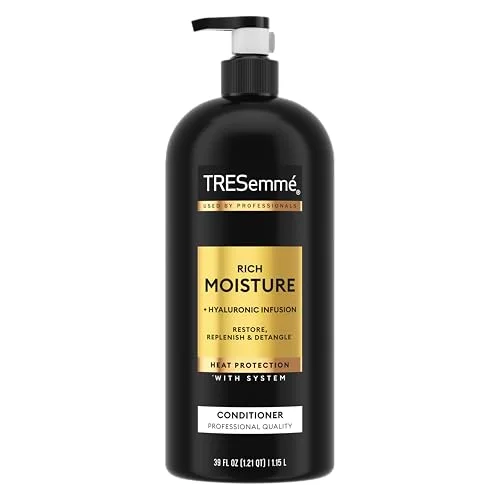
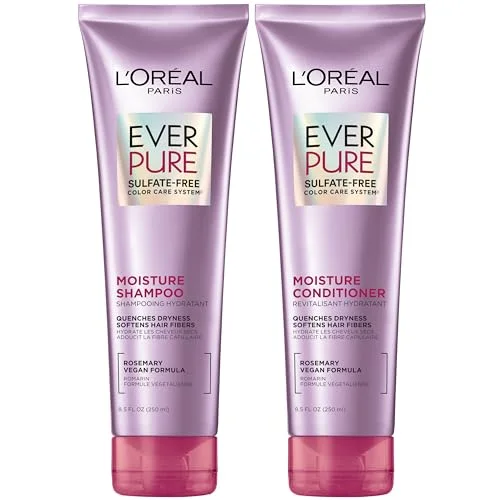
Once the coloring process is complete, proper aftercare becomes essential. Lightened hair often loses moisture and can become more vulnerable to breakage. Deep conditioning treatments, sulfate-free shampoos, and heat protection products help restore hydration and preserve color. Consistent aftercare can extend the life of your results while maintaining softness, shine, and strength.
Advantages and Disadvantages of 20 Volume Developer
Like any hair-lightening product, 20 volume developer comes with both benefits and limitations. Understanding the advantages and disadvantages can help you determine whether it is the right choice for your hair goals. While it provides moderate lift with less damage than stronger developers, it may not be suitable for dramatic color transformations or heavily processed hair.
Pros of Using 20 Volume Developer
One of the biggest advantages of 20 volume developer is its balance between effectiveness and safety. It can lift natural hair by one to two levels while supporting permanent color applications and gray coverage. Many professionals recommend it because it delivers reliable results without exposing hair to the higher risks associated with stronger developers.
Cons and Potential Risks
Although considered relatively gentle, 20 volume developer can still cause dryness, breakage, and scalp sensitivity if misused. Repeated applications may weaken the hair shaft over time, particularly when combined with bleach. Understanding these potential risks allows you to take preventive measures and maintain healthier hair throughout the coloring process.
Common Mistakes to Avoid
Many lightening problems result from simple application mistakes. Skipping strand tests, leaving the product on too long, and using incorrect mixing ratios can lead to uneven color and unnecessary damage. Taking the time to follow instructions carefully can improve your results and reduce the likelihood of costly color corrections later.
When to Seek Professional Help
Certain color goals are best achieved by a trained hairstylist. If you’re attempting a major color correction, transitioning from dark hair to blonde, or repairing previous damage, professional guidance can help protect your hair. Experienced colorists understand how to customize formulas and techniques to achieve safer and more predictable outcomes.
20 Volume Developer vs Other Developer Strengths
Not all developers work the same way. Choosing the right volume depends on how much lift you need and the condition of your hair. While 20 volume developer is often considered the most versatile option, understanding how it compares to 10, 30, and 40 volume developers can help you make a more informed decision.
10 Volume vs 20 Volume Developer
A 10 volume developer is primarily used for depositing color and creating minimal lift. In contrast, a 20 volume developer can lighten hair by one to two levels while also supporting permanent color applications. For most users seeking noticeable color change, 20 volume developer offers more flexibility and effectiveness.
20 Volume vs 30 Volume Developer
The main difference between these two developers is lifting power. A 30 volume developer can lift hair more aggressively, making it suitable for larger color transformations. However, the increased strength also raises the risk of dryness and breakage. For moderate lightening, 20 volume developer is often the safer and more manageable option.
20 Volume vs 40 Volume Developer
A 40 volume developer provides maximum lifting potential but comes with significantly greater risks. It is typically reserved for advanced lightening services performed by professionals. Compared to 40 volume developer, 20 volume developer offers a more controlled process with less stress on the hair and scalp.
Which Developer Strength Should You Choose?
The best developer depends on your hair goals and current hair condition. If you need gray coverage, subtle lightening, highlights, or permanent color, 20 volume developer is often the ideal choice. Stronger developers may be necessary for dramatic transformations, but they should be used carefully to avoid excessive damage.
Frequently Asked Questions
Can 20 volume developer lighten hair without bleach?
Yes, but only to a limited extent. On natural, untreated hair, 20 volume developer can typically lift the color by one to two shades. The exact result depends on your natural hair color and texture. Darker hair often shows less noticeable lightening than lighter hair.
How much can 20 volume developer lighten hair?
Most people can expect approximately one to two levels of lift. For example, medium brown hair may lighten to a lighter brown, while dark blonde hair may become noticeably brighter. It is not usually strong enough to take dark brown hair to blonde without bleach.
Does 20 volume developer work on dyed hair?
Previously colored hair is much harder to lighten than virgin hair. A developer alone cannot effectively remove artificial pigment. If your hair has been dyed dark, additional color-removal methods or bleaching may be required.
Is 20 volume developer safe for damaged hair?
If your hair is already dry, brittle, or chemically processed, any developer can increase damage. A strand test is recommended before application. In many cases, strengthening and moisturizing the hair first will produce better long-term results.
How long should 20 volume developer stay on hair?
Processing times generally range between 20 and 45 minutes depending on the product and desired lift. Always follow the instructions provided by the manufacturer and check your hair regularly during processing.
Will 20 volume developer cover gray hair?
Yes. In fact, 20 volume developer is one of the most commonly recommended strengths for gray coverage. It provides enough lift to help permanent hair color penetrate stubborn gray strands while still maintaining healthy-looking results.
Can I use 20 volume developer every month?
Regular use is possible, but repeated chemical processing can gradually weaken the hair. If you color your hair frequently, incorporating deep conditioning treatments and protein masks can help maintain strength and moisture.
Should I use toner after lightening?
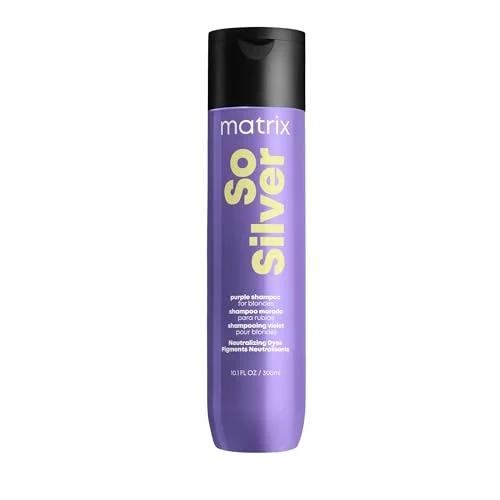
If your hair develops yellow, orange, or brassy tones after lightening, a toner can help neutralize those unwanted colors. Toning is especially common when lightening dark hair or trying to achieve cooler blonde shades.
Final Verdict
So, can 20 volume developer lighten hair? Yes, and for many people, it’s one of the safest and most effective ways to achieve mild to moderate lightening without excessive damage.
A 20 volume developer works best for individuals who want to brighten their natural hair color, cover gray hair, create highlights, or support permanent hair color applications. It provides enough lifting power to produce visible results while remaining less aggressive than stronger developers.
However, realistic expectations are important. While it can lift hair by one to two levels, it generally won’t create dramatic blonde transformations on dark hair without additional lightening products. Hair type, previous color treatments, and overall hair health all play major roles in determining the final outcome.
For the healthiest results, always perform a patch test, follow recommended processing times, and use moisturizing treatments after lightening. When used correctly, 20 volume developer can help you achieve brighter, more vibrant hair while maintaining the integrity of your strands.

- 7 Best Detangling Brushes for Curly Hair: Thick, Fine, Long & Natural Hair - September 25, 2026
- 5 Best Moisturizing Curl Defining Creams for Soft, Defined Curls - September 24, 2026
- Best Curl Creams for Straight Hair: 5 Top Picks for Women - September 24, 2026