Does Hair Conditioner Make Your Hair Fall Out?
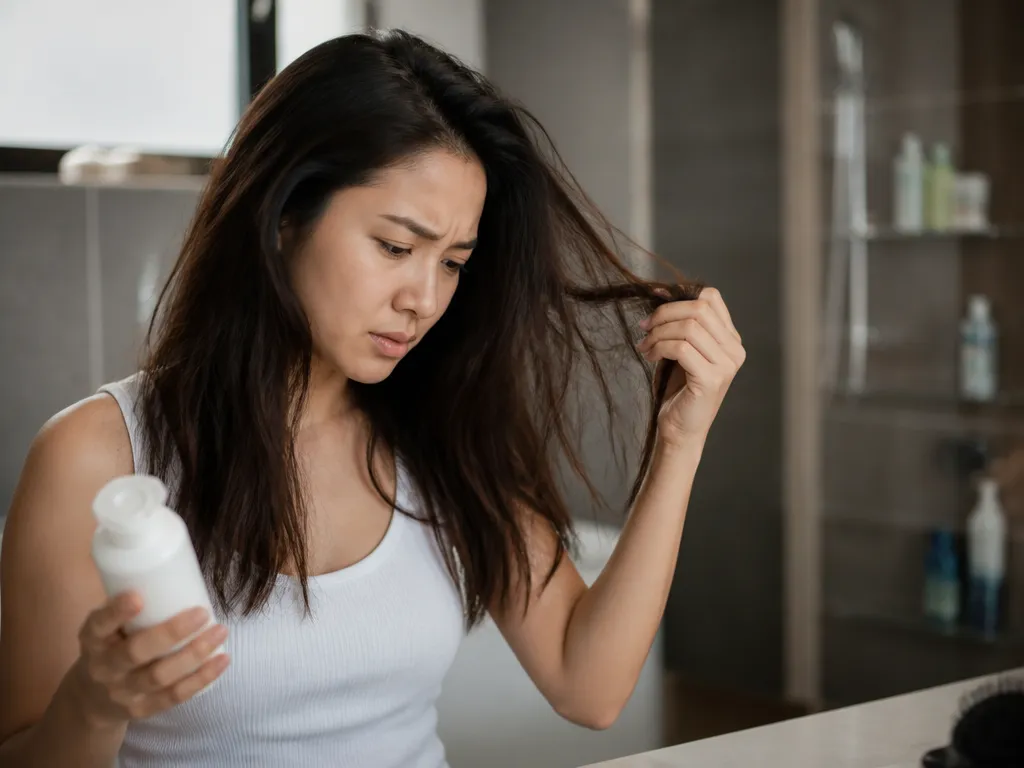
Worried your conditioner might be making your hair fall out? You’re not alone in this concern. Many people notice more hair in the drain after conditioning and wonder if their favorite product is secretly causing damage.
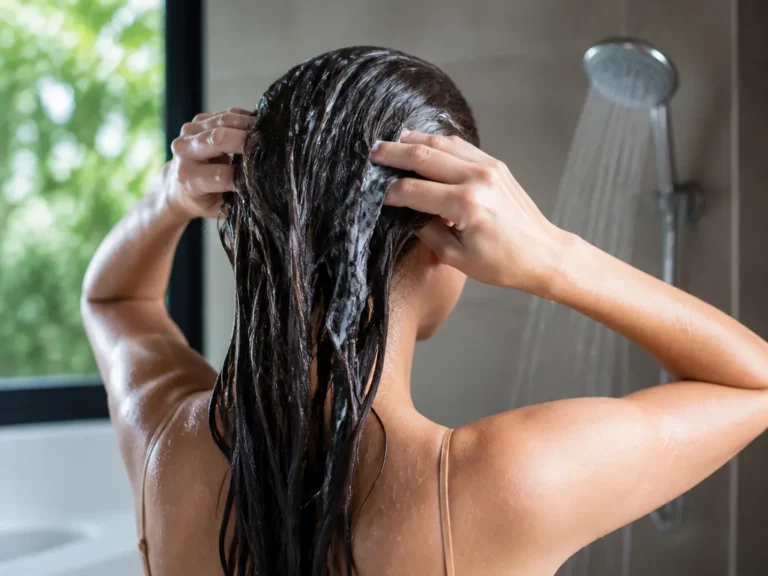
Hair conditioner itself does not cause true hair loss. The average person sheds 50-100 hairs daily, and conditioning often simply helps release hairs already in the shedding phase. What feels like “loss” from conditioner is usually just normal shedding that becomes more visible when detangling moisturized strands.
Does Hair Conditioner Make Your Hair Fall Out?
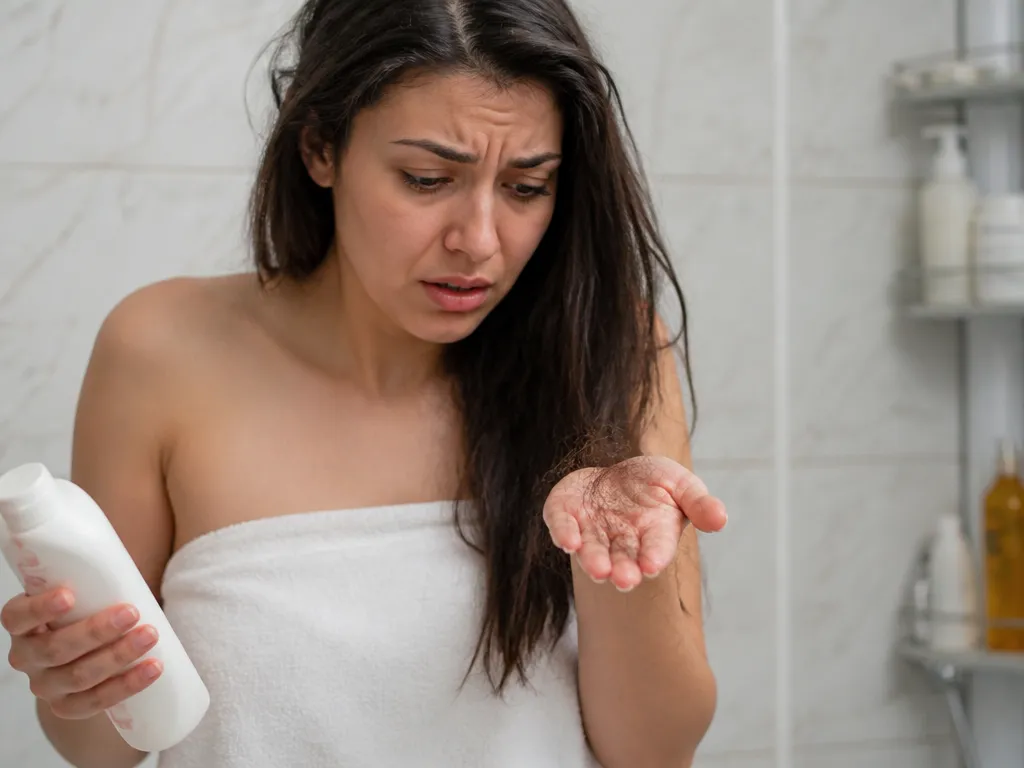
Conditioner itself does not cause hair loss or damage hair follicles. When used correctly, conditioner actually helps prevent breakage and shedding by lubricating the hair cuticle and reducing friction that leads to snapped strands.
The confusion about conditioner causing hair loss typically stems from increased visibility of shed hairs during washing and conditioning. Healthy hair sheds between 50-100 strands daily, but conditioner helps these fallen hairs clump together, making them more noticeable in your hands, comb, or drain.
Proper hair conditioning focuses on the lengths and ends of hair, avoiding direct application to the scalp unless specified for scalp treatments. Conditioners work by coating each hair strand with moisturizing ingredients like panthenol, glycerin, and dimethicone, which improve manageability without penetrating the follicle.
Some individuals may experience increased hair shedding due to allergic reactions or irritants in certain conditioner formulations. Ingredients like fragrances, parabens, and proteins can cause scalp irritation in sensitive individuals, leading to inflammation and temporary shedding.
| Conditioner Type | Potential Effects on Hair | Best For |
|---|---|---|
| Moisturizing | Reduces breakage, improves elasticity | Dry, damaged, or curly hair |
| Volumizing | May cause slight dryness at roots | Fine, limp hair |
| Protein-enriched | Overuse can lead to stiffness and breakage | Chemically treated hair |
For instance, protein-overload from hydrolyzed keratin or wheat protein conditioners can make hair brittle and prone to breakage when used too frequently without alternating with moisturizing conditioners.
Consider potential causes such as scalp sensitivity, product buildup, and breakage.
Switch to sulfate-free, fragrance-free conditioners if you suspect sensitivity, and limit conditioning to 2-3 times weekly for normal hair types. Always patch test new products before full application to avoid potential allergic reactions.
Identify Your Hair And Scalp Type
Scalp and hair types determine how a conditioner interacts with the follicle and shaft. A product designed for dry hair can clog an oily scalp, which often leads to buildup and irritation.
Scalp And Texture Differences
Oily scalps produce excess sebum and feel greasy within 24 hours of washing. These types require lightweight conditioners applied only to the ends to avoid clogging pores.
Dry scalps lack sufficient oil and often feel tight or itchy. They benefit from moisturizing agents like glycerin or shea butter.
For example, someone with an oily scalp but dry ends should use a volumizing conditioner. This prevents the roots from looking flat while still hydrating the tips.
Fine hair has a smaller diameter and collapses under heavy silicones. Coarse hair has a larger diameter and requires more slip to detangle.
| Type | Characteristic | Best Ingredient | Budget Option | High-End Option |
|---|---|---|---|---|
| Oily Scalp | Greasy roots | Lightweight Polymers | Maui Moisture ($7) | Pureology ($30) |
| Dry Scalp | Flaky or tight | Hyaluronic Acid | CeraVe ($15) | Oribe ($45) |
| High Porosity | Frizzy / Absorbs fast | Behentrimonium Chloride | Shea Moisture ($13) | Kérastase ($50) |
| Low Porosity | Water beads on top | Lightweight Oils | Love Beauty and Planet ($8) | Living Proof ($30) |
Porosity refers to the hair’s ability to absorb and retain moisture. High porosity hair has gaps in the cuticle, making it prone to frizz and rapid water loss.
Low porosity hair has a tightly closed cuticle. This makes it difficult for heavy conditioners to penetrate the shaft.
In practice, users with low porosity hair should use warm water to open the cuticle before applying conditioner. This allows the ingredients to enter the hair instead of sitting on top.
Esthetician tip: Always perform a patch test on the skin behind your ear for 24 hours before trying a new conditioner. This identifies potential allergic reactions before you apply the product to your entire scalp.
Ingredients That Soothe Or Irritate
Conditioner ingredients usually target the hair cuticle rather than the follicle. However, specific chemicals can trigger allergic reactions or contact dermatitis on the scalp. This inflammation can weaken the hair grip and increase shedding.
Beneficial Hydrators And Proteins
Humectants like glycerin and panthenol (Pro-vitamin B5) draw moisture into the hair and skin. These ingredients are ideal for people with dry or flaky scalps.
Proteins such as hydrolyzed keratin fill gaps in the hair shaft. This reduces breakage, which many users mistake for true hair loss from the root.
For instance, someone with bleached hair might see less hair in the drain after switching to a protein-rich conditioner because the strands are less likely to snap mid-shaft.
| Item | Specification | Notes |
|---|---|---|
| Glycerin | Humectant | Best for dry to normal scalp types. |
| Panthenol | Pro-vitamin B5 | Calms inflammation and adds shine. |
| Hydrolyzed Keratin | Protein | Strengthens fine or damaged hair. |
| Fragrance | Synthetic | Common trigger for sensitive skin. |
Potential Scalp Irritants
Synthetic fragrances and harsh preservatives are the most common triggers for scalp distress. These can cause redness, itching, and swelling on sensitive skin types.
For example, a person with a fragrance allergy might experience a tingling sensation followed by increased shedding due to acute scalp inflammation.
Silicones like dimethicone provide slip and shine. Heavy silicones can lead to buildup on oily scalps, which may obstruct follicles if not washed away properly with a clarifying shampoo.
Dermatologist tip: Always perform a patch test on the inner arm for 24 hours before applying a new conditioner to your scalp.
Proper Conditioning Application Technique
Applying conditioner correctly minimizes scalp buildup while maximizing benefits to prevent excessive shedding. The right technique ensures your hair receives conditioning without compromising follicle health.
Rinsing Thoroughly To Prevent Buildup
Incomplete rinsing leads to product residue that weighs down hair and can cause irritation. Buildup on the scalp may trigger inflammation and temporary shedding if left unaddressed.
Safe Detangling Methods With Wide-tooth Combs
Proper detangling prevents unnecessary hair loss during conditioning. Rough handling causes breakage that mimics shedding but is actually mechanical damage.
Common Conditioning Mistakes To Avoid
Avoid Scalp Application
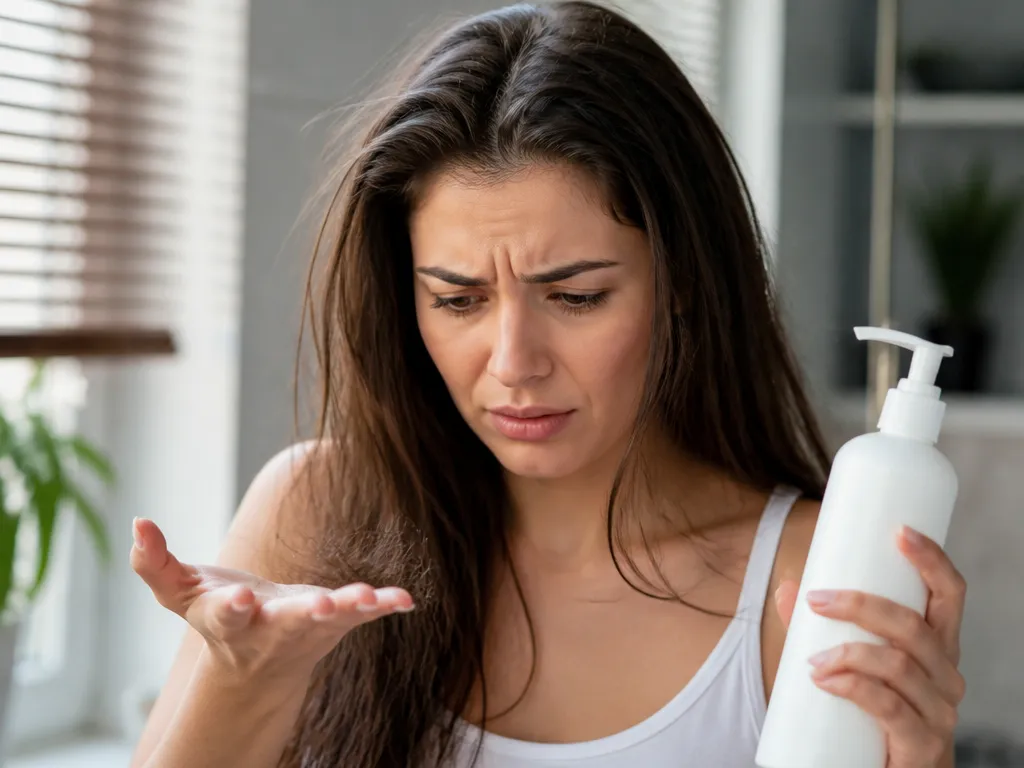
For example, someone with an oily scalp might notice more shedding during the wash process if heavy creams cause buildup. This irritation can lead to contact dermatitis in sensitive individuals.
Manage Silicone Buildup
Heavy silicones like dimethicone provide a smooth finish but can be too heavy for fine hair. These ingredients create a film that traps dirt and prevents moisture from entering the hair shaft. Over time, this buildup makes fine strands fragile and prone to snapping.
In practice, a person with fine, straight hair may find that their hair feels “mushy” or limp after using a rich mask. Switching to a lightweight, silicone-free conditioner helps maintain volume.
| Ingredient | Hair Type | Effect | Budget Alternative |
|---|---|---|---|
| Dimethicone | Thick/Coarse | Smooths cuticle | Pantene (Drugstore) |
| Behentrimonium Methosulfate | Fine/Thin | Detangles lightly | The Ordinary (Budget) |
Proper Rinsing And Testing
Poor rinsing leaves a residue that attracts pollutants. This film can cause itching or scalp inflammation, which may trigger temporary shedding.
Esthetician tip: Rinse your hair with cool water for 30 seconds longer than you think is necessary to ensure all surfactants and emollients are gone.
Smart Product Selection Strategies
Conditioner ingredients rarely cause true follicle damage, so product choice is mainly about reducing breakage while preventing scalp irritation and buildup. When shedding seems worse after switching conditioners, the usual culprit is irritation from fragrance, residue from heavy formulas, or applying conditioner to the scalp.
Drugstore Staples For Gentle Hydration
For most people (including oily to combination scalps), aim for conditioners that feel lightweight on the roots and rinse clean. Look for humectants like glycerin and panthenol (pro-Vitamin B5), plus slip-givers like cetyl alcohol or stearyl alcohol that help detangle without “gluing” hair to the scalp.
Drugstore approach: start with a basic, fragrance-light conditioner and use it only on lengths and ends. Apply after shampoo on wet hair, leave on for 1 to 3 minutes, then rinse thoroughly. Expect any “looks better” reduction in breakage within 1 to 2 washes, while true shedding trends take 2 to 6 weeks to judge.
High-end Treatments For Damaged Hair
For dry, chemically processed, or heat-damaged hair (and especially if you notice lots of snapping strands), higher-end conditioners can be worth it because they often have better detangling and conditioning balance. Look for repair-support ingredients such as hydrolyzed proteins (hydrolyzed keratin, wheat protein) and conditioning agents like amodimethicone for silkier feel and less snagging.
For example, if you just had highlights or relaxer, you may need a richer formula for a short stretch, but avoid stacking multiple “bond repair” products at once. Protein can help strength, but too much can make hair feel stiff and cause more breakage when detangling, which can look like hair falling out.
| Product level | Price range | Key ingredient to look for | Best for |
|---|---|---|---|
| Drugstore | Varies by brand (exact current pricing not found) | Glycerin, Panthenol | Oily to combination scalps, everyday detangling |
| High-end | Varies by brand (exact current pricing not found) | Hydrolyzed proteins, Amodimethicone | Color-treated, dry, brittle hair that snaps |
Fragrance-free Options For Sensitive Scalps
Sensitive scalps often react to fragrance components more than to the conditioning “base” itself. Choose fragrance-free or hypoallergenic conditioners, and avoid heavy essential oil blends if you get itchy, red, or flaky.
Dermatologist-style tip: patch test on the inner arm or behind the ear for 24 to 48 hours, especially if you have a history of contact dermatitis.
Patch-testing also matters if you use anti-shedding shampoos or scalp actives, since the timing can overlap and make it hard to tell what irritated you.
In practice, pause the new conditioner for a week, return to your prior tolerated one, and watch whether shedding and scalp symptoms improve.
Professional Scalp Health Tips
Healthy hair density depends more on scalp integrity and inflammation control than on whether conditioner is “causing shedding.” Conditioner can increase perceived shed only when it irritates your scalp, traps too much buildup, or gets applied too aggressively, which can make strands slide out during washing and brushing.
Patch testing is your fastest way to rule out an intolerance to a new conditioner, especially if you have sensitive skin, eczema, or fragrance sensitivity. Test the product on the part line or behind the ear for 48 hours, then check for redness, bumps, itch, or burning. Avoid patch testing right after bleaching, coloring, or a hot-oil treatment because your scalp barrier is already stressed.
Seasonal shedding is common and typically looks like a temporary spike in hair coming out during washing, usually after weather shifts or stress. Managing it starts with consistency: keep washing frequency steady for your scalp type and reduce extra friction (towel rub, tight elastics, aggressive detangling) so you can separate true loss from breakage. Oily to combination scalps often need more frequent cleansing to prevent buildup that can worsen irritation.
| Red flag | What it can mean | Next step |
|---|---|---|
| Patchy thinning or bald spots | Alopecia areata or other hair loss disorders | See a dermatologist promptly |
| Itching, burning, scaling, or persistent redness | Contact dermatitis or scalp inflammation | Stop the suspected product and get evaluated |
| Shedding that accelerates for more than 6 to 8 weeks | Telogen effluvium from a trigger, or another cause | Schedule a scalp-focused exam |
Dermatologist tip: apply conditioner from mid-length to ends only, then rinse thoroughly so residue never sits on the scalp line, especially if you have oily skin.
In practice, start troubleshooting by changing one variable at a time. Stop the new conditioner for 2 to 4 washes and use your usual, well-tolerated conditioner on lengths only, then track shedding and scalp comfort. If shedding improves but returns when you reintroduce the same product, consider swapping to a gentler formula without heavy fragrance or essential oils, and avoid applying it directly to the scalp.
Managing seasonal cycles also means not overreacting to the “wash day purge.” True hair loss usually looks like sustained thinning, widening parting, or visible scalp show-through, while normal shedding often follows a predictable pattern and settles. If you also notice significant dandruff, bleeding, or painful pustules, stop DIY changes and get medical guidance since inflamed scalp conditions can worsen any shedding trigger.
Quick Summary
Conditioner does not cause true hair loss because it only affects the hair shaft and not the follicle. Most people naturally shed 50 to 100 hairs every day, and these strands often clump together during conditioning, which makes the loss seem more dramatic. When used correctly, these products actually prevent breakage by lubricating the hair cuticle to reduce friction.
Excessive shedding over 150 hairs daily requires a dermatologist visit. While ingredients like glycerin and panthenol help, protein overload from keratin can make hair brittle. Choosing a product based on porosity and scalp type is essential, as oily scalps need lightweight polymers while dry scalps benefit from hyaluronic acid. If you suspect a reaction to fragrances or parabens, switch to a sulfate-free option for two weeks. The most important step is matching your conditioner to your specific hair porosity and scalp type.
Frequently Asked Questions
Can Using Hair Conditioner Every Day Cause Hair Loss?
No, conditioner does not cause hair loss because it treats the hair shaft rather than the follicle. However, overusing heavy conditioners can lead to product buildup that makes hair appear flat or limp.
Does Putting Conditioner On The Scalp Make Hair Fall Out?
Applying heavy conditioners directly to the scalp can cause buildup and irritation, which may contribute to temporary shedding in sensitive individuals. To reduce this risk, follow the product’s directions and rinse thoroughly.
Why Do I See More Hair In The Drain After Using Conditioner?
Conditioner provides “slip,” which allows hairs that have already naturally detached from the follicle to slide out more easily during rinsing. This is typically normal daily shedding of 50 to 100 hairs rather than active hair loss.
Are Silicone-free Conditioners Safer For Thinning Hair?
Yes, silicone-free alternatives are often better for thinning hair because they avoid creating a heavy coating that can weigh down fine strands. These formulas allow the hair to maintain more natural volume and breathe better.
How Often Should I Use A Clarifying Shampoo To Prevent Conditioner Buildup?
Using a clarifying shampoo once every one to two weeks helps remove residual conditioner and minerals from the scalp. This ensures that follicles remain clear and the hair remains lightweight and healthy.

- 7 Best Detangling Brushes for Curly Hair: Thick, Fine, Long & Natural Hair - September 25, 2026
- 5 Best Moisturizing Curl Defining Creams for Soft, Defined Curls - September 24, 2026
- Best Curl Creams for Straight Hair: 5 Top Picks for Women - September 24, 2026