Does Hair Conditioner Cause Dandruff?
Finding white flakes on your shoulders right after a fresh wash is frustrating, especially when you suspect your favorite conditioner is the culprit. While conditioners are designed to hydrate strands, they can accidentally trigger scalp irritation if they build up on the skin.
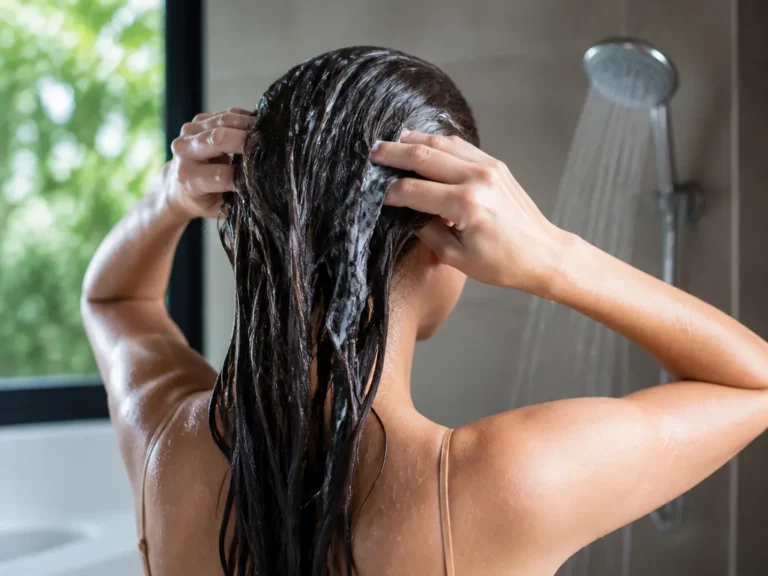
Hair conditioner buildup is a common cause of scalp irritation that mimics dandruff by trapping oil and skin cells. To prevent this, apply products only from the mid-lengths to the ends, and use a clarifying shampoo with salicylic acid once every 7 days to remove residue and clear clogged pores.
Best for: Oily and fine hair types. Use caution if: You have an extremely dry or sensitive scalp.
Does Hair Conditioner Cause Dandruff?
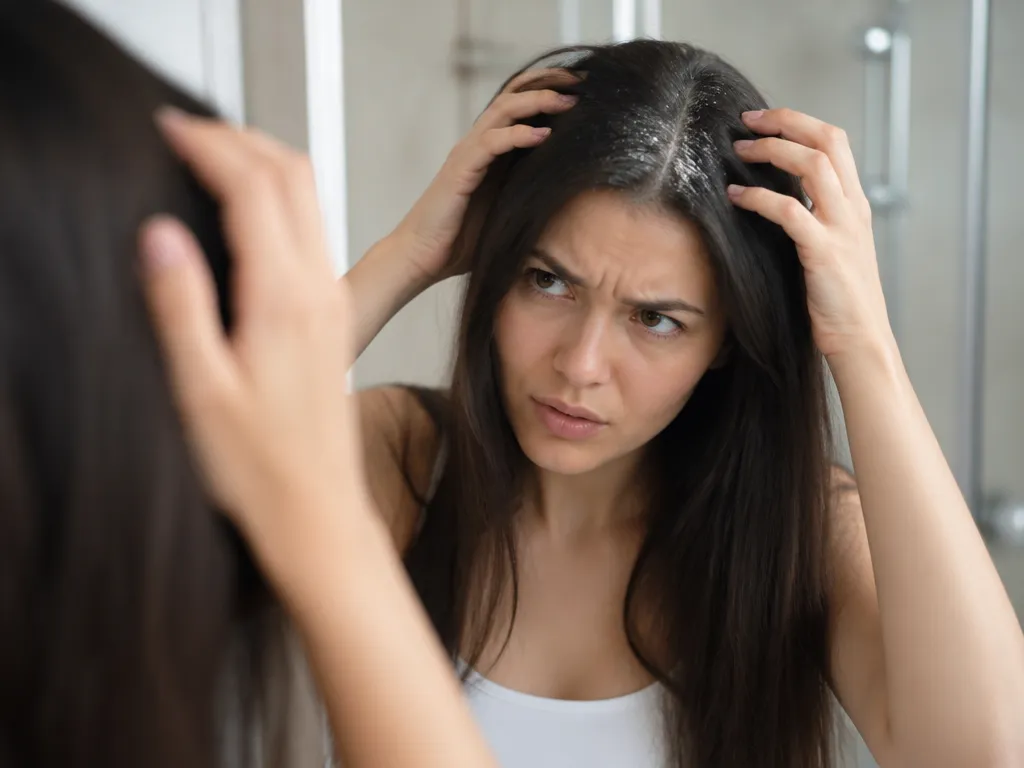
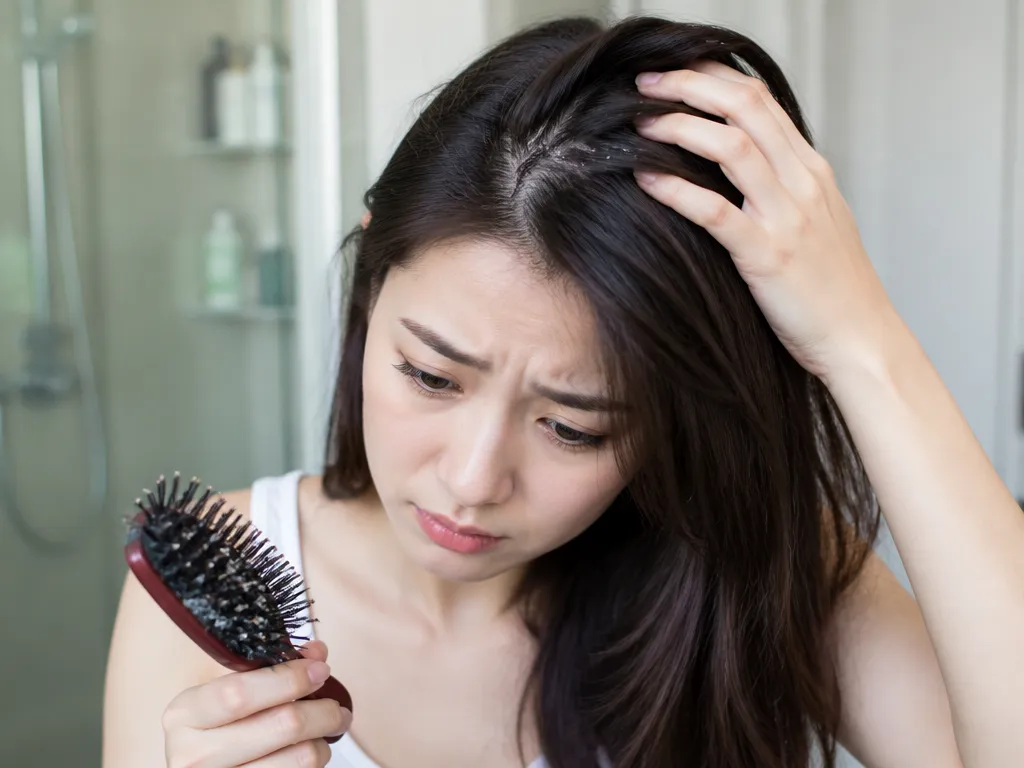
Hair conditioner does not cause the fungal overgrowth known as dandruff, but it can create residue that looks exactly like flakes. This confusion often leads people to switch products unnecessarily when they might simply need to rinse their hair more thoroughly.
Heavy conditioners coat the hair cuticle and scalp, creating a sticky environment for dead skin cells to clump together. While this residue is cosmetic, it can lead to irritation if left on the skin.
Identify Your Scalp And Hair Type
You cannot fix a flake problem without knowing if the flakes are caused by dry skin or fungus. Most dandruff is actually seborrheic dermatitis or dry scalp, not fungus. Identifying which one you have changes your product choice entirely.
Testing Scalp Moisture Levels
Visual inspection reveals the most immediate clues about moisture balance. A scalp that looks shiny or feels tight after a day or two usually indicates excess oil production. Conversely, a scalp that appears dull, feels rough, or sheds white flakes often indicates dryness.
Ingredients To Avoid On Scalps
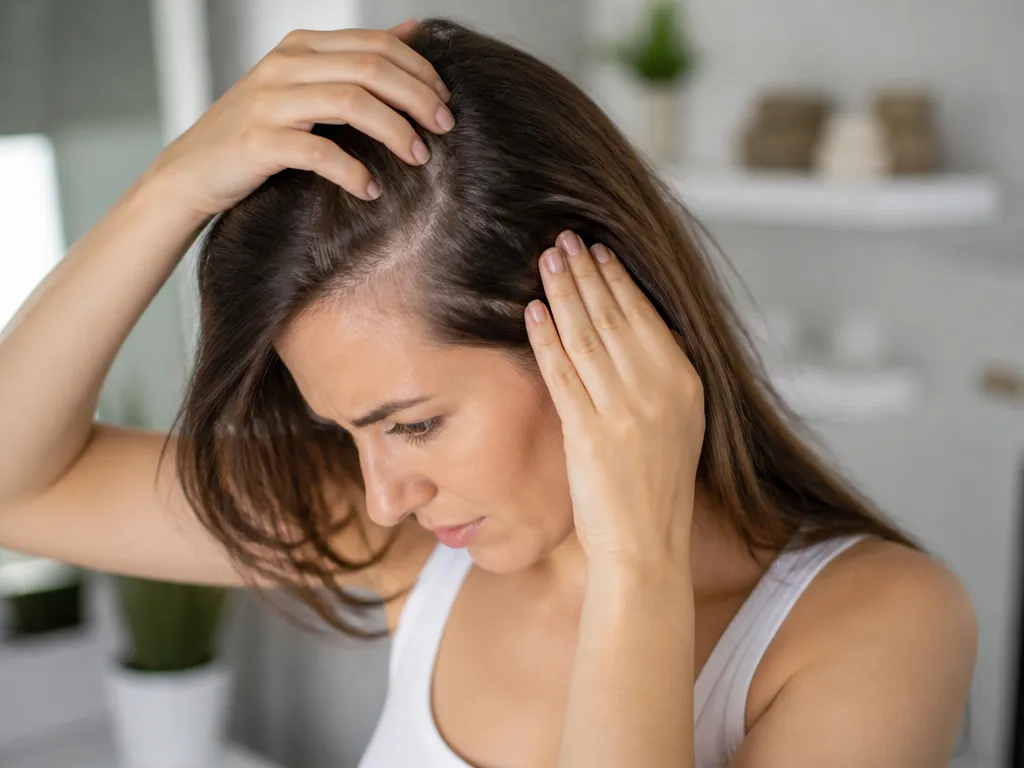
Certain hair care components can trigger scalp irritation that mimics dandruff or worsens existing fungal conditions. Ingredients like heavy waxes and fragrances often clog follicles or cause contact dermatitis, leading to flaking and itchiness. This reaction is distinct from a fungal overgrowth but produces the same unsightly white flakes on dark clothing.
Heavy Silicones And Waxes
Silicones are widely used to provide shine and smoothness to the hair shaft. However, these ingredients are occlusive agents that create a barrier over the scalp. When this barrier remains on the skin, it traps sweat and sebum, potentially feeding yeast like Malassezia. This can worsen seborrheic dermatitis or simply suffocate the skin cells causing them to shed irregularly.
| Ingredient | Specification/Amount | Why to Avoid |
|---|---|---|
| Dimethicone | High molecular weight | Creates a heavy occlusive layer that blocks moisture and may clog pores. |
| Stearalkonium Hydrochloride | Quaternary ammonium compound | Used as a conditioning agent, it can be a common irritant for sensitive skin. |
| Cetyl Alcohol | Fatty alcohol | While it moisturizes hair, it can be drying or irritating depending on formulation. |
Waxes and heavy alcohols are another concern for those with a sensitive or oily scalp. These ingredients are designed to coat the hair, but they can leave a residue on the scalp that feels heavy and greasy. This heaviness disrupts the skin barrier and may lead to inflammation.
Fragrance And Essential Oils
Synthetic fragrances are the most common contact allergens in personal care products. They can cause contact dermatitis, which presents as red, itchy, scaly skin that flakes off. This reaction is distinct from fungal dandruff but often treated the same way by sufferers. Even natural essential oils like lavender or tea tree can trigger reactions in sensitive individuals.
Proper Conditioner Application Techniques
Conditioner application requires a strict focus on the mid-lengths and ends of the hair to avoid scalp contact. Applying heavy emollients directly to the roots often leads to product buildup, which can trap oils and trigger irritation on the scalp surface.
Expert tip: If you struggle with dry ends but oily roots, consider a reverse-washing routine. Apply a lightweight conditioner to the ends before you shampoo, then wash your scalp as usual to ensure no residue remains near the hair follicles.
Consistency in your rinsing technique is vital for all hair types, especially for those with coarse or curly textures that require heavier moisturizing formulas. These richer products often contain silicones or heavy oils like shea butter, which are difficult to remove if they touch the scalp. Always check the ingredients list for water-soluble silicones if you notice your scalp feels itchy or clogged after wash day.
High-end conditioning masks and everyday formulas perform differently depending on the porosity of your hair. Fine, low-porosity hair thrives with lightweight, protein-based conditioners like those from drugstore brands such as OGX ($8), whereas thick, high-porosity hair may benefit from richer, lipid-heavy treatments like those from Kérastase ($50). Match the weight of the product to your hair type to prevent unnecessary heaviness that migrates toward the scalp.
Common Mistakes Causing Scalp Buildup

Scalp buildup occurs when heavy silicones, waxes, or oils remain on the skin surface because of improper rinsing or infrequent deep cleaning. These residues trap dead skin cells and sebum, which creates a breeding ground for Malassezia yeast and mimics the appearance of flaking.
The Role Of Clarifying Shampoos
Clarifying shampoos serve as a reset button for the scalp by using stronger surfactants to strip away stubborn product accumulation. People with fine or thin hair often avoid these cleansers because they fear dryness, but skipping them leads to a flat, greasy, or irritated scalp environment.
Over-conditioning And Product Placement
Applying heavy, nutrient-dense conditioners to the roots of fine or thin hair is a frequent error that invites congestion. Conditioners formulated for thick or curly textures often contain high concentrations of shea butter or heavy oils that do not easily wash away from the scalp skin.
Dermatologist tip: If your hair is fine, apply conditioner starting at the chin level and work downward to avoid coating the scalp skin in occlusives.
| Hair Type | Conditioner Strategy | Risk of Buildup |
|---|---|---|
| Fine/Thin | Apply to ends only | High |
| Medium/Normal | Apply mid-lengths to ends | Moderate |
| Coarse/Curly | May apply closer to roots | Low |
In practice, those with oily skin types should prioritize lightweight, silicone-free formulas to prevent weighing down the follicles. If you notice persistent itching or flakes after switching products, perform a patch test on your inner arm to rule out contact dermatitis from specific fragrance or preservative ingredients. Consistency is the goal, but over-applying product is a common habit that disrupts the natural balance of your scalp microbiome.
Best Products For Flake-prone Scalps
Choosing the right conditioner is the single most effective way to prevent scalp buildup. You need a formula that detangles without clogging follicles or weighing hair down.
Professional Tips For Lasting Results
Scalp health relies on maintaining a balanced pH and removing dead skin cells to prevent fungal overgrowth. A consistent routine prevents the accumulation of product residue and sebum that often triggers flaking.
Exfoliation And Scalp Scrubs
Scalp scrubs work best for oily to combination skin types to remove stubborn product buildup. Use these treatments once a week to clear the follicles of dead skin and excess oils.
For instance, if you use heavy silicone-based conditioners, a salicylic acid scrub helps break down those residues. This prevents the “suffocated” feeling that can lead to irritation.
Avoid using physical scrubs if you have an active inflammatory condition or open sores on the scalp. Always perform a patch test on the inner arm before applying a new chemical exfoliant to the skin.
Esthetician tip: Massage your scalp for two minutes during shampooing to increase blood flow and ensure the cleanser reaches the skin.
Seasonal Routine Adjustments
Winter air strips moisture from the skin, which often leads to dry scalp flakes. Switch to a creamier, sulfate-free shampoo and apply conditioner only to the ends of the hair.
Summer brings more sweat and sebum production. Increase the frequency of clarifying washes to prevent oil plugs that can trap bacteria against the scalp.
In practice, a person with a dry scalp in January may need a hydrating mask, while the same person may need a clarifying treatment in July.
| Season | Scalp Focus | Recommended Ingredient | Frequency |
|---|---|---|---|
| Winter | Hydration | Hyaluronic Acid | Weekly deep condition |
| Summer | Oil Control | Salicylic Acid | Bi-weekly clarify |
Budget options exist for every goal. High-end: Briogeo Scalp Revival ($30). Drugstore: Neutrogena T/Sal ($12). Both use salicylic acid to break down flakes.
Expect to see a clearer scalp in 2 to 4 weeks of consistent use. Avoid combining high-strength salicylic acid with prescription steroid creams without a doctor’s approval.
Quick Summary
Conditioner does not cause the fungal overgrowth associated with true dandruff, but it often leads to product buildup that mimics those symptoms. When heavy formulas coat the scalp, they trap sebum and dead skin cells, which creates visible flakes that resemble a medical condition. To prevent this, you should apply your conditioner strictly from the mid-lengths to the ends of your hair. Keeping these products at least three inches away from the scalp helps prevent clogged pores and unnecessary irritation while keeping your hair hydrated without the greasy residue.
Managing scalp health requires distinguishing between fungal issues and simple product accumulation. You can improve your scalp condition by using a clarifying shampoo with salicylic acid once every seven days to clear out residue. It is also beneficial to switch to fragrance-free products if you notice persistent itching or redness, as synthetic scents are common allergens. If you require extra smoothing, opt for water-soluble silicones that rinse away easily. Ultimately, the most important takeaway is to prioritize thorough rinsing for sixty seconds to ensure no product remains on the skin.
| Strategy | Action Item |
|---|---|
| Application | Start 3 inches from the scalp |
| Exfoliation | Weekly clarifying treatment |
| Rinsing | 60 seconds minimum |
Beauty Routine Cheat Sheet
One Thing to STOP Doing Immediately
Do not apply heavy conditioners or wax-based products directly to your scalp.
Expected Timeline for Results
You should notice a reduction in flakes and irritation within 14 days of switching to a fragrance-free routine and adjusting your application technique.
Frequently Asked Questions
Can Leaving Conditioner On Too Long Cause Scalp Flakes?
Yes, leaving conditioner on too long can cause product buildup that blocks hair follicles and irritates the scalp. You should rinse for at least 60 seconds to remove all residues.
Which Ingredients In Conditioner Make Dandruff Worse?
Look for heavy oils or silicones like dimethicone if you have dandruff, as these can suffocate the scalp and promote yeast growth. Switch to lightweight, water-based formulas.
How Should I Rinse Conditioner To Prevent Flakes?
You must rinse thoroughly until the water runs completely clear to ensure no heavy ingredients remain on the scalp. This simple step often eliminates flakes caused by residue buildup.
Is There A Specific Type Of Conditioner For Dandruff-prone Scalps?
You can use a clarifying conditioner once a week or a product specifically designed for sensitive scalps to strip away excess oils. These options are generally safer than medicated shampoos for daily use.
How Do I Know If My Dandruff Is From Conditioner Or Dry Skin?
If your scalp is itchy, it is likely a fungal issue like seborrheic dermatitis rather than simple dryness from product buildup. You should consult a dermatologist for a proper diagnosis.

- 7 Best Detangling Brushes for Curly Hair: Thick, Fine, Long & Natural Hair - September 25, 2026
- 5 Best Moisturizing Curl Defining Creams for Soft, Defined Curls - September 24, 2026
- Best Curl Creams for Straight Hair: 5 Top Picks for Women - September 24, 2026