Can You Curl Your Hair With A Keratin Treatment?
You spent hundreds of dollars on a professional keratin treatment only to realize your hair is now too straight to hold a bounce. It is a common frustration because the smoothing process fundamentally changes how your hair reacts to heat and styling. This guide explains how to get those waves back without ruining your investment.
Curling hair after a keratin treatment is possible, but you must wait at least 72 hours before using any heat tools. To ensure your curls stay, use sulfate-free styling creams and keep your curling iron temperature below 350 degrees Fahrenheit. This prevents the treatment from stripping away prematurely.
Best for: All hair textures. Use caution if: You have extremely fine or chemically over-processed hair.
Can You Curl Your Hair With A Keratin Treatment?
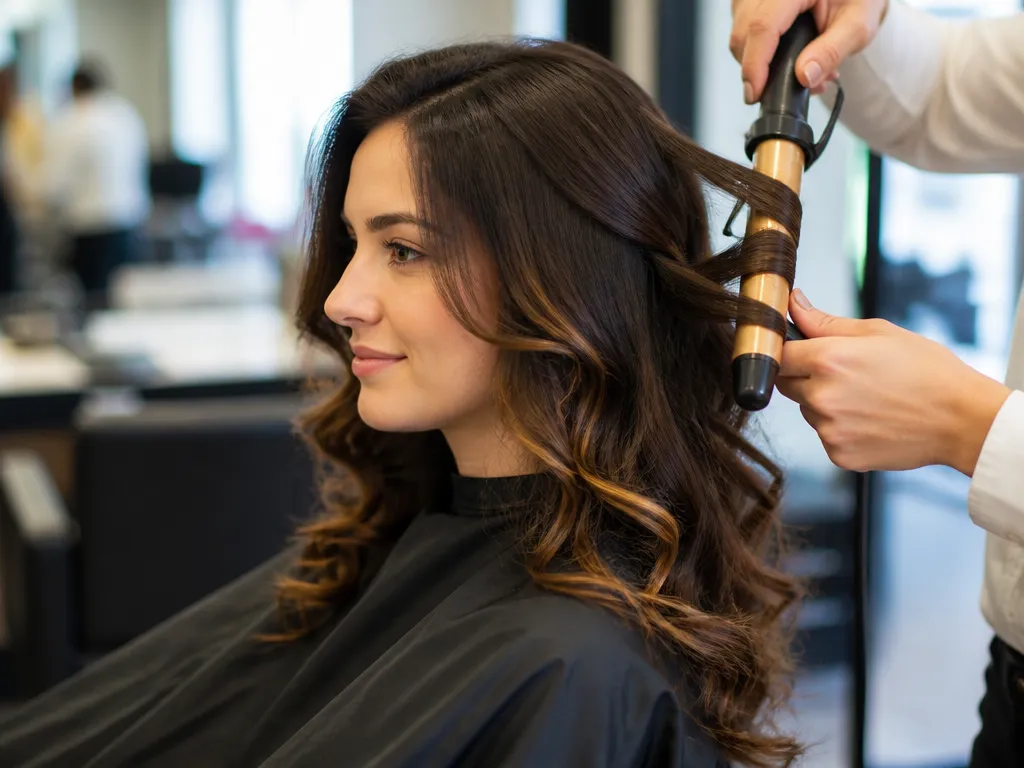
Keratin treatments allow for curling, but the protein coating makes the hair more resistant to holding a shape. The smoothed cuticle reduces the friction needed for a curl to grip and stay in place.
Styling tools must stay away from the hair for the first 72 hours after the salon visit. This window allows the formula to bond fully to the hair shaft without interference.
Beauty Editor Tip: Use a heat protectant with a silicone base to shield the keratin layer from melting or stripping during styling.
Styling Expectations By Treatment Type
Different formulas impact your ability to hold a curl. A traditional Brazilian blowout provides the most smoothness but the least curl retention.
| Treatment Type | Curl Hold | Primary Result |
|---|---|---|
| Traditional Keratin | Low | Maximum Frizz Control |
| Keratin Express | Medium | Reduced Volume |
| Smoothing Treatment | High | Manageable Texture |
Coarse or high-porosity hair types benefit most from these treatments. These textures often struggle with frizz, and the keratin creates a polished base that looks cleaner when curled.
For instance, a person with thick, curly hair may find that their curls look more defined and less “poofy” after a treatment, even if the curls drop faster.
Understanding Hair Type For Keratin
Hair porosity determines how effectively your strands absorb moisture and how well they hold the structural changes introduced by a keratin treatment. High porosity hair often struggles to maintain curls because the cuticle is too open, allowing moisture to enter and weigh the hair down. Low porosity hair may resist the treatment itself, making it harder to achieve the smooth, flexible texture needed for curling.
Porosity And Texture Dynamics
Porosity levels dictate how your hair reacts to heat styling and chemical smoothing. When you add a keratin layer, you are essentially sealing the cuticle, which changes how the hair responds to the thermal energy of a curling iron.
Texture and natural curl patterns also play a major role in your styling results. Fine hair tends to lose its shape faster than coarse hair, even with a smoothing treatment. Coarse, thick hair provides a more substantial foundation for holding a bend, but it requires more heat to reshape.
Stylist tip: Perform a porosity test by placing a clean strand of hair in a glass of water. If it sinks immediately, you have high porosity; if it floats, you have low porosity.
Identifying these traits helps you choose the right heat settings and products. For instance, someone with fine, high-porosity hair needs lightweight volumizing mousses, while coarse, low-porosity hair benefits from heavier creams to prevent frizz.
| Hair Profile | Curl Retention Potential | Recommended Styling Approach |
|---|---|---|
| Fine / High Porosity | Low | Use lightweight sea salt sprays and low heat. |
| Medium / Medium Porosity | High | Standard curling iron settings work best. |
| Coarse / Low Porosity | Very High | Use heat protectants and larger barrel irons. |
In practice, a person with naturally straight, fine hair will find that a keratin treatment makes their hair even more resistant to curling. They may need to rely on more structured styling products to compensate for the loss of natural grip.
Key Ingredients For Keratin Curling
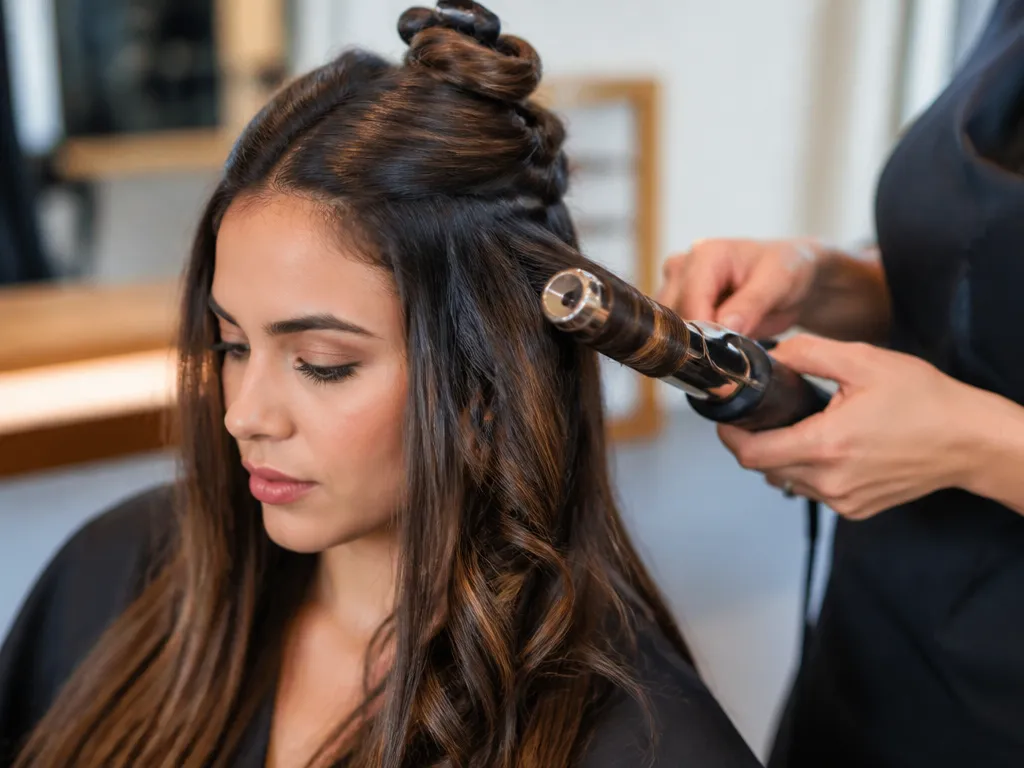
Hydrolyzed keratin and amino acids provide the structural support needed to maintain hair integrity when using heat styling tools. These small protein molecules fill in gaps in the hair cuticle, which helps the hair hold a shape without becoming brittle.
Heat-protective polymers and bond-builders act as a secondary defense layer during the curling process. These ingredients create a temporary film over the hair shaft to distribute heat evenly and prevent the keratin treatment from stripping away too quickly.
Essential Styling And Protection Ingredients
Choosing products with the right molecular weight is vital for treated hair. Large protein molecules often sit on top of the hair, while hydrolyzed versions penetrate deeper to provide internal strength.
For instance, if you use a heavy silicone-based serum, it might weigh down your curls and make them look greasy. Instead, look for lightweight polymers that offer shine without the heavy residue.
| Item | Function | Best For |
|---|---|---|
| Hydrolyzed Keratin | Strengthens hair shaft | Damaged or high-porosity hair |
| Amino Acids | Moisture retention | Dry, brittle hair textures |
| Bond-Builders | Internal structural repair | Color-treated or chemically processed hair |
| Heat-Protective Polymers | Thermal barrier | Daily heat styling |
Pro tip: Always apply heat protectant to damp hair before blow-drying, and a light version to dry hair before using a curling iron.
Ingredient Selection Tips
Expect to see a difference in how your hair responds to heat within 2-3 uses of a high-quality protective serum. High-end options like Olaplex ($30) focus on bond repair, while drugstore alternatives like OGX ($8) often use silicones for immediate smoothness.
Curling Routine After Keratin
Keratin-treated hair can hold curls effectively once the initial waiting period has passed. The key is using lower temperatures and proper preparation to maintain both your curl pattern and the treatment longevity.
Low-heat Curling Technique
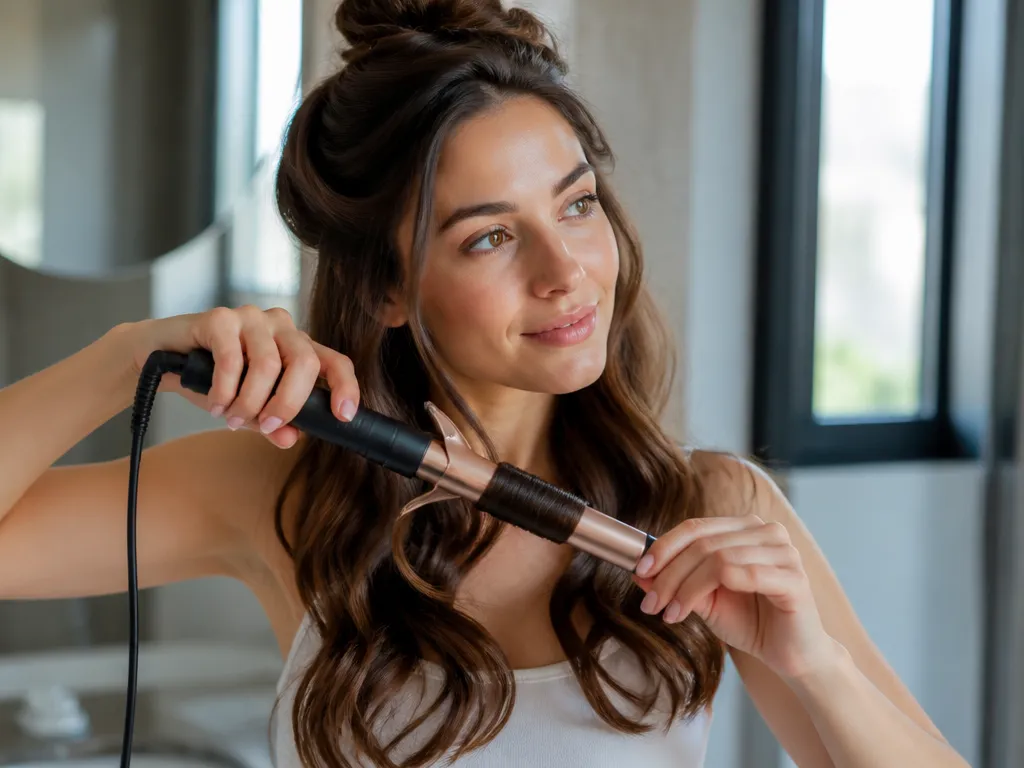
When curling keratin-treated hair, always use lower heat settings than you would with untreated hair. Set your curling iron to 300-345°F (150-170°C) rather than the typical 400°F+ for untreated hair. This prevents excessive heat damage that can strip away the keratin coating.
Pre-curl Prep For Better Hold
Proper preparation before curling significantly improves how well your curls hold and how long your keratin treatment lasts. Start by using a lightweight, keratin-safe styling product that provides hold without weighing down your hair.
Mistakes That Wreck Keratin Curls
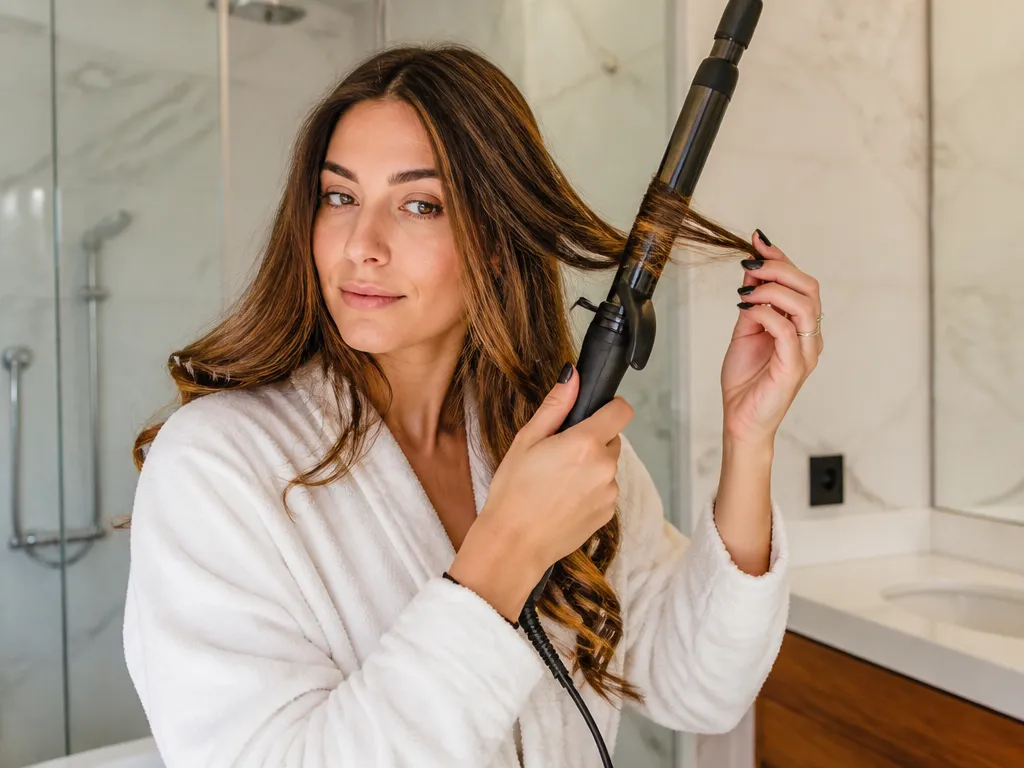
Excessive heat can damage keratin-treated hair, permanently altering both the treatment and your ability to hold a curl. The keratin treatment works by filling the hair cuticle with protein and sealing it with heat, so excessive styling temperatures can break down this protective layer on your strands.
For example, many people make the mistake of using regular hairspray on keratin-treated curls, which contains alcohol that can dry out the hair and break down the treatment. Instead, choose alcohol-free styling products designed for chemically treated hair to maintain both your curls and your treatment.
Another common error is washing your hair too frequently after a keratin treatment, as each wash gradually removes the treatment. Try to extend time between washes by using dry shampoo and avoid wetting your hair unnecessarily to preserve your curls for longer periods.
Budget &Amp;amp;amp; Diy Curl Options
Creating curls on keratin-treated hair is absolutely possible with the right techniques and products that won’t compromise your treatment. The key is selecting sulfate-free, keratin-compatible styling tools and products that maintain the treatment’s integrity while delivering the desired curl pattern.
Budget-friendly Keratin-safe Products
Maintaining your keratin treatment doesn’t require expensive products. Several affordable options exist that won’t strip your treatment or cause premature fading. Look for shampoos and conditioners specifically labeled as keratin-safe or sulfate-free.
| Product | Price Range | Key Benefit | Best For |
|---|---|---|---|
| OGX Argan Oil of Morocco | $8-10 | Lightweight moisture | Fine to medium hair |
| SheaMoisture Coconut & Hibiscus | $10-12 | Intense hydration | Coarse, dry hair |
| Aussie 3 Minute Miracle | $4-6 | Rapid repair | Damaged hair |
No-heat Curling Methods
For those wanting to completely avoid heat styling, several effective no-heat methods can create beautiful curls without damaging your keratin treatment. These methods require a bit more time but are gentle on your treated hair.
“Dermatologist tip: Always ensure your hair is completely dry before removing any no-heat setting methods to prevent frizz and maintain your curl definition.”
For budget-conscious styling, consider investing in a set of good quality rollers or flexi-rods that can be reused multiple times. These tools provide excellent results without the ongoing cost of heat styling products or professional salon visits.
Expert Tips For Lasting Curls
Heat protection is essential when styling keratin-treated hair to maintain both the treatment’s integrity and your curl pattern. Always apply a heat protectant spray with thermal blockers before using any styling tools, as this creates a barrier that prevents protein breakdown and extends the life of both your treatment and curls.
Heat Protection And Temperature Control
Keratin-treated hair requires lower temperatures than untreated hair to achieve lasting results without damage. Set your curling iron to 300-345°F for fine, medium, and thick textures. Higher heat can compromise the keratin bonds and cause the treatment to break down prematurely.
For example, using a ceramic or tourmaline curling iron with adjustable temperature settings allows you to customize heat for your specific hair type. These materials distribute heat more evenly than traditional metal plates, reducing hot spots that can cause frizz and damage the keratin coating.
Technique For Shaping And Locking Curl
Proper curling technique makes all the difference in how well your style holds with keratin-treated hair. Start with completely dry hair and work in small sections, wrapping the hair around the iron without overlapping it more than once. Hold each curl for 5-8 seconds before releasing to allow the keratin to reset in the new shape.
Finishing Touches To Extend Hold
The right finishing products can dramatically extend the life of your curls while protecting your keratin treatment. Lightweight hairsprays or texturizing sprays provide hold without weighing down the hair or causing buildup that can interfere with the treatment’s effects.
Quick Summary
Yes, you can curl hair after a keratin treatment, but the smooth, protein-coated finish changes how curls form and hold. The article explains that the smoothed cuticle lowers the friction a curl needs to grip, so bounce may drop faster than on untreated hair. It also emphasizes a strict 72-hour waiting period with no heat tools, so the formula can fully bond to the hair shaft without being disrupted.
Once you are past the 72 hours, choose products and temperatures according to your porosity and texture. It also notes heat-free options like flexi-rods or silk rollers for maximum longevity. The most important takeaway is to protect treated hair while styling and expect curls to hold for less time.
| Topic | What to Do |
|---|---|
| Waiting window | Do not use heat or styling tools for 72 hours |
| Heat limit | Curling iron temperature below 350°F |
| Product rule | Choose sulfate-free shampoos and styling creams |
| Extra protection | Use a silicone-based heat protectant |
| Hold expectation | Treated hair usually holds curls for less time |
Frequently Asked Questions
Can You Curl Your Hair After A Keratin Treatment?
Yes, you can curl your hair after the initial salon service. Follow the treatment’s recommended waiting period before using heat tools.
Why Won’t My Curls Stay After A Keratin Treatment?
Keratin fills the hair cuticle to remove frizz, which makes the hair smoother and heavier, causing curls to drop faster. You can improve hold with a strong hold mousse or a professional styling spray before curling.
What Temperature Should I Use To Curl Keratin Treated Hair?
Keep your curling iron below 350 degrees Fahrenheit to avoid damaging the protein layer. Using higher heat can scorch the treatment and lead to premature fading of your results.
Is A Keratin Treatment Different From A Brazilian Blowout For Curling?
Yes, Brazilian blowouts are typically temporary smoothing treatments that often allow for more flexible styling. Traditional keratin is more focused on structural repair, which can make the hair feel too slippery to hold a tight curl.
How Often Can I Use A Curling Iron On Keratin Hair?
It is best to limit heat styling to 2 or 3 times per week to preserve the treatment. Overusing heat will strip the keratin coating, meaning you will need a touch up sooner than the typical 3 to 5 month window.

- Does Washable Hair Dye Spray Damage Hair? (Complete Health & Safety Guide) - September 22, 2026
- How to Use Washable Hair Dye Spray Without Staining Clothes (Mess-Free Guide) - September 22, 2026
- Washable Hair Dye Spray: How Long Does It Last? (Complete Guide) - September 22, 2026