Can You Exercise After Prp Hair Treatment?
Just got your PRP hair treatment and wondering when you can hit the gym again? You’re not alone. Many patients eager to maintain their fitness routine after this innovative hair restoration procedure have the same question about post-treatment activity.
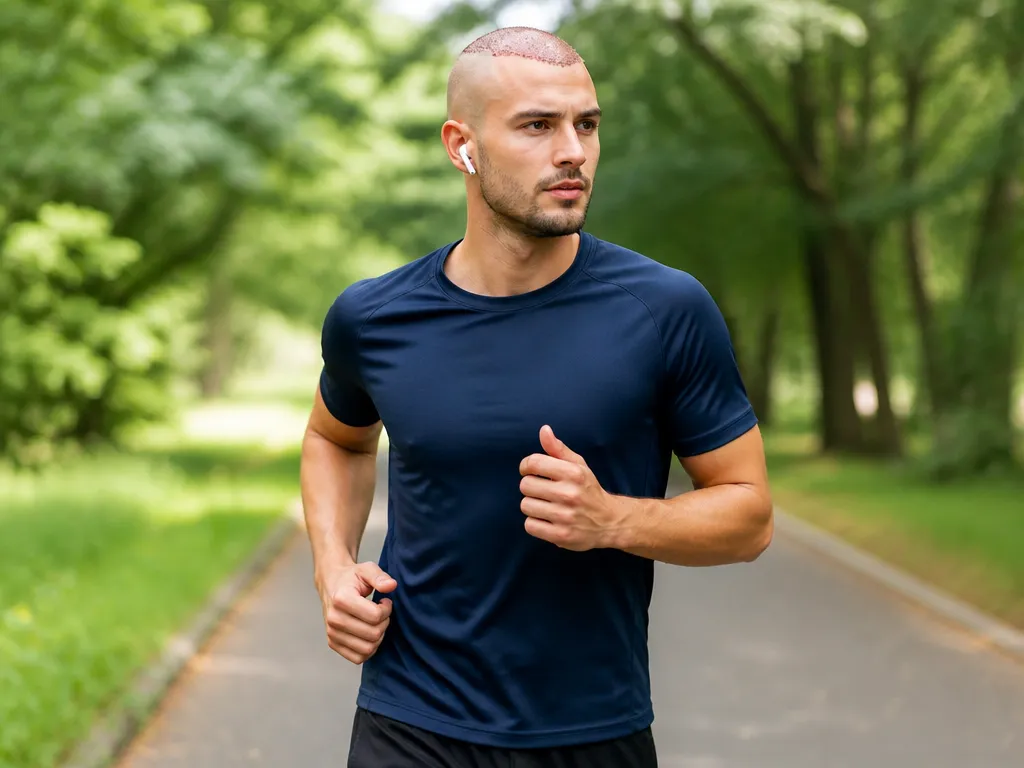
PRP hair treatment requires 24-48 hours of rest before resuming exercise. Your scalp needs this time to heal properly and maximize the platelet-rich plasma benefits. Light activities can typically begin after 48 hours, while intense workouts should wait at least 7 days post-treatment.
- Avoid high-impact exercise. No heavy lifting, running, or contact sports for 7 days
Can You Exercise After Prp Hair Treatment? (Timeline)?
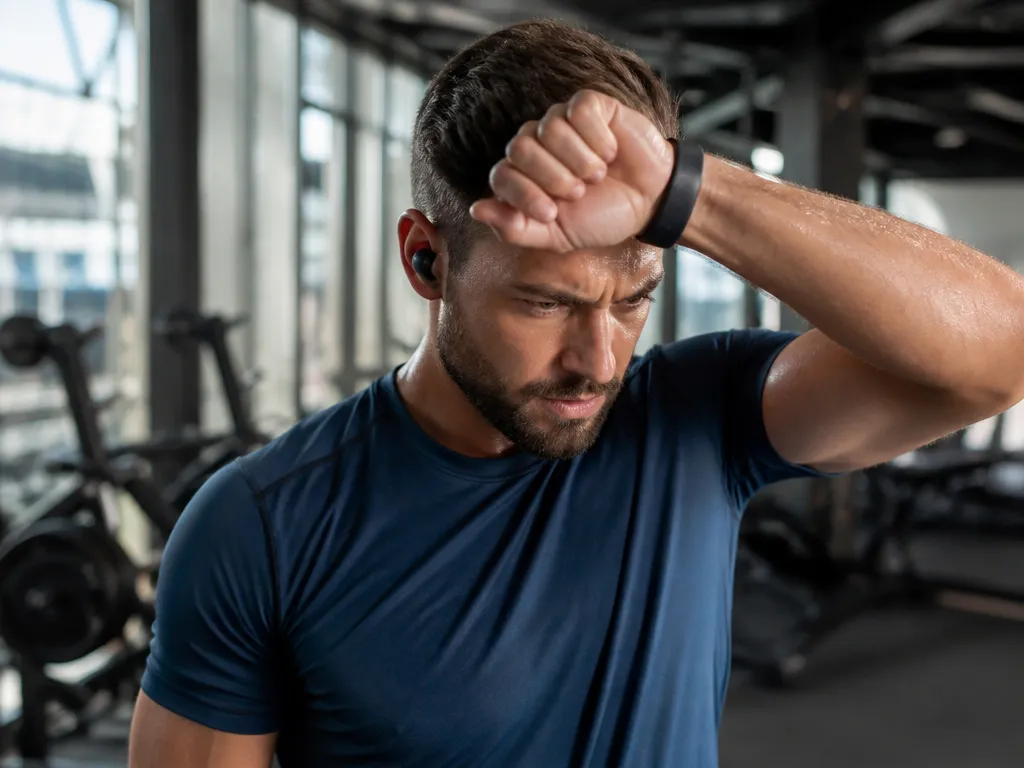
Physical activity should be avoided for at least 24 to 48 hours following a platelet-rich plasma injection to ensure the treatment remains effective. Resting during this initial window prevents sweat and bacteria from compromising the micro-incisions made in the scalp. Allowing the growth factors to settle without the interference of increased blood flow or perspiration maximizes the potential for hair follicle stimulation.
Sweat carries salt and bacteria that can irritate fresh injection sites. If these impurities enter the small puncture wounds, you increase the risk of scalp inflammation or infection. Furthermore, intense cardiovascular sessions raise your internal body temperature and blood pressure, which can cause localized swelling or discomfort at the treatment sites.
Practitioner tip: Prioritize rest for the first two days to allow the concentrated platelets to bond effectively with your hair follicles without being washed away by sweat.
Activity Recovery Timeline
Resuming movement requires a gradual approach to ensure your scalp remains calm. Most patients can return to light activity within two days, but heavy lifting or high-intensity interval training (HIIT) requires more patience.
| Time After Treatment | Activity Level | Recommended Examples |
|---|---|---|
| 0 – 48 Hours | Strict Rest | Walking, light stretching, seated activities |
| 48 – 72 Hours | Low Intensity | Slow walking, gentle yoga (avoiding inversions) |
| 3 – 7 Days | Moderate Intensity | Light jogging, steady-state cycling |
| 7+ Days | Full Intensity | Weightlifting, HIIT, heavy cardio |
Inversions, such as headstands in yoga or certain heavy lifting movements where the head is below the heart, should be avoided for at least three days. These positions increase cranial blood pressure and may cause throbbing or increased swelling in the treated area.
Contact your provider immediately if you experience any of the following symptoms:
Identify Your Scalp Sensitivity Level
Knowing your scalp type helps tailor post-PRP exercise. Oily scalps sweat more quickly, raising friction and potential irritation at the treated sites. Dry scalps are prone to irritation from sweat and products, while reactive skin reddens easily with heat or pressure. This framework works best for oily to combination scalps, and can be adapted for dry or sensitive conditions.
| Scalp Type | Key Signs After PRP | Exercise Precautions |
|---|---|---|
| Oily | Shiny, rapid sweat buildup | Cool workouts, breathable cap, blot sweat, limit duration first 24-48h |
| Dry | Itching, flakes, tight scalp | Avoid harsh products, moisturize with fragrance-free option, choose gentle sessions |
| Reactive | Redness or burning with heat | Light activity first, monitor response, pause if symptoms worsen |
Patch test any new scalp products 24 to 48 hours before use near the treated area, and avoid combining active ingredients that may irritate the scalp right after PRP. If you are unsure, consult your clinician for a personalized plan. This guidance supports all skin tones and hair textures to keep healing comfortable while you reintroduce activity.
Dermatologist tip: Sweat management matters. Keep sessions short, opt for cooling environments, and stop immediately if irritation grows around the scalp.
Growth Factors And Scalp Actives

Platelet-Rich Plasma (PRP) uses concentrated growth factors from your own blood to trigger cell regeneration and stimulate dormant hair follicles. These proteins increase blood flow to the scalp and prolong the growth phase of the hair cycle.
Platelets release signaling proteins like PDGF and VEGF. These proteins tell the scalp to produce more collagen and repair damaged tissues. This process creates a better environment for hair to grow thicker and stronger.
Safe Post-healing Actives
Topical ingredients can support these growth factors once the scalp has completely healed. Caffeine is an effective choice because it blocks DHT locally and improves circulation. This works best for oily to combination scalps that struggle with buildup.
Biotin and Niacinamide (Vitamin B3) also provide support. Niacinamide at a 2-5% concentration reduces redness and balances sebum production. These are safe for all skin tones and sensitivities.
| Item | Specification | Notes |
|---|---|---|
| Caffeine | 1-5% concentration | Stimulates blood flow; best for oily skin |
| Biotin | Topical serum | Supports keratin structure; safe for all tones |
| Niacinamide | 2-5% concentration | Soothes scalp; balances oil production |
For a budget option, The Ordinary Caffeine Solution is a low-cost alternative to high-end medical grade serums. Luxury options like Sisley Hair Rituel offer similar actives with more fragrance. Always perform a patch test on your inner arm for 24 hours before applying any new active to your scalp.
Dermatologist tip: Apply scalp serums to clean, dry skin to ensure the ingredients penetrate the follicle instead of sitting on surface oil.
Ingredients To Avoid
Avoid alcohol-based tonics or strong acids like salicylic acid for the first 72 hours. These ingredients can sting or cause inflammation in the micro-channels created during the PRP procedure.
Fragrances and synthetic dyes can also irritate the scalp during the initial healing phase. Stick to fragrance-free formulas until all puncture sites are closed.
Follow this application order in the morning:
Phased Exercise Return Schedule
Plan for a gradual return to movement so your scalp stays calm and the treatment site stays undisturbed. Expect the safest window to restart cardio and lifting in phases, based on how your scalp feels and what your clinic recommends.
0 – 24 hours: Total scalp rest is the goal. Avoid any exercise that makes you sweat heavily, rub your head, or spike your heart rate (HIIT, running, heavy spin classes). Even light walking can be fine if you keep your head uncovered and resist touching the scalp.
24 – 48 hours: Light activity is the sweet spot, walking first. Walking improves circulation without the bounce, friction, and sweat load that can irritate freshly treated areas for some people.
For example, a 15 to 25 minute easy walk is a solid restart for most skin types, including oily to combination scalps that can feel more prone to post-procedure sensitivity. If your scalp feels hot, tender, or itchy, slow down and extend the rest window by another day.
Clinic tip: If you sweat, plan to cool down promptly and avoid immediately washing your hair unless your provider cleared the timing for you.
| Time frame | Activity level | Examples to choose | Examples to avoid |
|---|---|---|---|
| 0 – 24 hours | Rest | Gentle moving around, short indoor stroll | HIIT, running, hot yoga, heavy lifting with strain |
| 24 – 48 hours | Light | Easy walking, light mobility | Bootcamp, intense cycling, exercises with head contact |
| 48 hours – 7 days | Low-impact | Elliptical (easy), strength at lighter weights, steady cycling | High-impact jumps, heavy leg-day strain, sparring |
| 1 week+ | Full routine | Back to your regular cardio and lifting | Only avoid if you still have tenderness, scabs, or active irritation |
48 hours – 7 days: Low-impact movement is usually best. Choose controlled sweat workouts where your head is still (elliptical, steady cycling) and reduce rubbing from equipment, hats, and tight headbands.
1 week and beyond: Resume your full routine if your scalp feels normal. This includes higher intensity cardio and heavier lifting, but keep your recovery sensible and avoid sudden intensity jumps in the first few sessions.
For sensitive scalps, including those with dry or reactive tendencies, a slower ramp is smarter. Patch-test mentality applies to scalp care, and you should avoid introducing new washes, leave-ins, or actives during the return period (for example, skip strong exfoliating scalp products) until your provider says it is safe.
Mistakes That Hinder Hair Growth
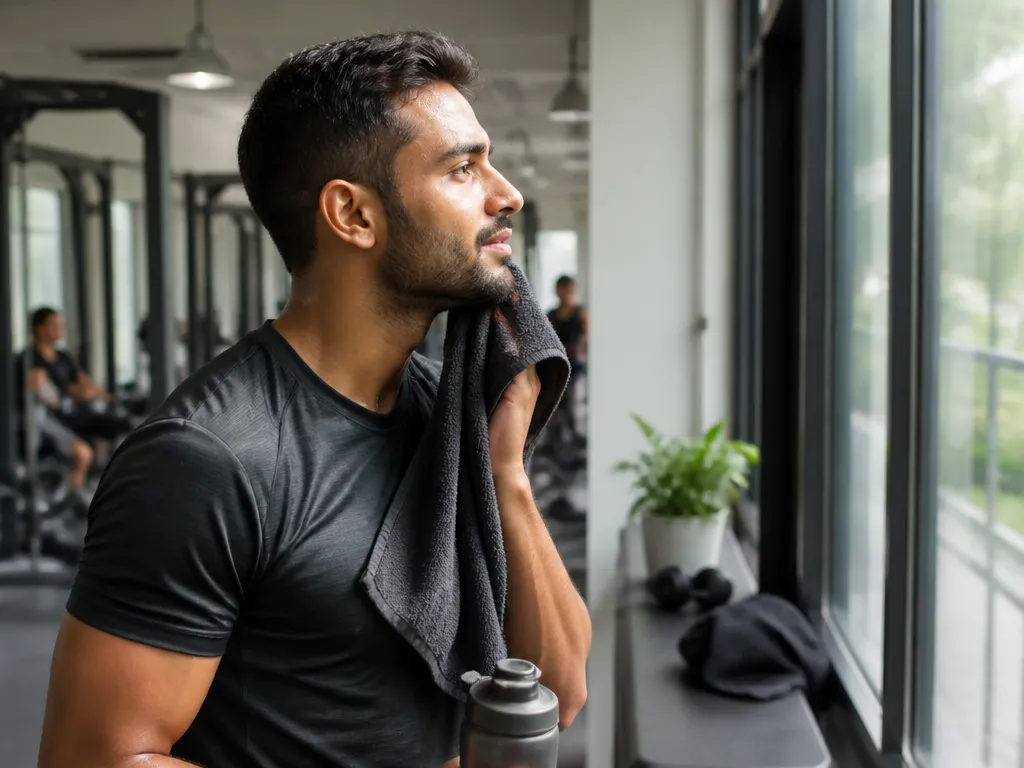
Skipping post-treatment precautions can slow scalp recovery, even when the procedure itself is done correctly. The biggest avoidable errors are using blood-thinning meds or anti-inflammatories too soon, swimming in the first days, and physically rubbing the treated scalp.
Medication And “Inflammation Control” Mistakes
PRP hair treatment relies on a controlled inflammatory cascade after the scalp is stimulated. Taking NSAIDs (like ibuprofen or naproxen) or starting anticoagulants without your clinician’s okay can interfere with that process for some people.
For safety, follow your PRP provider’s med list rather than guesswork. If you need pain relief or fever control, ask what they recommend instead of NSAIDs, especially if you have a history of clotting disorders or you already take blood thinners.
Patch note for sensitive scalps: if you are prone to irritation, avoid stacking scalp products that you are not sure about (fragranced toners, strong exfoliating acids, or harsh medicated shampoos) right after treatment.
Water, Touch, And Friction Errors
Premature swimming is a common setback because pools and hot tubs increase dryness, irritation, and exposure to irritants like chlorine. Chlorine can make the scalp feel tight or itchy, and that often leads to more picking and rubbing.
Touching treated areas is another problem. Scrubbing with nails during shampooing, using scalp brushes too soon, or repeatedly checking “is it healing yet” can inflame the follicles and extend redness.
| What to avoid | Why it can hurt recovery | Safer substitute |
|---|---|---|
| Swimming, hot tubs, or long pool time early on | Chlorine and moisture imbalance can irritate the scalp | Shower only, keep water gentle and short |
| Scrubbing with nails or a rough cloth | Friction increases inflammation | Use fingertips, light pressure, rinse well |
| Scalp massage that turns into rubbing | Overstimulation can aggravate tender follicles | Gentle touch only when comfort allows |
For example, if you notice persistent scalp burning, worsening redness, or new bumps after you have touched or exposed the area, stop irritants and contact your PRP provider. Skin tone can affect how quickly redness is visible, so go by sensation and change over time, not just how the scalp looks.
Affordable Scalp Recovery Options
For the safest scalp recovery after PRP sessions, choose gentle, sulfate-free cleansers and avoid anything that spikes irritation (heavy fragrance, strong exfoliating acids, or medicated foams) right after you sweat. Plan for a slightly lower-intensity workout schedule for a few days, then reintroduce heat and high-friction styles gradually.
Drugstore Sulfate-free Shampoo Picks
Drugstore sulfate-free formulas help you clean oil and sweat without stripping your scalp barrier, which matters for people with oily scalps, flakes, or post-procedure sensitivity. This works best for most skin types, including oily to combination scalp types that still need daily washing.
For irritated or flaky scalps, prioritize soothing ingredients you can actually afford. Look for allantoin, panthenol (Vitamin B5), and glycerin, and avoid clarifying shampoos with harsh surfactants for the first week.
Gentle Scalp Hydration Tips
Gentle hydration reduces the “itch and sting” feeling that can flare after workouts, especially if you wear hats or helmets. This works best for normal to dry scalps and anyone who notices tightness after washing.
Patch test any new scalp product behind the ear or on a small scalp area for 24 to 48 hours, especially if you have eczema or a history of scalp reactions.
Comparing Clinical Vs. Over-the-counter Care
High-end clinical lines often include more complex blends and higher dosing, but over-the-counter options can still cover the basics: gentle cleansing, barrier support, and low-irritation styling during recovery. The trade-off is that you may need to be more consistent with budget formulas because they are simpler.
| Product category | Price vibe | Key ingredient focus | Best for |
|---|---|---|---|
| Sulfate-free shampoo | Drugstore-friendly | Panthenol, glycerin, mild surfactants | Most skin types, especially oily to combination scalps |
| Scalp serum or mist | Mid to drugstore | Niacinamide (2-5%) or soothing agents | Redness-prone or flaky scalps |
| Clinical post-PRP scalp care | Higher cost | More targeted actives and denser formulas | People who tolerate actives well and want tighter routines |
Never stack multiple “stimulating” scalp products at once. Avoid combining strong exfoliating treatments with soothing products in the same week, and do not pair new actives (like exfoliating acids or retinoid-like scalp products) with anything that already stings after washing.
When you return to training, choose safer recovery habits: keep workouts shorter the first few days, rinse sweat soon after, and wash with your sulfate-free shampoo when you can. This helps you keep the scalp clean while reducing friction and irritation across all skin tones and hair textures.
Professional Tips For Max Results
You can usually exercise after PRP hair treatment, but you should delay intense workouts that spike scalp heat and blood pressure for about 24 to 48 hours. During that window, stick to gentle movement, like easy walking, and avoid sweating heavily on the scalp. If your clinic gave you a different protocol, follow their timeline first.
Nutritional Support For Stronger Follicle Recovery
PRP recovery is easier when your body has the building blocks for hair matrix activity. Aim for daily protein (a practical target is 20 to 40 grams per meal) and include iron-rich foods if you are prone to low ferritin, since low iron can slow hair growth. For most skin types and tones, this supports the “environment” your follicles need, even though PRP is still the main treatment.
For best results, add consistency more than gimmicks. Include omega-3 sources (salmon, sardines, chia) and zinc (pumpkin seeds, beef, chickpeas) through food, then consider supplements only if a clinician checks levels. If you take multivitamins, avoid doubling up on zinc and vitamin A, since excess can backfire for some people.
Hydration And Blood Flow That Don’t Irritate The Scalp
Hydration improves circulation and keeps the scalp barrier calmer during the first days after treatment. Aim for pale-yellow urine and drink water consistently, not in a single big session right after your appointment. When you exercise, choose head-friendly options that reduce friction, like a loose hat or a breathable band that does not rub injection sites.
For example, a 20 minute walk the day of your session is usually easier on the scalp than a hot yoga class or heavy HIIT. Choose cool environments, skip saunas, and avoid anything that makes you press down on your scalp, like aggressive headstands.
| Activity | First 24 hours | 24 to 48 hours | After 48 hours |
|---|---|---|---|
| Easy walking | Preferred | Okay | Full |
| Light strength (upper or lower body) | Light only if comfortable | Gradual increase | Full routine |
| HIIT, sprinting, intense cardio | Avoid | Usually avoid | When scalp feels normal |
| Hot yoga, sauna, steam | Avoid | Avoid | Only if approved and no tenderness |
Warning Signs Of Complications
Scalp soreness, mild swelling, or pinpoint tenderness is common, but certain symptoms need prompt attention. Contact your PRP provider urgently if you develop spreading redness, warmth, worsening pain after day two, pus or honey-colored crusting, fever, or sudden swelling that does not ease. If you have a history of keloids or severe sensitivity to injections, be extra cautious and report early changes.
Dermatologist-style caution: treat the scalp like a wound site in the first 48 hours, and stop exercise immediately if discomfort increases while you sweat or strain.
For sensitive skin types, including those who get folliculitis easily, also pause exercise if you notice new bumps that feel tender or itchy. For protective care, ask your clinic what post-procedure cleansing and styling products are safest, then keep your routine simple until the scalp feels settled.
Post-prp Activity Cheat Sheet
Start light movement immediately, and resume true workouts 48 to 72 hours after PRP, assuming your scalp feels calm and dry. Avoid heat-producing or friction-heavy exercise for the first 3 to 5 days (especially long runs, hot yoga, and anything that soaks your scalp). If you get increased tenderness, burning, or swelling, pause training and call your provider.
Day Ramp Plan (Quick Reference)
| Day | Activity OK | Avoid | Scalp focus |
|---|---|---|---|
| 1 | Easy walk (20 to 30 min), gentle mobility | Gym sweat, HIIT, heavy lifting that strains | Keep sweat off, cool down slowly |
| 2 | Light cardio (low impact), stretching | Hot yoga, saunas, cycling with tight helmets | Rinse only if your clinician allows |
| 3 | Weights at low to moderate intensity (no straining) | Full-contact sports, intense sprint intervals | Use clean headwear, avoid friction |
| 4 | Normal workouts if scalp is comfortable | Anything that makes you overheat | Blot sweat, do not aggressively scrub |
| 5 | Return to most training | Very long endurance sessions if you’re still tender | Watch for sensitivity flare-ups |
| 6-7 | Full routine | None, if symptoms are gone | Stay consistent with aftercare |
Scalp Care Do’s And Don’ts During The Reset
Dermatology-style tip for PRP recovery: treat the scalp like it has minor micro-injuries, so you prioritize clean, dry, low-friction conditions over “pushing through.”
Quick-glance Recovery Checklist
For oily to combination scalps, sweat management is the biggest difference-maker for comfort, because clogged follicles and friction can worsen post-treatment sensitivity. For dry or sensitive scalps, keep cleansers mild and skip additional scalp exfoliation for the first week, then reintroduce actives slowly. For all skin tones, the timing is the same, but your trigger can vary (some people are more reactive to heat and fragrance than others).
Budget-friendly approach: use a gentle, non-stripping cleanser and a soft, clean towel, then keep styling friction low with loose headwear. High-end splurges are optional, but the basics are not: clean environment, gentle handling, and no harsh scrubs while the scalp is settling.
Common Prp Recovery Questions?
Exercise after PRP is usually allowed on a case-by-case basis, with most providers advising a short buffer to reduce scalp irritation and friction. The safest rule is to follow your clinic’s exact instructions, then resume activity gradually based on how your scalp feels.
For the same-day question, most clinics recommend avoiding anything that makes you sweat hard or rub your scalp right away, especially if you had visible redness, tenderness, or crusting afterward. Mild walking is typically fine, but steady-state cardio, hot yoga, and anything that puts pressure on the head are where complications happen most often.
Swimming timing is about water exposure and infection risk, not the PRP itself. Providers often advise waiting until any scalp puncture sites are fully healed, which is why your personal timeline is more important than a blanket “X days.”
Different clinics give different advice because PRP protocols vary: some use different preparation methods, different injection depths, and different post-care plans. Provider instructions also change based on how your scalp looked right after the session (redness, micro-crusting, or persistent soreness).
Provider tip: Resume exercise only when you can touch your scalp lightly without stinging and when your scalp looks calm under natural light.
If you skipped the clinic’s aftercare and you are unsure, the safest path is conservative: keep workouts low-sweat for 24 hours, avoid hot environments for 48 hours, and delay swimming until puncture sites heal. This approach protects most skin types, and it reduces the chance you’ll undo the work before you even get to your next session.
Quick Summary
Following a PRP hair treatment, you must prioritize scalp healing by avoiding physical activity for the first 24 to 48 hours. This initial rest period is vital to prevent sweat and bacteria from entering micro-incisions made during the procedure. Avoiding exercise during this window ensures that growth factors settle effectively without being washed away by perspiration. High blood pressure from intense workouts can also cause localized swelling or discomfort at the injection sites, making rest the most important step for maximizing treatment benefits.
A gradual return to movement is necessary to ensure your scalp remains calm. You can typically resume low intensity activities like walking or gentle yoga after 48 hours, but you should avoid inversions for at least three days. High intensity interval training, heavy lifting, and contact sports should be delayed for at least seven days. If you have an oily scalp, be mindful of sweat pooling at the crown. The most important takeaway is to monitor for redness, heat, or discharge and consult your provider immediately if symptoms arise.
| Timeframe | Recommended Activity |
|---|---|
| 0 – 48 Hours | Strict rest; avoid all exercise |
| 48 – 72 Hours | Low intensity; walking or gentle yoga |
| 3 – 7 Days | Moderate intensity; light jogging or cycling |
| 7+ Days | Full intensity; weightlifting and HIIT |
Beauty Routine Cheat Sheet
One Thing To Stop Doing Immediately
Stop performing yoga inversions, such as headstands, or any heavy lifting that places your head below your heart for at least three days post-treatment.
Expected Timeline For Results
While specific hair regrowth timelines vary by individual, the immediate recovery and activity reintroduction period follows a strict 7-day protocol to ensure treatment efficacy.
Frequently Asked Questions
Can I Exercise Right After Prp Hair Treatment?
You usually can, but wait for your clinic’s specific instructions. Because PRP involves scalp injections or needling, many practices recommend avoiding intense workouts for at least 24 hours to reduce risks like scalp irritation, swelling, or increased bleeding at injection sites.
How Long Should I Wait To Work Out Before Prp Hair Results Start?
Delaying hard training by 24 to 48 hours is often the safest practical plan, since the goal is to let the treated scalp calm down. Your timeline for results depends more on your hair growth cycle than exercise, so the “results clock” is not usually measured in hours.
What Workout Should I Avoid After Prp For Hair, Like Lifting Or Sweating?
Avoid high-intensity exercise and heavy sweating for the first day, especially if you have pinpoint injection sites, tenderness, or mild swelling. If you feel scalp heat, throbbing, or discomfort, scale back to gentle walking and stop if symptoms worsen.
Will Exercise After Prp Make My Scalp Break Out Or Get Irritated?
It can, especially if you are acne-prone or sweat easily, because heat and friction can irritate the scalp and potentially clog hair follicles around the hairline. To reduce irritation, use clean workout gear, avoid heavy hair products immediately after your appointment, and follow any post-procedure cleansing instructions.
Is The Expensive Prp Hair Treatment Safer For Exercise After, Compared With A Cheaper Option?
Price doesn’t reliably predict safety, because your risk depends more on technique, aftercare, and your personal sensitivity. The most helpful factor is whether your provider gives clear post-care rules for activity level, and you follow them for at least 24 hours.

- Temporary Hair Color Spray: Application, Longevity, and Removal - September 22, 2026
- 10 Best Washable Hair Dye Sprays for Dark Hair That Actually Show Up - September 22, 2026
- Washable Hair Dye Spray vs. Hair Chalk: Which Is Better? - September 22, 2026