Type 4A hair is a specific category in the Andre Walker Hair Typing System. It features tight, springy coils with a well-defined S-shaped (or sometimes O-shaped) pattern. These coils are typically the size of a crochet needle, dense, voluminous, and highly prone to shrinkage and dryness. This comprehensive guide breaks down the entity (Type 4A hair), its core attributes (curl pattern, porosity, density), relationships to care routines, products, and lifestyle factors, and answers common user questions for complete topical coverage.
What Is Type 4A Hair? Defining the Entity in the Andre Walker System
Type 4A hair consists of tight, springy coils that form a clear S-shape when gently stretched. The coils are small in circumference (about the size of a crochet needle or pen spring) and create significant volume and definition. This texture is part of the coily/kinky family (Type 4), known for its elasticity but also for high shrinkage—often 50% or more when drying from wet to dry. The defined pattern gives 4A hair a more consistent, bouncy appearance compared to tighter subtypes.
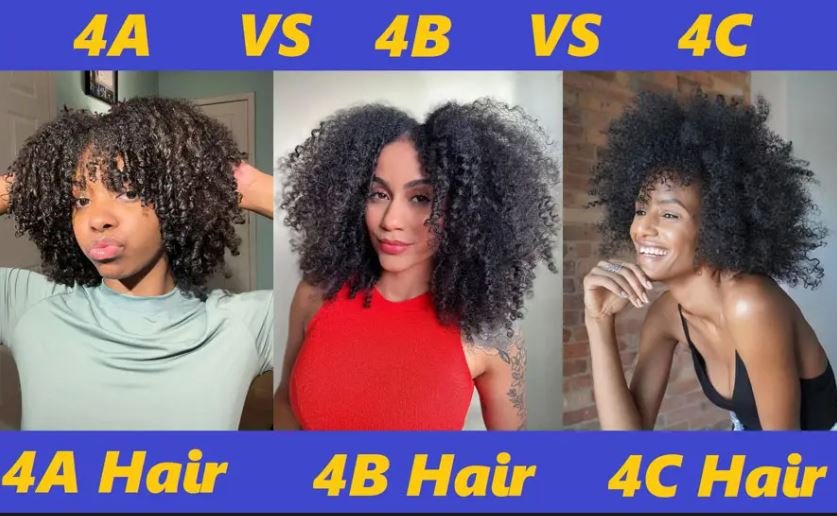
How Type 4A Differs from 4B, 4C, and Type 3 Curls
Type 4A has well-defined S-shaped coils, while 4B features tighter Z-shaped angles with less definition and more fluffiness. Type 4C has the tightest, densely packed coils with minimal visible pattern (often described as peppercorn-like). Compared to Type 3 curls (looser, spiraled S or O shapes), 4A is kinkier, drier, and more fragile due to its tighter coil structure. Many people have mixed textures across their head.
Common Attributes: Density, Porosity, and Elasticity Relationships
4A hair is often high-density (many strands per square inch), which adds volume but can make detangling challenging. Porosity varies—low-porosity hair resists moisture absorption, while high-porosity absorbs quickly but loses it fast. Elasticity (stretch and return) is usually good in healthy 4A coils but weakens with damage, directly impacting how well the hair holds styles and moisture.
Why Understanding Your 4A Hair Type Matters for Routine Building
Knowing your exact texture helps tailor products and techniques to its needs (e.g., heavy moisture focus). Misidentification leads to breakage, dryness, or product buildup. Accurate typing supports better length retention, healthier growth, and confidence in embracing your natural coils.
Key Attributes of Type 4A Hair – Dryness, Fragility, and Shrinkage
The tight coil structure makes it difficult for natural scalp sebum to travel down the hair shaft. This results in drier ends and overall moisture deficiency compared to looser curl types. Environmental factors and washing habits can worsen this.
Shrinkage Patterns and How to Embrace or Manage Them
4A hair can shrink up to 50-75% from wet to dry due to its springy coils. Embrace it for natural volume or manage gently with stretching techniques like twist-outs or banding (no heat) to see more length without damage.
Fragility Factors Including Cuticle Layer and Breakage Risks
The coiled shape creates more points of stress and a less smooth cuticle, making 4A hair prone to breakage from manipulation, heat, or harsh products. Gentle handling is essential.
Porosity Variations and Their Impact on Product Effectiveness
Low-porosity 4A hair needs lightweight products and heat (like steam) for absorption. High-porosity benefits from heavier butters and proteins. Testing porosity (float test or spray test) guides your routine for better results.
Building a Complete Type 4A Hair Care Routine
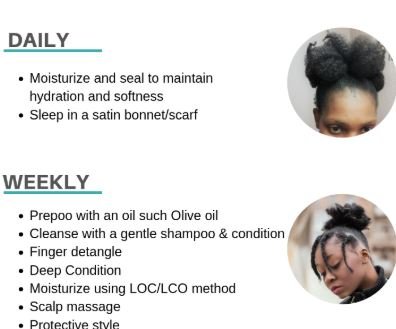
A consistent hair care routine keeps Type 4A hair healthy, hydrated, and easier to manage. Since 4A hair naturally loses moisture over time, each step should focus on cleansing the scalp, restoring hydration, strengthening the strands, and protecting the curls from breakage. Following the same routine every week produces better results than frequently changing products.
Weekly Washing Frequency and Gentle Cleansing Methods
Type 4A hair should generally be washed every 7 to 10 days using a sulfate-free shampoo or a co-wash, depending on your scalp condition and product buildup. Gentle cleansers remove dirt, sweat, and excess oil without stripping away the natural moisture your curls need. If you exercise frequently or use heavy styling products, you may need to wash slightly more often. Always follow shampooing with a moisturizing conditioner to restore hydration.
Healthy cleansing tips include:
- Wash every 7–10 days.
- Use a sulfate-free shampoo or co-wash.
- Massage the scalp gently with your fingertips.
- Rinse with lukewarm water.
- Follow with a moisturizing conditioner.
Deep Conditioning Techniques for Maximum Moisture Restoration
Deep conditioning is one of the most important steps in a 4A hair routine. Weekly treatments restore moisture, improve elasticity, and strengthen the hair, making it softer and easier to detangle. Applying a deep conditioner with gentle heat, such as a hooded dryer, heat cap, or shower cap, for 20–30 minutes helps the ingredients penetrate the hair shaft more effectively. Products containing shea butter, aloe vera, avocado oil, coconut oil, or glycerin provide excellent hydration for coily hair.
Leave-In Conditioners and Sealants for Daily Hydration Lock-In
After washing, apply a water-based leave-in conditioner to damp hair to provide lasting hydration. Follow with a moisturizing cream and finish with a lightweight oil or butter to seal in moisture. Many people with 4A hair use either the LOC method (Liquid, Oil, Cream) or the LCO method (Liquid, Cream, Oil) depending on their hair porosity. Between wash days, lightly misting your hair with water before reapplying a leave-in conditioner helps refresh curls without causing buildup.
Nighttime Routines Including Protective Sleep Styles
Protecting your hair while you sleep helps preserve moisture and curl definition. Gathering your hair into a loose pineapple hairstyle keeps curls from becoming flattened overnight. Sleeping with a satin bonnet, satin scarf, or silk pillowcase reduces friction, prevents frizz, and minimizes breakage. A simple nighttime routine helps your curls stay hydrated and makes styling much easier the next morning.
Best Products for Type 4A Hair – Ingredients and Formulations
Using products designed for coily hair helps maintain moisture, reduce breakage, and improve curl definition. Rather than buying many products, focus on formulas with nourishing ingredients that work well together as part of a complete routine.
Must-Have Ingredients Like Shea Butter, Aloe, and Oils
The best products for 4A hair contain ingredients that moisturize, soften, and strengthen the hair. Shea butter provides long-lasting moisture, while aloe vera hydrates and improves slip for easier detangling. Natural oils such as coconut oil, jojoba oil, castor oil, and argan oil help seal moisture into the hair and reduce dryness. Humectants like glycerin also attract moisture from the air, keeping curls soft and flexible.
Shampoos and Conditioners Tailored for Coily Textures
Choose shampoos and conditioners made specifically for curly and coily hair. Sulfate-free shampoos cleanse without stripping moisture, while rich conditioners restore hydration after every wash. Look for formulas that contain moisturizing ingredients such as shea butter, aloe vera, honey, or plant oils to keep 4A curls healthy and manageable.
Styling Gels, Creams, and Custards for Definition
Styling products help define curls while controlling frizz. Curl creams provide softness and moisture, custards improve curl clumping, and lightweight gels add hold without making the hair stiff. Applying styling products to damp hair in small sections creates better definition and longer-lasting results while maintaining natural movement.
Avoiding Harsh Chemicals and Protein Overload Risks
Strong chemical treatments and excessive protein can make 4A hair dry and brittle. Relaxers, harsh sulfates, and alcohol-based products may weaken the hair over time if used too often. Protein treatments are beneficial for damaged hair, but using them too frequently can leave healthy hair feeling stiff. Maintaining a balance between moisture and protein keeps curls strong, flexible, and less prone to breakage.
Detangling and Handling Techniques for Type 4A Coils
Proper detangling is essential for maintaining healthy Type 4A hair. Because coily hair naturally wraps around itself, knots and tangles can form easily if the hair is dry or handled roughly. Using the right tools and techniques reduces breakage, preserves curl definition, and makes styling much easier.
Best Tools and Methods to Minimize Breakage
Using gentle tools protects the hair from unnecessary damage during detangling. A wide-tooth comb or your fingers works best because they separate curls without pulling too hard. Always detangle damp hair coated with conditioner or a detangling product to provide enough slip. Start at the ends and slowly work toward the roots to remove knots safely.
For safer detangling:
- Use a wide-tooth comb or your fingers.
- Detangle on damp, conditioned hair.
- Start at the ends and work upward.
- Be gentle and avoid pulling.
- Add more conditioner if needed.
Sectioning Strategies for Efficient Detangling
Dividing your hair into sections makes detangling more manageable and prevents new tangles from forming. Most people with Type 4A hair benefit from working in four to eight sections, while very thick hair may require even smaller sections. Secure each section with clips and complete one area before moving to the next for better control.
When to Detangle: Wet vs. Dry Methods Compared
Wet detangling is the preferred method for most Type 4A hair because water and conditioner soften the strands and provide slip. This reduces friction and lowers the risk of breakage. Dry detangling is possible for some people when using lightweight oils, but it requires extra care and is generally more likely to cause damage if the hair is not properly lubricated.
Common Detangling Mistakes and How to Correct Them
Many detangling problems come from rushing the process or using the wrong techniques. Brushing dry hair, pulling through stubborn knots, or skipping conditioner can lead to unnecessary breakage. Taking your time, adding enough moisture, and working in small sections keeps your curls healthier and easier to manage.
Styling Options and Techniques for Type 4A Hair
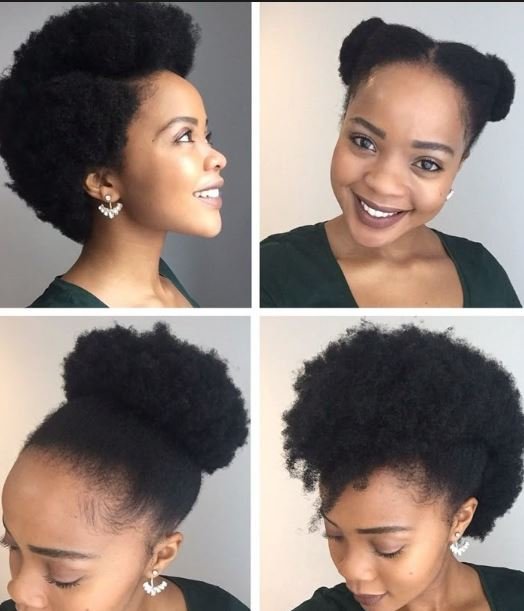
Type 4A hair is highly versatile and can be worn in natural, stretched, or protective styles. Choosing hairstyles that reduce daily manipulation helps maintain curl health while giving you plenty of styling options for different occasions.
Wash-and-Go Methods for Defined Coils
A wash-and-go enhances the natural curl pattern of Type 4A hair while maintaining softness and movement. Apply a leave-in conditioner, curl cream, and styling gel to soaking wet hair in small sections. Scrunch the curls gently, then allow the hair to air-dry or use a diffuser on a low heat setting for added definition.
For the best wash-and-go results:
- Apply products to soaking wet hair.
- Work in small sections.
- Layer leave-in, cream, and gel.
- Scrunch curls gently.
- Air-dry or diffuse on low heat.
Twist-Outs, Braid-Outs, and Other Low-Manipulation Styles
Twist-outs and braid-outs stretch the hair while creating soft, defined curls. These styles reduce shrinkage temporarily and require less daily styling than wash-and-go hairstyles. Because the hair remains stretched, it is often easier to moisturize and detangle between wash days.
Protective Styles Suitable for 4A Coils
Protective styles help reduce breakage by limiting daily manipulation and protecting the ends of the hair. Popular options include braids, twists, low buns, and wigs. These hairstyles are most effective when installed without excessive tension and maintained with regular moisturizing and scalp care.
Heat Styling Alternatives and Safe Usage Guidelines
Heat should be used sparingly to maintain healthy curls. Air-drying, roller sets, flexi rods, and braid-outs are excellent alternatives that reduce the risk of heat damage. If you use a blow dryer or diffuser, always apply a heat protectant and choose the lowest effective temperature to preserve curl elasticity.
Moisture and Protein Balance for Healthy 4A Growth
Healthy Type 4A hair needs both moisture and protein. Moisture keeps the hair soft and flexible, while protein strengthens the hair shaft. Maintaining the right balance prevents dryness, brittleness, and excessive breakage while supporting long-term hair health.
Signs of Moisture Deficiency vs. Protein Overload
Learning how your hair responds helps you adjust your routine before problems become severe. Dry, rough, or brittle hair usually needs more moisture, while hair that feels stiff, hard, or lacks flexibility may have too much protein. In some cases, hair that stretches excessively before breaking can also indicate an imbalance that requires additional strengthening treatments.
Common signs include:
- Dry, rough hair needs more moisture.
- Brittle ends often signal dehydration.
- Stiff hair may have excess protein.
- Hair that stretches too much may need strengthening.
- Balanced hair feels soft, flexible, and resilient.
Weekly Deep Treatments and DIY Moisture Recipes
Weekly deep conditioning restores hydration and improves elasticity. Products containing shea butter, honey, aloe vera, avocado oil, or coconut oil help replenish moisture while softening the hair. Simple DIY treatments made with aloe vera gel, honey, and natural oils can also provide extra hydration when used occasionally alongside your regular deep conditioner.
Scalp Health’s Relationship to Overall Coil Moisture
A healthy scalp supports healthy hair. Keeping the scalp clean removes product buildup that can interfere with natural oil distribution. Gentle scalp massages improve circulation and help distribute sebum, while lightweight scalp oils reduce dryness without clogging the follicles.
Long-Term Strategies for Balanced Regimen Maintenance
Healthy 4A hair benefits from a routine that changes with your hair’s needs. Seasonal weather, humidity, and styling habits all affect moisture levels. Rotate products when necessary, monitor how your hair responds, and adjust your routine gradually. Consistency and careful observation help maintain strong, hydrated curls throughout the year.
Common Challenges and Solutions for Type 4A Hair
Type 4A hair is naturally beautiful and versatile, but it also comes with unique challenges. Frizz, shrinkage, dryness, and product buildup are common because the coily structure makes it difficult for natural oils to travel from the scalp to the ends. Understanding these challenges and using the right techniques helps keep your curls healthy, defined, and easier to manage.
Combating Frizz and Maintaining Definition
Frizz occurs when the hair lacks moisture or absorbs excess humidity from the air. Keeping your curls hydrated and sealing moisture with lightweight oils helps maintain definition throughout the day. During humid weather, anti-humectant styling products can reduce excess moisture absorption, while refreshing curls with water and a leave-in conditioner restores their shape without creating buildup.
To reduce frizz:
- Apply a water-based leave-in conditioner.
- Seal moisture with a lightweight oil.
- Use anti-humectant products in humid weather.
- Refresh curls with water and leave-in conditioner.
- Sleep on a satin pillowcase or wear a satin bonnet.
Dealing with Single-Strand Knots and Breakage
Single-strand knots are common in curly and coily hair because loose ends naturally wrap around themselves. Regular moisturizing, gentle detangling, and protective hairstyles help minimize knot formation. Trimming damaged ends every few months also prevents knots from becoming worse and reduces overall breakage.
Addressing Shrinkage-Related Frustrations
Shrinkage is a natural sign of healthy, elastic curls rather than a problem that needs to be fixed. Type 4A hair can shrink by 40% to 60% after washing, making it appear much shorter than its actual length. If you prefer a stretched look, styles such as twist-outs, braid-outs, banding, or African threading temporarily reduce shrinkage without relying on excessive heat.
Product Buildup and Clarifying Best Practices
Using multiple creams, oils, and styling products throughout the week can leave residue on the hair and scalp. Clarifying once every three to four weeks with a clarifying shampoo or an occasional apple cider vinegar rinse helps remove buildup and restores product performance. After clarifying, always deep condition your hair to replenish moisture.
Sources: American Academy of Dermatology (AAD) Hair Care Recommendations, American Academy of Dermatology Association; NaturallyCurly Hair Care Guides; Curly Girl Method best practices.
Nutrition, Lifestyle, and Growth Factors for Type 4A Hair
Healthy hair begins from within. While external products improve moisture and manageability, nutrition, hydration, sleep, and stress management all influence the condition of your hair. A healthy lifestyle supports stronger strands, healthier follicles, and improved length retention.
Diet and Supplements Supporting Coil Strength
Hair is primarily made of protein, so eating enough protein supports healthy hair growth. Nutrients such as vitamins A, C, D, E, biotin, zinc, iron, and omega-3 fatty acids also contribute to healthy hair and scalp function. Most people can meet these needs through a balanced diet, while supplements should only be used when recommended by a healthcare professional.
Support healthy hair with:
- Lean protein sources
- Eggs and dairy products
- Leafy green vegetables
- Fruits rich in vitamin C
- Healthy fats and omega-3 fatty acids
- Plenty of water throughout the day
Stress Management and Its Impact on Hair Shedding
Long-term stress can disrupt the normal hair growth cycle and contribute to increased shedding, a condition known as telogen effluvium. Regular exercise, quality sleep, relaxation techniques, and effective stress management help support overall health, including healthier hair growth.
Trimming Schedule and Split End Prevention
Regular trims remove split ends before they travel farther up the hair shaft. Most people with Type 4A hair benefit from trimming every 8 to 12 weeks, although the ideal schedule depends on heat use, styling habits, and the overall condition of the hair. Healthy ends make detangling easier and reduce breakage.
Environmental Factors Like Weather and Hair Response
Weather changes affect how Type 4A hair behaves. During humid months, lightweight creams and anti-frizz products help maintain curl definition. In cold or dry climates, richer creams and butters provide additional moisture and protect the hair from becoming brittle. Adjusting your routine with the seasons helps maintain consistent hair health.
Sources: American Academy of Dermatology Association (AAD); Harvard T.H. Chan School of Public Health (nutrition fundamentals); National Institutes of Health (NIH) Office of Dietary Supplements.
Advanced Tips and Community Insights for Type 4A Excellence
As you learn more about your hair, your routine should evolve with its changing needs. Small adjustments based on your hair’s response often produce better long-term results than constantly switching products. Consistency, observation, and patience are key to maintaining healthy Type 4A curls.
Experimenting with Layering Techniques for Optimal Results
Every person’s hair responds differently to moisturizing products. Experiment with the LOC (Liquid, Oil, Cream) and LCO (Liquid, Cream, Oil) methods to determine which layering technique provides the best moisture retention for your hair porosity. Applying products in thin layers also helps prevent buildup while maintaining curl definition.
Experiment by:
- Testing the LOC method.
- Trying the LCO method.
- Applying products in small amounts.
- Recording which products work best.
- Adjusting routines based on seasonal changes.
Tracking Progress with Hair Journals and Photos
Keeping a simple hair journal helps identify which products and routines consistently deliver good results. Recording wash days, deep conditioning treatments, styling methods, and monthly photos allows you to measure length retention, monitor moisture levels, and make informed adjustments to your routine over time.
Incorporating Protective and Low-Manipulation Routines
Protective styles and low-manipulation hairstyles reduce daily handling, helping preserve curl integrity and minimize breakage. Rotating between twist-outs, buns, braids, and protective styles while maintaining proper scalp care creates an ideal environment for healthy hair growth and improved length retention.
Evolving Your Routine as Hair Needs Change Over Time
Your hair’s needs change due to weather, age, hormonal changes, chemical treatments, and styling habits. Instead of following the exact same routine year-round, evaluate how your hair feels and adjust your products and techniques accordingly. Healthy Type 4A hair comes from consistency, flexibility, and responding to your hair’s unique needs rather than chasing perfection.
Sources: American Academy of Dermatology Association (Hair Care Tips), NaturallyCurly educational guides, Curly Nikki natural hair resources, and peer-reviewed dermatology literature on textured hair care and hair shaft health.

- How Many Washes Does Temporary Hair Color Spray Last? - September 24, 2026
- Is Temporary Hair Color Spray Safe for Curly Hair? - September 24, 2026
- Temporary Hair Color Spray: Application, Longevity, and Removal - September 22, 2026