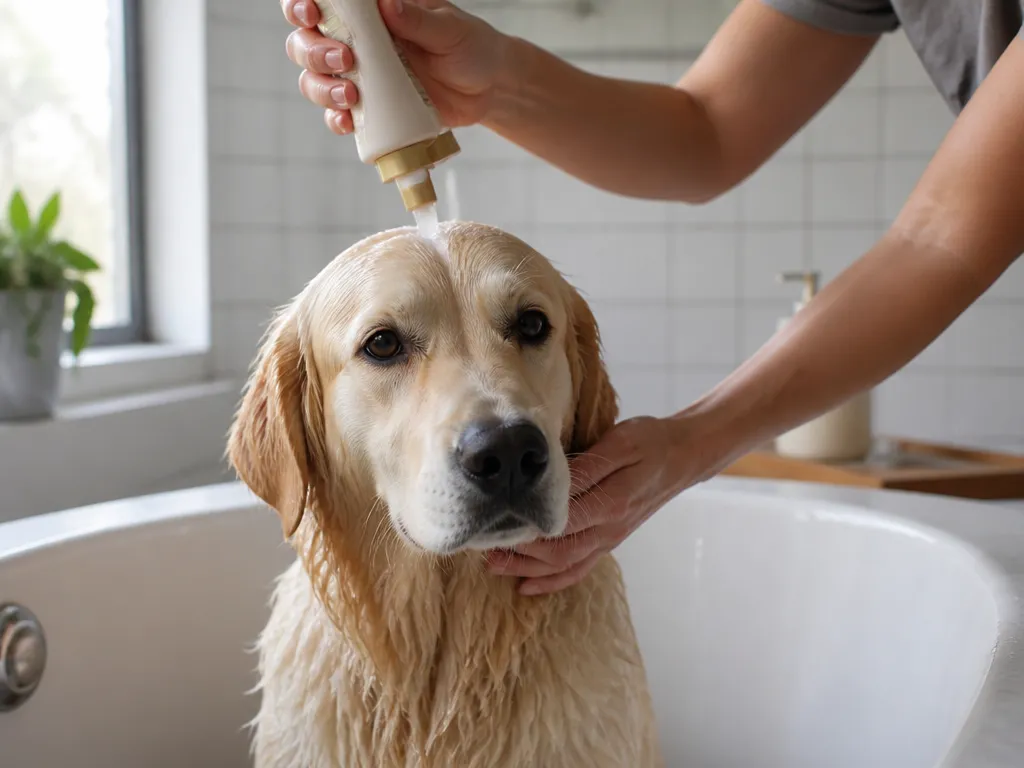
Can You Use Human Hair Conditioner On A Dog?
Struggling with a doggy coat that tangles, mats, or feels a little dry after baths? You are not alone. People reach for human hair conditioner because it seems like an easy shortcut, but your dog is not built like you.
Human hair conditioner on a dog is not a good choice for regular use. Most are made for a human scalp pH and skin tolerance, and they can irritate your dog’s skin or eyes. Stick with dog conditioner or unscented, rinse-out products, and avoid anything with strong actives unless your vet okays it.
Can You Use Human Hair Conditioner On A Dog?
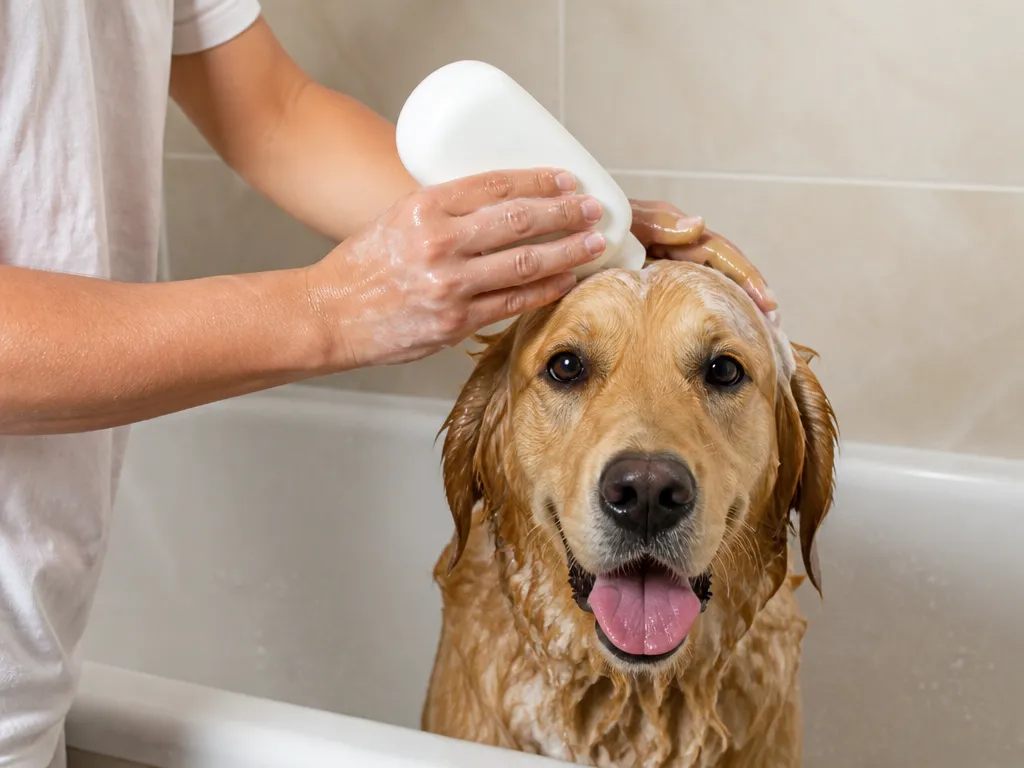
Many human hair conditioners have an acidic pH that is not formulated for canine skin. Using these products may cause skin irritation, especially with repeated use or incomplete rinsing.
Canine skin generally maintains a more neutral pH than human skin. This biological difference means that products designed for people may not suit a pet’s skin and can cause irritation or discomfort.
| Skin Type | Average pH Level |
|---|---|
| Human Skin |
Identify Your Dog’s Coat Type
Coat type guides determine conditioning needs for dogs. Oily and wiry coats tend to attract dirt and feel stiff, so a lightweight canine conditioner works best. Dry or flaky skin signals deeper hydration needs and may require a medicated or sensitive-skin formula.
Oily and wiry coats are common in active breeds and can look dull if buildup occurs. They tend to redeposit oils quickly after baths, so limit conditioning to a light layer on the mid lengths and ends, avoiding heavy scalp residue. Rinse thoroughly to prevent a waxy feel.
Curly coats and dogs with sensitive or hypoallergenic skin knot easily and trap moisture in the curls. Use a mild, fragrance-free conditioner and work it through with a wide tooth comb while the coat is damp to reduce breakage. For best results, avoid heavy silicone formulas that can weigh down curls over time.
Dry or flaky skin in dogs shows as itchiness, dull fur, and visible flakes. Choose a hydrating conditioner with humectants or ceramides, and always patch test on a small area for 24 to 48 hours before full use. Pair conditioning with a gentle, dog-specific shampoo to support the skin barrier rather than stripping it.
| Coat Type | Common Traits | Conditioning Approach | Things to Avoid |
|---|---|---|---|
| Oily and wiry | Slick appearance, dirt-prone, stiffer texture | Lightweight, rinse-clean formulas; apply sparingly to mid lengths and ends | Heavy silicones, heavy fragrances, long wait times between rinses |
| Curly and hypoallergenic | Tangles easily, sensitive skin | Fragrance-free, mild conditioning; detangle with wide-tooth comb | Fragrances, harsh detergents, heavy coatings |
| Dry or flaky skin | Itchy, dull coat, flaky patches | Hydrating formulas with glycerin or ceramides; patch test first | Harsh soaps, essential oils not dog-safe, insufficient rinse |
Dermatologist tip: Always choose products formulated for dogs and rinse completely to prevent residue that can irritate the skin.
Safe Ingredients For Canine Coats
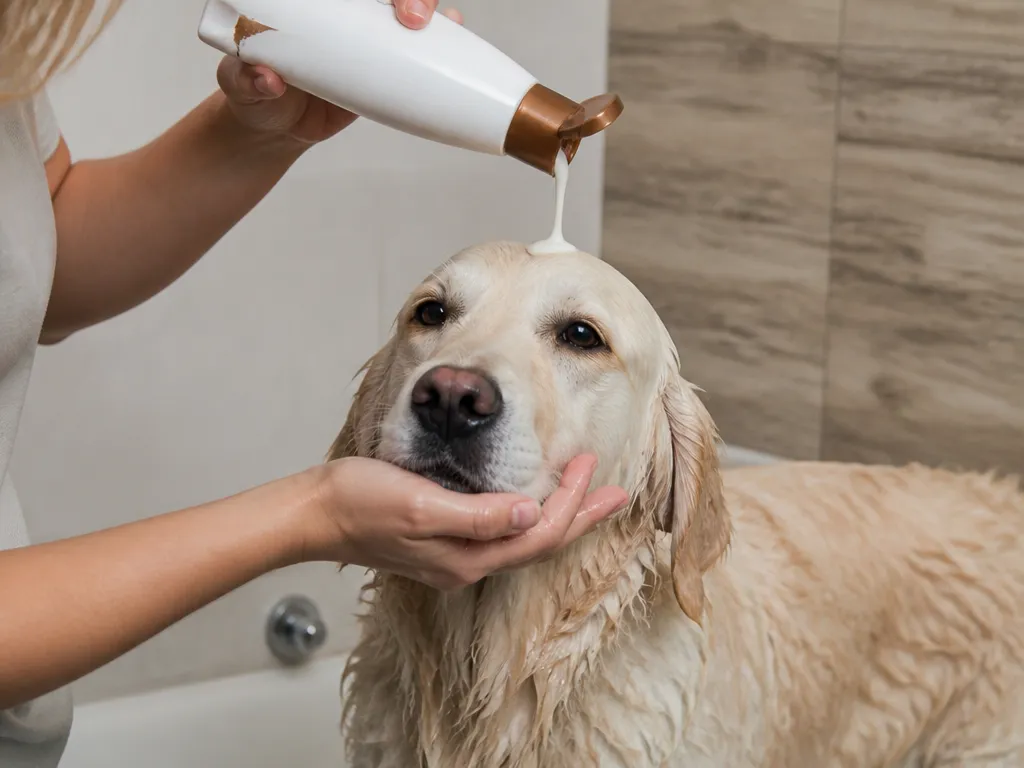
Some ingredients used in human hair conditioners may irritate dog skin, while a few soothing, gentle options work well when they are formulated for pets. For conditioning and shine, prioritize aloe vera, colloidal oatmeal, coconut oil, and shea butter in dog-specific products.
Start by choosing a dog-safe leave-on or rinse-off coat conditioner that lists these ingredients near the top and skips common irritants like heavy fragrance, essential oils (especially tea tree, citrus oils), and menthol. This works best for oily to combination dog coats because these ingredients can add softness without a greasy buildup when rinsed thoroughly.
| Item | Amount/Specification | Notes |
|---|---|---|
| Aloe vera | Look for low-fragrance formulas with aloe listed early | Best for dogs with dry, mildly irritated skin. Patch test on a small area first because sensitivities happen. |
| Colloidal oatmeal | Look for oat or “colloidal oatmeal” as a key soothing ingredient | Great for dry, itchy-looking skin. Avoid products that also include strong botanicals or added essential oils. |
| Coconut oil | Use thin amounts, and keep it rinse-off if your dog gets oily | Helps hair feel softer and can improve shine. Trade-off: it can feel heavy on some coats, especially fine or already-greasy fur. |
| Shea butter | Use in small quantities in conditioners labeled for pets | Supports deeper hydration for rough, dry fur. Trade-off: too much can weigh down curls and trap debris if not rinsed well. |
In practice, the safest “concentrations” are the ones inside products made for dogs, because dog skin has a different tolerance for fragrance and preservatives than human scalp. Human conditioners often contain extra fatty alcohols, cationic polymers, and fragrance blends that can be drying, stingy, or irritating on paws and facial areas.
Dermatology tip: choose products with minimal added fragrance, and keep the first try short, then reassess the coat and skin the next day.
Budget-friendly approach: choose a pet coat conditioner that lists colloidal oatmeal or aloe and keeps fragrance low, even if the texture feels lighter than luxe options. Higher-end options are only worth it when the ingredient list is cleaner and gentler, since the ingredient comfort matters more than the price tag for sensitive skin types.
Proper Dog Conditioning Technique
Proper dog conditioning requires a specific sequence to prevent matting and skin irritation. The process starts with mechanical detangling and ends with a complete rinse to remove all residue.
Use a slicker brush or metal comb to remove tangles before the dog gets wet. Water can tighten knots, which makes them difficult to remove later.
| Product Type | Price Range | Key Ingredient | Best For |
|---|---|---|---|
| Budget Conditioner | $8 – $15 | Aloe Vera | All skin types |
| Premium Grooming | $20 – $40 | Hydrolyzed Protein | Long or curly coats |
Pat the dog with a microfiber towel to absorb excess water. Use a blow dryer on a cool or low-heat setting to avoid burning the skin.
Esthetician tip: Always perform a patch test on a small area of the leg before applying a new conditioner to the whole body. This prevents a full-body reaction if the dog has an allergy to a specific fragrance or oil.
For sensitive skin, look for conditioners with colloidal oatmeal. Oily coats benefit from lighter, water-based formulas that do not add heavy lipids to the skin.
For instance, a poodle with dry skin needs a cream-based conditioner to lock in moisture. A short-haired beagle only needs a light spray-on leave-in conditioner once a month.
Ingredients To Avoid In Dog Products
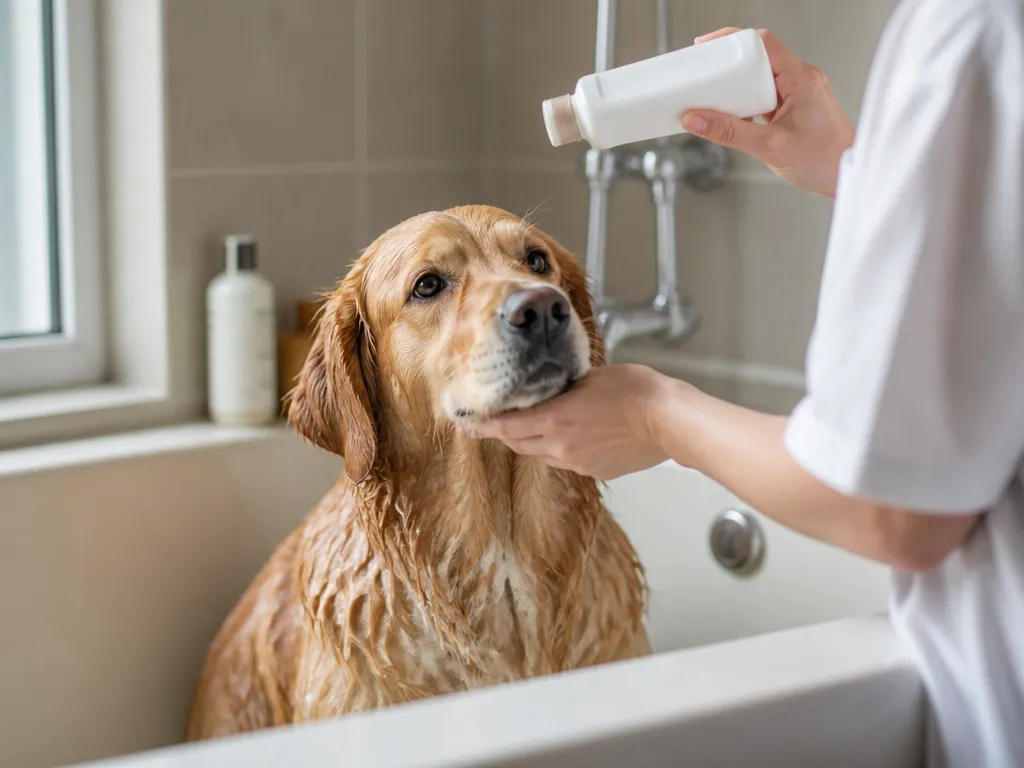
Many common ingredients in human and low-quality pet products can cause adverse reactions in dogs. Chemicals that are safe for human skin may disrupt your dog’s natural pH balance or trigger allergic reactions, leading to irritation, excessive scratching, or more serious health issues.
Parabens And Synthetic Phthalates
Parabens, commonly listed as methylparaben, propylparaben, or butylparaben, are preservatives that may cause concern for some pet owners. Synthetic phthalates, often hidden under “fragrance” on ingredient lists, may also be irritating. Choose products with simple, clearly disclosed ingredient lists.
| Item | Amount/Specification | Notes |
|---|---|---|
| Parabens | Any amount | Look for “paraben-free” on labels; avoid methyl, propyl, butylparaben |
| Phthalates | Any amount | Often listed as “fragrance” – choose products with specific essential oil scents instead |
Strong Artificial Fragrances
Artificial fragrances contain numerous undisclosed chemicals that can overwhelm a dog’s sensitive olfactory system and cause skin irritation. Dogs have significantly more sensitive noses than humans, making these synthetic smells particularly problematic.
Salicylic Acid And Harsh Sulfates
Salicylic acid, while beneficial for human acne, can be harmful to dogs when ingested during grooming. Harsh sulfates like sodium lauryl sulfate strip natural oils from your dog’s coat, causing dryness and irritation that may lead to excessive scratching and hot spots.
| Item | Amount/Specification | Notes |
|---|---|---|
| Salicylic Acid | Any amount | Especially dangerous in leave-on products; can cause poisoning if licked |
| Sulfates (SLS/SLES) | Any amount | Look for “sulfate-free” alternatives; choose gentle surfactants like decyl glucoside |
“Dermatologist tip: Dogs’ skin has a different pH balance than humans (6.2-7.5 compared to 5.5). Products formulated for human hair can disrupt this balance, leading to irritation and potential long-term skin issues.”
Budget Vs Professional Dog Conditioners
Professional dog conditioners typically cost more than budget options but may offer different coat-conditioning features and ingredient choices. While drugstore brands provide basic moisture at lower price points, professional formulations may use pH-balanced ingredients designed for canine skin.
| Category | Price Range | Key Ingredients | Best For |
|---|---|---|---|
| Budget Brands | $8-15 | Basic moisturizers, artificial fragrances | Regular maintenance, short coats |
| Professional Brands | $25-50 | Oat protein, shea butter, aloe | Dry coats, sensitive skin, show dogs |
| DIY Option | $5-10 | Coconut oil, essential oils (diluted) | Extra dry skin, hot spot treatment |
Reliable drugstore options include brands like Burt’s Bees for Dogs and Earthbath, which offer affordable pH-balanced conditioners. These products typically contain basic moisturizing agents without the harsh chemicals found in human conditioners.
Professional-grade grooming lines such as TropiClean, Chris Christensen Systems, and Wahl provide concentrated formulas with botanical extracts that nourish the coat without stripping natural oils. These products often yield better results with less product due to their higher quality ingredients.
For a simple DIY option, coconut oil can provide temporary softness for many dogs. Simply warm a small amount between your hands and massage through the coat, allowing it to sit for 5-10 minutes before thoroughly rinsing. This method works particularly well for breeds with dry, flaky skin or during winter months when coats tend to become brittle. Avoid essential oils unless a veterinarian specifically recommends a dog-safe product and dilution.
Pro Tips For Lasting Shine
Conditioning Frequency By Breed
The frequency of conditioning depends heavily on your dog’s breed, coat type, and lifestyle. Double-coated breeds like Huskies typically need conditioning less often, while silky or long-haired breeds benefit from more regular conditioning to prevent tangles.
Protecting Eyes, Ears, And Folds
When applying conditioner, always avoid sensitive areas to prevent irritation and potential infections. For breeds with facial folds like Bulldogs or Pugs, special care must be taken to prevent moisture buildup which can lead to bacterial growth.
For example, use a damp cloth to wipe away any conditioner residue from around the eyes and immediately after application, use a cotton ball to gently clean the ear canal area. Never spray conditioner directly onto your dog’s face.
Signs Of An Allergic Reaction
Monitor your dog closely after introducing any new conditioning product to their routine. Allergic reactions can manifest as redness, excessive scratching, hives, or hair loss in the affected areas.
| Symptom | Action | Severity |
|---|---|---|
| Mild itching | Discontinue use, rinse thoroughly | Monitor for 24 hours |
| Redness or rash | Discontinue use, consult vet | Moderate |
| Difficulty breathing | Seek emergency veterinary care | Critical |
“Always conduct a patch test on a small area of your dog’s skin before full application. Apply a dime-sized amount to an inconspicuous area and wait 24 hours to check for any adverse reactions before proceeding with full conditioning.” – Veterinary Dermatology Association
For optimal results, select conditioners specifically formulated for dogs with ingredients like oatmeal, aloe vera, or shea butter that soothe and moisturize without disrupting the natural pH balance of canine skin.
Common Dog Conditioning Questions
Can I Use Baby Shampoo Instead?
Baby shampoo is generally safer than regular human shampoo or conditioner for dogs. It has a milder formula and is less likely to cause irritation. However, even baby shampoo should be used sparingly as it still contains ingredients not formulated for dogs. Look for tear-free, hypoallergenic options without strong fragrances.
How Often Should I Condition?
The frequency of conditioning depends on your dog’s breed, coat type, and skin sensitivity. Most dogs benefit from conditioning every 2-4 weeks. Dogs with dry, coarse, or long hair may need more frequent conditioning, while short-haired breeds typically require less. Always start with less frequent applications and observe how your dog’s skin and coat respond.
When To Consult A Veterinarian
Consult your veterinarian if your dog shows signs of skin irritation, excessive scratching, or coat problems after grooming. Persistent issues may indicate allergies, parasites, or underlying health conditions that require professional attention. Your vet can recommend specialized shampoos and conditioners formulated for specific skin conditions.
| Symptom | When to See a Vet |
|---|---|
| Redness or rash | Within 24-48 hours |
| Excessive scratching | If it persists beyond 2 days |
| Hair loss | Immediate attention needed |
“Always perform a patch test on a small area of your dog’s skin before using any new product. Apply a small amount and wait 24 hours to check for any adverse reactions before full application.”
Quick Summary
Using human hair conditioner on a dog is not recommended for routine use because of biological differences. Human products may have an acidic pH that is not designed for canine skin and can cause irritation or dryness. Dogs generally have a more neutral pH than humans. To avoid distress, choose a conditioner specifically labeled for dogs, ideally one that is fragrance-free. Always apply products to a damp coat and rinse them well within 5 to 10 minutes.
Different coat types require specific care strategies to maintain health. Oily and wiry coats need lightweight formulas applied only to mid lengths and ends, while curly coats benefit from mild, fragrance-free products used with a wide tooth comb. For dogs with dry or flaky skin, look for ingredients like glycerin, ceramides, or colloidal oatmeal. The most important takeaway is to stick to dog-specific formulas to protect the skin barrier.
| Coat Type | Best Approach | Avoid This |
|---|---|---|
| Oily/Wiry | Lightweight formulas | Heavy silicones |
| Curly | Fragrance-free/Wide-tooth comb | Heavy coatings |
| Dry/Flaky | Hydrating with ceramides | Harsh soaps |
Frequently Asked Questions
Is It Safe To Use Human Conditioner On A Dog In An Emergency?
You can use it as a one-time emergency measure, but you should avoid making it a habit because human products have a different pH level than canine skin. Human hair products are typically acidic, while a dog’s skin is much more neutral, which can lead to irritation or dryness over time.
What Is The Difference Between Human And Dog Hair Products?
The primary difference is the pH balance, as human skin sits around a 5.5 pH while dogs are closer to a 7.0 pH. Using human conditioner can disrupt your dog’s natural acid mantle, potentially leading to skin infections or allergic reactions.
Can I Use Human Conditioner If My Dog Has Sensitive Skin?
No, you should strictly avoid human products if your pet has pre-existing skin issues or allergies. Human conditioners often contain fragrances, essential oils, or preservatives that are safe for us but can cause severe itching or redness on a dog’s sensitive skin.
Do I Really Need To Use A Specific Dog Conditioner?
Yes, using a formula specifically designed for animals is the best way to maintain their coat health without risking irritation. Dog-specific conditioners are formulated to help with detangling and moisture while respecting their unique biological needs.
Is The Expensive Professional Dog Conditioner Worth It Vs A Cheap Brand?
It depends on your dog’s coat type, but high-quality conditioners often have fewer harsh chemicals and better moisturizing agents. If your dog has a long or curly coat, investing in a specialized product can prevent breakage and matting much more effectively than a budget alternative.

- How Many Washes Does Temporary Hair Color Spray Last? - September 24, 2026
- Is Temporary Hair Color Spray Safe for Curly Hair? - September 24, 2026
- Temporary Hair Color Spray: Application, Longevity, and Removal - September 22, 2026