Does Texture Powder Kill Your Hair? The Evidence-Based Truth
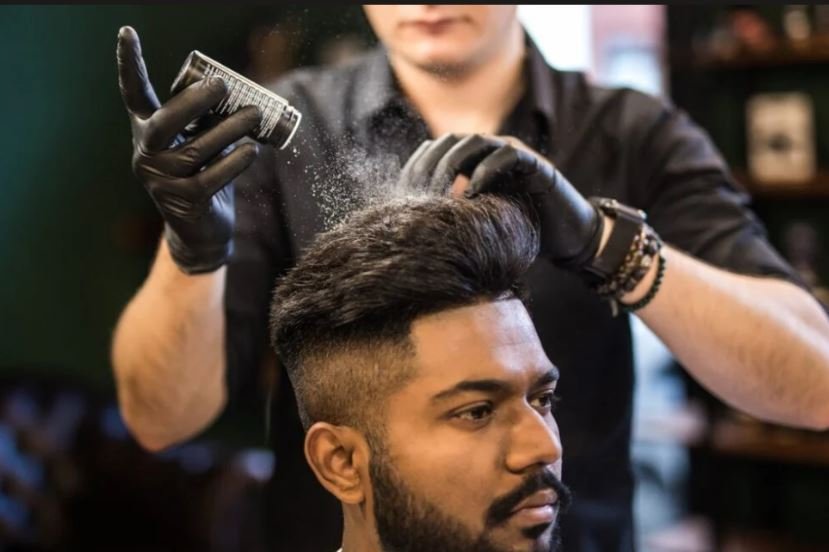
Texture powder is a popular styling tool for creating instant volume and a matte finish. It works by absorbing oil and increasing friction between strands . But a pressing question remains: does this product kill your hair? The short answer is no, texture powder does not directly “kill” your hair or cause permanent hair loss. However, it can contribute to conditions that may weaken hair and lead to increased shedding if used improperly . This article examines the evidence behind these claims.
Hair Loss vs. Hair Breakage: What the Research Says
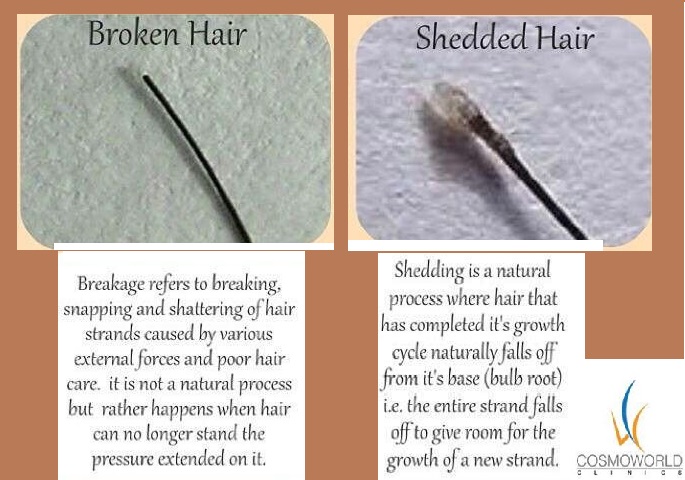
Understanding the difference between hair loss (shedding from the root) and breakage (the strand snapping) is critical. The evidence is clear: texture powder does not cause medical hair loss conditions like androgenetic alopecia (pattern baldness) or alopecia areata . No robust clinical evidence directly links its use to these conditions. However, the risks lie in damage to the hair shaft and scalp health.
How Texture Powders Work and What They Contain
Texture powders coat the hair shaft with fine particles—commonly silica, kaolin clay, and polymers—to add volume and absorb sebum . They are designed to sit close to the scalp, which increases the potential for product build-up . Key ingredients typically include:
- Silica silylate – a fine mineral compound that absorbs oil and adds grit
- Silica or hydrated silica – an absorbent that mattifies and texturises
- Kaolin or bentonite clay – natural absorbents
- Rice starch or corn starch – bulking and absorbent agents
- Fragrance and preservatives – added for scent and product stability
Ingredient compositions vary between brands; the above reflects commonly listed components found across widely available products . Because they are designed to sit close to the scalp, the potential for build-up is higher than with styling products applied only to the lengths .
Damage Mechanisms
Scalp Buildup and Follicular Occlusion
Texture powder sits on the scalp, absorbing oil and creating volume. Though this can make styling easier, too much buildup can clog hair follicles . Product residue accumulation around the follicle may theoretically cause follicular occlusion—a process where the follicle becomes blocked—potentially leading to irritation or folliculitis (inflammation of the hair follicles) . This may lead to itchiness, irritation, dryness, flakiness, and potential disruption of the hair growth cycle . It is important to note that robust clinical evidence directly linking texture powder use to folliculitis is lacking; these risks are largely theoretical or extrapolated from broader evidence on scalp inflammation . However, chronic scalp inflammation—regardless of its cause—can disrupt the normal hair growth cycle and push follicles prematurely into the telogen (resting) phase, resulting in temporary diffuse shedding (telogen effluvium) .
Dryness and Breakage
Your scalp naturally produces sebum, which coats hair strands to keep them healthy and strong. While too much sebum can lead to oily hair, balance is essential—some sebum is necessary for moisture . Since texture powder soaks up oil, using it too often can strip moisture from your hair, leading to dry hair and increased breakage . Some formulations also contain alcohol or astringent agents, which may alter the scalp’s natural moisture balance in certain individuals if used frequently . The product also increases friction between strands, and frequent backcombing, brushing, or aggressive styling can cause hair breakage, excess shedding, and frizz .
Allergic Reactions and Contact Dermatitis
Some users may experience allergic or irritant reactions to specific ingredients. The most frequent cosmetic sensitisers include synthetic fragrances, isothiazolinone preservatives (MI/MCI), and formaldehyde-releasing preservatives . Symptoms can include redness, itching, flaking, and scalp tenderness . Persistent scalp inflammation may push hair follicles prematurely into the resting phase, resulting in temporary, diffuse hair shedding (telogen effluvium) rather than permanent hair loss . One product analysis from the EWG database rated “Fragrance” as having high allergy and immunotoxicity concerns . This type of shedding is typically reversible once the underlying cause is identified and addressed .
Parabens and Hormonal Concerns
Parabens are preservatives commonly used to prevent microbial growth in cosmetics. Their inclusion in texture powders has raised concerns regarding potential health risks, including hair loss. While they effectively preserve products, some studies suggest they may disrupt hormonal balance, potentially leading to hair thinning in susceptible people. However, there is a lack of concrete evidence linking parabens in texture powders directly to hair loss .
Signs Your Styling Products May Be Affecting Your Scalp
Recognising early warning signs is important for preventing longer-term damage. Many people attribute scalp symptoms to dandruff or dryness without considering that their styling routine may be a contributing factor . Common signs to look out for include:
- Increased scalp itching or irritation, particularly after applying a product
- Flaking or scaling that differs from typical dandruff often appearing as waxy or clumped flakes rather than fine, dry scales
- Redness or tenderness at the scalp, especially around the hairline or crown where texture powder is most commonly applied
- Small bumps or pustules on the scalp, which may indicate folliculitis
- Noticeable increase in hair shedding, particularly when washing or brushing
- Dull, brittle hair texture that worsens over time despite conditioning treatments
Warning Signs Reference Table
How to Use Texture Powder Safely
The evidence suggests that responsible use is key to avoiding problems.
Best Practices
Use Sparingly: A small amount is usually sufficient. Overuse increases the risk of buildup .
Wash Thoroughly: Unlike traditional styling products, texture powder doesn’t always rinse out easily with water—or shampoo. Ensure you wash your hair thoroughly after each use. If it isn’t fully removed, it can mix with oil and dead skin cells, making hair feel dull, weighed down, or unhealthy . Consider using a clarifying shampoo periodically to remove stubborn residue .
Focus on Lengths, Not Scalp: Apply gently and focus on mid-lengths rather than directly onto the scalp skin where possible to minimise follicle contact .
Take Breaks: Avoid using texture powder every day to give your scalp and hair a chance to recover .
Check Ingredients: If you have sensitive skin, look for products without synthetic fragrances, isothiazolinones, or formaldehyde-releasing preservatives .
If You Experience Symptoms
If you notice symptoms that consistently appear or worsen after using a specific product, discontinue use . If symptoms persist beyond two to three weeks after discontinuing the product, this warrants further assessment by a healthcare professional . The NHS provides guidance on contact dermatitis signs and when to seek help . If you have a history of severe allergic reactions, seek advice from your GP or a dermatologist before doing any home testing .
The Bottom Line
Texture powder does not “kill” hair. It does not directly cause permanent hair loss conditions like androgenetic alopecia or alopecia areata . However, evidence shows that overuse or improper use can lead to dryness, scalp irritation, product buildup, and mechanical breakage . These issues can make hair look thinner and more fragile, and in some cases, may contribute to temporary shedding (telogen effluvium) if scalp inflammation occurs . The key is moderation, good scalp hygiene, and ingredient awareness. If you experience any concerning symptoms—such as persistent scalp pain, pustules, or shedding beyond two to three months—stop using the product and seek professional medical advice .

- Pre-Poo Treatments for Low Porosity Hair: 7 Essential Steps - September 20, 2026
- What To Avoid After Prp Hair Treatment? - August 28, 2026
- What Is The Malibu Treatment For Hair? - August 27, 2026