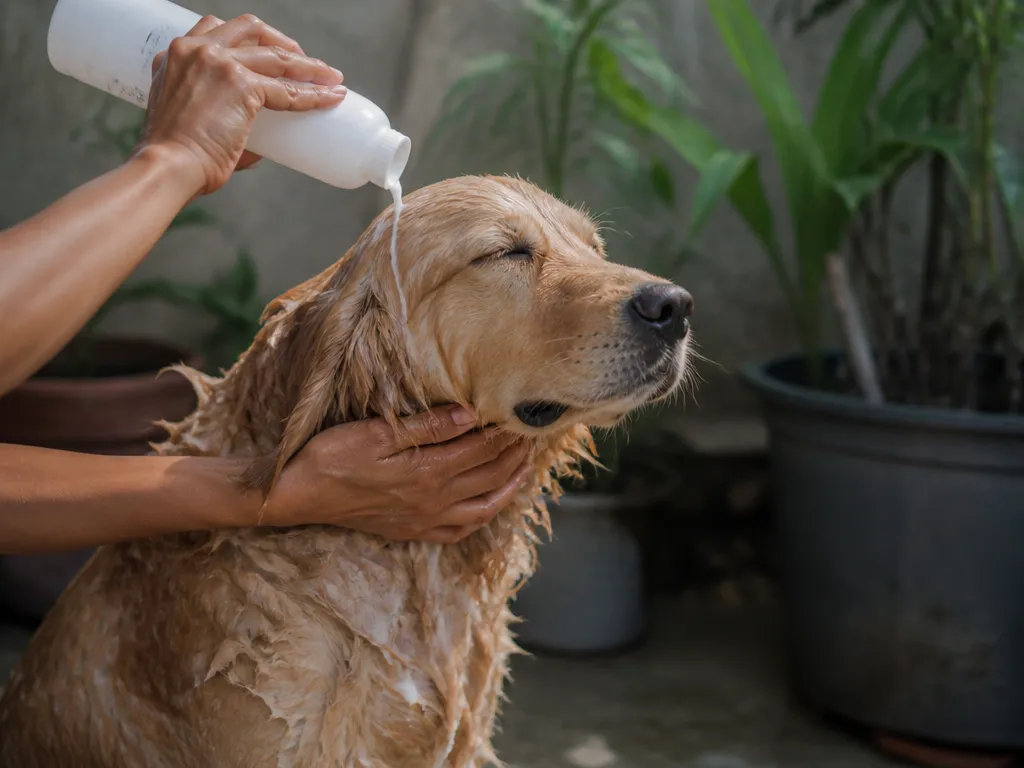
Can I Use Hair Conditioner On My Dog?
Grooming your dog often feels like a natural extension of your own bathroom routine, especially when their coat looks a little lackluster. You want the best for your pet, but human products are formulated for our specific physiology and pH levels. Using the wrong bottle can lead to dry, itchy skin or allergic reactions that require a trip to the vet.
Human hair conditioner is generally unsafe for dogs because the fragrances and pH balancing agents often irritate canine skin. Dogs have a more neutral skin pH of 6.5 to 7.5, while human products are acidic. Stick to veterinary approved shampoos or plain water to avoid disrupting their protective barrier.
Best for: Owners who prioritize safe grooming practices. Use caution if: Your dog has existing skin allergies or open sores.
Can I Use Hair Conditioner On My Dog?
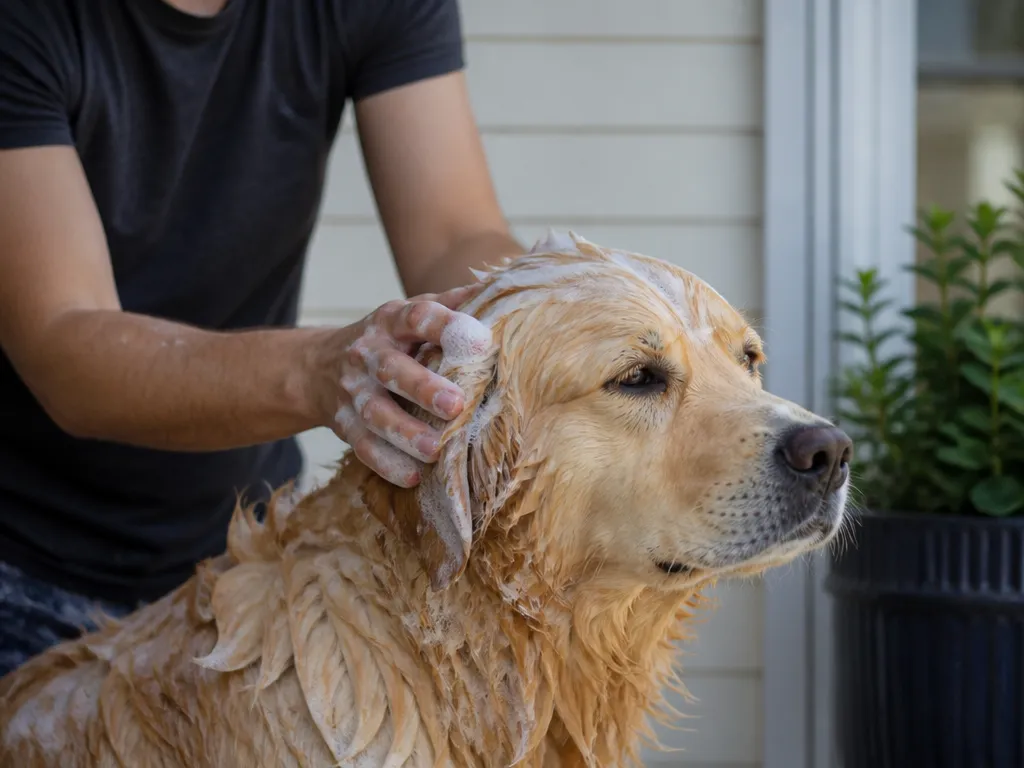
Human hair conditioners often contain fragrances, botanical extracts, or chemical preservatives that disrupt the delicate pH balance of canine skin. Dogs possess a significantly more alkaline skin surface than humans, meaning products formulated for our acidic mantle can cause severe irritation, dryness, or allergic reactions in pets.
Professional grooming standards prioritize products specifically balanced for the canine epidermis to maintain the integrity of their natural oils. While a single accidental application may not cause permanent damage, consistent use of human-grade formulas often leads to chronic itching and secondary skin infections.
Dermatologist tip: If you choose to use any topical product on your pet, perform a patch test on a small, hairless area of the belly and monitor for redness or swelling for 24 hours before full-body application.
Key Differences Between Human And Canine Products
Canine skin is much thinner than human skin, typically consisting of only three to five layers compared to our ten to fifteen. This structural difference makes pets far more susceptible to chemical absorption through the skin barrier, which can lead to systemic discomfort.
| Factor | Human Conditioner | Canine Conditioner |
|---|---|---|
| pH Level | Acidic (4.5 to 5.5) | Neutral to Alkaline (6.5 to 7.5) |
| Fragrance | High (Synthetic) | Low (Natural/Hypoallergenic) |
| Primary Goal | Smooth cuticle | Hydrate skin and coat |
Owners often overlook the risk of ingredient ingestion during the self-grooming process. Dogs frequently lick their fur after a bath, and many human conditioners contain ingredients like propylene glycol or parabens that are safe for human hair but potentially harmful if consumed by a canine.
Selecting the right product ensures that your dog maintains a healthy, protective barrier against environmental allergens. Investing in a high-quality canine conditioner remains a safer, more effective choice for long-term coat health than repurposing human beauty supplies.
Understanding Your Dog’s Coat Type
Dog coat structures vary significantly, requiring different levels of hydration and maintenance to keep skin healthy. A short, single-coated breed has vastly different needs than a long-haired, double-coated canine, especially regarding the pH balance of the epidermis.
Categorizing Coat Needs
Dogs fall into three primary coat categories that dictate how grooming products interact with their follicles and skin barrier. Each type requires specific attention to prevent dryness or excessive oil buildup.
For instance, a Siberian Husky with a thick double coat rarely needs heavy conditioning because the natural oils from the skin are designed to travel down the hair shaft. Conversely, a Yorkshire Terrier with fine, long hair often requires light detangling support to prevent breakage during brushing.
Identifying Irritation
Skin sensitivity in dogs often manifests as redness, excessive scratching, or a dull, brittle coat texture. If you notice these signs, the skin barrier is likely compromised and requires gentle, pH-balanced support rather than heavy chemical intervention.
Dermatologist tip: Always perform a patch test on a small, discreet area of your dog’s skin if you are introducing a new grooming product. Wait 24 hours to monitor for redness or hives before applying it to the entire coat.
| Coat Type | Primary Need | Common Issue |
|---|---|---|
| Short | Barrier Protection | Dry, flaky skin |
| Long | Detangling | Matting and breakage |
| Double | Airflow | Trapped moisture/Hot spots |
Sensitive skin often reacts negatively to common human fragrance additives or silicones found in standard conditioners. When the skin is already inflamed, these ingredients can exacerbate the issue by blocking pores or causing contact dermatitis.
Why Human Conditioner Isn’t For Dogs
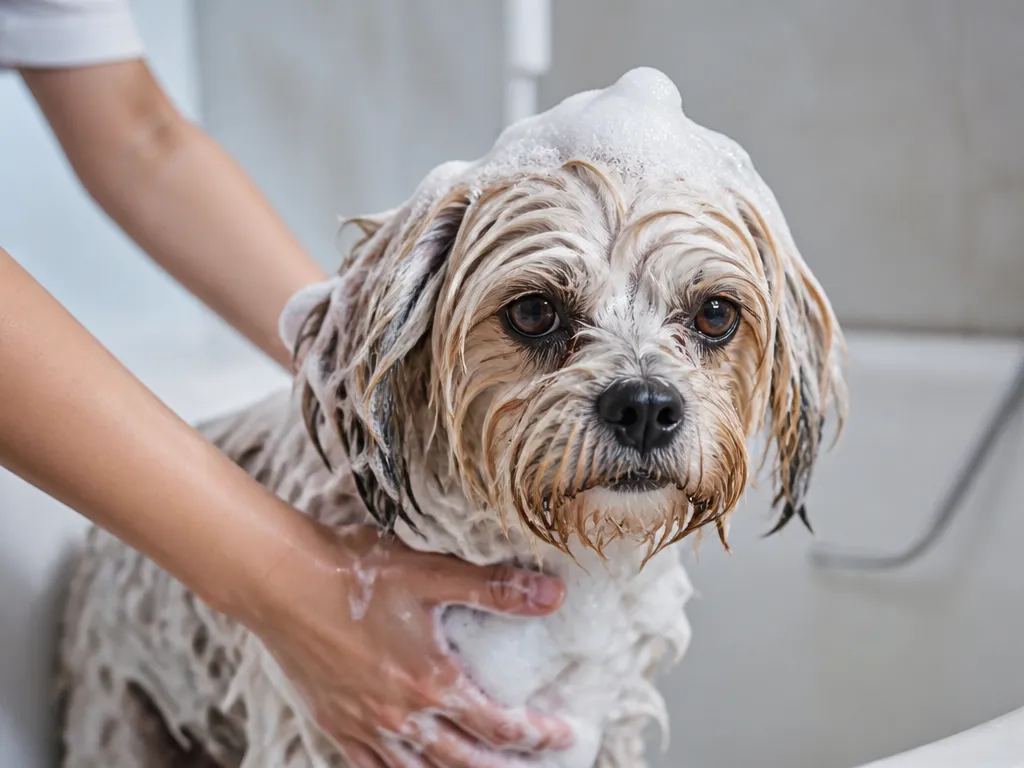
Formulation Differences
Dog skin has a protective acid mantle that differs significantly from human skin. Human conditioners are formulated to work with our specific pH balance, which can strip away essential oils from your dog’s coat and skin.
Common Irritants
Human conditioners often contain ingredients that are safe for humans but potentially harmful to dogs. These substances can cause immediate reactions or long-term damage with repeated use.
Better Dog-safe Alternatives
Dog-specific conditioners maintain the correct pH balance for canine skin, which is significantly more alkaline than human skin. Formulated products avoid the harsh surfactants, artificial fragrances, and essential oils that trigger allergic reactions or dry out a dog’s natural protective coat.
Selecting the right product requires looking for labels that specify a neutral pH for dogs. Avoid any conditioner containing propylene glycol, parabens, or heavy synthetic perfumes, as these ingredients often cause contact dermatitis in sensitive breeds.
Recommended Product Categories
| Category | Key Ingredient | Best For |
|---|---|---|
| Oatmeal-based | Colloidal Oatmeal | Dry, itchy, or sensitive skin |
| Hydrating | Aloe Vera | Long, tangled, or wiry hair |
| Deodorizing | Baking Soda | Active dogs with strong odors |
Application of these products follows a specific order to ensure the skin and coat receive maximum benefits. Always perform a patch test on a small area of the belly to check for any redness or immediate irritation before applying the conditioner to the entire body.
Dermatologist tip: If you are unsure about an ingredient, check the label for a neutral pH certification. If the bottle lacks a clear pH statement, skip it and look for options explicitly designed for veterinary use.
High-end brands like Earthbath or TropiClean provide specialized formulas that address specific skin concerns without the risks associated with human products. Drugstore alternatives from reputable pet supply lines often utilize similar soothing bases like shea butter or coconut oil at a fraction of the cost.
Ingredients To Avoid
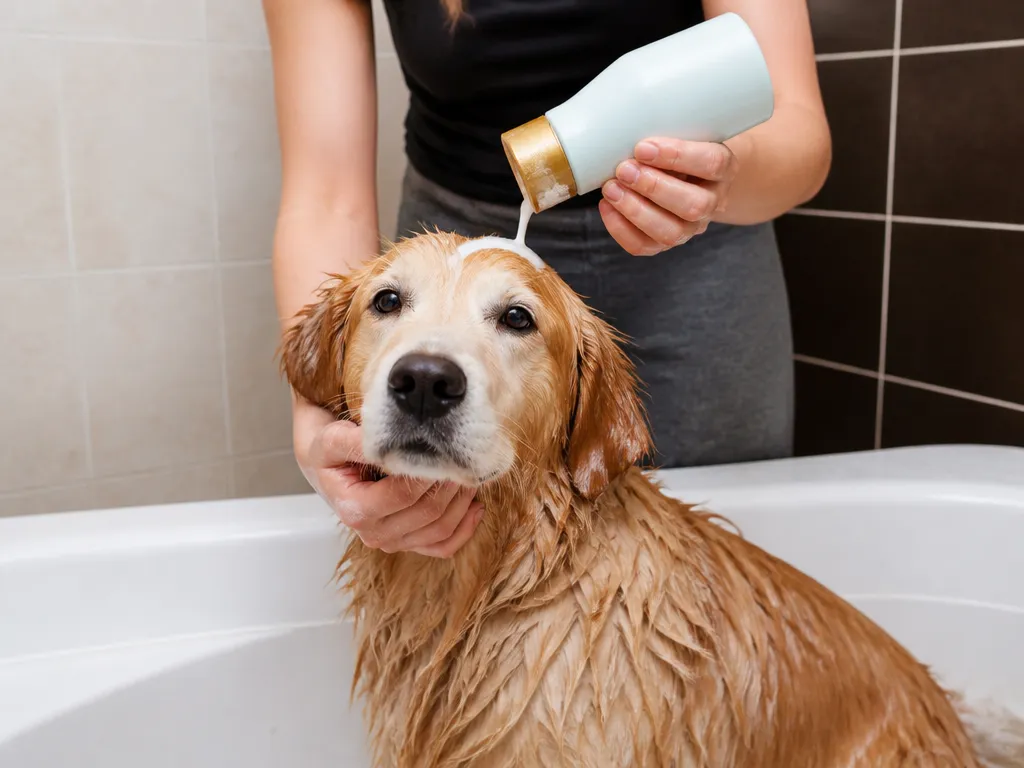
Harsh ingredients in standard hair products lead to dryness, itching, and potential secondary infections. You must prioritize products specifically pH-balanced for canine biology to protect their lipid barrier.
Common Irritants And Toxic Agents
| Ingredient | Risk Level | Notes |
|---|---|---|
| Tea Tree Oil | High Toxicity | Can cause tremors and lethargy if ingested or absorbed. |
| Artificial Fragrances | Moderate Irritant | Often trigger allergic dermatitis and respiratory sensitivity. |
| Propylene Glycol | Moderate Irritant | Commonly causes contact dermatitis on sensitive bellies. |
| Parabens | Potential Disruptor | Linked to endocrine issues when used frequently on dogs. |
Essential oils require extreme caution because many common botanical extracts are dangerous for pets. Peppermint, clove, and wintergreen oils are frequently found in human scalp treatments but can induce vomiting or neurological distress in dogs.
Dermatologist tip: Never assume an ingredient labeled as “natural” or “organic” is safe for a dog. Many botanical compounds that soothe human skin cause severe chemical burns or systemic toxicity in animals.
Synthetic dyes and heavy silicones also pose a risk by clogging hair follicles. These ingredients build up on the skin surface, trapping debris and creating an environment where yeast and bacteria thrive. Always opt for fragrance-free, hypoallergenic formulas to minimize the risk of a reaction.
Safe Usage Steps
Dermatologist tip: If your dog has sensitive or reactive skin, avoid all human products entirely. Stick to pH-balanced canine shampoos and conditioners to maintain their natural skin barrier.
Observe your dog closely during the drying process to ensure they do not lick their fur. If you notice persistent scratching or redness even after a successful patch test, discontinue use immediately. Contact your veterinarian if you observe any signs of an allergic reaction, such as swelling, excessive panting, or lethargy.
| Action | Safety Priority |
|---|---|
| Patch Test | High: Prevents full-body allergic reactions |
| Rinsing | High: Prevents ingestion and skin irritation |
| Drying | Medium: Prevents yeast and bacterial growth |
Diy And Budget Options
A simple DIY dog conditioner can be made by mixing 1 part organic coconut oil with 3 parts warm water until smooth. Apply this mixture after shampooing, let it sit for 2-3 minutes, then rinse thoroughly for a soft, shiny coat.
Budget Dog Conditioners To Try
Affordable commercial options provide effective conditioning without breaking the bank. Many brands offer quality formulations specifically designed for canine skin and coat needs.
Diy Dog Conditioner Recipes
Oatmeal and honey make an excellent soothing conditioner for irritated skin. Mix 1/2 cup colloidal oatmeal with 1/4 cup raw honey and 2 cups warm water, apply after shampooing, then rinse well.
For a quick rinse solution, dilute apple cider vinegar with water (1:3 ratio). This helps restore pH balance and adds shine while acting as a natural deodorizer.
| DIY Recipe | Benefits | Best For |
|---|---|---|
| Aloe Vera Gel (diluted 1:3) | Soothing, moisturizing | Dry, itchy skin |
| Coconut Oil Mix | Deep conditioning, detangling | Damaged coats |
| Chamomile Tea Rinse | Calming, anti-inflammatory | Irritated skin |
“Always patch test any DIY solution on a small area first. Avoid essential oils as many are toxic to dogs. When in doubt, consult your veterinarian before trying new ingredients on your pet.” – Professional Canine Groomer
For long-haired breeds, dilute any conditioner with water in a spray bottle for spot treatments between full baths. This approach makes your conditioner last longer while addressing specific problem areas.
When selecting commercial products, look for formulas free of sulfates, parabens, and artificial dyes. These ingredients can strip natural oils and irritate your dog’s sensitive skin, potentially causing more harm than good.
Quick Summary
Owners must avoid human conditioners containing parabens, propylene glycol, or toxic essential oils like tea tree and peppermint, as dogs often lick their fur. Different coat types also require specific care, as heavy products can cause hot spots on double coated breeds. To ensure safety, perform a patch test on the belly for 24 hours before full application.
| Factor | Human Conditioner | Canine Conditioner |
|---|---|---|
| pH Level | Acidic (4.5 to 5.5) | Neutral (6.5 to 7.5) |
| Skin Layers | 10 to 15 layers |
Frequently Asked Questions
Is It Safe To Use Human Hair Conditioner On My Dog?
It is not recommended because human products are formulated for a pH of 4.5 to 5.5, whereas dogs require a more neutral pH of around 7.0. Using human conditioner can disrupt their skin barrier and lead to irritation or dryness.
What Ingredients In Human Conditioner Are Risky For Pets?
You should avoid products containing heavy fragrances or certain essential oils like tea tree or peppermint, which can be toxic or irritating to dogs. Always check labels for ingredients that might trigger an allergic reaction.
What Is The Difference Between Human And Dog Conditioners?
The primary difference is the pH balance and ingredient safety tailored to different skin types. Dogs have much thinner skin than humans, so they need products specifically designed for their unique biological needs.
Do I Really Need To Use Conditioner On My Dog?
It is not a requirement for all dogs, but it is highly beneficial for breeds with long or curly hair to prevent painful matting. If you choose to use one, stick to a dedicated pet-safe formula to protect their skin.
How Long Should I Rinse My Dog If I Accidentally Used Human Products?
You should rinse them with lukewarm water for 5 to 10 minutes to ensure every trace of the product is removed. Watch for skin redness or itching over the following 24 hours and consult a vet if irritation persists.

- What To Avoid After Prp Hair Treatment? - August 28, 2026
- What Is The Malibu Treatment For Hair? - August 27, 2026
- What Is Malibu Hair Treatment? - August 27, 2026