How Texture Powder Negatively Affects Your Hair: A Detailed Analysis
Texture powder is a popular styling product that delivers instant volume and a matte finish by absorbing oil and increasing friction between strands. While it is generally considered safe for occasional use, frequent or improper application can negatively impact both your hair and scalp health. The most important point to understand is that texture powder does not directly cause permanent hair loss conditions like androgenetic alopecia. However, the ways it can indirectly damage your hair and scalp are worth understanding in detail.
The Mechanism: How Texture Powder Works

To understand how texture powder can be harmful, it helps to first know what it is and how it functions. These powders coat the hair shaft with fine particles—commonly silica, kaolin clay, rice starch, and polymers—to add volume and absorb sebum (natural scalp oil). They are designed to sit close to the scalp, which inherently increases the potential for product build-up. The “grip” or friction they create between strands is what makes styling easier but is also the source of several potential problems.
Negative Effects on Your Hair and Scalp
The negative effects of texture powder can be broken down into several key categories.
1. Scalp Buildup and Follicular Occlusion
This is perhaps the most significant concern. Since texture powder is applied directly to the roots and scalp, it can accumulate over time, especially if not washed out thoroughly. This residue, when mixed with dead skin cells, sweat, and natural oils, creates scalp buildup. This buildup can potentially clog hair follicles, a process known as follicular occlusion. This can lead to:
- Itchiness and irritation
- Dryness and flakiness that can be mistaken for dandruff
- Folliculitis: This is an inflammation of the hair follicles. In severe cases, it can lead to infection and crusty sores that may cause temporary hair shedding. While a direct link between texture powder and folliculitis is rare, the risk is theoretically higher if buildup is persistent. A healthy scalp is crucial for optimal hair growth, and any disruption can impact the hair growth cycle.
2. Dryness and Brittle Hair
Your scalp produces sebum, a natural oil that coats and protects each hair strand, keeping it healthy, strong, and moisturized. While excess oil is undesirable, a certain amount is essential for balance. Because texture powder is designed to absorb oil, using it too frequently can strip away this necessary moisture. This results in:
This is not just a cosmetic issue; hair that is dry and brittle is structurally weaker and more likely to snap, making it look thinner over time. Some formulations also contain alcohol or astringent agents that can further disrupt the scalp’s natural moisture balance.
3. Mechanical Damage and Breakage
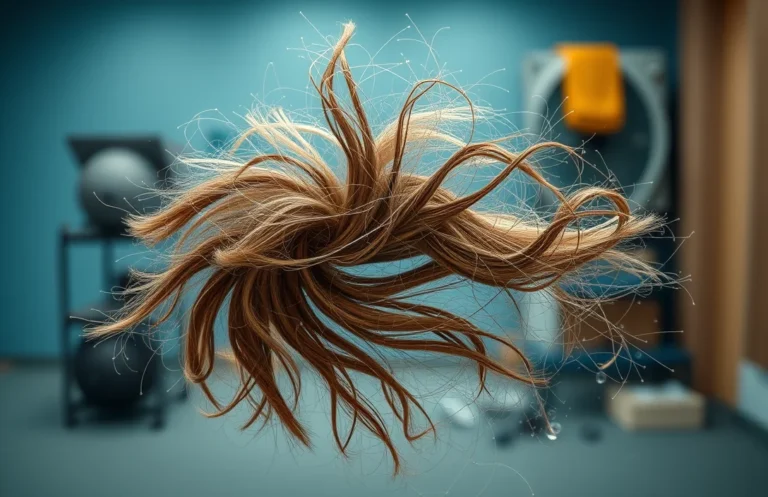
Texture powder makes hair stiffer and creates friction between strands. While this is great for hold, it’s bad for hair resilience. The process of styling often involves vigorous rubbing, backcombing, or brushing to distribute the powder and create volume. This mechanical stress can cause significant damage.
- Increased breakage from rough combing and brushing after the powder has made hair “grippy”.
- Friction damage can lead to cuticle wear and tear, particularly in the crown and part line where powder is often concentrated.
This is especially concerning for those with fine, bleached, or already fragile hair, which may show signs of roughness or damage more quickly.
4. Allergic Reactions and Contact Dermatitis
Your scalp may be sensitive to specific ingredients in the powder. The most common culprits are synthetic fragrances, isothiazolinone preservatives (MI/MCI), and formaldehyde-releasing preservatives. Reactions can include:
Persistent inflammation from an allergic or irritant reaction can push hair follicles prematurely into the resting (telogen) phase, leading to a temporary and diffuse form of hair shedding known as telogen effluvium. This type of shedding is typically reversible once the offending product is identified and discontinued. The EWG database notes that fragrance in such products can be a moderate allergen concern, and while silica is often low in allergy risk, other additives may be irritating.
Summary of Negative Effects
How to Minimize the Risks
The evidence suggests that responsible use is key to avoiding problems. Here are the best practices to follow:
Use Sparingly: A small amount—just a few shakes is usually enough. More product equals more buildup and dryness.
Apply Correctly: Sprinkle onto fingertips and work into the roots and mid-lengths, rather than dumping directly onto the scalp. Avoid rough rubbing.
Wash Thoroughly: Texture powder can be difficult to rinse out. Use a gentle shampoo after each use, and consider a clarifying shampoo periodically to remove stubborn residue.
Take Breaks: Avoid using texture powder every day. Give your scalp and hair a chance to recover.
Check Ingredients: If you have sensitive skin, look for fragrance-free and paraben-free options.
Warning Signs to Watch For
If you experience any of the following, discontinue use:
- Persistent scalp itching or irritation
- Redness, tenderness, or small pustules on the scalp
- Waxy or clumped flakes
- A noticeable increase in hair shedding when washing or brushing
If symptoms persist beyond two to three weeks after stopping use, consult a doctor or dermatologist for an accurate diagnosis.
The Bottom Line
Texture powder does not “kill” your hair or directly cause permanent baldness. However, overuse or improper use can lead to a cascade of negative effects: product buildup, dryness, mechanical breakage, and potential scalp irritation. These issues can make hair look thinner, duller, and more fragile. The key to safe use is moderation, thorough cleansing, and awareness of your scalp’s sensitivity. By following the best practices outlined above, you can enjoy the volumizing benefits of texture powder while minimizing the potential for damage

- Pre-Poo Treatments for Low Porosity Hair: 7 Essential Steps - September 20, 2026
- What To Avoid After Prp Hair Treatment? - August 28, 2026
- What Is The Malibu Treatment For Hair? - August 27, 2026