Can I Use Human Hair Conditioner On My Dog?
Ever wondered if your favorite human hair conditioner could work wonders on your furry friend? Think again. Dog skin has a pH of 7.0-7.5, significantly different from human skin’s 5.5, making our hair care products too acidic for their sensitive coats. Using the wrong products can lead to skin irritation, dryness, and even allergic reactions in your beloved pet.
Dog hair conditioner should avoid strong artificial fragrances and sulfates commonly found in human products. The pH difference of up to 2 pH units can also disrupt the skin barrier.
Can I Use Human Hair Conditioner On My Dog?
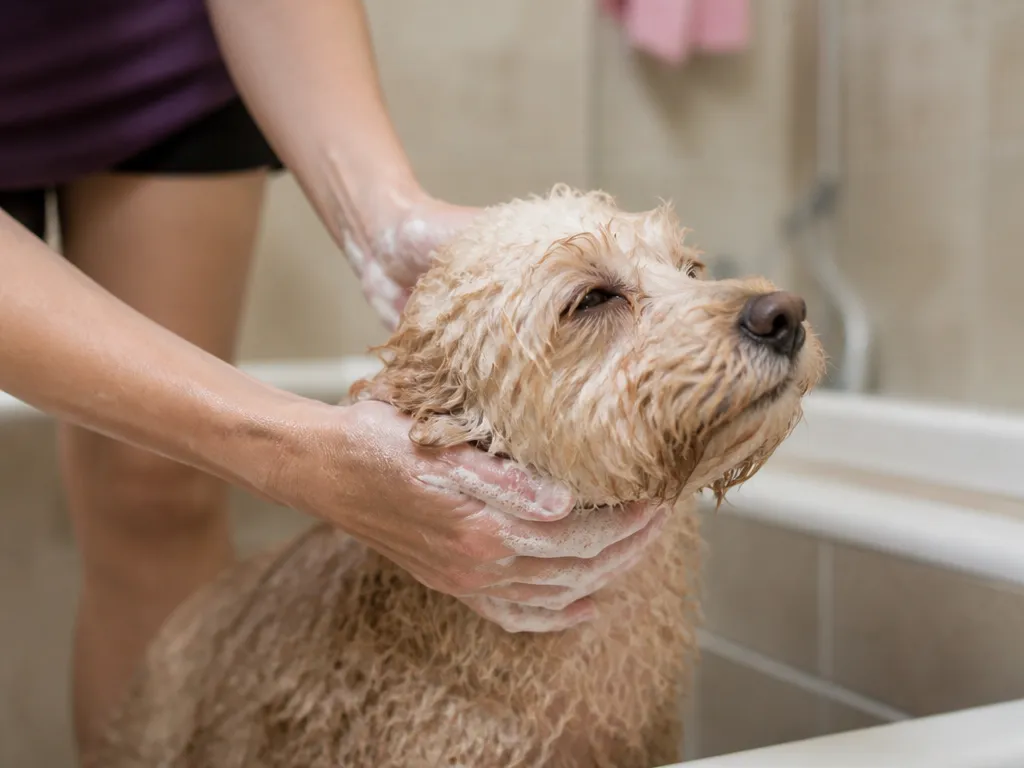
Human hair conditioners contain ingredients and pH levels that often irritate canine skin. These products are formulated for human scalp chemistry, which differs from the protective barrier of a dog’s skin.
Canine skin is thinner and more alkaline than human skin. Applying a product designed for humans can strip away the acid mantle, which leads to dryness, itching, and vulnerability to bacteria.
Fragrances and dyes in human formulas often cause allergic reactions in pets. Many dogs have sensitive skin, especially those with existing dermatitis or allergies.
For instance, a dog with a sensitive skin type might develop red bumps or flaky skin after a single application of a heavily scented conditioner.
| Feature | Human Conditioner | Dog Conditioner |
|---|---|---|
| pH Level | Acidic (approx 4.5 – 5.5) | Neutral to Alkaline (approx 6.5 – 7.5) |
| Fragrance | High/Strong | Low or Pet-safe |
| Ingestion Risk | Not tested for licking | Formulated for safety |
Silicones like dimethicone are common in human products to create shine. These can build up on a dog’s coat and attract more dirt, which makes the fur feel greasy.
Ingestion is a major concern because dogs groom themselves. Ingredients that are safe for human hair are not always safe for a dog to eat.
Esthetician tip: Always perform a patch test on a small area of your dog’s belly before trying any new grooming product. Wait 24 hours to check for redness or irritation.
Budget-friendly alternatives include oatmeal-based conditioners or a tiny amount of organic coconut oil for very specific dry spots. High-end options from veterinary clinics offer better safety profiles for long-term use.
Understanding Canine Skin Ph Levels
Canine skin operates at a neutral to alkaline pH range of 7.0 to 7.5, which differs significantly from the slightly acidic human skin pH of 5.5. This variance in chemical environment dictates how a living surface interacts with topical products, surfactants, and moisturizers.
The acid mantle is a protective barrier on the skin surface that defends against bacteria, viruses, and environmental pollutants. While human skin relies on its acidic nature to maintain this barrier, dogs rely on a more neutral balance to keep their microbiome stable. Applying a product designed for a 5.5 pH level onto skin that naturally sits at 7.5 causes an immediate disruption of this delicate defense system.
Consequences Of Barrier Disruption
Disrupting the canine acid mantle leads to predictable skin issues that often mimic common human dermatological concerns. When the pH balance shifts toward acidity, the skin loses its ability to lock in moisture and repel harmful pathogens.
Esthetician Tip: Just as you would not use a harsh, high-pH bar soap on sensitive facial skin, you should never use human-grade hair products on a dog. The chemical architecture is incompatible with their biological needs.
| Species | Typical pH Range | Product Compatibility |
|---|---|---|
| Human | 5.0 – 5.5 | Acidic formulations |
| Canine | 7.0 – 7.5 | Neutral formulations |
In practice, owners often see the effects of pH mismatch within 24 to 48 hours of product application. Redness, localized inflammation, and an increase in dander are common indicators that the skin barrier is struggling to neutralize the foreign product. Persistent use of acidic human conditioners can eventually compromise the skin integrity enough to require veterinary intervention for dermatitis.
Toxic Ingredients To Avoid
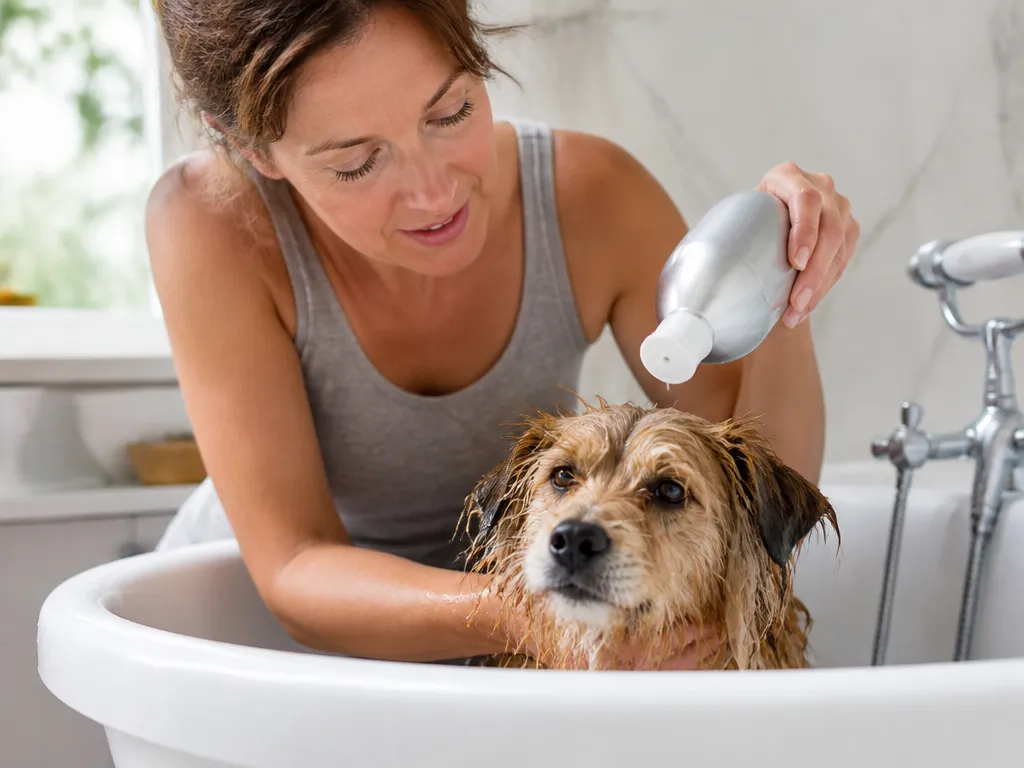
Human hair conditioners frequently contain synthetic chemicals and preservatives that disrupt the canine acid mantle. These ingredients often cause contact dermatitis, excessive dryness, or allergic reactions because canine skin has a higher pH level than human skin.
Commonly Irritating Components
| Ingredient Category | Specific Examples | Potential Risk to Dogs |
|---|---|---|
| Sulfates | Sodium Lauryl Sulfate, SLS | Stripping of natural protective oils |
| Parabens | Methylparaben, Propylparaben | Endocrine system disruption |
| Fragrances | Artificial perfumes, Phthalates | Respiratory irritation and skin rashes |
| Essential Oils | Tea Tree, Peppermint, Citrus | Systemic toxicity if ingested or absorbed |
Sulfates act as harsh surfactants that remove essential lipids from a dog’s coat. Using these products leads to a compromised skin barrier and increased susceptibility to bacterial infections.
Parabens serve as synthetic preservatives that linger on the skin surface. These chemicals pose risks to a dog’s hormonal health, particularly when the animal licks its fur after a grooming session.
Professional Tip: Always check the ingredient label for Propylene Glycol and Methylisothiazolinone. These common human conditioning agents are known sensitizers that trigger localized inflammation in sensitive canine breeds.
Artificial fragrances mask chemical odors but often trigger sneezing or skin itching. Essential oils like Tea Tree or Wintergreen are dangerous because dogs lack the liver enzymes necessary to metabolize these concentrated plant compounds effectively.
Safe Grooming For Your Pet
Dog-specific conditioners maintain the natural protective barrier of a canine’s skin by adhering to a pH range of 6.5 to 7.5. Human products often fall below this range, which can disrupt the acid mantle and lead to dryness, flaking, or secondary bacterial growth.
Application Techniques
Dermatologist tip: Always perform a patch test on a small, inconspicuous area of your dog’s skin before a full application to check for adverse reactions like redness or itching.
Coat Type Considerations
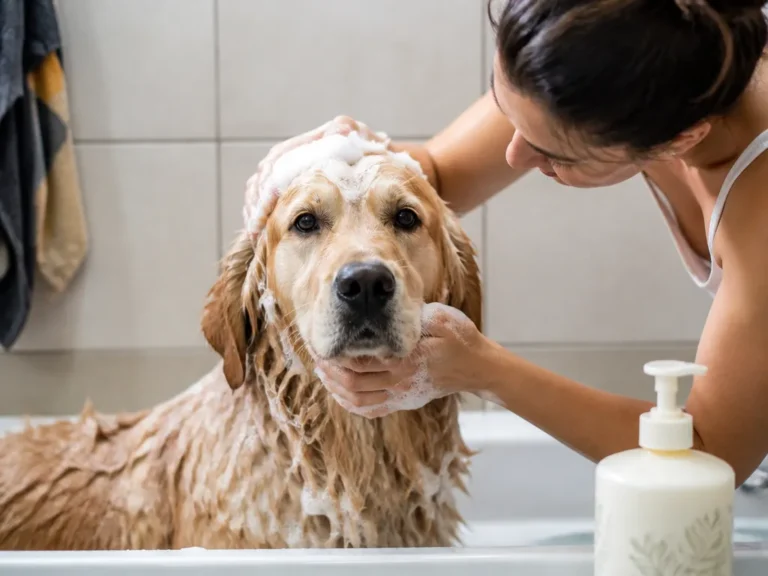
Thick-coated breeds, such as Huskies or Golden Retrievers, require extra attention during the rinsing phase to prevent trapped moisture. Use a rubber curry brush during the conditioning process to work the product through the dense undercoat and remove loose fur.
Thin-coated or short-haired breeds like Greyhounds or Pugs benefit from lightweight, non-greasy formulas that avoid weighing down the coat. Apply the conditioner sparingly on these dogs to prevent buildup that attracts dirt and irritates sensitive skin.
| Product Type | Application Frequency | Best For |
|---|---|---|
| Detangling Spray | Daily/As needed | Long, curly, or mat-prone coats |
| Moisturizing Rinse | Every bath | Dry, flaky, or sensitive skin |
| Leave-in Conditioner | Post-bath | Wire-haired or coarse textures |
Common Grooming Mistakes To Avoid
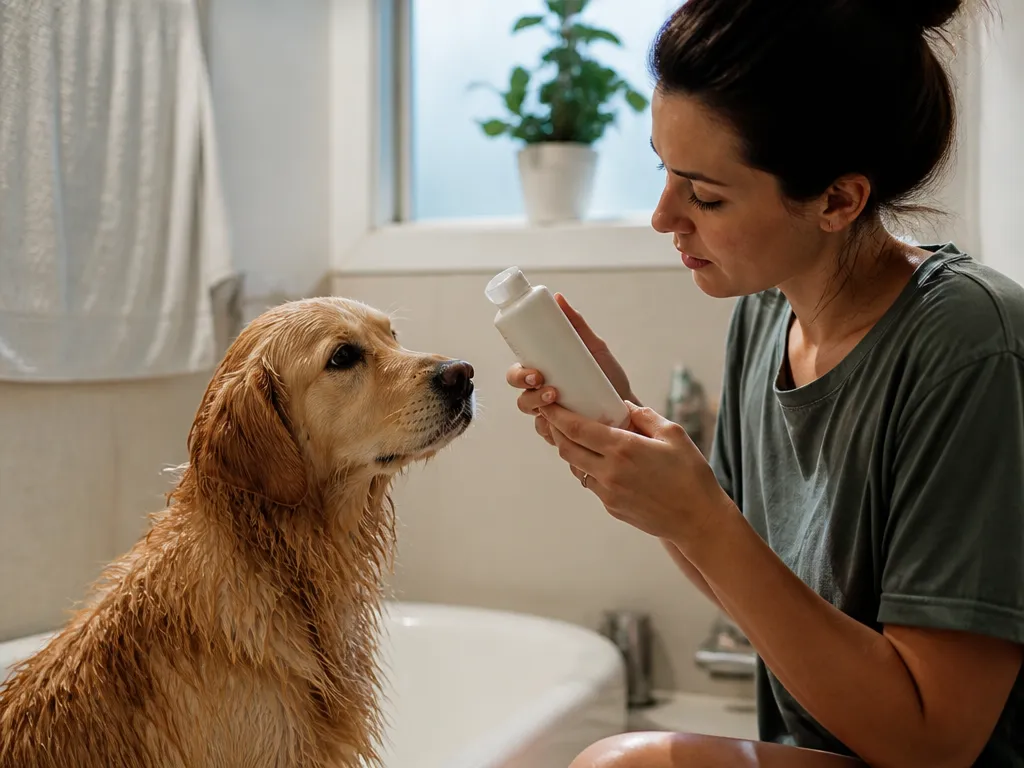
Over-bathing strips the protective lipid barrier from a dog’s skin, leading to chronic dryness, flaking, and potential secondary infections. Frequent washing disrupts the natural microbiome of the canine coat, which is significantly more alkaline than human skin.
Failing to rinse products thoroughly is a leading cause of contact dermatitis in pets. Residue left on the skin attracts dirt and pollen, creating an environment where bacteria thrive and skin irritation becomes inevitable.
Common Risks Of Improper Grooming
Dermatologist tip: Always monitor your pet for redness or excessive scratching for 24 hours after a bath. If symptoms persist, consult a veterinarian immediately to rule out an allergic reaction to specific surfactants or preservatives.
Grooming Frequency Comparison
| Skin Type | Recommended Bathing Frequency | Key Concern |
|---|---|---|
| Dry or Sensitive | Every 6 to 8 weeks | Loss of natural oils |
| Normal | Every 4 weeks | Surface debris accumulation |
| Oily or Active | Every 2 to 3 weeks | Bacterial growth and odor |
In practice, owners often mistake the need for a deep clean with the need for a full shampoo cycle. Brushing the coat daily removes loose fur and debris, which reduces the frequency required for water-based washing. This simple maintenance habit keeps the skin healthy without the need for harsh chemicals.
Budget-friendly Pet Alternatives
Pet-specific conditioners maintain a pH balance closer to 7.0 to protect the canine skin barrier. These formulas prevent the stripping of essential lipids that keep the coat waterproof and healthy.
| Category | Price Range | Key Ingredients | Best For |
|---|---|---|---|
| Drugstore Pet | $5 – $12 | Aloe Vera, Fragrance | Regular maintenance |
| Premium Pet | $15 – $30 | Shea Butter, Oat Protein | Sensitive skin or show coats |
| DIY Home | $1 – $5 | Colloidal Oatmeal, Water | Itchy or dry skin |
Drugstore Vs Premium Options
Drugstore brands often rely on synthetic fragrances and basic surfactants. These options are sufficient for dogs with hardy skin and no known allergies.
Premium brands usually remove parabens and sulfates. They include high-grade ingredients like shea butter or oat protein for curly or wire-haired coats.
Safe Diy Solutions
Colloidal oatmeal is a low-cost option for soothing itchy or dry skin. It creates a protective barrier on the skin to reduce moisture loss.
For instance, you can mix one part finely ground oatmeal with warm water to create a thin paste. Apply this mixture to damp fur and leave it for five minutes before rinsing thoroughly.
Esthetician tip: Always perform a patch test on a small area of the belly for 24 hours before a full bath to check for reactions.
Expert Tips For Healthy Coats
Human hair conditioner is risky for dogs because dog skin has a different pH and barrier makeup, so human formulas can irritate or trigger contact dermatitis. Many conditioners also contain fragrances, essential oils, and conditioning agents that are unnecessary for pets and harder to rinse completely from fur.
Spotting Product Reactions Fast
After any new coat product, watch the “hours-to-days” window. Early signs usually include redness, itchiness, greasy buildup, hives, paw licking, or a sudden change in odor. Some dogs also get small scabs or dandruff-like flakes even when they previously had a healthy coat.
In practice, react quickly because mild irritation can become more inflamed from continued exposure. Rinse the area thoroughly with lukewarm water, then switch to a plain, fragrance-free rinse (no add-ons). Contact a veterinarian if symptoms spread, last more than 24 to 48 hours, or the dog acts painful, stops eating, or develops swelling around the eyes or muzzle.
Veterinarian tip: If you see a reaction, treat the product as the suspect and stop using it immediately, even if your dog seems “mostly fine.”
When To See A Veterinarian
See a veterinarian promptly if your dog has a chronic history of allergies, hot spots, recurrent ear infections, or yeast overgrowth. Veterinarians can rule out parasites, bacterial or fungal folliculitis, and food-related causes that can mimic cosmetic irritation. Dogs with sensitive skin often need a veterinarian-guided shampoo regimen rather than random conditioner switching.
For patch-test style safety, test a new product on a small fur patch before full use. Apply a tiny amount, let it sit briefly per label instructions, then rinse well. Monitor the patch for 24 to 72 hours and discontinue at the first signs of redness or itch.
| Sign you notice | What it can mean | What to do |
|---|---|---|
| Persistent itch, redness, or scabs | Contact dermatitis or allergy | Stop product, rinse, and call your vet |
| Greasy, sticky coat days later | Residue buildup causing irritation | Switch to rinse-friendly, pet-safe options |
| Spreading rash or facial swelling | More serious reaction | Seek urgent veterinary guidance |
| Ear redness or head shaking after bath | Skin irritation near ears | Book an exam if it persists |
Practical rule: Conditioners should be light and fully rinsed, especially for short-haired dogs and dogs prone to acne-like bumps.
Quick Summary
You should not use human hair conditioner on your dog because canine skin has a pH of about 7.0 to 7.5, while human skin is closer to 5.5, so many hair products are formulated too acidic. The article explains that a pH mismatch of up to 2 pH units can disrupt a dog’s protective acid mantle, which can lead to dryness, itching, and increased vulnerability to bacteria. It also warns that human formulas often have strong fragrance and dyes, which can trigger allergic reactions, including red bumps or flaky skin after a single use in sensitive dogs.
The article also highlights practical ingredient risks: it says avoid conditioners containing sulfates such as Sodium Lauryl Sulfate, since they can strip natural oils, and it flags parabens, artificial perfumes, phthalates, and certain essential oils like tea tree, peppermint, and citrus. It notes that silicones such as dimethicone, common for shine in human products, can build up and make fur feel greasy, and it calls out ingestion risk since dogs groom themselves. It recommends a belly patch test, waiting 24 hours, and starting with safer pet-focused or oatmeal-based options, with the most important takeaway being to never apply human-grade conditioner to your dog.
| What to check | Why it matters for dogs | Article guidance |
|---|---|---|
| pH level | Canine skin is neutral to alkaline, human products are often acidic | Human hair conditioners are often around pH 4.5 to 5.5, canine skin is about 6.5 to 7.5 |
| Fragrance and dyes | Can irritate and may trigger allergic reactions | Avoid artificial fragrances and dyes, especially for sensitive skin |
| Sulfates and harsh additives | Can strip oils and disrupt the skin barrier | Avoid sulfates like Sodium Lauryl Sulfate |
| Silicones and build-up | May accumulate and attract dirt, leaving fur feeling greasy | Dimethicone is common in human products, so avoid those |
Frequently Asked Questions
Is It Safe To Use Human Hair Conditioner On My Dog?
Usually it is not a great idea. Many human conditioners contain ingredients like fragrance, preservatives, and silicones that can irritate a dog’s skin or cause stomach upset if your dog licks it after rinsing. If you use anything, choose a pet-specific conditioner and rinse well, then watch for redness or itching over the next 24 hours.
Can I Use It If My Dog Has Sensitive Skin Or Is Acne-prone (Bumps, Bumps On The Face)?
Use extra caution. If your dog has itchiness, hot spots, or recurring bumps, it’s better to avoid human hair products and switch to a fragrance-free, pet-safe formula. Patch test by applying a small amount behind the ear or on the inner thigh, then rinse and monitor for 24 to 48 hours.
How Long Until I See Results If I Switch To Conditioner To Help Dryness Or Shedding?
For softness and tangles, you may notice it the same day. For improvements like less flaking or irritation, give it 2 to 4 weeks because coat and skin cycle takes time, and any underlying issue (allergies, fleas, dermatitis) can slow progress. If symptoms worsen, stop and talk to a vet.
What Is The Difference Between Human Conditioner And Pet Conditioner For Dogs?
Pet conditioners are made for a dog’s skin and lifestyle. They are typically formulated with less irritating fragrance options and are designed to be safer if some residue is licked, whereas human products can be harsher or less forgiving. Also, dogs often need gentle moisturizing without heavy additives that may bother sensitive skin.
Do I Really Need To Use Conditioner On My Dog After Shampoo?
Not always, but it helps for dryness and tangles. If your dog’s coat is dry, rough, or gets mats, a conditioner can make brushing easier, but if you’re using a very gentle, hydrating pet shampoo, you might only need conditioner occasionally. The biggest rule, regardless of product, is rinse thoroughly to reduce residue and licking.

- Pre-Poo Treatments for Low Porosity Hair: 7 Essential Steps - September 20, 2026
- What To Avoid After Prp Hair Treatment? - August 28, 2026
- What Is The Malibu Treatment For Hair? - August 27, 2026