Can I Use My Hair Conditioner On My Dog?
Struggling with a doggie “spa day” and wondering if your hair conditioner is the shortcut? You are not alone. The skin on dogs is different from ours, and hair products can leave behind ingredients that irritate, especially around the face and paws. Let’s keep it practical, with a clear yes or no.
Skip human conditioner unless the label is specifically dog-safe, because many have fragrances, conditioners, and preservatives made for people, not pups. If your goal is softness, look for pet-safe conditioner or plain, fragrance-free products made for animals. Patch-test first if you try anything new.
Best for: most dogs with normal skin using a pet-safe conditioner. Use caution if: your dog has allergies, eczema, broken skin, or frequent scratching, or if the product has strong fragrance or essential oils.
Hair conditioner for humans is not a safe default for dogs. Most human formulas are made for human scalps and can irritate dog skin (especially near the eyes, ears, and paws). If you want a conditioner, use a pet-safe one and try a small patch for 24 hours before full use.
Can I Use My Hair Conditioner On My Dog? (Safety Guide)?
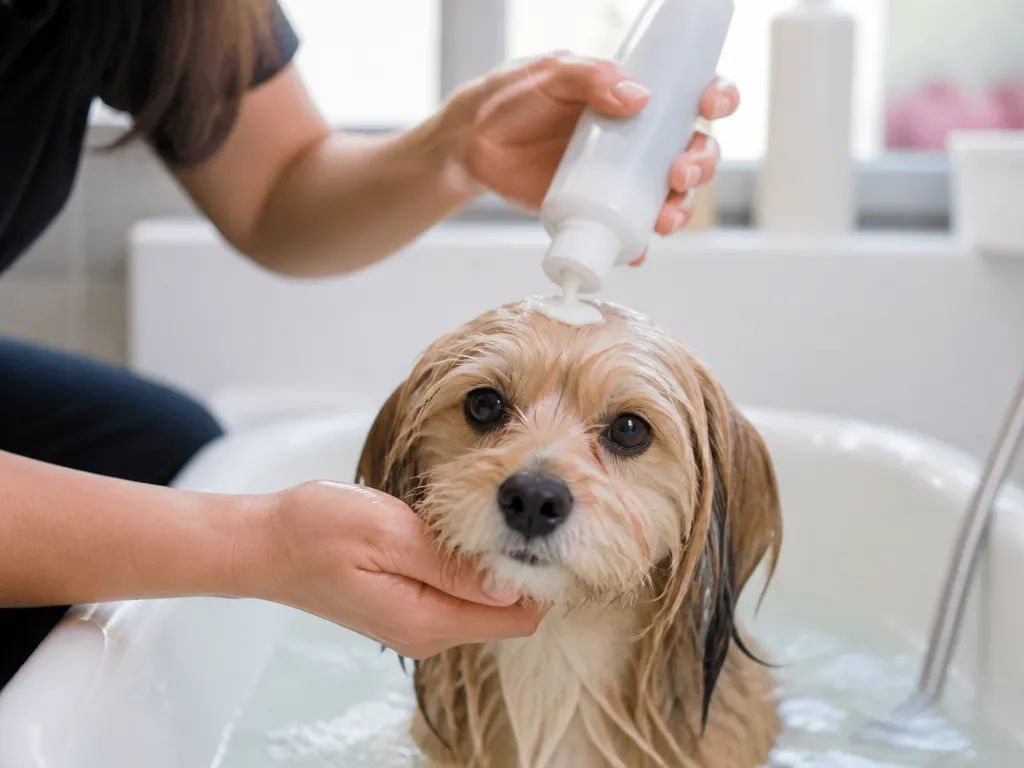
Human skin and canine skin have very different pH levels, which means human conditioners can strip the natural oils that protect a dog’s coat and skin. Using these products regularly disrupts the acid mantle, leading to dryness, irritation, and potential infection. A single, accidental use is usually harmless, but intentional application is not recommended.
Human skin typically sits at a pH of around 5.5 to 5.6, while canine skin is more alkaline, generally ranging between 6.0 and 7.5.
Identify Your Dog’s Coat Type
Dogs have different coat types that require specific care approaches. The texture and condition of your dog’s fur will determine whether it needs moisturizing, clarifying, or gentle conditioning treatments.
Dry And Brittle Coats
Dogs with dry coats often have hair that feels rough, lacks shine, and may shed excessively. Breeds like Greyhounds, Whippets, and some terriers naturally have drier coats that benefit from added moisture.
For dogs with dry coats, moisturizing ingredients like oat extract, aloe vera, or coconut oil can help restore hydration. Human hair conditioners containing silicones or heavy proteins may weigh down these already delicate coats.
Oily Or Greasy Fur
Oily coats appear flat, greasy, and may have an unpleasant odor. Breeds like Basset Hounds, Cocker Spaniels, and some retrievers tend to produce more natural oils.
| Signs of an Oily Coat | Best Care Approach |
|---|---|
| Greasy appearance within days of bathing | Clarifying shampoos with tea tree or eucalyptus |
| Strong doggy odor between baths | Less frequent bathing to avoid over-drying |
| Darkened or discolored hair at the roots | Light exfoliation to remove buildup |
Human conditioners meant for dry hair can make oily coats worse by adding more oils and proteins that don’t wash out completely.
Sensitive Skin And Allergy Indicators
Sensitive skin in dogs often appears as redness, irritation, or hot spots after grooming. Breeds like Bulldogs, French Bulldogs, and many terrier breeds commonly have sensitive skin.
Veterinary dermatologists recommend checking your dog’s skin 24 hours after trying any new product. Look for redness, bumps, or excessive scratching as signs of sensitivity.
Signs of skin sensitivity include persistent scratching, hair loss in patches, scabs, or recurring hot spots. Human conditioners often contain fragrances, dyes, and preservatives that can trigger allergic reactions in dogs.
When selecting products for sensitive skin, look for hypoallergenic formulas with minimal ingredients. Avoid human hair conditioners containing common irritants like sulfates, parabens, and artificial fragrances.
Ingredients To Seek And Avoid
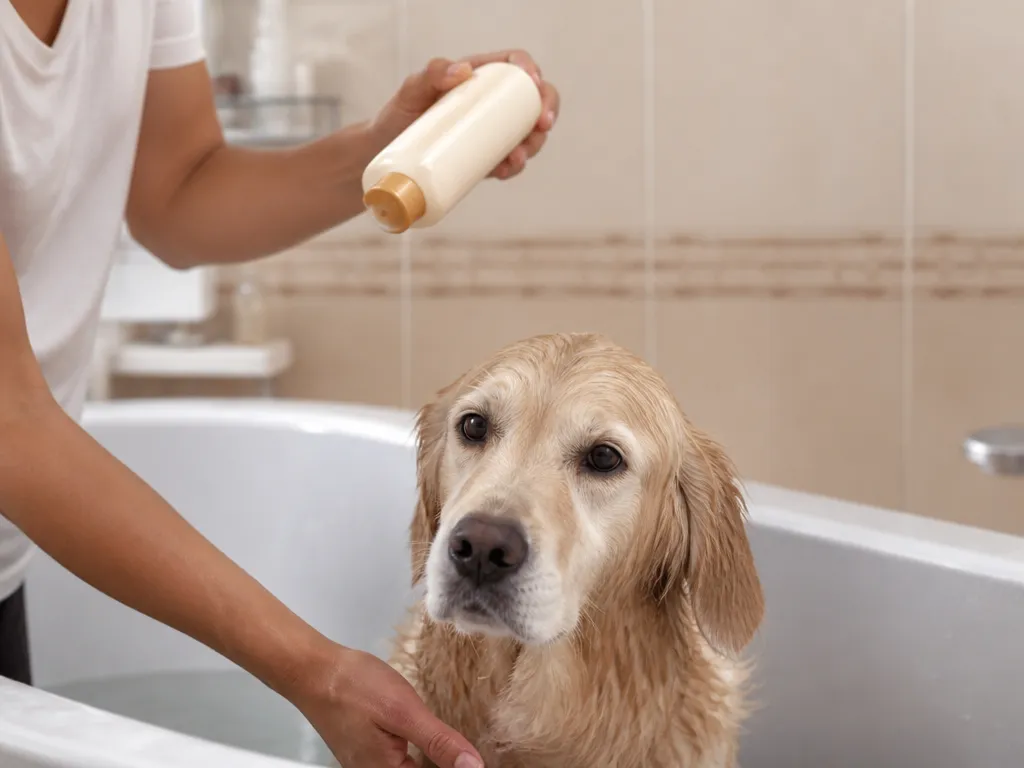
Human conditioners often contain ingredients that can harm your dog’s skin and overall health. Many products designed for human hair contain chemicals that are safe for us but potentially toxic or irritating to our canine companions.
| Item | Amount/Specification | Notes |
|---|---|---|
| Oatmeal | Colloidal oatmeal | Excellent for soothing irritated skin and reducing itching |
| Aloe Vera | 95% pure gel | Hydrates skin without harmful additives |
| Parabens | Any amount | Can cause hormone disruption and allergic reactions |
| Essential Oils | Any concentration | Many are toxic to dogs, especially tea tree, citrus, and peppermint |
| Artificial Fragrances | Any synthetic scent | Common allergens that can cause skin irritation |
Essential oils pose significant risks to dogs. While humans can safely use many essential oils topically, dogs metabolize these compounds differently. Tea tree oil, citrus oils, peppermint, and wintergreen can cause vomiting, weakness, and even liver damage in dogs. Even diffusing certain oils can affect your pet’s respiratory system.
Parabens and artificial fragrances may seem harmless but commonly trigger allergic reactions in dogs. These chemicals can cause redness, itching, and hot spots. Dogs have more sensitive skin than humans and may react strongly to ingredients we tolerate without issue.
When selecting products for your dog, look for oatmeal-based conditioners specifically formulated for canine use. These products contain safe levels of soothing ingredients without harmful additives. Always check the full ingredient list and avoid any products containing the substances mentioned above.
Safe Bathing And Conditioning Process
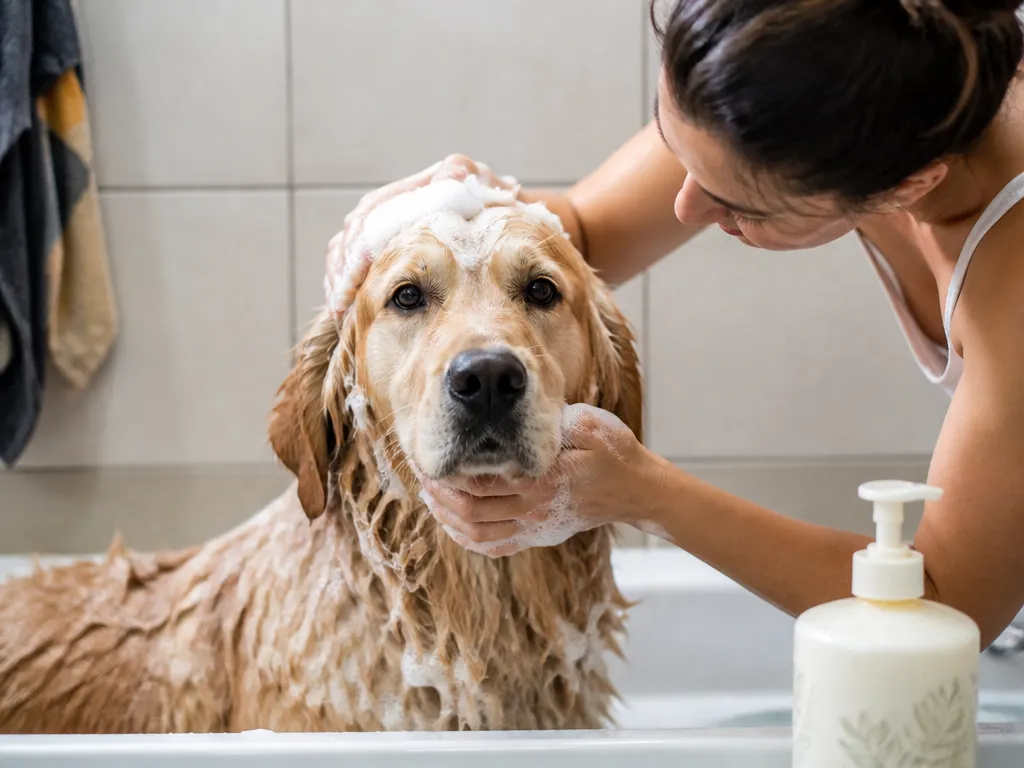
Proper conditioning requires a clean coat and precise application to avoid clogging pores or irritating the skin. Focus the product on the outer fur rather than the skin to minimize the risk of dermatitis.
Pre-bath Preparation
Thorough brushing before the bath removes loose fur and existing mats. Mats trap water and product, which can create damp pockets that lead to fungal growth.
Application And Rinsing
Use the “ends-only” approach common in human hair care. Apply a small amount of panthenol or glycerin based conditioner to the lengths of the coat.
For instance, if your dog has long hair on the ears or tail, apply the pet-safe conditioner to those lengths and rinse thoroughly, keeping it away from the eyes and ears.
Mistakes That Irritate Canine Skin
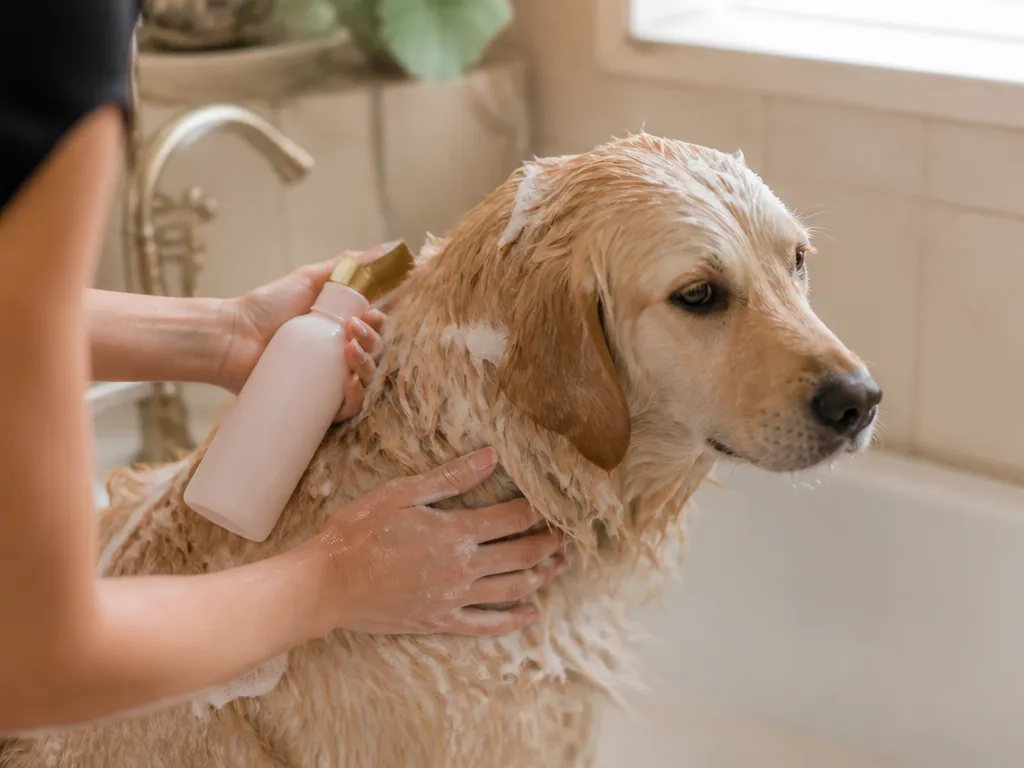
Apply conditioner to the coat, not directly on the skin, and rinse thoroughly to avoid residue that can irritate sensitive patches. Work from the neck down to the tail, avoiding the face and any skin folds where moisture can trap and cause irritation.
| Product Type | Typical pH | Fragrance/Additives | Best For |
|---|---|---|---|
| Dog-specific conditioner | 6.0 – 7.5 | Low fragrance, hypoallergenic | Normal to sensitive skin, mats |
| Human conditioner | Varies, often 4.5 – 5.5 | Higher fragrance, dyes | Not recommended for regular use |
Over-conditioning the coat leaves a slippery film that attracts dirt and can make mats worse. For dogs with thick undercoats, excessive conditioning can trap moisture next to the skin, predisposing to irritation or yeast growth. Use a light amount and rinse well, then comb through with a detangler.
Neglecting the undercoat is a common mistake. Double-coated breeds rely on proper brushing and targeted conditioning to keep the undercoat healthy, not just the outer guard hairs. A quick rinse without combing through can hide tangles that later turn into painful mats.
For example, in practice, a short-coated dog benefits from a quick rinse with a canine conditioner after a thorough brush, while a fluffy double coat may need careful detangling and limited product. Vet tip: patch test behind the ear or on a small belly patch for 24 – 48 hours before widespread use.
Dermatology tip: Always choose products specifically labeled for dogs and rinse completely to prevent skin irritation. This works best for dogs with normal, non-sensitive skin and coats, and you should adjust or skip conditioning if your veterinarian advises it.
Drugstore Vs. Professional Pet Conditioners
Drugstore hair conditioners are often too fragranced and too formulated for human scalps and hair, while professional pet conditioners are made for a dog-safe pH and coat needs. The safest way to “condition” your dog is to use a dog-specific product, then dilute if your dog has sensitive skin.
Reliable drugstore options are usually those labeled for pets, not those marketed for humans. Choose a simpler pet-safe formula with fewer added actives and rinse extremely well to reduce irritation risk.
Reliable Drugstore Brands
Look for dog shampoos and conditioners at the drugstore that list mild surfactants and include moisturizing agents like glycerin or panthenol. These ingredients help soften the coat without the extra “hair treatment” extras that can irritate a dog’s skin barrier.
| Product Type | Price Range | Key Ingredient | Best For |
|---|---|---|---|
| Dog conditioner (drugstore) | Budget | Panthenol or glycerin | Dry, everyday coats |
| Human conditioner (non-pet) | Low to mid | Often silicones plus fragrance | Short-term emergency use only |
| Pet salon conditioner | Higher | Quaternary compounds and coat-condition polymers | Tangling, dullness, coat-specific needs |
For skin types, drugstore pet conditioners work best for normal to dry coats, and they can be a good fit for dogs with mild sensitivity if the scent level is low. For oily coats, keep the amount light, focus on the mid-lengths to ends, and avoid leaving product on the skin.
Benefits Of Professional Grade Formulations
Professional grooming conditioners are built around coat structure and dog skin tolerance, so they often rinse cleaner and leave less residue. Many salon products also use detangling agents that reduce friction, which matters for curly, long, or double-coated breeds.
Professional grade is a smart move for dogs with frequent matting or dry, rough texture, especially if you want a repeatable routine. Expect to see the biggest difference in feel and comb-through within a few regular wash cycles, not overnight, because coat conditioning is gradual.
Patch-test reminder: apply a small amount to a hidden area (like the inner thigh or behind the ear) and monitor for itchiness, redness, or extra flaking over 24 hours before using more.
Diy Coconut Oil Alternatives
DIY “coconut oil fixes” are common online, but coconut oil can be heavy and can trap residue in some coats, making some dogs itchier after washes. If you want a homemade option, consider a lighter alternative like a very small amount of pet-safe moisturizing balm made for animals rather than cooking up an oil mix.
For oily to combination coats, keep any DIY approach minimal and use it only on the ends, since heavy oils can weigh hair down and worsen odor retention. For dry skin types, prioritize products with humectants like glycerin and rinse well, because lingering oil residue can mimic “dryness” by clinging to dead skin.
Pro Tips For A Glossy Coat
Water temperature and the rinse are what most affect shine. Use lukewarm water, and rinse until no slippery residue remains, because leftover conditioner dulls the coat and can irritate sensitive skin. For oily coats, finish with a brief cool-water splash to help the hair lie flatter.
Water temperature optimization is simple but powerful. Lukewarm water opens the hair cuticle enough for cleansing and light conditioning benefits without blasting skin oils away. Hot water increases dryness and can make the coat look frizzy instead of glossy.
| Goal | Water + Rinse Tip | Best For |
|---|---|---|
| Max shine | Lukewarm wash, cool final rinse, thorough rinse to squeaky-clean feel | Most coat types |
| Reduce oiliness | Shorter conditioner contact time, longer rinse, avoid heavy leave-ins | Oily to combination coats |
| Gentle on dry skin | Lukewarm water only, pat dry, skip harsh rubbing | Dry to normal skin types |
Post-bath grooming tools turn “just washed” into glossy. Use a wide-tooth comb or a slicker brush at the correct stiffness for your dog’s coat length, then towel-dry with pressure instead of friction. For curly or medium-long fur, detangling while slightly damp prevents the stretched, rough look that blocks shine.
Dermatologist tip: Treat your dog like skin as well as hair, go in gently, and stop if you see redness, itching, or increased flaking.
Dietary supplements for shine can help, but they should support the coat rather than replace basic bathing and grooming. Look for omega fatty acids, and aim for formulas that clearly list the source (like fish oil or algae-based DHA/EPA) and avoid “proprietary blends” when you can. This approach is best for normal to dry skin that looks dull, flat, or mildly flaky.
Supplement timing matters. Give a supplement daily for 6 to 8 weeks before judging results, since the coat cycle is slow and changes roll in gradually. If your dog has known allergies or is on medication, check with your veterinarian first.
Skin tone inclusivity translates to coat color too, because darker coats can hide dullness while lighter coats show it faster. For pale or fine-haired dogs, prioritize extra rinsing and gentle towel technique, since residue and rough drying are more obvious. For deeper coats, focus on brush direction and cool finish to keep reflection high without weighing the fur down.
Quick Summary
| Situation | What to do | Why |
|---|---|---|
| Want to condition your dog | Use a pet-safe conditioner, preferably fragrance-free | Ingredients are meant for dogs |
| Trying something new | Patch-test on a small area for 24 hours, then rinse thoroughly | Helps prevent irritation from leftover residue |
| Dog has sensitive skin or active irritation | Extra caution, stop if redness or hot spots appear, avoid strong fragrance or essential oils | Human fragrances and essential oils can irritate dogs |
| Where not to apply | Avoid eyes and ears | Irritation is common there |
Frequently Asked Questions
Can I Use My Human Hair Conditioner On My Dog?
No. Human conditioners are formulated for human skin, which has different pH and sensitivities than a dog’s skin. Use a dog-specific conditioner instead, keep it off the eyes, and rinse very well.
How Long Until I See Results If I Use Conditioner On My Dog?
You might see softness and less tangling immediately after rinsing. If your goal is addressing itch or dryness, you should not expect a true improvement right away, and any redness or itching means you should stop.
Is It Safe For Dogs With Sensitive Skin Or Allergies?
Conditioners can trigger irritation because some contain fragrance, preservatives, and conditioning agents that may not agree with all dogs. For sensitive or allergy-prone pets, do a patch test on a small area for 24 hours and stop if you notice redness, bumps, or increased scratching.
Can I Use My Conditioner If My Dog Has Acne-like Bumps Or An Infected Spot?
If your dog has broken skin, open sores, suspected infection, or rapidly worsening bumps, do not use conditioner there since it can trap residue and worsen irritation. If the area is angry, spreading, smelly, or painful, it is best to ask your vet for an appropriate medicated shampoo or treatment.
What Is A Safer Alternative To Using Human Conditioner On My Dog?
Use a dog-specific conditioner or moisturizing shampoo because it is made for canine skin and is usually easier to rinse without lingering residue. If you want a home alternative, look for plain, vet-approved options and skip leave-ons when your dog’s skin is reactive.

- Pre-Poo Treatments for Low Porosity Hair: 7 Essential Steps - September 20, 2026
- What To Avoid After Prp Hair Treatment? - August 28, 2026
- What Is The Malibu Treatment For Hair? - August 27, 2026