How Often Should Straight Hair Be Washed? Fresh, Healthy Strands
Washing your hair feels like a simple daily task, but for straight hair, the “how often” question can be surprisingly tricky. Wash too much, and your scalp may overproduce oil, leaving you stuck in a cycle of greasiness. Wash too little, and your roots turn flat and lifeless while buildup clogs your scalp. The truth is, there is no single magic number that works for everyone. The ideal washing schedule for straight hair depends on your scalp type, your hair’s texture, your daily habits, and even the weather. This guide breaks down exactly how to find your perfect rhythm, why it works, and how to adjust it so your straight hair always looks fresh, bouncy, and full of life.
Key Takeaways
- Straight hair’s round shape lets scalp oil travel down the shaft quickly, making it look oily faster than curly hair.
- Most people with straight hair need to wash every 1 to 3 days, but the exact number depends on your scalp and lifestyle.
- Fine, oily straight hair often thrives with daily or every-other-day washing using a gentle, sulfate-free shampoo.
- Medium and thick straight hair can usually go 2 to 3 days between washes, sometimes longer with the right products.
- Simple tricks like using a lightweight dry shampoo at night and conditioner only on ends can significantly extend your wash cycle.
Straight Hair and Oil Production
Before you can choose the right washing schedule, it helps to understand the biology that makes straight hair behave as it does. The shape of your hair follicle and the activity of your oil glands are the two main players.
The Shape of Your Follicle and Oil Flow
- Straight hair grows from a round follicle. This creates a cylindrical hair shaft with no bends or coils to slow down oil.
- Sebum, the natural oil produced by glands next to the follicle, flows easily down the smooth, straight shaft.
- Because of this friction-free path, your roots may look oily within 24 hours, even if your mid-lengths and ends still feel dry.
- In contrast, curly and coily hair has twists that trap oil near the scalp, so it tends to stay drier longer. Straight hair simply has a faster oil delivery system.
How Your Scalp Type Dictates Washing Frequency
- Oily scalps produce sebum at a faster rate. This means you will see shine and flatness sooner and may need to wash more often.
- Normal scalps keep oil production balanced; they rarely feel tight or overly slick, making a moderate washing schedule easy.
- Dry scalps do not produce enough oil. Washing too often here strips away what little moisture exists, leading to irritation, itching, and flaking.
Connecting to your personal routine: Understanding whether your scalp is naturally oily, normal, or dry is the first step in setting a wash schedule that keeps your hair fresh without triggering more oil or discomfort. The next section walks you through all the factors that fine-tune that schedule.
Factors That Determine Your Ideal Wash Schedule

Your perfect wash day rhythm is shaped by more than just your scalp. Hair thickness, your lifestyle, and the environment all play important roles. Look at each factor below and see where you fit.
Scalp Type and Oil Production Speed
- Oily scalp: You notice greasy roots by the afternoon or evening of wash day. You may need to wash daily or every other day.
- Normal scalp: Roots stay fresh for a full day or two. Washing every second or third day usually works well.
- Dry scalp: Your scalp may feel tight or show small flakes even several days after washing. You can comfortably wash only 1 to 2 times per week.
Hair Texture and Density
- Fine straight hair: Each strand is small in diameter, so there are more hair fibers per square inch. Oil spreads quickly across all those strands, making fine hair look flat and greasy quickly. Frequent washing with a lightweight shampoo is often best.
- Medium straight hair: This hair type holds body a bit longer. Oil takes a day or two to travel visibly. Washing every 2 to 3 days is typical.
- Thick or coarse straight hair: The larger shaft diameter and often lower density mean oil has more surface area to cover and less fiber to spread across. This hair can usually go 3 to 4 days between washes, sometimes longer.
Lifestyle and Activity Level
- Daily exercise or heavy sweating: Sweat mixes with sebum and can make the scalp feel dirtier faster. You might rinse with just water or use a gentle co-wash after workouts and save full shampooing for your regular schedule.
- Working in a dusty or polluted environment: Particles can stick to oil on the hair. More frequent cleansing with a mild shampoo can prevent buildup.
- Sedentary, indoor lifestyle: If you move little and live in a clean environment, you can stretch washes further.
Environmental Conditions
- High humidity: Hair can fall limp as moisture in the air adds weight. You may be tempted to wash more, but a dry shampoo often refreshes volume without extra water exposure.
- Cold, dry winter air: Scalp may become drier and flaky. Reduce washing frequency and switch to a more hydrating, sulfate-free shampoo.
- Hard water areas: Mineral buildup can make hair dull, prompting more washing. Instead, use a chelating shampoo once a week and stretch regular washes.
Connecting to the next step: Once you weigh all these personal factors, you can confidently pick the washing schedule that matches your life. The table below makes it easy to see at a glance.
The Best Washing Routine for Each Straight Hair Type
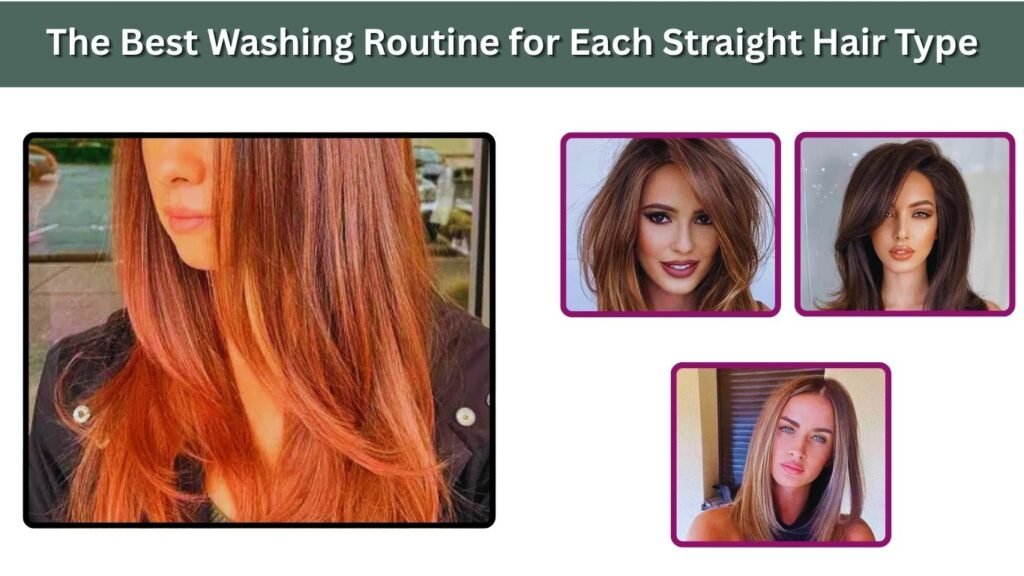
Now that you know the factors, here is exactly what washing frequency looks like for each straight hair category, along with the right product choices.
Fine Straight Hair
- Ideal frequency: Every day or every other day. Fine straight hair shows oil the fastest.
- Why: The tiny diameter of each strand gives oil a large, close-knit surface to coat. Waiting too long between washes leads to flat, stringy roots that volume products cannot fix.
- Product tips: Use a clear, sulfate-free volumizing shampoo. Follow with a light conditioner applied only to the ends. Avoid creamy formulas near your scalp. A daily leave-in spray can protect ends without adding weight.
Medium Straight Hair
- Ideal frequency: Every 2 to 3 days.
- Why: This hair type has enough body to hold lift for a day or two. Oil becomes visible gradually, and the scalp rarely feels tight between washes.
- Product tips: Use a gentle balancing shampoo. Alternate with a clarifying shampoo once a week to remove buildup. Condition from mid-lengths down. Dry shampoo on the second night keeps roots fresh.
Thick Straight Hair
- Ideal frequency: Every 3 to 4 days, or even twice a week.
- Why: Thicker strands take longer for oil to travel. The scalp may feel dry if washed too often. Less frequent washing preserves natural moisture and keeps ends healthy.
- Product tips: Choose a moisturizing sulfate-free shampoo. Deep condition the lengths once a week. Use a boar-bristle brush between washes to distribute oils from root to tip, preventing greasy roots and dry ends.
Straight Hair Washing Frequency Guide
| Hair Type | Scalp Tendency | Recommended Wash Frequency | Best Shampoo Type | Pro Tip |
|---|---|---|---|---|
| Fine Straight Hair | Oily | Every 1 to 2 days | Clear, volumizing, sulfate-free | Apply dry shampoo at night to absorb oil while you sleep |
| Fine Straight Hair | Normal | Every 2 days | Gentle daily cleanser | Rinse with cool water to seal cuticle and add shine |
| Medium Straight Hair | Oily | Every 1 to 2 days | Balancing with salicylic acid | Use a scalp scrub once a week to deep clean pores |
| Medium Straight Hair | Normal | Every 2 to 3 days | Lightweight hydrating | Conditioner only below ears; brush with boar bristles |
| Thick Straight Hair | Normal to Dry | Every 3 to 4 days | Creamy, sulfate-free, moisturizing | Pre-shampoo oil treatment on ends to prevent dryness |
| Thick Straight Hair | Very Dry | Twice per week | Ultra-mild, fragrance-free | Avoid hot water; use a humidifier in dry climates |
Connecting to longer-lasting freshness: The right washing schedule is only half the equation. You also want to know how to stretch the time between washes so your hair stays vibrant on days two and three and beyond.
How to Extend Time Between Washes
Once you find your baseline frequency, you can train your hair to last longer between washes without looking dirty. It is a combination of smart products, techniques, and habits.
Dry Shampoo Strategy
- Apply before you get oily: Do not wait until morning. Spray dry shampoo onto your roots before bed, even if your hair still looks clean. It absorbs oil as it is produced overnight.
- How to use: Lift sections and spray from about 20 cm away. Focus on the crown and hairline. Leave it for 2 minutes, then massage in with your fingertips and brush through.
- Choose the right formula: A starch-based dry shampoo (rice, corn, or tapioca starch) is lightweight and leaves less white residue than talc-based options. Translucent powders work well for darker hair.
Brushing and Oil Distribution
- Boar-bristle brush: A mixed boar and nylon brush gently pulls natural sebum from your scalp down the hair shaft. This reduces oil concentration at the roots and hydrates dry ends naturally.
- Brush twice a day: Morning and evening, 10 to 15 strokes from root to tip. Do not over-brush, as that can stimulate more oil production.
Cool Water and Styling Choices
- Final rinse temperature: Finish every wash with a cool water rinse. This flattens the hair cuticle, making the surface smoother, so oil and dirt do not cling as easily.
- Avoid touching your hair: Your fingers transfer oil and dirt. The less you touch your hair throughout the day, the longer it stays fresh.
- Choose hairstyles that hide day-three roots: A sleek low ponytail, a neat bun, or a half-up style can camouflage oil at the roots while still looking polished.
Connecting to mistakes to avoid: Even when you try to stretch your washes, some common habits can sabotage your progress. Avoiding them makes all the difference.
Common Washing Mistakes That Make Straight Hair Greasy
Sometimes the problem is not how often you wash, but how you wash. These mistakes can trap straight hair in a frustrating oily loop.
Over-Washing with Harsh Shampoos
- The mistake: Using a strong sulfate shampoo every day strips the scalp of its natural oils completely. The scalp panics and ramps up sebum production to compensate, making hair greasier faster.
- The fix: Switch to a sulfate-free or mild surfactant shampoo. If you must wash daily, choose one labeled “daily use” or “gentle.”
Heavy Conditioners Near the Roots
- The mistake: Applying rich, creamy conditioners or masks all the way up to the scalp. This adds weight, makes roots look flat and greasy, and can clog follicles.
- The fix: Only apply conditioner from the ears down. The hair near your scalp gets enough moisture from your natural oils. Use a lightweight, spray-on leave-in conditioner on ends if needed.
Not Clarifying Enough
- The mistake: Using dry shampoo, silicone serums, and styling products without ever deep-cleaning. Over weeks, this buildup coats the shaft and scalp, making hair dull and limp even right after washing.
- The fix: Use a clarifying or purifying shampoo once a week. Look for ingredients like apple cider vinegar, salicylic acid, or charcoal. This resets the hair completely and restores natural body.
Washing with Water That Is Too Hot
- The mistake: Very hot water opens the cuticle and stimulates oil glands into overdrive. It can also dry out the scalp, causing irritation.
- The fix: Use lukewarm water for cleansing and a cool rinse at the end. It is gentler on both your scalp and your hair’s structure.
Connecting to overall hair health: Your washing habits do more than just clean your hair—they directly affect its strength, shine, and growth environment over time.
The Connection Between Washing Frequency and Hair Health
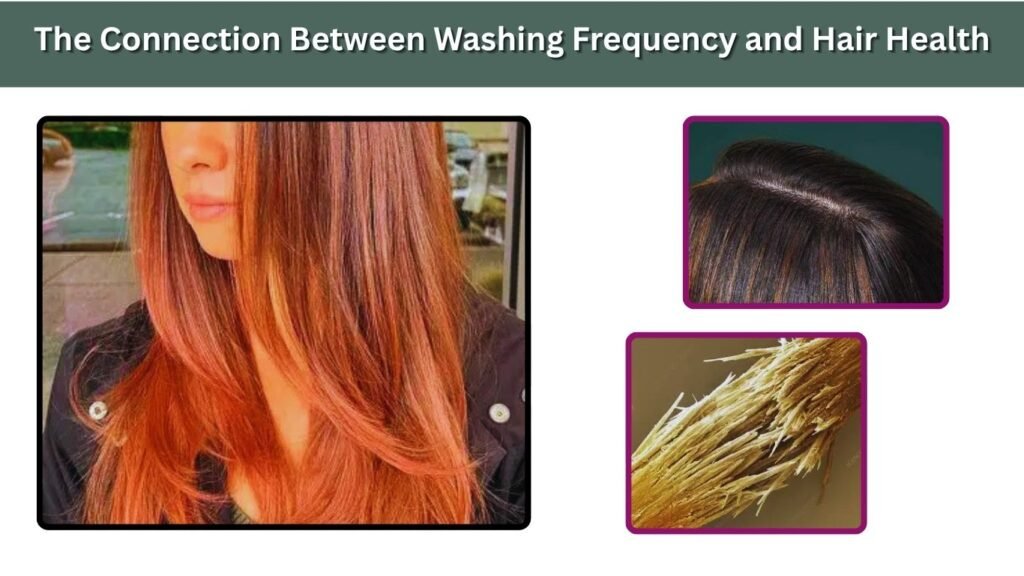
How often you wash does not just change how your hair looks on the outside. It influences the health of your scalp and the integrity of your strands themselves.
Scalp Health and Growth Environment
- A clean but not stripped scalp allows follicles to breathe. Clogged follicles from excess oil and product buildup can lead to itchiness, dandruff, and even slow down healthy hair growth.
- Washing frequently enough to remove buildup prevents inflammation around the follicle, which supports a strong growth phase.
- For a deeper dive into creating a complete scalp and hair care routine that promotes long-term vitality, explore the resources at Hairplot.
Cuticle Wear and Tear
- Every wash swells and shrinks the hair cuticle slightly. Over-washing, especially with hot water and harsh products, can lead to gradual cuticle roughening and moisture loss, leaving straight hair looking dull.
- Under-washing, however, allows environmental pollutants and oxidized sebum to sit on the hair, which can also weaken the cuticle over time. The sweet spot is key.
Balanced Moisture and Protein Retention
- Straight hair with the right wash cycle keeps its natural protein structure intact. Stripping too much oil exposes the cortex to damage; leaving too much dirty buildup can prevent reparative ingredients from penetrating.
- A consistent, appropriate wash schedule ensures that conditioning and treatment ingredients you apply are able to work effectively, rather than sitting on top of old oil and product residue.
Frequently Asked Questions
Can washing straight hair every day cause hair loss?
No, washing your hair every day with a gentle shampoo does not directly cause hair loss. Hair loss comes from internal factors like hormones, genetics, or nutrient deficiencies, not from cleansing. In fact, keeping the scalp clean can help create a healthier environment for growth. Just avoid aggressive scrubbing and harsh shampoos.
How do I know if I am washing too much?
Signs include a dry, itchy, or flaky scalp shortly after washing, and hair that feels brittle or lacks shine. If your scalp seems oilier than ever despite frequent washing, you may be over-stripping it. Try cutting back by one wash per week and see if your scalp balances out.
Is it okay to just rinse with water between washes?
Yes, for many people. A water-only rinse can remove sweat and light dust without stripping oils. Massage your scalp under the shower to loosen any debris, then follow with a cool rinse. This works especially well after a workout, leaving hair refreshed for a full wash later.
Should I use conditioner if I wash daily?
Yes, but only on your ends. Daily washing can dry out the oldest part of your hair. Apply a lightweight conditioner from your chin downwards, avoiding the scalp. This keeps ends smooth and prevents split ends without making your roots greasy.
Why does my hair look greasy right after washing?
This often means you are using a shampoo or conditioner that is too heavy for your hair type, or you are not rinsing out product completely. It could also be a sign of hard water buildup. Try a clarifying shampoo to reset your strands, then switch to a clear, lightweight formula.
How can I train my hair to go longer between washes?
Start by adding one extra day between washes each week. Use dry shampoo on that extra day, and try protective styles that hide your roots. Over a few weeks, many people find their scalp adjusts and produces less oil. Be patient—it can take a month for your scalp to rebalance.
What is the best shampoo for straight hair that gets oily quickly?
Look for a sulfate-free, clear shampoo labeled “volumizing,” “purifying,” or “balancing.” Ingredients like tea tree oil, witch hazel, and salicylic acid help regulate oil without over-stripping. Rotate in a clarifying shampoo once a week to remove any deep buildup.
Does the season really change how often I should wash?
Absolutely. In summer, heat and sweat increase oil production; you may need to wash more often or simply rinse more frequently. In winter, cold dry air can dry out your scalp, allowing you to stretch washes longer. Listen to your body and adjust as needed.
Source: Recommendations drawn from dermatologist-reviewed best practices for hair and scalp care, including guidelines from the American Academy of Dermatology.

- 7 Best Detangling Brushes for Curly Hair: Thick, Fine, Long & Natural Hair - September 25, 2026
- 5 Best Moisturizing Curl Defining Creams for Soft, Defined Curls - September 24, 2026
- Best Curl Creams for Straight Hair: 5 Top Picks for Women - September 24, 2026