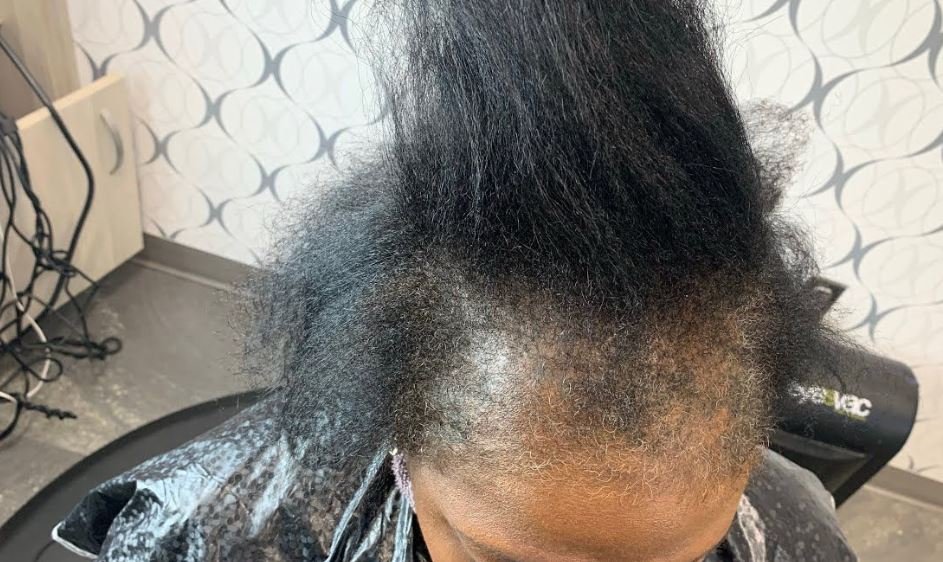
How to Repair Damaged Natural Black Hair: A Restoring Strength, Elasticity, and Shine
Natural black hair, with its tight curls and coils, is both extraordinarily versatile and uniquely fragile. Its oval-shaped follicle, dense network of disulfide bonds, and naturally raised cuticle layers create a structure that easily loses moisture, breaks under tension, and suffers protein loss. When damage occurs, the cuticle lifts, the inner cortex loses its structural proteins, and a cycle of moisture imbalance sets in. Repairing this damage calls for a precise, science-based approach that works with the hair’s natural design—not against it. This guide walks you through everything you need to know, from the molecular level to daily habits, so you can bring your hair back to health with lasting results.
Key Takeaways
- Damage in natural black hair involves cuticle separation, cortical protein loss, and lipid depletion.
- Effective repair restores the hair’s natural balance: first rebalance protein and moisture, then seal with lipids.
- All repair strategies must respect the hair’s elliptical cross-section, low sebum coverage, and tendency toward high porosity.
- Ingredient selection matters at the molecular level: hydrolyzed proteins, fatty alcohols, and cationic surfactants rebuild the fiber.
- Consistent protective styling, scalp care, and dietary support bridge internal and external repair processes.
Unique Structure of Natural Black Hair
Natural black hair encompasses a wide range of textures, yet all share common structural features. Each strand consists of three layers: the cuticle (overlapping protective scales), the cortex (tightly packed keratin proteins and melanin granules), and sometimes a central medulla. In curly and coily hair, the strand’s cross-section is typically elliptical, which causes it to bend and spiral.
How Curvature Creates Vulnerability
- The cuticle has fewer overlapping layers (6–8 compared to 12+ in straight hair), and the scales lift naturally at the bends of each curl.
- Sebum, the scalp’s natural oil, travels poorly down the twists and turns, leaving the length of the hair chronically dry.
- The cortex contains a high amount of cysteine, the amino acid that forms numerous disulfide bonds. These bonds give the hair its strength but also make it highly susceptible to chemical and heat damage.
- The open cuticle structure often results in high porosity: moisture enters easily but also evaporates quickly, leading to repeated swelling and shrinking known as hygral fatigue.
These structural realities mean that damage often shows up as brittleness, frizz, and breakage. Every repair step must work to smooth the cuticle, reinforce the cortex, and maintain the ideal balance between protein and moisture.
Common Causes of Damage in Natural Black Hair
Damage always traces back to a disruption of the hair’s delicate internal and external structure. Identifying the root cause helps you choose the most effective repair strategy.
Mechanical Stress and Its Effects
- Dry detangling: Raised cuticle scales catch on each other. Forcing a comb through dry hair rips these scales away, exposing the fragile cortex.
- Tight protective styles: Excessive tension pulls on the follicle, distorting blood flow to the dermal papilla and potentially causing traction alopecia.
- Over-manipulation: Frequent twisting, banding, or styling abrades the cuticle, leading to progressive thinning and mid-shaft splits.
Thermal and Chemical Damage
- High heat styling: Flat irons set above 185°C (365°F) permanently alter the keratin protein structure, causing irreversible weakness and loss of curl pattern.
- Relaxers and texturizers: These products break the disulfide bonds that give the hair its natural strength. Once those bonds are broken, they cannot fully reform on their own.
- Color treatments: Ammonia and peroxide lift the cuticle to remove pigment, creating microscopic holes in the fiber and dramatically increasing porosity.
Environmental and Daily Factors
- UV radiation: Sunlight degrades the protein in the cuticle, weakening the fiber and fading your natural color.
- Humidity cycling: Repeated swelling in humid air and shrinking in dry air cracks the cuticle, accelerating hygral fatigue.
- Hard water: Calcium and magnesium minerals bind to the hair, leaving it rough, dull, and resistant to moisture.
When you understand these causes, you can build a routine that directly counteracts each type of stress—first by removing damaging practices, then by infusing the hair with what it has lost.
Recognizing Damage: Signs That Your Hair Needs Repair
Before you begin, assess your hair’s condition by looking for these clear signs of distress.
- Loss of elasticity: Healthy wet hair should stretch 30–50% and bounce back. If a wet strand snaps immediately when you pull it, the protein matrix inside the cortex is severely compromised.
- Rapid water absorption: Hair that soaks up water within seconds yet dries just as fast usually has a highly porous, lifted cuticle.
- Split ends and mid-shaft splits: Cracking along the strand indicates deep cuticle erosion and cortical separation.
- Dullness: Smooth, flat cuticles reflect light; rough, lifted scales scatter it, robbing your hair of its sheen.
- Excessive tangling and matting: Worn cuticle scales catch on neighboring hairs, creating knots and tangles.
- Chronic dryness despite moisturizing: When the hair’s natural lipid barrier (the 18-MEA layer) is stripped away, moisture retention collapses.
These signs will guide your approach to restoring protein and moisture balance, ensuring you target the right areas first.
The Science of Repair: The Protein-Moisture Balance
Repair is fundamentally about restoring homeostasis between protein and moisture. Proteins provide the internal scaffolding that gives hair its strength. Water acts as a plasticizer, giving hair its flexibility and elasticity. When one is out of balance, damage accelerates.
Protein’s Role as Internal Support
The cortex is 65–95% keratin proteins. Damage creates gaps. Small hydrolyzed proteins (molecular weight under 1000 Daltons) can penetrate beneath the cuticle, bond to the natural keratin, and temporarily fill those voids. Useful proteins include:
- Hydrolyzed wheat protein: Binds to the hair and helps retain moisture.
- Hydrolyzed keratin: Mimics the hair’s own amino acid profile and reinforces the cortex.
- Silk protein: Forms a lightweight, breathable film that smooths the surface.
Moisture’s Role as a Plasticizer
Water molecules slip between protein chains and break some internal hydrogen bonds, allowing the hair to flex. Humectants like glycerin, panthenol, and honey attract and hold water within the cortex. However, in highly porous hair, too much humectant in a dry environment can pull moisture out of the strand—so sealing is essential.
Protein-Moisture Balance Table
| Sign | Protein-Sensitive / Overloaded | Moisture-Deficient / Hygral-Fatigued | Balanced, Repaired Hair |
|---|---|---|---|
| Feel | Hard, straw-like, rough even when wet | Mushy, overly stretchy, limp, gummy when wet | Smooth, supple, defined curl pattern, slight slip |
| Wet Stretch Test | No stretch, instant break | Stretches excessively, returns slowly or not at all | Stretches 30–50% and returns to original length |
| Porosity | Often low or normal but stiff | Very high, absorbs water in seconds, dries rapidly | Normal to slightly high, controlled uptake |
| Frizz | Frizz from stiffness and cuticle roughness | Frizz from over-swelling and undefined curls | Minimal, curls clump together well |
| Recommended Action | Clarify, deep moisture without protein, use rich emollients | Light protein filler, then intense moisture with sealing oils | Alternate protein and moisture treatments |
| Key Ingredients | Aloe vera, marshmallow root, glycerin (moderately), butters | Hydrolyzed silk, wheat amino acids, keratin, ceramides | Hydrolyzed proteins, fatty alcohols, squalane, jojoba oil |
Use this table to identify where your hair currently sits. Selecting the wrong path—for example, adding more protein to already overloaded hair—can worsen the problem. Let it guide your product choices.
The Essential Repair Routine: A Step-by-Step Process
A truly reparative regimen follows a logical sequence: remove buildup, reinforce the internal structure, replenish moisture, and then lock everything in.
1. Reset – Clarify and Chelate
Damaged hair accumulates product residue, hard water minerals, and environmental films that block repair ingredients from penetrating.
- Use a clarifying shampoo with gentle sulfonate surfactants once a month, or a chelating shampoo with EDTA or phytic acid if you have hard water.
- This step restores the hair’s natural surface charge, allowing conditioners and proteins to bond effectively.
2. Reconstruct – Protein Treatment
Based on your assessment from the table, choose the right level of protein:
- Light treatment (amino acids, silk peptides): For hair that feels slightly mushy.
- Medium treatment (hydrolyzed wheat or keratin): For noticeable elasticity loss but no extreme breakage.
- Intense treatment (keratin complexes): For chemically processed hair; limit these to every 4–6 weeks.
- Apply to clean, towel-dried hair. Use gentle heat—a thermal cap or steamer—for 15–20 minutes. The warmth slightly lifts the cuticle, helping proteins penetrate the cortex where they form temporary bonds and fill structural gaps.
3. Replenish – Deep Moisturizing Conditioner
Moisture must follow protein to restore flexibility.
- Look for conditioners rich in fatty alcohols (cetearyl, stearyl), cationic surfactants (behentrimonium methosulfate), and humectants like panthenol and sodium PCA.
- Cationic ingredients neutralize the damaged hair’s negative charge, smoothing the cuticle. Fatty alcohols fill in the spaces between scales.
- Apply heat for 20–30 minutes to encourage absorption into the lipid layers.
4. Seal – Lock in the Lipids
Natural black hair’s outermost lipid layer is often damaged. Replace it with biomimetic oils and bond builders.
- Jojoba oil closely mimics natural sebum and seals without heaviness.
- Ceramide-rich oils like sunflower, safflower, and hemp seed oil contain linoleic acid that cements the cuticle.
- Bond-building treatments containing bis-aminopropyl diglycol dimaleate (found in systems like Olaplex) can relink some of the broken disulfide bonds.
- Apply a few drops of oil or a silicone-free serum to wet hair after your leave-in conditioner to trap water inside the strand.
Following this four-step sequence reset, reconstruct, replenish, seal mirrors the hair’s natural anatomy, reinforcing it from the inside out and protecting it from the outside in.
Ingredients That Repair: How They Work
Each ingredient acts on a specific part of the hair’s structure. Understanding these actions allows you to build a powerhouse regimen tailored to your needs.
Protein Rebuilders
- Hydrolyzed keratin (500–1500 Da): Penetrates the cortex, bonds to native keratin, and increases tensile strength. Fills voids to reduce breakage.
- Wheat amino acids (very low molecular weight): Go deep into the cortex while also attracting moisture—truly bifunctional.
- Vegetable proteins (soy, quinoa): Form a protective film on the cuticle surface, temporarily smoothing roughness.
Humectants and Their Behavior
- Glycerin: An excellent moisture attractor, but in high-porosity hair it can backfire in very dry air. When the dew point is low, glycerin may pull water out of the hair; always seal it with an oil or butter.
- Honey and aloe vera: Film-forming humectants that buffer moisture exchange, making them safer for fragile hair.
- Panthenol (pro-vitamin B5): Penetrates the cortex and holds water there, while forming a breathable film on the surface to reduce brittleness.
Lipids and Barrier Supporters
- Ceramides NP, AP, EOP: Biomimetic lipids that slip into the cuticle’s natural lipid layers and restore the barrier function.
- Squalane: A lightweight oil that mimics oxidized sebum, excellent for scalp and hair sealing.
- Fatty alcohols (cetyl, cetearyl): Lay flat along the cuticle, dramatically reducing friction between strands.
When you choose products based on these ingredient actions, you directly support the repair routine and address the specific weaknesses your hair is showing.
Building a Product Regimen for Progressive Repair
A consistent product lineup turns repair insights into daily reality.
Cleanse Smart
- Shampoo every 7–10 days if your hair is highly porous, to avoid water-logging and hygral fatigue.
- Use a co-wash (cleansing conditioner) with mild surfactants like decyl glucoside between shampoos to refresh without stripping.
- Pre-poo with an oil or conditioner before washing to reduce water uptake and prevent excessive swelling.
Condition and Detangle with Slip
- Choose conditioners heavy in behentrimonium methosulfate and cetrimonium chloride. These provide extreme slip, minimizing friction and mechanical damage during detangling. Always detangle when the hair is saturated with conditioner.
Layering: The LOC or LCO Method
- Liquid leave-in: A spray with aloe vera, panthenol, and light proteins.
- Cream moisturizer: An emulsion of water, fatty alcohols, and butters (shea, mango) to maintain flexibility.
- Oil or butter sealant: Locks the cream layer in place. The order can be liquid-oil-cream (LOC) or liquid-cream-oil (LCO), depending on your hair’s preference.
Aligning your product choices with the protein-moisture table ensures that the replenishing and sealing phases become daily maintenance, preventing your repair gains from slipping away.
Protective Styling and Night Care: Maintaining the Repaired State
How you treat your hair between wash days determines whether your repair efforts last.
Low-Tension Protective Styles
- Two-strand twists, flat-twists, and loose braids (without extensions) keep ends tucked and reduce friction.
- Avoid tight styles that pull the hairline; constant tension damages the follicle and can cause permanent hair loss.
- If you wear extensions, ensure they are lightweight and installed loosely.
Nighttime Rituals
- Sleep on a satin or silk pillowcase, or wrap your hair in a silk scarf. Smooth fabrics reduce cuticle abrasion dramatically compared to cotton.
- Gather your hair into a loose high ponytail (the pineapple method) to preserve curl definition and prevent mid-shaft stress.
- Lightly mist ends with leave-in conditioner or apply a touch of oil before wrapping.
Night care extends the sealing and replenishing steps, preventing the moisture loss and cuticle roughening that undo your deep conditioning work.
Scalp Health and Internal Nutrition: The Root of Repair
Healthy hair growth depends on a healthy scalp and the right building blocks from within.
Scalp as the Foundation
- A clean, stimulated scalp supports the follicle’s growth phase. Use a scalp serum with niacinamide (for circulation), peppermint oil (for gentle vasodilation), or salicylic acid (to exfoliate).
- Give yourself weekly scalp massages; increased blood flow delivers essential amino acids and vitamins to the root.
- Avoid heavy butters and petroleum on the scalp—they can trap debris and encourage fungal overgrowth.
Nutritional Support for Hair Repair
Hair is a non-essential tissue, meaning nutrients are directed elsewhere first if you are deficient. Prioritize these:
- Cysteine and methionine: Sulfur-rich amino acids required for keratin production. Found in eggs, poultry, legumes.
- Iron and ferritin: Low iron disrupts cell production in the hair bulb. Pair with vitamin C for better absorption.
- Zinc and biotin: Co-factors in protein metabolism and keratin structure.
- Omega-3 fatty acids: Reduce inflammation around the follicle and support lipid barriers.
- Hydration: Adequate water intake maintains the moisture gradient from scalp to ends.
No external treatment can fully compensate for a nutrient-starved hair bulb. The internal repair pathway works hand in hand with your topical regimen to ensure new growth emerges stronger.
Frequently Asked Questions
Can damaged natural black hair be fully repaired?
True, permanent repair of destroyed disulfide bonds and lost cuticle layers isn’t biologically possible once the hair has left the follicle. However, intensive protein treatments, bond builders, and sealing lipids can temporarily reconstruct the fiber’s integrity, restoring strength, elasticity, and appearance. The goal is to protect existing length and nurture healthier new growth while gradually trimming away the damage.
How often should I do a protein treatment on damaged natural black hair?
It depends on your hair’s porosity and elasticity. Hair that has been chemically treated or feels very mushy may benefit from a light to medium protein treatment every 2–3 weeks. Intense keratin reconstructors should be used no more than once every 4–6 weeks to avoid overload. Let the wet stretch test be your guide.
What is the difference between moisture and hydration in hair repair?
Hydration refers specifically to water content inside the cortex, typically achieved with humectants like glycerin and panthenol. Moisture is a broader term that often includes both water and the emollients that soften and lubricate the hair. Damaged hair needs deep hydration first, then sealing moisture to keep that water in place.
Can I repair heat-damaged natural hair without cutting it?
You can dramatically improve its manageability and feel, but heat-damaged areas that have permanently lost their curl pattern cannot revert. Bond builders can relink some broken disulfide bonds, and protein fillers smooth the surface. The only true remedy for straightened ends is a gradual trim, but you can maintain length while slowly removing the damage.
What natural oils are best for sealing moisture in high-porosity hair?
Jojoba oil (the closest to natural sebum), capuacu butter, and ceramide-rich oils like safflower, sunflower, and hemp seed oil are excellent choices. Pure coconut oil can be too penetrating for some high-porosity hair, potentially displacing water and causing stiffness when the hair isn’t protein-balanced. Always apply oils to damp hair to lock in moisture.
How do I know if my hair has protein overload?
Hair with too much protein feels hard, straw-like, and brittle even when wet, tangles excessively, and snaps with little to no stretch. To correct this, clarify your hair, then use a protein-free moisturizing deep conditioner. Avoid protein-containing products for a few washes until normal elasticity returns.
Does protective styling always help repair damaged hair?
Protective styling reduces mechanical and environmental damage, but it can backfire if styles are too tight, left in too long without scalp care, or installed on over-moisturized, mushy hair. Low-tension styles, regular cleansing, and periodic release are essential for the style to be truly reparative.
What role does water quality play in repairing natural black hair?
Hard water deposits calcium and magnesium onto the hair, making it rough, dull, and resistant to conditioning treatments. These minerals block moisture and protein from absorbing properly. A chelating shampoo or a diluted apple cider vinegar rinse can remove this buildup, restoring the hair’s surface and allowing your repair products to work effectively.
By understanding the unique structure of your natural hair—the cuticle’s protective role, the cortex’s need for protein, and the vital balance of moisture and lipids—you can transform hair care from guesswork into a science. Every treatment decision, from the protein-to-moisture ratio to the choice of sealing oil, rebuilds what damage has broken. With consistency and the right knowledge, your hair will regain its strength, definition, and natural beauty, one strand at a time.

- 7 Best Detangling Brushes for Curly Hair: Thick, Fine, Long & Natural Hair - September 25, 2026
- 5 Best Moisturizing Curl Defining Creams for Soft, Defined Curls - September 24, 2026
- Best Curl Creams for Straight Hair: 5 Top Picks for Women - September 24, 2026