Does Conditioner Make Your Hair Curlier?
You might think a heavy dose of conditioner is the secret to bouncy curls, but it is not a magic wand for changing your DNA. Most people struggle with frizz or flat waves because they use the wrong weight of product for their hair type. I will show you how to use moisture to define your natural pattern without the dreaded limp hair.
Conditioner does not change your natural curl pattern, but it improves curl definition by smoothing the cuticle and providing moisture. Using leave-in conditioners or humectants helps hair strands clump together, which makes waves look more intentional. For best results, apply product to soaking wet hair to lock in hydration.
Best for: wavy, curly, and coily hair types. Use caution if you have fine or thin hair, as heavy oils can cause flatness.
Does Conditioner Make Your Hair Curlier?
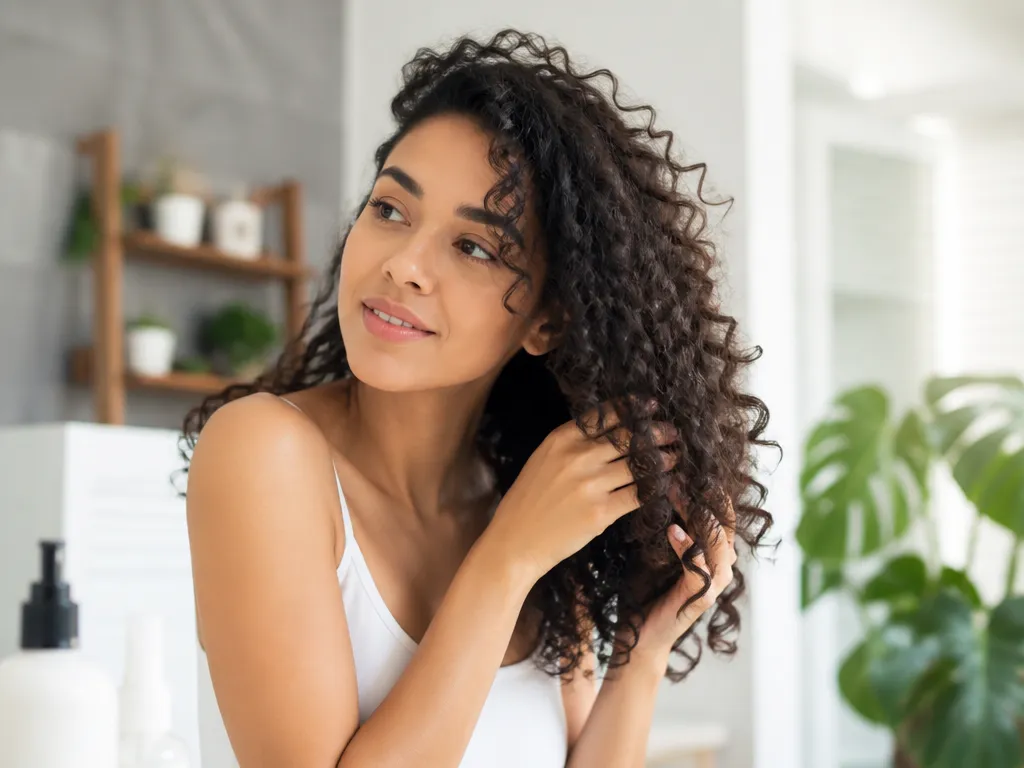
The biggest shift you will notice is visual definition from improved slip, hydration, and reduced roughness at the hair surface.
Hair texture genetics control whether you have waves, curls, or coils, and conditioner affects how your hair behaves while it is wet and drying. When conditioner improves moisture balance, curls can spring back better instead of drying flat or frizzy. When conditioner is too heavy for your hair, curls can separate and fall quickly.
Moisture And “Spring”: What Conditioner Actually Changes
Conditioner coats the hair shaft with conditioning agents (often silicones and film-formers) and humectants that help water spread more evenly. That coating reduces friction and can make cuticles lie smoother, which improves clumping and shine. If your hair feels dry or crunchy, more conditioning usually increases curl “spring” for that wash day.
For the most noticeable results, pick conditioners that match your porosity and scalp comfort. Curly hair that is porous or chemically treated typically benefits from stronger moisturizing formulas, while fine hair may need lighter, rinse-out conditioning or smaller amounts.
Dermatologist-adjacent hair truth: conditioner helps with styling performance, but it cannot rewrite the underlying curl shape you were born with.
Who Sees The Most Results?
People with dry, frizzy, or loosely formed waves tend to see the biggest improvement in curl definition because hydration and slip help hair clump as it dries. People with thick, tightly curled hair may notice more shine and less frizz than a dramatic curl-shape change, since their curl form is already established.
Conditioner helps most when you are dealing with wash-day issues like tangling, puffiness, or curls dropping. It helps least when your curls are already well-defined and you are mainly seeking a different curl type.
| Hair type | Most likely outcome | Common problem to watch |
|---|---|---|
| Oily to combination scalp, fine waves | More definition, less frizz | Curls fall flat from too much product |
| Dry, porous curls (including color-treated) | Better clumping and bounce | Over-conditioning can feel heavy |
| Coarse, tightly coiled hair | Shine and smoother curl texture | Product buildup can dull definition |
When you try conditioner for a curlier look, manage expectations: results are typically immediate on that wash day, and troubleshooting takes a few tries. Aim for a definition window of about 1 to 3 days depending on humidity and how much hold you pair with the conditioner.
Identify Your Natural Curl Pattern
Hair texture is influenced by the shape of the follicle and the internal protein structure of the hair shaft. An oval follicle is associated with curls, while a flatter, elliptical follicle is associated with tighter coils.
Curl Categories And Product Weights
Type 2 hair has an “S” shape and is easily weighed down by heavy butters. These waves often look limp if the conditioner is too rich.
Type 3 hair forms defined loops or spirals. This pattern is prone to frizz and requires more moisture to keep the curl intact.
Type 4 hair has tight coils or a “Z” shape. This hair type is naturally the driest and needs the heaviest creams to maintain hydration.
| Curl Type | Pattern | Recommended Weight | Key Ingredient |
|---|---|---|---|
| Type 2 | Wavy | Lightweight / Milk | Glycerin |
| Type 3 | Curly | Medium / Cream | Aloe Vera |
| Type 4 | Coily | Heavy / Butter | Shea Butter |
Testing Hair Porosity
Porosity is the ability of your hair to absorb and retain moisture. This determines if you need a lightweight leave-in or a thick, penetrating mask.
Low porosity hair has a closed cuticle. It resists moisture but can be easily weighed down by heavy silicones.
High porosity hair has gaps in the cuticle. It absorbs water quickly but loses it just as fast, often feeling dry or brittle.
The Impact Of Density
Hair density refers to the number of follicles per square inch on your scalp. Low density hair can look flat if you use heavy conditioners.
High density hair can often handle richer products without losing as much volume. For instance, a thick mask that crushes fine hair may be better suited to dense, coily hair.
Esthetician tip: Always apply conditioner from the mid-lengths to the ends. Avoid the roots to prevent grease and maintain natural lift.
Budget options vary by weight. High-end: Briogeo Farewell Frizz ($28). Drugstore: Maui Moisture (approx. $7). Both use plant-based oils to smooth the cuticle.
Best Ingredients For Curl Definition
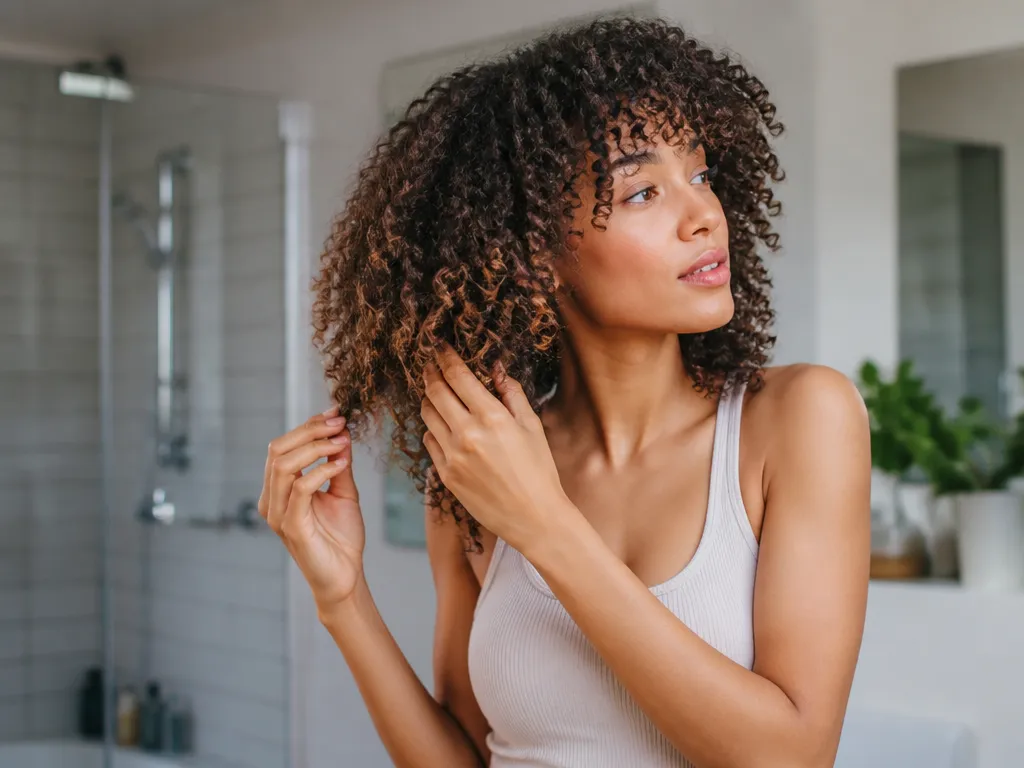
Humectants, proteins, and specific oils work together to manage the moisture-protein balance required for springy, defined curls. Hydration prevents frizz, while protein provides the structural integrity needed to hold a shape. Without this balance, curls often become either limp from excess moisture or brittle from too much protein.
Hydration And Structure
Humectants draw water into the hair shaft and help manage dryness and frizz. Ingredients like glycerin, aloe vera, and panthenol (Vitamin B5) are useful for maintaining softness. These work best for high-porosity hair that loses moisture quickly.
Proteins act as the building blocks for hair strands to maintain their bounce. Look for hydrolyzed silk, keratin, or wheat protein in your conditioners. These smaller molecules can help reinforce the curl pattern without adding excessive weight.
Esthetician tip: If your curls feel mushy or won’t hold a shape, you likely need more protein. If they feel stiff or snap easily, you need more humectants.
Oils And Film-formers
Oils and silicones provide a protective barrier that locks in moisture and smooths the hair surface. Heavy oils like coconut oil or shea butter can weigh down fine or low-porosity hair, causing curls to drop. Lightweight options like jojoba oil or argan oil offer shine without the heaviness.
Silicones like dimethicone create a smooth coating that reflects light and prevents tangles. While some avoid them, high-quality, water-soluble silicones can help define curls in humid environments. For those prone to buildup, use a clarifying shampoo once a week to reset the hair.
| Ingredient Type | Target Goal | Best For |
|---|---|---|
| Humectants (Glycerin, Aloe) | Moisture retention | Dry, frizzy curls |
| Proteins (Keratin, Silk) | Structural strength | Limper, weak curls |
| Lightweight Oils (Argan, Jojoba) | Shine and sealing | Fine hair textures |
| Heavy Butters (Shea, Cocoa) | Intense nourishment | Coarse, thick curls |
Routine To Maximize Natural Curls
Apply conditioner in a curl-friendly way so its conditioning agents and slip help strands group together. Technique and rinsing determine how well the hair sets.
For example, type 2B to 3A waves often look best when conditioner is followed by a light gel, so the hair sets while staying touchable. Type 3B to 4C coils often need more moisture and more deliberate clumping, so scrunching is less rushed and product is distributed in sections.
| Hair Type | How Much Conditioner to Use | Clumping Focus | Rinse Goal |
|---|---|---|---|
| Fine, low-density (2A to 2C) | Small amount, mid-lengths only | Light scrunch, avoid roots | Slippery, not coated |
| Medium density (2B to 3A) | More through ends, section by section | Squish, then clump with palms | Gentle rinse, low water pressure |
| Thick or tightly coiled (3B to 4C) | Generous through ends | Firm scrunch, finger clumps | Rinse out excess so curls spring back |
“Dermatology and hair-care reality check: for curl definition, the best ‘hold’ comes from how you rinse and set, not from leaving conditioner behind alone. If you feel buildup, clarify occasionally and reduce product amount.”
For patch-test caution, if your conditioner contains fragrance or complex oils and you are prone to scalp irritation, test a small amount behind the ear or on a hidden hairline section for 24 to 48 hours before committing. For active scalp concerns or sudden sensitivity, pause new products and talk to a dermatologist.
Mistakes That Flatten Your Curls
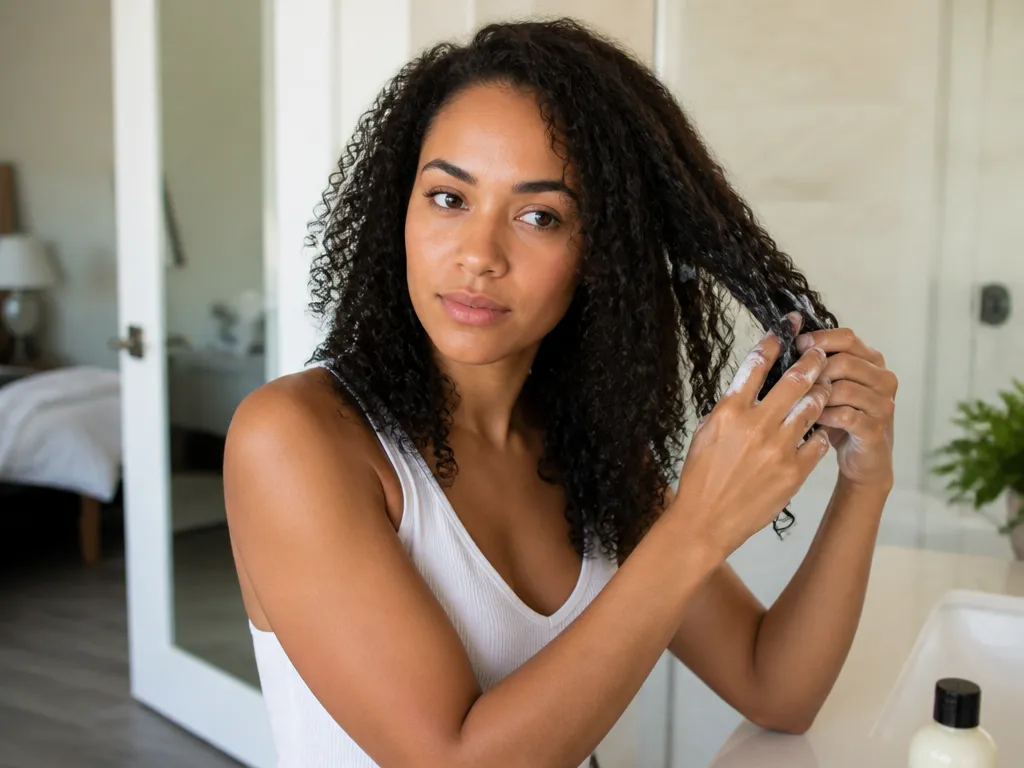
Improper conditioning techniques can undermine your natural curl pattern, leaving hair limp and lifeless. Many curl enthusiasts unknowingly sabotage their efforts by applying product incorrectly or using the wrong type of conditioner for their hair type.
Over-conditioning The Roots
Applying conditioner directly to your scalp creates immediate flatness by weighing down hair at the root. This prevents hair from achieving its natural lift and volume. Focus conditioner only on mid-lengths to ends where moisture is needed.
Curly hair types benefit from protein-moisture balance. Too much moisture without protein support leads to over-softened strands that cannot maintain their shape.
Rough Towel Drying Pitfalls
Rubbing your hair vigorously with a towel creates friction that roughens the hair cuticle and disrupts curl formation. This friction causes frizz and breaks up curl clumps, leading to undefined strands and flyaways.
Ignoring Product Build-up
Product build-up from silicones, waxes, and heavy styling products gradually coats each strand, preventing moisture absorption and weighing down curls. This buildup accumulates with each use and can make curls look less defined over time.
| Signs of Build-up | Solution |
|---|---|
| Decreasing curl definition | Use clarifying shampoo once weekly |
| Increased heaviness at roots | Switch to sulfate-free clarifying products |
| Product not absorbing | Try an apple cider vinegar rinse |
“Hair stylist tip: For fine curly hair, avoid heavy conditioners with dimethicone, which can cause immediate flattening. Instead, look for lightweight alternatives with glycerin and panthenol that provide moisture without weight.”
Drugstore Vs. High-end Options
Great curl-boosting results are usually about the formula type and how you apply it, not the price tag. Drugstore conditioners can work just as well as high-end ones when they contain the right conditioning agents (for slip and definition) and humectants (for moisture that helps curls clump). High-end tends to win more on texture and fragrance, while budget wins on value.
Drugstore picks often excel for first-time curl routines because they are simple: rinse-out slip for detangling, plus enough conditioning to reduce frizz. Look for ingredients like glycerin, panthenol (pro-vitamin B5), and quaternary ammonium compounds (common “conditioning agents” that coat hair for easier combing and smoother curl clumps). For oily to combination scalps, avoid heavy, waxy or extremely oily formulas on the roots, and apply conditioner mid-lengths to ends only.
| Product Category | Price Range | Key Ingredient Clues | Best For |
|---|---|---|---|
| Drugstore Moisturizing Conditioner | $8-$20 | Glycerin, panthenol, fatty alcohols, light silicones | Dry hair that needs softer, more clumped waves |
| Drugstore Curl-Enhancing “3-in-1” Style | $12-$25 | Chelating agents, polymers for slip and hold, humectants | Wavy to curly hair that drops fast |
| High-end Moisture + Film-Formers | $35-$120+ | Conditioning polymers, smoother emulsifiers, richer conditioning blend | Very dry, porous curls that crave extra softness |
| High-end Leave-in or Cream (not just rinse-out) | $30-$90+ | Humectants + light hold polymers | Definition and longevity without stiffness |
Professional-grade formulas often lean heavier on moisture balance and slip, which helps curls look more uniform after you rinse and scrunch. Look for a mix of humectants (glycerin or other water-binding agents) and light proteins (like hydrolyzed proteins in small amounts) if your curls feel mushy or lose shape quickly. If your hair is fine, too much protein can make it feel rough or flat, so start with a lighter conditioner or use a shorter contact time.
Patch-test note: If your scalp gets itchy, flakey, or you notice burning, stop use and try a gentler formula on a small area for a week. Color-treated hair can be more reactive to fragrance and certain preservatives.
In practice, a simple DIY mask is the most reliable “upgrade” when your curls need hydration, because you control contact time and weight. Mix 2 tablespoons plain conditioner with 1 tablespoon honey (humectant) and apply to towel-damp hair from mid-lengths to ends. Leave it on for 10-15 minutes, then rinse cool to lukewarm and scrunch with your hair still wet to encourage curl clumping.
Budget Vs. Splurge Routine Setup (How To Apply For Curlier-looking Waves)
Step 1: Use shampoo as needed, then apply conditioner only on mid-lengths to ends. Step 2: Detangle gently with fingers or a wide-tooth comb while conditioner is in. Step 3: Rinse thoroughly, then blot excess water with a T-shirt or microfiber towel (rubbing creates frizz and makes curls look less defined). Step 4: Scrunch from ends up for 20-30 seconds, then air-dry or diffuse on low heat.
Step 5: For best results, pair rinse-out conditioner with a lightweight leave-in or curl cream if your curls drop within hours. Avoid stacking heavy products (rich conditioner plus thick balm plus oil) because it can weigh curls down, especially for fine hair. On dry, thick curls, a slightly richer professional conditioner can improve softness and reduce “puff,” but you still need enough slip and controlled product placement.
Professional Secrets For Bouncy Curls
Heavier formulas weigh down waves and may flatten volume. A curl reset benefits from a clarifying wash before redefining with a curl-friendly conditioner and gel.
This works best for oily to combination scalps.
| Product | Best For | Key Ingredient | When To Use |
|---|---|---|---|
| Curl-Enhancing Conditioner (Lightweight) | Defined curls with minimal weigh-down | Hydrolyzed proteins, cationic polymers | After washing, rinse-out or light leave-in |
| Leave-in Detangler/Curl Cream | Moisture and definition | Glycerin, silicones | On damp hair before styling |
| Hydrating Gel-Conditioner | Shape with hold | Polyquaternium, humectants | Pair with gel for extra hold |
Dermatologist tip: Avoid over-handling curls during drying; let the heat set the pattern before flipping or touching to reduce frizz.
Quick Summary
For the best results, apply these products to soaking wet hair to lock in hydration. However, those with fine or thin hair should be careful, as heavy oils can weigh down the strands and cause flatness.
To maintain bounce, balance moisture with protein and use a clarifying shampoo every 7 days to remove product buildup. Ingredients like glycerin and panthenol help curls spring back, while a definition window typically lasts 1 to 3 days. While results are immediate on wash day, high definition often requires a curl cream or gel after rinsing.
| Hair Type | Likely Outcome | Common Problem |
|---|---|---|
| Fine Waves | More definition | Flatness |
| Porous Curls | Better clumping | Heavy feel |
| Coiled Hair | More shine | Product buildup |
Frequently Asked Questions
Does Conditioner Actually Change My Curl Pattern?
No. It provides essential moisture that reduces frizz, allowing natural curls to clump and spring back more effectively.
What Is The Difference Between A Rinse-out And A Leave-in Conditioner?
Rinse-out conditioners are designed to close the hair cuticle quickly after shampooing, while leave-in versions stay on the hair to provide continuous hydration. You should use a leave-in if your hair typically feels dry 2 to 4 hours after washing.
Is A High-end Conditioner Worth The Price Compared To Drugstore Brands?
Not always, as many affordable options have similar hydrating ingredients like glycerin or shea butter. The main difference is often the concentration of active ingredients, but a $10 bottle can work just as well for basic moisture.
How Often Should I Condition My Hair To See Better Curls?
You should use conditioner every time you shampoo to prevent the hair shaft from drying out. For very dry or porous curls, apply a deep conditioning mask once per week for 10 to 20 minutes to improve elasticity.
What Is The Correct Order To Apply Hair Products For Maximum Curl?
Start with shampoo, follow with a rinse-out conditioner, and finish with a leave-in or curl cream on sopping wet hair. Applying these products to wet hair helps lock in moisture and prevents the frizz that happens when curls dry too quickly.

- 7 Best Detangling Brushes for Curly Hair: Thick, Fine, Long & Natural Hair - September 25, 2026
- 5 Best Moisturizing Curl Defining Creams for Soft, Defined Curls - September 24, 2026
- Best Curl Creams for Straight Hair: 5 Top Picks for Women - September 24, 2026