Does Conditioner Make You Lose Hair?
Seeing a clump of hair in the shower drain can feel like a minor heart attack. You might start wondering if your expensive conditioner is actually the culprit behind the shedding.
Conditioner does not cause true hair loss in most people. Most perceived shedding happens because conditioner helps lubricate strands that were already destined to fall out, making them more visible. Actual hair loss usually stems from scalp irritation or internal factors, not the conditioning process itself. Focus on fragrance-free formulas and mid-length application to prevent issues.
Best for: All hair types. Use caution if: You have a sensitive scalp or contact dermatitis.
Does Conditioner Make You Lose Hair?
Most people lose 50 to 100 hairs daily. Smoothing products facilitate the release of hair that has already detached from the follicle.
For example, individuals who wash their hair every few days often see a larger clump of hair in the drain. This is a backlog of natural shedding that occurred over several days, not a result of the product itself.
| Feature | Shedding | Breakage |
|---|---|---|
| Root Bulb | Present (Small white bulb) | Absent |
| Hair Length | Full strand | Short, jagged fragments |
| Primary Cause | Natural growth cycle | Dryness or chemical damage |
Breakage is a separate issue from hair loss. It happens when the hair shaft snaps due to extreme dryness or structural damage from bleach.
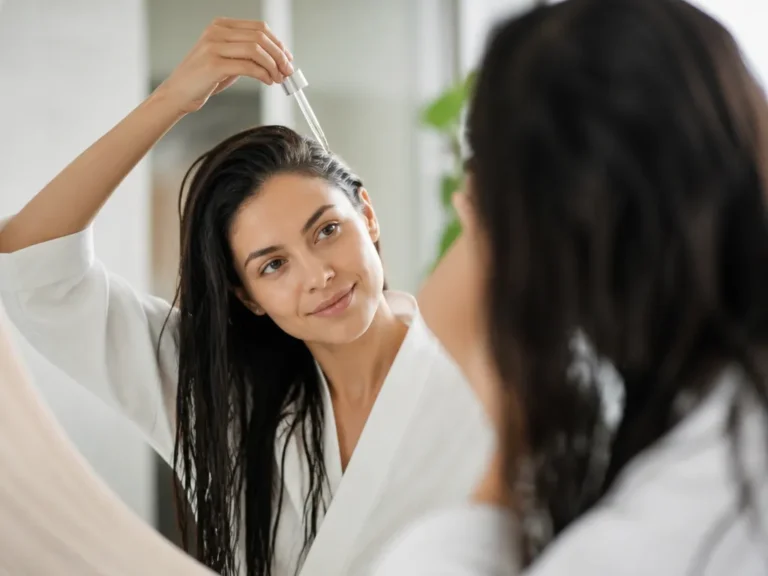
Certain ingredients can cause scalp irritation for those with sensitive skin. Avoid applying heavy conditioners to the scalp, as this can lead to clogged pores or seborrheic dermatitis in oily skin types.
Identify Your Hair And Scalp Needs
Hair texture and scalp health determine how your hair reacts to conditioning agents. Fine hair is more prone to breakage, while oily scalps can experience buildup that mimics thinning.
Hair Texture And Scalp Type
Fine hair has a smaller diameter and breaks easily under tension. This often looks like hair loss when it is actually shaft breakage.
For example, using a heavy butter-based conditioner on fine hair can weigh it down, making the scalp more visible.
Ingredients That Support Hair Health
Structural integrity and scalp comfort depend on the specific molecules found in your hair care products. High-quality formulations use proteins to repair the hair shaft and humectants to lock in moisture.
Strengthening And Hydrating Agents
Proteins and amino acids provide the building blocks for a strong hair structure. Hydrolyzed keratin and silk proteins are effective because their small molecular size allows them to penetrate the hair cuticle.
Glycerin and panthenol act as moisture magnets. Panthenol, which is provitamin B5, helps increase hair elasticity and prevents breakage. Glycerin is a reliable humectant that works well for dry or high-porosity hair types.
| Ingredient | Amount/Specification | Notes |
|---|---|---|
| Hydrolyzed Keratin | Low concentration | Use weekly to prevent hair stiffness. |
| Panthenol | 1-5% concentration | Improves moisture retention and shine. |
| Aloe Vera | High concentration | Calms irritation on sensitive scalps. |
Scalp Soothing Ingredients
Aloe vera and chamomile extract help manage scalp sensitivity. These botanical ingredients can reduce redness if your scalp reacts to harsh surfactants or synthetic fragrances.
Proper Conditioning Application Technique
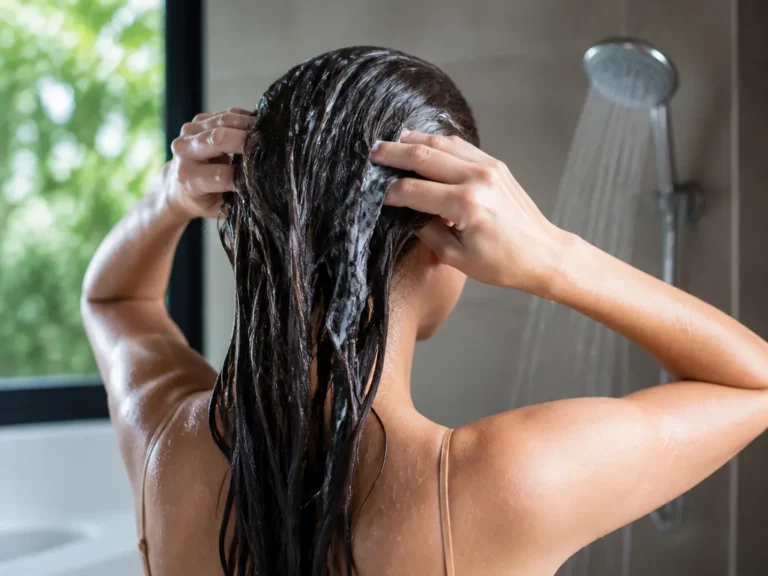
Applying conditioner incorrectly can lead to breakage and scalp irritation rather than providing the intended benefits. The key is targeting the right areas while avoiding product buildup that can cause hair to feel heavy and appear thinner.
For particularly thick or coarse hair, you may benefit from applying a small amount of leave-in conditioner to the ends after showering. This provides ongoing protection between washes without weighing down the roots.
When selecting a conditioner, look for ingredients like hydrolyzed proteins, panthenol, and glycerin that strengthen and moisturize the hair without causing buildup. Avoid heavy silicones like dimethicone if you have fine hair, as they can accumulate and make hair appear thinner over time.
Common Mistakes Causing Breakage
Hair breakage occurs when the shaft snaps due to physical or chemical stress, which often looks like shedding from the root. This mechanical damage happens most often during the washing and drying process.
Application And Detangling Errors
Applying conditioner to the scalp can clog follicles or cause seborrheic dermatitis in people with oily skin. This buildup makes the roots appear flat and can lead to itching or inflammation. For those with dry or sensitive skin, some conditioners contain fragrances that cause contact dermatitis.
Detangling hair while it is soaking wet is a primary cause of snapped strands. Wet hair is more elastic and fragile than dry hair. This state makes it easier for the shaft to stretch and then snap.
For instance, using a fine-tooth comb on wet hair pulls the shaft until it breaks. Switch to a wide-tooth comb or a flexible detangling brush. Start from the ends and move upward to the roots.
Ingredient Mismanagement
Heavy silicones like dimethicone provide a smooth coating but can weigh down fine hair. This creates a buildup that prevents moisture from entering the hair shaft over time. When moisture cannot penetrate, the hair becomes brittle.
Fine hair types often experience “limpness” that is mistaken for thinning. This happens when heavy waxes or oils coat the strand and pull it down. Always perform a patch test on a small section of hair before applying a new high-silicone mask to your entire head.
| Ingredient | Best For | Potential Issue | Budget Alternative |
|---|---|---|---|
| Dimethicone | Thick/Coarse | Build-up on fine hair | Behentrimonium Methosulfate |
| Argan Oil | Dry/Curly | Greasy roots if misplaced | Grapeseed Oil |
| Heavy Waxes | Very Coarse | Blocks moisture entry | Lightweight Leave-in |
Pro tip: Always rinse your conditioner with cool water. This helps seal the cuticle and reduces the chance of breakage during the drying phase.
Gentle And Budget-friendly Options
Selecting a conditioner based on scalp type and ingredient purity reduces the risk of irritation and buildup. Fragrance-free and sulfate-free formulas are the safest starting point for those with sensitive skin or thinning hair.
Drugstore options now offer professional-grade ingredients without the high price tag. Look for Glycerin and Panthenol to attract moisture without weighing down the hair shaft.
For instance, a basic sulfate-free conditioner from a brand like Maui Moisture often costs under $10. This is a practical alternative to salon brands like Pureology which can cost $30 or more.
Oily scalps require lightweight formulas that avoid heavy waxes. These products typically use Aloe Vera or water-based bases to prevent clogging the follicles.
| Product Type | Budget Option | High-End Option | Key Ingredient | Best For |
|---|---|---|---|---|
| Sulfate-Free | Maui Moisture | Pureology | Aloe |
Professional Troubleshooting Tips
Excessive hair loss after using conditioner typically indicates either an allergic reaction to specific ingredients or improper application technique rather than the product itself causing damage. Identifying the exact trigger requires careful observation of timing and symptoms.
Evaluating Product Reaction Timing
Track when hair loss occurs in relation to your hair care routine. If shedding increases immediately after conditioner application, it suggests a possible allergic reaction to ingredients like fragrances, preservatives, or certain proteins.
For instance, switching to a new conditioner and noticing increased shedding the next day strongly suggests an ingredient sensitivity rather than the conditioner directly causing hair loss.
Signs Of Contact Dermatitis
Contact dermatitis manifests as scalp irritation that can weaken hair follicles and contribute to shedding. Recognizing these symptoms early can prevent further damage.
| Symptom | Description | What to Do |
|---|---|---|
| Redness | Visible red patches on scalp | Discontinue product use |
| Itching | Scalp discomfort or persistent urge to scratch | Apply cool compress |
| Flaking | Small or large flakes in hair | Use gentle scalp cleanser |
| Burning | Stinging sensation on scalp | Rinse thoroughly with water |
When To See A Dermatologist
Consult a dermatologist if you experience excessive hair loss (more than 100 hairs per day) that persists beyond two weeks of changing hair care products. A professional can determine if the issue relates to allergic contact dermatitis or another underlying condition.
“Dermatologist tip: Bring your current hair care products to your appointment. Ingredient lists help identify potential triggers and guide treatment recommendations more effectively.” – Dr. Sarah Mitchell, Board-Certified Dermatologist
For persistent symptoms despite product changes, a dermatologist may recommend patch testing to identify specific allergens or prescribe topical treatments to reduce inflammation and support hair regrowth.
Quick Summary
Using heavy butter-based products on fine hair can weigh it down and make the scalp appear thinner. For better hair health, look for hydrolyzed keratin, silk proteins, or panthenol to improve elasticity. Always rinse your hair for at least 30 seconds to remove product buildup.
| Issue | Root Bulb | Hair Length | Primary Cause |
|---|---|---|---|
| Shedding | Present | Full strand | Natural growth cycle |
| Breakage | Absent | Short fragments | Dryness or chemical damage |
Frequently Asked Questions
Does Conditioner Cause Hair To Fall Out From The Root?
Pulling too hard on wet strands can lead to breakage. Always detangle gently with your fingers or a wide-tooth comb to prevent snapping the hair shaft.
Where Is The Best Place To Apply Conditioner?
The lengths and ends generally need the most conditioning because they are older and more prone to dryness.
Can Conditioner Cause Acne On My Forehead?
Yes, conditioner residue can cause clogged pores if it sits on your skin after your shower. Make sure to wash your face after rinsing your hair to remove any heavy oils or silicones.
How Long Do I Need To Leave Conditioner In My Hair?
Most rinse-out conditioners only need to sit for 1 to 3 minutes to effectively seal the hair cuticle. Leaving it on for longer usually does not provide additional benefits and can lead to product buildup.
Is Expensive Salon Conditioner Better Than Drugstore Brands?
Salon products often have a higher concentration of active ingredients like amino acids and fewer heavy fillers. If you have chemically treated or highly damaged hair, the professional formula is usually worth the investment.

- 7 Best Detangling Brushes for Curly Hair: Thick, Fine, Long & Natural Hair - September 25, 2026
- 5 Best Moisturizing Curl Defining Creams for Soft, Defined Curls - September 24, 2026
- Best Curl Creams for Straight Hair: 5 Top Picks for Women - September 24, 2026