Does Conditioner Make Your Hair Fall Out?
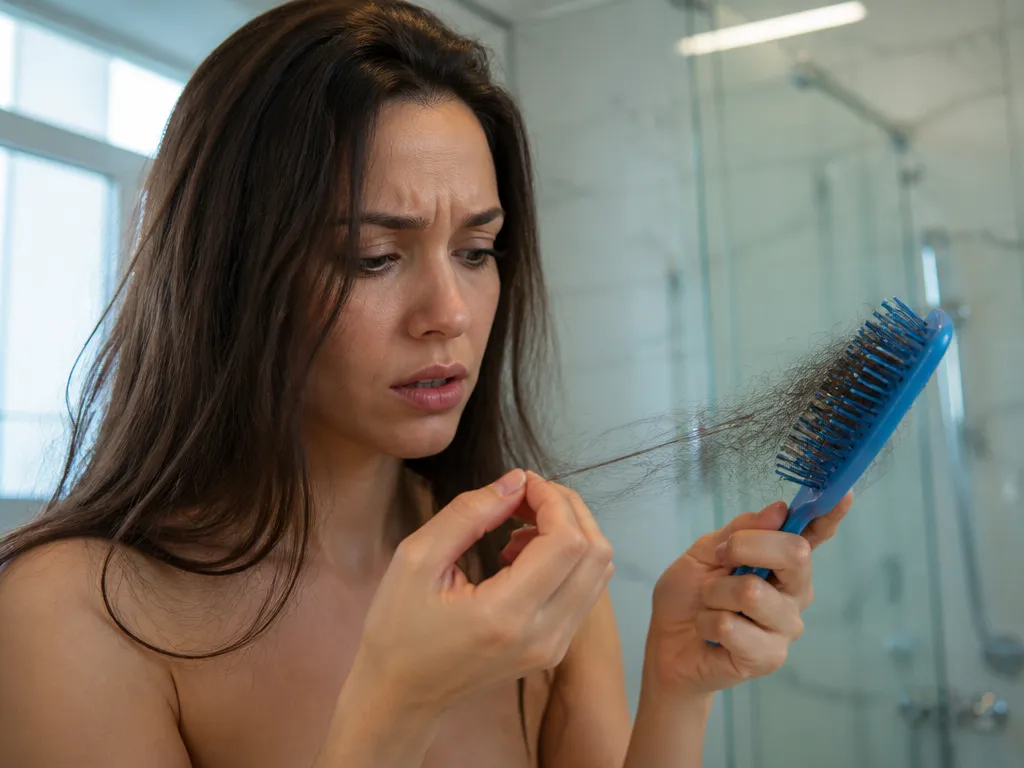
Finding a clump of hair in your drain after a shower is enough to ruin your entire morning. Many people blame their conditioner for this sudden shed, especially when the hair seems to let go the moment the product touches their strands. You deserve to know if your routine is actually hurting your follicles or if you are simply noticing the natural rhythm of your hair growth cycle.
Conditioner does not cause hair loss because it is a topical treatment that never touches the hair follicle deep within your scalp. Most humans naturally shed between 50 and 100 hairs every day, and these loose strands often get trapped in the hair until you use slip-heavy detanglers or moisturizing conditioners to finally rinse them away.
Best for: All hair types. Use caution if: You have an extremely sensitive scalp or a history of seborrheic dermatitis.
Does Conditioner Make Your Hair Fall Out?
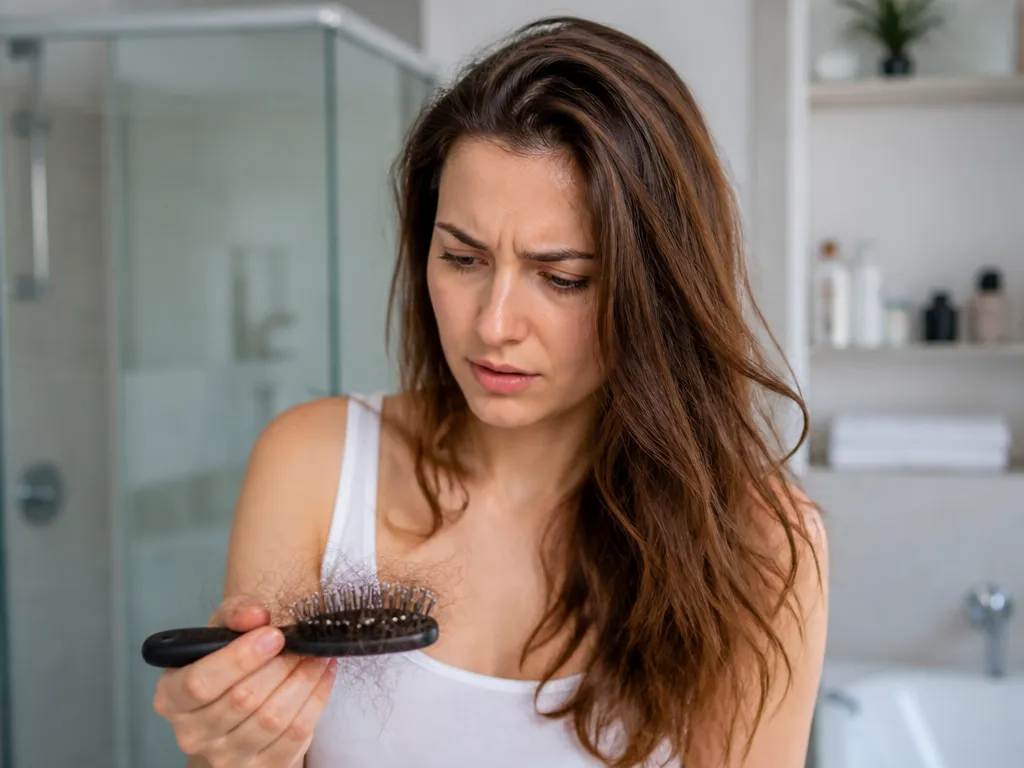
The timing of a shower can make normal shedding appear to be caused by conditioner. Hair shedding experienced during a shower is usually the result of normal biological cycles rather than the topical products applied to your strands.
Hair follicles naturally cycle through growth, transition, and resting phases. Most people lose between 50 and 100 hairs every day as part of this standard renewal process. When you wash your hair, the water and the slick texture of conditioner act as a lubricant that releases these already-detached hairs from your scalp all at once.
Expert tip: If you see a large clump of hair in your drain, remember that you are likely seeing the accumulation of several days of natural shedding that remained trapped in your hair until the physical act of conditioning allowed them to slide out.
Understanding Shedding Versus Loss
Distinguishing between normal shedding and clinical hair loss is essential for peace of mind. Shedding is a temporary, reversible process where hair cycles out, while hair loss occurs when something stops the hair from growing altogether.
| Feature | Normal Shedding | Hair Loss |
|---|---|---|
| Cause | Natural growth cycles | Genetics, hormones, or stress |
| Pattern | Diffuse, uniform loss | Receding hairline or bald spots |
| Outcome | Hair regrows automatically | May require professional treatment |
Conditioner often receives the blame because it is the final step in the shower routine where you are actively manipulating your hair. The slippery surface created by ingredients like behentrimonium chloride or dimethicone makes it easier for loose hairs to clump together between your fingers. This visual evidence can feel alarming if you are not accustomed to seeing your daily shed in one place.
Applying product too close to the scalp can lead to buildup or irritation, but it does not cause permanent hair loss. For those with fine or oily hair types, focus your conditioner application only from the mid-lengths to the ends. This technique keeps your roots light and prevents the weigh-down effect that makes hair look thinner than it actually is.
Identify Your Hair Type Characteristics
Hair texture and density determine how much mechanical stress your strands endure during detangling. Fine hair strands break easily under heavy product weight, while coarse hair requires more moisture to prevent the brittleness that often mimics natural shedding.
Porosity levels dictate how effectively your hair absorbs and retains the hydration provided by your conditioner. Low porosity hair resists moisture penetration, leading to product buildup on the surface, whereas high porosity hair loses moisture rapidly due to gaps in the cuticle layer.
Assessing Your Specific Needs
Determining your hair profile helps you select products that support structural integrity rather than causing unnecessary drag or breakage. Use the following guide to match your hair type with its primary requirements.
| Hair Type | Primary Need | Common Pitfall |
|---|---|---|
| Fine/Thin | Lightweight, volumizing formulas | Over-conditioning at the roots |
| Coarse/Thick | Deep hydration, smoothing agents | Insufficient detangling time |
| High Porosity | Protein-rich, sealing products | Exposure to excessive heat |
| Low Porosity | Humectant-based, light moisture | Using heavy oils or butters |
Dermatologist tip: Perform a float test by placing a clean strand in a glass of water. If it sinks immediately, your hair is likely high porosity and needs moisture-rich conditioners to prevent breakage. If it floats, you have low porosity and should avoid heavy, oil-based conditioners that cause surface residue.
Excessive shedding during a shower often results from improper detangling habits rather than the conditioner itself. When you apply product, use a wide-tooth comb to gently work through knots starting from the ends and moving upward to the roots. This process minimizes the snap and tension that otherwise lead to hair loss in the drain.
Consistency in your hair care routine is key to observing real changes in your shedding patterns. Expect to see a reduction in breakage within 4 to 6 weeks of using products tailored to your specific porosity and texture. If hair loss remains heavy after adjusting your technique, consult a professional to rule out internal factors.
Conditioner Ingredients That Matter
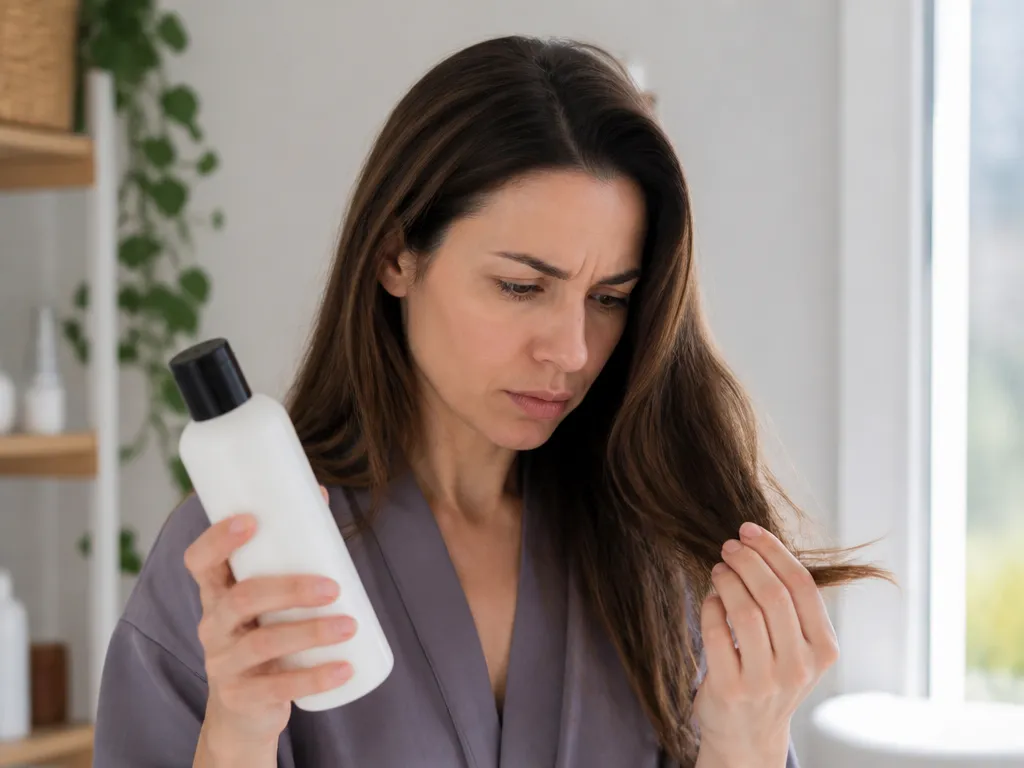
Healthy hair maintenance relies on balancing hydration with structural support, specifically through the use of humectants and proteins. Humectants like glycerin and panthenol draw moisture into the hair shaft, while hydrolyzed proteins such as keratin or wheat protein temporarily fill in cuticle gaps to prevent breakage.
For instance, fine hair benefits from lightweight proteins that prevent flat, limp strands, whereas coarse or curly hair requires heavy-duty humectants to maintain elasticity and prevent snapping during detangling. Using the right formula ensures the hair remains supple, which reduces the mechanical tension that often leads to perceived hair fall in the shower.
| Ingredient Category | Purpose | Best For |
|---|---|---|
| Hydrolyzed Keratin | Structural repair | Chemically treated or brittle hair |
| Glycerin | Moisture retention | Dry, frizzy, or curly textures |
| Cetyl Alcohol | Smoothing and softening | All hair types |
Sensitive Scalp Considerations
Scalp irritation often masquerades as hair loss, as inflammation can weaken the follicle and lead to premature shedding. Common culprits in standard conditioners include synthetic fragrances, essential oils like peppermint or tea tree, and certain preservatives such as methylisothiazolinone.
If you experience itching, redness, or burning upon application, switch to a fragrance-free, hypoallergenic formula immediately. Perform a patch test behind your ear with any new product for 24 hours to observe for reactions before applying it to your entire scalp.
Dermatologist tip: If your scalp feels tight or inflamed, look for soothing ingredients like aloe vera or bisabolol, and avoid applying conditioner directly to the roots if you have oily skin or prone-to-congestion pores.
Master Proper Conditioner Application
Use enough conditioner to provide slip without leaving a heavy residue, and rinse thoroughly after detangling. Applying excessive product can lead to unnecessary buildup and make hair appear thinner or limp.
Expert Tip: If your hair is fine or prone to oiliness, apply your conditioner before shampooing the ends, or use a lightweight, silicone-free formula to maintain volume without sacrificing hydration.
Scalp health remains the foundation of strong hair growth, so any product that migrates to the skin must be removed during your final rinse. Residue left on the scalp acts as a magnet for dust and environmental pollutants, which can eventually lead to irritation or clogged pores. If you notice persistent itching or tenderness at the root after your shower, you may be using too much product or failing to rinse the area thoroughly enough.
| Hair Type | Conditioner Texture | Application Focus |
|---|---|---|
| Fine/Straight | Lightweight/Gel-based | Only the bottom 2 inches |
| Wavy/Curly | Creamy/Rich | Mid-lengths to ends |
| Coarse/Dry | Deep masks/Butters | Mid-lengths to ends |
Common Shower Mistakes Causing Breakage
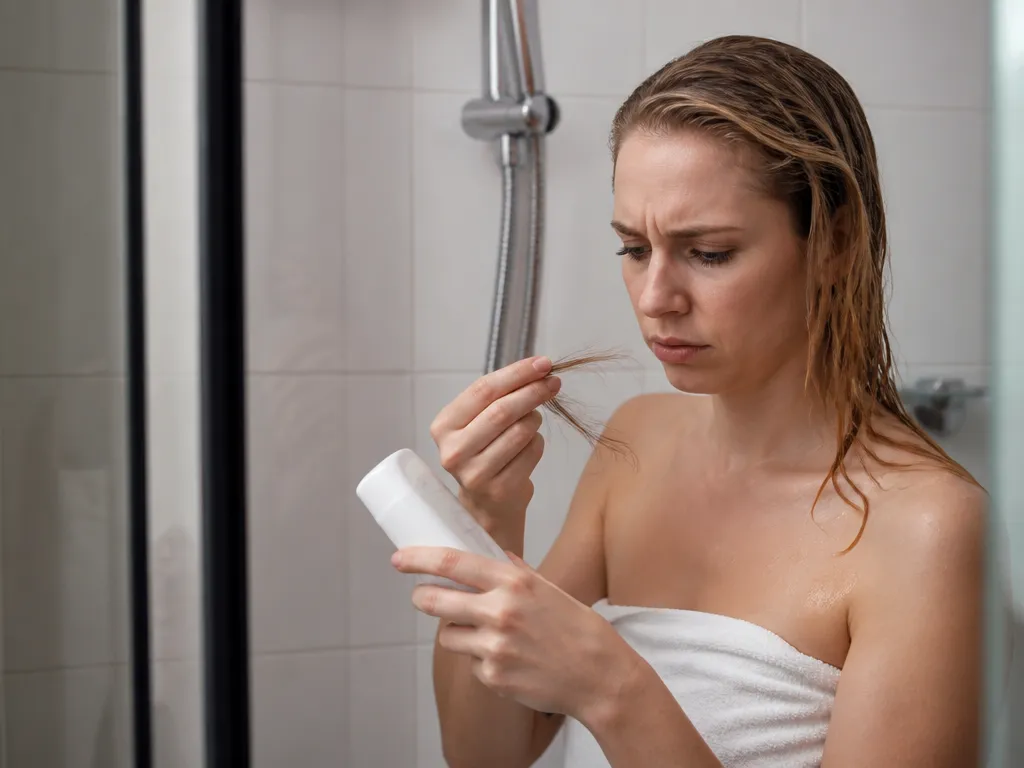
Hair snapping often occurs because the hair shaft is at its weakest point when saturated with water. Mechanical stress from aggressive handling while wet leads to strands breaking off at the mid-lengths, which many people mistake for hair fall at the root.
The Dangers Of Wet Detangling
Water causes the hair cuticle to swell, making the strands prone to friction and stretching. Using a fine-tooth comb or pulling through tangles with force causes the hair to reach its elastic limit and snap.
Professional tip: If you hear a snapping sound while brushing, you are causing damage. Stop immediately and add more conditioner to the area to increase lubrication.
Thermal Stress From Hot Water
High temperatures strip the natural oils from your scalp and dehydrate the hair shaft. This dryness makes hair brittle, which significantly increases the risk of mechanical breakage during your drying or styling routine.
| Water Temperature | Impact on Hair |
|---|---|
| Hot (Above 105°F) | Dissolves protective sebum, leaves cuticle rough, increases frizz. |
| Warm (95°F-100°F) | Ideal for cleansing the scalp without drying the hair. |
| Cool (Below 85°F) | Helps seal the cuticle and adds temporary shine. |
Extreme heat also impacts the scalp environment, potentially leading to irritation or dryness that feels uncomfortable. Rinse your hair with lukewarm or cool water at the end of your shower to help the cuticle lay flat, which reduces snagging once you step out of the shower.
Consistency with temperature control shows results in hair texture and strength within four to six weeks. Avoid high-heat tools immediately after showering, as the hair is still vulnerable from the thermal shock of the wash.
Budget-friendly Versus Premium Options
Hair health relies on the quality of your ingredients rather than the price point on the bottle. Effective conditioners focus on detangling and moisture retention to prevent the mechanical breakage that mimics hair loss during your wash routine.
Affordable Staples
Drugstore brands often provide excellent results by using time-tested humectants like glycerin and panthenol. These ingredients draw moisture into the hair shaft, which improves elasticity and reduces the friction that causes strands to snap when you comb through them.
High-end Treatments
Premium conditioners frequently include proprietary bond-building technology or concentrated botanical oils that offer more intensive repair for chemically processed or heat-damaged hair. These products often have a higher concentration of active proteins, such as hydrolyzed keratin or silk amino acids, which fill in gaps in the hair cuticle more effectively.
Dermatologist tip: Focus your application only on the mid-lengths to the ends of your hair. Applying heavy conditioner directly to the scalp can lead to product buildup, which may clog follicles and interfere with healthy hair growth.
| Product Category | Price Range | Key Ingredient | Best For |
|---|---|---|---|
| Drugstore | $5 – $12 | Panthenol | Daily maintenance and hydration |
| Premium | $30 – $60 | Bond-building complexes | Chemically bleached or heat-damaged hair |
In practice, those with thin or oily hair should prioritize lightweight, silicone-free options to avoid scalp irritation. Thick or curly hair types benefit from richer formulas containing shea butter or argan oil to maintain structure and prevent tangles, which are the primary culprits behind shower-time hair shedding.
Expert Tips For Stronger Hair
Scalp health supports the quality of new growth. Consistent buildup from heavy silicones or improper rinsing can cause irritation or make the hair shaft appear less healthy, but it does not make conditioner a cause of permanent hair loss.
Building A Resilient Foundation
Maintenance of the scalp requires a balanced approach that cleanses without stripping essential oils. Use a clarifying shampoo once every two weeks to remove mineral deposits or product residue that simple washing leaves behind.
Dermatologist tip: If you notice persistent redness, flaking, or a sudden increase in shedding that lasts longer than three months, consult a board-certified dermatologist to rule out conditions like androgenetic alopecia or telogen effluvium.
Routine Optimization
Application techniques significantly influence how much stress your hair undergoes during your daily shower. Use gentle handling and avoid pulling through knots, particularly when the hair is wet.
| Practice | Benefit |
|---|---|
| Wide-tooth combing | Reduces mechanical breakage while detangling wet hair |
| Cool water rinse | Seals the cuticle to increase light reflection and smoothness |
| Microfiber drying | Prevents the friction that causes split ends and frizz |
Product selection should prioritize ingredients that support the structural proteins of the hair. Look for hydrolyzed keratin, silk amino acids, or bond-building agents that reinforce the cortex of the hair fiber.
Expect to see visible improvements in hair elasticity and strength within 4 to 6 weeks of consistent routine adjustments. If you have fine or oily hair, switch to lightweight, water-based conditioners to avoid weighing down the roots and causing unnecessary tension on the scalp.
Quick Summary
To keep your hair looking its best, apply your conditioner only from the mid-lengths to the ends to prevent weigh down at the roots. While conditioner does not cause permanent hair loss, heavy ingredients like silicones can occasionally lead to buildup or irritation on sensitive scalps. You should distinguish between normal shedding and clinical hair loss, which typically presents as a widening part or bald patches. Ultimately, using the correct formula for your specific hair porosity and texture is the most effective way to support your overall hair health and structural integrity.
| Routine Stage | Key Focus |
|---|---|
| Morning | Light hydration and heat protection for styling. |
| Evening | Thorough cleansing and deep moisture replenishment. |
| Top Ingredients | Behentrimonium chloride, dimethicone, and humectants. |
| Stop Doing | Applying heavy conditioners directly to the roots. |
| Results Timeline | Immediate improvement in manageability and shine. |
Frequently Asked Questions
Does Conditioner Actually Cause Hair To Fall Out?
Breakage is more likely when you use too much product or tug too hard. To prevent this, only apply conditioner from the mid-lengths to the ends of your hair.
Why Am I Seeing More Hair In The Drain After Conditioning?
The conditioner makes your hair slippery, which can make loose hairs more visible during washing. A regular wash may collect strands that were released at different times.
Can Conditioner Cause Breakouts On My Forehead Or Back?
Yes, if the product touches your skin, ingredients like heavy oils or silicones can clog pores. Keep your conditioner at least 2 inches away from your scalp to protect acne-prone skin.
What Is The Correct Order To Apply Hair Products?
You should always shampoo your scalp first, rinse thoroughly, and then apply conditioner to the bottom half of your hair. If you do not rinse well, product buildup can occur within just 2 to 3 uses.
Is An Expensive Salon Conditioner Worth The Extra Money?
Not always, because many drugstore brands contain effective ingredients like glycerin or dimethicone that provide great slip. You should only invest in high-end versions if you have specific, chemically treated hair needs.

- 7 Best Detangling Brushes for Curly Hair: Thick, Fine, Long & Natural Hair - September 25, 2026
- 5 Best Moisturizing Curl Defining Creams for Soft, Defined Curls - September 24, 2026
- Best Curl Creams for Straight Hair: 5 Top Picks for Women - September 24, 2026