Does Hair Dye Impact Hair Growth? What You Should Know
Studies show that around 80% of women use hair dye, yet many worry about its impact on hair growth. Frequent hair dyeing can potentially lead to brittle strands, but understanding the specifics is essential for making informed choices about hair care and maintenance.
Research indicates that chemical ingredients in some dyes may weaken hair, but temporary dyes are generally less damaging. Proper care post-dyeing can mitigate negative effects, promoting healthier growth despite color changes.
What to Know About is hair dye bad for hair growt
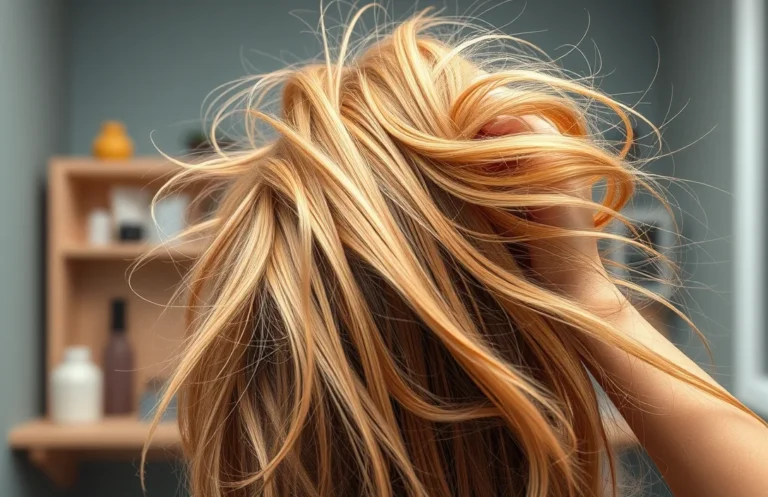
Hair dye can impact hair growth negatively if not used properly. Chemical ingredients in many dyes can weaken hair structure, leading to breakage and thinning. Frequent application often exacerbates these effects, making it essential to consider how often you dye your hair.
Natural alternatives exist that minimize damage, such as vegetable-based dyes. These options offer color without harsh chemicals, preserving hair health. Switching to gentler products can help maintain hair strength while achieving desired color.
Moisturizing treatments are crucial for maintaining healthy hair during and after dyeing. Regular conditioning helps counteract dryness and brittleness caused by chemical exposure. Incorporating deep conditioning masks into your routine can restore moisture and promote resilience.
Professional application often yields better results than at-home kits. Experienced stylists are trained to assess hair type and condition, selecting appropriate products and techniques. Investing in professional services can reduce the risk of damage.
Awareness of the ingredients in hair dye is vital. Many commercial dyes contain ammonia and peroxide, which can cause significant damage. Reading labels and opting for ammonia-free products can reduce potential harm to your hair.
Key Points for is hair dye bad for hair growt
Choosing the right dye matters significantly. Some hair dyes contain harsh chemicals that can damage hair follicles, potentially impairing growth. Opting for ammonia-free or natural dyes may minimize harm. Always read labels and select products that prioritize hair health, as these options typically include nourishing ingredients that protect strands during the coloring process.
Regular dyeing practices can weaken strands. Frequent exposure to chemicals can lead to brittleness and breakage, adversely affecting overall hair vitality. Limiting the frequency of dye applications can help maintain hair strength. Consider spacing out color treatments to give your hair time to recover and maintain its natural resilience.
Heat styling tools can exacerbate damage. If hair is dyed, using blow dryers, curling irons, or straighteners can further weaken already compromised strands. Prioritizing heat protection sprays and reducing heat usage can preserve both color and hair health. Aim for air-drying or low-heat options to mitigate heat-related harm.
Hydration plays a crucial role in hair health. Dyed hair often requires additional moisture to combat dryness caused by chemicals. Incorporating deep conditioning treatments or hydrating masks into your routine can restore moisture levels. Ensuring your hair stays hydrated supports growth and improves overall texture and appearance.
Tips for is hair dye bad for hair growt
Minimize chemical exposure to promote healthier hair growth. Frequent use of harsh dyes can lead to damage and breakage. Opt for ammonia-free and natural dyes when possible, as these options are gentler on hair. Reading ingredient labels can help you choose products that are less likely to harm your hair’s health.
Consider alternating between dyeing sessions. Spacing out hair coloring allows your hair to recover and reduces cumulative damage. Waiting at least 6 to 8 weeks between applications benefits the overall health of your hair, giving it time to regain strength and vitality.
Monitor scalp health regularly. A healthy scalp is crucial for optimal hair growth. If you notice irritation, redness, or excessive dryness after applying hair dye, consult a dermatologist. Addressing scalp issues promptly can prevent further complications and support hair growth.
Invest in nourishing hair care products. Using conditioners and treatments designed for color-treated hair can help maintain moisture and elasticity. Look for products that contain natural oils, proteins, and vitamins to strengthen your hair and protect it from damage caused by dyes.
Maintain a balanced diet for hair health. Nutrient-rich foods contribute to stronger hair growth. Incorporate vitamins and minerals such as biotin, zinc, and omega-3 fatty acids into your meals to support your hair’s vitality, especially if you’re regularly dyeing it.
Benefits of is hair dye bad for hair growt
Using natural hair dyes provides benefits. Many commercial hair dyes contain harsh chemicals that can damage hair and inhibit growth. Natural dyes, like henna or indigo, offer color without the adverse effects. These alternatives nourish the hair instead of stripping it, allowing for healthier growth and less breakage.
Choosing the right products matters significantly. Opt for dyes that are free from ammonia, parabens, and sulfates. These chemicals often contribute to hair damage and could slow down growth. By selecting safer formulations, you can maintain hair health while still achieving the desired color.
Regular conditioning treatments enhance overall hair strength. Incorporating conditioning masks or oils after dyeing can combat dryness and brittleness. Ingredients such as argan oil or coconut oil not only hydrate but also promote healthier hair growth. Consistent care post-dyeing is crucial for maintaining hair vitality.
Monitoring your hair’s response is essential. After dyeing, observe how your hair reacts over time. If you notice increased breakage or thinning, reconsider your dye choices and application methods. Staying attuned to your hair’s needs allows for timely adjustments, promoting better growth outcomes.
Options for is hair dye bad for hair growt
Minimize chemical exposure by opting for ammonia-free hair dyes. These alternatives are less harsh on hair and scalp, reducing the risk of damage that can hinder growth. Using gentler formulas helps maintain hair health while allowing you to achieve your desired color without compromising the integrity of your strands.
Consider seeking professional application for optimal results. Experienced stylists understand how to apply dye in a way that minimizes damage. Their expertise can prevent over-processing, which is crucial for preserving hair growth. A professional can also recommend suitable products tailored to your hair type.
Limit dye usage to avoid cumulative damage. Frequent coloring can lead to brittle hair, which can break and stunt growth. Set a schedule that allows your hair to recover between applications. This practice not only maintains hair health but also promotes stronger, longer hair over time.
Incorporate nourishing treatments post-dyeing. Use deep conditioning masks or oils to restore moisture and nutrients after coloring. These treatments help repair any damage caused by the dye, enhancing overall hair health and supporting growth. Regular care can make a significant difference in maintaining vibrant, healthy hair.
Expert Advice on is hair dye bad for hair growt
Opt for ammonia-free hair dyes. These formulas are generally less damaging compared to traditional dyes that contain ammonia. Ammonia opens the hair cuticle, allowing for deeper color penetration but can also lead to significant dryness and breakage. By choosing ammonia-free options, you help maintain hair integrity while minimizing potential harm.
Consider semi-permanent dyes for gentler application. Unlike permanent dyes, semi-permanent options do not penetrate the hair shaft as deeply, resulting in less damage. They fade gradually over time, allowing for a more natural transition and less stress on your hair, making them a favorable choice for maintaining hair health.
Monitor your hair’s condition regularly. Pay attention to any signs of excessive dryness or breakage after dyeing. If you notice these issues, it may be time to adjust your dyeing practices or switch products. Keeping track of your hair’s response will guide you in making informed decisions about future coloring.
Incorporate deep conditioning treatments post-dyeing. Frequent exposure to hair dye can lead to dryness, so using a deep conditioner or hair mask can restore moisture and elasticity. Regular conditioning treatments will help support overall hair health and mitigate potential negative effects from dyeing.
Examples: is hair dye bad for hair growt
Prioritize hair health to minimize any negative effects from dyeing. Selecting high-quality, ammonia-free dyes can significantly reduce damage and irritation. Additionally, consider using semi-permanent options, as they are generally less harsh on hair fibers.
Regular conditioning treatments help maintain moisture and strengthen hair. Incorporating deep conditioning masks into your routine can counteract potential drying effects of hair dye. Look for products specifically formulated for colored hair to ensure optimal care.
Monitoring your scalp’s health is crucial after dye applications. Signs of irritation or adverse reactions should not be ignored. If you experience itching, redness, or excessive shedding, consult a dermatologist for tailored advice.
Spacing out dye applications is vital for hair recovery. Allowing several weeks between coloring sessions gives your hair time to recover and reduces cumulative damage. This approach can also promote healthier hair growth overall.
Consulting a professional hairstylist can provide personalized guidance. They can recommend suitable products and techniques that align with your hair type and desired color. Expert advice often leads to better outcomes with less risk of harming hair growth.
Quick Summary
- Hair dye can cause damage to hair, but its effects on hair growth are complex.
- Frequent use of harsh chemicals in hair dyes may lead to hair breakage and loss.
- Some hair dyes contain ingredients that can irritate the scalp, potentially affecting hair follicles.
- Natural or semi-permanent dyes are generally less damaging than permanent dyes.
- Maintaining a healthy hair care routine can mitigate some negative effects of hair dye.
- Consulting a professional stylist can help choose the right products for your hair type.
- Overall, moderation and proper care can reduce the potential negative impact of hair dye on hair growth.
Frequently Asked Questions
Is hair dye bad for hair growth?
Hair dye itself doesn’t directly inhibit hair growth, but some chemical ingredients can damage hair follicles if used excessively. It’s important to use dyes that are less harsh and to maintain a healthy hair care routine.
Can using hair dye lead to hair loss?
While hair dye doesn’t typically cause hair loss, frequent use of harsh chemicals can weaken hair and lead to breakage. If you notice excessive shedding or thinning, consider reducing the frequency of dye applications.
Are there safer alternatives to traditional hair dye?
Yes, there are safer alternatives such as ammonia-free dyes, semi-permanent colors, and natural dyes like henna. These options can minimize damage and are often gentler on the hair and scalp.
How can I protect my hair when using dye?
To protect your hair, use conditioning treatments before and after dyeing, choose high-quality dyes, and follow the application instructions carefully. Regular trims and a nourishing hair care routine can also help maintain hair health.
Does hair type affect the impact of dye on hair growth?
Yes, hair type can influence how dye affects hair growth. For example, fine or damaged hair may be more susceptible to breakage from chemical dyes than thicker, healthier hair. It’s essential to assess your hair’s health before dyeing.

- Pre-Poo Treatments for Low Porosity Hair: 7 Essential Steps - September 20, 2026
- What To Avoid After Prp Hair Treatment? - August 28, 2026
- What Is The Malibu Treatment For Hair? - August 27, 2026