Can I Use Curly Leave In Conditioner On Straight Hair?
Struggling with dry, unruly ends but terrified that a heavy product will leave your straight hair looking like an oil slick? You are not alone in wanting to borrow from the curly hair playbook. Many people with straight hair reach for these formulas hoping for extra hydration, but the reality is that curly hair products are usually packed with heavier emollients that can easily overwhelm finer strands.
Curly leave-in conditioners are safe for straight hair when applied sparingly to the bottom 2 to 3 inches of your hair. To avoid a greasy finish, look for products free of heavy shea butter or lanolin. Instead, choose lightweight water-based formulas that contain glycerin or panthenol for hydration without the weight.
Best for: Dry, damaged, or color-treated straight hair. Use caution if: Your hair is naturally fine, thin, or prone to becoming oily by the end of the day.
Can I Use Curly Leave In Conditioner On Straight Hair?
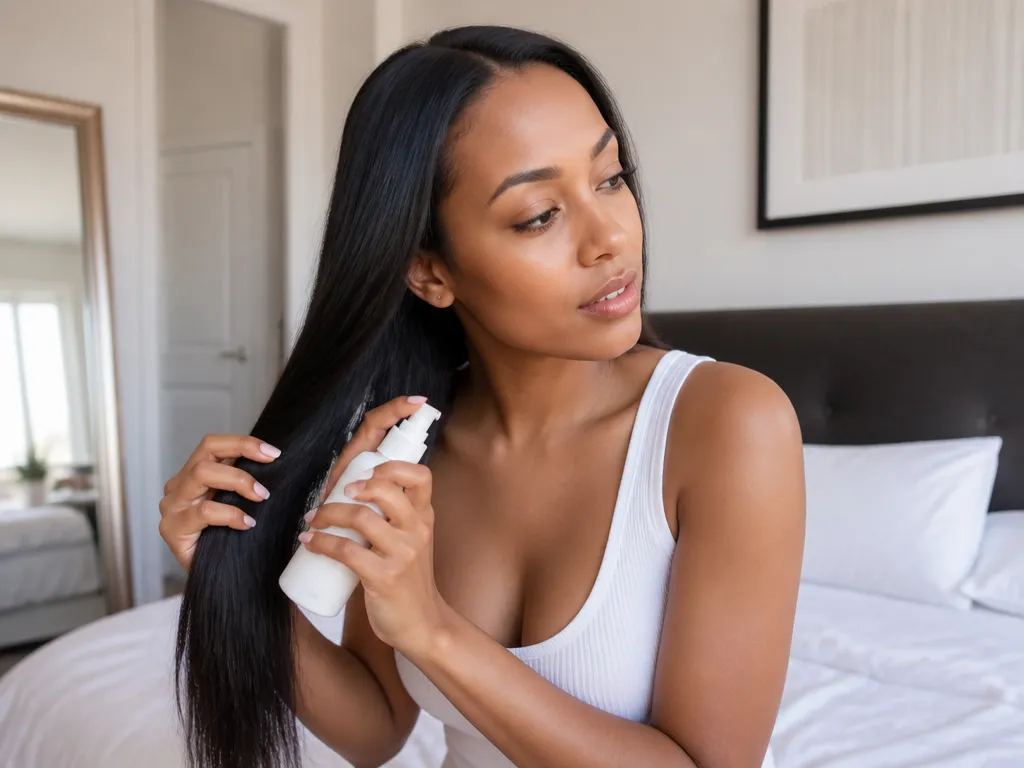
Curly leave-in conditioners are technically safe for straight hair, though they often contain heavy emollients that can leave fine or straight strands looking greasy. These products prioritize intense moisture retention and frizz control, which are vital for textured hair but potentially overwhelming for straighter hair types.
Formulations designed for curls frequently rely on rich oils and heavy butters like shea or cocoa butter to maintain structural integrity and hydration. Straight hair, which typically benefits from the natural migration of scalp oils down the hair shaft, rarely requires this level of density. Using these products without caution often results in a loss of volume and a weighed-down appearance.
Dermatologist tip: If you choose to use a curly-hair product, start with an amount no larger than a pea. Emulsify it thoroughly between your palms with a drop of water before gently pressing it into the mid-lengths and ends of damp hair.
Straight hair with high porosity or significant heat damage might actually benefit from the extra moisture these products provide. In these cases, the heavier ingredients act as a temporary sealant to smooth the cuticle. Always monitor how your hair feels after the first application, as straight textures will signal overload quickly through a tacky or stiff residue.
Identifying Your Hair Type And Porosity
Hair type (fine, medium, coarse) and porosity (how easily hair absorbs and releases moisture) decide whether a leave-in conditioner will feel light or leave hair limp and greasy. Fine, low-porosity hair is the most likely to get weighed down by richer, curl-focused formulas. Coarse, high-porosity hair usually drinks in conditioning ingredients, but it can also lose moisture fast if the formula is too light.
Start by figuring out texture first, because “straight hair” can still be fine or coarse. Fine strands feel smooth and look flat, medium strands feel springy with visible body, and coarse strands feel thicker and may tangle more. If you color or bleach, your porosity often shifts toward higher absorption, even if your strand diameter stays the same.
Fine Vs. Coarse Hair Needs
Fine hair needs leave-ins that hydrate without coating. Choose water-based conditioners and lighter emollients, and use a pea-sized amount for the whole head if your hair is straight and gets oily fast.
Coarse hair tolerates richer conditioners because the cuticle is easier to penetrate, but it still needs control so products do not sit on the surface. Look for medium-viscosity creams or gel-creams, and focus application on mid-lengths to ends.
Dermatologist-style rule for hair: start with less product than you think, then add only where your hair feels dry.
In practice, low-porosity straight hair is where curl leave-ins most often feel greasy because the coating sits on the outside. High-porosity straight hair can still work with curl leave-ins, but it needs consistent moisture sealing at the ends to reduce frizz and dryness.
| Hair type + porosity | What you’ll feel | Best approach |
|---|---|---|
| Fine + low porosity | Limpness, faster oiliness, residue | Use a tiny amount, apply only to ends, and avoid heavy creams |
| Medium + normal porosity | Balanced softness | Use a light layer on mid-lengths and ends |
| Coarse + high porosity | Dry feel without product, frizz after | Use a richer formula on ends and consider a light sealant |
For patchy results, hair can be mixed on the same head, with roots low porosity and ends high porosity after bleaching. Section your hair and adjust: lighter product near the scalp, more on the ends. This works for all skin types and all hair colors because it is based on hair behavior, not shade or ethnicity.
Key Ingredients To Watch For
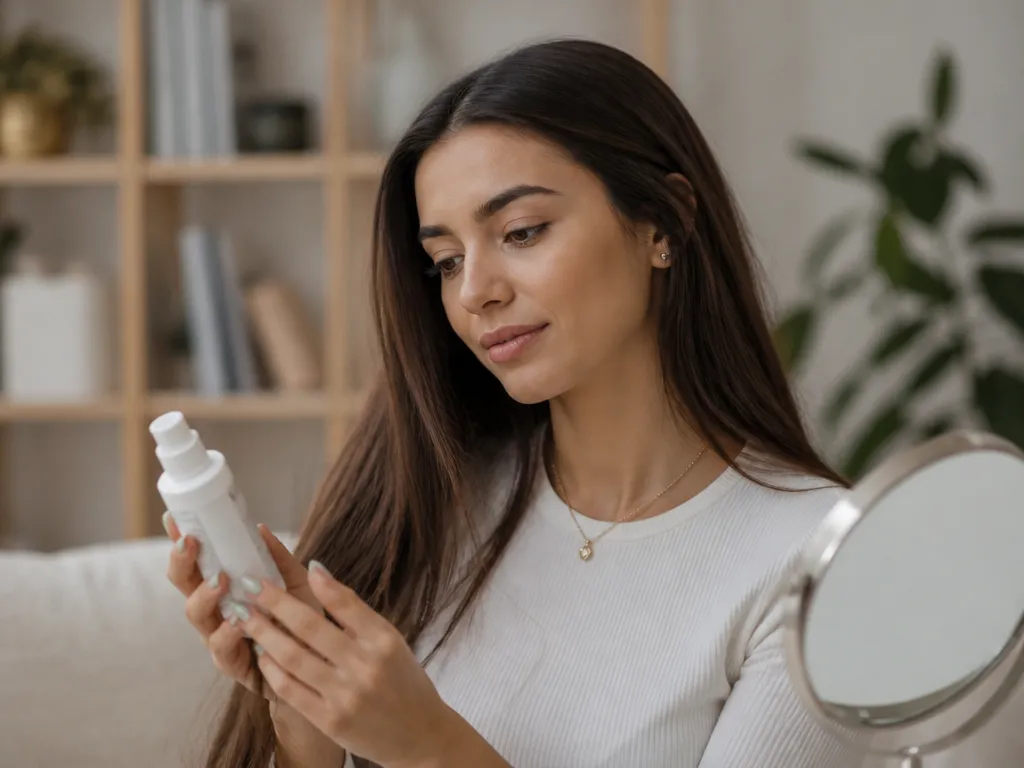
Leave-in conditioners formulated for curls often rely on heavy lipids and occlusives to seal moisture into textured strands. These same ingredients can cause straight hair to appear limp, greasy, or weighed down because they lack the structural support to stay suspended on smooth hair shafts.
Humectants provide a safer route for those with straight hair seeking hydration without the weight. Ingredients like glycerin, aloe vera, and panthenol (Vitamin B5) pull moisture into the hair shaft without leaving a thick film behind.
Heavy oils and butters are the primary culprits for unwanted buildup on fine or straight textures. While these are vital for dry, coiled hair, they can quickly saturate straight hair, making it look oily even after washing.
| Ingredient Type | Examples | Effect on Straight Hair |
|---|---|---|
| Lightweight Humectants | Glycerin, Hyaluronic Acid, Aloe | Hydrates without adding weight or grease. |
| Heavy Butters | Shea Butter, Cocoa Butter | Can cause significant buildup and limpness. |
| Dense Oils | Coconut Oil, Castor Oil | May coat the hair too heavily, making it feel “tacky.” |
Managing Ingredient Density
Texture plays a massive role in how these ingredients behave. Fine, straight hair has a smaller surface area and less natural oil distribution, meaning heavy products sit on top of the cuticle rather than absorbing.
For instance, if you use a shea butter-based leave-in on fine hair, you might notice your hair loses its natural volume within hours. This happens because the heavy molecules physically pull the hair downward.
Professional tip: If you are testing a curly hair product on straight hair, start with a pea-sized amount on the ends only. Avoid the roots to prevent scalp oiliness.
Technique For Applying Leave-in Conditioner
Straight hair absorbs moisture differently than curly hair, making it more susceptible to product buildup and greasiness. Applying heavy formulas only to the lower half of the hair shaft prevents the roots from becoming weighed down.
Proper Distribution Methods
Emulsifying the product is the most important step when using a thick curly-hair formula on straight strands. Rubbing the cream between your palms for 5 to 10 seconds warms the ingredients and breaks the surface tension. This ensures the product spreads evenly rather than clumping in one spot.
For instance, a thick butter-based conditioner can feel like a paste if applied directly from the bottle to the hair. Emulsifying it first turns that paste into a thin veil that is easier to distribute across a larger surface area.
Pro tip: If your hair feels tacky after application, you used too much. Mist your hair with a little water and comb through again to help the product absorb.
| Hair Density | Recommended Amount | Application Focus |
|---|---|---|
| Fine/Thin | Dime-sized | Bottom 2 inches |
| Medium | Pea-sized | Ear-level down |
| Thick/Coarse | Nickel-sized | Mid-lengths to ends |
Common Mistakes That Cause Limp Hair
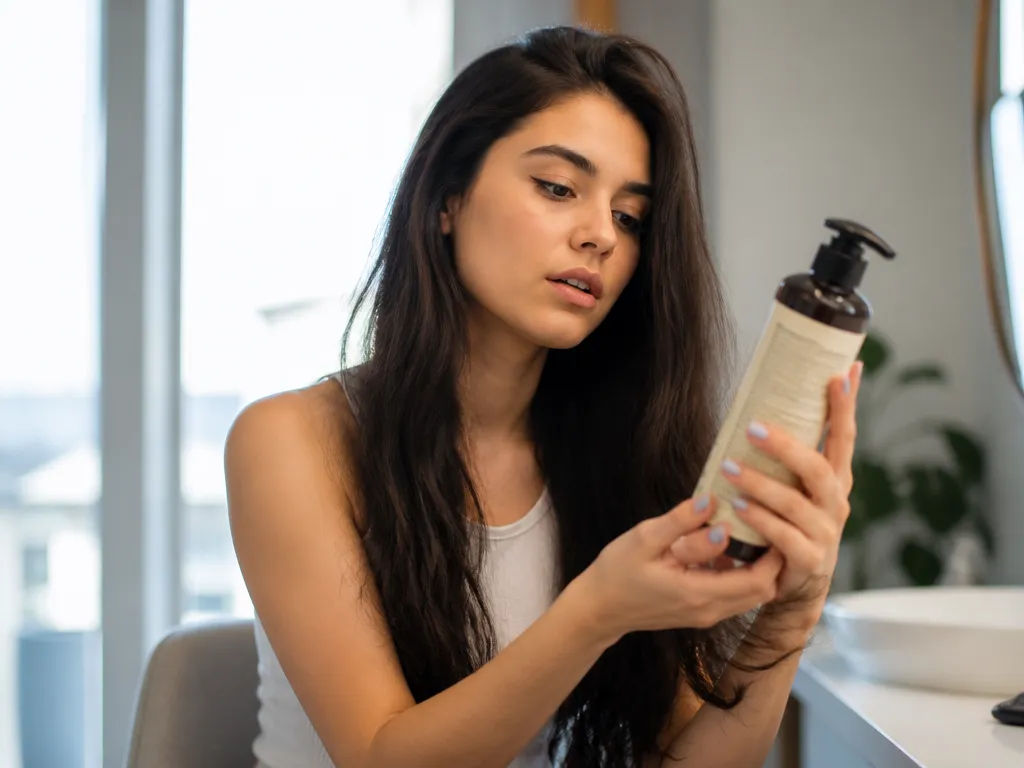
Applying a leave-in formulated for curls too close to the scalp is the fastest way to get flat, greasy-looking straight hair. The product’s emollients and film-formers migrate downward as your hair warms and moves, so roots lose lift.
For straight hair, especially fine strands, the biggest payoff comes from treating leave-in like a length-only conditioner. Curly-hair formulas often contain richer moisturizers and stronger styling hold that can overwhelm straight textures that do not have the same natural “grip” for definition.
Applying Too Close To The Roots
Roots need light hydration, not a heavy layer. If your leave-in is meant to soften coils, it can make straight hair feel coated, even when it does not look shiny in the first few minutes.
Over-layering Styling Products
Over-layering is what turns “moisturized” into “limp.” Leave-in conditioners for curly hair often pair well with creams and gels for definition, but straight hair can get weighed down when multiple film-formers stack.
In practice, your hair only needs one primary conditioning layer plus a light finish product. If you use leave-in and then add another rich cream, the combination can build up, making hair look dull and feel waxy by day two.
| What you stack | What happens on straight hair | Better swap |
|---|---|---|
| Leave-in + curl cream + heavy oil | Roots flatten, ends look coated | Leave-in (length only) + light serum on ends or none |
| Leave-in + smoothing balm | Hair loses movement, looks “stuck together” | Use balm only at the very tips, pea-size |
| Leave-in + mousse + gel | Sticky buildup, dullness after a few washes | Pick one styling product for hold, skip the second layer |
“Dermatologist-adjacent reality check: the more products you layer that contain emollients and conditioning polymers, the more buildup you get on straight hair. Start with the thinnest step and add only one styling product.”
Keep your product order simple when you do use a curly leave-in: cleanse, (optional) light toner, leave-in on lengths only, then seal with a very small amount of moisturizer or oil on the ends if needed, and always finish with the lightest layer first. Patch test first if you have a sensitive scalp or history of contact dermatitis, since fragranced formulas and botanical extracts can trigger irritation.
Drugstore Vs High-end Product Alternatives
For straight hair, the best “swap” choices are light leave-ins that hydrate without heavy oils or film-forming waxes. Lightweight sprays are usually easier for fine to medium hair, while cream formulas work better on dry, damaged ends because they stay put longer.
When you compare formulas, scan for these texture cues: water-based or aloe-based sprays for lift and bounce, silicone blends and fatty alcohols (like cetearyl alcohol) for slip and frizz control, and low levels of butters only when your ends feel straw-dry. If your scalp gets oily, keep the product off your roots and focus on the mid-lengths and ends.
Lightweight Sprays For Fine Hair
Fine straight hair gets weighed down fastest, so choose mist-style or gel-leaning leave-ins with humectants. Look for glycerin and panthenol (Vitamin B5) for softening and moisture balance, then add structure with polyquaterniums or light conditioning polymers for shine.
| Product Type | Price Level | Key Ingredient | Best For |
|---|---|---|---|
| Lightweight leave-in spray | Drugstore | panthenol + glycerin | Oily to combination scalp, fine straight hair |
| Hydrating styling mist | High-end | humectant blend + light conditioning polymers | Fine to medium hair that gets dull or frizzy |
Cream-based Options For Dry, Damaged Ends
Dry straight hair needs richer emollients, but keep the placement strict. For ends that feel rough or tangle, choose a cream leave-in with ceramides, amino acids, or fatty alcohols to smooth the cuticle and reduce snagging. Avoid heavy fragranced “curl define” creams if your hair goes limp easily, unless you only use a pea-sized amount on the last 2 to 3 inches.
Stylist tip: apply cream products with your palms slightly warmed, then press them into the ends. Do not rub upward toward the roots.
Budget alternatives can work as well as splurges when the texture matches your hair density. A good rule is this: drugstore for hydration basics, high-end for specific texture-polishing if you already know your hair tolerates it. Expect to see better softness and less frizz within 1 to 2 weeks of consistent use, since hair behavior changes gradually as the cuticle settles.
Professional Tips For Lasting Results
Heavy leave-in conditioners create a film on the hair shaft that attracts dust and pollutants. This buildup leads to a dull appearance and flat volume on straight hair textures.
Refreshing Hair Between Washes
Straight hair often looks greasy faster when heavy creams are used. Mist a spray bottle with water and a pea-sized amount of conditioner to smooth flyaways without weight.
Quick Summary
Using curly hair leave-in conditioners on straight hair is safe if you follow specific application rules. These products often contain heavy emollients like shea butter or cocoa butter that can overwhelm fine strands and cause a greasy appearance. To prevent this, you should only apply the product to the bottom 2 to 3 inches of your hair. It is best to avoid heavy waxes and instead look for lightweight, water-based formulas that provide moisture without adding excess weight or residue.
The ideal ingredients for straight hair are glycerin or panthenol because they hydrate without coating the hair in heavy oils. If you have high-porosity or color-treated hair, these products can act as a helpful sealant for the cuticle. However, users with fine or thin hair should be cautious to avoid losing volume. You should also use a clarifying shampoo every two weeks to prevent buildup from heavy silicones. The most important takeaway is to start with a pea-sized amount to avoid a tacky finish.
| Hair Type | Recommended Formula | Application Area |
|---|---|---|
| Fine / Thin | Water-based, lightweight | Bottom 2-3 inches only |
| Coarse / High-Porosity | Medium-viscosity creams | Mid-lengths to ends |
Beauty Routine Cheat Sheet
Morning Routine
Use a lightweight leave-in on dry ends only when they feel rough or frizzy.
Evening Routine
Check the ends for dryness and avoid adding another rich layer if the hair already feels coated.
Top 3 Ingredients to Prioritize
Prioritize glycerin, panthenol, and aloe vera in lightweight formulas.
One Thing to STOP Doing Immediately
Stop applying leave-in conditioner to your scalp or roots, as this will cause immediate loss of volume and an oily appearance.
Expected Timeline for Results
Immediate smoothing of the cuticle and improved moisture for dry ends, with potential buildup appearing within two washes if the formula is too heavy.
Frequently Asked Questions
Will Curly Leave-in Conditioner Make Straight Hair Greasy?
It can, because these products may contain heavy butters like shea or coconut oil that weigh down straight strands. Use a small amount on the ends and watch for buildup.
How Do I Apply A Heavy Leave-in To Straight Hair Without It Looking Flat?
Apply the product to damp hair after emulsifying it between your palms, concentrating on the lengths and ends.
What Is The Difference Between Curly And Straight Hair Leave-ins?
Curly leave-ins usually have higher concentrations of emollients to combat the dryness common in curls. Straight hair formulas are typically water-based to provide hydration without sacrificing volume.
Can I Use A Curly Leave-in If My Straight Hair Is Bleached Or Damaged?
Yes, because highly porous or bleached hair can absorb heavier moisture more effectively. Monitor your hair for 2 to 3 days to make sure it does not feel gummy or overly weighed down.
Is An Expensive Curly Leave-in Better Than A Drugstore Version For Straight Hair?
Not necessarily, as basic moisturizing ingredients like glycerin and aloe vera work similarly across price points. Focus on the ingredient list rather than the price to find a formula that matches your hair porosity.

- Pre-Poo Treatments for Low Porosity Hair: 7 Essential Steps - September 20, 2026
- What To Avoid After Prp Hair Treatment? - August 28, 2026
- What Is The Malibu Treatment For Hair? - August 27, 2026