Can I Use A Hair Mask After Dying My Hair?
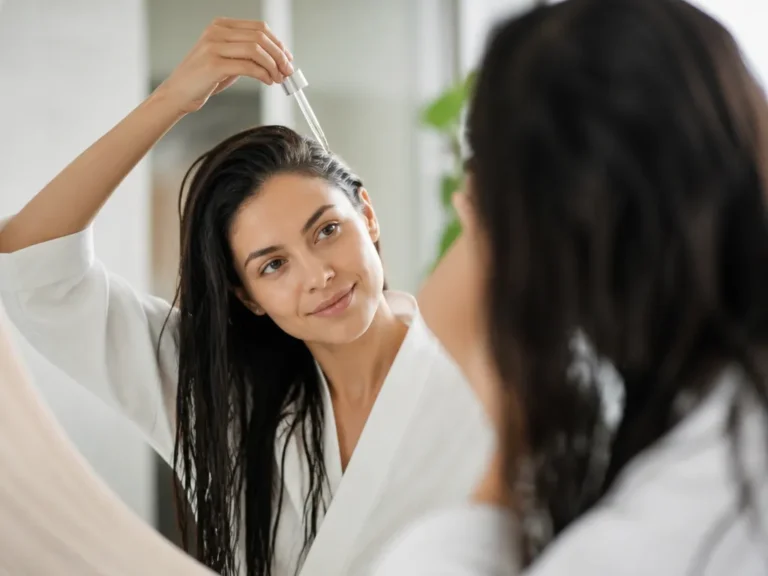
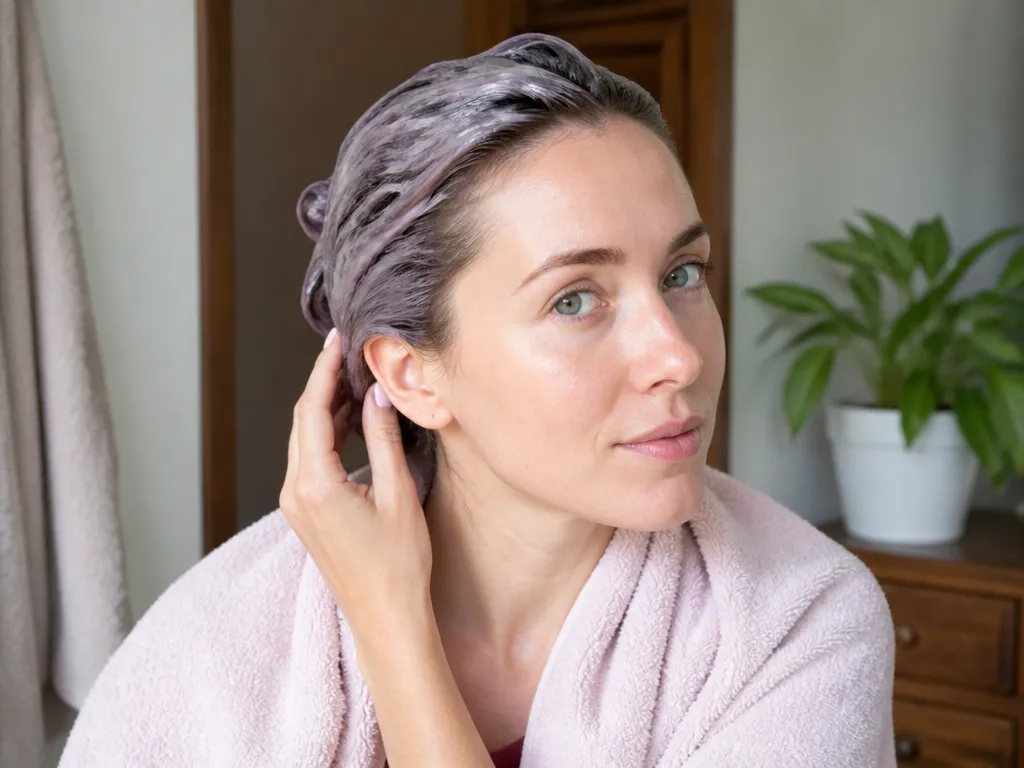
Struggling with whether to use a hair mask after dyeing your hair? Totally normal, because dyeing is a chemical process and you want your color to look fresh. The good news is a mask can help with softness, but the wrong type used too soon can make your shade fade faster.
Yes, but wait 24 to 48 hours for most people, and choose deep-conditioning masks (like argan oil and shea butter) over anything “clarifying.” If your hair feels crunchy or dry, a gentle hydrating mask is usually safe, but skip anything that strips oils or disrupts the cuticle right after coloring.
Best for: all hair types that feel dry or tangly after dyeing. Use caution if: you have very sensitive scalp, you dyed with bleach, or your mask is clarifying.
Can I Use A Hair Mask After Dying My Hair?
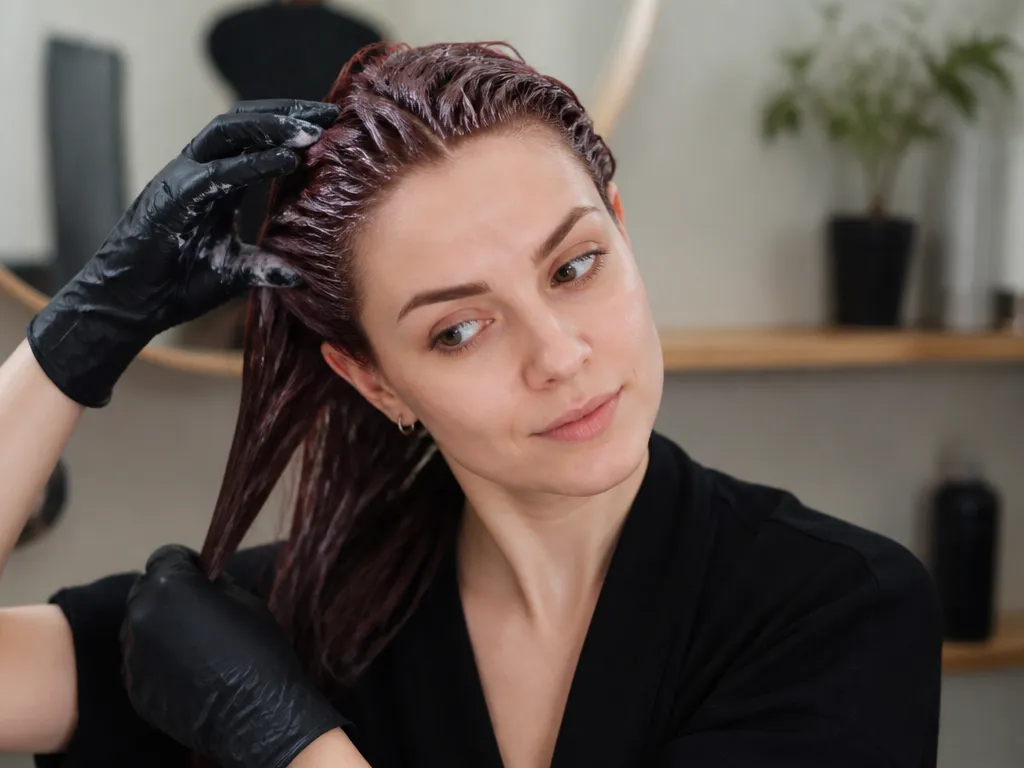
Hair masks are generally safe after coloring, but the timing matters more than the marketing name on the jar. Right after dye, your hair cuticle is still adjusting, so some masks can reduce color vibrancy or increase fade if they are too “clarifying” or heavy on surfactants. A deep conditioning mask is usually your safest bet once the dye process is fully rinsed out.
Immediate post-color care comes down to one goal: keep dye where it belongs while restoring moisture the strands lose during processing. Coloring opens the cuticle, and overly cleansing products can pull out color pigments before they set. Vivid shades like reds, violets, and intense blondes may benefit from especially gentle care.
Immediate Timing, Moisture, And Color-protection
Moisture matters now because chemical processing can make hair feel rough and look dull even if the shade is correct. Conditioner and masks with rich emollients help smooth the cuticle and reduce the “grabby” texture that makes color look less vibrant. This works best for oily to combination scalps because you can focus conditioning on mid-lengths and ends, keeping the roots lighter.
For example, if you dyed at home and the dye instructions recommend rinsing with cool water until it runs clearer, do that first. Then use a gentle, sulfate-free conditioner right away if your hair feels dry or tangled. After that, switch to your mask after the first 24-hour window for best fade control.
| Mask Type | What It Usually Does | Best Time After Dye | Best For |
|---|---|---|---|
| Color-depositing mask | Recharges tone/pigment | 24-48 hours | Red, copper, brunette refreshers |
| Deep conditioning mask (no clarifiers) | Repairs moisture and slip | 24 hours | Dry, porous, frizz-prone hair |
| Clarifying/detox mask | Strips buildup | Avoid for 1-2 weeks | Only if your colorist specifically says |
Colorist tip: Apply mask only from mid-lengths to ends, and keep it off the scalp to prevent buildup that can dull shine on all skin tones and hair colors.
To protect your color investment, prioritize masks with conditioning ingredients like ceramides, glycerin, panthenol, and fatty alcohols, which smooth the cuticle without “washing out” pigments as aggressively as clarifying formulas. For coarser, thicker hair that feels crunchy after processing, a more emollient mask can be a lifesaver, while fine hair should use smaller amounts and shorter dwell times to avoid heaviness.
Identify Your Post-color Hair Needs
Chemical dyes open the hair cuticle to deposit pigment, which often leaves the shaft more porous and prone to moisture loss. This change in structure determines whether you need a protein-heavy repair mask or a moisture-focused hydrating treatment.
A float test reveals your hair’s porosity. Place a clean, product-free strand of hair in a glass of water for five minutes.
Hair that sinks quickly has high porosity. This means it absorbs moisture fast but loses it just as quickly. Hair that floats suggests low porosity, which means it resists moisture and needs heat to let treatments penetrate.
Color-treated hair often feels rough or “straw-like” because the cuticle is lifted. Tangled hair or a gummy feel when wet indicates compromised protein bonds.
| Damage Level | Texture | Primary Need |
|---|---|---|
| Mild | Dry or Frizzy | Hydration |
| Moderate | Rough or Tangled | Moisture + Protein |
| Severe | Brittle or Gummy | Intensive Bond Repair |
For high porosity or severe damage, use hydrolyzed keratin or amino acids to fill the gaps in the hair shaft. Budget option: Maui Moisture ($7). Splurge option: K18 Leave-In Mask ($75).
For low porosity or mild dryness, prioritize glycerin or aloe vera to draw moisture into the hair without weighing it down. Budget option: Garnier Fructis Hair Food ($7). Splurge option: Briogeo Don’t Despair, Repair! ($30).
Esthetician tip: Apply masks from the mid-lengths to the ends. Avoid the scalp to prevent greasy roots and clogged follicles.
Always patch test new masks on a small section of hair behind the ear. This ensures the ingredients do not react with your specific dye or cause scalp irritation.
Essential Ingredients For Color Longevity
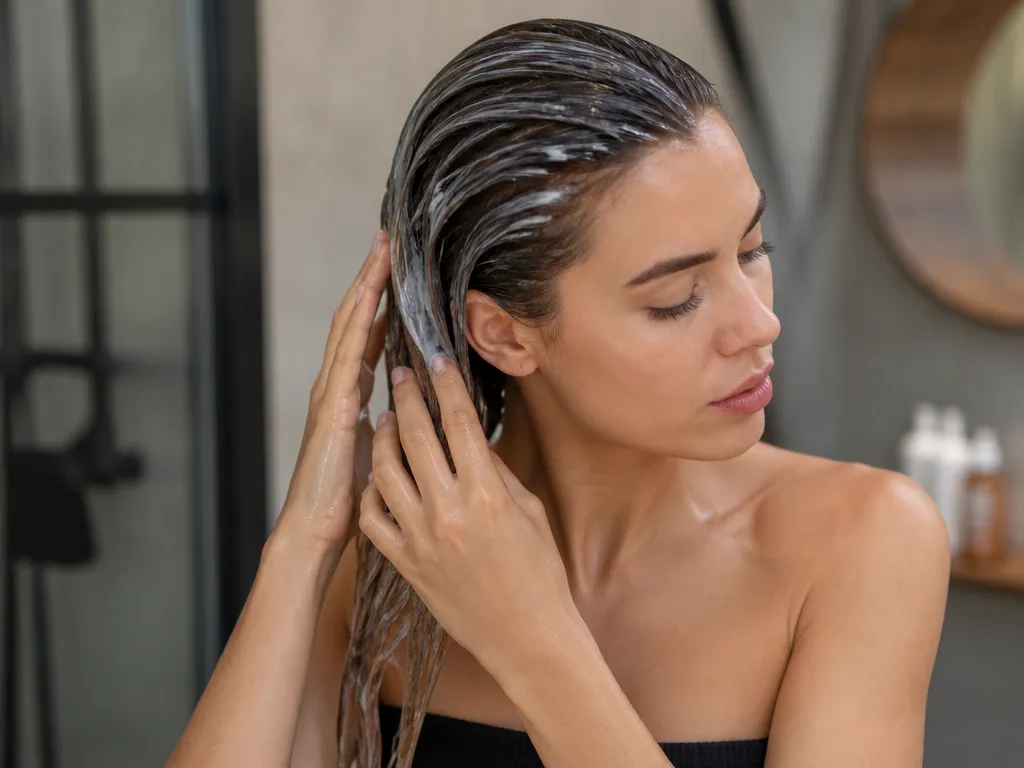
After dyeing your hair, specific ingredients can dramatically extend color vibrancy by sealing the cuticle and preventing color molecules from washing out. These targeted ingredients work to repair and protect chemically treated hair, maintaining your fresh color longer between salon visits.
Natural Oils For Cuticle Sealing
Argan and jojoba oils create a protective barrier around each hair strand, smoothing the cuticle and preventing color molecules from escaping. These lightweight oils penetrate without buildup, making them ideal for color-treated hair that needs both protection and moisture. Look for masks containing at least 5% concentration of these oils for optimal results.
| Item | Amount/Specification | Notes |
|---|---|---|
| Argan Oil | 5-10% concentration | Rich in vitamin E, creates protective barrier |
| Jojoba Oil | 3-7% concentration | Structurally similar to natural hair oils |
Proteins For Structural Repair
Keratin and amino acids penetrate the hair shaft, repairing damage from the dyeing process and strengthening the hair structure to prevent color fading. These ingredients fill in gaps in the cuticle, creating a smoother surface that reflects light better and maintains color vibrancy. For chemically treated hair, masks with hydrolyzed keratin at 2-4% concentration provide optimal results.
Humectants For Moisture Balance
Panthenol and glycerin draw moisture into the hair without creating excess weight or buildup that could strip color. These ingredients help maintain the ideal moisture balance that prevents hair from becoming dry and porous, which accelerates color fading. When selecting a mask, look for formulas with panthenol at 1-3% concentration and glycerin at 2-5% concentration for optimal color protection.
| Item | Amount/Specification | Notes |
|---|---|---|
| Panthenol | 1-3% concentration | Penetrates hair shaft, improves elasticity |
| Glycerin | 2-5% concentration | Humectant that attracts moisture |
Color-depositing Pigments For Maintenance
Color-depositing masks contain microscopic pigments that adhere to the hair shaft, refreshing color between salon visits and neutralizing unwanted tones. These masks work by temporarily adding color to the hair’s surface, making them particularly effective for maintaining vibrant fashion colors or covering early signs of regrowth.
Perfect Post-dye Masking Routine
A post-dye hair mask helps smooth the hair cuticle and reduce the immediate leaching of pigment. This process restores the lipid barrier that chemical dyes often strip away during the oxidation process.
Esthetician tip: Always perform a patch test on a small strand of hair first to ensure the mask does not shift your specific color tone.
Customizing By Hair Type
Fine hair needs lightweight options. Heavy butters can weigh down the roots and make the hair look greasy. Look for masks with aloe vera or hyaluronic acid to provide hydration without adding bulk.
Coarse or curly hair needs intense lipids. These textures absorb moisture slowly and require rich ingredients like shea butter or coconut oil. These ingredients fill the gaps in the cuticle for a smoother finish.
For instance, someone with tight coils should look for a mask that emphasizes “deep conditioning” rather than “volumizing.” This ensures the hair stays manageable and avoids frizz after the chemical stress of dyeing.
| Product | Approx. Price | Key Ingredient | Best For |
|---|---|---|---|
| Briogeo Don’t Despair, Repair! | $30 | Biotin | Damaged/Dry |
| Garnier Fructis Hair Food | $7 | Aloe Vera | Fine/Normal |
Mistakes That Strip Your Color
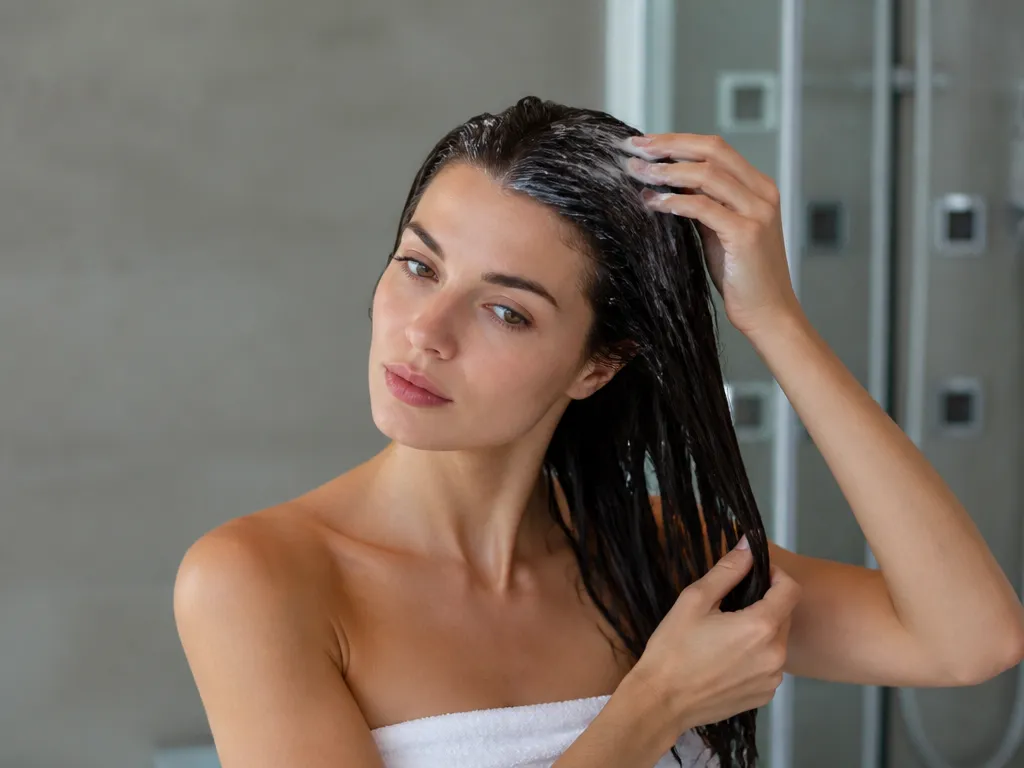
Color fading speeds up when you pull out the surface layers of your hair with harsh cleansers, overload strands with heavy film-forming masks, or skip heat protection so the dye gets “baked” faster. The biggest culprit is often your shampoo, because it removes the protective coating that helps new dye look crisp.
Avoiding Clarifying Sulfates
Clarifying shampoos that lean hard on strong surfactants can strip the fresh dye tone along with buildup, especially in the first 7 to 14 days. If your scalp is oily, you can still cleanse well, but swap “clarifying” for a gentle color-safe formula and use it less often.
Look at the ingredient list for strong sulfate patterns such as Ammonium Lauryl Sulfate or Sodium Lauryl Sulfate, and be cautious with very “stripping” cleansing blends. This works best for oily to combination scalps that tend to get residue fast, and it is equally important for dry scalps because over-cleansing increases porosity, which makes color bleed sooner.
| Item | Amount/Specification | Notes |
|---|---|---|
| Shampoo strength | Gentle, color-safe cleanser | Prefer sulfate-minimizing options over clarifiers right after dye. |
| Wash frequency | Start with 2 to 4 times/week | Adjust for oily scalps, but avoid daily washing for the first two weeks. |
| Clarifying use | Only when truly needed | If you must clarify, do it before dye or wait until your color has settled. |
Limiting Heavy Protein Loads
Protein is great when your hair is truly under-moisturized or over-porous, but a “protein mask” right after dye can feel stiff and make color look dull by roughening the cuticle. This is especially common for fine hair and wavy or curly hair that already has texture, because those patterns hold onto residue and can feel coated quickly.
For the first couple of weeks post-dye, prioritize masks with humectants and emollients rather than repeated high-protein treatments. If your hair feels gummy, ropes together when wet, or looks flat, cut protein-heavy steps and switch to a smoothing, moisture-first mask.
Patch test warning: If you have a sensitive scalp or history of irritation, apply the mask behind one ear or on a small section of hairline first. Rinse well and monitor for 24 to 48 hours before using on your full head.
Skipping Heat Protection
Skipping heat protectant is one of the fastest ways to accelerate fade, because hot tools increase cuticle opening and pigment release. This matters for all hair types, but it is especially noticeable on color-treated brunettes and vibrant reds, where tone can shift quickly from high-impact to washed out.
For best results, apply heat protection every time you style with a blow dryer, flat iron, or curling wand, and keep tool temperatures moderate. This is a simple habit that protects shine and makes your mask work better, because a smoother cuticle helps retain conditioning so your color looks richer longer.
Drugstore Vs High-end Options
Drugstore masks typically focus on surface-level smoothing with silicones, while professional treatments use smaller molecular weights to penetrate the hair shaft. Both options work for post-color care depending on the level of damage.
Budget-friendly Hydration
Budget options are ideal for moisture maintenance in healthy hair. These formulas use larger molecules that coat the cuticle to prevent tangles and add immediate shine.
For instance, a basic Garnier Hair Food mask provides decent hydration for a low price. It works best for low porosity hair that does not need deep internal repair.
Professional Salon-grade Treatments
Salon-grade masks target the internal structure of the hair. These formulas often contain hydrolyzed proteins that fill gaps in the cuticle caused by bleach or ammonia.
For example, Olaplex No. 8 uses a patented bond builder to repair broken disulfide bonds. This is necessary for hair that feels brittle or “mushy” after a heavy lift.
Pro tip: Apply masks to towel-dried hair rather than soaking wet hair to prevent the product from sliding off the shaft.
| Product Level | Avg Price | Key Ingredient | Best For |
|---|---|---|---|
| Drugstore | $5 – $15 | Silicones | Surface shine |
| High-End | $30 – $60 | Amino Acids | Structural repair |
Color-enhancing Budget Finds
Budget color-depositing masks can extend the life of a dye job without a salon visit. These products add a layer of pigment to the outside of the hair to mask fading.
In practice, using a tinted mask once a week prevents the “brassiness” often seen in blondes. Always perform a patch test on a small strand of hair first to ensure the tone does not turn out too dark.
Follow this application order for the best results: Shampoo → Hair Mask → Conditioner (to seal the cuticle) → Leave-in Conditioner.
Professional Secrets For Lasting Shine
A pH-balanced mask can support shine and smoothness after coloring. Skip any clarifying or very “deep cleanse” formulas during the first wash, and focus on conditioning ingredients that reduce friction.
pH-balanced care protects both shine and color. A mask labeled pH 4-5.5 is usually gentler on freshly dyed hair because it helps the cuticle sit flatter, which reduces fading from friction and water exposure. This works best for dry, porous, and medium to thick hair that needs moisture without swelling the cuticle too much.
In practice, match the mask type to your dye job. Color-depositing masks are great for keeping dimension, especially for reds and brunettes, but they still need the right timing so pigments do not smear into uneven spots. Deep conditioning masks focus on slip and moisture rather than extra pigment.
Reducing Thermal Damage
Thermal tools can accelerate fade by pushing moisture out and roughening the cuticle, even when your mask is pH-friendly. Keep heat low and use a protectant every time you style, especially for wavy and curly textures where the hair is naturally drier and more prone to frizz. This matters most for balayage, bleached ends, and high-lift shades because those areas have higher porosity.
Derm tip: Style on towel-damp hair, then use a heat protectant from mid-length to ends. Let hair cool before brushing or re-styling.
Scheduling Deep Treatments
Plan deep care around how fast your specific color fades. Expect most shades to benefit from a mask 1 time per week, while very porous or dyed-damaged hair may need every 5-7 days for 4-6 weeks, then taper. This cadence keeps hair soft without overloading it with heavy conditioning that can weigh down fine hair.
For example, if you went from dark brown to caramel highlights, your ends will fade first and feel roughest. For fine hair, keep masks focused on mid-lengths and ends only, and rinse well to prevent buildup that can dull shine on all skin tones, from fair to deep complexions, because the hair texture is the limiting factor here.
| Hair Color Situation | Mask Frequency | Mask Type | Timing After Dye |
|---|---|---|---|
| Single-process color (virgin or refreshed) | 1x/week | Deep conditioning, pH-balanced | Wait 24 hours |
| Highlights or balayage | 1x/week to every 5-7 days | Moisture + bond support ingredients | Wait 24-48 hours |
| Brassy tones or vivid fashion color | Every 5-10 days | Color-depositing (pigment-light) | Wait 48 hours |
Scheduling is the hidden protector of vibrancy. If your hair feels coated or looks dull, stretch mask time and focus on a lighter conditioner on other washes; if strands feel tight or dry, increase mask frequency slightly and always prioritize pH-balanced formulas.
Quick Summary
A deep-conditioning mask can help restore softness after dyeing, while clarifying formulas may contribute to faster fading. Masks with emollients like argan oil and shea butter are highlighted as safer for color longevity.
Apply the mask from mid-lengths to ends, not directly on the scalp, and use patch testing if you are prone to irritation. Skip clarifying or “reset” masks, especially if you dyed with bleach or have a sensitive scalp.
| Hair mask type | What it usually does | Best time after dye |
|---|---|---|
| Color-safe deep conditioning mask | Repairs moisture and slip, helps smooth the cuticle | 24 hours |
| Color-depositing mask | Recharges tone or pigment | 24 to 48 hours |
| Clarifying or “detox” mask | Strips buildup, can fade color | Avoid for 1 to 2 weeks |
Frequently Asked Questions
How Long After Dying My Hair Can I Use A Hair Mask?
It is safest to wait until your dye is fully processed and you have rinsed and conditioned as directed, then use the mask about 24 hours later to avoid disturbing color.
Will A Hair Mask Make My Dyed Hair Color Fade Faster?
It can, especially if your mask is very clarifying or has strong cleansing surfactants. For color-treated hair, choose a hydrating, conditioning mask and keep it to 1 to 2 times per week.
Can I Use A Hair Mask If I Have A Sensitive Scalp?
Yes, but apply it to mid-lengths to ends, not your scalp, and do a quick patch test 24 hours before if you are prone to irritation or allergic reactions.
Do I Really Need To Shampoo After Dye Before Using A Hair Mask?
Yes, you should follow the dye instructions and shampoo if the directions say to, because you want to remove excess dye and chemicals first. After that, a mask is mainly for hydration and slip, not color fixing.
Is The Expensive Hair Mask Worth It Compared To A Drugstore One?
Often, yes if the pricey mask has a better formula for your specific hair type, like heavier moisturization for dry hair or gentler conditioning for fine hair. Start with a trusted hydrating mask you can tolerate well, and switch up if your hair feels coated, greasy, or dry after use.

- Pre-Poo Treatments for Low Porosity Hair: 7 Essential Steps - September 20, 2026
- What To Avoid After Prp Hair Treatment? - August 28, 2026
- What Is The Malibu Treatment For Hair? - August 27, 2026