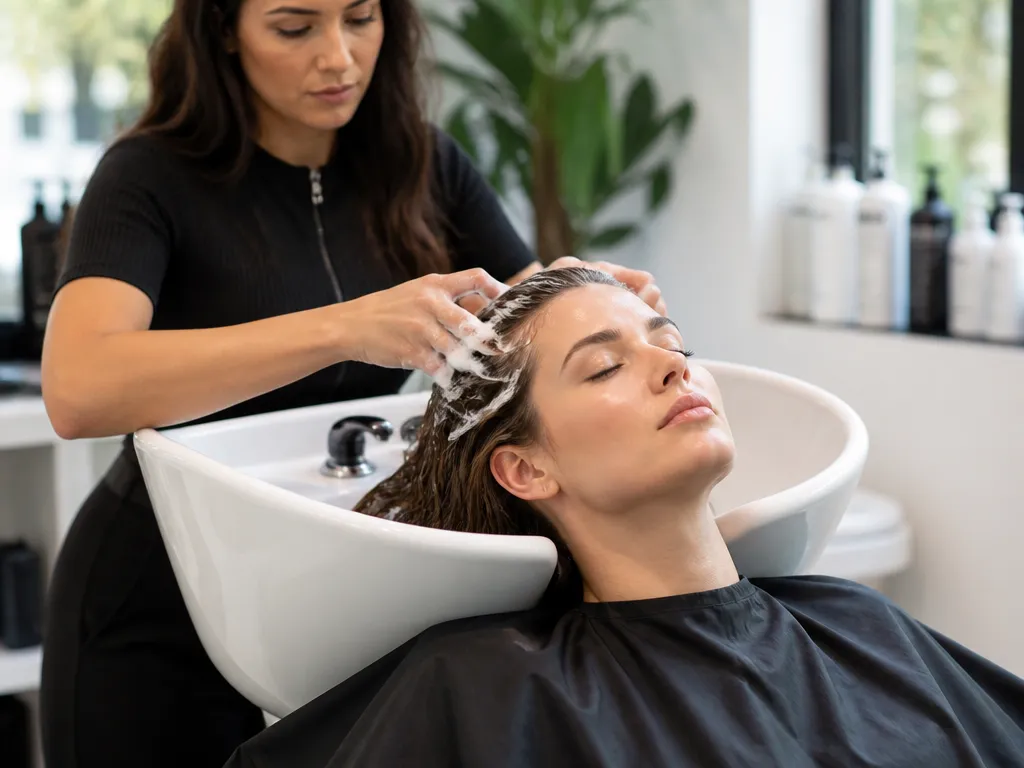
What Is The Malibu Treatment For Hair?
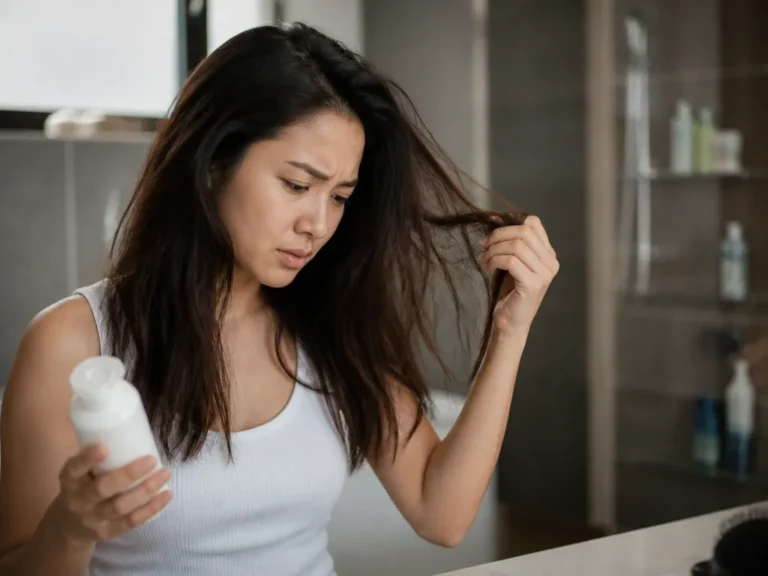
Struggling with dull, lifeless hair that feels coated despite regular washing? You’re not alone. Hard water, chlorine, and product buildup can leave mineral deposits that weigh down your strands and make color treatments look uneven. This guide cuts through the confusion to explain what the Malibu treatment really does and how it can transform your hair from drab to fab.
Malibu treatment is a chelating hair treatment that removes mineral buildup from hard water deposits, chlorine, and styling product residue. It contains EDTA and sodium chelate to bind to minerals, plus citric acid to dissolve deposits, typically requiring 5-10 minutes to work effectively. Best for: normal to thick hair with buildup. Use caution if: hair is severely damaged or scalp is irritated.
What Is The Malibu Treatment For Hair?
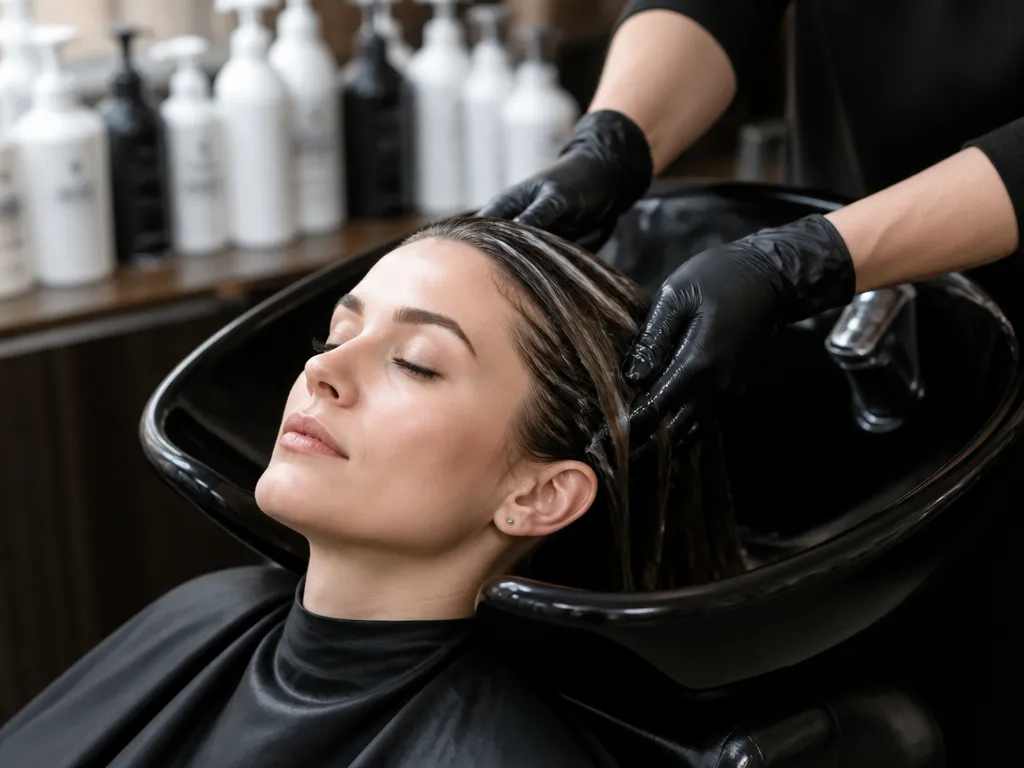
This specialized treatment uses a blend of chelating agents and vitamin C to break down deposits left by hard water, chlorine, styling products, and environmental pollutants that accumulate on hair over time.
Mineral buildup creates a film on hair that prevents moisture and nutrients from penetrating the cuticle, leading to dullness, dryness, and reduced product effectiveness. The Malibu treatment works through a chemical process called chelation, which binds to mineral ions and removes them from the hair shaft. This process restores hair’s natural ability to absorb moisture and respond to conditioning treatments.
Unlike regular clarifying shampoos that only remove surface residue, the Malibu treatment goes deeper to eliminate embedded minerals that have bonded to the hair. This makes it particularly effective for swimmers, people with hard water, and those who frequently use protein-rich or silicone-based products that can leave buildup.
What The Malibu Treatment Is Not
It’s important to understand that the Malibu treatment is not a conditioning treatment or a protein treatment. While it improves hair’s ability to absorb moisture, it doesn’t add moisture or proteins to the hair structure. It also doesn’t repair damage or split ends; its primary function is mineral removal.
| What Malibu Treatment DOES | What Malibu Treatment DOES NOT |
|---|---|
| Removes mineral buildup | Repairs damaged hair |
| Improves product absorption | Adds moisture/proteins |
| Restores hair brightness | Treats split ends |
| Prepares hair for color | Acts as a daily shampoo |
The treatment typically comes in powdered form that you mix with water to create a clarifying solution. After applying it to damp hair, you leave it on for a specified time (usually 5-10 minutes) before thoroughly rinsing. For best results, it should be followed by a moisturizing conditioner to restore hydration after the deep cleansing process.
While the Malibu treatment is safe for most hair types, it can be too stripping for extremely dry or damaged hair. Those with severely compromised hair should consult a professional before use. The treatment is also not recommended for use immediately after chemical services like coloring or perming, as the deep cleansing action can potentially fade color or interfere with chemical treatments.
Identify Your Buildup Type
Hair buildup consists of minerals from hard water, chemical residues from pools, and accumulated styling products that create a film on the cuticle. These deposits block moisture from entering the hair shaft and make the hair feel rough or look dull.
Mineral And Environmental Deposits
Hard water contains high levels of calcium and magnesium. These minerals bind to the hair shaft and create a waterproof barrier that prevents conditioners from working. This often results in a straw-like texture and a lack of shine.
For instance, if you notice a chalky white residue on your showerhead or faucets, your home likely has hard water. This buildup can cause blonde hair to turn brassy or orange and brunette hair to look matte.
Chlorine from swimming pools causes a different type of residue. It strips natural oils and can leave a greenish tint on light-colored hair. This chemical buildup makes the hair feel brittle and prone to breakage.
| Buildup Type | Primary Cause | Visual Sign | Texture |
|---|---|---|---|
| Mineral | Hard Water | Brassy/Orange tones | Stiff, waxy |
| Chemical | Pools/Gyms | Greenish hue | Dry, brittle |
| Product | Silicones/Oils | Flat, greasy roots | Heavy, limp |
Product And Sebum Accumulation
Product buildup happens when ingredients like silicones, waxes, and heavy oils stay on the hair. This is common for people who use dry shampoo frequently or heavy leave-in conditioners. These layers attract dust and pollution from the air.
For example, if your hair feels greasy only a few hours after washing, you likely have sebum and product overlap. This buildup prevents the hair from bouncing and can make the scalp feel itchy.
Esthetician tip: Perform a patch test on a small strand of hair if you have a sensitive scalp or very fragile, bleached ends before using a full chelating treatment.
This process is especially critical for high porosity hair or color-treated locks that absorb minerals more easily. Drugstore clarifying shampoos (like Neutrogena Anti-Residue) remove surface oils, but professional chelation is needed for heavy metal deposits.
Key Chelating Ingredients To Look For
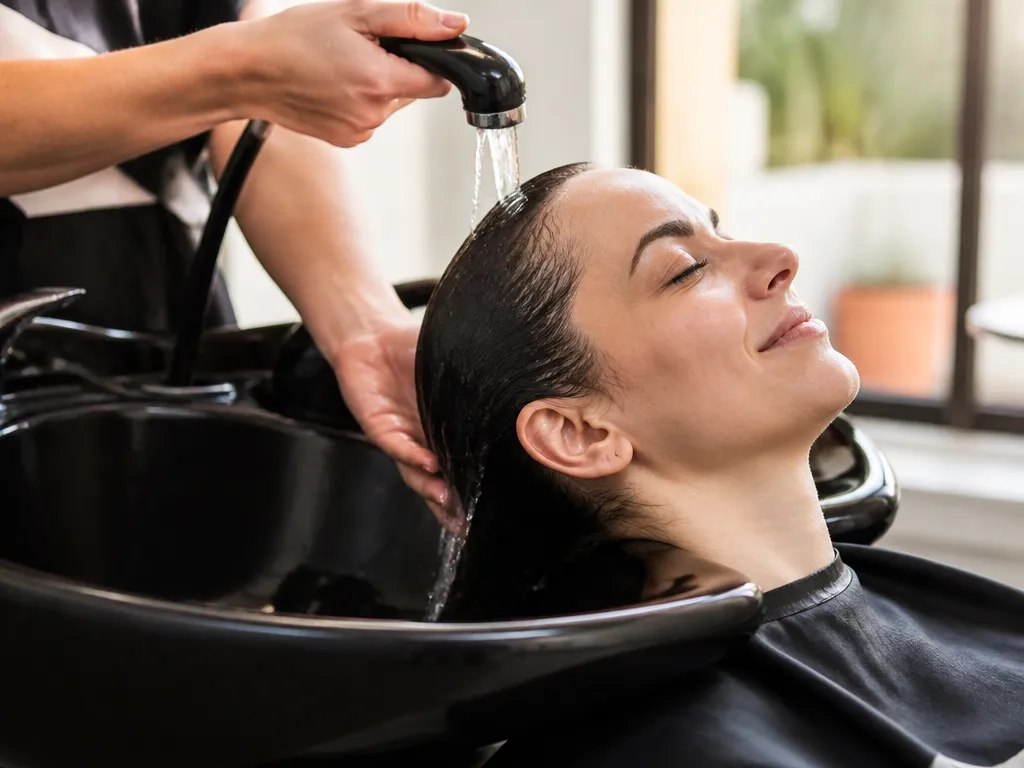
Chelating agents work by binding to metal ions like calcium, magnesium, and copper to prevent them from adhering to the hair shaft. This chemical process lifts mineral deposits and heavy metal residue away from the cuticle, allowing them to be rinsed out during the wash. Effective treatments rely on these specific molecules to clean hair without stripping the essential moisture or natural oils required for hair health.
Primary Chelating Agents
EDTA (Ethylenediaminetetraacetic acid) is the industry standard for deep mineral removal. It is a highly effective synthetic agent that surrounds metal ions and pulls them away from the hair fiber. While it is powerful, it works best in formulated treatments rather than daily shampoos to avoid over-processing the hair.
Organic chelators like Sodium Phytate offer a gentler alternative for those with sensitive scalps or fine hair. These plant-derived ingredients are often found in high-end, “clean” beauty formulations. They provide a slower, more gradual removal of buildup, which is ideal for maintaining hair integrity over time.
Professional tip: If you have extremely porous or chemically bleached hair, opt for organic chelators to minimize the risk of further drying out the cuticle.
Balancing And Cleansing Components
Acidic pH balancing agents are necessary to seal the hair cuticle after the chelating process. Minerals often leave the hair feeling rough or alkaline, so ingredients like Citric Acid or Lactic Acid help restore the hair’s natural, slightly acidic environment. This smoothing effect is what creates the “glass hair” shine after a treatment.
Gentle surfactants ensure that the scalp remains healthy while the minerals are being removed. Look for ingredients like Cocamidopropyl Betaine or Decyl Glucoside rather than harsh sulfates. These ingredients lift debris without causing the irritation or tightness often associated with heavy-duty clarifying shampoos.
| Ingredient Type | Common Examples | Best For |
|---|---|---|
| Strong Chelators | EDTA, Disodium EDTA | Hard water, heavy mineral buildup |
| Gentle/Organic Chelators | Sodium Phytate, Gluconic Acid | Sensitive scalps, fine/damaged hair |
| pH Balancers | Citric Acid, Apple Cider Vinegar | Closing the cuticle, adding shine |
| Mild Surfactants | Decyl Glucoside, Coco-Glucoside | Scalp health, daily maintenance |
For instance, a person living in an area with very high calcium levels might need the strength of EDTA to see a difference in hair texture. In contrast, someone just looking to remove light product residue or chlorine from a weekly swim might find that organic chelators and mild surfactants provide a safer, more consistent result.
Step-by-step Malibu Treatment Routine
The Malibu treatment requires careful preparation and execution for optimal results. Begin by washing your hair with a clarifying shampoo to remove surface buildup before applying the chelating solution. Then follow the product directions for application, processing, rinsing, and conditioning.
Common Mistakes To Avoid
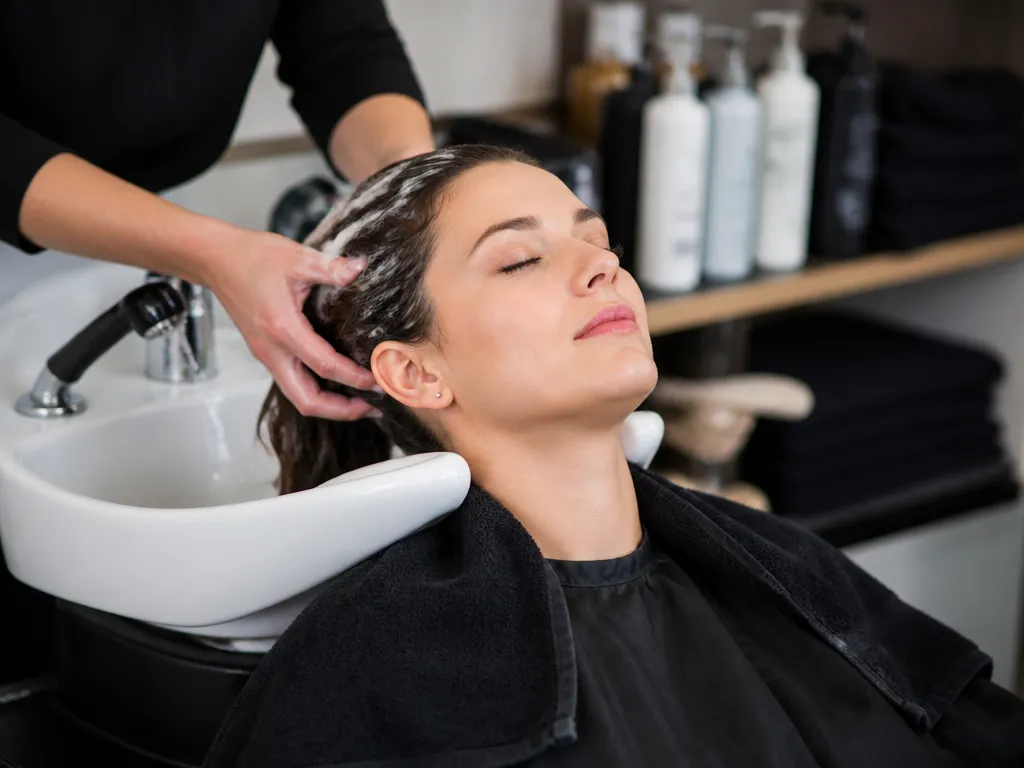
Over-treating with chelating agents strips the hair of essential lipids and can cause the cuticle to become overly porous. This often results in a straw-like texture if the process is repeated too frequently.
Frequency And Over-processing
Chelating treatments are more aggressive than standard clarifying shampoos. Using these products weekly can remove too many natural oils, which leaves the hair shaft vulnerable to environmental damage. For most hair types, a monthly or quarterly treatment is enough to manage hard water deposits.
For instance, people with very fine or high-porosity hair may find that monthly use is too harsh. They should move to a quarterly schedule to prevent the hair from feeling brittle or snapping during styling.
Post-treatment Hydration
The chelating process can leave the hair open to moisture loss. Seal the cuticle with a pH-balanced conditioner or a lipid-rich mask.
Look for ingredients like shea butter, argan oil, or hydrolyzed keratin to restore elasticity. A simple rinse-out conditioner is often not enough for the deep hydration needed after this process.
Scalp Sensitivity And Safety
Ignoring the condition of the scalp can lead to chemical irritation. The active crystals in these treatments are designed to bind to minerals, but they can be harsh on skin that is already compromised. People with psoriasis, seborrheic dermatitis, or open scratches should avoid applying the product directly to the scalp.
Drugstore Vs Professional Options
Professional Malibu C kits use specialized chelating agents designed to target heavy metal ions and mineral buildup more aggressively than standard clarifying shampoos. These salon-grade solutions provide a deeper level of detoxification for hair that feels heavy, stiff, or looks dull due to hard water. While drugstore alternatives offer surface-level cleaning, professional treatments penetrate the hair shaft to remove embedded minerals.
Comparing Treatment Levels
Professional kits are highly concentrated and often require specific application steps to ensure the chelating agents work effectively. They are ideal for individuals living in areas with high mineral content or those who frequently swim in chlorinated pools.
For example, a professional treatment can lift copper or iron deposits that cause green or brassy tones in blonde hair.
| Option Type | Primary Function | Best For | Typical Cost |
|---|---|---|---|
| Malibu C Professional | Deep chelation and mineral removal | Heavy hard water buildup, brassy tones | High |
| Drugstore Clarifying Shampoo | Surface product and oil removal | Weekly maintenance, light buildup | Low |
| Drugstore Chelating Shampoo | Targeted mineral reduction | Occasional hard water issues | Medium |
Drugstore chelating shampoos are a practical middle ground for those who want to manage mineral deposits without a salon visit. Look for ingredients like EDTA (Disodium EDTA) on the label, which acts as a chelating agent to bind to minerals. These products work well for regular maintenance but may not achieve the same level of clarity as a professional-grade kit.
Professional tip: Always follow a deep clarifying or chelating treatment with a moisture-rich mask to restore hydration lost during the detox process.
When To Visit A Stylist
Professional salon services are necessary when your hair undergoes extreme color shifts or feels physically “coated” despite regular washing. Stylists can monitor the integrity of your hair cuticle during the process to prevent over-processing. This is especially important if you have highly porous or chemically damaged hair that might react poorly to strong chelating agents.
In practice, you should book a professional treatment if you notice your expensive hair color is fading prematurely or turning an unnatural shade.
For instance, if your highlights look muddy or dark despite no change in your routine, mineral buildup is likely the culprit. A stylist can safely execute the treatment and immediately follow up with a pH-balancing step to close the cuticle.
Expert Tips For Lasting Shine
Installing a shower water filter is the most effective way to stop mineral deposits from returning immediately. This device removes chlorine, magnesium, and calcium before they touch your strands, preserving the clarity achieved by professional deep cleansing. Without this barrier, your hair will revert to its dull state within a few washes.
A high-quality filter can be installed easily on most standard showerheads. Look for models certified to remove at least 95% of chlorine and heavy metals. This small investment protects your investment in professional treatments.
Always rinse with cool water to seal the hair cuticle after any clarifying process. Warm water opens the cuticle, allowing minerals to slip back in. Finish every wash with a blast of cool water to lock in moisture and shine.
Overusing protein treatments after a deep cleanse can make hair brittle and stiff. You need to balance the protein with moisture to maintain elasticity. Look for ingredients like hydrolyzed wheat protein or keratin, but use them sparingly.
Optimizing Your Rinse Routine
The final rinse sets the tone for your hair’s texture and manageability. A cool water seal is non-negotiable for porous or fine hair types that struggle to hold moisture. It creates a temporary barrier against humidity and environmental pollutants.
- Step 1: Rinse with lukewarm water to loosen dirt.
- Step 2: Apply conditioner mid-length to ends.
Quick Summary
The process uses ingredients like EDTA, sodium chelate, and citric acid to bind to minerals such as calcium and magnesium. By removing these elements from the hair cuticle, the treatment helps restore shine and improves how hair absorbs moisture. It is most effective for normal to thick hair types experiencing dullness.
This treatment works through chelation, a process that takes approximately 5 to 10 minutes to complete. While it improves color vibrancy and texture, it is not a conditioning or protein treatment and does not repair split ends. Users should follow the application with a moisturizing conditioner because the chelating process can be slightly drying. For those living in hard water areas, performing this treatment every 4 to 6 weeks is recommended.
| Feature | Detail |
|---|---|
| Primary Function | Mineral chelation and removal |
| Key Ingredients | EDTA, sodium chelate, citric acid |
| Application Time | 5 to 10 minutes |
| Recommended Frequency | Every 4 to 6 weeks |
| Best For | Hard water and chlorine buildup |
Frequently Asked Questions
How Long Does It Take To See Results From A Malibu C Treatment?
You will likely see a difference in hair clarity and shine immediately after a single application. This treatment is designed to strip away mineral buildup, so the brightness and texture improvements are usually instant.
Can I Use A Malibu Treatment If I Have Sensitive Skin?
While the product is for hair, the solution can run down your face and neck during rinsing. Performing a patch test on a small area of skin and rinsing very quickly can help avoid irritation from the chelating agents.
What Is The Difference Between A Malibu Treatment And A Clarifying Shampoo?
Clarifying shampoos are designed for surface-level oil and product buildup, while a Malibu treatment uses chelating agents to target hard water minerals like calcium and magnesium. This makes the treatment much more effective for correcting brassiness or dullness caused by well water.
Do I Really Need To Use A Professional Salon Version?
The professional kits are often more concentrated, but you can find at-home versions of chelating treatments that work well for maintenance. If you have extremely heavy mineral deposits or complex color issues, the professional strength is worth the investment.
What Is The Correct Order To Apply This Treatment For Best Results?
You should always apply the treatment to clean, damp hair before using your regular conditioner or deep mask. This ensures the chelating ingredients can reach the hair shaft without being blocked by heavy silicones or oils.

- 10 Best Hair Oil For Oiling Buyer Guide 2026 - October 26, 2026
- 10 Best Hair Oil For Overnight Treatment Buyer Guide 2026 - October 26, 2026
- 10 Best Hair Oil For One Year Old Baby Buyer Guide 2026 - October 26, 2026