How Often Should You Deep Condition Your Hair 4c?
Managing 4c hair can feel like a full time job when your curls constantly feel parched or brittle. You are likely stuck in a cycle of applying oils only to find your strands still lack that essential bounce. Building a moisture schedule that works for your specific texture is the key to healthy hair.
Deep conditioning 4c hair should happen every 7 to 14 days. For maximum results, use humectants like glycerin to draw in moisture and emollients like shea butter to seal it in.
Best for: Coiled and kinky hair textures. Use caution if: You have significant product buildup or extremely fine strands.
How Often Should You Deep Condition Your Hair 4c?

Most 4c hair thrives with a deep conditioning treatment every 7 to 14 days. This frequency ensures the tight coils receive enough moisture to prevent breakage and maintain elasticity.
The tightly coiled structure of 4c hair prevents natural sebum from moving down the hair shaft. This leads to chronic dryness that a simple rinse cannot fix.
Daily leave-in conditioners provide a surface layer of moisture. Deep conditioners use heavier emollients and humectants to penetrate the cuticle for long-term hydration.
| Wash Schedule | Deep Conditioning Frequency | Primary Goal |
|---|---|---|
| Weekly | Every 7 days | High moisture maintenance |
| Bi-weekly | Every 10-14 days | Balance and prevention |
| Protective Styles | Every 14 days | Scalp and hair health |
For instance, if you use a clarifying shampoo to remove buildup, you should always follow it with a deep conditioner. This replaces the lipids stripped away by the strong surfactants.
Look for ingredients like shea butter, glycerin, or hydrolyzed protein. These provide the slip and strength needed for detangling.
Budget options include Mielle Organics ($15) or SheaMoisture ($14). A higher-end option is Briogeo ($28). All three use plant-based oils to improve manageability.
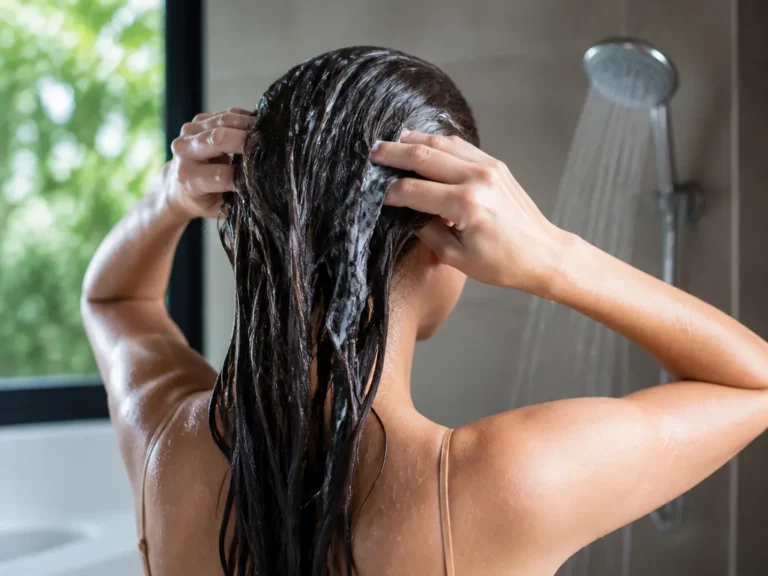
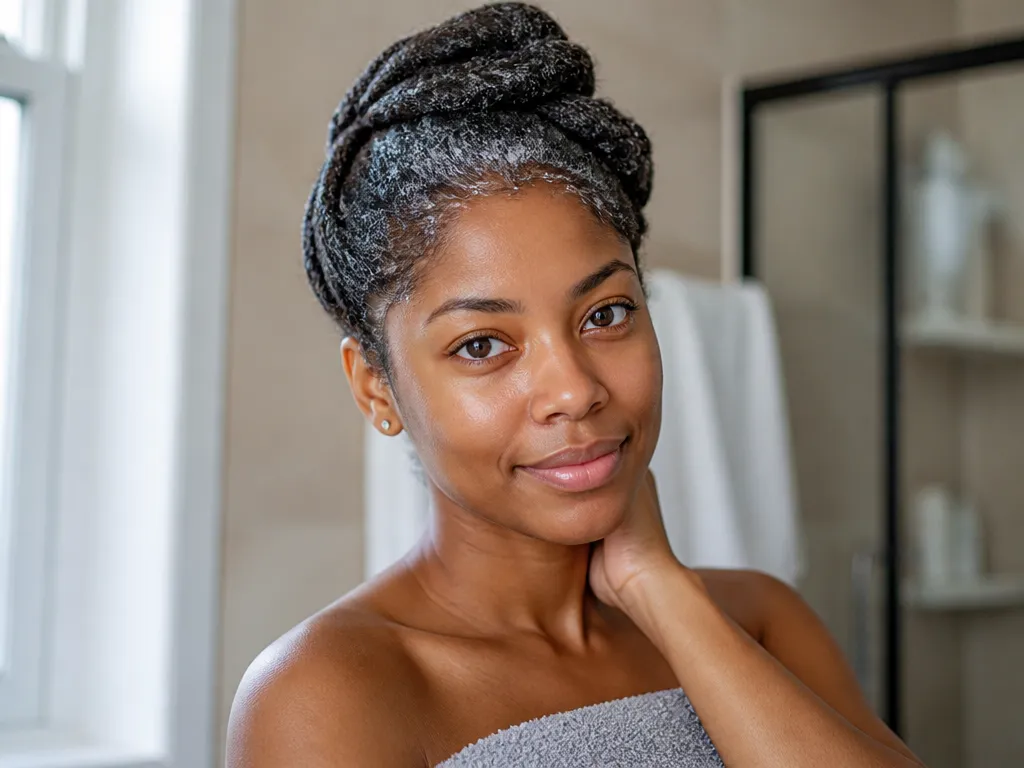
Professional tip: Apply deep conditioner to damp, detangled hair and use a steamer or heat cap to open the cuticle for better penetration.
The correct application order is: cleanser → deep conditioner → rinse → leave-in conditioner → oil.
Expect to see a difference in softness and shrinkage within 2 to 4 weeks of consistent use. Always perform a patch test on a small area of the scalp to check for reactions to new protein-heavy masks.
Identifying Your Specific Hair Needs
Hair porosity and existing damage levels determine how often 4c hair requires deep conditioning. High porosity hair loses moisture rapidly and needs more frequent treatments, while low porosity hair resists moisture and requires heat to open the cuticle.
Testing Your Porosity
Porosity is the ability of your hair cuticle to absorb and hold moisture. This factor determines if you need a weekly or bi-weekly deep conditioning schedule.
| Porosity Type | Water Test Result | Moisture Need | Recommended Ingredient |
|---|---|---|---|
| Low | Floats | Moderate (with heat) | Glycerin |
| Medium | Sinks Slowly | Standard | Aloe Vera |
| High | Sinks Quickly | High (Frequent) | Hydrolyzed Protein |
Assessing Damage And Dryness
Physical damage from chemical relaxers or high heat changes how your hair reacts to moisture. Hair that snaps immediately when stretched lacks elasticity and requires more frequent protein-based deep conditioners to repair the shaft.
For instance, hair processed with bleach or strong relaxers often develops high porosity. These strands need a deep conditioner every single wash day to prevent breakage and split ends.
Pro tip: Perform a stretch test on a few strands from the back of your head. If the hair does not stretch at all before breaking, prioritize protein treatments over pure moisture.
Budget options for these needs vary. High-end: Briogeo Don’t Despair, Repair! ($20-30). Drugstore: Mielle Organics ($10-15). Both contain proteins and moisture.
Essential Ingredients For Deep Hydration
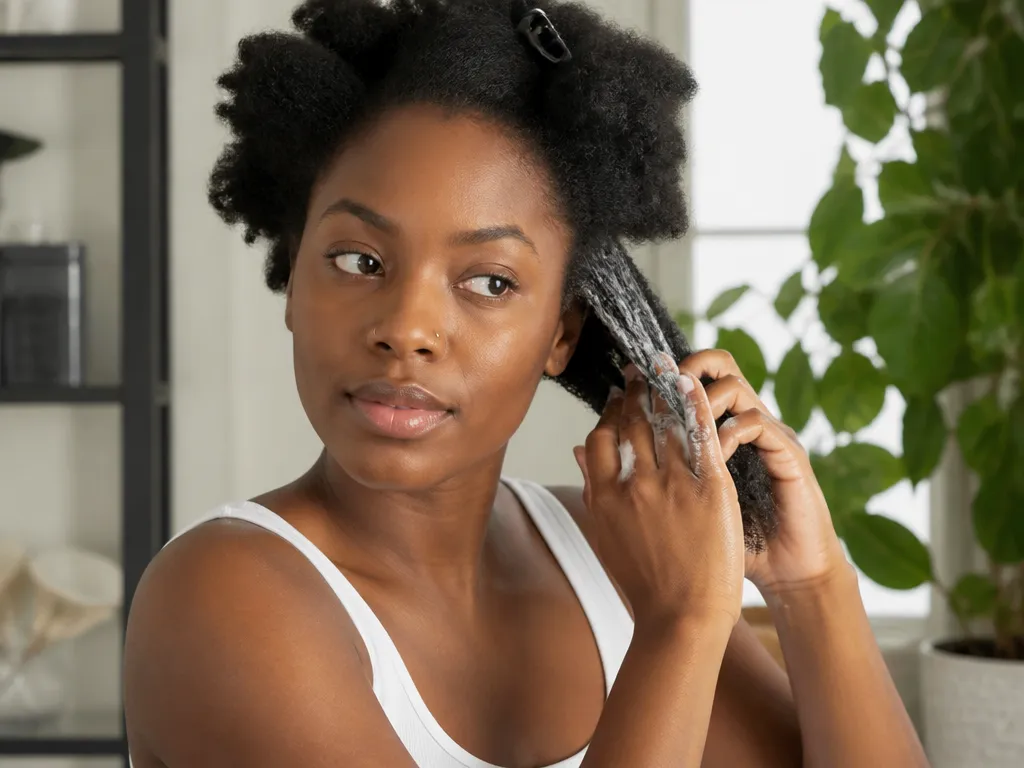
Deep conditioning masks for 4c hair rely on a balance of humectants to pull moisture into the hair shaft and emollients to seal that hydration in place. Proteins provide the necessary structural reinforcement to prevent breakage in fragile, tightly coiled strands.
Balancing Moisture And Strength
Humectants like honey, glycerin, and panthenol attract water molecules from the air, which helps 4c hair feel soft and pliable. Emollients such as shea butter, babassu oil, and cetyl alcohol create a protective barrier to prevent that moisture from evaporating. Using only humectants in dry climates can lead to further dehydration, so always ensure your mask contains enough emollient weight to lock hydration down.
Proteins like hydrolyzed wheat protein, keratin, or silk amino acids fill in gaps along the hair cuticle that result from daily manipulation or heat styling. Overuse of protein makes 4c hair feel brittle and stiff, so aim for a protein treatment only once every four to six weeks unless your hair has significant chemical damage.
| Ingredient Type | Primary Function | Best For |
|---|---|---|
| Humectant | Hydration attraction | Dry, thirsty strands |
| Emollient | Moisture retention | Sealing, shine, softness |
| Protein | Structural repair | Damaged, weak hair |
Esthetician Tip: If your hair feels mushy or loses its natural curl pattern, it is likely over-moisturized and needs a protein-rich treatment to restore elasticity.
Customizing Your Deep Conditioning Schedule
Deep conditioning frequency for 4c hair relies on your specific wash day interval, moisture retention levels, and the presence of chemical or heat damage. Most healthy hair responds well to weekly treatments, while damaged or high-porosity hair often requires a more frequent application to maintain elasticity.
Adjusting Based On Lifestyle And Styling
Protective styling requires a modified approach because your ends are tucked away but still prone to dryness. You must prioritize moisture during the installation process and maintain a routine that allows for scalp and hair health while the style is in place.
Dermatologist tip: If you wear braids or twists for longer than four weeks, use a spray-on leave-in conditioner at night to keep the hair hydrated, but avoid heavy creams that cause product buildup on the scalp.
When you use heat styling or chemical relaxers, the structural integrity of your hair fiber changes. These processes strip natural oils and lift the cuticle, necessitating a jump in intensity for your conditioning routine.
| Hair Condition | Recommended Frequency |
|---|---|
| Healthy, Virgin Hair | Every 10 to 14 days |
| Weekly Wash Days | Every 7 days |
| Heat-Styled or Relaxed | Weekly (alternate moisture and protein) |
| Protective Styles | Every 14 days (light misting) |
For individuals with dry or brittle 4c hair, pay attention to how your strands feel 48 hours after a wash. If the hair feels parched or snaps easily when stretched, move to a weekly schedule regardless of your previous routine. Avoid leaving deep conditioners on for longer than 30 minutes unless the bottle specifies an overnight formula, as over-moisturizing can lead to hygral fatigue, which weakens the hair shaft over time.
In practice, keep a simple log for one month to track how your hair reacts to different intervals. If you notice excessive shedding or limp curls, reduce your frequency. Consistent results usually appear after 4 to 6 weeks of testing one schedule, allowing you to fine-tune the timing for your specific hair needs.
Common Mistakes That Hinder Hair Health
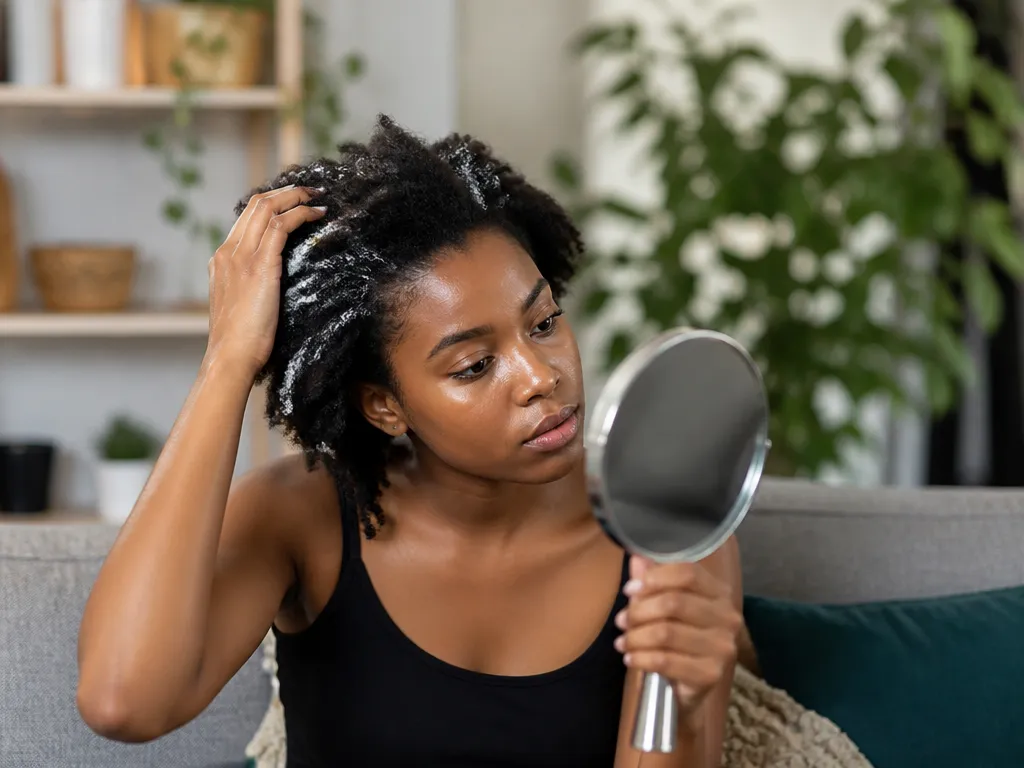
Over-conditioning leads to hygral fatigue, a state where the hair cuticle becomes excessively swollen and weak from repeated moisture absorption. This condition leaves 4c strands limp, mushy when wet, and prone to snapping because they lose their structural elasticity.
Product buildup acts as a barrier that prevents essential moisture from penetrating the hair shaft, regardless of how often you deep condition. Residue from heavy butters, silicones, or improper rinsing creates a waxy coating that makes hair feel dry even after a conditioning session.
Avoiding The Over-conditioning Trap
Striking the right balance requires listening to how your hair reacts to moisture versus protein. If your hair feels gummy, stretches without snapping back, or loses its natural curl pattern, you likely have too much moisture and need a protein-based treatment to restore structural integrity.
Dermatologist tip: Use a clarifying shampoo once or twice a month to remove mineral deposits and product buildup, ensuring your deep conditioner can actually reach the hair cuticle.
Proper Rinsing And Product Removal
Effective hair maintenance relies on thorough rinsing to prevent scalp irritation and dullness. Leaving deep conditioner residue behind creates a breeding ground for bacteria and prevents your leave-in products from absorbing correctly.
| Sign | Likely Cause | Action |
|---|---|---|
| Mushy/Gummy texture | Hygral Fatigue | Use a light protein treatment |
| Dull/Waxy feel | Product Buildup | Clarify with a chelating shampoo |
| Brittle/Snap | Moisture Deficiency | Increase deep conditioning frequency |
Consistency in your routine provides the best results, but flexibility is key when your hair environment changes. Adjust your frequency based on the climate, your current style, and how your hair feels under your fingers rather than sticking to a rigid, arbitrary schedule.
Budget-friendly And Effective Diy Options
Kitchen ingredients like avocado and olive oil provide the essential lipids and moisture needed for 4c hair textures. These natural fats penetrate the hair shaft to soften the cuticle and improve elasticity.
Diy Kitchen Treatments
Natural fats found in pantry staples effectively coat the hair to prevent moisture loss. These treatments work best when applied to damp hair during your regular wash day.
Always perform a patch test on your inner arm before applying new ingredients to your scalp to check for allergic reactions.
Drugstore Alternatives
Affordable brands often use the same high-quality ingredients found in luxury hair care lines.
Expert Tips For Lasting Moisture Retention
Moisture retention in 4c hair requires a combination of cuticle opening and a physical barrier to prevent evaporation. Without these steps, deep conditioners often sit on the surface of the hair shaft instead of penetrating the cortex.
Optimizing Penetration With Heat
Indirect heat expands the hair shaft and opens the cuticle. This allows water-based ingredients and proteins to enter the hair more effectively. Low, consistent heat is safer than high, direct heat.
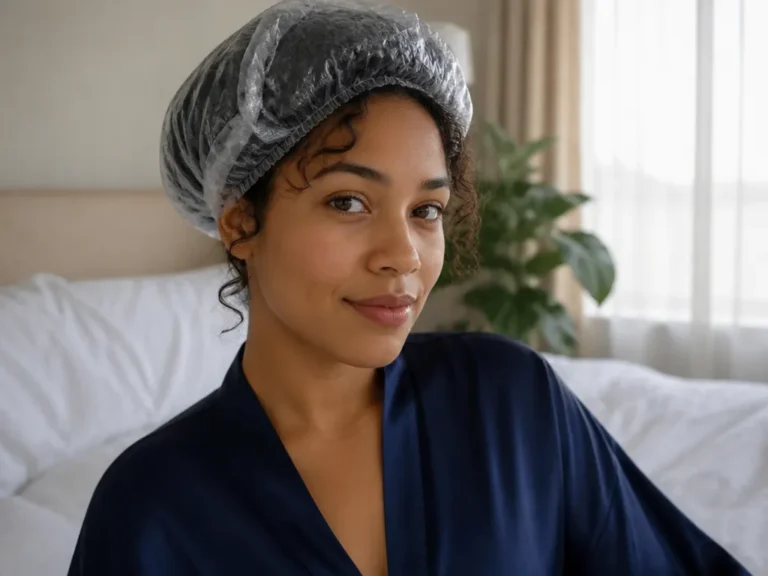
For instance, a steamer or a heated cap provides the steady warmth needed for deep penetration. If you do not have these tools, a plastic shower cap covered by a warm towel works well.
Professional tip: Keep the heat low to avoid scalp burns. Limit heat application to 15 – 30 minutes to prevent moisture loss from over-processing.
Budget alternatives for heat include the warm towel method (Free) or a microwaveable heat cap ($15 – $25). Both options help the product absorb better than air-drying alone.
Sealing Hydration With The Loc Method
The LOC method is a layering technique that traps moisture inside the hair. It uses a specific order of products to ensure the hair stays hydrated for several days. This method is ideal for high porosity 4c hair that loses moisture quickly.
The order of application is critical. You must apply the thinnest product first and the thickest product last.
| Step | Product Example | Key Ingredient | Purpose |
|---|---|---|---|
| Liquid | Water/Leave-in | Glycerin | Hydrates |
| Oil | Jojoba Oil | Squalene | Seals |
| Cream | Shea Butter | Fatty Acids | Smooths |
For example, apply a light mist of water, follow with a teaspoon of jojoba oil, and finish with a dollop of raw shea butter. This sequence prevents the hair from drying out between wash days.
Expect to see a difference in elasticity and softness within 2 – 3 weeks of consistent use. Always patch test new oils or butters on your inner arm to check for allergic reactions before full application.
Frequently Asked Questions
How Often Should I Deep Condition My 4c Hair To Keep It Healthy?
For most people with 4c hair, deep conditioning once a week or every two weeks is the sweet spot. You should monitor how your hair feels, as over-conditioning can sometimes lead to moisture overload, leaving your strands feeling mushy or limp.
Can I Leave A Deep Conditioner On Overnight To Get Better Results?
No, you should avoid leaving deep conditioner on overnight because it can lead to hygral fatigue, which is the swelling and shrinking of the hair shaft that weakens the cuticle. Follow the bottle instructions, which usually suggest leaving the product on for 20 to 30 minutes for optimal absorption.
What Is The Difference Between A Regular Rinse-out Conditioner And A Deep Conditioner?
A rinse-out conditioner is designed for surface-level detangling and daily maintenance, while a deep conditioner has a higher concentration of penetrative ingredients meant to repair and hydrate the hair shaft. You should use a deep conditioner when your hair feels dry, brittle, or lacks its usual bounce.
Do I Really Need To Use Heat When Deep Conditioning My Hair?
Using a hooded dryer or a thermal cap is not strictly required, but it significantly improves the efficiency of the conditioning process by lifting the hair cuticle. If you do not have access to heat, covering your hair with a plastic cap for at least 30 minutes uses your body heat to help the ingredients penetrate more effectively.
Is An Expensive Salon-grade Deep Conditioner Worth The Extra Money?
Not necessarily, as many drugstore brands use similar high-quality humectants and emollients like shea butter or hydrolyzed proteins as luxury lines. Focus on the ingredient list rather than the price tag, looking for products that prioritize moisture-retaining ingredients to suit your specific porosity level.

- 13 Best Natural Deep Conditioning Ingredients to Tame Frizzy Hair - September 29, 2026
- How to Make Deep Conditioner for Natural Hair: 8 Easy DIY Recipes - September 29, 2026
- Natural Homemade Deep Conditioner for Natural Hair: Easy DIY Recipes - September 29, 2026