Do You Put Hair Mask On Wet Or Dry Hair?
Most people waste expensive hair treatments by applying them to the wrong hair state. You might think more product equals better results, but hair porosity and moisture levels change how ingredients actually penetrate the cuticle. I will show you how to match your mask type to your hair’s condition so you stop wasting money.
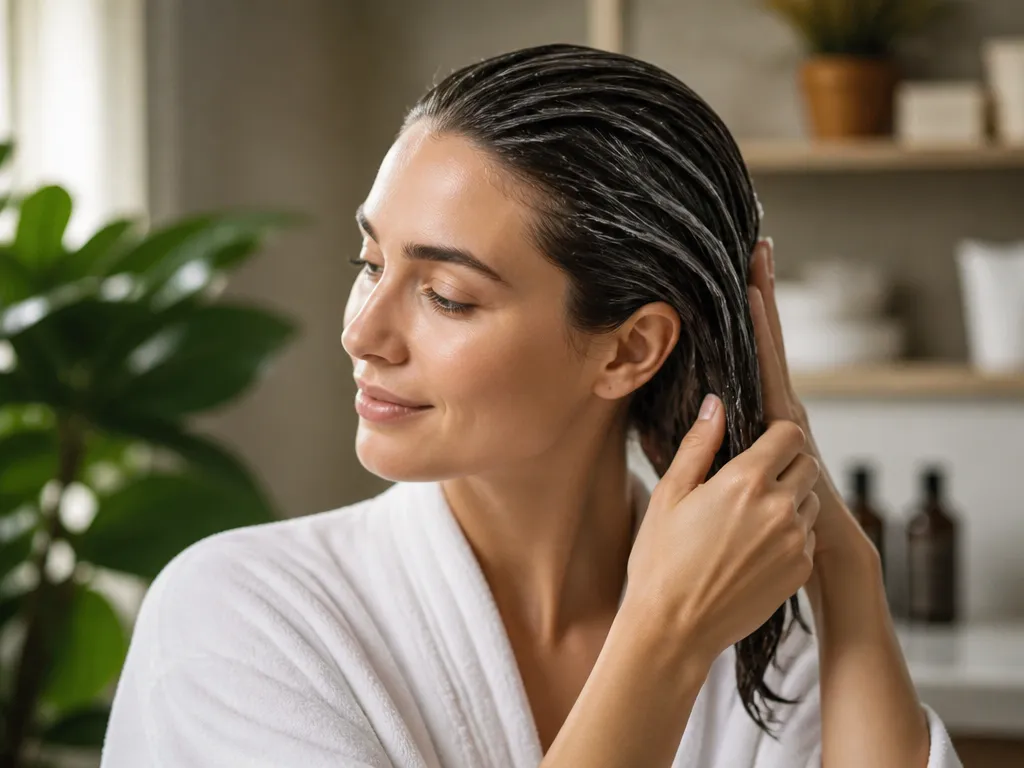
Applying hair masks to damp, towel-dried hair is the standard method for moisture-based treatments because water helps distribute humectants like glycerin. However, applying oil-based pre-shampoo masks to dry hair allows for deeper penetration of lipids before you cleanse. Most salon-grade masks require 5 to 15 minutes of contact time on damp strands.
Best for: All hair types. Use caution if: You have extremely fine hair and apply masks too close to the scalp.
Do You Put Hair Mask On Wet Or Dry?
Identify Your Hair Type Needs
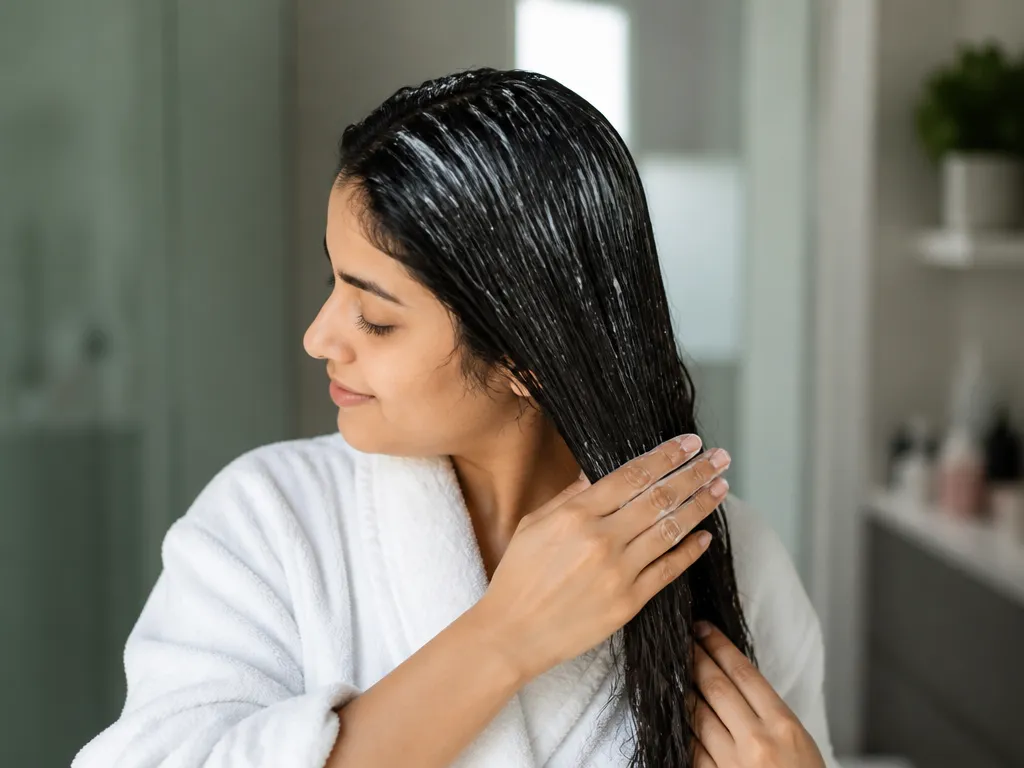
Hair mask efficacy depends on the porosity and diameter of the hair shaft. Using a heavy butter on fine hair causes flatness, while a lightweight serum fails to penetrate coarse curls.
Texture And Density
Fine hair requires lightweight formulas that do not weigh down the root. Look for ingredients like hydrolyzed silk or keratin to add strength without adding bulk.
For instance, a heavy shea butter mask can make fine hair look greasy within hours. Opt for a gel-based mask instead.
Thick or curly hair has a larger diameter and often struggles with dryness. These textures need rich emollients like shea butter, coconut oil, or avocado oil to seal the cuticle.
High-end: Briogeo Don’t Despair, Repair! ($30). Drugstore: Maui Moisture Heal & Hydrate ($7). Both use plant-based oils for deep moisture.
Chemical Processing And Porosity
Color-treated or chemically straightened hair usually has high porosity. This means the cuticle is open or damaged, allowing moisture to enter and leave the shaft quickly.
These hair types need amino acids and pH-balancing ingredients to close the cuticle. Expect to see improved shine and elasticity after 3 to 4 weeks of consistent use.
Esthetician tip: Always perform a patch test on a small section of hair behind the ear before applying a new protein-heavy mask to avoid protein overload, which can make hair brittle.
Low porosity hair resists moisture because the cuticle layers lie flat. This hair type often experiences product buildup on the surface.
| Porosity Type | Water Absorption | Recommended Mask Base | Application Tip |
|---|---|---|---|
| Low | Slow / Beads up | Light Oils / Humectants | Use gentle heat to open cuticle |
| High | Very Fast | Heavy Butters / Proteins | Apply to damp hair to lock in water |
In practice, low porosity hair benefits from a warm towel wrap during the masking process. The heat helps the ingredients penetrate the tight cuticle layer.
Targeted Ingredients For Results
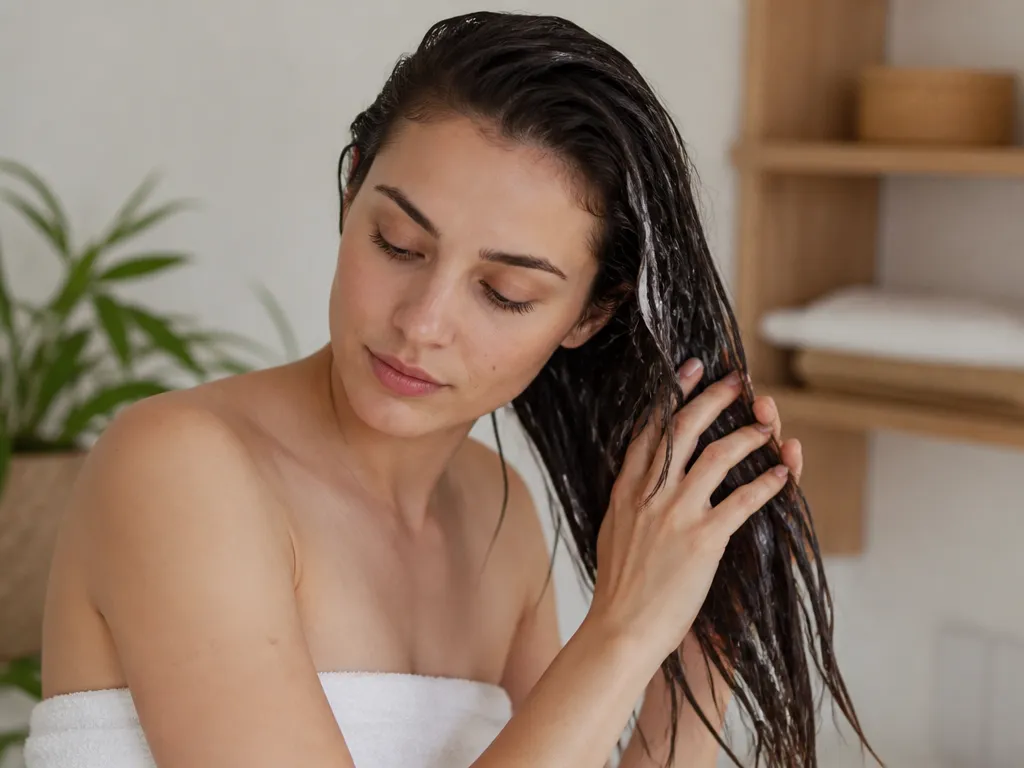
Hair masks perform best when their humectants and conditioning agents can spread evenly, which is why applying to damp hair usually gives more slip and uniform coverage than applying to bone-dry hair.
In practice, ingredient choice matters as much as hair wetness, since hydration ingredients need a little water and repair ingredients need contact time.
Start with humectants when your goal is softness and reduced tangles: look for glycerin and panthenol (pro-vitamin B5). Humectants work especially well for dry, color-treated, frizzy, or coarse hair types because they pull moisture into the hair shaft and improve feel. For oily or fine hair, humectants are still helpful, but you will want a lighter formula and shorter timing.
Strengthening and elasticity come from protein ingredients like hydrolyzed keratin, hydrolyzed silk, and amino acids. Proteins can make hair feel stronger and more resilient, but too much protein or too-frequent protein masking can leave hair feeling stiff or straw-like, especially for fine, already-damaged, or chemically processed hair. Use protein masks intermittently, and adjust based on how your hair feels after 1-2 washes.
For cuticle repair and smoother strand alignment, target lipids and ceramides: look for ceramides, cholesterol, and fatty alcohols like cetyl alcohol or stearyl alcohol. These help reduce friction, improve slip, and make hair look shinier, which is great for dry, porous, and frizz-prone hair. If your hair is fine, focus on mid-length to ends and avoid the scalp to prevent a weighed-down feel.
| Item | Amount/Specification | Notes |
|---|---|---|
| Glycerin | Typically listed as an ingredient (exact % varies) | Best for moisture and softness on dry to normal hair, especially when hair is damp. |
| Panthenol (Pro-vitamin B5) | Typically “panthenol” near the mid ingredient list (exact % varies) | Great for manageability, often gentler than heavy protein. Good for most hair types. |
| Hydrolyzed keratin or amino acids | Often present as “hydrolyzed” proteins (exact % varies) | Use 1-2 times per month for fine hair, and up to weekly for coarse hair if it stays soft. |
| Ceramides + lipids | Typically blended with other emollients (exact % varies) | Helps smooth the cuticle for frizz and dryness. Apply from mid-length to ends. |
| Silicones (for slip) | Ingredients like dimethicone (exact % varies) | Fine hair can get heavy. If you feel buildup, choose lighter silicones or switch to a clarifying shampoo cadence. |
Heavy silicones can make hair feel silky right away, but they can also build up and dull volume on fine, straight, or oily hair. If you want softness without weight, look for conditioners that balance slip with lighter emollients, and keep your application off the roots.
Practical Ingredient Matching (By Hair Type)
Oily or fine hair gets the biggest payoff from humectants like glycerin plus light conditioning agents, and it usually tolerates a short mask time (think 3-5 minutes). Aim for damp hair, apply mid-length to ends, and rinse very thoroughly to avoid residue.
Dry, wavy, curly, or coarse hair often benefits from ceramides and lipids, sometimes paired with protein every few weeks. Aim for damp hair, longer contact time, and gentle detangling during the mask to distribute ingredients evenly without snapping strands.
Color-treated or bleached hair tends to do best with moisture plus cuticle support, then occasional protein to improve feel. Watch how your hair responds over multiple washes; if it turns stiff or crunchy, scale back protein and lean harder into lipids and humectants.
Budget-friendly swaps exist when the ingredient pattern is the same: prioritize glycerin, panthenol, ceramides, or hydrolyzed keratin in the label and ignore fancy packaging. High-end and drugstore masks both work when the core ingredients match your goal, and your hair actually tolerates the formula.
Master The Masking Technique
Apply a hair mask to damp, towel-dried hair for the best balance of absorption and softness. Wet hair dilutes the mask and can make it slide off, while fully dry hair often blocks conditioning polymers from spreading evenly.
In practice, a simple “damp hair” test helps: after towel blotting, the hair should feel cool and pliable, with no dripping. If you see water pooling, re-blot for another 30 to 60 seconds before applying. If your hair feels fully dry and rough, mist with water or a light hydrating spritz, then apply immediately.
For best results by hair type, use this timing approach: fine hair typically needs a shorter wait time, while coarse hair can benefit from the full duration. Always keep your mask off the scalp if you deal with itch, flakes that look like oil buildup, or acne-prone forehead and temples.
| Mask Type | Where to Apply | Water Level | Heat Use |
|---|---|---|---|
| Classic conditioning mask | Mid-lengths and ends | Damp, towel-dried | Warm towel ok (short) |
| Protein-repair mask | Targeted bands where hair feels weak | Damp, towel-dried | Skip heat unless directions allow |
| Scalp or root-leaning mask | Scalp only if labeled for it | Damp, not dripping | Gentle warmth only |
Dermatologist tip: If you use actives on skin or your scalp reacts easily, introduce any new hair mask one at a time and stop if you get burning, rash, or swelling.
Morning vs evening doesn’t matter for most masks, but timing affects mess. Evening routines reduce the urge to style immediately, so you can rinse and let hair settle into shape, then apply a light leave-in only on the ends. For people with curly hair and darker hair tones where product buildup is more noticeable, plan for a full rinse and cleanse your ends gently the next wash.
Common Application Mistakes
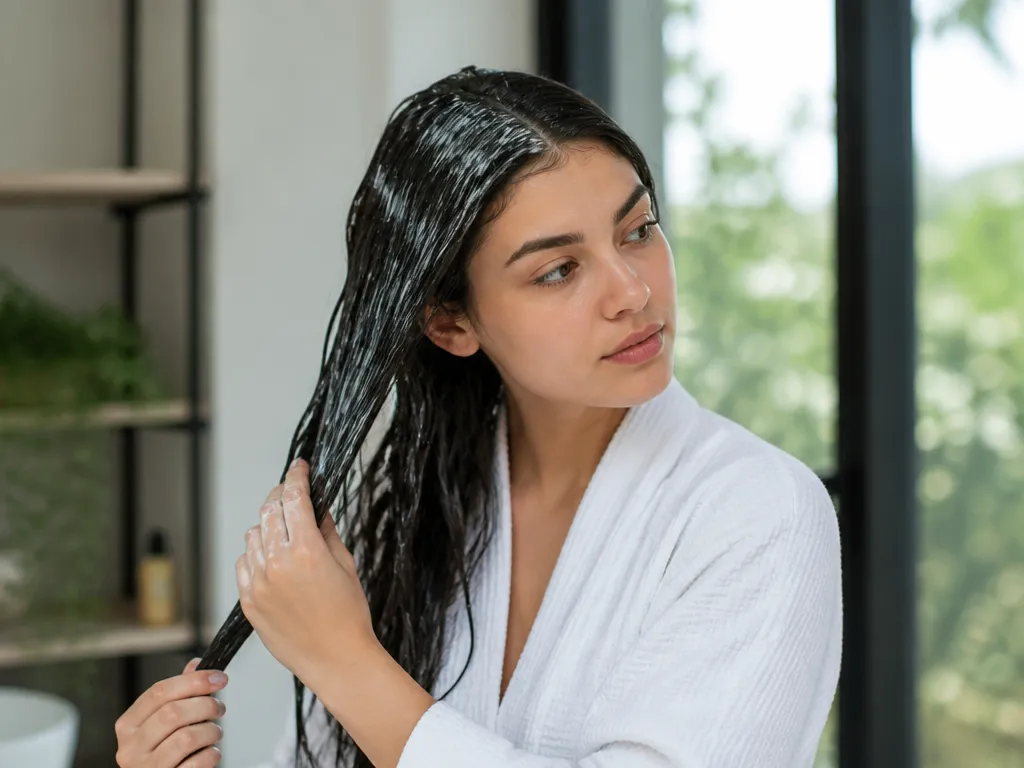
Scalp application and excessive product usage lead to heavy, greasy hair. These mistakes block the hair follicle and prevent the natural lift of the roots.
Timing And Frequency
Over-masking can cause protein overload or hygral fatigue. This happens when the hair becomes too soft or too brittle because it cannot maintain a balance of moisture and strength.
Pro tip: Rinse your hair with cool water at the end of the treatment. This helps seal the cuticle and locks in the mask’s ingredients.
| Hair Type | Recommended Frequency | Primary Goal |
|---|---|---|
| Fine/Oily | Once every 2 weeks |
High-end Vs. Drugstore Options
High-end masks typically use smaller molecular weights of proteins and rare lipids to penetrate the hair cortex. Drugstore options often rely on silicones and glycerin to coat the hair for immediate shine and detangling.
Protein And Moisture Profiles
Protein-rich treatments are best for bleached or heat-damaged hair. Look for hydrolyzed keratin or wheat protein to fill gaps in the hair shaft and prevent breakage.
Moisture-focused masks work better for curly, coarse, or naturally dry hair. Ingredients like shea butter and glycerin pull water into the hair and seal the cuticle.
For example, a luxury option like K18 uses peptide science for structural repair. A budget alternative like Shea Moisture provides intense hydration through raw shea butter and coconut oil.
| Item | Specification | Notes |
|---|---|---|
| Luxury Bond Builder | Peptide Complex | High cost, focuses on structural repair. |
| Drugstore Hydrator | Coconut Oil/Glycerin | Low cost, provides surface smoothness. |
| Pre-Wash Oil | Pure Jojoba Oil | Prevents hygral fatigue and stripping. |
| DIY Mix | Avocado and Honey | Budget-friendly, natural humectants. |
Pre-shampoo And Diy Alternatives
Pre-shampoo oil treatments protect the hair from the stripping effects of surfactants. Apply pure argan oil or jojoba oil to dry hair 30 minutes before washing to maintain natural oils.
DIY masks provide a cheap way to add moisture using kitchen staples. Mix mashed avocado with a tablespoon of honey for a natural humectant treatment that softens dry ends.
Esthetician tip: Use protein masks once every two weeks. Overusing protein can make hair brittle and lead to breakage.
Professional Tips For Success
Microfiber towels improve mask absorption by removing excess water before application. Saturated hair prevents ingredients from penetrating the hair shaft, so blotting your strands ensures the product sits on the cuticle rather than sliding off.
Steam application enhances the effectiveness of deep conditioning treatments. Warmth opens the hair cuticle, allowing intensive ingredients like keratin, argan oil, or shea butter to enter the inner cortex more efficiently.
Professional Tip: Wrap your hair in a warm, damp towel after applying the mask to create a makeshift steamer at home.
Optimizing Your Hair Care Routine
Frequency depends entirely on your current hair health and porosity. Highly damaged or chemically treated hair requires more frequent intervention than healthy, virgin hair.
Layering masks with conditioners can be helpful if you are short on time, but they serve different purposes. A mask is a concentrated treatment designed to repair, while a conditioner is a surface-level sealant.
| Method | Purpose | Best For |
| Mask Only | Deep repair and structural change | Extremely damaged hair |
| Mask + Conditioner | Intense repair followed by cuticle sealing | High porosity or curly hair |
For instance, if you have extremely high porosity hair, you might apply a mask, rinse it, and then follow with a pH-balanced conditioner. This “seals” the treatment inside the hair shaft.
Quick Summary
The application method for a hair mask depends on your specific hair needs and the product base. Moisture-based treatments containing humectants like glycerin work best on damp, towel-dried hair to ensure even distribution. Conversely, oil-based pre-shampoo masks should be applied to dry hair to maximize lipid absorption before you cleanse. Most salon-grade treatments require between 5 and 15 minutes of contact time.
Hair porosity and diameter also dictate which ingredients you should choose. High porosity hair from chemical processing benefits from amino acids and pH-balancing ingredients, while low porosity hair may need gentle heat from a warm towel to help ingredients penetrate. Fine hair should use lightweight gel-based formulas or hydrolyzed silk to prevent flatness, whereas thick hair needs rich emollients like shea butter. Matching the product type to your hair texture is the most important step.
| Hair Type/Need | Recommended Base | Application Tip |
|---|---|---|
| Moisture/Hydration | Humectants (Glycerin) | Apply to damp, towel-dried hair |
| Deep Lipid Repair | Oils/Lipids | Apply to dry hair before washing |
| Low Porosity | Light Oils | Use gentle heat to open the cuticle |
| High Porosity | Heavy Butters/Proteins | Apply to damp hair to lock in water |
Beauty Routine Cheat Sheet
One Thing To Stop Doing Immediately
Stop applying heavy hair masks directly to your scalp, as this can lead to greasy roots and weighed-down hair, especially if you have fine textures.
Expected Timeline For Results
You can expect to see improved shine, elasticity, and hair health after 3 to 4 weeks of consistent use.
Frequently Asked Questions
Should I Apply My Hair Mask To Soaking Wet Or Towel-dried Hair?
You should apply masks to towel-dried hair to ensure the product sticks to the strands. If hair is soaking wet, the excess water acts as a barrier that prevents the treatment from penetrating the hair shaft.
What Is The Correct Order To Use Shampoo, A Hair Mask, And Conditioner?
You should shampoo to clean the hair, apply the mask, and then use conditioner to seal the cuticle. Applying the mask between shampoo and conditioner is the most effective way to treat the hair.
How Long Do I Need To Leave A Hair Mask On To See Results?
Most effective results occur when you leave the mask on for 5 to 10 minutes. Leaving it on for much longer than the packaging suggests rarely provides extra benefits and can lead to product buildup.
Can Using Hair Masks Cause Breakouts On My Forehead Or Back?
Yes, many masks contain heavy silicones or oils that can clog pores if they touch your skin. Always wash your skin after rinsing your hair to remove any residue that causes “bacne” or forehead breakouts.
Is An Expensive Salon Hair Mask Better Than A Drugstore Version?
For healthy hair, a drugstore version works well, but for chemically treated or bleached hair, salon brands are often better. Professional formulas typically contain higher concentrations of reparative ingredients that make a noticeable difference in hair texture.

- 7 Best Detangling Brushes for Curly Hair: Thick, Fine, Long & Natural Hair - September 25, 2026
- 5 Best Moisturizing Curl Defining Creams for Soft, Defined Curls - September 24, 2026
- Best Curl Creams for Straight Hair: 5 Top Picks for Women - September 24, 2026