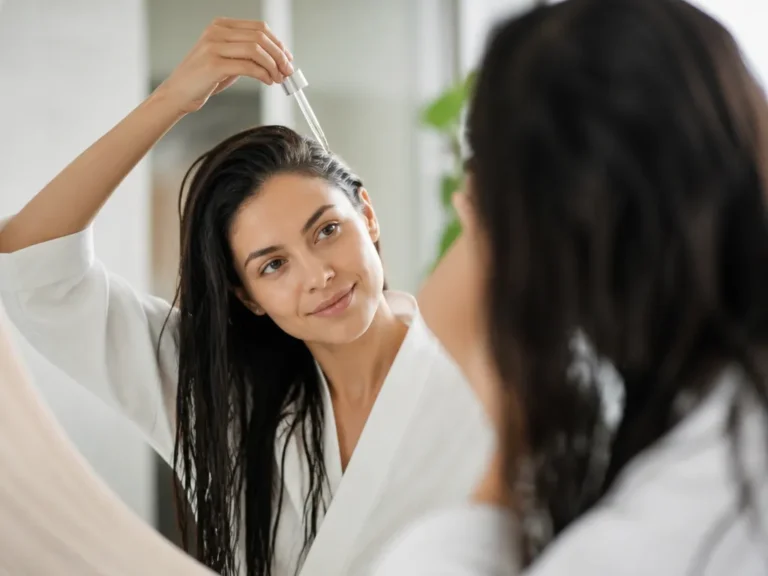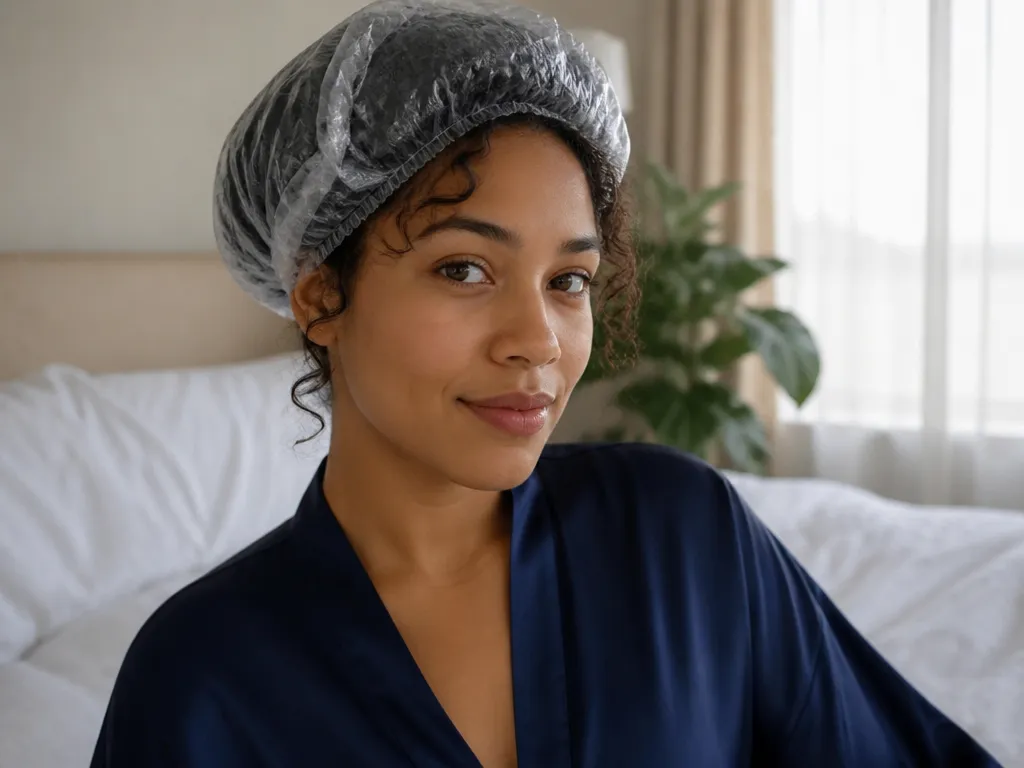
Can You Leave A Deep Conditioner In Your Hair Overnight?
We have all stood in the shower wondering if that expensive conditioner can do double duty while we sleep. It sounds like a hack that saves time, but is it actually good for your strands? I am going to walk you through exactly when to leave it on and when to rinse it out to prevent buildup.
Overnight conditioning should be reserved for a product specifically labeled for long wear or overnight use. Apply it to damp hair before bed, keep heavy formulas away from the scalp, and rinse thoroughly in the morning. If the product is a standard rinse-out deep conditioner, follow its shorter label-directed contact time instead.
- Use caution if: Fine or thin hair that weighs down easily.
Can You Leave A Deep Conditioner In Your Hair Overnight?
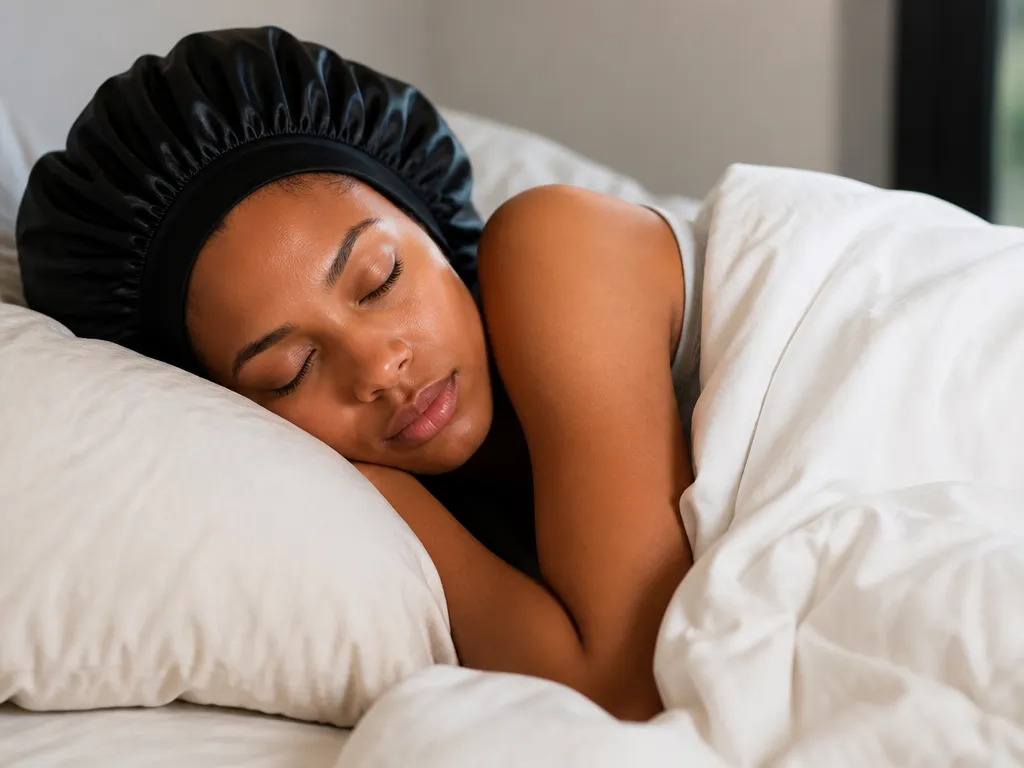
Leaving a heavy conditioning treatment on while you sleep works for some very dry or damaged hair, but it can backfire on fine or oily textures. The science of hair absorption suggests that moisture can only penetrate so far, so leaving an unlabeled product on too long creates a damp environment that may encourage irritation or buildup.
Hygral fatigue occurs when hair repeatedly swells and shrinks due to moisture exposure and drying. This constant expansion and contraction weakens the hair cuticle, leading to breakage and frizz over time. Even though you want hydrated hair, forcing too much water into the cortex can actually make strands more fragile.
Thick, coarse, or chemically processed hair types typically handle longer treatments better, but they still need a formula intended for extended wear and should not automatically receive an overnight application.
In practice, a protein-heavy mask might sit on the scalp of someone with fine hair all night, weighing it down and looking greasy by morning.
| Best Candidates for Overnight Treatments | Risks for Overnight Treatments |
|---|---|
| Coarse or curly hair | Fine or thinning hair |
| Chemically treated hair | Oily scalp |
| Color-treated locks | High porosity hair |
Using a heavy conditioner on fine hair while sleeping can lead to a flat, weighed-down look. You might find that your hair lacks volume or bounce the next day, which is often worse than dryness. For these hair types, a standard rinse-out conditioner applied for twenty minutes is usually sufficient.
Identify Your Hair Porosity First
Porosity tells you how easily your hair absorbs and holds moisture, which determines whether an overnight mask helps or causes buildup. Low-porosity hair often repels water, so heavy conditioners can sit on the outside of the hair shaft. High-porosity hair absorbs fast, so it can also over-absorb, feel coated, and look dull.
For example, fine, straight hair that gets weighed down easily is often low porosity, even if it feels dry at the ends. Curly or coily hair that is porous (for example, after frequent bleaching) often behaves like high porosity and can drink up products quickly.
For best accuracy, do the float test within 24-48 hours of washing, and use strands from the same section of your head. Hair porosity can vary by area, so crown vs ends can act differently, especially if your ends are more processed from heat or color.
| Porosity | Float Test | Overnight Risk | Best Match for Mask Timing |
|---|---|---|---|
| Low | Floats or stays afloat | Buildup and limpness from sitting on the outside | Shorter long-mask time, lighter formulas |
| Medium | Floats briefly then settles | Lower, but still watch for coating | Flexible timing, adjust by feel |
| High | Sinks quickly | Over-coating and a rough, dull finish if product stays too heavy | Targeted time, seal with lighter occlusives |
Trichology tip: If the float test and your lived experience disagree, trust your hair after rinsing. Your strand behavior in water is a guide, but how your hair feels after it dries is the final verdict.
Skin- and scalp-friendly basics still apply even when hair is the focus: keep the scalp treatment separate from the lengths, and patch-test any new deep conditioner on a small hidden section if you are sensitive. Dry, curly, color-treated hair may need more targeted conditioning, but porosity still determines whether a longer hold is likely to help or to coat.
Key Ingredients For Long-wear Masks
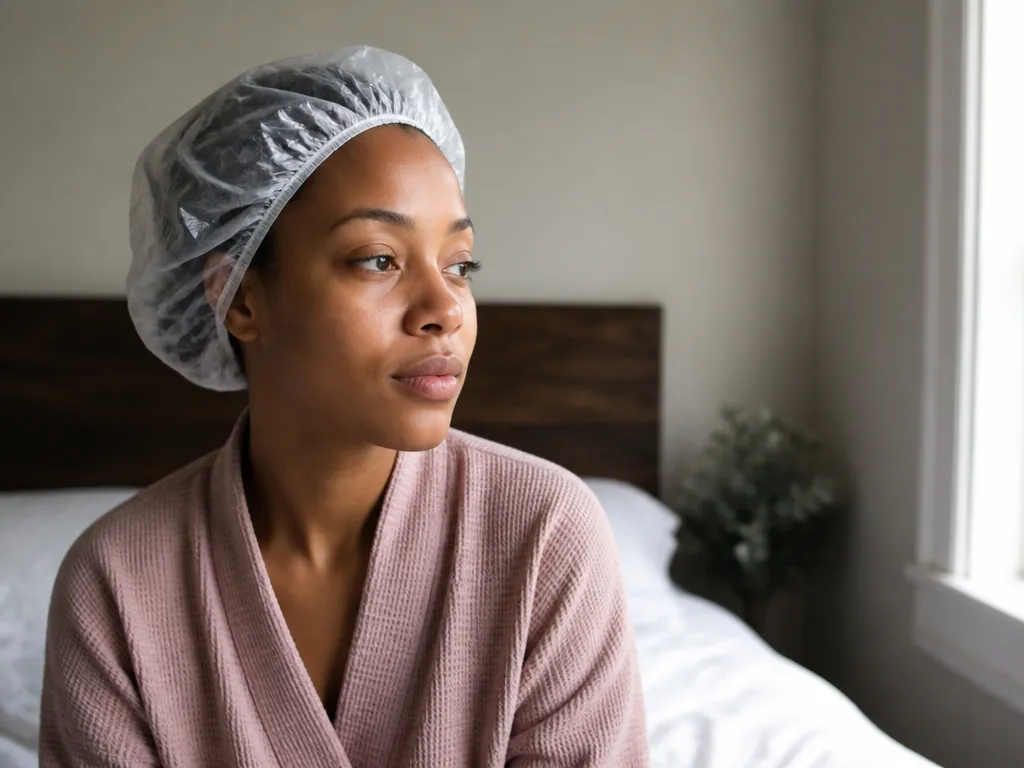
Safe overnight treatments rely on moisture-binding humectants and nourishing emollients that do not disrupt the hair shaft’s structural integrity. Using the wrong ingredients for extended periods can lead to hygral fatigue, which occurs when hair swells and contracts too frequently from excess moisture.
Humectants like Glycerin and Aloe Vera can suit long-wear applications because they draw water into the hair cuticle without making it overly soft or mushy. These ingredients can work well for fine hair that needs hydration without heavy weight, provided the formula is labeled for extended wear.
Emollients provide a protective barrier that seals in moisture throughout the night. For thick, curly, or coily hair textures, heavy lipids can be effective at preventing dryness during sleep when used in an appropriate long-wear formula.
| Ingredient Type | Specific Examples | Best For | Notes |
|---|---|---|---|
| Humectants | Glycerin, Aloe Vera, Panthenol | All hair types; Fine hair | Hydrates by pulling moisture into the cortex. |
| Emollients | Shea Butter, Argan Oil, Jojoba Oil | Curly, Coily, and Dry hair | Seals the cuticle and prevents moisture loss. |
| Proteins | Hydrolyzed Wheat/Silk Protein, Keratin | Damaged or high-porosity hair | Caution: Use sparingly; too much can cause breakage. |
The Risks Of Protein Overload
Protein-heavy masks carry the highest risk when left on for extended periods. While proteins are necessary to repair gaps in the hair cuticle, excessive contact can make the hair strand too rigid. This rigidity leads to snapping and brittleness rather than strength.
For this reason, avoid overnight protein treatments unless the product is specifically formulated for long wear and your hair responds well to it.
Professional tip: Always patch test a new mask on a small section of hair near the nape of your neck to check for any unexpected stiffness or scalp irritation before applying it to your entire head.
Correct Overnight Application Technique
Proper overnight deep conditioning requires strategic preparation to maximize absorption while preventing potential damage to your hair and bedding. The technique involves thorough cleansing before application, appropriate product selection based on your hair type, and secure wrapping to maintain effectiveness throughout the night.
Avoid These Conditioning Pitfalls
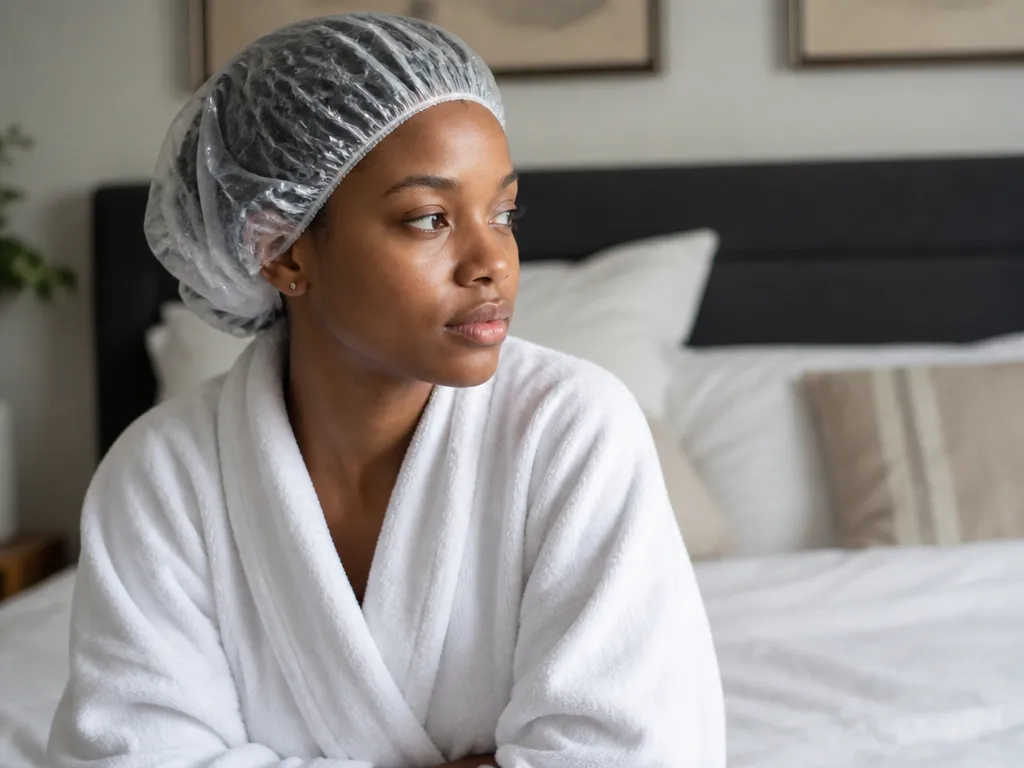
Incorrect application methods often lead to scalp irritation or hair that feels heavy and limp rather than hydrated. Applying product directly to the roots or using the wrong formula for extended wear can compromise your hair health.
Scalp And Product Misuse
Scalp contact with heavy conditioners is a primary cause of clogged pores and buildup. Most deep treatments are formulated with heavy oils and silicones meant for the hair shaft, not the skin of the scalp.
Standard conditioners lack the specific molecular weight required for overnight absorption. Using a regular rinse-out conditioner as an overnight mask often results in greasy strands that are difficult to wash out the next morning.
Professional tip: Focus your application from the mid-lengths down to the ends to avoid weighing down your roots or irritating your scalp.
The Protein-moisture Imbalance
Balance strengthening products with moisture-focused ingredients like glycerin, aloe vera, or panthenol, and follow the product’s recommended contact time.
| Ingredient Type | Common Examples | Best For |
|---|---|---|
| Protein | Hydrolyzed Keratin, Silk Amino Acids | Damaged, high-porosity, or chemically treated hair |
| Moisture | Shea Butter, Argan Oil, Hyaluronic Acid | Dry, curly, or brittle hair textures |
In practice, you should check your hair texture before choosing a mask. Fine hair types should avoid heavy butters, while thick, curly hair types often need more moisture-heavy formulas to combat dryness.
Affordable And Diy Mask Options
Overnight conditioning can help very dry or curly hair, but the right formula matters and protection is essential. Choose a mask labeled for overnight wear or a lightweight conditioner that rinses clean in the morning, and wear a satin cap to minimize friction and buildup. For color-treated or fine hair, limit heavy formulas to a few hours or avoid overnight use altogether.
| Product | Price | Key Ingredient | Best For |
|---|---|---|---|
| SheaMoisture Raw Shea Butter Restorative Masque | About $10-$12 | Raw Shea Butter | Dry, curly, textured hair; deep moisture |
| Maui Moisture Heal & Hydrate + Coconut Milk Masque | About $9-$12 | Coconut Milk, Macadamia Oil | Dry, damaged hair; color-safe |
| DIY Coconut Oil and Honey Mask | pantry-friendly ($0-$5) | Coconut Oil, Honey | Very dry, coarse hair; high moisture boost |
| Olaplex No 8 Bond Intense Moisturizing Mask | About $28-$30 | Bond-building polymers + moisture | Color-treated or damaged hair; balanced moisture |
This mix works best for dry to curly hair, especially when you need lasting moisture from a controlled formula. If you have fine or color-treated strands, opt for lighter, rinse-friendly options and avoid long overnight sessions unless the product specifically says overnight use. Patch testing is essential with DIY blends to rule out allergies and protect pillowcases from staining.
DIY blends like coconut oil and honey are pantry staples that can deliver intense shine and softness, but they require careful handling. They suit very dry, coarse hair when left on overnight with a satin cap, yet they can feel heavy or sticky on fine or color-treated hair. Thorough rinsing is key to prevent residue and odors.
When to choose a professional formula: if you regularly color, have high porosity, or experience breakage, salon-grade masks offer more controlled moisture and bond protection. These products tend to be pricier but provide consistent results and are less likely to cause overloading delicate, treated hair. Always patch test and discuss with your stylist if you have concerns about buildup or protein sensitivity.
Patch tests are mandatory for DIY blends. If irritation or itching occurs, rinse immediately and discontinue use, then consult a professional for alternatives. For all options, start with shorter wear times, observe how your hair responds, and scale up gradually as needed.
Advanced Tips For Lasting Shine
Overnight conditioning can be effective when you use a dedicated overnight mask or a lightweight conditioning formula designed for long wear. Opt for a product labeled for overnight use, avoid heavy silicones on the scalp, and rinse in the morning. Satin caps or pillowcases help lock in moisture and reduce friction during sleep. This approach is safe for all skin types around the hairline because the product stays on hair, not facial skin, but patch testing is wise if you have a reactive scalp.
The role of satin caps and pillowcases is to minimize friction and moisture loss overnight. They also prevent pigment transfer from heavy products onto bedding. Use a clean satin cap or pillowcase made from satin or charmeuse and wash it weekly to avoid buildup.
Using gentle heat for penetration can improve absorption without overprocessing the hair. After applying the conditioner, wrap the hair with a warm, damp towel for 10 to 15 minutes or use a low heat setting on a hooded dryer for 5 to 10 minutes. Always protect the scalp with a light layer of product only on the hair shaft if you have color-treated or sensitive skin, and rinse if you notice irritation.
Dermatologist tip: patch test any new overnight mask behind the ear or at the nape of the neck for 24 hours before sleeping in it, especially if you have sensitive skin or a reactive scalp. If irritation occurs, discontinue use.
Recommended frequency based on hair type. The best practice is to tailor duration and product choice to texture and needs while avoiding buildup on the scalp. See the quick reference below.
| Hair Type | Overnight Use | Best Formula Type | Notes |
|---|---|---|---|
| Dry or coarse | 1 – 2 nights per week | Lightweight mask with humectants and ceramides | Rinse well morning; consider adding a leave-in |
| Curly or very textured | 1 night per week or every other week | Intense masque with hydrolyzed proteins | Avoid heavy oils at scalp; focus on mid-lengths to ends |
| Fine or color-treated | Occasionally; limit to 4 – 6 hours if overnight | Protein-light, silicone-free formula | Rinse thoroughly, skip overnight if scalp irritation occurs |
| Normal/straight | Occasional 4 – 6 hour wear or 1 night if product is light | Balanced moisture masque | Monitor for buildup; adjust frequency |
Patch test warning: always test new products on a small strand for 24 hours, especially if you have a sensitive scalp, eczema, or are pregnant. Never apply on broken skin or near irritated areas.
Quick Summary
Overnight deep conditioning can be a viable method for treating very dry, coarse, or chemically processed hair types when the product is labeled for extended wear. Apply it to damp hair and follow the product’s stated timing rather than assuming that every deep conditioner should remain on for at least 8 hours. However, extended moisture exposure can contribute to hygral fatigue, a cycle where hair swells and shrinks. This process weakens the cuticle and leads to increased frizz and breakage over time.
Understanding hair porosity is essential before committing to long treatments. You can perform a float test by dropping clean strands into a glass of room-temperature water to see if they sink or float. High-porosity hair sinks quickly and may require targeted timing, while low-porosity hair floats and often suffers from product buildup or limpness. While thick hair may handle longer masks, those with fine or oily hair should use shorter treatments to prevent a greasy, weighed-down appearance. Always prioritize how your hair feels after it dries.
| Porosity Type | Float Test Result | Overnight Risk |
|---|---|---|
| Low | Floats or stays afloat | Buildup and limpness |
| Medium | Floats briefly then settles | Lower risk |
| High | Sinks quickly | Over-coating and dullness |
Beauty Routine Cheat Sheet
One Thing To Stop Doing Immediately
Stop applying heavy, protein-rich masks directly to your scalp if you have fine or oily hair, as this causes immediate limpness and grease.
Expected Timeline For Results
Immediate softness and hydration may be felt after the first session, but structural improvements in hair strength and moisture retention typically require consistent use over several weeks.
Frequently Asked Questions
How Long Until I See Results If I Leave A Deep Conditioner Overnight?
You can feel softer hair immediately after rinsing, especially if the formula is conditioning heavy. For visible improvement like smoother texture, frizz control, or better detangling, aim to repeat deep conditioning 1 to 2 times per week and reassess after 2 to 4 weeks.
Can You Leave A Deep Conditioner In Overnight If You Have Sensitive Skin Or A Sensitive Scalp?
Sometimes, but you should be cautious, especially if your scalp is prone to irritation or you get breakouts along the hairline. If the product is leave-on safe, follow the label; otherwise stick to the usual 5 to 20 minutes rinse-out time, and do a patch test first.
What Is The Difference Between Deep Conditioner And Leave-in Conditioner?
Deep conditioners are usually rinse-out treatments designed for a short contact time, while leave-in conditioners are formulated to stay on your hair and scalp for longer. If your deep conditioner is not labeled as leave-on, leaving it overnight can increase residue buildup or scalp sensitivity.
Do I Really Need To Cover My Hair With A Shower Cap To Deepen Conditioning Overnight?
A shower cap is optional and mostly helps keep the product from drying out, which can make treatment time more even. If you do overnight, prioritize scalp safety by ensuring hair and scalp are not excessively occluded if the label warns against extended contact.
What Is The Correct Order To Apply Hair Products If You Want To Condition At Night?
Use deep conditioning after shampoo and squeeze out excess water first, then apply evenly from mid-lengths to ends. If you use oils or stylers, keep them for after rinsing, unless the label specifically says otherwise, since product layering over a soaking overnight mask can cause greasy buildup.

- Temporary Hair Color Spray: Application, Longevity, and Removal - September 22, 2026
- 10 Best Washable Hair Dye Sprays for Dark Hair That Actually Show Up - September 22, 2026
- Washable Hair Dye Spray vs. Hair Chalk: Which Is Better? - September 22, 2026