Does Conditioner Make Hair Fall?
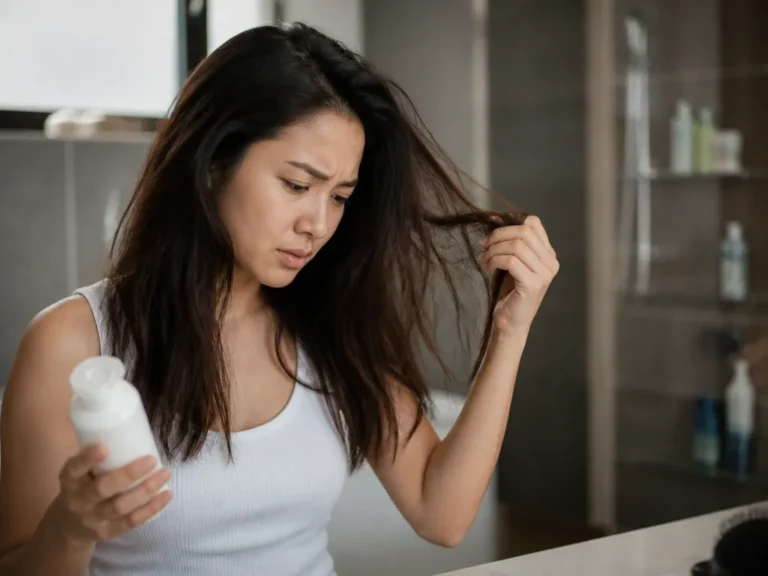
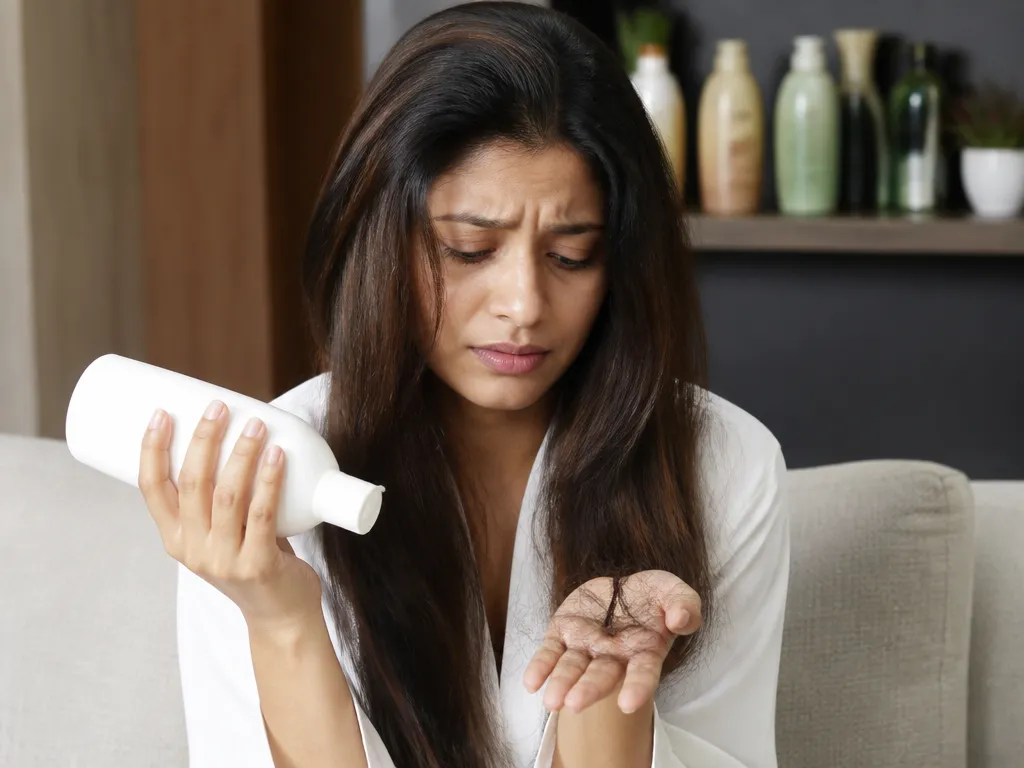
Seeing clumps of hair in your shower drain after conditioning is enough to trigger a panic. You are likely seeing normal shedding that was trapped by your hair, rather than actual hair loss. This guide helps you distinguish between real root shedding and breakage caused by improper product use.
Conditioner does not cause hair to fall from the root, but it can lead to increased breakage if applied to the scalp or used with heavy silicones. Most perceived hair fall is actually hair snapping mid-shaft due to protein overload or aggressive detangling while the hair is wet and vulnerable.
Best for: All hair types. Use caution if: You have a sensitive scalp or extremely fine, oily hair.
Does Conditioner Make Hair Fall?
Most hair seen in the shower is already detached and simply slides out during the conditioning process. Conditioning provides “slip,” which allows these shed hairs to move freely through the rest of the hair instead of staying trapped in tangles.
Natural shedding averages 50 to 100 hairs per day. A clear distinction between root shedding and mid-shaft breakage is necessary to identify the actual problem. Root shedding involves a complete strand with a club-shaped bulb, while breakage happens when the hair shaft snaps due to damage or dryness.
| Type | Appearance | Common Cause | Solution |
|---|---|---|---|
| Shedding | White bulb at the end | Normal hair-cycle shedding | Monitor the amount and seek medical advice for sudden changes |
Understanding Your Hair Type
Hair texture and porosity dictate how much moisture your strands can hold and how heavy a product can be before it causes issues. Matching your conditioner to these specific characteristics prevents the buildup or dryness that often leads to perceived hair loss.
Texture And Moisture Needs
Fine hair lacks the structural density to support heavy, oil-rich formulas. Using a thick cream on these strands can weigh them down, making the hair appear thinner or causing it to clump and look like it is falling out.
Coarse hair requires significant lubrication to manage its thick cuticle layer. Without enough moisture, these strands become brittle and snap easily during brushing.
Curly hair patterns often struggle with natural oil distribution from the scalp to the ends. This dryness makes curls prone to breakage if the conditioner does not provide enough slip or protein balance.
| Hair Type | Primary Concern | Recommended Conditioner Style |
|---|---|---|
| Fine | Weight and Flatness | Lightweight, volumizing, or spray-on |
| Coarse | Dryness and Frizz | Rich, buttery, or heavy creams |
| Curly | Definition and Breakage | Moisture-heavy or protein-balanced |
| Color-Treated | Damage and Fading | Sulfate-free and pH-balanced |
Identifying Your Needs
Porosity is another critical factor that determines how hair interacts with conditioners. High porosity hair has gaps in the cuticle that absorb moisture quickly but lose it just as fast. Low porosity hair has tightly closed cuticles that resist moisture absorption.
For instance, if you find that products sit on top of your hair without soaking in, you likely have low porosity. In this case, using heavy silicones can cause immediate buildup and scalp irritation.
Professional tip: To check your porosity, place a clean strand of hair in a glass of water. If it sinks immediately, you have high porosity; if it floats, you have low porosity.
Color-treated hair demands specific care to prevent the chemical bonds from weakening. These strands are often more porous and require conditioners rich in amino acids or ceramides to patch the cuticle. Avoid harsh alcohols that can strip color and increase the risk of breakage.
Key Ingredients In Conditioners
Conditioner ingredients primarily target the hair cuticle to smooth the surface and lock in moisture. These formulas use a combination of emollients and film-formers to reduce friction between strands.
Silicones And Proteins
Silicones like dimethicone create a breathable barrier that adds shine and prevents tangles. This is excellent for thick or curly hair, but it can cause buildup on fine hair if you do not use a clarifying shampoo occasionally.
Proteins such as hydrolyzed keratin or silk protein strengthen the hair shaft by filling in gaps in the cuticle. They are ideal for damaged or bleached hair.
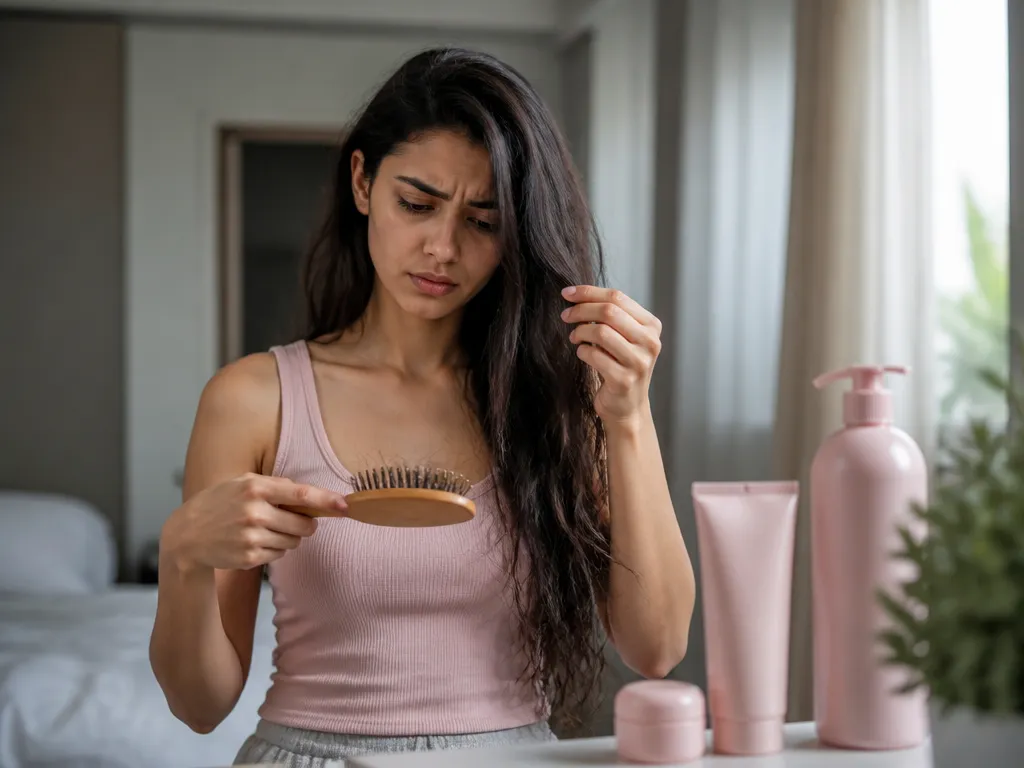
For instance, using a protein-heavy conditioner every day can lead to protein overload. This makes the hair feel stiff and causes it to snap easily, which looks like hair fall but is actually breakage.
Oils And Sensitizers
Natural oils like argan, jojoba, and coconut oil provide deep hydration. Coconut oil works best for high-porosity hair, while jojoba is better for those with an oily scalp because it mimics natural sebum.
Fragrances and certain preservatives can cause contact dermatitis on sensitive scalps. This inflammation may lead to temporary shedding if the scalp becomes severely irritated.
In practice, you should always patch test a new conditioner behind your ear for 24 hours. This prevents a full-scalp reaction to strong scents or botanical extracts.
| Item | Specification | Notes |
|---|---|---|
| Silicones | Dimethicone / Amodimethicone | Adds slip; can cause buildup on fine hair. |
| Proteins | Hydrolyzed Keratin / Wheat | Repairs damage; too much leads to brittleness. |
| Natural Oils | Argan / Jojoba / Coconut | Moisturizes; choose based on hair porosity. |
| Fragrances | Synthetic or Essential Oils | Provides scent; high risk for sensitive scalps. |
Esthetician tip: If your hair feels “straw-like” after a repairing conditioner, switch to a moisture-only formula for two weeks to balance the protein levels.
Proper Conditioner Application
Proper application protects the cuticle and helps hair look fuller over time. This approach works best for most hair types, including those with oily to combination scalps and fine to medium textures.
Common Conditioner Mistakes
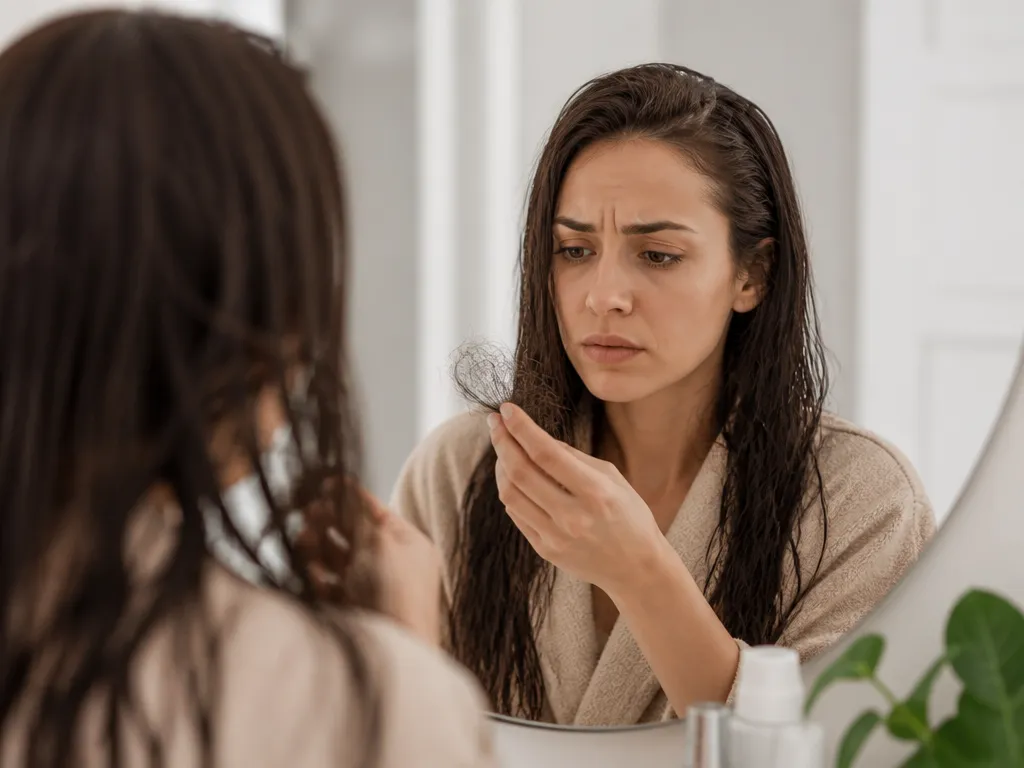
Applying conditioner directly to the scalp is a primary error that leads to clogged follicles and excess oil buildup. Most rinse-out formulas are designed for the mid-lengths and ends of the hair shaft to provide moisture and slip. When these heavy ingredients touch the scalp, they can cause irritation or weight that makes hair appear thinner.
Over-conditioning or using heavy products too frequently can also lead to hair that feels limp and greasy. This buildup makes it harder to distinguish between natural shedding and actual hair loss. If you use protein-heavy conditioners every single day, you risk causing “protein overload,” which makes hair brittle and prone to snapping.
Pro Tip: If you notice hair falling out in clumps with a white bulb at the end, it is shedding from the root. If the strands are short and uneven, you are likely dealing with breakage caused by product misuse or mechanical damage.
Application And Product Errors
Incorrect application techniques often cause more damage than the products themselves. Using conditioner on wet hair that is still dripping can dilute the formula, preventing it from working effectively. You want your hair to be damp, not soaking wet, so the ingredients can actually coat the cuticle.
Mixing incompatible products can also lead to unexpected results. For example, using a heavy silicone-based conditioner immediately followed by a lightweight leave-in spray can cause product buildup that is difficult to wash out. This layer of residue can weigh down fine hair and make it look sparse.
Common mistakes involve timing and tool usage as well. For instance, applying heat styling tools to hair that has not been properly rinsed of conditioner can “cook” the product into the hair shaft. This results in extreme dryness and breakage.
| Mistake Type | The Error | The Result |
|---|---|---|
| Placement | Applying to roots | Scalp irritation and oiliness |
| Frequency | Daily heavy conditioning | Product buildup and limpness |
| Chemistry | Ignoring protein/moisture balance | Brittle hair or mushy texture |
| Routine | Skipping clarifying shampoo | Cumulative residue and breakage |
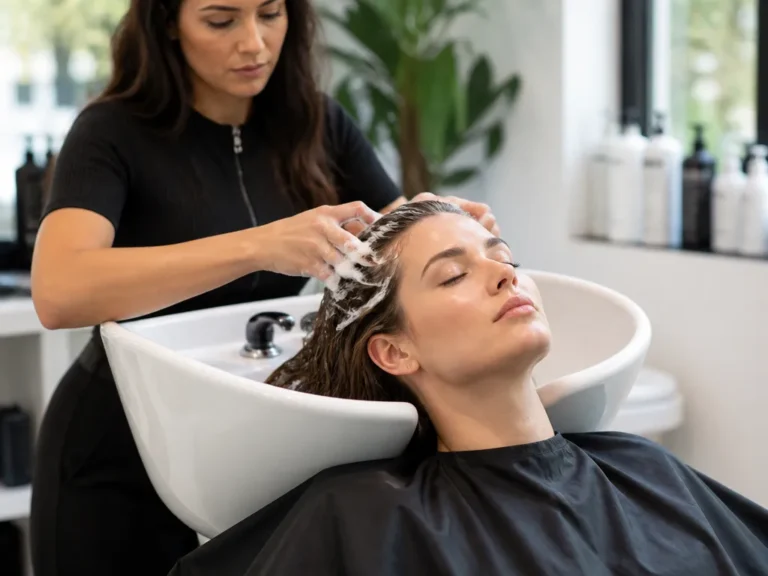
Clarifying treatments are necessary to prevent these errors from compounding. If you use heavy conditioners or silicones, you should use a clarifying shampoo once every 1-2 weeks. This removes the stubborn film that regular cleansing often misses.
Budget-friendly Alternatives
Affordable hair conditioners can provide the same slip and moisture as luxury brands when you prioritize specific active ingredients over expensive packaging. Effective hair care relies on molecules like behentrimonium methosulfate for detangling and glycerin for hydration, regardless of the price tag.
Drugstore Vs. High-end Comparisons
Drugstore options often contain high concentrations of silicones like dimethicone, which provide instant smoothness. These work well for many, but those with fine hair should choose lightweight formulas to avoid weighing down the strands.
| Product Category | Price Range | Key Ingredient Focus | Best For |
|---|---|---|---|
| Drugstore Standard | $5 – $10 | Silicones & Fatty Alcohols | Quick detangling and shine |
| Mid-Range Professional | $20 – $30 | Amino Acids & Natural Oils | Repairing damaged cuticles |
| Luxury Salon-Grade | $40+ | Peptides & Rare Botanicals | Deep structural restoration |
High-end conditioners often use specialized peptides to target hair structure. For example, if you are using a luxury product containing hydrolyzed keratin, you can find similar results with a budget brand that lists keratin amino acids in the top five ingredients.
Diy And Natural Options
Natural alternatives provide hydration through lipids and humectants. These methods work best for individuals with low-porosity hair who need gentle moisture without heavy buildup.
Professional Tip: Always patch test DIY ingredients on your inner forearm for 24 hours to check for contact dermatitis before applying them to your entire scalp.
When To Invest In Salon Brands
Salon-grade products are often worth the higher cost when your hair has undergone significant chemical trauma. If you have bleached or chemically straightened hair, the concentrated protein treatments in professional lines offer more precise repair than standard drugstore formulas.
In practice, a person with healthy, virgin hair may see no measurable difference between a $6 conditioner and a $40 one. However, someone with highly porous, color-treated hair might find that the specialized bond-builders in expensive conditioners prevent the breakage that mimics hair fall.
Expert Tips For Healthier Hair
Healthy hair depends on a balance of moisture and protein to prevent breakage. Matching the formula to your hair porosity and scalp type keeps the cuticle sealed and the follicle strong.
Seasonal Adjustments
Hair needs change with the weather. Humid summers often require lightweight, hydrating formulas to avoid weigh-down, while dry winters need rich, occlusive creams to lock in moisture.
| Season | Recommended Type | Key Ingredient | Best For |
|---|---|---|---|
| Summer | Lightweight / Gel | Glycerin | Fine to medium hair |
| Winter | Heavy Cream / Mask | Shea Butter | Dry or curly hair |
Protection And Scalp Care
Pre-shampoo treatments protect the hair from excessive water absorption. Applying a small amount of coconut oil or argan oil to the ends 30 minutes before washing reduces breakage during the scrubbing process.
Scalp health is the foundation of hair growth. Standard conditioners should be applied from the mid-lengths to the ends to avoid clogging follicles with heavy silicones.
Professional tip: Apply your leave-in products from thinnest to thickest consistency to ensure every layer absorbs.
Certain signs indicate a medical issue rather than a product problem. Consult a dermatologist if you notice circular bald patches, scalp redness, or sudden clumps of hair falling out.
Complement your rinse-out conditioner with targeted styling products for extra protection. Apply a water-based leave-in conditioner first, then follow with a silicone-based serum to seal the ends. High-end: Olaplex No. 6 ($30). Drugstore: The Ordinary Behentrimonium Chloride 2% ($8). Both help manage frizz and prevent split ends.
Quick Summary
Conditioner does not cause hair to fall from the root. Humans naturally shed between 50 and 100 hairs per day, and conditioning helps already detached hairs move through the hair instead of staying stuck in tangles.
Breakage is a different issue that occurs when hair snaps mid-shaft due to dryness or protein overload. Using too much keratin can make strands brittle, while applying heavy products to the scalp can cause irritation. Porosity also plays a huge role in how your hair reacts to products. High porosity hair absorbs moisture quickly but loses it fast, while low porosity hair resists absorption. To avoid damage, apply conditioner only from the mid-lengths to the ends and use a wide-tooth comb to detangle gently.
| Hair Type | Primary Concern | Recommended Style |
|---|---|---|
| Fine | Weight and Flatness | Lightweight or spray-on |
| Coarse | Dryness and Frizz | Rich, buttery creams |
| Curly | Definition and Breakage | Moisture-heavy or protein-balanced |
Frequently Asked Questions
Does Applying Conditioner Cause Hair To Fall Out?
No, although applying conditioner to tangles without careful detangling can cause hair breakage. Apply it from the mid-lengths to the ends to avoid weighing down the scalp.
What Is The Correct Order To Apply Hair Products?
The standard order is shampoo, then conditioner, and finally a leave-in treatment or oil. You must rinse your conditioner thoroughly with cool or lukewarm water to prevent buildup that can make hair appear thinner.
Can Conditioner Cause Acne On My Forehead Or Back?
Yes, certain heavy silicones and oils in conditioners can clog pores if they touch your skin. To prevent “bacne” or forehead breakouts, wash your body with a gentle cleanser after you have rinsed the conditioner out of your hair.
Is An Expensive Salon Conditioner Better Than A Drugstore Version?
Not always, as many drugstore brands use high quality ingredients like panthenol or glycerin that work effectively. Spend your money on specialized formulas for specific needs, such as color protection or intense hydration, rather than just a high price tag.
How Long Until I See Less Hair Breakage From Using Conditioner?
You will likely notice smoother, more manageable hair after just one use, which reduces mechanical breakage during brushing. However, significant improvements in hair elasticity and overall health usually take about 4 to 6 weeks of consistent use.

- 7 Best Detangling Brushes for Curly Hair: Thick, Fine, Long & Natural Hair - September 25, 2026
- 5 Best Moisturizing Curl Defining Creams for Soft, Defined Curls - September 24, 2026
- Best Curl Creams for Straight Hair: 5 Top Picks for Women - September 24, 2026