Does Plated Hair Serum Work?
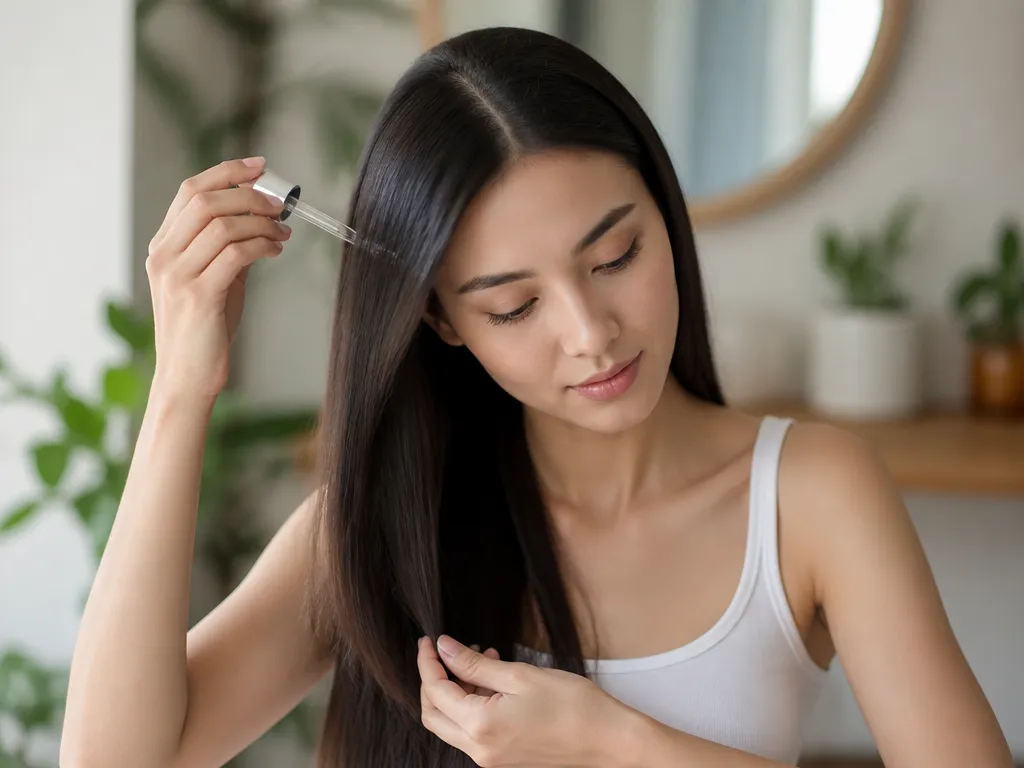
You are likely seeing “plated” hair serums all over your feed because everyone wants that glass-like, reflective finish. It sounds high-tech, but it is mostly a clever way to describe how certain ingredients coat the hair shaft. You can get instant shine, but you need to know if you are buying real repair or just a temporary mask.
Plated hair serums work by using film-forming silicones or polymers to create a smooth, reflective layer over the cuticle. This provides an immediate cosmetic improvement in frizz and shine within 1 use, though it does not change the internal structure of the hair. For additional temporary strengthening, look for hydrolyzed proteins or peptides.
Best for: Dry, frizzy, or porous hair types. Use caution if: You have very fine hair prone to heavy buildup.
Does Plated Hair Serum Work?
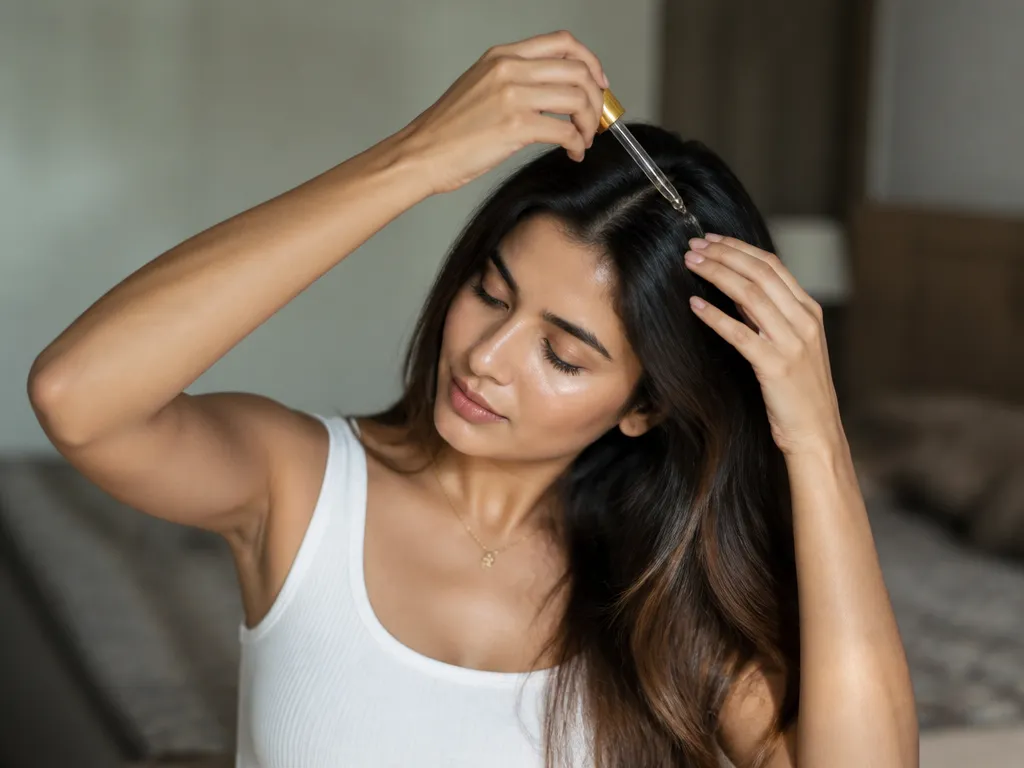
Plated hair serums primarily work by coating the hair shaft with a thin film rather than penetrating to repair or stimulate biological processes. This coating creates immediate cosmetic benefits like shine, smoothness, and frizz reduction without addressing the underlying health of hair follicles.
The term “plated” refers to how these products create a physical barrier around each hair strand, similar to metallurgical plating. This layer reflects light to enhance shine and can reduce friction and environmental exposure, but it does not improve hair growth, thickness, or follicle health.
For users seeking immediate cosmetic improvements, plated serums deliver visible results within minutes of application. Those dealing with structural hair damage, thinning, or slow growth should look for separate targeted treatments rather than relying on a plated serum alone.
| Benefit Type | Timeline | Longevity |
|---|---|---|
| Cosmetic (shine, smoothness) | Immediate | Until next wash |
| Protective (heat/environmental) | Immediate | Until next wash |
| Structural (repair, strength) | Weeks of consistent use | Persistent through multiple washes |
Plated serums work best for individuals with relatively healthy hair seeking temporary cosmetic improvements. Those with significant damage or concerns about hair growth should use targeted treatments separately and should not expect a coating serum to repair follicles or permanently rebuild the hair shaft.
When using plated serums, focus on application to mid-lengths and ends where the hair is oldest and most damaged. Avoid applying directly to the scalp unless specifically formulated for this purpose.
Identify Your Hair Needs
Understanding your specific hair concerns is the first step in determining whether a plated serum will address your needs effectively. Surface-level treatments primarily address cosmetic issues like frizz and shine, while structural treatments target damage and growth concerns at the follicle level.
Signs Of Cuticle Damage
Visible cuticle damage manifests as rough texture, excessive tangles, and split ends. When cuticles lift or become damaged, hair loses its protective outer layer, making it vulnerable to further environmental stressors.
Scalp Health Vs. Strand Texture
Scalp health directly influences strand strength and growth potential. A healthy scalp supports optimal hair growth, while strand texture determines how products interact with the hair surface.
| Concern | Indicates | Treatment Focus |
|---|---|---|
| Flaking, itching, redness | Scalp issues | Scalp treatments |
| Fine, limp strands | Texture concerns | Volumizing products |
| Excessive shedding | Growth issues | Strengthening treatments |
| Dull, lifeless appearance | Surface damage | Coating treatments |
Porosity And Absorption Levels
Hair porosity determines how well your hair absorbs and retains moisture and product ingredients. Low porosity hair has tightly bound cuticles that resist product penetration, while high porosity hair has gaps and holes in the cuticle layer that cause rapid moisture loss.
To determine your hair’s porosity, place a clean strand in a glass of water. If it floats quickly, you likely have low porosity hair. If it sinks slowly, you have normal porosity. If it sinks immediately, you have high porosity hair.
“Porosity testing helps identify whether your hair needs a coating to seal the cuticle or ingredients that can penetrate to strengthen the hair shaft from within.” – Trichologist Dr. Elena Rodriguez
Key Ingredients For Hair Plating
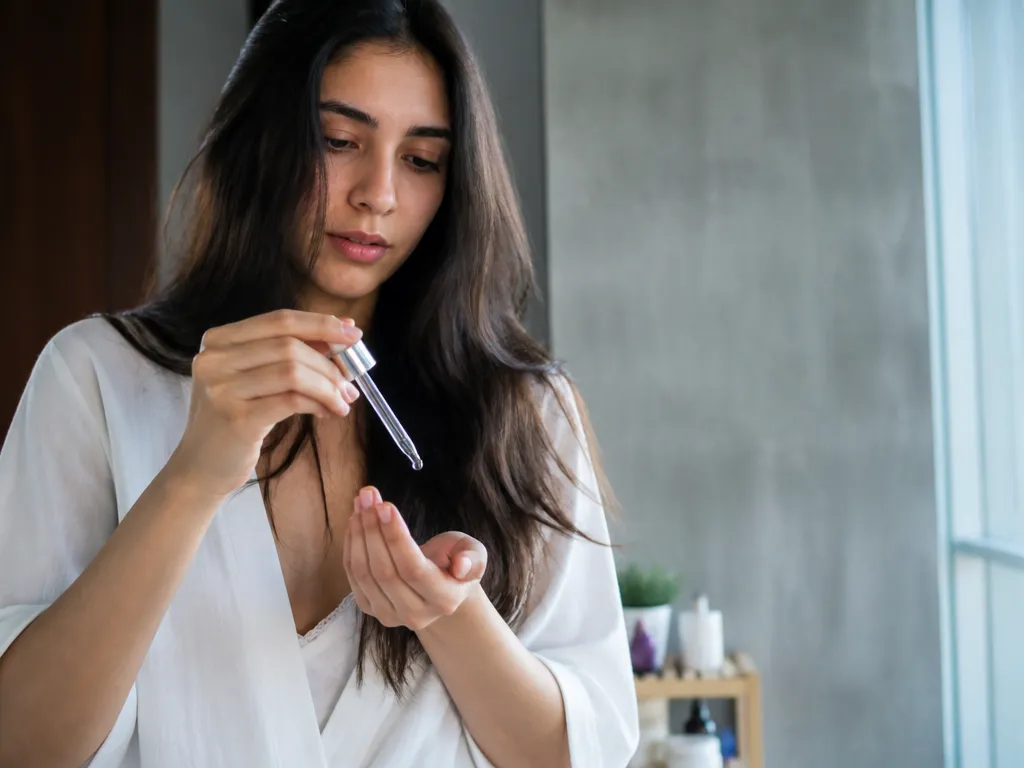
Plating serums primarily use film-formers to smooth the cuticle surface for instant shine. Some formulas also contain proteins or peptides that can provide temporary support to damaged strands, but these ingredients do not turn the serum into a follicle treatment or permanent repair product.
Film-formers And Smoothing Agents
Silicones and specialized polymers create a protective layer around each strand to reduce moisture loss, humidity exposure, and friction. This helps reduce frizz and increases light reflectivity for a glossy finish.
Dimethicone and Cyclopentasiloxane are common choices for providing slip without excessive weight. For those with fine hair, look for lighter alternatives like Hemisqualane to avoid a greasy appearance.
In practice, these ingredients provide a temporary cosmetic fix rather than a permanent change to the hair structure.
High-end serums often use high-purity silicones that evaporate more cleanly, leaving less buildup over time. Drugstore options frequently rely on heavier dimethicone, which works well for thick or highly porous hair but can cause heaviness on fine textures if used daily.
Strengthening And Growth Actives
Peptides and hydrolyzed proteins may temporarily fill or coat damaged areas of the hair shaft, improving feel, elasticity, and resistance to breakage. They do not permanently rebuild the hair or repair hair follicles.
Botanical extracts and growth factors focus on the scalp environment rather than the hair shaft itself. Ingredients like caffeine or rosemary oil may support scalp care, while peptides can reinforce the hair’s protein structure. Any structural improvement is formula-dependent and requires consistent use, whereas shine from film-formers is immediate.
| Ingredient Category | Common Examples | Primary Benefit |
|---|---|---|
| Film-Formers | Dimethicone, Amodimethicone | Instant shine and frizz control |
| Proteins | Hydrolyzed Keratin, Silk Protein | Structural repair and strength |
| Scalp Actives | Peptides, Rosemary Oil | Support for hair density and health |
Professional tip: Always patch test new serums on a small area of skin behind your ear to check for irritation from botanical actives or high concentrations of peptides.
Apply Serum For Best Results
The application method significantly impacts how plated hair serums perform on your hair. Proper technique ensures the product reaches the hair shaft and delivers the intended cosmetic benefits.
Application Based On Hair Type
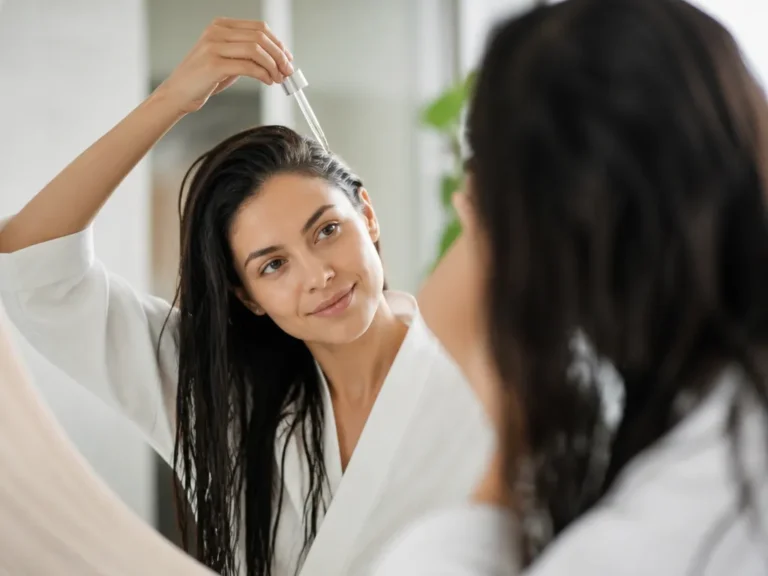
For fine or oily hair, apply serums sparingly to mid-lengths and ends only, avoiding the scalp to prevent buildup. Thicker or coarser hair types can handle slightly more product, with application starting from mid-lengths and extending through the ends.
Plated serums generally perform differently on wet versus dry hair. When applied to damp, towel-dried hair, serums distribute more evenly and provide better detangling benefits. For maximum shine and frizz control, apply to dry hair as a finishing touch.
Serums containing scalp-directed ingredients should be used according to the product instructions. Shine-enhancing and smoothing plating serums should remain on the mid-lengths and ends. Start with a small amount, about a dime-sized portion, and adjust for hair thickness.
Avoid These Common Mistakes
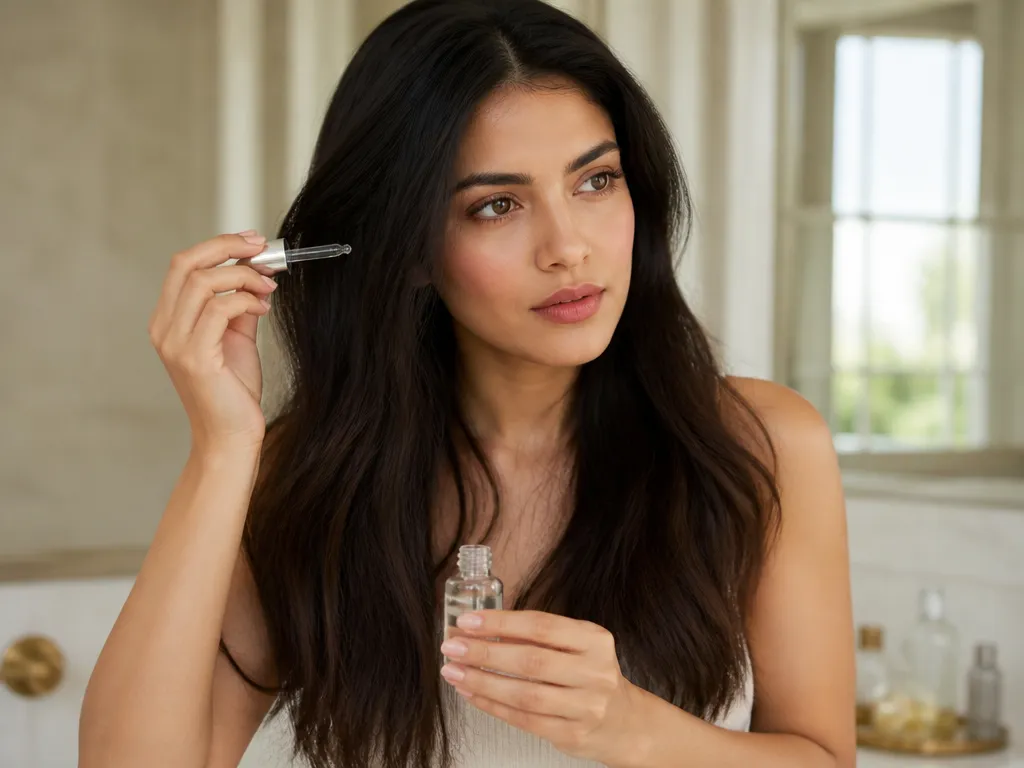
Misusing hair serums often leads to heavy, limp strands or a greasy scalp rather than the desired smooth finish. Most users fail to distinguish between treating the hair fiber and treating the scalp, which results in immediate product buildup.
Applying the serum too close to the roots is a primary error. These products are designed to coat the cuticle of the hair shaft, and because they often contain silicones or heavy oils, they can weigh down fine hair and make it appear oily within hours.
Pro Tip: Always start your application from the ends of your hair and work your way up to mid-shaft. Avoid the scalp entirely unless the specific formula is designed for scalp health.
Managing Product Buildup And Compatibility
Excessive use of film-forming serums can create a barrier that makes hair feel crunchy or straw-like over time, even if it looks shiny initially.
If you use a smoothing serum frequently, use a deep-cleansing or clarifying wash as needed to remove residual polymers without over-drying the hair.
Mixing incompatible hair products can also lead to unexpected textures. For example, layering a heavy oil-based serum over a water-based leave-in conditioner may cause the product to “pill” or flake off.
| Mistake Type | Result on Hair | The Fix |
|---|---|---|
| Root Application | Greasy, flat hair | Apply only from mid-lengths to ends |
| No Clarifying | Dullness and buildup | Use a clarifying shampoo weekly |
| Product Overload | Heavy, weighed-down feel | Use a pea-sized amount for fine hair |
For instance, if you have fine or thin hair, even a small amount of a heavy silicone-based serum can make your hair look unwashed.
In practice, it is better to apply a tiny amount to damp hair rather than trying to fix dry, greasy-looking hair with more product.
High-end Vs. Drugstore Options
Luxury structural treatments may use biomimetic peptides or other bond-supporting ingredients, whereas many drugstore versions primarily use film-formers to smooth the outer cuticle. Neither type should be assumed to permanently repair hair or affect follicle health.
When To Splurge And Save
Splurge on bond-building products if you have chemically treated or bleached hair and want a targeted treatment for damaged strands. These formulas may improve the feel and strength of hair with consistent use, but they do not permanently reconnect broken disulfide bonds.
Save your money when looking for simple frizz control or shine. Most drugstore smoothing serums use dimethicone or cyclopentasiloxane to create a temporary coating. These ingredients can perform similarly regardless of the price tag.
| Product Type | Price Point | Key Ingredient | Best For |
|---|---|---|---|
| Bond Builder | High | Peptides/Amino Acids | Bleached or damaged hair |
| Smoothing Serum | Low | Dimethicone | Frizz and flyaways |
| Nourishing Oil | Mid | Argan or Jojoba Oil | Dry, coarse hair |
For example, a high-end treatment like K18 focuses on structural integrity. A drugstore option like L’Oreal Elvive focuses on the visual “plated” effect of a smooth surface.
Pro tip: Apply serums from the ends and work your way up to the mid-shaft. This prevents the roots from looking greasy or weighed down.
Application Order And Tips
Fine hair types should stick to lightweight, water-based serums to avoid flatness. Coarse or curly hair types benefit more from oil-heavy formulas that provide deeper moisture.
Always perform a patch test on a small section of hair near the nape of the neck. This helps you check for any adverse reactions or excessive buildup before applying the product to your entire head.
Expert Tips For Lasting Shine
Heat application can help film-forming polymers and silicones create a smoother surface. Applying moderate warmth may help distribute the product more evenly, but excessive heat can damage the hair.
Optimizing Product Performance
Heat tools like blow dryers or flat irons can smooth the coated hair shaft. For the best results, use a medium heat setting rather than maximum heat to prevent damage.
Layering techniques can extend the life of the shine. Start with a lightweight leave-in conditioner on damp hair, then apply the plating serum to the mid-lengths and ends once the hair is nearly dry.
Professional tip: Use a wide-tooth comb to distribute the serum evenly through your strands before applying heat. This prevents product buildup in one single area.
Maintaining Hair Clarity
Product buildup can eventually dull the shine and make hair feel heavy or limp. Strategic clarifying wash days help remove old silicone layers and allow fresh treatments to adhere properly.
If you use a plating serum daily, incorporate clarifying shampoo according to your hair type and the product buildup you experience.
| Hair Type | Frequency of Clarifying | Serum Application Tip |
| Fine/Oily | Once a week | Apply only to very ends |
| Thick/Coarse | Every two weeks | Layer on damp and dry hair |
| Color-Treated | Once every three weeks | Use sulfate-free clarifying options |
In practice, most users see the best results when they follow a consistent routine. Expect the cosmetic shine to last until your next full wash.
Quick Summary
Plated hair serums provide immediate cosmetic benefits by using film-forming polymers or silicones like dimethicone and polyquaternium to coat the hair shaft. This process creates a smooth and reflective layer over the cuticle that reduces frizz and increases shine within a single application. However, these products do not change the internal structure of the hair or affect follicle health. They function as a temporary mask rather than a permanent repair solution for damaged strands.
Because these serums create a physical barrier, users should apply them only to the mid-lengths and ends to avoid greasy roots. Clarify according to your hair type and buildup. For additional strand support, look for separate treatments containing peptides or hydrolyzed proteins, but do not expect a plated serum to increase hair growth or density. The most important takeaway is that plated serums are for surface shine, not biological repair.
| Benefit Type | Timeline | Longevity |
|---|---|---|
| Cosmetic (shine, smoothness) | Immediate | Until next wash |
| Protective (heat/environmental) | Immediate | Until next wash |
| Structural (repair, strength) | Weeks of consistent use | Persistent through multiple washes |
Frequently Asked Questions
How Long Until I See Results From Using Plated Hair Serum?
Plated hair serums generally show cosmetic results immediately, with improvements in shine and manageability after the first application. Any additional strengthening benefits from proteins or peptides are formula-dependent and require consistent use; a plated serum does not alter hair growth cycles or permanently repair damaged hair.
Can I Use Plated Hair Serum If I Have Sensitive Or Acne-prone Skin?
While plated hair serums are designed for hair rather than skin, you should always patch test first if you have sensitive skin or acne concerns. Apply a small amount to your inner arm and wait 24 hours to check for any adverse reactions before using it near your face or scalp.
What’s The Difference Between Plated Hair Serum And Regular Hair Oil?
Plated hair serums typically contain lighter silicones that create a smooth, reflective coating on hair strands, while regular hair oils may provide lubrication and conditioning. The main difference is that plated serums provide immediate shine and frizz control, whereas oils may offer a different conditioning effect with repeated use.
Is The Expensive Version Of Plated Hair Serum Worth It Vs The Drugstore Version?
Drugstore versions of plated hair serums can provide similar shine and frizz control as premium options, but higher-end formulas may contain additional ingredients such as antioxidants or UV filters. If your main concern is immediate shine, a drugstore option may work just fine; compare the ingredient list and formula with your specific needs.
What’s The Correct Order To Apply Plated Hair Serum In My Hair Care Routine?
Plated hair serum should be applied to damp or dry hair after washing but before any styling products. Start with a small amount (about 2-3 pumps) and distribute evenly through mid-lengths and ends, avoiding the roots to prevent buildup or greasiness.

- 7 Best Detangling Brushes for Curly Hair: Thick, Fine, Long & Natural Hair - September 25, 2026
- 5 Best Moisturizing Curl Defining Creams for Soft, Defined Curls - September 24, 2026
- Best Curl Creams for Straight Hair: 5 Top Picks for Women - September 24, 2026