
Is Keratin Conditioner Good For Low Porosity Hair?
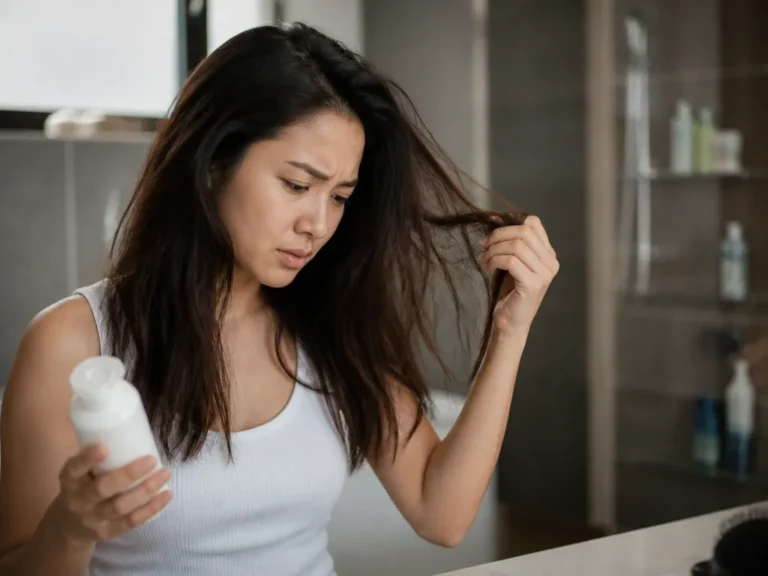
Struggling with low porosity hair that just won’t absorb products? You’re not alone in this frustrating battle. Many with low porosity hair find it challenging to get the right balance of protein and moisture without that dreaded buildup or stiffness. Let’s cut through the marketing hype and get real about whether keratin conditioner actually works for your specific hair type.
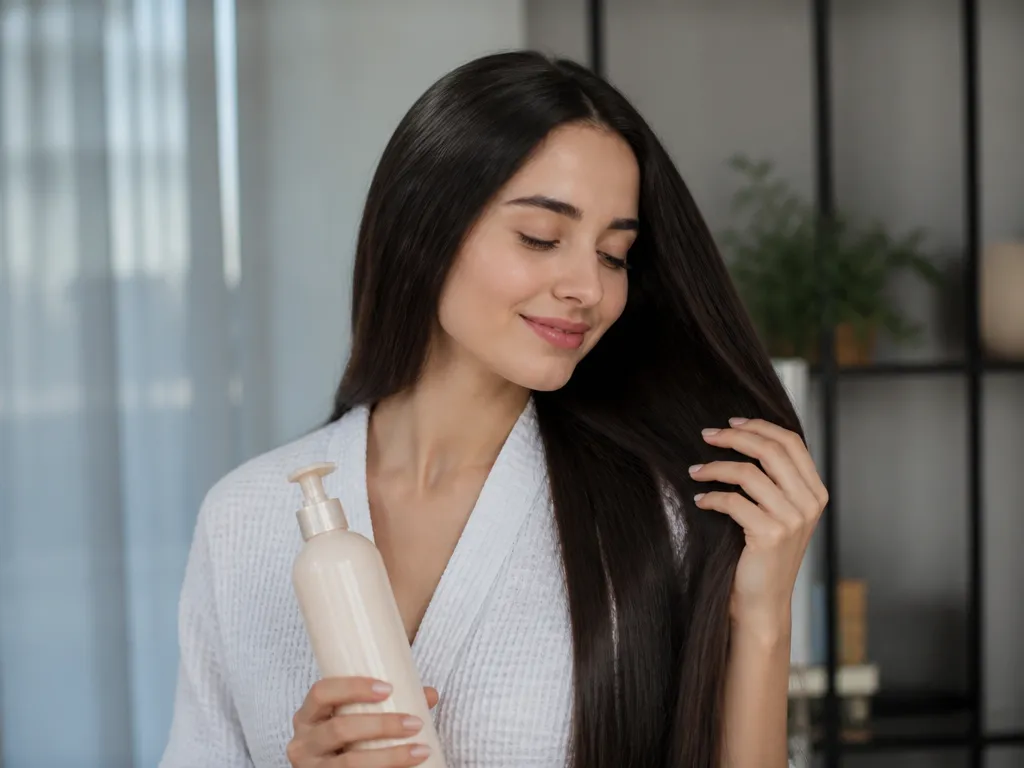
Keratin conditioner for low porosity hair requires moderation. Use no more than once every 2 weeks to avoid buildup. Low porosity hair’s tightly closed cuticles limit deep protein penetration, making keratin conditioners better as temporary surface treatments rather than deep repair solutions.
Is Keratin Conditioner Good For Low Porosity Hair?
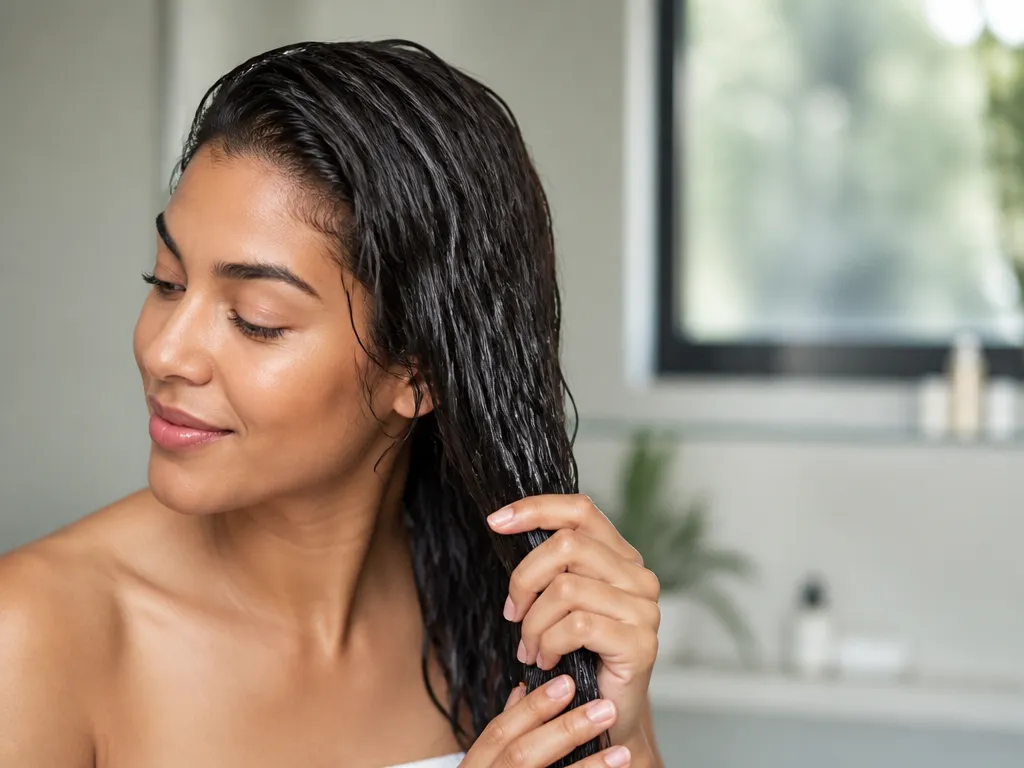
Keratin conditioners work best for low porosity hair when used sparingly to avoid protein buildup. These products can strengthen the hair shaft, but over-use often leads to stiffness because the tightly closed cuticles limit protein absorption.
Keratin provides structural support for hair that has been chemically treated or heat-damaged. It fills in gaps in the cuticle to reduce frizz and add a temporary glossy finish.
Avoid these conditioners if your hair feels like straw or snaps easily when stretched. Low porosity strands are prone to buildup, and heavy proteins can create a film that blocks moisture from entering the hair.
Esthetician tip: Use warm water when applying protein conditioners. The heat helps lift the tight cuticles of low porosity hair, allowing the keratin to penetrate rather than sitting on top of the strand.
Initial results usually include a smoother texture and more manageable curls. If the hair begins to feel rigid or dry after a few weeks, you have likely reached protein overload.
Product Options And Cost
| Product Type | Approximate Price | Key Ingredient | Best For |
|---|---|---|---|
| High-end: Living Proof Restore | $30 | Keratin Peptides | Chemically damaged low porosity |
| Drugstore: OGX Brazilian Keratin | $8 | Hydrolyzed Keratin | General frizz control |
For those on a budget, hydrolyzed keratin is the ingredient to look for. Hydrolyzed proteins are broken down into smaller molecules, which makes them easier for low porosity hair to absorb.
Application Routine
Expect to see an immediate increase in shine. Monitor your hair for 4 weeks to ensure it remains soft and does not become brittle.
Low Porosity Hair Behavior
Low porosity hair has a tightly closed cuticle layer that acts as a barrier against moisture and product penetration. This structure prevents water from entering the hair shaft easily, which often leads to products sitting on the surface of the hair.
Keratin Conditioner Ingredient Signs
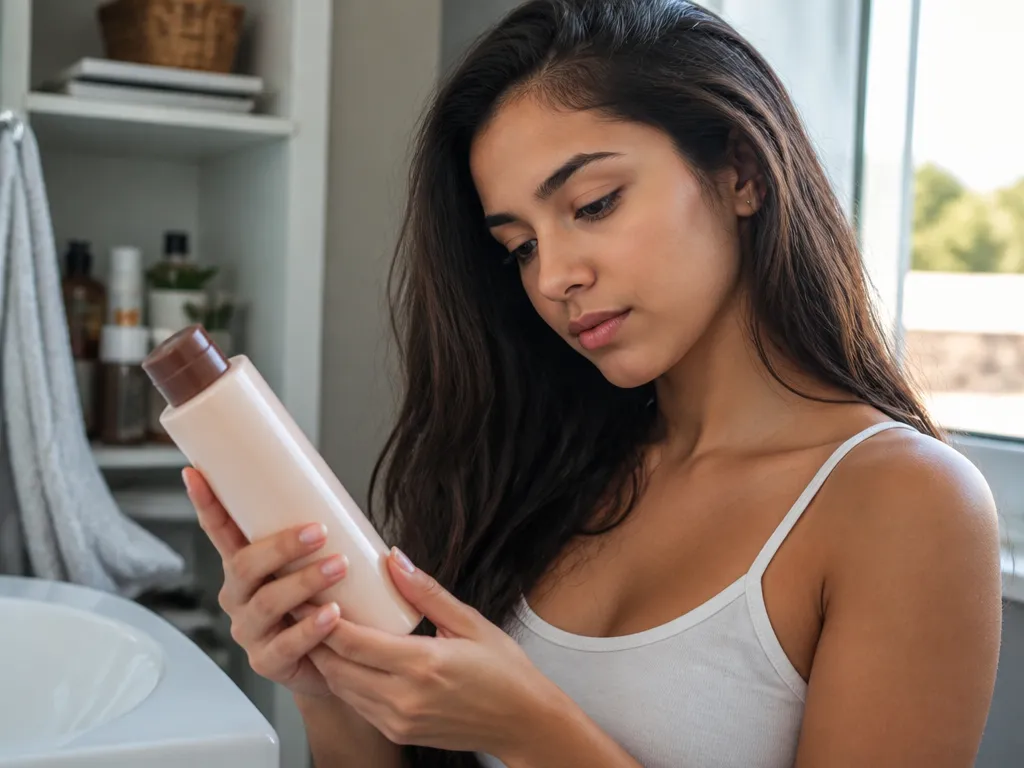
Choose formulas with hydrolyzed keratin or keratin amino acids. Large, intact keratin proteins often sit on the surface of low porosity strands, which can lead to buildup and a straw-like texture.
Effective formulas for this hair type balance protein with high concentrations of humectants like glycerin, honey, or aloe vera. These ingredients pull moisture into the hair shaft to counteract the hardening effect that excess protein can cause.
| Ingredient Category | What to Look For | Why It Matters |
|---|---|---|
| Protein Type | Hydrolyzed keratin, amino acids | Smaller molecules penetrate the cuticle rather than coating it. |
| Moisture Boosters | Glycerin, Panthenol, Aloe Vera | Maintains elasticity and prevents protein overload stiffness. |
| Slip Agents | Cationic polymers, Behentrimonium Methosulfate | Provides detangling without heavy, waxy buildup. |
| Avoid | Heavy Shea Butter, Coconut Oil, Petrolatum | These large molecules block moisture from entering the hair. |
Managing Protein And Moisture Balance
Protein overload is a common risk for low porosity hair when using keratin-heavy products too frequently. You might notice your hair feels brittle, tangles easily, or loses its natural bounce.
For instance, if your hair feels rough even after conditioning, you likely have too much protein and not enough moisture. You should pause the keratin conditioner and switch to a pure moisturizing conditioner for two to three washes.
Pro tip: Always apply conditioner to the mid-lengths and ends of your hair. Avoid the scalp to prevent heavy buildup and potential irritation.
Low Porosity Routine Steps
Warmth can lift the cuticle scales slightly and allow ingredients to penetrate the cortex.
Start this treatment every 2 weeks or less. Fine hair may need less frequent application to avoid buildup, while thick or damaged hair can use the same schedule if it remains soft.
In practice, alternating between a protein treatment and a deep moisture treatment prevents the hair from becoming brittle. This balance is essential for low porosity types who are prone to protein sensitivity.
| Product Option | Approx. Price | Key Ingredient | Best For |
|---|---|---|---|
| OGX Keratin Smoothing | $7 | Hydrolyzed Keratin | Budget maintenance |
| Kérastase Resistance | $50 | Pro-Keratin | Intensive repair |
Esthetician tip: Always patch test a new protein conditioner on a small strand of hair behind your ear. If the hair feels stiff or straw-like after rinsing, reduce the dwell time or the frequency of use.
Expect to see a difference in hair strength and frizz control within 4 to 6 weeks of consistent use. Over-using these products can lead to “protein overload,” which makes hair snap easily.
Common Mistakes That Worsen
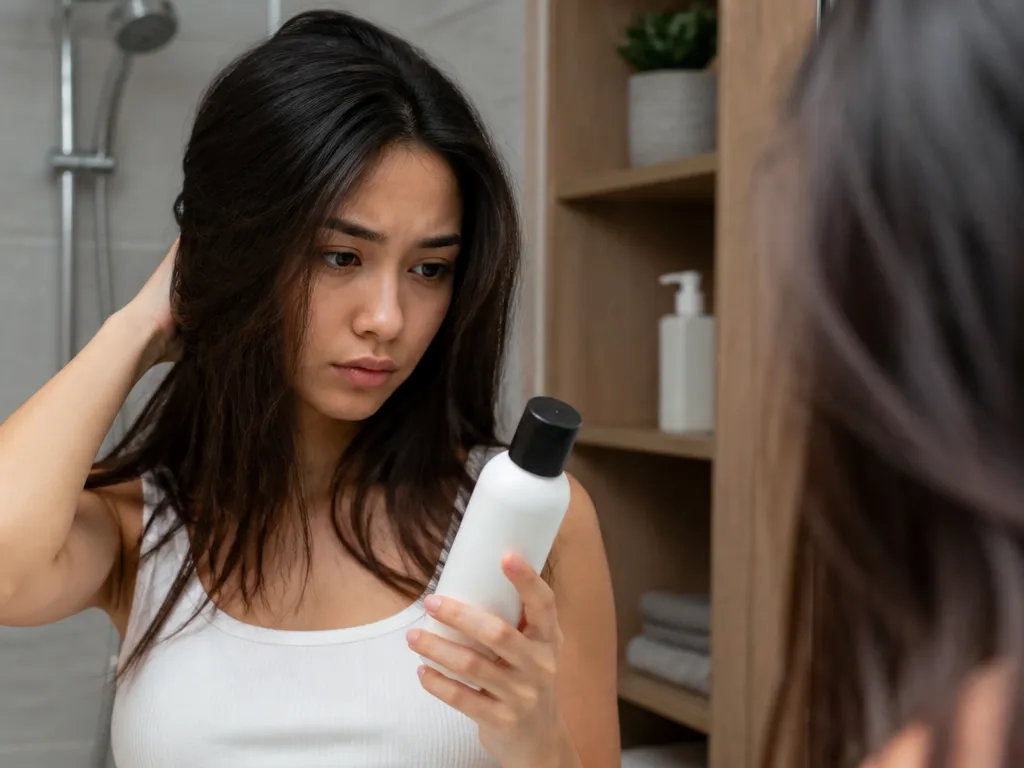
Low porosity hair struggles to absorb moisture, so adding too much protein without balancing moisture often leads to a stiff, coated feel. Keratin conditioners can weigh down these strands if applied incorrectly or stacked with other heavy products.
Stacking multiple protein treatments in a single wash day creates a brittle texture rather than strengthening hair. If you already use a protein-rich conditioner, adding a deep mask or leave-in with hydrolyzed keratin can overload the hair shaft.
In practice, this results in hair that snaps easily under tension despite feeling “strong.”
Esthetician tip: Always follow a protein treatment with a deep moisturizing conditioner to restore elasticity.
Using heat incorrectly is another pitfall. While warm water helps open the cuticle for absorption, applying high heat to chemically treated or already brittle hair can cause further damage.
Budget Alternatives And Diy
Affordable protein treatments work best when they use hydrolyzed keratin or silk amino acids rather than heavy, undiluted proteins. These smaller molecules can penetrate the tight cuticle of low porosity hair more effectively without causing the stiff, brittle texture associated with buildup.
Drugstore options often contain high concentrations of silicones that can block moisture from entering the hair shaft. Look for products that balance a small amount of protein with humectants like glycerin or aloe vera to maintain softness.
Smart Shopping And Diy Options
Professional tip: Always perform a patch test on a small section of hair before applying any DIY mixture to your entire head to ensure it does not cause unexpected stiffness.
DIY approaches carry risks if you use raw ingredients like egg whites or heavy oils. Raw egg protein can be difficult to rinse out of low porosity hair and may lead to uneven coating. Stick to clear, water-based humectants to avoid adding unnecessary weight.
Comparison of Protein Delivery Methods
| Method | Key Benefit | Best For |
|---|---|---|
| Hydrolyzed Keratin | Small molecule size | Regular maintenance |
| DIY Aloe Mask | High hydration, low risk | Moisture-focused days |
| Heavy Protein Mask | Maximum strength | High porosity/damaged hair only |
Avoid DIY protein treatments if your hair already feels crunchy, straw-like, or tangles easily. These are signs of protein sensitivity, and adding more protein through any method will likely worsen the texture.
Expert Tips For Faster Results
Warmth from a steamer or a warm towel can reduce the resistance of low porosity cuticles, helping keratin and moisturizers sit less heavily on the strand.
Maximizing Product Penetration
Hair that feels greasy on the outside but dry on the inside suggests the product is not penetrating. This occurs because low porosity cuticles remain tightly closed.
Quick Summary
Use keratin conditioner no more than once every two weeks, and apply it with warm water if your hair tolerates the treatment. Monitor the result rather than relying on a fixed schedule, stopping when the hair feels rigid, dry, or brittle.
To maintain a healthy balance, pair protein with moisturizing ingredients like glycerin, honey, or aloe vera. You should also use a clarifying shampoo every four to six weeks to remove any accumulated residue. The most important takeaway is to monitor your hair for signs of protein overload, such as a straw-like texture or hair that snaps easily.
| Ingredient Type | What to Look For | Why It Matters |
|---|---|---|
| Protein | Hydrolyzed keratin, amino acids | Smaller molecules penetrate the cuticle |
| Moisture | Glycerin, Panthenol, Aloe Vera | Maintains elasticity and prevents stiffness |
| Slip Agents | Behentrimonium Methosulfate | Provides detangling without heavy buildup |
Beauty Routine Cheat Sheet
One Thing To Stop Doing Immediately
Stop stacking multiple protein products on the same wash day, as this can create a film that blocks moisture from entering your low porosity strands.
Expected Timeline For Results
You should see an immediate increase in shine after application, but monitor your hair closely for the next 4 weeks to ensure it remains soft and does not become brittle.
Frequently Asked Questions
How Long Until I See Results?
You might notice smoother texture immediately, but significant bond repair usually requires consistent use for at least 4 to 6 weeks. Keratin fills the outer cuticle layer to reduce frizz and improve shine.
Do I Really Need To Use Heat?
No, but gentle heat for 15 to 20 minutes can help low porosity hair absorb the conditioner. A hooded dryer is more effective than using a hand dryer alone, and high heat can cause damage.
Can I Use This If I Have Sensitive Scalp?
You should always perform a patch test behind your ear first to rule out allergic reactions. Some keratin treatments contain formaldehyde-releasing ingredients that can irritate sensitive skin.
What’s The Difference Between Keratin And Regular Conditioner?
Regular conditioner provides moisture while keratin conditioner bonds to the hair shaft to smooth the cuticle and reduce frizz. It acts more like a treatment than a rinse-out conditioner.
Is The Expensive Version Worth It Vs The Drugstore Version?
Drugstore options are effective for maintenance, but salon-grade formulas often contain higher concentrations of keratin for more intense smoothing. You get better results from the professional version if your hair is severely damaged.

- Top 10 Best Hair Conditioner For Fine Thin Hair 2026 - October 6, 2026
- Top 10 Best Hair Conditioner For Frizzy Hair Women 2026 - October 6, 2026
- Top 10 Best Hair Conditioner For Fine Hair 2026 - October 6, 2026

One Comment