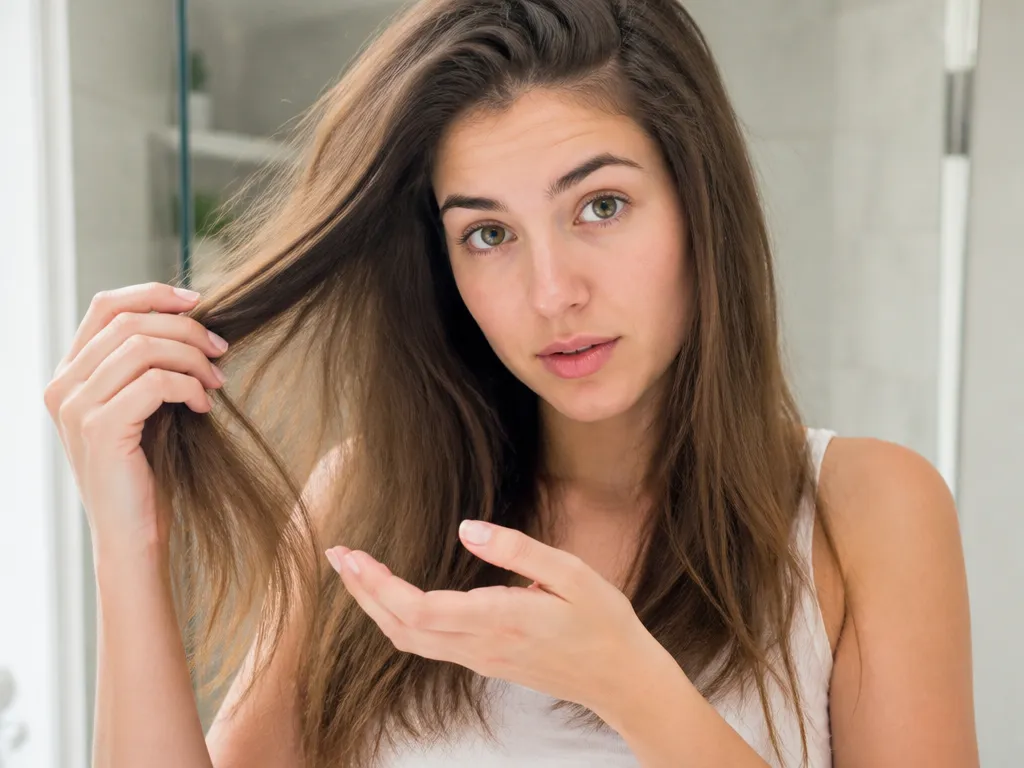
Is Keratin Or Biotin Better For Hair?
Over 80% of women report hair concerns like breakage and thinning, yet many don’t understand the difference between treatments that repair the hair shaft versus those that support growth. When comparing keratin and biotin, you’re essentially looking at two very different approaches to hair health – one that works externally to strengthen what you have, and one that works internally to support production.
Keratin treatments provide immediate results for damaged hair, reducing frizz in 3-5 applications, while biotin supplements require 3-6 months to show potential benefits only if you have a deficiency. For most people with no underlying deficiency, topical keratin delivers more noticeable improvements to hair texture and strength.
- Keratin is a structural protein. It coats the hair shaft to temporarily smooth and strengthen damaged strands.
Is Keratin Or Biotin Better For Hair?

Neither ingredient is universally superior as they address different aspects of hair health. Keratin works externally to repair and strengthen the hair shaft, while biotin supports internal hair health by aiding in keratin production when a deficiency is present.
Keratin For External Repair
Keratin treatments create a protective coating on the hair shaft, filling in gaps and cracks in the cuticle layer. This process smooths the hair surface, reduces frizz, and increases shine by temporarily restructuring damaged hair.
Biotin For Internal Support
Biotin, also known as Vitamin B7, is a water-soluble nutrient that helps the body produce keratin. While biotin supplementation can help correct deficiencies that lead to brittle hair and nails, it won’t significantly improve hair health in people who already have adequate levels.
| Keratin Treatments | Biotin Supplements |
|---|---|
| External application | Internal support |
| Immediate results | Takes 3-6 months to see effects |
| Temporary solution | Addresses potential nutritional deficiencies |
When To Choose Which
Choose keratin treatments if your primary concerns are surface-level damage like frizz, breakage, or dullness from chemical processing or heat styling. These treatments work best for people with coarse, curly, or heavily damaged hair.
Opt for biotin supplementation if you notice increased hair shedding, brittle nails, or suspect a nutritional deficiency. Biotin is most beneficial for individuals with diagnosed deficiencies or those experiencing hair thinning due to metabolic conditions.
Expert tip: For comprehensive hair health, consider combining both approaches. Use keratin treatments for immediate cosmetic improvements and ensure adequate biotin intake through diet or supplements for long-term structural support.
Identify Your Hair Concerns
Signs Of Structural Damage
Structural damage typically manifests as hair that feels rough, looks frizzy, or breaks easily. If your hair has lost its natural shine and appears dull even after conditioning, this may indicate damage to the hair’s outer cuticle layer.
Signs Of Nutritional Deficiency
Nutritional deficiencies often show as excessive shedding, thinning hair, or brittle strands that snap when stretched. If you notice more hair falling out than usual or your hair lacks elasticity, consult a medical professional rather than assuming a biotin deficiency.
Testing Your Hair Elasticity
A simple elasticity test can help determine whether your hair needs structural support or nutritional support. Take a wet strand of hair and gently stretch it – healthy hair can stretch up to 50% of its length and return to normal, while damaged hair breaks easily.
“Your hair’s elasticity is a direct indicator of its structural health. If your hair snaps when stretched, it likely needs keratin to rebuild its surface protein structure.”
| If You Notice: | You Likely Need: | Solution: |
|---|---|---|
| Rough texture, split ends, frizz | Keratin | Keratin treatments, protein-rich conditioners |
| Excessive shedding, thinning | Biotin if deficient | Medical evaluation before supplements |
| Both issues | Both | Combined approach with topical keratin and internal biotin when deficient |
Key Ingredients For Hair Strength

Topical keratin hydrolysates work by coating the hair fiber to reduce porosity and breakage, which is ideal for hair damaged by heat or chemical processes. These products provide a temporary cosmetic fix that makes hair feel smoother and more manageable until the next wash. Salon-grade keratin treatments often involve heat-activated bonding agents, which are significantly more potent than at-home masks or sprays.
Biotin plays a role in the metabolic pathways that synthesize keratin, but it is not a direct growth stimulant for healthy individuals. Most people obtain sufficient amounts through a balanced diet, so extra supplementation rarely results in thicker or faster-growing hair. If you notice brittle nails or excessive shedding, consult a doctor to check for actual nutrient deficiencies before adding high-dose vitamins to your routine.
| Ingredient | Primary Benefit | Best For |
|---|---|---|
| Keratin (Topical) | Smoothing, reduced breakage | Chemically treated, porous hair |
| Biotin (Oral) | Supports protein synthesis | Proven deficiency, brittle nails |
| Zinc & Iron | Cell division & oxygen transport | Thinning hair, shedding |
Supporting Nutritional Needs
Hair follicles require adequate levels of minerals to maintain a healthy growth cycle. Iron is essential for carrying oxygen to the hair roots, and low levels often correlate with increased shedding. Zinc contributes to tissue repair and keeps the oil glands around the follicles functioning correctly. Focus on whole-food sources like lean meats, legumes, and seeds to maintain these levels, as excessive supplementation of minerals can lead to toxicity or interfere with the absorption of other vital nutrients.
Effective Keratin Application Routine
Proper keratin application transforms damaged hair by filling the cuticle gaps and creating a protective protein layer. This routine works best for chemically treated or heat-damaged hair that lacks strength and shine.
Step 1: Gentle Cleansing
Begin with a clarifying shampoo to remove product buildup and prepare the hair cuticle. Avoid sulfates that can strip natural oils needed for keratin absorption. Instead, choose a pH-balanced cleanser that opens the hair cuticle slightly without causing damage.
For example, look for shampoos with hydrolyzed wheat protein or amino acids that complement keratin treatments. These ingredients help create a receptive surface for the keratin to bond with the hair shaft.
Step 2: Targeted Protein Application
Apply keratin serum or treatment from mid-lengths to ends, avoiding the roots where product buildup can cause limpness. Use a wide-tooth comb to distribute evenly and ensure every strand receives adequate protein coverage.
| Application Method | Best For | Processing Time |
|---|---|---|
| Leave-in serum | Daily maintenance | None needed |
| Deep treatment mask | Weekly repair | 15-20 minutes |
| Professional treatment | Severe damage | 30-45 minutes |
Step 3: Sealing With Moisture
Follow protein application with a moisturizing conditioner containing ingredients like argan oil or shea butter to lock in the keratin benefits. This step prevents the hair from becoming brittle and maintains elasticity after protein treatment.
For best results, limit keratin treatments to once or twice weekly to avoid protein overload, which can cause hair to become stiff and break. Always perform a strand test before full application to check for adverse reactions.
“Keratin works best when hair is clean but not stripped of natural oils. The balance between protein and moisture is crucial for healthy-looking hair.”
Common Mistakes To Avoid
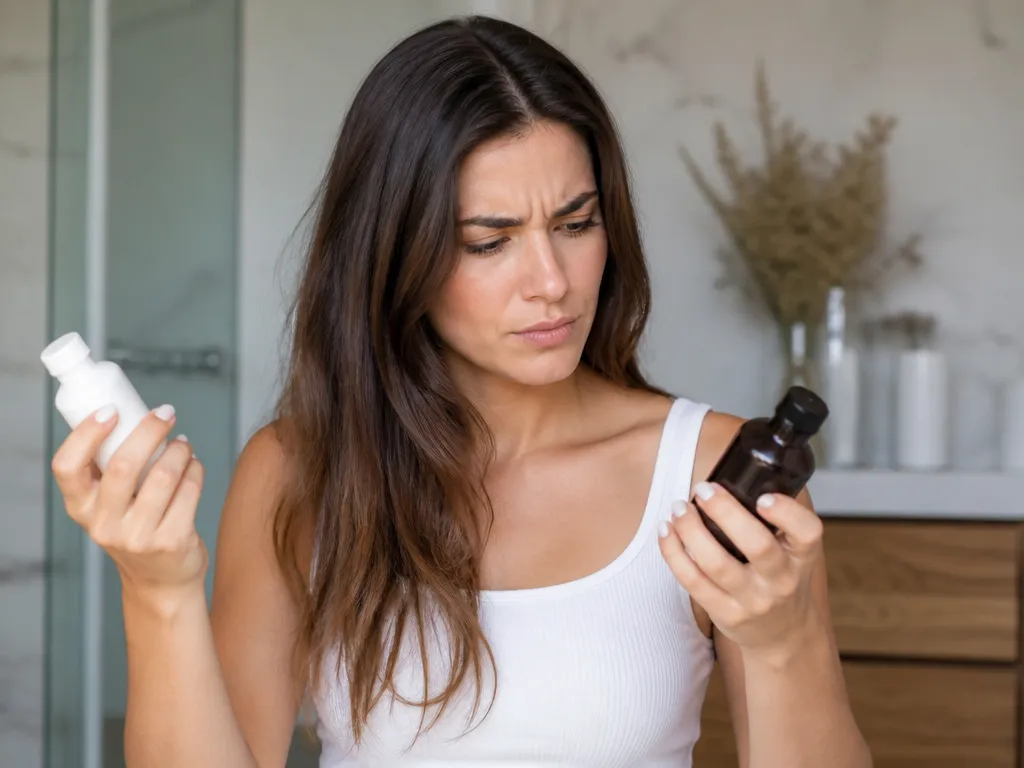
Protein overload can leave hair feeling stiff, rough, and prone to snapping, especially when you use multiple keratin and “strength” products back-to-back. Biotin is only a helpful fix when you are truly low in it, so assuming it will regrow hair can delay the real cause.
In practice, these mistakes affect every skin type and hair texture, from oily scalps to dry, color-treated strands.
Overusing protein-heavy products is the biggest preventable problem. Keratin treatments and hair masks coat or cross-link hair on the surface, so repeated use without moisture-balancing conditioners can increase stiffness and porosity loss that turns into breakage. For oily to combination scalps, keep protein on the hair lengths only, while dry or curly hair types may need fewer protein “boost” days and more humectants and emollients.
Expecting biotin to regrow hair is another common trap, because biotin is a nutrient involved in normal keratin production, but it is not a guaranteed hair-growth switch for people with adequate levels. In most cases, hair growth problems come from traction, breakage, androgenic hair loss, stress, thyroid issues, iron deficiency, scalp inflammation, or medication effects. If you are dealing with thinning at the crown or wide parting, biotin alone rarely fixes the pattern.
| Ingredient | Common mistake | Most realistic outcome |
|---|---|---|
| Keratin | Layering multiple keratin masks and leave-ins | Smoother feel, less porosity, fewer breakage events |
| Biotin | Using it as a “miracle growth” supplement | Helps mainly if you are deficient, otherwise results are limited |
Dermatologist tip: If shedding is sudden, patchy, or paired with scalp pain, scaling, or itching, treat the cause first before adding more supplements.
Ignoring underlying medical causes is the mistake that costs the most time. For example, iron deficiency (especially with heavy periods), thyroid disorders, fungal scalp issues, and androgenic alopecia can mimic “nutrition-related” hair problems. For fine hair types, even small breakage increases can look like thinning, so you need to separate shedding from breakage before you spend money on additional keratin or biotin.
In practice, build a simple “trial” and stop adding new variables. Patch test topical products on the inner forearm or behind the ear for 24-48 hours, and be cautious with fragranced or high-protein formulas if you have sensitive scalp. When changing routines, use cleanser → (optional toner) → treatment/serum → moisturizer (if you apply it to scalp skin) → SPF for skin exposure around hairlines, and track results over 4-6 weeks so you can tell what actually improved texture versus what just caused stiffness.
Drugstore Vs High-end Options
Budget-friendly hair care focuses on topical surface smoothing, while premium options often invest in more complex molecular structures or professional-grade salon treatments. You can achieve significant results with both approaches depending on whether you need immediate texture improvement or long-term nutritional support.
Affordable Surface Repair And Supplements
Drugstore keratin products work well for daily maintenance and smoothing the hair cuticle. These formulas usually rely on hydrolyzed proteins that sit on the surface of the hair shaft to temporarily fill in gaps caused by damage. Expect to see improved shine and reduced frizz after 1-2 uses.
In practice, drugstore biotin supplements are most effective if you actually have a deficiency. If your diet is already nutrient-dense, taking extra biotin may not result in visible hair growth.
Premium Protein And Targeted Nutrition
High-end hair care often utilizes smaller peptide sizes that can penetrate deeper into the hair structure. These products are better for highly porous, damaged hair that needs structural reinforcement rather than just a surface coating.
| Product Type | Price Range | Key Benefit | Best For |
| Salon Keratin Treatment | $200 – $500 | Long-term smoothing | Frizzy, unruly hair |
| Premium Bond Builders | $30 – $60 | Internal repair | Bleached or broken hair |
| Specialized Biotin Serums | $40 – $80 | Scalp health | Thinning hair concerns |
Professional tip: Always patch test new high-concentration protein treatments on a small section of hair first. Too much protein without enough moisture can make hair feel brittle or “straw-like.”
For instance, if your hair is extremely damaged from bleach, a premium bond-building treatment is a better investment than a cheap keratin conditioner. The expensive formula repairs the internal disulfide bonds, whereas the drugstore option only masks the damage.
Expert Tips For Lasting Results
Overusing keratin proteins without balancing them with moisture makes hair stiff and prone to snapping. This imbalance often happens when users apply too many protein masks or leave-in treatments without a hydrating conditioner.
Balancing Protein And Moisture
Hair requires a precise balance of strength and elasticity to stay healthy. Too much protein creates a hard shell that lacks flexibility, which leads to brittle ends.
For instance, perform a stretch test by taking a single wet strand of hair and gently pulling it. If the hair snaps immediately, you have protein overload. If it stretches significantly and does not return to its original shape, you need more protein.
Professional tip: Always follow a protein-heavy treatment with a deep moisture mask to keep the hair shaft pliable.
This balance is critical for those with high porosity hair, which is common in chemically treated or bleached hair. These hair types absorb protein quickly but lose moisture just as fast.
Managing Supplements And Protection
Biotin levels are best checked through a blood test at a medical clinic. Taking high doses of biotin without a confirmed deficiency rarely produces a noticeable difference in hair growth for most people.
In practice, some users experience cystic acne after starting biotin supplements. This occurs because biotin competes with Vitamin B5 for absorption in the skin, which can disrupt the skin barrier.
| Protection Method | Recommended Tool | Primary Benefit |
|---|---|---|
| Heat Protection | Silicone-based spray | Prevents cuticle burn |
| Friction Reduction | Silk or satin pillowcase | Reduces overnight breakage |
| Gentle Detangling | Wide-tooth comb | Prevents mechanical stress |
For heat protection, high-end options like Kérastase ($50) are effective, but drugstore alternatives like Pantene ($8) use similar silicones to shield the hair. Apply these to damp hair before using any hot tool.
Consistency is the most important factor for success. Expect to see a difference in hair texture and strength within 4 to 8 weeks of a consistent routine.
Quick Summary
Keratin and biotin serve two distinct roles in hair maintenance. Keratin is a structural protein that works externally to repair the hair shaft by filling in gaps in the cuticle layer. This topical approach provides immediate cosmetic results, such as reduced frizz and increased shine, often within just three to five applications. It is particularly effective for those dealing with chemical or heat damage. In contrast, biotin is a water-soluble B7 vitamin that supports the body’s internal ability to produce keratin when a deficiency is present.
Biotin supplementation is an internal method that requires three to six months to show potential benefits. This approach is most effective for individuals with a diagnosed nutritional deficiency who experience excessive shedding or brittle nails. You can test your hair health using an elasticity test by gently stretching a wet strand; healthy hair should stretch up to 50 percent and return to normal. The most important takeaway is that keratin addresses surface damage while biotin supports keratin production when deficient rather than directly stimulating growth.
| Feature | Keratin | Biotin |
|---|---|---|
| Primary Action | External repair | Internal support |
| Best For | Frizz and breakage | Diagnosed deficiency with thinning or shedding |
| Timeline | Immediate results | 3 to 6 months |
Beauty Routine Cheat Sheet
Stop Doing This Immediately
Stop aggressively stretching or pulling wet hair, as this can cause immediate breakage if your hair lacks sufficient elasticity.
Expected Timeline For Results
Expect visible improvements in texture and frizz reduction within 3 to 5 keratin applications, but allow 3 to 6 months for biotin supplements to show potential benefits when a deficiency is present.
Frequently Asked Questions
What Is The Difference Between Keratin And Biotin For Hair?
Keratin is the physical protein that makes up your hair structure, while biotin is a B vitamin that helps your body produce it. You can think of keratin as the building material and biotin as the tool that helps create it.
How Long Does It Take To See Results From Biotin Supplements?
You will not see immediate changes because hair grows slowly. It typically takes 3 to 6 months of consistent daily use to notice improvements in hair strength or thickness, primarily when a deficiency is present.
Can Keratin Treatments Damage My Hair?
Some salon smoothing treatments use high heat or harsh chemicals that can lead to breakage. To prevent damage, always look for formaldehyde-free formulas and avoid excessive heat styling.
Do I Need Both Keratin And Biotin For Healthy Hair?
Using both can be effective because they work on different levels. Topical keratin helps repair the hair cuticle on the outside, while biotin supports keratin production from the inside when a deficiency is present.
Is Expensive Biotin Worth The Money Compared To Drugstore Brands?
Not necessarily, as many premium brands charge more for marketing rather than ingredient quality. Focus on finding a product with a suitable dose recommended by a healthcare professional rather than assuming that a higher dose will produce better results.

- 10 Best Hair Oil For Oiling Buyer Guide 2026 - October 26, 2026
- 10 Best Hair Oil For Overnight Treatment Buyer Guide 2026 - October 26, 2026
- 10 Best Hair Oil For One Year Old Baby Buyer Guide 2026 - October 26, 2026