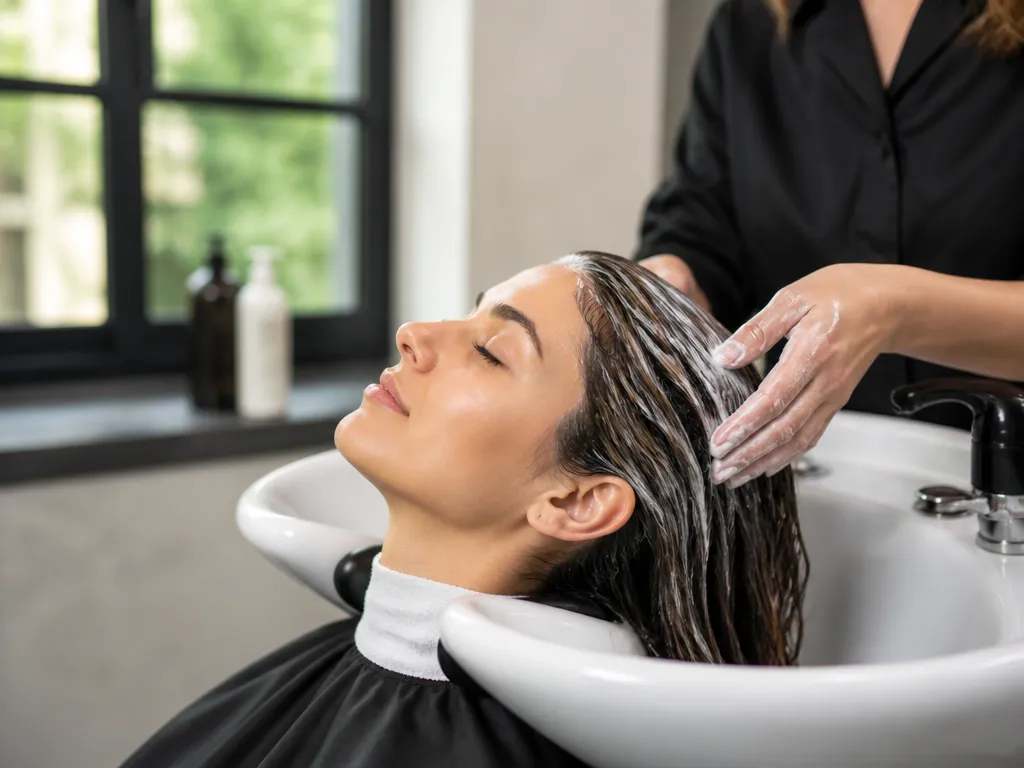
What Is Amino Acid Treatment For Hair?
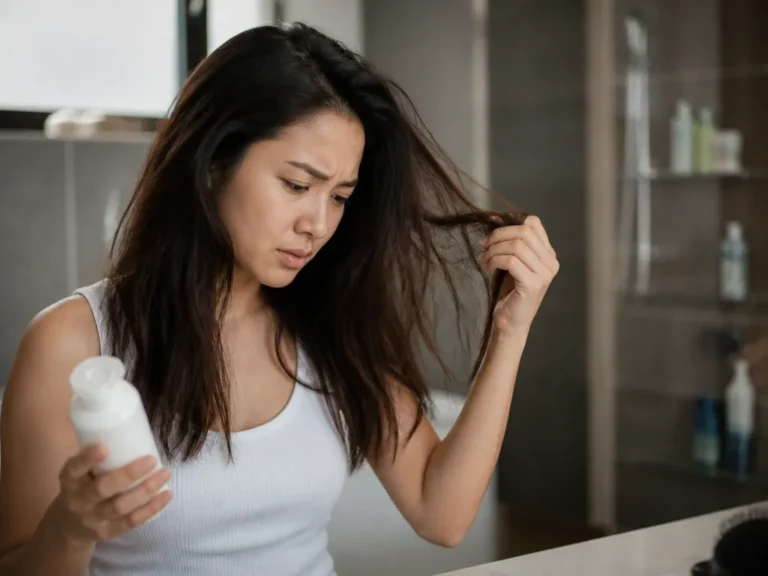
Struggling with frizzy, unmanageable hair that just won’t cooperate? You’re not alone in this battle. Hair treatments flood the market with promises of silky transformations, but few deliver the gentle yet effective results you’re seeking. Amino acid treatments have quietly emerged as a go-to solution for those seeking to strengthen strands without the harsh chemicals found in other treatments.
Amino acid treatment for hair is a conditioning solution containing hydrolyzed proteins and amino acids that penetrate the hair cuticle to replenish lost nutrients. These treatments work by filling in gaps in the hair shaft, typically requiring 5-10 minutes of processing time to deliver noticeable improvements in texture and manageability.
What Is Amino Acid Treatment For Hair?
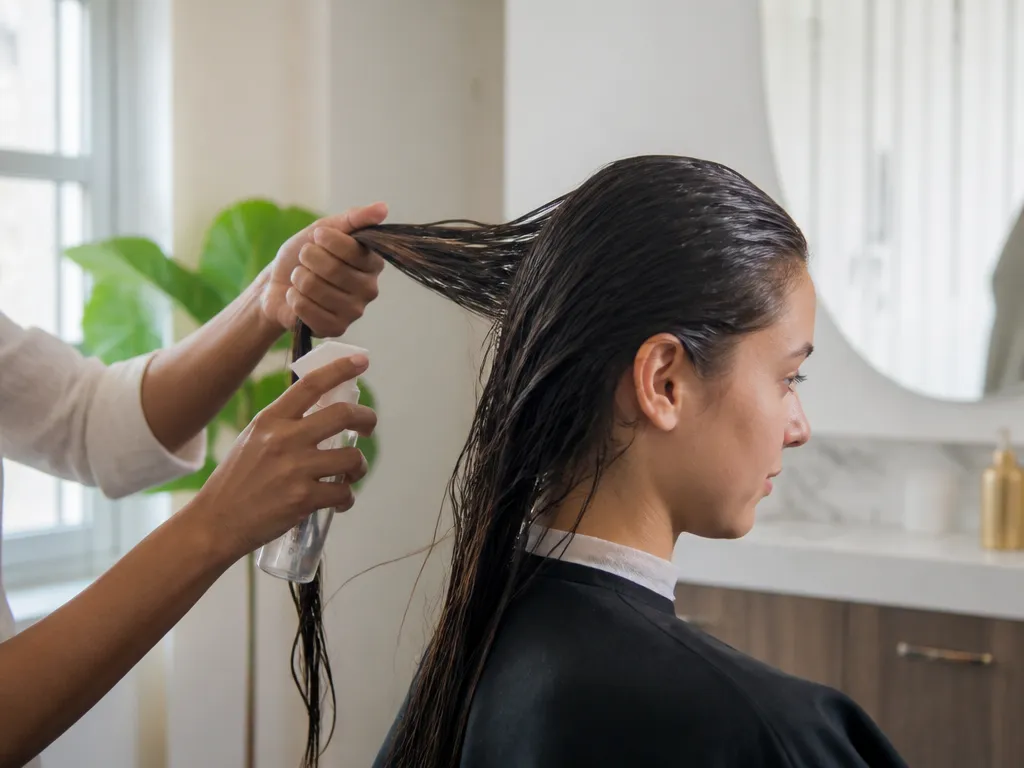
Amino acid treatments use the smallest building blocks of protein to fill gaps in the hair shaft. These formulas penetrate the cuticle to reinforce the internal structure and smooth the exterior.
Hair consists mostly of keratin. When heat or bleach damages the hair, it creates voids in the protein structure.
Amino acids such as arginine and cysteine slide into these gaps to temporarily patch the damage. This process reduces porosity and makes the hair feel softer.
| Treatment | Primary Goal | Main Action | Duration |
|---|---|---|---|
| Amino Acid | Repair and Smooth | Fills protein gaps | Temporary |
| Keratin | Frizz Control | Coats hair shaft | 3 to 5 Months |
| Bond Repair | Structural Fix | Rebuilds disulfide bonds | Semi-permanent |
Professional tip: Always perform a patch test on a small section of hair behind the ear before full application to check for scalp sensitivity.
Results are immediate but temporary. You will see less frizz and better manageability after one application.
These molecules wash away over several shampoos. You must use them regularly to maintain the effect.
High-porosity or bleached hair benefits most from these treatments. Fine hair types should choose a lightweight leave-in spray to avoid flat hair.
For instance, a heavy mask might weigh down thin strands. A spray is a better choice for that hair type.
Budget options vary. High-end options like Kérastase can cost $60, while drugstore options like The Ordinary cost around $10. Both often use similar amino acid profiles.
Identify Your Hair Porosity Type
Hair porosity is the measure of how the cuticle layer opens and closes to let moisture in and out of the hair shaft. This physical state determines if amino acids can actually penetrate the hair or if they will simply sit on the surface.
High porosity hair has a cuticle that is open or damaged, often due to bleach, high heat, or chemical processing. It absorbs water very quickly but loses it just as fast, which leads to a dry, frizzy texture.
For instance, if your hair feels rough and tangles easily despite using conditioners, you likely have high porosity. Amino acids are highly effective for this type because they fill the gaps in the damaged cuticle.
Low porosity hair has a tightly closed cuticle that resists moisture. It takes a long time to get fully wet in the shower, and products often feel like they are sitting on top of the hair rather than soaking in.
In practice, low porosity hair is prone to product buildup. You should use lightweight amino acid serums rather than heavy protein masks to avoid making the hair feel stiff.
Medium porosity hair is the balanced state where the cuticle is slightly open. It absorbs and retains moisture efficiently without needing excessive product or specialized heat to open the cuticle.
| Porosity Type | Cuticle State | Moisture Absorption | Amino Acid Need |
|---|---|---|---|
| High | Open/Damaged | Fast but leaks | High (to fill gaps) |
| Medium | Balanced | Efficient | Moderate (maintenance) |
| Low | Closed/Tight | Slow/Resistant | Low (avoid overload) |
Esthetician tip: Always perform a patch test on a small strand of hair before a full treatment. Too much protein can lead to protein overload, which makes hair feel brittle and snap.
Budget options vary based on the delivery system. High-end options like K18 ($75) use peptide technology for deep repair. Drugstore alternatives like Aphogee Two-Step Protein Treatment ($15) offer a more traditional protein approach.
Key Amino Acids To Look For
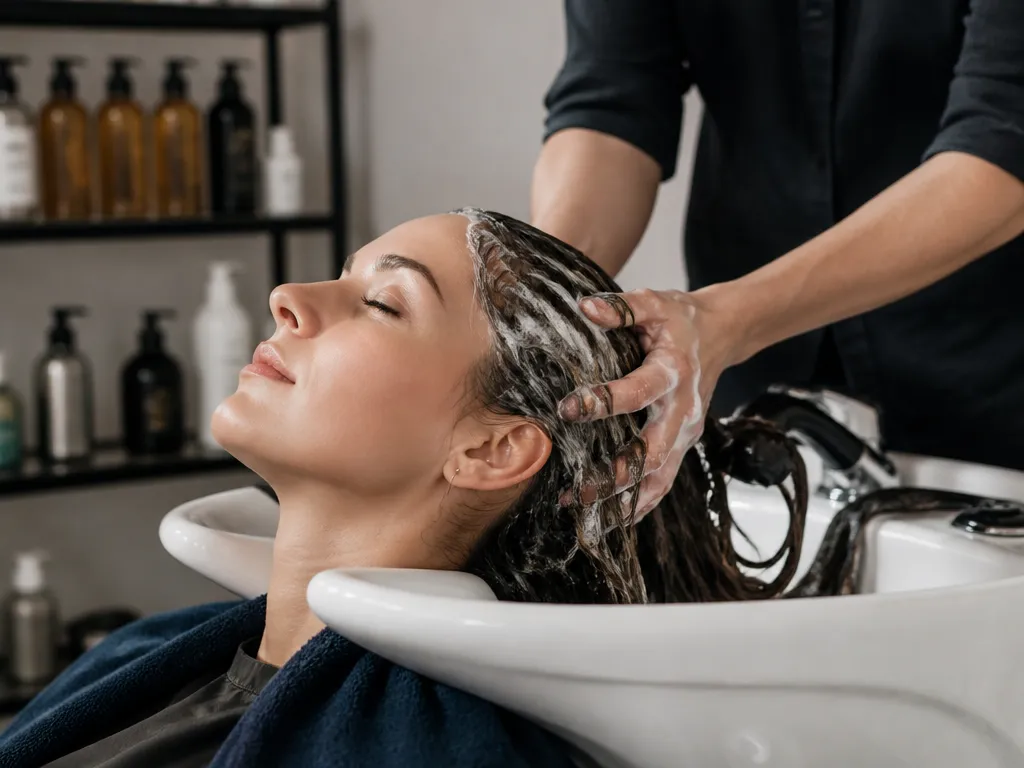
Effective hair treatments rely on specific amino acids that target different parts of the hair shaft. Different molecules penetrate the cuticle at various depths to provide either surface softness or internal structural support.
Arginine is a basic polar amino acid that helps improve scalp health and strand strength. It can support blood flow to the follicles and provides a positive charge that helps the ingredient stick to the hair shaft.
Cysteine plays a vital role in the sulfur-containing protein structure that gives hair its shape and durability. Because hair is largely made of keratin, cysteine can support the surrounding protein matrix, but it does not rebuild broken disulfide bonds in the way bond-building treatments do.
Glycine and Serine focus on moisture retention and tactile softness. These smaller molecules can enter the hair more easily to prevent the brittleness often seen in high-porosity or bleached hair.
| Amino Acid | Primary Benefit | Best For |
|---|---|---|
| Arginine | Scalp health and strand reinforcement | Thin or weak hair |
| Cysteine | Sulfur-bond (disulfide) repair | Damaged or chemically treated hair |
| Glycine | Surface smoothness and shine | Dull or frizzy hair |
| Serine | Deep hydration and flexibility | Dry or brittle hair |
| Keratin-derived | Structural rebuilding | Severely compromised hair |
Professional Tip: Look for “hydrolyzed” versions of these ingredients on the label. Hydrolysis breaks the amino acids into smaller sizes so they can actually penetrate the hair cuticle instead of just sitting on top.
Keratin-derived amino acids offer the most comprehensive structural repair for hair that has lost its integrity. These are often found in professional salon treatments designed for intensive reconstruction.
In practice, you should check the ingredient list for these specific names rather than relying on generic “protein” claims. A product that lists only one type of amino acid might provide temporary smoothness, while a blend typically offers more balanced results for long-term health.
At-home Amino Acid Application Routine
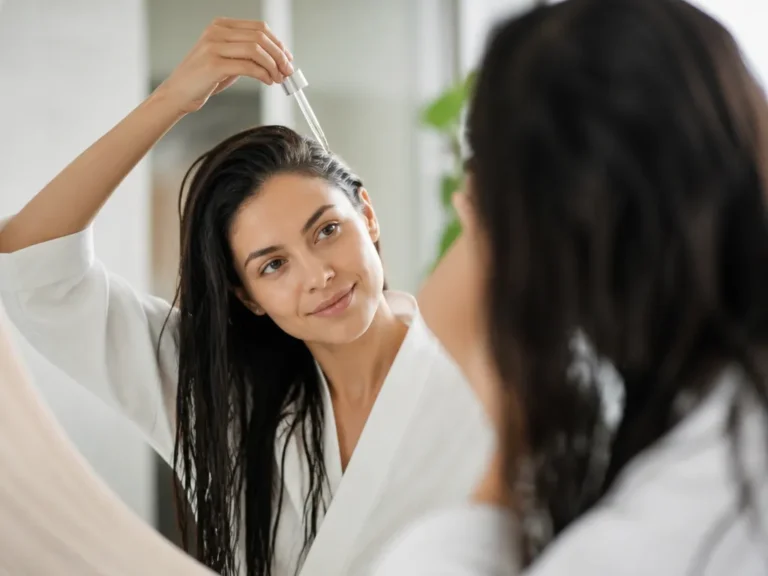
Amino acid treatments work best on clean, damp hair where the cuticle is slightly open to allow small molecules to penetrate the cortex. This process fills gaps in the hair shaft to improve elasticity and strength.
Esthetician tip: Always perform a patch test on the inner arm 24 hours before full application to check for scalp or skin sensitivity.
Customizing By Hair Type
Different hair textures require different formulations to avoid weigh-down or under-treatment. The goal is to balance protein support with moisture.
Budget Vs. Splurge Options
You can find amino acid support at various price points. The key is to check the ingredient list for “hydrolyzed” proteins or specific amino acids near the top of the list.
| Product Type | Budget Option | Splurge Option | Best For |
|---|---|---|---|
| Leave-in Mask | The Ordinary Behentrimonium Chloride (~$7) | K18 Leave-In Molecular Repair (~$75) | Severe damage |
| Conditioner | Maui Moisture Amino Acid Line (~$7) | Olaplex No. 5 Bond Maintenance (~$30) | Daily maintenance |
Expect to see a smoother feel and reduced frizz after the first use. Long-term strength and elasticity improvements usually appear after 4 to 6 weeks of consistent use.
Common Mistakes To Avoid
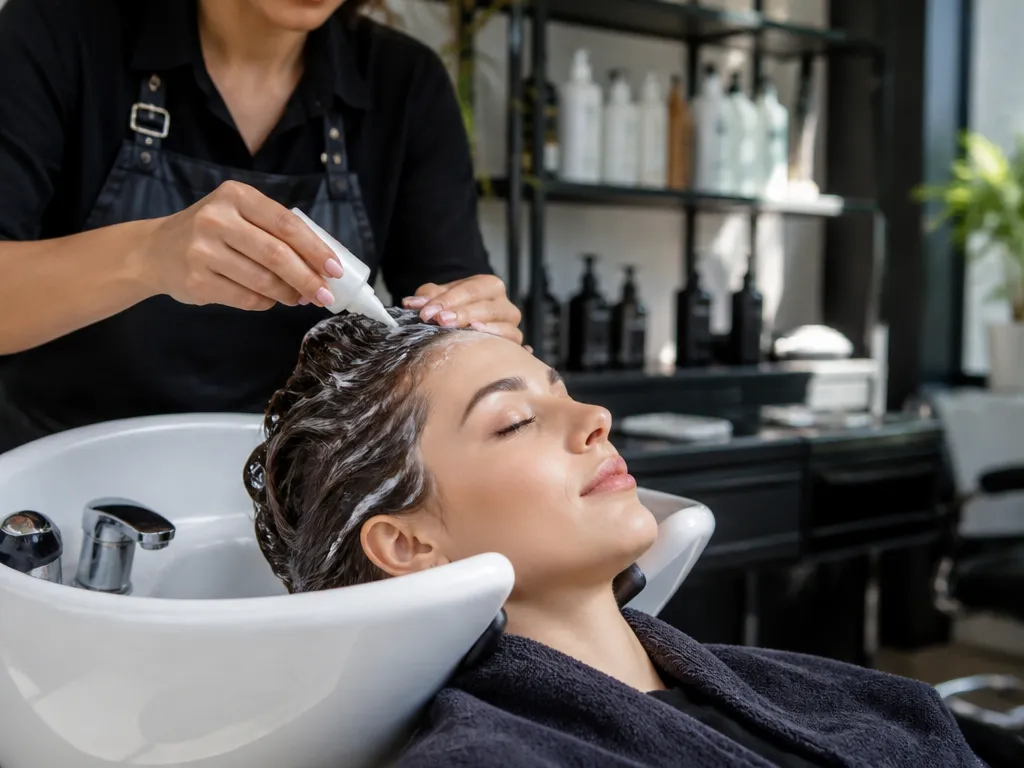
Excessive use of amino acids leads to protein overload, which makes hair stiff, brittle, and prone to breakage.
Amino Acids Vs. Other Treatments
Amino acid treatments focus on replenishing the small building blocks of hair proteins to improve elasticity and moisture retention. These treatments work by penetrating the hair shaft to fill gaps in the cuticle rather than just coating the surface. This distinguishes them from heavier topical treatments that prioritize smoothing or structural reconstruction.
Comparing Hair Treatment Types
Keratin treatments often use heat to seal a protein coating onto the hair, which can result in intense frizz reduction but may cause dryness over time. Amino acids provide a gentler alternative for those who want manageability without the stiff, heavy feeling of a traditional keratin service. They are better suited for fine or color-treated hair that might be overwhelmed by heavy proteins.
Pure protein treatments act like a temporary bandage for highly porous or damaged hair. While effective for immediate strength, excessive protein use can lead to “protein overload,” making hair brittle and prone to snapping. Amino acids are more versatile because they integrate into the hair structure more fluidly, offering a balance of strength and softness.
| Treatment Type | Primary Goal | Best For | Potential Downside |
|---|---|---|---|
| Amino Acids | Moisture & Elasticity | Fine, color-treated, or dry hair | Minimal immediate smoothing |
| Keratin | Frizz Control | Coarse, curly, or unruly hair | Can cause stiffness or dryness |
| Pure Protein | Structural Strength | Highly porous or chemically damaged hair | Risk of hair brittleness |
| Bond-Builders | Internal Repair | Bleached or severely compromised hair | Does not provide surface shine |
Understanding Bond-repair Technology
Bond-builders target the disulfide bonds that hold hair strands together. These are chemical repairs designed for hair that has undergone significant trauma from bleach or perms. Amino acids do not repair these internal chemical bonds, but they support the protein matrix surrounding them.
Professional tip: Use bond-builders to fix structural damage and amino acid masks to maintain daily softness and hydration.
For example, if your hair feels “mushy” or gummy when wet, you likely need a bond-builder or protein. If your hair feels rough, dry, and lacks bounce, amino acids are the better choice to restore suppleness.
Budget-friendly And Professional Options
Amino acid hair care ranges from affordable leave-in conditioners to intensive salon services that penetrate the cortex. These options differ mainly in ingredient concentration and the molecular size of the proteins used.
Drugstore Essentials
Drugstore options usually come as masks or leave-in sprays. Look for hydrolyzed wheat protein, arginine, or serine on the label. These formulas are ideal for fine to medium hair that needs a light boost without heavy residue.
These products provide temporary smoothness and improved manageability. They are a great starting point for people who have never used protein-based care before. Use them once a week to avoid protein overload, which can make hair feel brittle.
For example, a simple amino acid spray applied to damp hair can reduce frizz for a day. This is a cost-effective way to maintain hair health between deep treatments.
Professional And High-end Options
High-end lines use amino acids with smaller molecular weights. This allows the nutrients to enter the hair shaft more effectively than cheaper alternatives. These formulas often combine amino acids with lipids to seal the cuticle and lock in moisture.
Professional salon protocols start with a clarifying shampoo to remove mineral buildup. A technician then applies a concentrated amino acid serum and may use a steamer to help the product penetrate. This process results in a more durable strength boost for coarse or curly hair.
In practice, salon treatments are best for bleached or high-porosity hair. These hair types have gaps in the cuticle that require a higher concentration of amino acids to fill.
| Tier | Price Range | Common Form | Best For |
|---|---|---|---|
| Drugstore | $6 – $20 | Mask/Spray | Fine Hair / Maintenance |
| High-End | $30 – $90 | Serum/Treatment | Coarse Hair / Color Damage |
| Professional | $100+ | Salon Service | Bleached Hair / High Porosity |
Esthetician tip: Always perform a patch test on a small section of hair behind the ear before applying a professional-grade treatment to your entire head. This prevents reactions to concentrated proteins.
Follow this application order for the best results: clarifying shampoo → amino acid treatment → pH-balancing conditioner → leave-in sealant.
Quick Summary
Amino acid treatments are conditioning solutions that use hydrolyzed proteins to penetrate the hair cuticle and replenish lost nutrients. Unlike traditional keratin treatments, these options do not contain formaldehyde. Most users see immediate improvements in texture and manageability, though the results typically last for only three to five washes with proper aftercare.
The effectiveness of these treatments depends heavily on your hair porosity. High porosity hair benefits most, while low porosity hair should use lightweight serums to avoid stiffness. For maintenance, you can use these products once weekly for damaged strands or monthly for healthy hair. Budget options like The Ordinary cost around $10, while high-end brands like Kérastase can reach $60. Always perform a patch test behind the ear to check for scalp sensitivity before a full application.
| Treatment Type | Main Action | Duration |
|---|---|---|
| Amino Acid | Fills protein gaps | Temporary |
| Keratin | Coats hair shaft | 3 to 5 Months |
| Bond Repair | Rebuilds disulfide bonds | Semi-permanent |
Frequently Asked Questions
How Long Does An Amino Acid Hair Treatment Last?
Most professional amino acid treatments last between 4 to 6 weeks depending on your hair porosity and how often you wash it. You can extend the effects by using sulfate-free shampoos to prevent the amino acids from washing out too quickly.
What Is The Difference Between An Amino Acid Treatment And A Keratin Treatment?
While keratin treatments focus on coating the hair with a protein layer to smooth frizz, amino acid treatments work by penetrating the hair cuticle to replenish protein components and improve conditioning. This makes amino acid options generally gentler for hair that is already chemically damaged or fragile.
Is An Amino Acid Hair Treatment Safe For Sensitive Skin?
These treatments are generally much gentler than traditional chemical relaxers, but you should still perform a patch test on your scalp first. If you have active scalp irritation or highly sensitive skin, consult a professional to ensure the specific formula does not contain irritating fragrances or preservatives.
Do I Really Need To Use A Specific Shampoo After The Treatment?
Yes, you should switch to a sulfate-free and sodium chloride-free cleanser to protect your investment. Sulfates act like harsh detergents that can strip the amino acids away, potentially cutting your results in half.
Is The Expensive Salon Version Worth It Compared To Drugstore Amino Acid Products?
For significant conditioning and damage support, the salon version may be worth it because it uses higher concentrations of peptides and professional application heat to improve penetration. Drugstore products are suitable for maintenance and adding shine, but they generally provide less concentrated conditioning than professional services.

- 10 Best Hair Oil For Overnight Treatment Buyer Guide 2026 - October 26, 2026
- 10 Best Hair Oil For One Year Old Baby Buyer Guide 2026 - October 26, 2026
- 10 Best Hair Oil For Oily Skin Buyer Guide 2026 - October 26, 2026