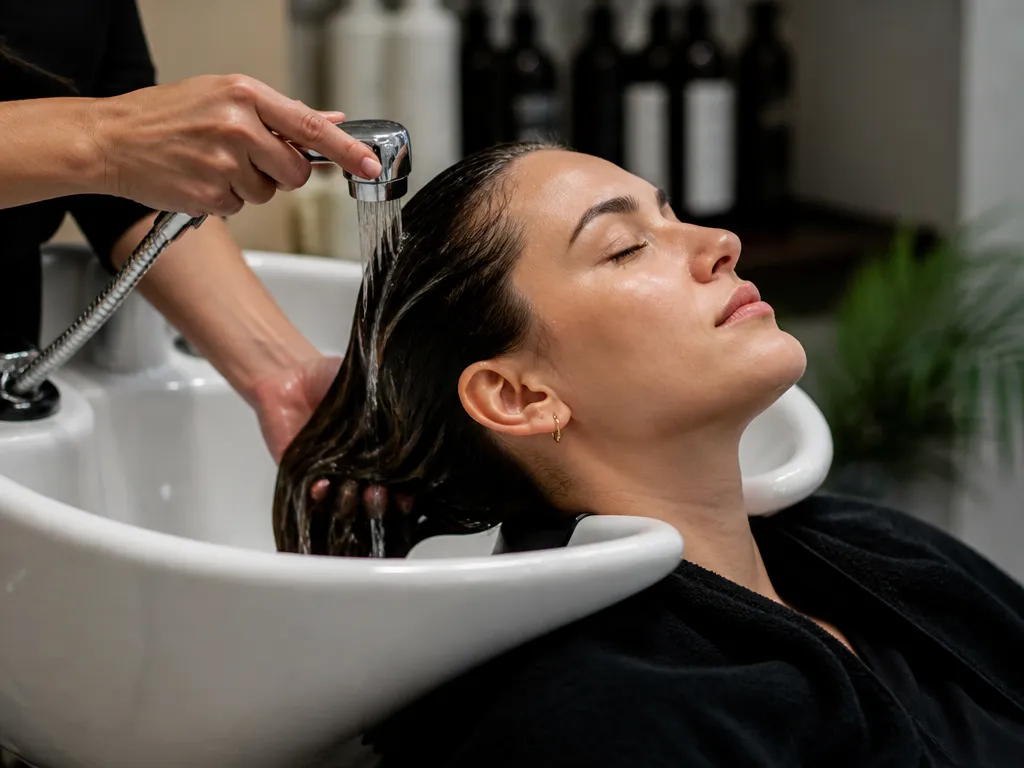
What Is Chelating Treatment For Hair?
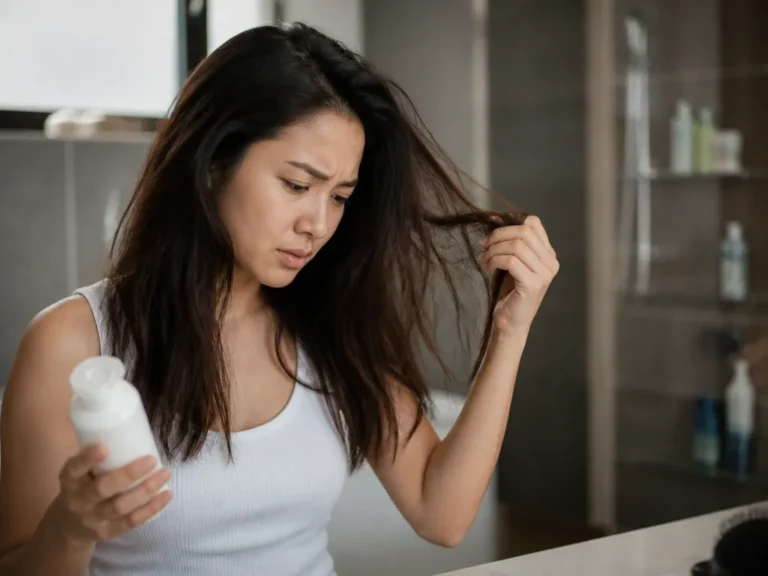
If your hair feels gummy, looks dull, or refuses to hold your expensive salon color, you are likely dealing with mineral buildup rather than just product residue. Standard shampoos often miss these heavy metals, leaving your strands coated and lifeless. I will explain how to strip away that invisible layer to restore your natural shine and texture.
Chelating treatment for hair is a deep cleansing process that uses ingredients like EDTA or sodium phytate to bind to minerals and heavy metals. These agents lift calcium, magnesium, and copper from the hair shaft, which typically requires a specialized formula used once or twice a month.
Best for: Hard water users, swimmers, and color-treated hair. Use caution if: You have extremely dry, brittle, or highly porous hair.
What Is Chelating Treatment For Hair?
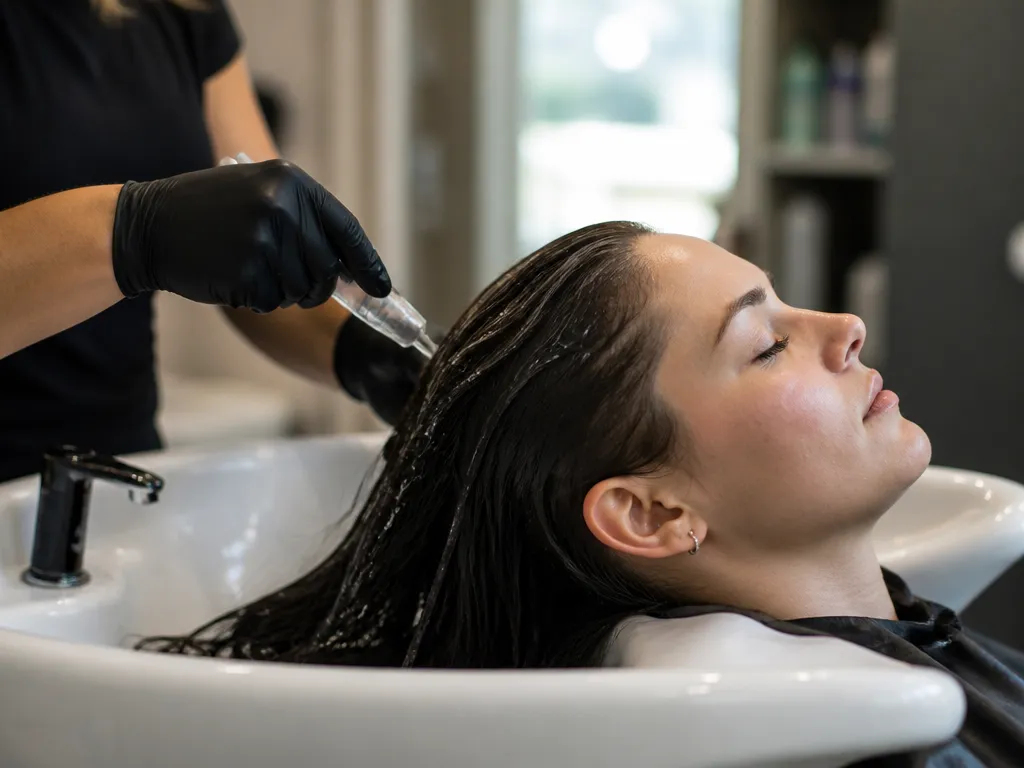
Chelating treatments use specific chemical agents to bind to and remove mineral deposits like calcium, magnesium, and copper from the hair shaft. This process clears away hard water buildup that causes dullness, stiffness, and unwanted color shifts.
How Mineral Removal Works
Chelating agents, such as EDTA (Ethylenediaminetetraacetic acid), act like magnets. They attach to positively charged metal ions trapped in the hair cuticle and pull them away during the rinse process.
This differs from a standard clarifying shampoo. Clarifying products target organic buildup like oils, silicones, and styling creams, while chelating products target inorganic minerals.
| Feature | Clarifying Shampoo | Chelating Treatment |
|---|---|---|
| Primary Target | Product buildup, oils, sebum | Minerals (Calcium, Copper, Iron) |
| Best For | Oily scalp, heavy product users | Hard water areas, frequent swimmers |
| Key Action | Degreasing and stripping | Chemical binding and removal |
Identifying The Need For Treatment
Mineral buildup often mimics the symptoms of damaged hair or poor product choice. You likely need a chelating treatment if you notice coated or waxy hair, persistent dullness, stiffness, or unwanted color shifts.
For instance, people living in cities with high mineral content in the tap water often find their hair feels coated or waxy. This is a sign of calcium and magnesium buildup.
Realistic Results And Application
You will see results immediately after the first wash. The hair typically feels lighter and smoother, and the natural color appears more vibrant.
Because these treatments can be stripping, always follow this application order: Chelating Shampoo → Deep Conditioner → Leave-in Conditioner.
Beauty editor tip: Always perform a patch test on a small section of hair behind the ear. Some chelators can be aggressive on very porous or bleached hair.
Budget options include drugstore brands with Tetrasodium EDTA on the label (approx. $8 – $15). Professional-grade options often include more conditioning agents to prevent dryness (approx. $30 – $50).
Limit these treatments to once every two to four weeks. Over-using them can lead to dryness or scalp irritation, especially for those with sensitive skin or dry hair types.
Understanding Your Hair Type
Your hair’s natural characteristics determine how it responds to mineral buildup and whether it truly needs chelating treatments. Coarse, high-porosity hair tends to accumulate minerals faster than finer textures, while chemically treated hair requires specialized consideration before any chelating regimen.
Signs Your Hair Needs Chelating
Environmental factors play a significant role in determining chelating needs, especially hard water, frequent swimming, and regular exposure to mineral-rich water.
Porosity And Chelating Needs
Porosity level significantly impacts how your hair interacts with chelating treatments. High-porosity hair, with its lifted cuticle layer, absorbs minerals more readily but also releases them more effectively during chelating. This means high-porosity hair often responds dramatically to chelating treatments, with immediate restoration of shine and manageability.
Low-porosity hair presents different challenges. With tightly bound cuticles, this hair type resists mineral penetration but also makes it harder for chelating agents to work effectively. For low-porosity hair, longer processing times or specialized chelating formulas designed to penetrate resistant cuticles may be necessary.
Chemically Treated Hair Considerations
Chemically processed hair requires extra caution when considering chelating treatments. Bleached, colored, or permed hair has already undergone significant structural changes that make it more vulnerable to stripping. While chelating can remove unwanted minerals, it may also lift artificial color or further damage compromised strands.
If you have chemically treated hair, follow product instructions and use a conservative schedule.
For those with keratin-treated or relaxed hair, timing is crucial. Schedule chelating treatments at least two weeks before or after any chemical service to prevent interference with the treatment or potential damage to the newly altered hair structure.
Key Chelating Ingredients
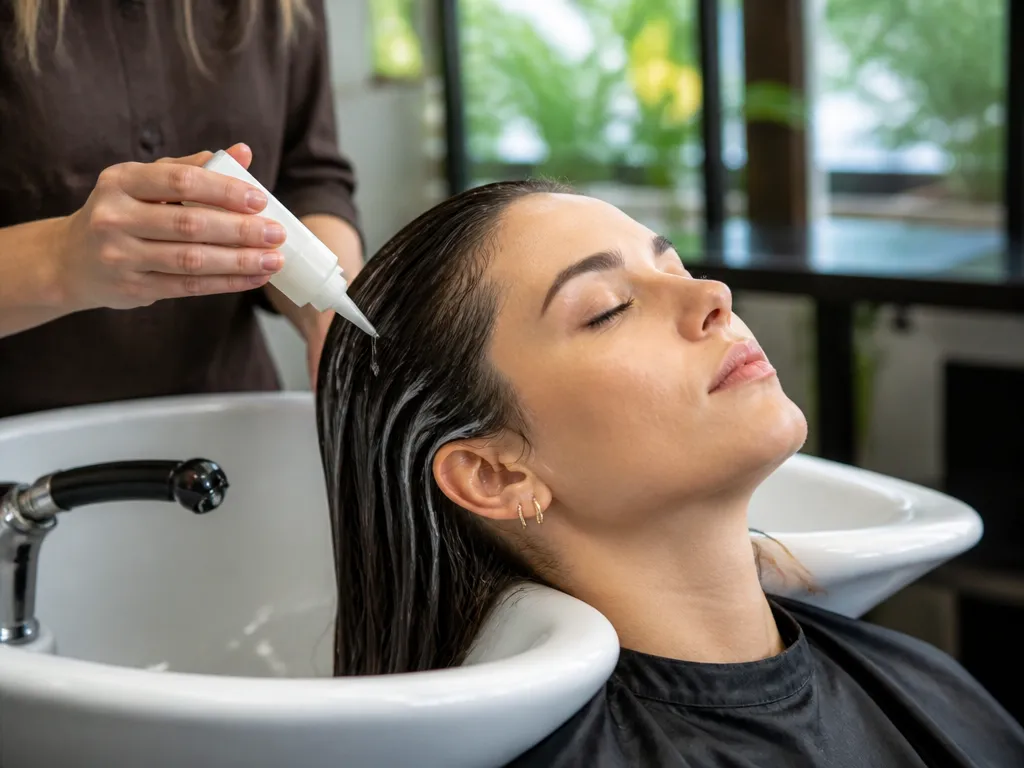
Chelating ingredients bind with mineral ions in hard water and styling product buildup, allowing them to be rinsed away effectively. These compounds are essential for removing stubborn residue that regular shampoos cannot eliminate, restoring hair’s natural shine and manageability.
Edta And Related Chelators
Ethylenediaminetetraacetic acid (EDTA) stands as the most common synthetic chelating agent in hair care products. It effectively binds calcium, magnesium, and other metal ions that cause buildup and dullness. Disodium EDTA and tetrasodium EDTA are milder derivatives commonly used in shampoos and conditioners.
For those concerned about synthetic ingredients, alternatives like phytic acid derived from plant sources offer effective chelation without synthetic compounds. These plant-based options work particularly well for individuals with sensitive scalps or those seeking natural hair care solutions.
Citric Acid And Natural Alternatives
Citric acid serves as a natural chelating agent that helps remove mineral deposits while simultaneously balancing hair’s pH levels. When used in chelating treatments, it breaks down hard water residue and product buildup without stripping essential oils from the hair shaft.
Other natural chelators include apple cider vinegar, which contains acetic acid to dissolve mineral buildup, and baking soda, which acts as a gentle exfoliant. These household ingredients can be effective for mild mineral buildup but may not be as potent as professional chelating treatments for severe cases.
Ingredient Strengths And Limitations
Professional chelating treatments often contain stronger concentrations of chelating agents than over-the-counter products, making them more effective for removing heavy mineral buildup. However, these potent formulations can potentially strip color from dyed hair if not properly formulated.
For individuals with chemically treated hair, it’s crucial to select chelating products specifically designed for color-treated or processed hair. These formulations typically include protective ingredients to minimize damage while still effectively removing buildup.
| Item | Amount/Specification | Notes |
|---|---|---|
| EDTA | 0.1-1% in formulations | Most effective for heavy mineral buildup |
| Citric Acid | 2-5% in solutions | Natural pH balancing action |
| Phytic Acid | 0.5-3% | Plant-derived alternative |
| Apple Cider Vinegar | Diluted 1:4 with water | Good for mild buildup |
Chelating Treatment Routine
Effective mineral removal requires a specific sequence to ensure the chelating agent reaches the hair shaft without causing unnecessary breakage. Using these products once a month or once every six weeks is sufficient for most people living in hard water areas. Overuse can strip the hair of essential moisture and lead to a brittle texture.
Application Steps
Apply the chelating product according to its label, rinse thoroughly, and condition afterward.
Professional tip: Always follow a chelating session with a pH-balancing conditioner to help seal the hair cuticle back down.
Post-treatment Care And Frequency
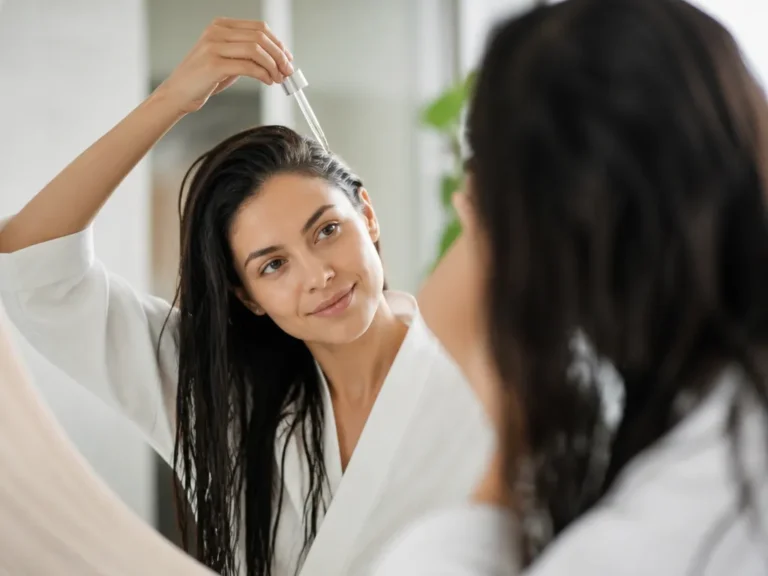
Moisture replenishment is the most critical part of the routine. Because chelating agents are much stronger than standard clarifying shampoos, your hair will feel “naked” and potentially rough immediately after use. You must use a leave-in conditioner or a hair oil to restore the lipid barrier.
Frequency depends heavily on your water quality and styling habits. If you live in an area with high calcium or magnesium levels, you might need this treatment once a month. If you have color-treated hair, stick to a much more conservative schedule to avoid premature fading.
| Hair Type/Concern | Recommended Frequency | Primary Goal |
| Hard Water Residents | Once every 2-4 weeks | Mineral removal |
| Frequent Stylers | Once every 4 weeks | Product buildup removal |
| Color-Treated Hair | Once every 6-8 weeks | Preventing dullness |
| Low Porosity Hair | Once a month | Clearing the cuticle |
For instance, if you notice your blonde highlights are turning brassy or green, a chelating treatment can often strip those metallic ions away in a single session. Always perform a patch test on a small section of hair before applying the product to your entire head to ensure it does not cause unexpected dryness or color shifts.
Chelating Treatment Mistakes
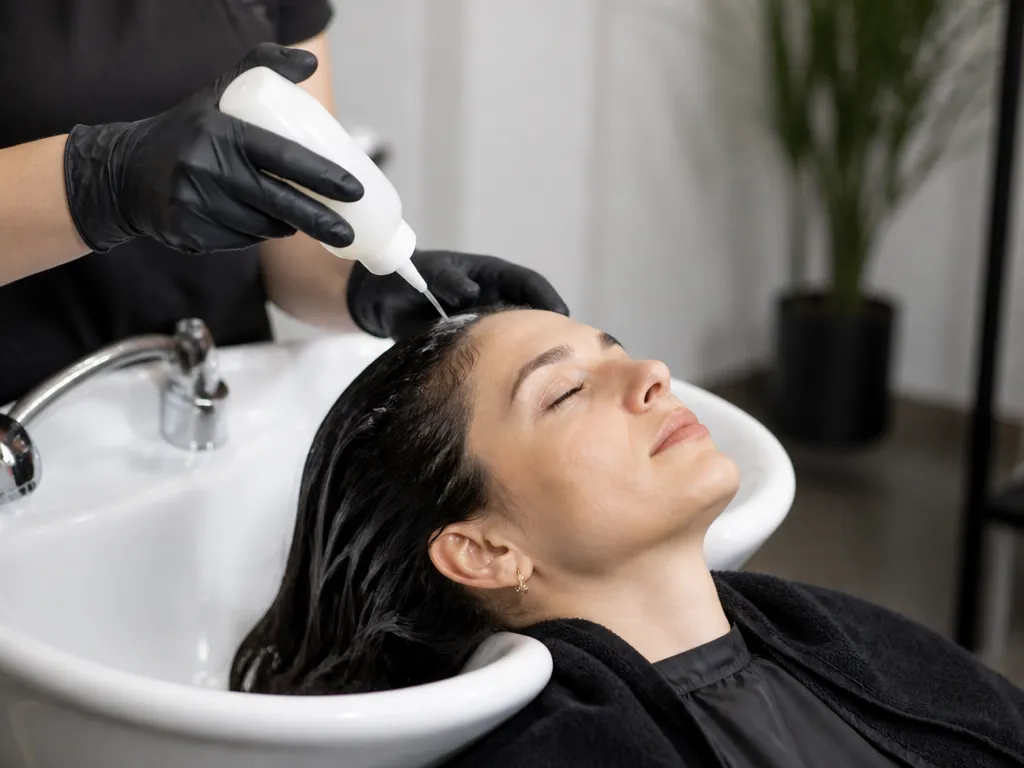
Excessive chelating treatments can strip hair of essential minerals and natural oils, leading to increased porosity and breakage. Many users mistakenly believe more frequent use will yield better results, but this approach often causes more harm than good.
For color-treated hair, always choose pH-balanced chelating products to prevent color stripping. Perform a patch test before each use to check for allergic reactions, especially if you have sensitive skin. Remember that chelating treatments should be part of a balanced hair care routine, not a regular replacement for your regular shampoo.
Budget Chelating Options
Drugstore chelating shampoos are the most budget-friendly way to reduce mineral buildup that makes hair feel rough and look dull. Look for chelating agents like EDTA (disodium EDTA) and, sometimes, phytic acid on the ingredient list. These formulas are typically milder than DIY acids, so they are easier to repeat without overdoing it.
Drugstore Chelating Shampoos
Shop for chelating-active ingredients first, then match the rest of the formula to your hair type. This works best for oily to combination scalps (hard-water mineral buildup plus sweat and product residue) and for color-treated hair when you keep the timing gentle. Expect straighter, softer hair texture after a few uses, with the biggest difference usually after the first deep rinse.
For a practical routine, use it like a targeted clarifier, not an everyday shampoo. If your hair is fine, stick to one rinse day every 2 to 4 weeks, and always follow with a conditioner that has slip (silicones or fatty alcohols help).
| Product (type) | Price Range (typical) | Key Ingredient to Look For | Best For |
|---|---|---|---|
| Drugstore chelating shampoo | Usually under $25 | EDTA or phytic acid | Hard water buildup, product dullness |
| “Hard water” clarifying shampoo | Usually under $20 to $30 | EDTA listed early to mid-ingredient order | Frequent styling product users |
| Budget clarifying shampoo with chelators | Usually under $15 to $25 | EDTA, sometimes citric acid/phytic acid | Oily scalp, low to moderate damage |
Diy Chelating Solutions
DIY options can work, but they are easier to overdo, especially on porous or chemically processed hair. A simple, safer approach is a vinegar rinse (diluted) used occasionally, followed by a thorough conditioner. Use this mainly if you have hard water and your hair feels coated, not if your scalp is already irritated.
For example, mix 1 tablespoon white vinegar into 1 cup of water, then pour through wet hair for 30 to 60 seconds and rinse well. Patch test behind the ear or on a small section of scalp first, because vinegar can sting if you have micro-cuts or a sensitive scalp.
Beauty-editor tip: Pair DIY rinses with a conditioner that contains slip agents (like dimethicone) so hair feels smooth right away, not dry after.
Cost Comparison
Drugstore chelating shampoos usually cost less per “chelating session” because you use a predictable amount and rinse thoroughly. DIY vinegar is cheap per ingredient, but you may spend more time and product trying to avoid dryness, and you risk scalp irritation if you dilute incorrectly.
Cost comparison is also about frequency: if your hair responds after 2 to 4 uses, a $15 to $25 shampoo can be the best value. If you need frequent chelation, invest in the shampoo so you can repeat safely and consistently.
| Option | Typical Ingredient Cost | Expected Use Frequency | What You Get for the Money |
|---|---|---|---|
| Drugstore chelating shampoo | Lower to moderate (per bottle) | Every 7 to 10 days to weekly | Reliable buildup removal with easier scalp tolerance |
| DIY vinegar rinse | Very low (vinegar) | Every 2 to 4 weeks | Hard-water feel improvement, higher risk of dryness |
Professional Chelating Tips
Professional chelating treatments remove stubborn mineral deposits, chlorine, and product buildup that regular shampoos cannot eliminate, restoring hair’s natural luster and manageability. These treatments use stronger chelating agents like tetrasodium EDTA at higher concentrations than available in retail products.
For optimal results, follow product instructions and use professional treatments cautiously on processed hair.
For long-term hair health, integrate chelating treatments into a comprehensive care routine that includes regular deep conditioning, protective styling, and minimizing heat exposure. Remember that chelating is not a one-time fix but part of ongoing maintenance for hair exposed to minerals and chemicals.
Quick Summary
Chelating treatments are specialized deep cleansing processes designed to remove inorganic mineral buildup that standard shampoos often miss. These treatments use specific agents like EDTA or sodium phytate to act as magnets, binding to positively charged metal ions. This process targets heavy metals such as calcium, magnesium, and copper that attach to the hair shaft. This is particularly helpful for people living in hard water areas or frequent swimmers who notice their hair becoming stiff, dull, or waxy due to mineral accumulation.
You can identify the need for this treatment if your hair feels crunchy, shows unwanted color shifts like greenish tints in blonde hair, or lacks luster. To avoid dryness, you should only use these formulas once every two to four weeks and always follow up with a deep conditioner or bonding treatment. While drugstore options containing Tetrasodium EDTA are available for around 8 to 15 dollars, professional versions often provide better conditioning. The most important rule is to use these sparingly to prevent irritation or extreme dryness.
| Feature | Clarifying Shampoo | Chelating Treatment |
|---|---|---|
| Primary Target | Oils, sebum, and product buildup | Inorganic minerals (Calcium, Copper, Iron) |
| Best For | Oily scalps and heavy product users | Hard water users and swimmers |
| Key Action | Degreasing and stripping | Chemical binding and removal |
Frequently Asked Questions
What Is The Difference Between Clarifying And Chelating Shampoo?
Clarifying shampoos remove excess oil and product buildup, while chelating treatments target mineral deposits like calcium, magnesium, or copper from hard water. You need a chelator if your hair feels heavy or looks dull despite regular washing.
How Often Should I Use A Chelating Treatment?
You should only use these treatments once every two to four weeks to avoid over-stripping your hair. Using them too frequently can lead to extreme dryness or breakage because they are much stronger than standard shampoos.
Will Chelating Help Fix Brassy Hair Color?
Yes, chelating can significantly boost color vibrancy by removing the mineral film that makes dyed hair look muddy or brassy. It is a great solution if your salon color seems to be changing tone prematurely due to water quality.
Can I Use This If I Have Sensitive Or Dry Hair?
You can use it, but you must follow up with a deep conditioning mask immediately after to replenish moisture. Perform a patch test on your skin first if you have a history of scalp irritation.
Is The Expensive Salon Version Worth It Vs The Drugstore Version?
For most mineral buildup issues, high-quality drugstore chelating shampoos work just as well as salon brands. Just make sure to check the ingredient list for chelating agents like EDTA to ensure it is a true treatment.

- 10 Best Hair Oil For Oiling Buyer Guide 2026 - October 26, 2026
- 10 Best Hair Oil For Overnight Treatment Buyer Guide 2026 - October 26, 2026
- 10 Best Hair Oil For One Year Old Baby Buyer Guide 2026 - October 26, 2026