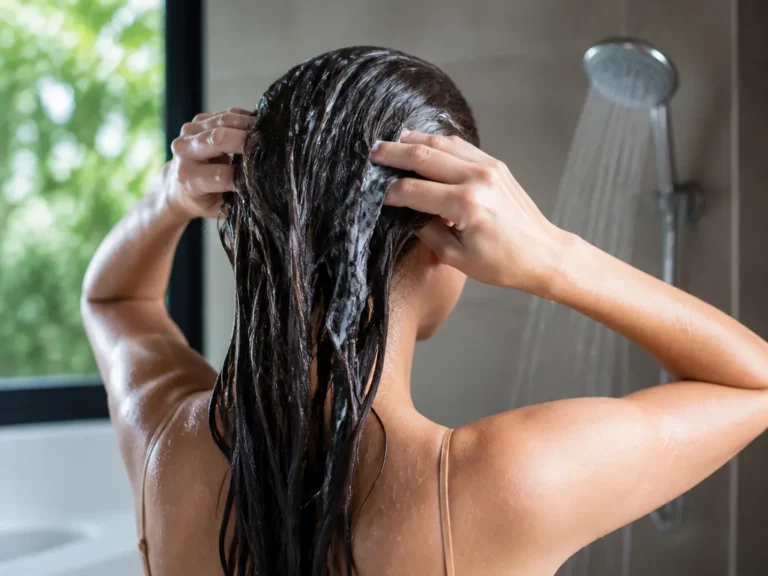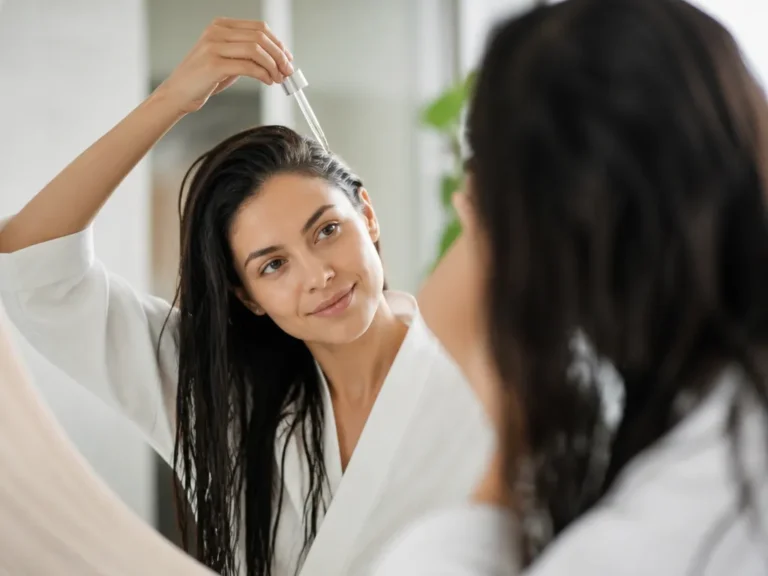
What Is Malibu Hair Treatment?
If your expensive salon color suddenly looks dull or brassy, you are likely fighting mineral buildup rather than bad dye. Hard water and chlorine can coat your strands, making even the healthiest hair feel rough and lifeless. I will explain how a professional detox can reset your hair texture and restore that original vibrancy.
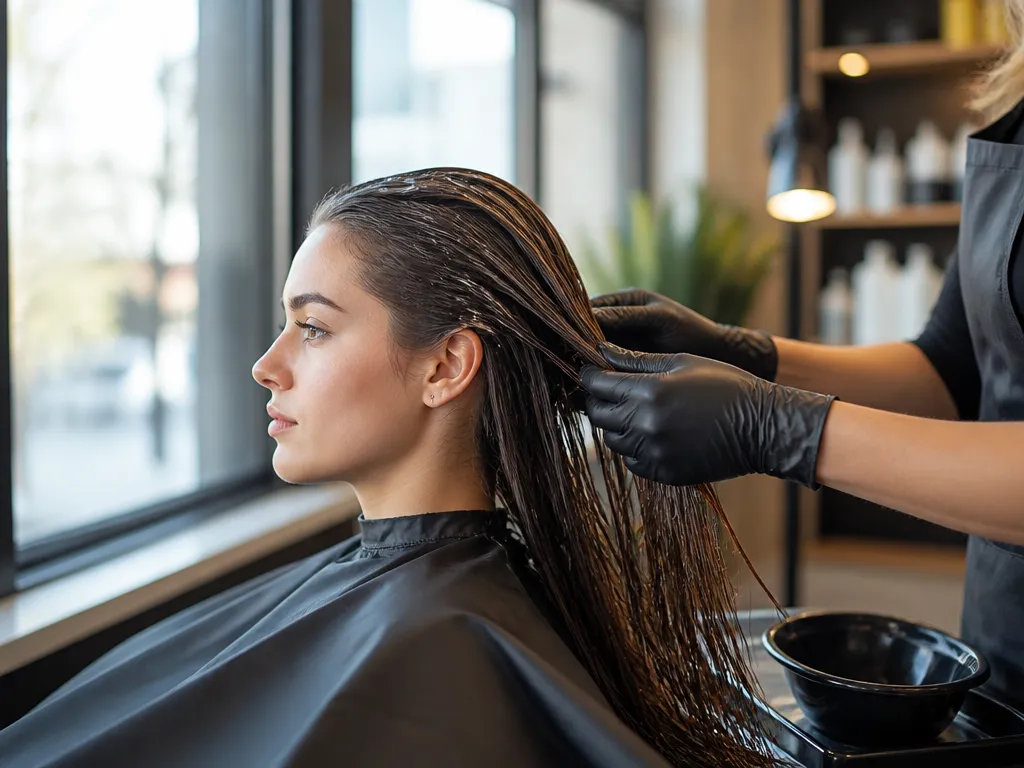
Malibu hair treatment is a professional chelating process designed to remove mineral deposits, chlorine, and heavy metal ions from hair strands. This three-step detox typically takes about 20 to 30 minutes and uses specialized clarifying agents to strip away buildup without stripping your natural moisture.
Best for: Color-treated hair, blondes, and frequent swimmers. Use caution if: Hair is extremely porous or chemically damaged.
What Is Malibu Hair Treatment? (Benefits &Amp;amp;amp; Goals)?
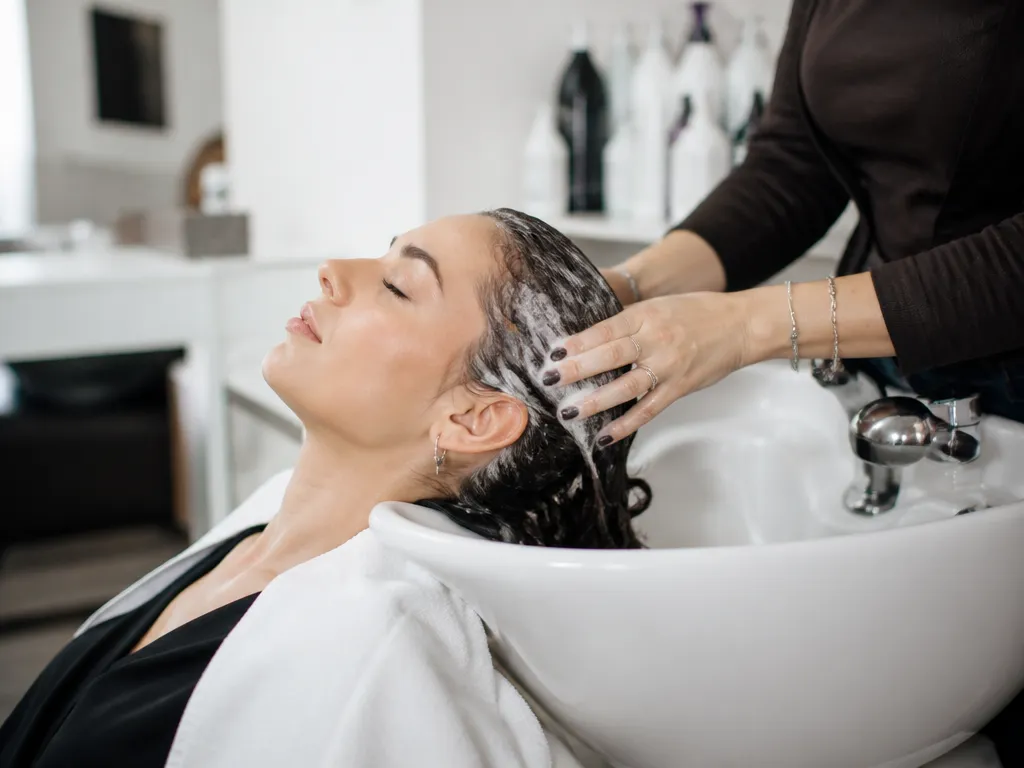
Malibu C is a professional chelating system that removes mineral buildup from the hair shaft. It uses specific chemical bonds to pull out metals like copper, calcium, and iron that accumulate from hard water or swimming pools.
Mineral buildup differs from surface grime. Standard clarifying shampoos target oils and product residue. Malibu C targets the actual metallic ions that bind to the hair cuticle.
Who Needs A Mineral Detox?
Frequent swimmers and people in hard water regions need a mineral detox. This process is best for those with high porosity hair or chemically treated hair that absorbs minerals quickly.
For instance, blondes often see a greenish tint from copper in pool water. Brunettes may notice a sudden orange or brassy shift due to iron deposits.
| Treatment Type | Primary Target | Main Result |
|---|---|---|
| Clarifying Shampoo | Oils and Silicones | Clean surface feel |
| Chelating (Malibu) | Metal Ions/Minerals | Color correction |
Results are immediate. You will see the mineral buildup wash away during the rinse. However, the soft texture returns only after a moisturizing mask is applied.
Expect a full restoration of color vibrancy in one session. If you have years of buildup, you may need a second treatment after 4-6 weeks of consistent water filtration use.
Esthetician tip: Always follow a chelating treatment with a deep conditioner. Removing minerals opens the cuticle, which can leave hair feeling rough if you do not seal it back down.
Budget options exist for this chemistry. High-end: Salon Malibu C service ($40 – $100). Drugstore: Malibu C Hard Water Wellness packets ($15 – $20). Both use the same chelating chemistry to strip minerals.
Perform a patch test on a small strand of hair first. This ensures the treatment does not over-strip your specific hair porosity.
Signs Your Hair Needs Chelation?
Mineral buildup occurs when calcium, magnesium, and copper from hard water bond to the hair shaft. This creates a physical barrier that blocks moisture and alters the appearance of hair color.
Identifying Texture And Color Clues
Mineral deposits make hair feel rough and stiff. This texture often feels like straw or sandpaper to the touch.
For instance, you might notice that your hair remains dry and brittle even after using a heavy deep conditioner. This happens because the mineral layer prevents the conditioner from penetrating the cuticle.
Color shifts are another clear indicator. Copper and iron in the water can turn blonde hair brassy or orange and give light brown hair a greenish tint.
Esthetician tip: If your purple shampoo no longer removes yellow tones, you likely have mineral buildup rather than simple pigment fade.
Hard Water Vs. Product Buildup
It is easy to confuse mineral buildup with product buildup from silicones or waxes. However, the tactile feel and the way the hair reacts to water are different.
| Symptom | Mineral Buildup (Hard Water) | Product Buildup (Silicones) |
|---|---|---|
| Texture | Stiff, straw-like, rough | Heavy, greasy, limp |
| Color | Brassy, orange, or greenish | Dull, matte, muted |
| Response | Resists deep conditioners | Feels coated or waxy |
How To Test Your Hair
For those on a budget, a drugstore chelating shampoo like Ouai Detox ($32) can help. For a professional result, a salon service using Malibu C products is more effective for heavy deposits.
Active Ingredients In Mineral Detox
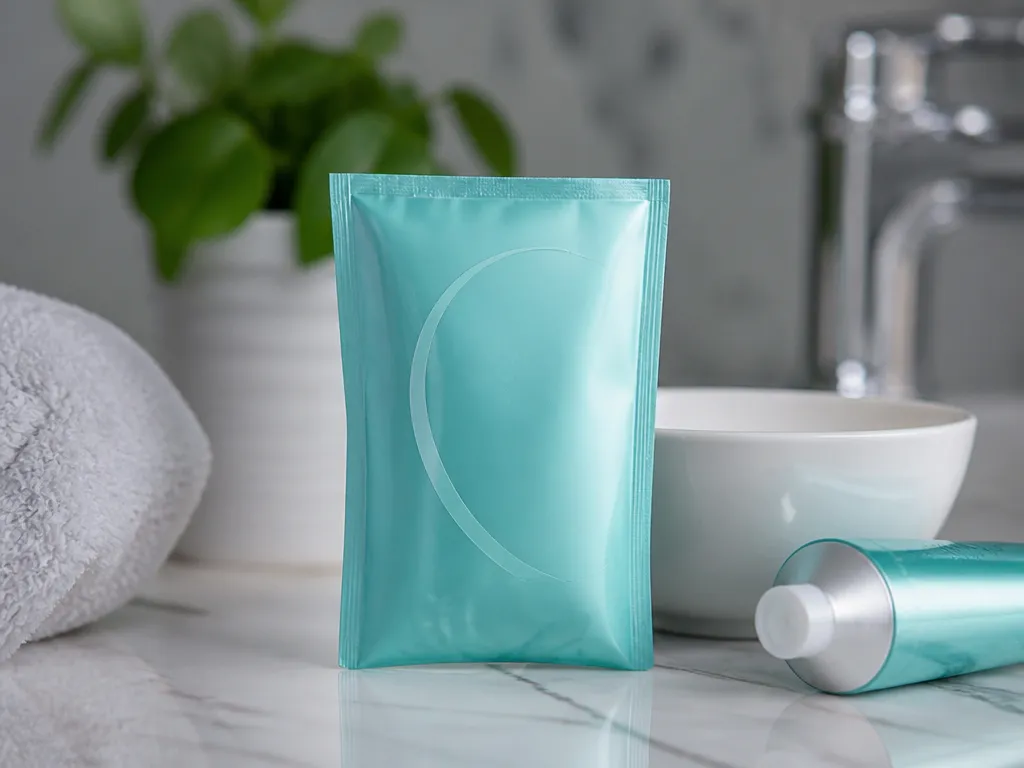
Chelating agents like EDTA work by grabbing onto metal ions and pulling them away from the hair shaft. These molecules surround minerals such as calcium, magnesium, and copper to prevent them from sticking to the hair cuticle. Unlike standard surfactants, which simply lift oils and dirt from the surface, chelators specifically target inorganic buildup that regular shampoo cannot remove.
Chelation Vs. Clarification
Clarifying shampoos are designed to remove excess sebum, styling products, and environmental pollutants. They use strong surfactants to strip away organic matter, but they often leave hard water minerals lodged deep within the hair structure. Chelating treatments are necessary when your hair feels stiff, looks dull, or has a “coated” texture despite regular washing.
For instance, a swimmer might use a clarifying shampoo to remove chlorine, but the minerals in their local tap water may still cause brassiness or dryness. A chelation step addresses the mineral component that the surfactant misses.
| Ingredient Type | Primary Function | Target Residue |
|---|---|---|
| Surfactants | Lifts oils and surface debris | Sebum, silicone, styling polymers |
| Chelators (EDTA) | Binds to metal ions | Calcium, magnesium, copper, iron |
| Ascorbic Acid | Reduces oxidation | Metallic discoloration and brassiness |
Key Active Components
Ascorbic Acid, also known as Vitamin C, plays a critical role in neutralizing metallic oxidation. This ingredient helps to brighten hair color by reducing the chemical reactions that cause minerals to turn hair orange or green. It is particularly helpful for blondes or those with lightened hair who struggle with mineral-induced brassiness.
Moisture-binding rebalancing agents are used immediately after the detox step to restore the hair’s lipid barrier. Since chelating can be slightly drying, these agents ensure the cuticle remains smooth and hydrated. Look for ingredients like panthenol or hydrolyzed proteins to replenish the hair after the minerals are stripped away.
Professional tip: Always follow a chelating treatment with a deep conditioner or a pH-balancing mask to prevent the hair from feeling overly porous or rough.
Expect to see a significant improvement in shine and texture after one application, but limit these treatments to once every 4 to 6 weeks to avoid stripping natural oils.
Malibu Treatment Application Process
Professional chelating protocols involve a precise three-step sequence to strip mineral deposits and restore the hair’s natural pH balance. This method targets heavy metals like copper and calcium that cling to the hair cuticle, which standard shampoos cannot remove. The process ensures that the hair is chemically clean before any color or moisture is reintroduced.
Professional tip: Always perform a strand test before a full application, especially if you have high-porosity hair or recent chemical color, to ensure the chelating agent does not cause excessive dryness.
Application timing and frequency depend heavily on your local water quality and hair history. If you live in an area with hard water, you may need this service every 4 to 6 weeks to prevent brassiness and buildup.
| Hair Concern | Treatment Goal | Post-Treatment Step |
|---|---|---|
| Brassiness/Orange Tones | Remove copper buildup | Toning conditioner |
| Dullness/Rough Texture | Remove calcium/magnesium | Deep moisture mask |
| Chlorine Residue | Remove chemical traces | pH-balancing sealer |
In practice, salon professionals often perform this treatment during a color service. Removing mineral interference first allows hair dye to penetrate more evenly, resulting in more predictable and vibrant color results.
Mistakes That Damage Your Hair
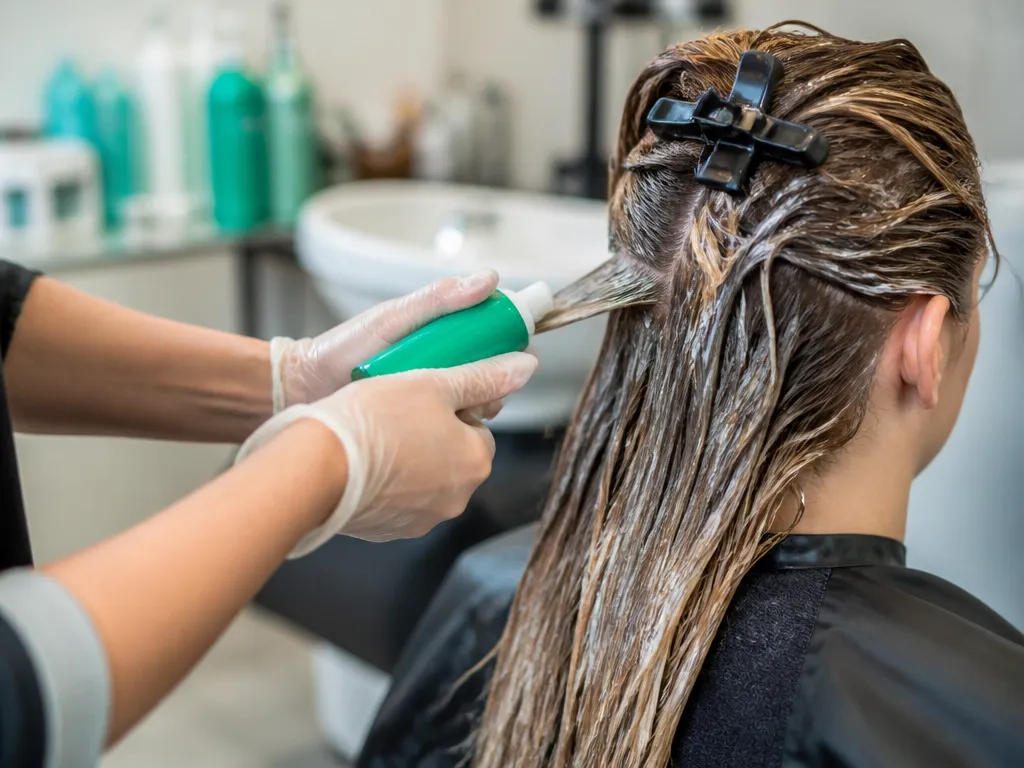
Over-processing with clarifying treatments can strip essential proteins and lipids from the hair cuticle, leading to increased porosity and structural damage. This is especially true when using chelating agents on already compromised hair without proper hydration protocols.
For instance, when treating chlorine-damaged hair that has recently been colored, the sequence matters significantly. The ideal approach is to perform the chelation treatment first, allow 72 hours for the hair to stabilize, then refresh the color as needed. This sequence minimizes color stripping while effectively removing mineral buildup.
Another common mistake is using home chelating treatments too frequently. Professional treatments should be spaced at least 4-6 weeks apart to allow the hair’s natural lipid barrier to recover between applications. Overuse can lead to chronic dryness, breakage, and increased sensitivity to environmental stressors.
Drugstore Vs. Professional Detox
Professional salon treatments use specialized chelating agents designed to target heavy metal ions and mineral buildup without stripping the hair’s natural moisture. These salon-grade systems often include a rebalancing step to restore pH levels and cuticle smoothness immediately after the detox. Home alternatives focus more on general clarification rather than deep mineral removal.
Chelating shampoos available at the drugstore are effective for light buildup from styling products or daily environmental pollutants. They typically contain ingredients like EDTA (Ethylenediaminetetraacetic acid) to help lift surface impurities. However, these products may not be strong enough to remove deep-seated copper or calcium deposits caused by hard water.
| Option | Primary Goal | Key Ingredient Type | Best For |
|---|---|---|---|
| Professional System | Deep mineral & metal removal | Specialized chelators | Hard water, chlorine, brassy color |
| Chelating Shampoo | Surface buildup removal | EDTA / Disodium EDTA | Product residue, oily scalp |
| DIY Vinegar Rinse | pH balancing & shine | Acetic acid | Light shine boost, smoothing cuticles |
Comparing Results And Risks
Vinegar rinses are a common DIY method used to add shine and close the hair cuticle. While apple cider vinegar can help balance pH, it lacks the chemical strength to pull minerals out of the hair shaft. Using vinegar alone will not solve problems caused by heavy metal accumulation.
Professional treatments offer a more controlled experience for those with high-porosity hair or fragile color-treated strands. Stylists can monitor how the hair reacts to the chelating process to prevent over-processing.
In practice, a salon professional can adjust the dwell time of the product to ensure safety.
Professional tip: If you have very porous or bleached hair, always opt for a salon treatment rather than a high-strength drugstore chelator to avoid unnecessary dryness.
Budget-conscious consumers can maintain hair clarity between professional visits by using a clarifying shampoo once a week. This helps prevent the buildup from becoming severe enough to require an intensive salon session.
Tips For Long-term Hair Clarity
Mineral buildup returns quickly if you do not address the source of the contamination in your daily environment. Preventing the immediate re-accumulation of calcium, magnesium, and chlorine requires a combination of water filtration and specific product choices.
Environmental And Routine Defense
Installing a shower filter is the most effective way to reduce the mineral load entering your hair during every wash. These filters use specialized media to trap heavy metals and neutralize chlorine before they touch your strands.
Maintenance routines should prioritize sulfate-free cleansers to avoid stripping the hair cuticle unnecessarily. While clarifying shampoos are vital for periodic detoxing, using them too often can lead to dryness and color fading.
Professional Tip: If you live in a hard water area, switch to distilled water for your final rinse to ensure no new minerals settle on the hair surface.
Pre-pool And Travel Protection
Chlorine and salt water act as aggressive agents that can strip color and leave hair feeling brittle. Protecting the hair before exposure can significantly extend the time between professional chelation sessions.
For example, soaking your hair in clean, fresh water before entering a pool prevents the hair shaft from absorbing chlorinated water. Applying a thin layer of coconut oil or a dedicated leave-in conditioner creates a physical barrier against environmental contaminants.
| Protection Method | Best For | Complexity |
|---|---|---|
| Fresh water soak | Chlorine prevention | Low |
| Leave-in conditioner | Dryness & barrier | Low |
| Silicone-based serums | Salt water/Sun | Medium |
In practice, a simple routine for swimmers involves wetting hair with tap water, applying a conditioner, and then entering the pool. This simple step reduces the amount of chemicals that penetrate the hair cuticle.
Malibu Treatment Cheat Sheet
Malibu treatments require frequency adjustments based on your water hardness and hair type. Hard water areas need monthly treatments while soft water areas can extend to every 6-8 weeks for maintenance.
Optimal Treatment Frequency
Water hardness directly impacts how often you need this clarifying treatment. In areas with extremely hard water or high chlorine content, treatments should be performed monthly to prevent mineral buildup from dulling hair and affecting color vibrancy.
For frequent swimmers or those using styling products with heavy silicones, consider adding an extra treatment monthly regardless of water hardness levels. Your stylist can adjust this recommendation based on your specific hair condition and environmental factors.
Essential Aftercare Products
Following a Malibu treatment, proper aftercare helps maintain results and prevents over-drying. These specialized products work to restore balance and hydration after the clarifying process.
Investing in quality aftercare products ensures your investment in the treatment delivers lasting results. Remember that overusing clarifying products can strip natural oils, so balance is essential for maintaining healthy, vibrant hair.
Common Malibu Treatment Questions?
Mineral chelators target inorganic deposits like calcium and copper rather than organic dye molecules. This process removes the mineral film from the hair without stripping permanent pigment.
Color And Compatibility
Permanent dyes usually stay intact during the process. Semi-permanent colors or glazes may fade slightly because the treatment cleanses the hair shaft so thoroughly.
For instance, a blue-toned toner may shift toward warmer gold tones after a deep detox. This happens because the treatment removes the mineral “mask” that was altering the color’s appearance.
Scalp sensitivity varies by skin type. This treatment is safe for most, such as oily or combination skin, but those with extremely dry or sensitive scalps should patch test the powder on the inner arm first.
| Feature | Salon Service | Home Kit |
|---|---|---|
| Strength | Professional grade | Moderate |
| Price | $40 – $100 | $15 – $30 |
| Application | Mixed by professional | Self-mixed powder |
| Best For | Severe buildup | Monthly maintenance |
Frequency And Care
Treatment frequency depends on local water hardness. People in hard water areas may need a session every 4 to 6 weeks, while others only need it once per quarter.
Professional tip: Use this treatment before a color service to ensure the dye penetrates the hair evenly without mineral interference.
High porosity hair, such as bleached or chemically damaged strands, can feel dry after chelating. Always follow the process with a deep conditioner or a protein mask to seal the cuticle.
Budget alternatives exist for those who cannot visit a salon. High-end: Malibu C Salon Treatment ($60). Drugstore: Ion Hard Water Shampoo ($8). Both use chelating agents to remove minerals.
Quick Summary
Malibu C is a professional chelating system that targets metallic ions like copper, calcium, and iron. Unlike standard clarifying shampoos that only remove oils or silicones, this treatment pulls minerals directly from the hair cuticle. It is particularly useful for frequent swimmers or people living in hard water regions. This process can help prevent the greenish tints often seen in blonde hair or the orange shifts found in brunettes. The detox phase typically lasts between 20 to 30 minutes in a salon setting.
You can identify a need for chelation if your hair feels stiff, rough, or like sandpaper. While salon services cost between $40 and $100, drugstore wellness packets are available for $15 to $20. You should only perform this treatment once every 4 to 6 weeks to avoid over-stripping.
| Buildup Type | Texture Feel | Color Impact |
|---|---|---|
| Mineral (Hard Water) | Stiff and straw-like | Brassy, orange, or green |
| Product (Silicones) | Heavy and greasy | Dull and matte |
Frequently Asked Questions
What Exactly Is A Malibu Hair Treatment?
It is a specialized professional service designed to remove mineral buildup, such as calcium, magnesium, and copper, from your hair and scalp. This treatment is particularly helpful if you live in a hard water area or frequently swim in chlorinated pools.
How Long Until I See Results After The Treatment?
You should see an immediate difference in hair clarity, shine, and color vibrancy right after your salon appointment. If you are trying to fix dullness caused by mineral deposits, the hair often feels much softer during your very first post-treatment wash.
Can I Do A Malibu Treatment At Home Or Do I Need A Professional?
While some chelating shampoos are available for retail, the professional Malibu C treatments are more concentrated and effective for deep mineral removal. For the best results, especially if you have expensive color, a licensed stylist can handle the process to avoid unevenness.
Is It Safe For Color-treated Or Sensitive Hair?
Yes, the treatment is specifically designed to clarify color without stripping the actual pigment, making it safer than many harsh clarifying shampoos. However, you should always ask your stylist to perform a patch test if you have an extremely sensitive scalp.
What Is The Difference Between A Malibu Treatment And A Regular Clarifying Shampoo?
A clarifying shampoo removes surface oils and product buildup, but a Malibu treatment uses chelating agents to target and bond with heavy metals. This means it can remove minerals that a standard shampoo simply cannot touch.

- 10 Best Hair Oil For Oiling Buyer Guide 2026 - October 26, 2026
- 10 Best Hair Oil For Overnight Treatment Buyer Guide 2026 - October 26, 2026
- 10 Best Hair Oil For One Year Old Baby Buyer Guide 2026 - October 26, 2026