13 Best Natural Deep Conditioning Ingredients to Tame Frizzy Hair
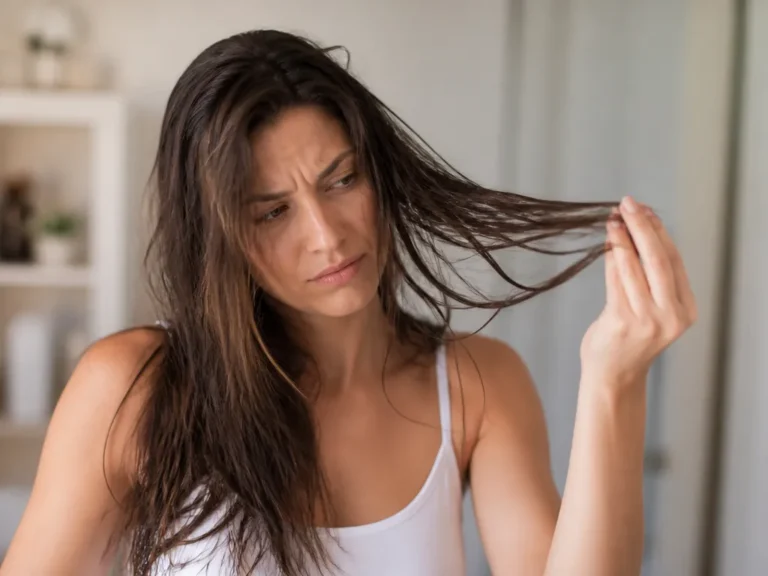
Frizz is the ultimate distress signal from thirsty hair. When your cuticle layer is dry, damaged, or highly porous, it lifts and reaches out to absorb moisture from the surrounding humid air, leaving your strands swollen, static-filled, and completely unmanageable. While standard commercial conditioners often rely on synthetic silicones to slap a temporary, waterproof bandage over the problem, they fail to provide the internal hydration required for actual structural repair. To genuinely eradicate frizz and lock out environmental humidity, you must penetrate the hair cortex and rebuild its natural lipid barrier from the inside out. Raw, earth-derived humectants, heavy emollients, and botanical oils offer bioavailable nutrients that your hair can actively absorb. By utilizing these ten potent natural ingredients, you can formulate treatments that permanently smooth the cuticle layer and transform rough, unruly texture into heavy, hydrated silk.
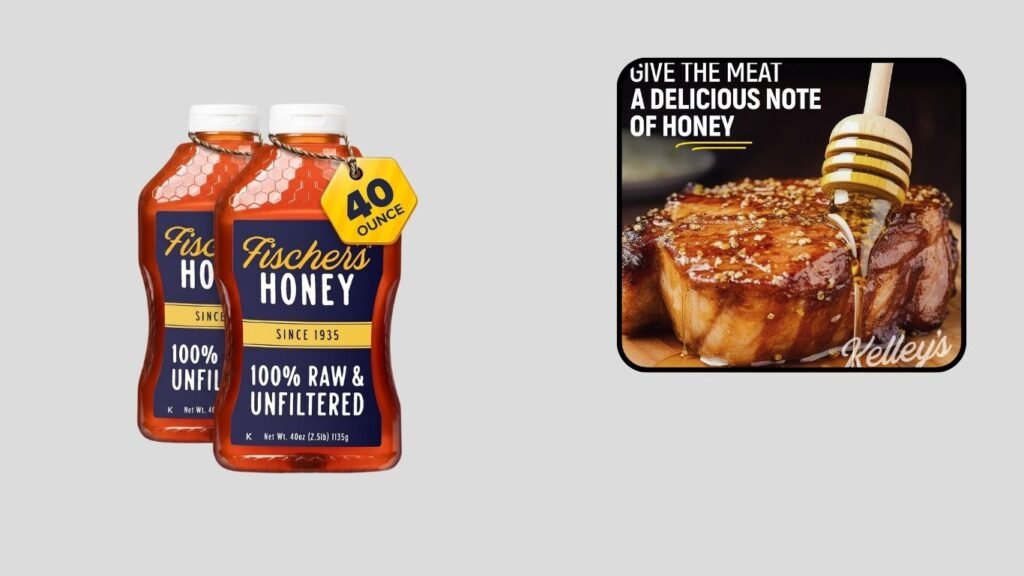
1. Raw Unfiltered Honey
Key Features
- Natural humectant: Helps attract and retain moisture.
- Natural enzymes: May help soften and condition hair.
- Acidic pH: Can support a smoother hair cuticle.
- Trace amino acids: Provide light conditioning support.
- Natural sugars: Help bind moisture to the hair.
- Water-soluble: Rinses easily without a greasy feel.
- Scalp-friendly: May help support a clean, balanced scalp.
- Adds shine: Helps create a smoother-looking hair surface.
- Antioxidants: Help protect hair from environmental stress.
- DIY-friendly: Blends well with oils and water-based ingredien
Mechanism of Frizz Reduction
Frizz is primarily caused by dehydrated hair reaching out into the atmosphere to absorb humidity, which swells the strand and lifts the cuticle. Raw honey combats this by saturating the hair’s internal cortex with moisture before environmental humidity can disrupt the strand. Its slight acidity acts as an astringent for the hair, tightening the cuticle scales downward so that individual strands glide past each other seamlessly instead of snagging and creating friction.
Porosity and Hair Type Compatibility
This ingredient is exceptionally versatile but performs best on low and medium porosity hair. Low porosity hair struggles to absorb moisture, but honey’s water-soluble humectant nature allows it to bypass tightly packed cuticles without leaving a surface film. It is highly effective for fine to medium strand thicknesses that are easily weighed down by heavy plant butters.
Optimal Application Strategy
Mix two tablespoons of raw honey with a lighter base, such as aloe vera gel or a lightweight conditioner, to reduce its natural stickiness. Apply to damp, freshly clarified hair. The presence of water in the hair activates the honey’s humectant properties, allowing it to pull that existing moisture deeper into the core. Rinse thoroughly with lukewarm water.
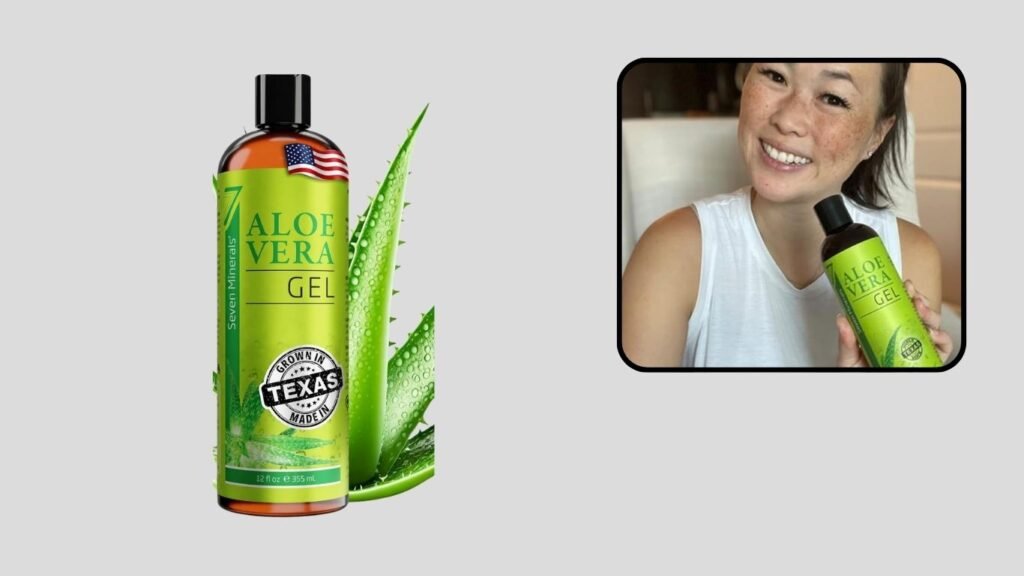
2. Pure Aloe Vera Gel
Key Features
- 99% water: Provides lightweight hydration.
- Proteolytic enzymes: Help gently cleanse the scalp.
- Vitamins A, C & E: Provide antioxidant support.
- pH around 4.5: Helps support the hair’s natural acidity.
- Smooths the cuticle: Helps reduce frizz and roughness.
- Salicylic acid: Gently exfoliates excess scalp buildup.
- Lightweight formula: Less likely to weigh down fine hair.
- Glucomannans: Help retain moisture on the hair.
- High slip: Makes detangling easier and reduces friction.
- Soothes the scalp: May help calm dryness and itching.
Mechanism of Frizz Reduction
Aloe vera tackles frizz through intense water delivery and pH regulation. Because frizzy hair is often alkaline (raised cuticles), aloe vera’s 4.5 pH instantly neutralizes the hair, causing the cuticles to contract and flatten. The glucomannans form a microscopic, breathable seal around the strand that traps the inner water without blocking future moisture absorption, eliminating the static charge that causes flyaways.
Porosity and Hair Type Compatibility
Aloe vera is the ultimate ingredient for low porosity hair because its molecular structure is small enough to penetrate closed cuticles effortlessly. It is also the premier choice for fine, wavy, or curly hair types that require deep hydration but completely collapse under the weight of traditional carrier oils.
Optimal Application Strategy
Extract the fresh mucilage directly from an aloe leaf, blend it in a high-speed blender until completely liquefied, and strain it through a cheesecloth to remove any white chunks. Apply this pure liquid generously to sectioned, dry hair as a pre-poo (pre-shampoo) treatment, or mix it evenly into your deep conditioning masks to increase the slip and water content.
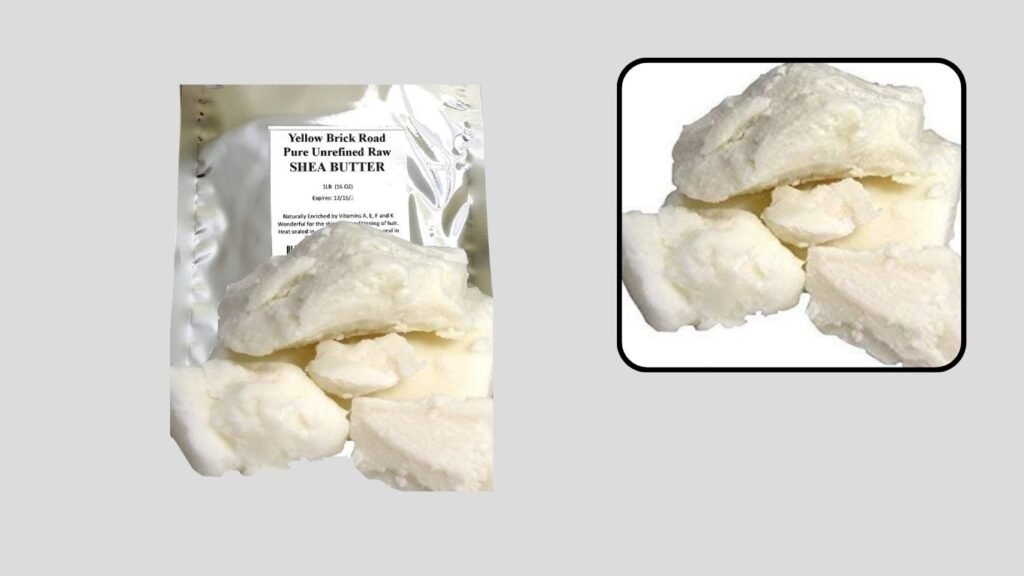
3. Unrefined Shea Butter
Key Features
- African shea butter: Extracted from the nut of the shea tree.
- Rich in fatty acids: Contains stearic and oleic acids.
- Occlusive barrier: Helps lock moisture into the hair.
- Conditioning lipids: Softens and smooths the hair shaft.
- Vitamin E: Provides antioxidant support.
- Highly emollient: Helps soften coarse, dry hair.
- Moisture sealing: Helps reduce moisture loss after conditioning.
- Melts with body heat: Easy to spread through the hair.
- Reduces friction: Helps make detangling easier.
- Smooths split ends: Temporarily coats and improves the appearance of split ends.
Mechanism of Frizz Reduction
Shea butter does not provide water; it traps it. It stops frizz through mechanical sealing. Once the hair is hydrated with water or humectants, shea butter creates an impenetrable barrier that prevents that moisture from evaporating. Simultaneously, it prevents external humidity from penetrating the strand and disrupting the curl pattern, holding the hair in a smooth, uniform state.
Porosity and Hair Type Compatibility
This heavy butter is exclusively suited for high porosity, thick, and tightly coiled (Type 4) hair. High porosity hair has gaps in its cuticle that leak moisture rapidly; shea butter effectively# 10 Best Natural Ingredients for Deep Conditioning Frizzy Hair
4. Argan Oil
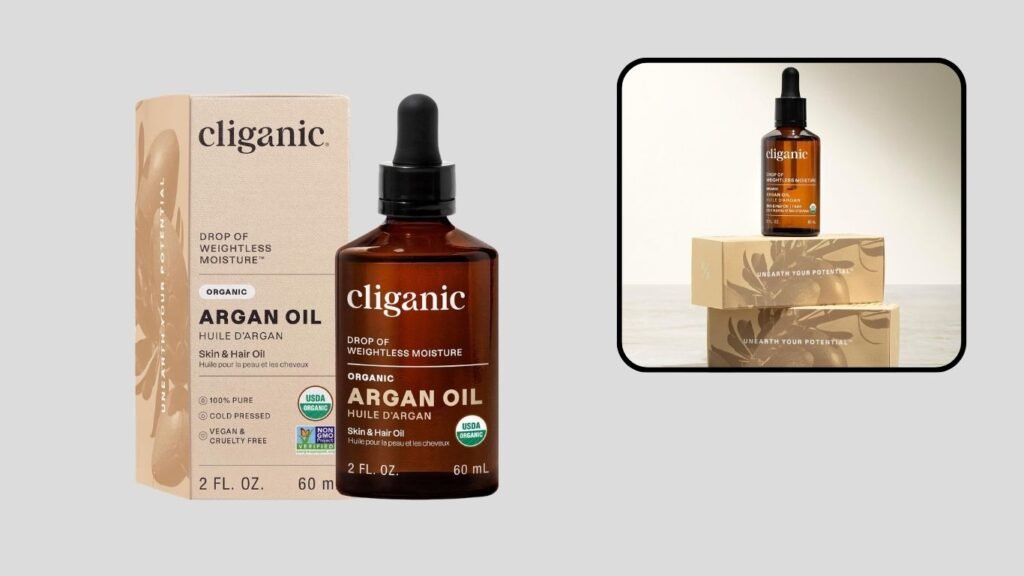
Key Features
- Rich in Vitamin E for deep cellular nourishment.
- High in oleic acid to improve moisture retention.
- Contains linoleic acid to reduce surface inflammation.
- Packed with natural antioxidants that neutralize free radicals.
- Lightweight molecular structure prevents heavy buildup.
- Non-greasy texture absorbs quickly into the hair shaft.
- Acts as a natural heat protectant against styling damage.
- Seals the hair cuticle to lock out environmental humidity.
- Reduces mechanical breakage from brushing and styling.
- Boosts natural shine without leaving a synthetic residue.
How It Combats Frizz
Argan oil tames frizz primarily by creating a hydrophobic (water-repelling) barrier around the exterior of the hair shaft. Frizz occurs when dry, porous hair reaches out to absorb moisture from the humid air, causing the cuticle to swell and lift. The essential fatty acids in argan oil lie flat against the cuticle layer, smoothing it down and preventing atmospheric moisture from penetrating and swelling the strand.
Ideal Application Method
For deep conditioning, warm one to two tablespoons of pure argan oil and apply it directly to damp, freshly washed hair. Focus the application on the mid-lengths and ends where porosity and dryness are most severe, avoiding the immediate scalp area to prevent flat roots. Leave the oil treatment in for at least 30 minutes under a thermal cap before rinsing thoroughly with a gentle sulfate-free shampoo.
Expected Outcomes
Consistent use yields softer, highly manageable hair with a noticeable reduction in flyaways. The hair will dry smoother and lay flatter against the head, reflecting light more efficiently to create a glossy finish. Over time, the structural integrity of the hair improves, making it naturally more resistant to humidity-induced frizz even on damp days.
5. Coconut Oil
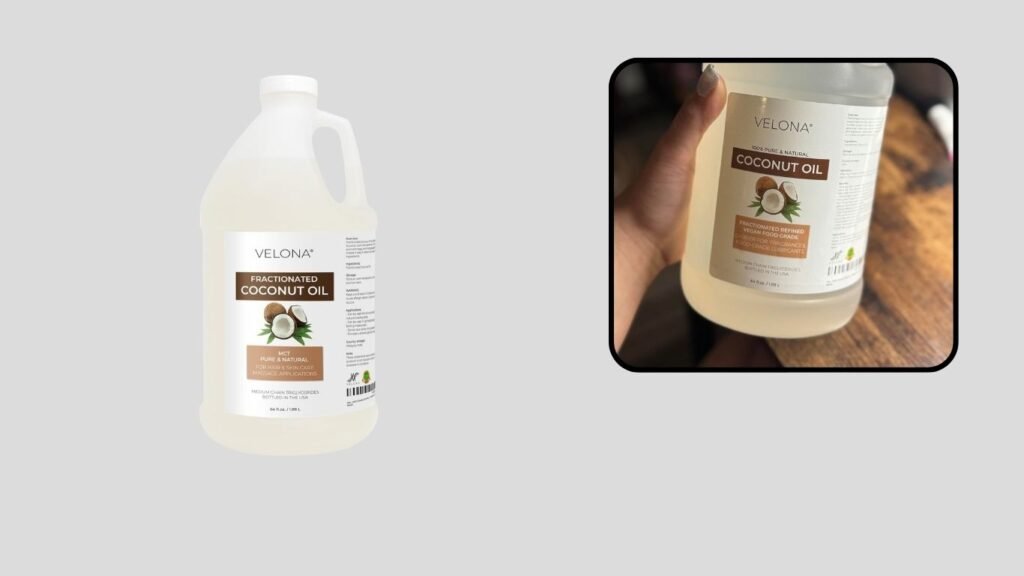
Key Features
- Penetrates the hair shaft deeply due to low molecular weight.
- Exceptionally high in lauric acid for structural support.
- Features natural antimicrobial properties for scalp health.
- Prevents protein loss during wet manipulation and washing.
- Solid at room temperature, making it easy to portion and apply.
- Locks in internal moisture for extended hydration periods.
- Smooths split ends and minimizes their appearance.
- Soothes scalp flakiness associated with extreme dryness.
- Highly affordable and widely accessible.
- Boasts a long shelf life without requiring refrigeration.
The Science of Frizz Reduction
Unlike many surface-level oils, coconut oil has a linear molecular chain that allows it to penetrate directly inside the hair cortex rather than just sitting on top. By filling the gaps inside porous, damaged hair, it prevents water from rushing into the hair shaft when you step into a humid environment. This internal filling mechanism stops the hair strand from swelling, snapping, and frizzing outwards.
Best Practice for Application
Melt the coconut oil by rubbing it between your palms until it turns liquid. Apply generously to dry hair before washing, creating a pre-shampoo deep conditioning mask. Comb the oil through with a wide-tooth comb to ensure even distribution, wrap your hair in a warm towel, and let it sit for 45 to 60 minutes. Because it is heavy, you may need to shampoo twice to remove the excess oil completely.
Long-Term Benefits
Hair treated regularly with coconut oil becomes remarkably stronger and less prone to snap during detangling. The heavy conditioning effect weighs down coarse, unruly strands, transforming a frizzy halo into sleek, defined waves or curls. You will notice the hair retains moisture longer between wash days, eliminating the chronic dryness that triggers frizz.
6. Aloe Vera
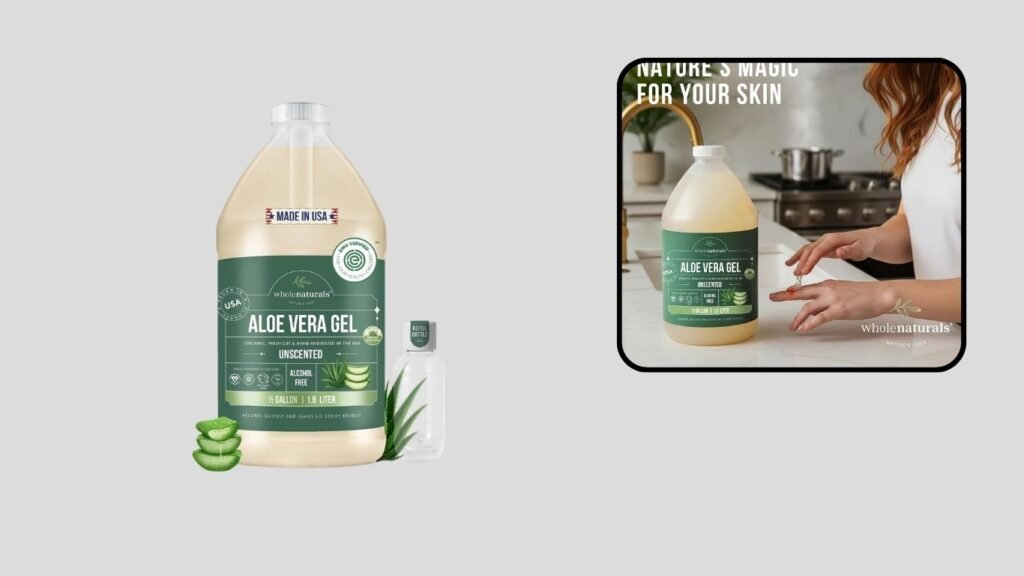
Key Features
- Composed of 95% water for intense, weightless hydration.
- Contains proteolytic enzymes to repair dead scalp cells.
- Helps maintain the natural, optimal pH balance of the hair.
- Natural anti-inflammatory properties soothe irritation.
- Rich in essential vitamins A, C, and E for cellular turnover.
- Conditions deeply without weighing down fine hair textures.
- Promotes a healthy environment for active hair growth.
- Effectively reduces dandruff and dry scalp scaling.
- Provides natural slip for easy, frictionless detangling.
- Leaves hair with a soft, silky, and touchable finish.
Smoothing the Cuticle
Aloe vera operates as a potent natural humectant, meaning it actively draws moisture from its surroundings into the hair. However, its slightly acidic pH is the true secret weapon against frizz. Frizz is often exacerbated by alkaline hair products that force the cuticle open; aloe vera’s acidity forces the hair cuticle to snap tightly shut, trapping moisture inside and leaving the outer surface perfectly smooth.
Creating an Aloe Mask
Extract the clear gel from a fresh aloe vera leaf and blend it until completely smooth to avoid white flakes in your hair. Apply this gel directly to clean, damp hair from the roots down to the tips, massaging it gently into the scalp as well. Leave the mask on for 20 to 30 minutes, allowing the water and vitamins to soak in, then rinse it out with cool water to ensure the cuticle remains closed.
Post-Treatment Results
Hair feels incredibly lightweight, bouncy, and hydrated immediately after rinsing. Because aloe vera contains no heavy lipids, it eliminates static and surface frizz without compromising the hair’s natural volume. Regular use results in a balanced, hydrated scalp and incredibly shiny, smooth hair that responds better to daily styling.
7. Shea Butter
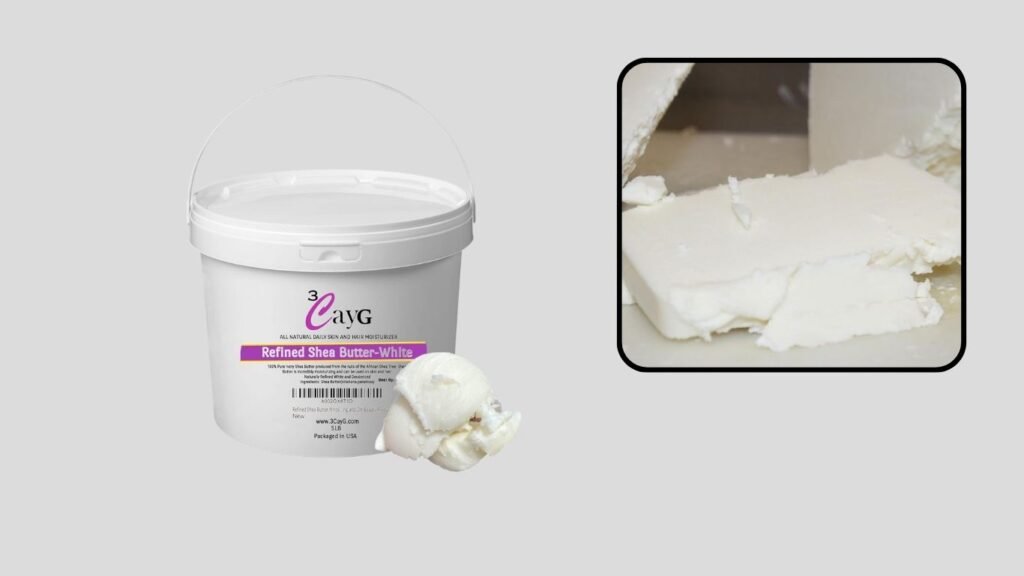
Key Features
- Densely packed with hydrating natural fatty acids.
- High concentration of restorative vitamins A and E.
- Exceptional emollient properties that soften hard textures.
- Thickly coats the hair shaft to lock in active ingredients.
- Provides a mild degree of natural UV protection.
- Rich, creamy consistency ideal for targeted application.
- Deeply restorative for highly porous or coarse hair types.
- Locks in hydration introduced by water or leave-in conditioners.
- Defends against harsh weather and environmental damage.
- Soothes severely irritated, dry, or compromised scalps.
Heavy-Duty Frizz Control
Shea butter tackles frizz through brute force emollience and sealing. When hair is highly textured, thick, or severely damaged, lightweight oils often evaporate or absorb too quickly to provide lasting frizz control. Shea butter acts as an impenetrable sealant. It coats the hair shaft with a thick lipid layer that physically weighs down unruly strands and permanently traps moisture inside the cortex until your next wash.
Deep Conditioning Method
Raw shea butter must be melted down for even distribution. Use a double boiler to melt two tablespoons of shea butter, optionally mixing it with a lighter carrier oil like argan or olive oil to improve spreadability. Apply the warm mixture evenly through damp hair in sections, twisting each section to ensure the butter coats every strand. Leave it on for an hour before washing out thoroughly with warm water and a clarifying shampoo.
The Transformation
Coarse, wiry, and stubbornly frizzy hair undergoes a drastic transformation, becoming highly pliable and soft to the touch. Shea butter effectively clumps curls together, transforming a frizzy mass into defined, shiny coils or heavy, smooth waves. The heavy moisture retention ensures that ends remain blunt and healthy, preventing the fraying that contributes to a frizzy appearance.
8. Avocado
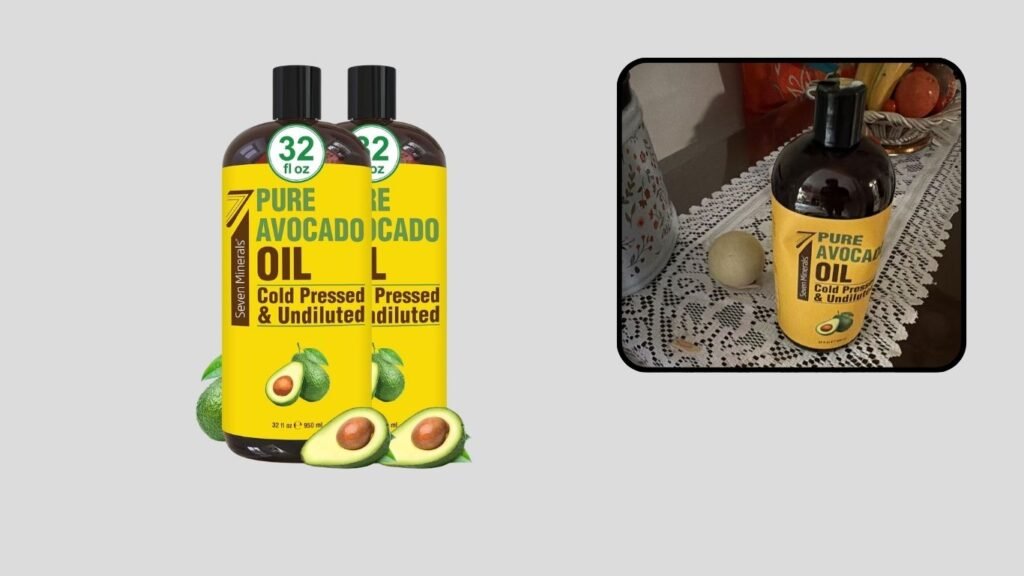
Key Features
- Packed with monounsaturated natural fats for deep nourishment.
- Contains biotin to support structural hair health.
- Rich in potassium to regulate cellular moisture balance.
- High magnesium content strengthens the hair fiber.
- Penetrates the cuticle deeply due to its specific lipid profile.
- Nourishes and rehabilitates chemically damaged strands.
- Provides excellent tactile slip for damage-free detangling.
- Promotes elasticity to stop hair from snapping under tension.
- Strengthens the internal protein bonds of the hair fibers.
- Acts as a natural humectant to draw in and retain moisture.
Restoring Structural Integrity
Frizz is frequently a symptom of structural damage, where the hair lacks the internal fats and proteins necessary to hold a smooth shape. Avocado steps in as a complete superfood for hair, delivering the exact monounsaturated fats required to rebuild the lipid layer of the hair shaft. By fixing the structural deficits and smoothing out the rough patches on the cuticle, avocado eliminates the physical causes of frizz.
Preparing the Treatment
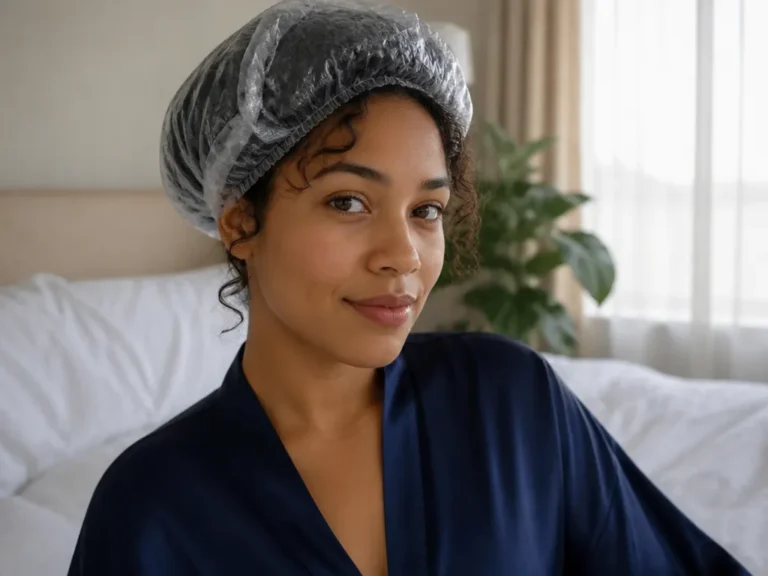
Mash one fully ripe avocado until completely free of lumps, or preferably, blend it in a food processor with a splash of water or olive oil to create a perfectly smooth puree. Apply the mask thickly over dry or slightly damp hair, ensuring the extremely damaged ends are heavily coated. Cover with a shower cap for 30 to 40 minutes, then rinse with cool water and follow up with a light conditioner to remove any lingering residue.
Visible Improvements
The hair experiences an immediate boost in elasticity and weight. Frizzy, brittle ends will feel significantly softer, thicker, and less prone to tangling. The natural oils in the avocado leave a distinct, rich gloss on the hair that lasts for days, while the internal hydration reduces the hair’s need to seek moisture from humid air.
9. Raw Honey
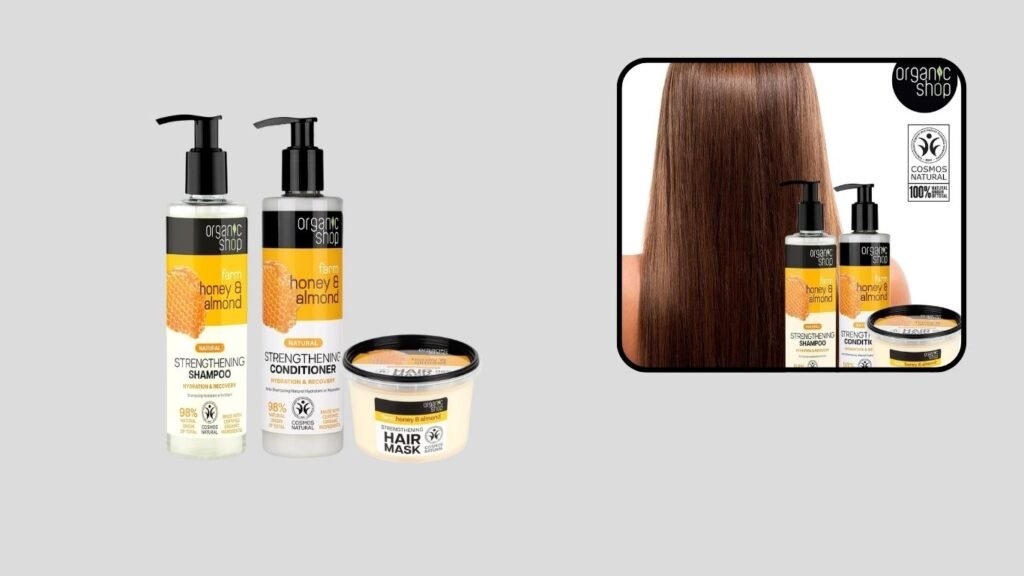
Key Features
- Acts as a powerful natural humectant for dry strands.
- Actively pulls moisture from the air into the hair cortex.
- Features antibacterial properties to clarify the scalp.
- Rich in antioxidants to protect against oxidative stress.
- Provides a smoothing, sealing effect on lifted cuticles.
- Adds brilliant, light-reflecting shine to dull hair.
- Encourages healthy cellular regeneration on the scalp.
- Softens coarse, wiry textures into manageable strands.
- Blends seamlessly with natural oils for custom masks.
- Restores the hair’s natural luster and color vibrancy.
Humectant-Driven Hydration
Honey tames frizz by addressing the root cause: chronic dehydration. As a natural humectant, honey binds specifically to water molecules. When applied to the hair, it forces moisture deeply into the strand and locks it there. Furthermore, honey contains microscopic proteins and minerals that smooth the external cuticle layer, creating a sealed, glass-like finish that prevents frizz-inducing friction between strands.
Perfecting the Application
Because raw honey is extremely sticky, it should never be applied alone. Dilute three tablespoons of raw honey with two tablespoons of warm water, or mix it evenly into your favorite natural carrier oil or plain yogurt. Apply this smooth mixture to clean, damp hair, distributing it evenly with your fingers. Let it sit for 20 to 30 minutes before rinsing it out with warm water; honey is entirely water-soluble and will wash out easily without shampoo.
What You Will Notice
Hair treated with honey feels incredibly soft, pliable, and thoroughly hydrated from the inside out. You will notice a dramatic increase in natural shine, as the smoothed cuticles reflect light perfectly. The hair becomes highly resistant to static and dry-air frizz, maintaining a smooth, cohesive appearance even in challenging weather conditions.
10. Banana
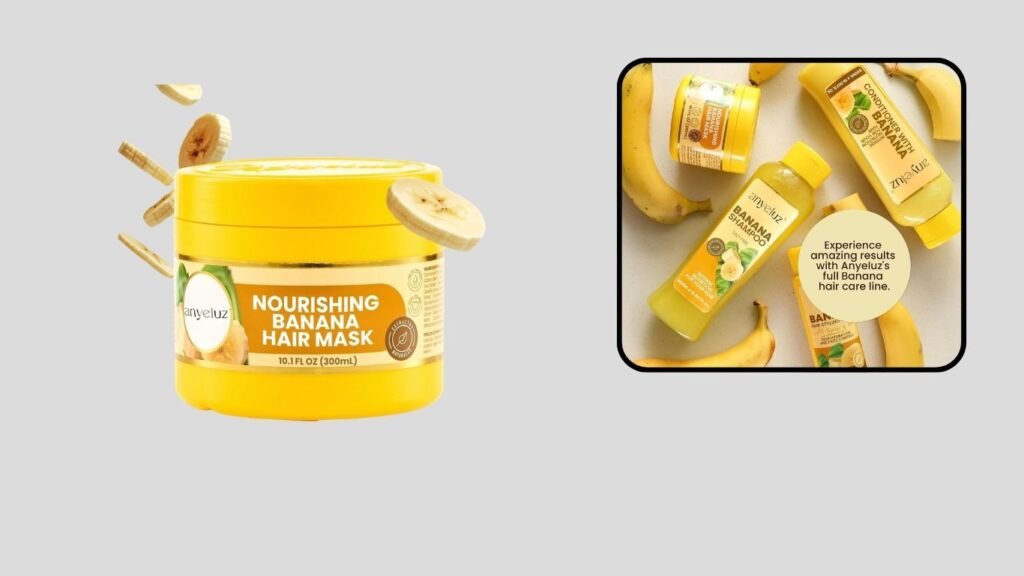
Key Features
- Exceptionally rich in silica to strengthen hair strands.
- High potassium content repairs daily cellular damage.
- Contains natural antimicrobial properties to heal the scalp.
- Dramatically improves wet and dry hair manageability.
- Restores natural elasticity to prevent mechanical breakage.
- Helps prevent and minimize the look of split ends.
- Softens brittle, dry strands instantly upon application.
- Adds noticeable volume and thickness to the hair base.
- Soothes an itchy, inflamed, or tightly drawn scalp.
- Provides deep hydration without leaving a greasy film.
The Role of Silica in Frizz Control
Bananas contain a high concentration of mineral silica, a compound that the body uses to synthesize collagen. In hair care, silica acts as a micro-filler, temporarily spackling over the cracks, dents, and damaged areas along the hair cuticle. By physically smoothing out the microscopic surface irregularities that cause individual hair strands to repel each other and frizz, banana treatments create a cohesive, smooth texture.
Mixing and Applying
It is critical to completely puree the banana to avoid getting impossible-to-remove chunks stuck in your hair. Blend one overripe banana with a tablespoon of olive oil or honey until it achieves a liquid, smoothie-like consistency. Apply this mixture to damp hair, cover with a shower cap, and leave it on for 20 to 30 minutes. Rinse meticulously with lukewarm water, followed by a thorough shampooing.
Post-Mask Texture
After a banana treatment, hair feels noticeably thicker, stronger, and more elastic. The silica provides a physical smoothness that prevents hairs from catching on each other, dramatically reducing tangles and friction-induced frizz. The hair will fall effortlessly into place with enhanced volume at the roots and heavy, smoothed ends.
11. Olive Oil
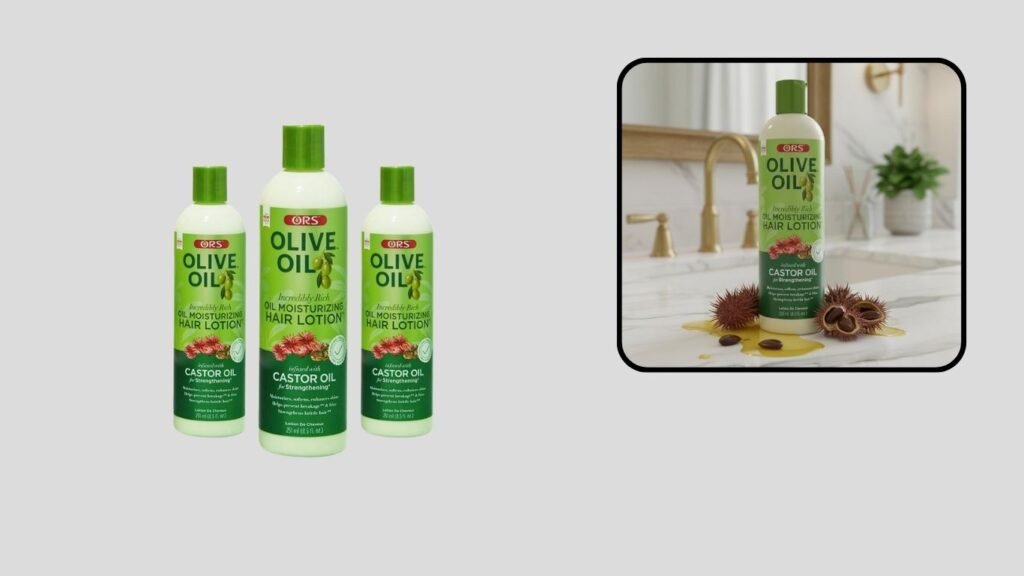
Key Features
- Exceptionally high in squalene for superior lubrication.
- Rich in oleic acid to maintain long-term internal moisture.
- Functions as a heavy emollient, ideal for thick or coarse hair.
- Penetrates the outer layers of the cuticle efficiently.
- Effectively smooths frayed, dry, and damaged ends.
- Prevents trans-epidermal water loss from the scalp and hair.
- Packed with antioxidants that prevent environmental degradation.
- Conditions deeply to relieve dry, tight scalps.
- Adds substantial physical weight to tame floating flyaways.
- Readily available in most household kitchens.
Weight and Lubrication
Olive oil is a heavy, lipid-rich oil that combats frizz through superior lubrication. Frizzy hair often lacks the natural sebum required to keep strands sliding smoothly past one another. Olive oil coats the hair in a dense, slippery film that dramatically reduces static friction. Additionally, its sheer weight pulls down puffy, unruly strands, forcing the hair to lay flat and compact.
The Hot Oil Technique
For maximum penetration, gently heat a quarter cup of extra virgin olive oil in a microwave-safe bowl for 15 seconds until warm, but not hot. Apply the warm oil to dry, unwashed hair, paying special attention to the mid-lengths and ends. Massage the remainder into the scalp to stimulate circulation. Wrap your hair in a warm towel for 45 minutes, then shampoo twice to ensure all the heavy oil is completely removed.
Resulting Hair Health
Olive oil treatments yield heavy, sleek, and highly glossy hair. The extreme frizz and puffiness associated with thick, curly, or coarse hair are instantly minimized by the oil’s weight and smoothing properties. The strands will feel coated, protected, and incredibly soft, with a significant reduction in visible split ends and mid-shaft breakage.
12. Jojoba Oil
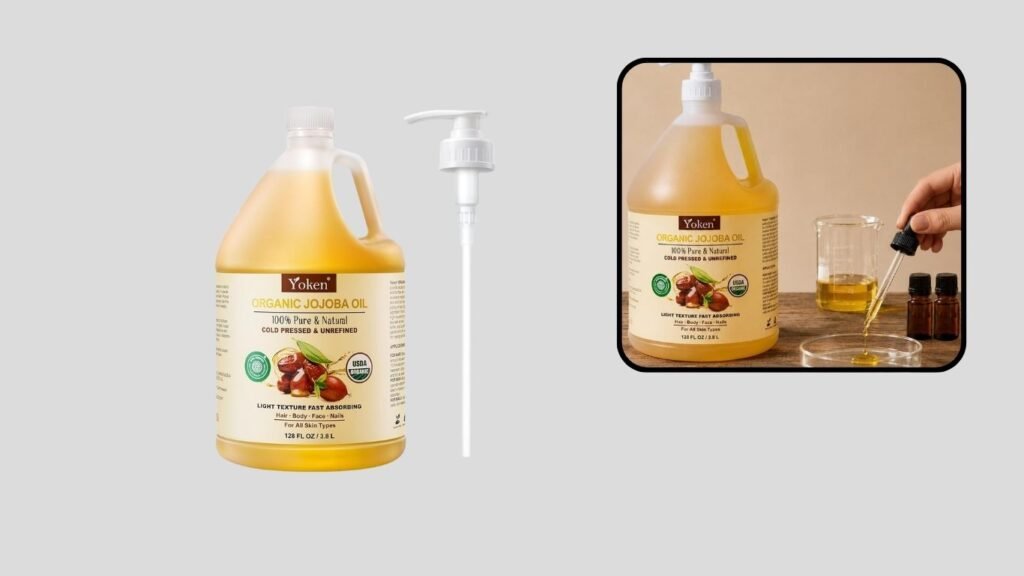
Key Features
- Biologically mimics the natural sebum produced by the human scalp.
- Technically a highly stable liquid wax rather than a traditional oil.
- Completely non-comedogenic, meaning it will never clog scalp pores.
- Rich in vitamins B and E to support active cell regeneration.
- Contains zinc and copper to fortify the hair follicle.
- Provides exceptional, lightweight hydration for fine hair.
- Will not leave a heavy, greasy residue after washing.
- Smooths the cuticle layer to immediately eliminate static.
- Repairs minor thermal damage from straighteners and blow dryers.
- Universally safe and effective for all hair types and porosities.
Biomimetic Frizz Control
Because jojoba oil’s molecular structure is nearly identical to human sebum, the hair and scalp accept it readily without leaving a buildup. It combats frizz by providing the exact type of natural hydration the scalp failed to produce. It lightly seals the cuticle, reducing the friction that causes frizz, while balancing the scalp’s own oil production to ensure long-term, natural moisture maintenance.
Routine Integration
Jojoba oil is versatile and does not require heavy washing to remove. For a deep condition, apply two tablespoons to damp hair and leave it in for 30 minutes before a light shampoo. Alternatively, it can be used as a leave-in treatment for frizz control: warm three to four drops between your palms and lightly skim them over the surface of dry, styled hair to instantly lay down flyaways.
Daily and Weekly Benefits
Hair treated with jojoba oil remains light, voluminous, and free of frizz. Because it doesn’t weigh the hair down, it is the perfect deep conditioner for fine or thin hair that typically falls flat with other oils. Over time, jojoba oil restores a healthy balance to the scalp, resulting in hair that naturally grows in smoother, shinier, and more resilient to environmental stressors.
13. Flaxseed Gel
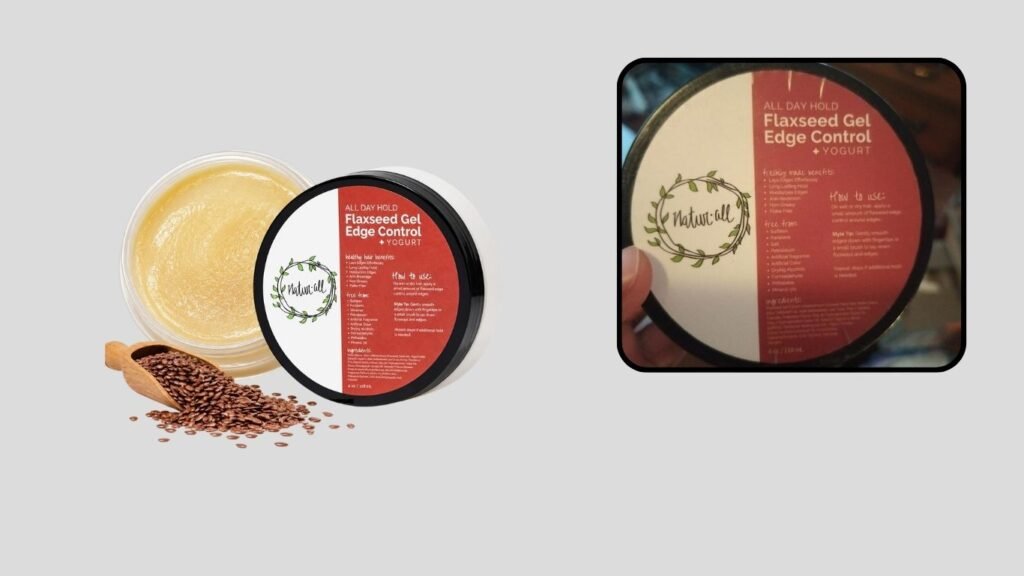
Key Features
- Extremely high in Omega-3 fatty acids for cellular nourishment.
- Rich in Vitamin E to protect the hair from oxidative stress.
- Contains nourishing proteins that fortify the hair cortex.
- Provides a natural, flexible hold for styling and defining.
- Defines curl patterns intensely while simultaneously conditioning.
- Features a deeply hydrating mucosal texture that coats strands.
- Actively stimulates hair follicles to promote thicker growth.
- Dramatically reduces frizz, static, and unruly flyaways.
- Easily and affordably made fresh at home in minutes.
- Leaves absolutely no crunchy, flaky, or dry residue behind.
The Mucilage Advantage
When boiled, flaxseeds release a thick, slippery substance known as mucilage. This natural gel is arguably the most effective botanical ingredient for clumping hair strands together. By forcing individual frizzy strands to clump into cohesive waves or curls, the gel entirely eliminates the “halo” of frizz. The Omega-3 fatty acids simultaneously penetrate the hair, providing deep, lasting hydration from within.
DIY Preparation and Use
Boil a quarter cup of whole brown or golden flaxseeds in two cups of water for about 10 minutes until the liquid thickens into a gel-like consistency. Strain the seeds out immediately while the mixture is hot using a mesh sieve or pantyhose. Once cooled, apply the gel generously to soaking wet hair in sections, scrunching it in from root to tip. It can be left in as a conditioning styling gel or washed out after an hour as a deep treatment.
Ultimate Frizz Eradication
Flaxseed gel yields perfectly defined, glossy, and highly moisturized hair. When used as a leave-in, it dries to form a soft cast around the hair that prevents any frizz from forming during the drying process. Once completely dry, scrunching the hair breaks the temporary cast, revealing incredibly soft, bouncy, and 100% frizz-free strands with a mirror-like shine.
Frequently Asked Questions (FAQs)
How often should I use these natural deep conditioning ingredients?
For extremely dry or frizzy hair, use a natural deep conditioning treatment once a week. If your hair is fine or easily weighed down, applying a treatment once every two weeks is sufficient to maintain moisture without causing buildup.
Can I mix multiple ingredients together?
Yes. Combining ingredients often yields superior results. For example, mixing avocado (for structural repair), honey (for humectant hydration), and olive oil (for weight and lubrication) creates a highly potent, multi-functional hair mask.
Will applying heavy oils like coconut or olive oil cause scalp acne?
Heavy oils can be comedogenic for some individuals. If you are prone to scalp acne or severe dandruff, avoid applying heavy oils directly to the scalp. Instead, focus the application entirely on the mid-lengths and ends of the hair, and consider using non-comedogenic jojoba oil for scalp hydration.
Do I need to wash my hair with shampoo after using these treatments?
Treatments involving heavy oils, butters, or food purees (like avocado or banana) absolutely require a thorough shampooing to remove residue. Water-soluble treatments, like honey or light aloe vera masks, can often be rinsed out with just warm water or a light co-wash.

- 13 Best Natural Deep Conditioning Ingredients to Tame Frizzy Hair - September 29, 2026
- How to Make Deep Conditioner for Natural Hair: 8 Easy DIY Recipes - September 29, 2026
- Natural Homemade Deep Conditioner for Natural Hair: Easy DIY Recipes - September 29, 2026