Is Chlorine Bad For Keratin Treated Hair?
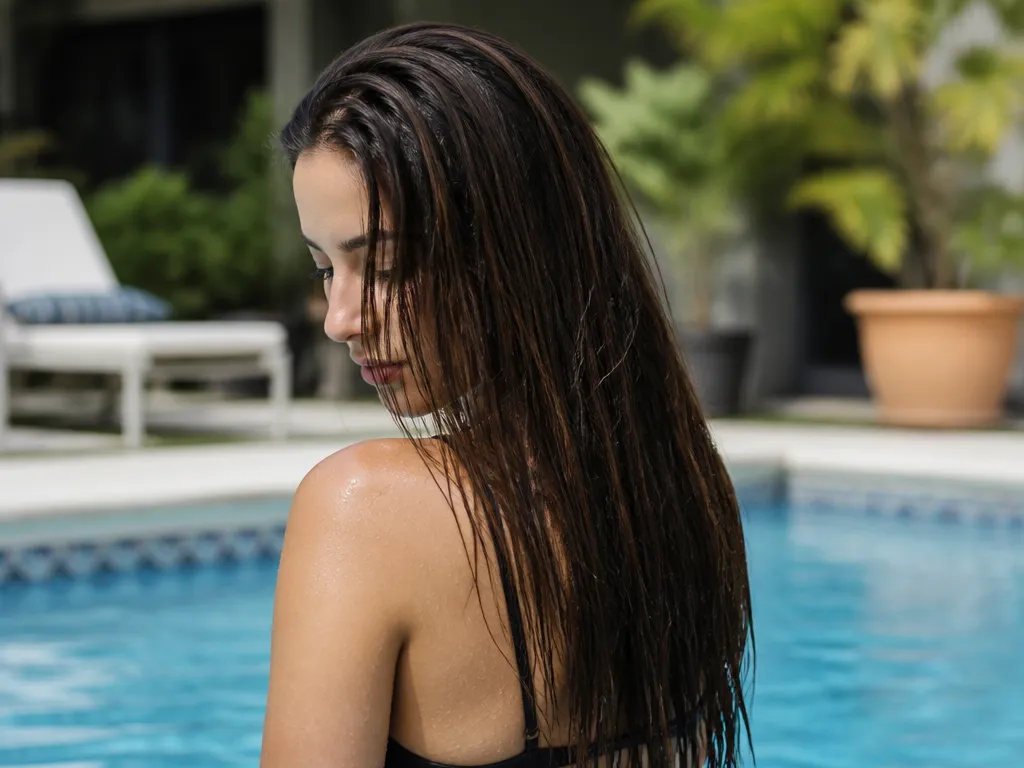
Keratin treatments are a significant financial and time investment, so watching that smooth, sleek finish fade after a few laps in the pool is heartbreaking. Chlorine is a harsh chemical designed to strip away bacteria, but it also strips away the proteins and moisture that keep your hair cuticle sealed and shiny. Preventing this damage is possible if you know how to build a protective barrier before you ever step onto the pool deck.
Chlorine is undeniably bad for keratin treated hair because it acts as an astringent that breaks down chemical bonds and leaches moisture from the hair shaft. To protect your investment, always saturate your hair with fresh, filtered water before swimming and apply a silicone-based leave-in serum to create a physical barrier.
Best for: All hair types with professional keratin or smoothing treatments. Use caution if: You have extremely fine or thin hair that is easily weighed down by heavy oils or silicones.
Is Chlorine Bad For Keratin Treated Hair?
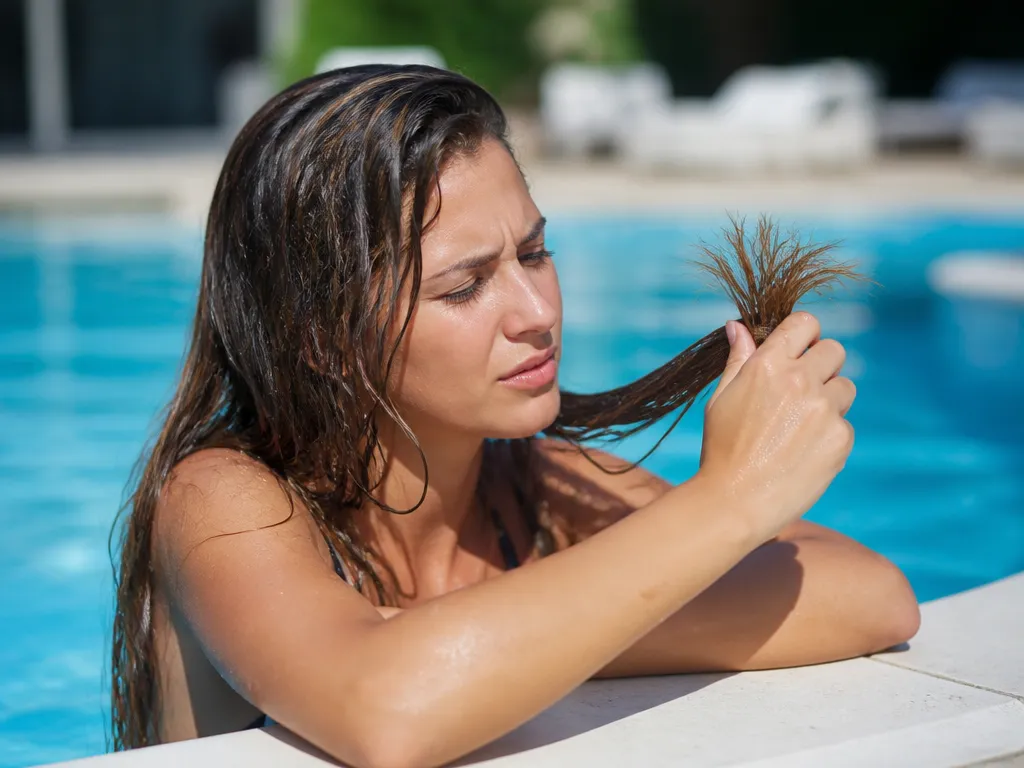
Chlorine acts as a harsh oxidizing agent that strips the protective protein coating essential to a keratin treatment. This chemical reaction breaks down the bond between the smoothing agent and your hair shaft, which leads to premature frizz and a return of your natural texture.
Pool water forces the cuticle to swell, allowing the chemical treatment to leach out of the hair fiber faster than it would with regular water exposure. While you do not need to avoid the pool entirely, your treatment longevity depends on how well you create a physical barrier against these chemicals.
Signs Your Treatment Is Stripping
Watch for specific changes in hair behavior after swimming to gauge if your salon investment is under attack. Most people notice these shifts within two to three weeks of frequent exposure if they fail to rinse properly after swimming.
Pro Tip: Always saturate your hair with fresh, clean water from a shower before entering the pool. Hair is like a sponge; if it is already full of clean water, it absorbs significantly less chlorinated pool water.
Comparison Of Protection Methods
Managing the health of your hair requires a mix of prevention and post-swim care. The following table outlines how to maintain your treatment’s integrity throughout the summer months.
| Method | Effectiveness | Best For |
|---|---|---|
| Pre-swim wetting | Moderate | All hair types |
| Swim cap | High | Frequent swimmers |
| Leave-in conditioner | Low to Moderate | Fine to medium hair |
Apply a leave-in conditioner or a light hair oil to the ends of your hair before swimming. This creates a hydrophobic shield that repels pool water. Once you exit the pool, use a sulfate-free shampoo immediately to remove any chlorine residue before it dries into the hair cuticle.
Identify Your Keratin Treatment Type
Keratin treatments fall into two primary categories based on their chemical composition, which determines how much they resist environmental stressors like pool water. Formaldehyde-based treatments penetrate the hair shaft to create a rigid, long-lasting bond, while formaldehyde-free alternatives typically coat the cuticle with amino acids or glyoxylic acid derivatives to smooth the surface.
For instance, a traditional Brazilian Blowout often relies on a proprietary polymer system that remains semi-permanent but slightly more flexible than older, stiff formaldehyde formulas. If your hair feels exceptionally smooth and lacks natural wave pattern immediately after the salon, you likely have a high-strength formula that is more prone to moisture-stripping when exposed to harsh chemicals.
Treatment Comparison Table
| Treatment Type | Chemical Base | Longevity | Chlorine Sensitivity |
|---|---|---|---|
| Traditional Brazilian | Formaldehyde/Derivatives | 3-5 Months | High |
| Smoothing/Silk Press | Amino Acids/Glyoxylic Acid | 6-10 Weeks | Moderate |
Hair porosity serves as the final variable in how much chlorine your treatment will absorb. High-porosity hair, often caused by previous bleach damage or heat styling, contains gaps in the cuticle layer that act like a sponge for pool water. Low-porosity hair, which is generally healthier, repels water more effectively, providing a natural barrier against chemical intrusion.
Esthetician tip: Perform a simple float test at home. Place a clean strand of hair in a bowl of water. If it sinks immediately, your hair is high-porosity and requires extra sealing products before swimming to prevent the chlorine from leaching your treatment.
Daily maintenance should reflect these differences. If you have a high-strength treatment on dry, coarse hair, you must prioritize barrier-forming oils before entering the water. Those with finer, low-porosity hair can often get away with a simple leave-in spray, provided they rinse the hair with clean, non-chlorinated water immediately after leaving the pool.
Best Ingredients For Chlorine Protection
Hydrophobic barriers and neutralizing agents act as the primary defense against pool chemicals that degrade keratin bonds. You need ingredients that coat the cuticle to prevent chlorine absorption while replenishing the structural integrity of your treated hair.
Essential Protective Ingredients
Argan oil and coconut oil provide a necessary hydrophobic layer that repels chlorinated water. These natural fats penetrate the hair shaft to fill gaps in the cuticle, which keeps harsh chemicals from settling into the keratin matrix. This approach is effective for all hair types, though those with fine hair should use a lighter application to avoid weighing down the style.
Hydrolyzed keratin works as a structural support system to reinforce the hair strands after exposure. When applied through leave-in treatments or masks, it fills micro-tears in the keratin coating, effectively mimicking the results of your salon service. Vitamin E serves as a potent antioxidant to neutralize the oxidative stress caused by pool water, which prevents the dryness and color fading that often follows a swim.
| Ingredient | Purpose | Best For |
|---|---|---|
| Argan Oil | Hydrophobic barrier | Dry, coarse, or frizzy hair |
| Hydrolyzed Keratin | Structural repair | Chemically processed hair |
| Vitamin E | Antioxidant defense | All hair types |
| Sulfate-Free Surfactants | Gentle cleansing | Color-treated, fragile hair |
Practical Application Tips
Dermatologist tip: Apply your protective oils to damp hair before you swim, as dry hair acts like a sponge and absorbs pool chemicals more rapidly than pre-saturated hair.
Pre-swim And Post-swim Routine
Chlorine acts as a chemical sponge that strips the natural oils and the protective keratin coating from your hair strands. Saturating your hair with fresh water and applying a barrier oil before entering the pool prevents the porous cuticle from absorbing harsh pool water.
Dermatologist tip: If you swim daily, consider a weekly clarifying treatment to remove mineral buildup, but ensure your chosen product is labeled “keratin safe” to avoid premature degradation of your treatment.
Budget-conscious swimmers can use a simple mixture of water and a few drops of coconut oil in a spray bottle for their pre-swim barrier. High-end alternatives include specialized swim-care brands like UltraSwim or Malibu C, which contain chelating agents that specifically bind to and neutralize chlorine molecules.
In practice, the sequence matters as much as the products. Always apply your barrier oil on damp, clean hair, never on dry, dirty hair. This layering process keeps the cuticle smooth and maintains the integrity of your keratin treatment for the full duration of its expected lifespan.
Mistakes That Ruin Your Treatment
Harsh surfactants and neglected aftercare routines strip the protective protein layer from your hair within minutes of pool exposure. These errors accelerate the breakdown of your chemical smoothing process, leading to premature frizz and a loss of shine.
The Danger Of Harsh Cleansers
Clarifying shampoos often contain high concentrations of sodium lauryl sulfate or sodium laureth sulfate. These ingredients act as detergents that pull the moisture and the added keratin right out of the hair shaft. Using these products immediately after swimming accelerates the degradation of your expensive salon service.
Dermatologist tip: Look for sodium-chloride-free and sulfate-free labels on your shampoo bottle to maintain the integrity of your smoothing treatment.
Neglecting Pre-pool Preparation
Dry, porous hair acts like a sponge, absorbing chlorinated water instantly upon entering the pool. Skipping a thorough fresh water rinse before swimming forces your hair to soak up pool chemicals instead of clean water. This chemical saturation compromises the cuticle seal, leading to brittle strands and rapid frizz development.
Leaving Pool Water To Dry
Evaporation leaves behind concentrated chlorine deposits that continue to break down hair proteins long after you exit the water. Allowing your hair to air dry naturally without a fresh water rinse traps these chemicals directly into the cuticle layer. This practice leads to a rough texture and a dull appearance that mimics pre-treatment damage.
| Common Mistake | Impact on Keratin | Corrective Action |
|---|---|---|
| Sulfate-Heavy Washing | Strips protein bond | Use sodium-chloride-free formula |
| Skipping Rinse | High chemical absorption | Saturate hair with tap water first |
| Air-Drying Chlorine | Continued chemical erosion | Rinse thoroughly immediately |
Consistency in your post-swim routine preserves the longevity of your treatment. Keep a gentle, hydrating leave-in conditioner in your gym bag to seal the cuticle before and after you swim. This simple barrier prevents the hair from absorbing excess minerals and chlorine.
Drugstore Vs Professional Protection Options
Chlorine strips the protective coating from keratin-treated hair, which leads to premature breakdown of the smoothing agents and increased porosity. Effective defense requires a combination of physical barriers to block water absorption and chemical chelators to neutralize residual minerals after exposure.
Diy Barrier Methods
Coconut oil acts as a hydrophobic barrier that prevents pool water from saturating the hair shaft. This method is effective for all hair types, including fine or oily textures, provided you use a light application to avoid excessive buildup.
Affordable Drugstore Solutions
Sulfate-free shampoos are essential because harsh detergents strip away the very proteins added during a keratin treatment. Budget-friendly options often contain gentle surfactants that cleanse the scalp without compromising the longevity of the service.
| Brand | Product Type | Best For |
|---|---|---|
| SheaMoisture | Sulfate-Free Shampoo | Thick, dry, or curly hair |
| L’Oreal EverPure | Bond Strengthening | All hair types |
| Aveeno | Apple Cider Vinegar | Oily to combination scalps |
Professional Chelating Treatments
Chelating shampoos provide a deep detox by binding to heavy metals and chlorine deposits that standard shampoos leave behind. These are professional-grade tools that should be used sparingly, typically once every two weeks or after frequent swimming, to prevent over-drying.
Professional Secrets For Lasting Smoothness
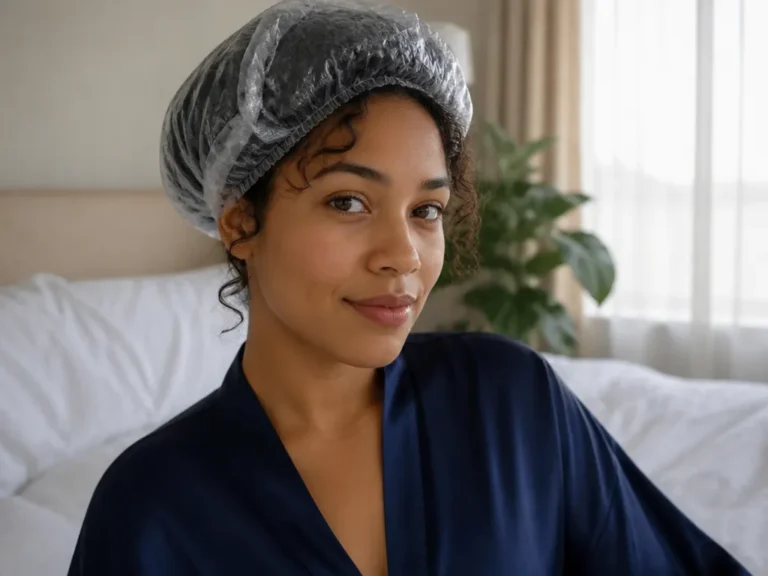
Silicone-based swim caps offer the most effective physical barrier against pool chemicals for treated hair. These caps create a tighter seal than standard latex versions, preventing water from reaching the hair shaft and stripping the protective keratin coating.
Protecting Your Investment
Chlorine acts as a harsh oxidizer that breaks down the proteins and sealants applied during your salon visit. Constant exposure leads to premature frizz and a dull appearance, even if you follow a strict maintenance routine.
Cold water rinsing provides a simple, effective method for locking down the hair cuticle after your swim. High temperatures cause the cuticle to swell and lift, which allows chemicals to penetrate deeper, so keeping your post-swim rinse cold keeps the hair shaft smooth and resilient.
Maintenance Timing
Touch-up appointments for keratin treatments typically occur every 12 to 16 weeks, depending on your hair texture and frequency of washing. Frequent swimmers often find they need to shorten this window by 2 to 3 weeks to maintain the original sleekness and manageability.
| Strategy | Benefit | Frequency |
|---|---|---|
| Silicone Cap | Blocks water contact | Every swim session |
| Cold Rinse | Seals the cuticle | Immediately after pool |
| Salon Touch-up | Restores protein | Every 10-12 weeks |
Product choices play a secondary but vital role in longevity. Use sulfate-free shampoos and conditioners that contain UV filters, as these ingredients protect against both sun damage and the drying effects of pool chemicals. This approach works for all hair types, from fine and straight to thick and curly, by keeping the moisture balance stable and the cuticle layer intact.
Quick Summary
Chlorine acts as a harsh oxidizing agent that damages keratin treatments by breaking down the chemical bonds between the smoothing agent and your hair shaft. This process leaches moisture from the hair and causes the cuticle to swell, which leads to premature frizz and a return of natural texture. To protect your hair, you should saturate your strands with fresh, filtered water before swimming to prevent absorption. Using a silicone-based leave-in serum or light argan and jojoba oils also creates a necessary physical barrier.
The longevity of your treatment depends on your prevention methods, especially since formaldehyde-based Brazilian Blowouts last 3 to 5 months while amino acid versions last 6 to 10 weeks. You may notice signs of damage like flyaways or a straw-like texture within two to three weeks of frequent pool exposure. It is vital to rinse your hair with fresh water within 5 minutes of exiting the pool and use sulfate-free shampoos. The most effective way to maintain your investment is to wear a tight-fitting silicone swim cap.
Frequently Asked Questions
How Does Chlorine Damage Keratin Treated Hair?
Chlorine is an oxidizing agent that can strip the protective protein coating from your hair strands. This often leads to increased frizz and dryness after only a few exposures to pool water.
Do I Really Need To Wear A Swim Cap To Protect My Treatment?
While a cap is the best defense, you should at least soak your hair in fresh water before entering the pool. Saturated hair absorbs significantly less chlorinated water than dry hair does.
What Is The Difference Between A Regular Conditioner And A Chelating Shampoo For Pool Days?
Regular conditioners provide moisture, but a chelating shampoo is specifically formulated to remove mineral and chlorine buildup from the hair shaft. Use a chelating product no more than once a week to avoid over-drying your hair.
How Much Shorter Will My Keratin Treatment Last If I Swim In Chlorine?
Frequent exposure to pool chemicals can drastically shorten your results, potentially reducing a 4 month treatment to just a few weeks. Protecting your hair is essential to maintaining the smooth texture you paid for.
Is An Expensive Professional Hair Oil Worth It Versus A Drugstore Version For Pool Protection?
You do not need a luxury brand, but you do need a product that creates a physical barrier. A silicone-based leave-in conditioner from the drugstore works just as well to seal the cuticle before you swim.

- 13 Best Natural Deep Conditioning Ingredients to Tame Frizzy Hair - September 29, 2026
- How to Make Deep Conditioner for Natural Hair: 8 Easy DIY Recipes - September 29, 2026
- Natural Homemade Deep Conditioner for Natural Hair: Easy DIY Recipes - September 29, 2026