Can I Curl My Hair After Keratin Treatment?
You spent hundreds on a professional keratin treatment only to worry that a single curling iron session might ruin the smooth finish. It is a valid fear because the wrong timing can cause permanent kinks or premature fading. I will show you how to style your hair safely without wasting your salon investment.
Curling hair after a keratin treatment is safe once you complete the initial 48 to 72 hour waiting period. Use a sulfate-free heat protectant and keep your curling iron temperature below 350 degrees Fahrenheit to prevent damage. Avoid tight styles during the first three days to ensure the keratin bonds set correctly.
Best for: All hair textures. Use caution if: Your hair is extremely fine or chemically bleached.
Can I Curl My Hair After Keratin Treatment?
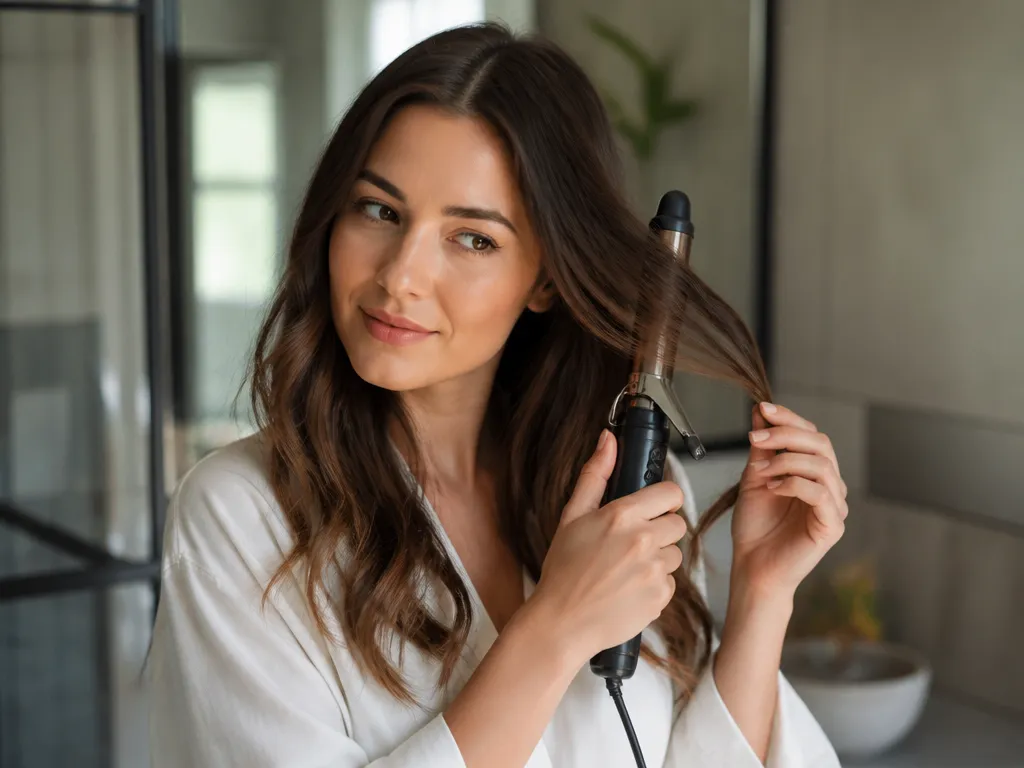
Timing for heat styling is key: allow 48 to 72 hours before curling or using high heat to protect the smoothing effect. Tools used too soon can dull shine and cause uneven texture as the keratin cures.
Why waiting matters: during the first two to three days, keratin bonds are setting and the finish is more susceptible to heat and moisture. Exposing hair to heat during this window can compromise the smooth result and delay the full cure.
Who should wait: anyone with a fresh keratin treatment, especially if hair is fine or previously damaged. If you have color services or a sensitive scalp, consider extending the wait. If your natural texture is very straight, you may tolerate styling earlier, but with careful technique and protection.
In practice, you can use lightweight alternative styling methods during the first post-treatment days.
For example, use soft rollers or braids to create waves without heat, then resume regular curling once the treatment is fully set.
| Scenario | Best Approach | Notes |
|---|---|---|
| 0-48 hours | Avoid heat entirely | Air-dry, use no heat tools |
| 48-72 hours | Low heat with protection | Test a small strand first |
| After 72 hours | Style as usual | Monitor smoothing; adjust heat as needed |
This works best for oily to combination skin.
Dermatologist tip: If you need to curl after the waiting window, opt for a loose wrap or heat-free technique first and introduce heat gradually to protect the integrity of the keratin.
Patch test any new styling products 24 hours before use, and follow product directions for safe application around the scalp. If irritation occurs, discontinue use and consult a professional.
Identifying Your Post-treatment Hair Texture
Keratin smoothing seals the cuticle and lowers porosity, so the hair becomes smoother and reflects light more evenly. You’ll typically see less frizz and a straighter baseline, with only faint natural waves remaining depending on your original texture and how well the treatment took. A quick strand test can reveal whether your hair behaves like a highly porous curl-prone strand or a tougher, less absorbent one.
Porosity after smoothing is a key predictor of curl retention. Low porosity hair tends to resist absorption and can be slower to curl, while mid to high porosity hair may still show some bend but with reduced definition. Result authenticity matters because it guides your product choices and heat styling approach, especially if you want to reintroduce curl without undoing smoothing.
| Porosity Level | What It Means for Curling | Styling Tip |
|---|---|---|
| Low | Hair resists moisture and curl formation; may stay straighter longer. | Use a lightweight curl-enhancing product and lower heat. Allow extra drying time. |
| Mid | Balanced absorption; curls may form with effort but hold well. | Apply heat protection, a setting lotion, and medium heat. |
| High | Moisture-rich and curl-prone; can respond quickly to heat though smoothing may lessen definition. | Choose a humidity-resistant product and brief styling passes to avoid overprocessing. |
Pro tip: always start with heat protection and work in small sections. This preserves smoothing while giving you control over reintroducing curl.
In practice, this texture awareness helps you tailor products and heat usage. If you’re oily to combination scalps, opt lightweight serums and sprays that won’t weigh hair down, and patch test new heat protectants before full use. Expect slight texture changes to unfold over the first 1 – 2 weeks as the smoothing settles and you settle into a new styling rhythm.
Essential Ingredients For Heat Protection
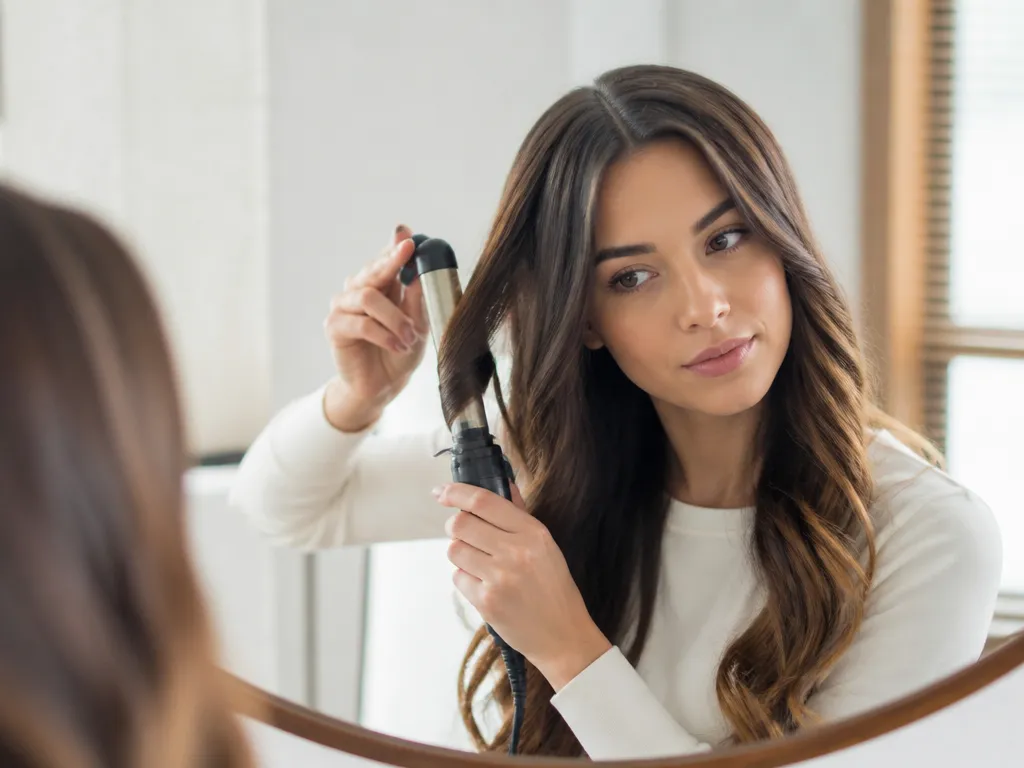
Protective hair products require specific proteins and humectants to shield the keratin bond from thermal degradation. Using a heat protectant containing hydrolyzed proteins helps fill gaps in the hair cuticle caused by heat styling. This layer acts as a physical barrier between your curling iron and the chemically treated hair shaft.
Hydrolyzed silk and keratin proteins are the primary ingredients to look for in high-quality heat protectants. These small protein molecules bind to the hair surface to reinforce the structural integrity of your smoothing treatment. They help prevent the “crunchy” texture that often follows heat application on treated hair.
Panthenol, also known as Vitamin B5, provides essential moisture retention during the curling process. Heat naturally evaporates water from the hair shaft, which can cause the keratin treatment to strip away faster. Panthenol draws moisture back into the cortex to keep curls soft and bouncy rather than frizzy.
Sulfate-free conditioning agents are necessary to maintain the longevity of your salon service. Traditional surfactants can strip the smoothing coating, while gentle agents like behentrimonium chloride help smooth the cuticle. This keeps the hair sleek and prevents the frizz that often occurs when heat tools are used on chemically altered hair.
Esthetician tip: Always apply heat protectant to damp hair before blow-drying, and then apply a lighter version to dry hair right before using a curling iron.
Ingredient Comparison For Heat Styling
| Ingredient | Primary Function | Best For |
|---|---|---|
| Hydrolyzed Keratin | Structural reinforcement | Damaged or porous hair |
| Panthenol | Moisture retention | Dry or brittle textures |
| Hydrolyzed Silk | Surface smoothing | Fine hair needing shine |
| Silicones (e.g., Dimethicone) | Thermal barrier | High-heat styling |
Safe Curling Techniques And Routine
Curling is possible after a keratin treatment once the formula has set, but you must protect the smoothing layer with heat protection and keep temperatures gentle. Start with a test strand to check how your hair responds. This approach works for all hair textures, including color-treated hair.
Mistakes That Ruin Smoothing Effects
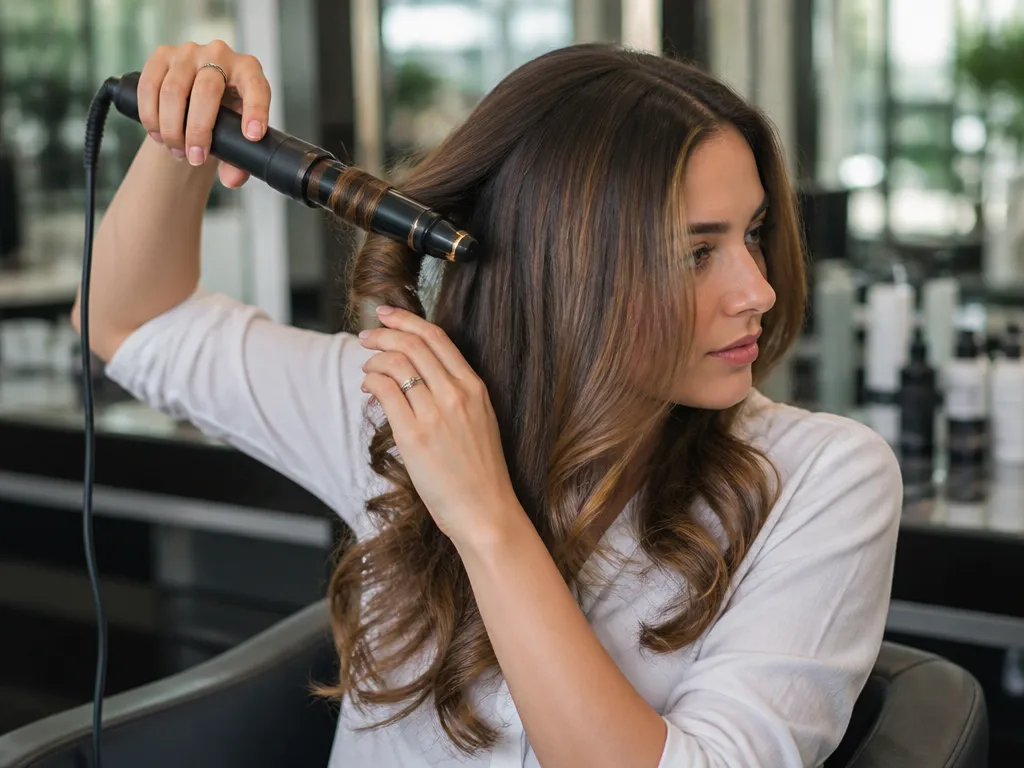
Excessive heat styling can break down the keratin bonds that create your smooth, frizz-free results. The ideal temperature for styling after a keratin treatment should stay below 350°F (177°C) to preserve the treatment’s integrity.
Heat Styling Mistakes
Many clients assume higher temperatures create better curls or straightening effects, but this misconception leads to premature treatment failure. The flat iron or curling wand should never exceed 350°F (177°C) during the first two weeks after treatment.
Product Pitfalls
Sea salt sprays and heavy texturizing products contain high salt content that strips keratin from the hair shaft. These products should be completely avoided for at least 30 days post-treatment to maintain results.
| Product Type | Impact on Keratin | Safe Usage Timeline |
|---|---|---|
| Salt-based sprays | High – strips treatment | Avoid for 30 days |
| Sulfate shampoos | Medium – accelerates fading | After 7-10 days |
| Heat protectants | Low – preserves results | Immediate use |
Washing Too Soon
The first 72 hours after a keratin treatment are critical for the formula to properly bond with your hair. Washing hair too soon or using harsh clarifying shampoos can completely undo the treatment’s smoothing effects.
Expert Tip: “Wait at least 3-4 days before your first wash, and always use sulfate-free, sodium chloride-free shampoo to extend the life of your keratin treatment.”
For clients with oily roots who cannot go without washing, a dry shampoo formulated for keratin-treated hair can be used as an interim solution until the first proper wash.
Budget-friendly Vs Professional Styling Options
Budget-friendly styling products can effectively protect your keratin-treated hair while saving money. Drugstore options like OGX and Nexxus offer heat protection that works well for occasional styling, though they may require more frequent reapplication than premium alternatives.
Drugstore Solutions
Drugstore heat protectants provide essential thermal defense for keratin-treated hair without the premium price tag. These products typically cost $8-15 and offer basic protection that’s suitable for moderate heat styling.
Premium Professional Options
Professional products like Kérastase and Olaplex deliver specialized formulations that extend the life of your keratin treatment. These higher-end options contain advanced technologies that provide superior heat protection and maintain treatment integrity through multiple styling sessions.
| Brand | Price Range | Key Benefits | Best For |
|---|---|---|---|
| Kérastase | $35-45 | Advanced heat protection, frizz control | Daily styling, high-heat tools |
| Olaplex | $28-38 | Bond protection, moisture retention | Chemically treated hair |
| Redken | $22-32 | Heat protection, shine enhancement | Frequent styling |
Diy Post-styling Care
After heat styling your keratin-treated hair, DIY moisture masks can restore hydration and prolong treatment effects. These natural remedies help counteract moisture loss caused by heat styling without harsh chemicals.
“Professional tip: When using DIY masks on keratin-treated hair, always rinse with lukewarm water rather than hot water to prevent premature breakdown of the treatment.”
Pro Tips For Lasting Curls
Lightweight finishing oils are essential for maintaining curl definition without compromising your keratin treatment. Opt for silicone-free formulas like argan or marula oil that provide shine and frizz control without creating buildup that can dull your style.
Protective Nighttime Practices
Silk pillowcases make a significant difference in preserving your curls overnight. Unlike cotton, silk creates minimal friction, preventing your curls from getting tangled and flattened while you sleep. This simple switch can extend your style by at least one day.
Strategic Curl Scheduling
Schedule your curling sessions strategically to maximize the longevity of both your style and your keratin treatment.
| Curl Timing Strategy | Benefits |
|---|---|
| Early morning styling | Allows curls to set throughout the day |
| Every 3-4 days maximum | Minimizes heat exposure to treated hair |
| Pre-heat protectant application | Creates a barrier between hair and styling tools |
“Keratin treatments create a protective layer around the hair shaft, but excessive heat can still cause damage. Always use the lowest effective temperature for your hair type to maintain both the treatment and your style.” – Celebrity Hairstylist, Elena Rodriguez
When using heat tools, maintain a temperature between 300-350°F for keratin-treated hair to avoid breaking down the protein bonds. Divide your hair into small sections for more precise curls and even heat distribution that lasts longer.
Quick Summary
Curling hair after a keratin treatment requires patience and proper technique to maintain the smoothing effect. During the initial waiting period, exposure to heat can cause permanent kinks or premature fading of the treatment. When styling after the waiting period, always use a sulfate-free heat protectant and keep your curling iron temperature below 350 degrees Fahrenheit to protect the newly treated hair from damage.
Hair porosity changes after keratin treatment, with low porosity hair resisting absorption and being slower to curl, while mid to high porosity hair may still show some bend. Assess your hair’s texture by looking for uniform smoothness from roots to ends with minimal frizz in humidity. For the first three days, avoid tight styles and use only sulfate-free, sodium chloride-free shampoos. The single most important factor is allowing the proper setting time before introducing any heat to preserve your investment in the treatment.
| Time After Treatment | Styling Approach |
|---|---|
| 0-48 hours | Avoid heat entirely, air-dry only |
| 48-72 hours | Low heat with protection, test a small strand first |
| After 72 hours | Style as usual, monitor smoothing effect |
Frequently Asked Questions
How Long Should I Wait To Curl My Hair After A Keratin Treatment?
Wait 48 to 72 hours before using heat tools so the keratin can bond to the hair shaft and reduce the risk of permanent creases.
Will Using A Curling Iron Make My Keratin Treatment Wear Off Faster?
Yes, excessive heat can break down the protein coating more quickly. To keep your results longer, keep your curling iron temperature below 350 degrees Fahrenheit.
Can I Use Heatless Curls After A Keratin Treatment?
Absolutely, heatless methods are the safest option for treated hair. Using silk rollers or overnight braids avoids heat damage entirely and helps the treatment last longer.
Do I Need A Heat Protectant If My Hair Already Has A Keratin Coating?
Yes, you still need a heat protectant to provide an extra layer of defense. While keratin smooths the hair, it does not make the strands immune to burn damage from hot tools.
Which Curling Iron Material Is Best For Keratin-treated Hair?
Choose a ceramic or tourmaline barrel because they distribute heat more evenly. This prevents hot spots that can singe the treated hair cuticle.

- Pre-Poo Treatments for Low Porosity Hair: 7 Essential Steps - September 20, 2026
- What To Avoid After Prp Hair Treatment? - August 28, 2026
- What Is The Malibu Treatment For Hair? - August 27, 2026