Can I Comb My Hair After Keratin Treatment?
You just spent a significant amount of money and time in the salon chair to get that sleek, frizz-free hair, and now you are terrified to even touch it. It is common to feel anxious about ruining the finish, especially when you are unsure if a simple comb will leave a permanent dent. You can protect your investment by following a few strict rules during the initial setting period.
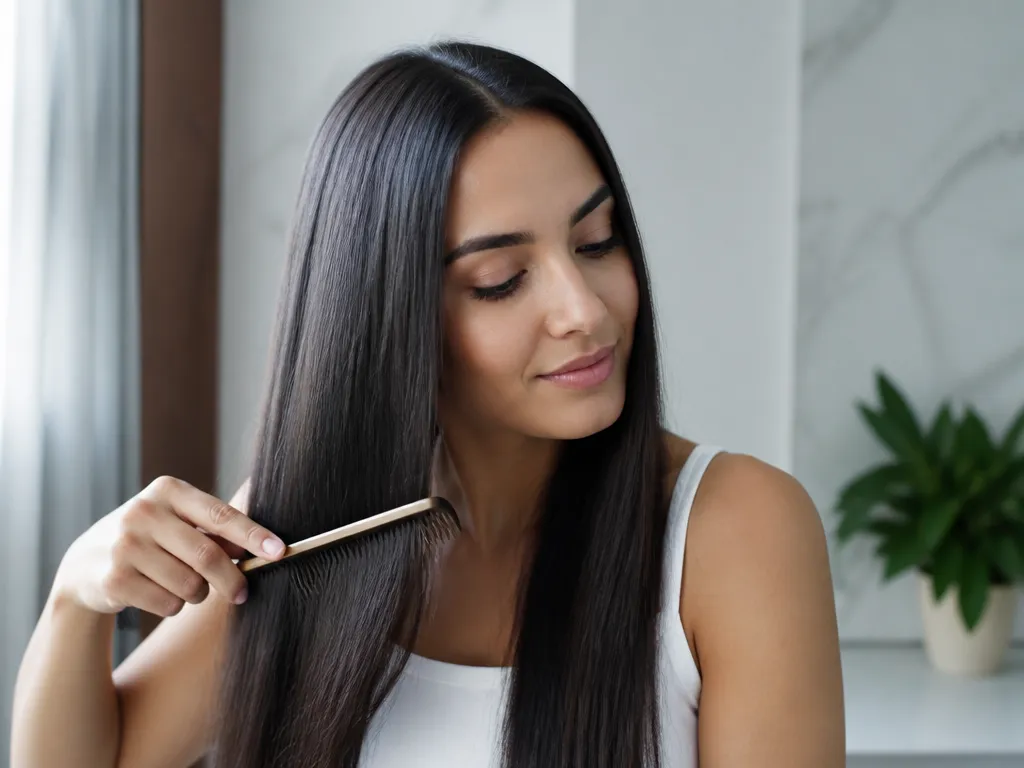
Keratin treatment maintenance requires you to avoid combing or brushing for at least 48 to 72 hours, depending on your specific formula. Once this period passes, use a wide-tooth comb to gently detangle from the ends upward. Always prioritize sulfate-free shampoo to extend your results.
Best for: Thick, frizzy, or coarse hair types. Use caution if: You have fine, limp hair or a sensitive scalp, as the treatment can weigh it down or cause irritation.
Can I Comb My Hair After Keratin Treatment?
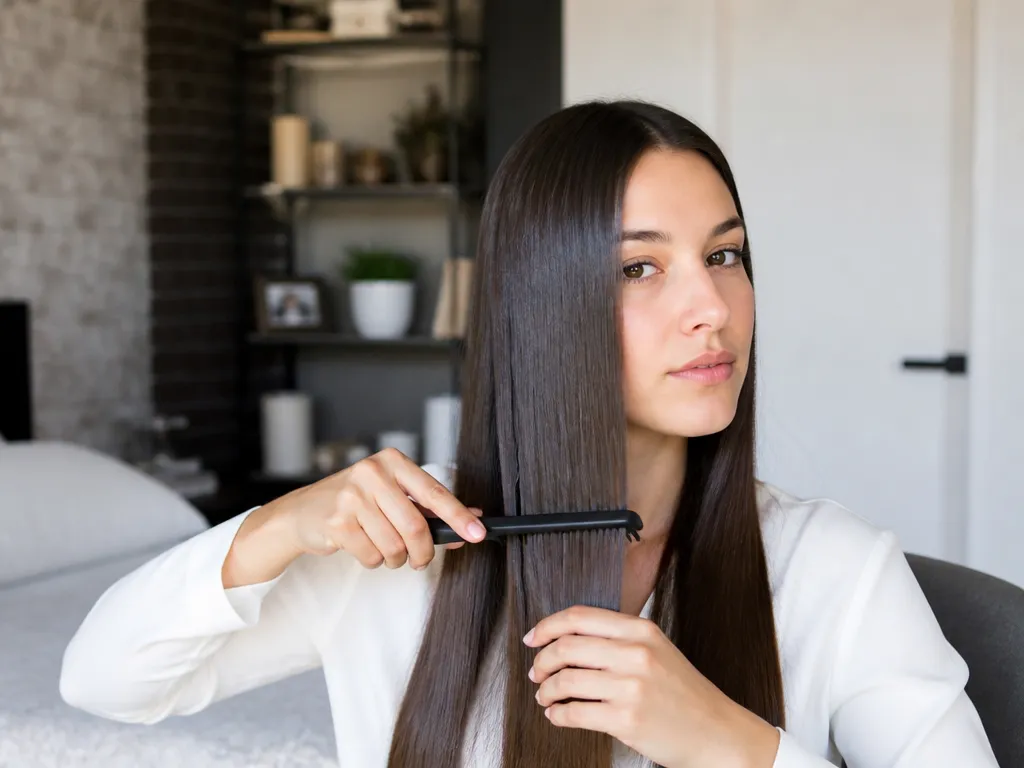
Combing your hair immediately after a keratin treatment compromises the chemical bonding process and ruins the final results. The specialized protein solution requires 48 to 72 hours to fully penetrate and seal into the hair cuticle, meaning any physical manipulation during this window leaves permanent creases or uneven texture.
Professional stylists emphasize the 48-to-72-hour rule because the keratin is still setting during this time. Mechanical tension from a comb or brush displaces the product before it hardens, leading to frizzy patches or waves where the hair should be smooth. You must treat your hair like a delicate fabric that is currently setting.
Esthetician tip: If you accidentally get a crease from a hair tie or tucking your hair behind your ears during the first three days, use a flat iron on a low heat setting to gently smooth the area immediately.
Why Early Manipulation Causes Damage
The keratin formula works by filling the porous gaps in your hair shaft and creating a protective hydrophobic barrier. When you introduce a comb, you physically push the product away from those gaps, resulting in an inconsistent finish. This is especially problematic for those with fine or porous hair, as the product has a harder time adhering to those specific hair types.
| Risk Factor | Potential Outcome |
|---|---|
| Combing/Brushing | Uneven texture and visible creases. |
| Hair Accessories | Permanent dents or wavy lines. |
| Moisture Exposure | Product dilution and reduced longevity. |
In practice, the goal is to maintain the exact alignment your stylist provided at the end of the appointment. Any disruption to that alignment requires extra heat styling, which increases the risk of thermal damage to freshly treated hair. Keep your routine simple and hands-off until the initial waiting period concludes.
Identify Your Hair Texture And Porosity
Hair porosity determines how effectively your strands absorb and retain the keratin solution during and after your salon visit. Low porosity hair features tightly packed cuticles that resist moisture, while high porosity hair has gaps in the cuticle that allow the treatment to sink in quickly but also escape just as fast.
Assessing your hair fragility is essential because the heat-sealed protein coating can temporarily mask structural damage. Fragile hair often feels mushy when wet or appears frayed at the ends, which indicates that the hair shaft lacks the integrity to withstand aggressive detangling.
Porosity And Treatment Retention
In practice, you can test your porosity by placing a clean strand of hair in a bowl of water. Hair that floats on the surface for a long time has low porosity, while hair that sinks quickly is highly porous.
Assessing Fragility Post-salon
Expert Tip: Regardless of your hair type, always wait until the hair is at least 80 percent dry before using any tool. Wet hair is in its most vulnerable state, and even a professional-grade keratin seal can be compromised if you tug on damp, softened strands.
Essential Ingredients For Keratin Maintenance
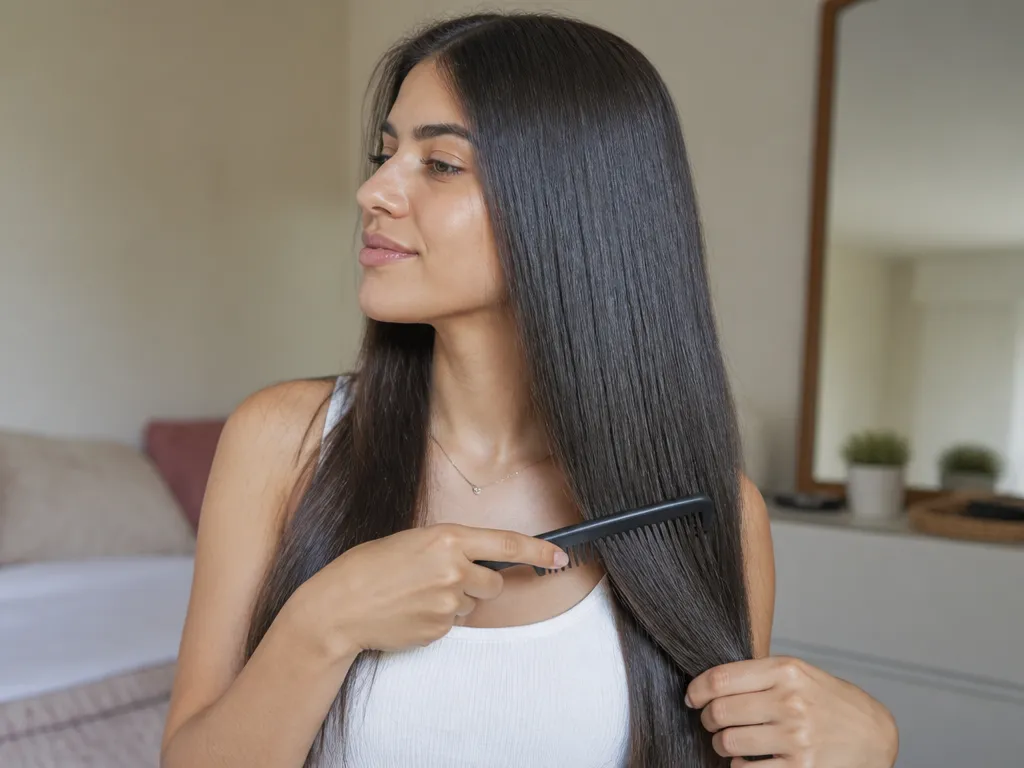
Sodium chloride and sulfates act as the primary catalysts for premature treatment degradation. Salt dissolves the protective coating, while sulfates strip away the essential lipids that keep the hair shaft smooth and sealed.
Moisture-retaining ingredients and protein replenishers are necessary to extend the life of your smoothing service. These components work by reinforcing the hair structure and preventing the brittleness that often follows chemical smoothing treatments.
The Good And The Bad
Hydrolyzed keratin and silk proteins provide the structural support needed to maintain hair integrity. These smaller molecules penetrate the cuticle to fill in gaps in the hair shaft, which helps prevent breakage when you are brushing or styling.
For example, a protein-rich mask used once a week can prevent the “limp” feeling that occurs as the treatment naturally wears off. Silk proteins are particularly helpful for fine hair because they add strength without the heavy weight of traditional oils.
Professional tip: Always check the ingredient label for “Sodium Chloride” near the top of the list. If it is one of the first five ingredients, put the bottle back.
| Ingredient Type | Status | Effect on Treatment |
|---|---|---|
| Sodium Chloride | Avoid | Dissolves the keratin bond quickly. |
| Sulfates (SLS/SLES) | Avoid | Strips the protective coating and natural oils. |
| Hydrolyzed Keratin | Include | Reinforces the hair’s natural structure. |
| Silk Proteins | Include | Adds shine and reduces friction during combing. |
Product Selection Guide
High-end salon brands like Olaplex ($30+) or Kerastase ($45+) offer specialized sulfate-free lines specifically for treated hair. Drugstore alternatives like OGX (ensure it is the sulfate-free version) or SheaMoisture ($9) can work if you verify the absence of salt and harsh cleansers.
Budget-conscious users can look for basic pH-balanced shampoos that list hydrolyzed wheat protein or panthenol. These ingredients offer similar smoothing benefits for a fraction of the cost.
Correct Detangling And Combing Techniques
After a keratin treatment, proper detangling is crucial to maintain the treatment’s longevity and prevent damage. Begin once the formula-specific waiting period has ended.
Choosing the right tools makes all the difference in preserving your keratin treatment. Wide-tooth combs are essential for initial detangling, as they gently separate strands without causing friction or pulling. Boar-bristle brushes come into play after the hair is detangled, distributing natural oils and enhancing shine without disturbing the keratin coating.
Maintaining your keratin treatment requires consistent but careful hair maintenance. Using the wrong tools or techniques can compromise the treatment results and leave your hair looking frizzy again sooner than expected.
Invest in high-quality hair tools specifically designed for chemically treated hair. Cheap plastic combs with rough seams can snag and damage the keratin coating, reducing its effectiveness and longevity.
Mistakes That Compromise Your Treatment
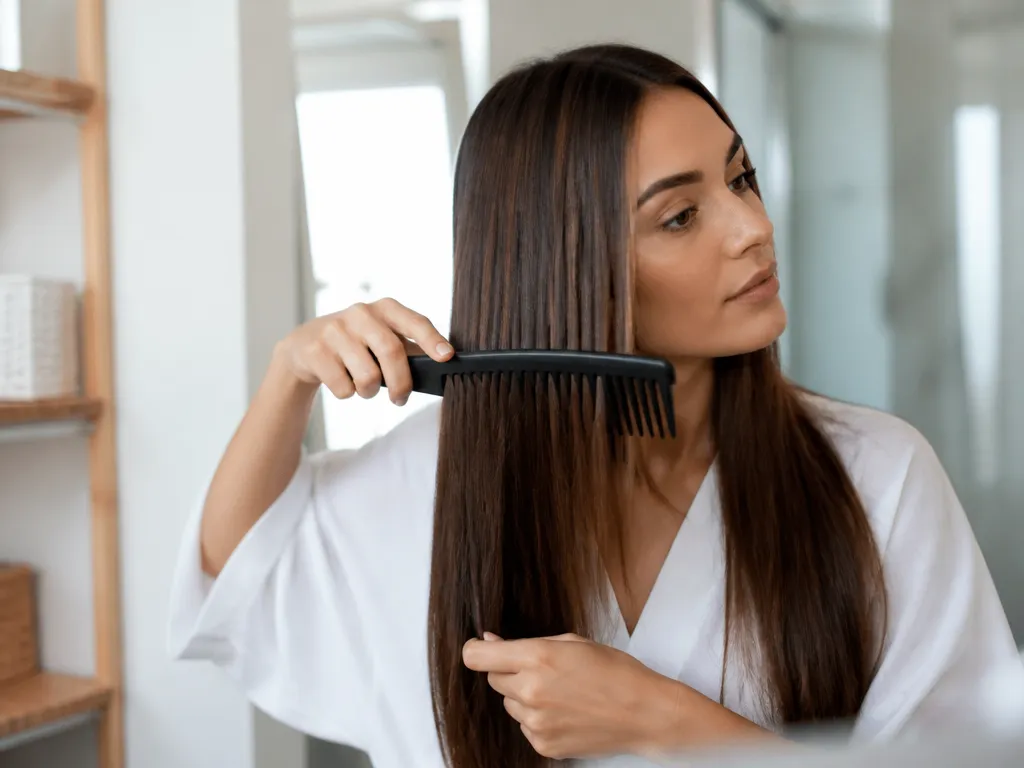
Improper handling during the crucial 48-to-72-hour post-treatment window can cause your keratin treatment to fail prematurely. The most common errors expose the hair to moisture and create physical damage that disrupts the keratin bond formation.
Water exposure too soon after application remains the primary reason keratin treatments don’t last. The formaldehyde-based solution needs time to fully bond with the hair protein. Even a single shower within the first 48 hours can wash away up to 40% of the treatment, drastically reducing its lifespan.
Tight hair accessories create permanent indentations and breakage points in the newly treated hair. The keratin-coated strands are more vulnerable to physical damage during the initial setting period. Elastic bands, clips, and even tight ponytails can cause irreversible creases that remain visible even after washing.
“Keratin-treated hair requires special handling for the first 72 hours. Think of it as cast on a broken bone – it needs to remain undisturbed to heal properly.” – Master Stylist, Maria Rodriguez
Dangers Of Moisture And Humidity
Humidity presents a significant challenge for keratin-treated hair. Water molecules in the air can penetrate the hair shaft and begin breaking down the keratin bonds before they’ve fully set. This effect is particularly pronounced in tropical climates or during summer months.
Why Tight Bands Cause Permanent Indentations
The keratin treatment temporarily changes the hair’s structure, making it more susceptible to physical manipulation. When hair is pulled tightly into styles or secured with tight elastics, it creates pressure points that can cause the keratin coating to crack or peel at those locations.
| Accessory Type | Risk Level | Alternative |
|---|---|---|
| Elastic bands | High | Silk scrunchies |
| Clips with metal teeth | Medium | Soft plastic clips |
| Tight headbands | High | Loose fabric bands |
For the first 72 hours after treatment, opt for loose styles that don’t require tension or tight accessories. The extra care during this period ensures your keratin treatment lasts its full potential lifespan of 3 to 5 months.
Budget-friendly Maintenance And Diy Care
Proper hair care after a keratin treatment doesn’t require expensive salon products to maintain results. Gentle detangling with the right tools and affordable sulfate-free shampoos can preserve your keratin treatment while saving money.
Drugstore Sulfate-free Shampoo Options
Keratin-treated hair requires gentle cleansing without sulfates that can strip the treatment. Fortunately, many drugstore brands offer effective sulfate-free options that won’t compromise your results.
| Product | Price Range | Key Ingredients | Best For |
|---|---|---|---|
| SheaMoisture Coconut & Hibiscus Curl & Style Milk | $8-10 | Coconut oil, shea butter | Dry, curly hair |
| L’Oréal Paris EverPure Sulfate-Free Volume Shampoo | $6-8 | Rose extract, aloe | Fine hair |
| OGX Hydrating Tea Tree Mint Shampoo | $7-9 | Tea tree oil, mint | Oily scalp |
When selecting a drugstore shampoo, check the label for suitable formulas. These products typically cost $10 or less compared to salon alternatives that can exceed $30.
Protective Sleeping Habits
How you sleep significantly impacts how long your keratin treatment lasts. The friction from cotton pillowcases can cause frizz and disrupt the treatment’s smooth effect.
For an even more budget-friendly option, you can create your own satin pillowcase by purchasing satin fabric and sewing it onto an existing pillowcase. This DIY approach costs significantly less than buying pre-made satin pillowcases.
“Sleeping on satin reduces friction by up to 50% compared to cotton, helping maintain the smoothness of keratin-treated hair overnight.”
Maintaining your keratin treatment doesn’t require expensive products or frequent salon visits. With these affordable options and protective habits, you can extend the life of your treatment while keeping your hair healthy and smooth.
Pro Tips For Long-lasting Results
Use gentle detangling techniques to minimize breakage and preserve the smooth finish.
Heat Protectant Application Methods
Heat styling can significantly reduce the lifespan of your keratin treatment if not properly protected. Always apply a heat protectant spray or serum before using any hot tools, focusing on the mid-lengths and ends where the keratin coating is most vulnerable.
Managing Wash Frequency For Longevity
Washing your hair too frequently is one of the quickest ways to diminish your keratin treatment results. The keratin coating needs time to settle and bond properly with your hair strands.
Quick Summary
To protect your keratin investment, follow the formula-specific waiting period before combing, brushing, or washing. This waiting period is critical because the protein solution is still setting. Any mechanical tension or physical manipulation during this window can cause permanent creases or uneven texture. If you accidentally create a dent with a hair tie, you should use a flat iron on a low heat setting to smooth it.
After the setting period ends, maintain the treatment with gentle care and suitable products. You should also avoid tight hair ties, clips, or hats during the initial 72 hours to prevent permanent indentations. For high porosity hair, using cool water rinses helps keep the keratin from washing out. The most important rule is to keep your hair loose and straight while it sets.
| Action | Guideline |
|---|---|
| Initial Waiting Period | 48 to 72 hours |
| Safe Detangling Tool | Wide-tooth comb |
| Recommended Shampoo | Sulfate-free only |
| Sleep Surface | Silk or satin pillowcase |
Beauty Routine Cheat Sheet
One Thing To Stop Doing Immediately
Stop using tight hair ties, clips, or tucking your hair behind your ears during the initial 72-hour setting period.
Expected Timeline For Results
The chemical bonds require 48 to 72 hours to fully set, and you must avoid accessories during this initial period to maintain the smooth finish.
Frequently Asked Questions
When Can I First Comb My Hair After A Keratin Treatment?
The exact timing depends on the formula used, so follow the waiting period provided by your stylist before combing, washing, or using hair accessories.
What Kind Of Comb Is Best To Use On Keratin-treated Hair?
Choose a wide-tooth comb for gentle detangling with minimal friction. Avoid fine-tooth combs or harsh brushes that might strip the treatment away prematurely.
Do I Really Need Sulfate-free Shampoo To Maintain My Results?
Yes, products that are sulfate-free and sodium chloride-free are gentler on the treatment and help prevent the protective coating from being stripped away.
Is A Professional Salon Keratin Treatment Worth The Higher Cost?
Professional treatments typically last between 3 to 5 months, while most at-home kits fade much faster. The salon application ensures a more durable bond and a more even, long-lasting finish.
Can I Wear A Ponytail Or Use Hair Clips Right After The Treatment?
You should avoid ponytails, clips, or headbands during the first 3 days. These can create permanent kinks or dents in your hair while the keratin is still in its setting phase.

- Pre-Poo Treatments for Low Porosity Hair: 7 Essential Steps - September 20, 2026
- What To Avoid After Prp Hair Treatment? - August 28, 2026
- What Is The Malibu Treatment For Hair? - August 27, 2026