Can I Sleep With Leave In Conditioner In My Hair?
Sleeping with leave-in conditioner can feel like an easy “wake up better hair” hack, especially if you’re dealing with dryness, frizz, or tangles. The catch is that leaving product on overnight can also mean buildup on your scalp and crunchy ends if the formula is too heavy.
Yes, you can sleep with leave-in conditioner, but only if it’s a light, rinse-free formula and you apply a tiny amount to mid-lengths and ends. Look for humectants (like glycerin or panthenol) and lightweight slip, and avoid heavy oils and waxy, coating products. Best results happen when you use a satin pillowcase.
Can I Sleep With Leave In Conditioner In My Hair?
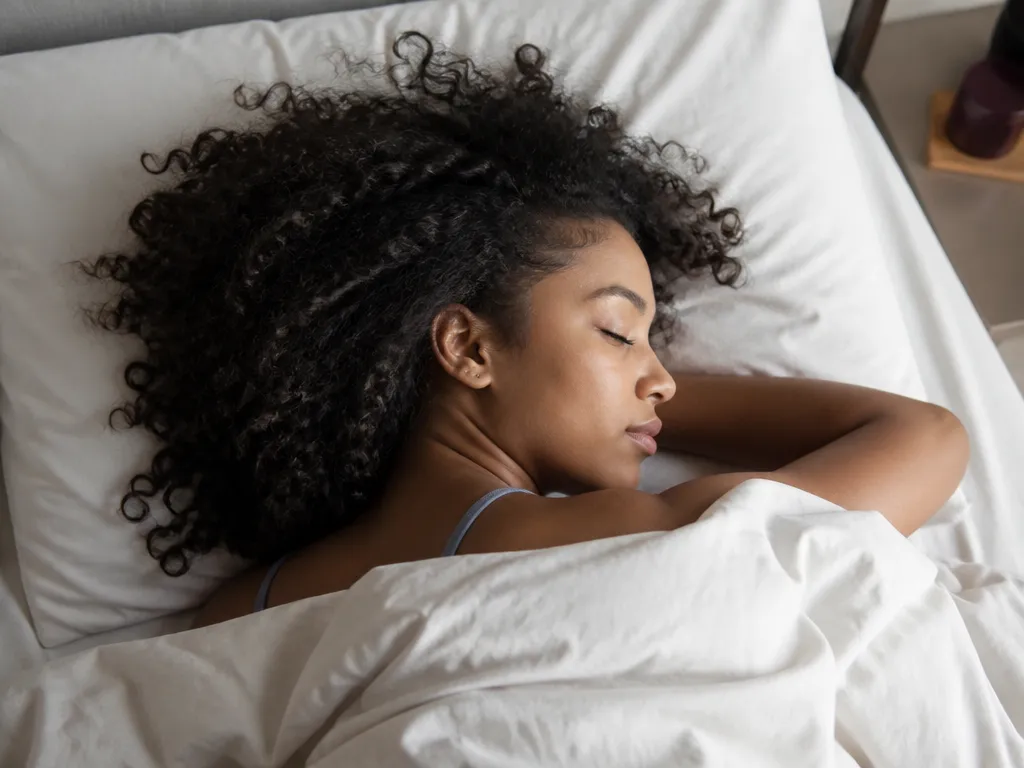
Overnight conditioning is an effective way to boost hydration if you choose a formula that suits your specific hair texture. This method allows moisturizing agents to penetrate the hair shaft more deeply than a quick morning application.
Extended contact time allows the hair cuticle to stay receptive to active ingredients. This is especially useful for hair that feels chronically dry.
Identify Your Hair Type Needs
Fine hair and high heat can cause overnight leave-in products to feel greasy or weigh strands down by morning. Curly and coily hair usually needs more overnight slip and moisture to reduce friction, but the formula has to match your curl type and porosity. Thick, high-porosity hair can benefit from overnight conditioning, yet it also risks buildup if the leave-in is too heavy.
To choose an overnight-friendly amount, treat your hair like it has three capacity levels: moisture, hold, and buildup risk. If your hair feels coated within a few hours of styling, your “moisture capacity” is lower and your buildup risk is higher, so use less product and focus on lightweight humectants and slip.
Fine And Straight Hair
Fine, straight hair is most likely to get stringy or flat if you saturate the scalp or use a creamy leave-in that is too film-forming. Overnight, oils and silicones can attract dust and sweat, which makes hair look dull by day two.
Curly And Coily Moisture Requirements
Curly and coily hair often needs moisture retention overnight to prevent dryness, tangles, and curl pattern distortion. Humectants help, but if you live in a very dry climate, you usually need a little extra sealing to lock that moisture in.
Thick And High-porosity Needs
Thick, high-porosity hair absorbs quickly and loses moisture faster, so an overnight leave-in can help, especially on the mid-lengths and ends. The trade-off is that high-porosity hair also grabs onto heavy formulas, which increases buildup and makes hair feel rough over time.
Best Ingredients For Overnight Moisture
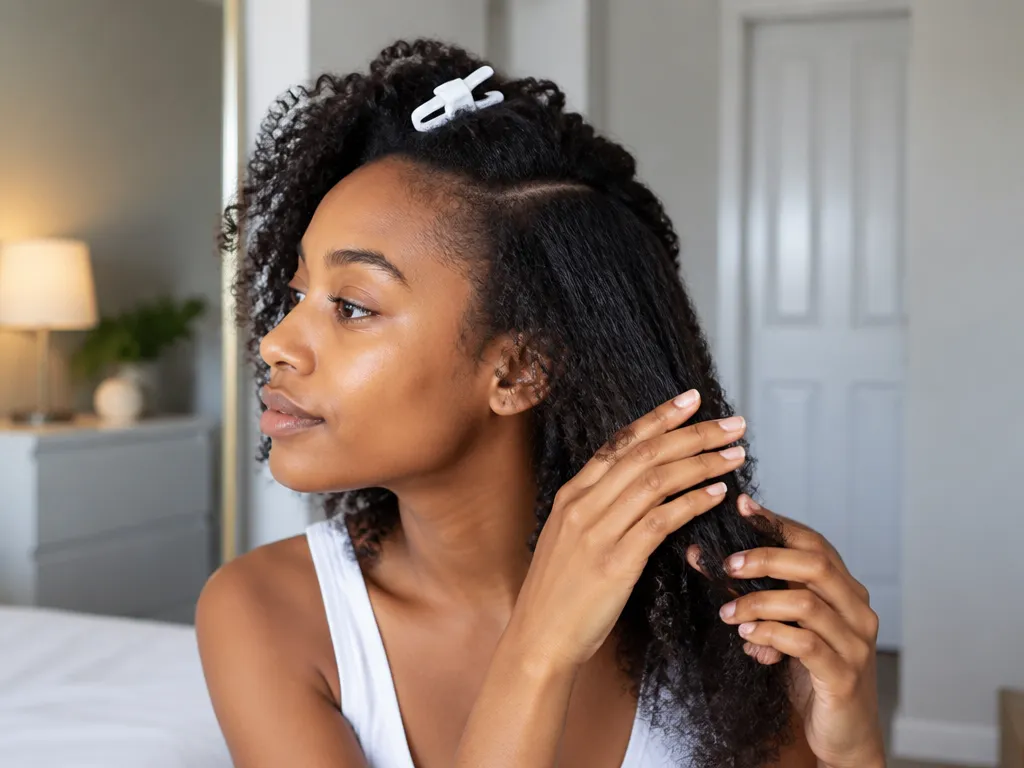
Prioritize humectants like glycerin or panthenol, and seal with a light oil or silicone in a small amount. If your scalp is sensitive or prone to buildup, rinse in the morning or skip product on the scalp entirely.
Step-by-step Overnight Application Routine
Choose a product designed for overnight use and apply a small amount only on mid-lengths to ends. Avoid applying near the scalp and protect your pillow with silk or satin to prevent friction. If your hair is very dry or coarse, you may opt for a slightly richer formula, but monitor buildup; this approach works across most scalp types, with finer or oilier scalps needing less product.
Common Overnight Application Mistakes
Applying leave-in products to the roots causes scalp congestion and can lead to greasy hair by morning. The scalp produces its own natural oils that do not need additional supplementation.
Root And Scalp Overload
Leave-in conditioners are designed for the hair shaft, not the skin. Applying these products to the scalp can block follicles and trigger irritation. This is especially true for those with sensitive skin or seborrheic dermatitis. Keep the product at least two inches away from the scalp to avoid this.
Ingredient Mismanagement
Using heavy occlusives like shea butter or coconut oil in excess can lead to stiffness. These ingredients create a barrier that may prevent moisture from entering the hair shaft. This often results in hair that feels dry despite the product. People with fine or low-porosity hair should opt for water-based serums instead.
| Ingredient | Best Hair Type | Overnight Risk |
|---|---|---|
| Glycerin | Dry/Curly | Sticky residue in high humidity |
| Coconut Oil | Coarse/Thick | Protein buildup or stiffness |
| Silicones | Damaged/Frizzy | Heavy buildup without clarifying |
Neglecting The Reset
Daily overnight use causes a layer of residue to build up on the cuticle. This buildup prevents water and nutrients from penetrating the hair. Use a clarifying shampoo once a week to remove silicones and waxes.
Esthetician tip: Always perform a patch test on a small section of hair and skin before trying a new overnight product to check for allergic reactions.
Drugstore Vs. High-end Options
Ingredient lists for budget and luxury leave-in conditioners often overlap, but the primary difference is the concentration of active lipids and the purity of the oils. Higher priced formulas typically use smaller molecular weights that penetrate the hair shaft more effectively.
Budget And Luxury Comparison
Drugstore options usually rely on water, glycerin, and silicones to provide a smooth finish. Luxury treatments often contain higher percentages of hydrolyzed proteins and rare botanicals like marula or camellia oil. These options are better for severely damaged or bleached hair.
| Item | Specification | Notes |
|---|---|---|
| Drugstore Cream | Water-based / Silicones | Best for frizz control on healthy hair |
| Luxury Mask | Protein-rich / Lipids | Best for chemically treated or porous hair |
| DIY Oil Blend | Pure Coconut or Jojoba | Best for deep overnight moisture (patch test first) |
Esthetician tip: Apply leave-in products to damp hair to lock in moisture before the hair dries completely.
Diy And Natural Alternatives
Pure oils can replace commercial leave-in products for an overnight treatment. Mix two tablespoons of organic coconut oil with one tablespoon of aloe vera gel. This combination provides both moisture and a seal for the hair cuticle. Application should be limited to the mid-lengths and ends to avoid an oily scalp.
Professional Tips For Maximum Hydration
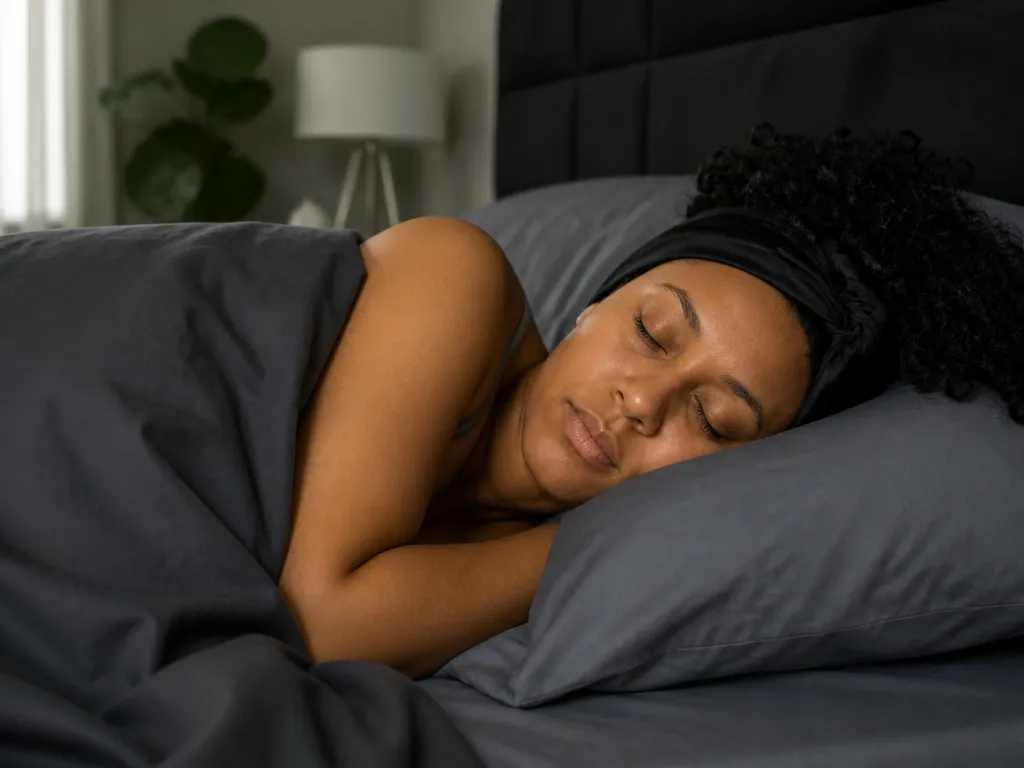
Silk or satin pillowcases prevent the hair from losing moisture to cotton fabric while you sleep. These materials reduce friction, which stops the hair cuticle from roughening and keeps the applied product sealed within the hair shaft.
Expert tip: If you have scalp sensitivity, keep all leave-in products at least three inches away from the roots to prevent clogged follicles and potential irritation.
Managing Buildup And Scalp Health
Buildup occurs when heavy silicones or oils accumulate on the hair surface over several nights. Incorporate a clarifying shampoo once every two weeks to reset your scalp and remove residual product weight.
| Hair Type | Recommended Texture | Frequency |
|---|---|---|
| Fine/Thin | Lightweight spray | 1-2 times per week |
| Coarse/Curly | Cream or butter | 3-4 times per week |
| Oily Scalp | Water-based mist | Ends only, 1 time per week |
Quick Summary
Sleeping with leave-in conditioner is a viable way to improve hair hydration, provided you select a lightweight, rinse-free formula. Always focus application on the mid-lengths and ends to avoid scalp buildup.
Beauty Routine Cheat Sheet
Top 3 Ingredients: Glycerin, Panthenol (Pro-Vitamin B5), and Aloe.
Stop Doing This: Applying heavy, butter-based leave-in conditioners directly to your scalp before bed.
Expected Timeline: You should notice improved softness and reduced frizz within one to two nights of consistent, light application.
| Hair Type | Application Strategy |
|---|---|
| Fine/Straight | Pea-size amount on ends only. |
| Curly/Coily | Small sections, damp hair, light emollients. |
| Thick/High Porosity | Coat the strands, avoid the scalp. |
Frequently Asked Questions
Is It Safe To Sleep With Leave-in Conditioner In My Hair?
Yes, you can sleep with products specifically labeled as leave-in. However, avoid sleeping in rinse-out conditioners, as they can cause scalp irritation or heavy buildup if left on for 8 or more hours.
Will Sleeping With Leave-in Conditioner Cause Acne On My Face?
It can if the product transfers from your hair to your pillowcase and then to your skin. Wear a silk bonnet or wrap your hair to keep the oils and silicones away from your face and neck.
What Is The Difference Between A Leave-in Conditioner And A Deep Conditioner?
Leave-ins are lightweight formulas meant to stay in the hair, while deep conditioners are concentrated and require rinsing. Leaving a deep conditioner in overnight can cause hygral fatigue, which is when the hair shaft weakens from too much moisture.
How Much Leave-in Conditioner Should I Use For Overnight Hydration?
Start with a small amount, typically a coin-sized dollop for medium length hair. Apply it only from the mid-shaft to the ends to ensure your roots do not look greasy the next morning.
Is An Expensive Leave-in Conditioner Better Than A Drugstore Version For Overnight Use?
Not always, as many affordable brands use the same hydrating ingredients like glycerin or aloe. Drugstore options are often just as effective, though high-end versions may have fewer synthetic fragrances that can irritate sensitive skin.

- Pre-Poo Treatments for Low Porosity Hair: 7 Essential Steps - September 20, 2026
- What To Avoid After Prp Hair Treatment? - August 28, 2026
- What Is The Malibu Treatment For Hair? - August 27, 2026