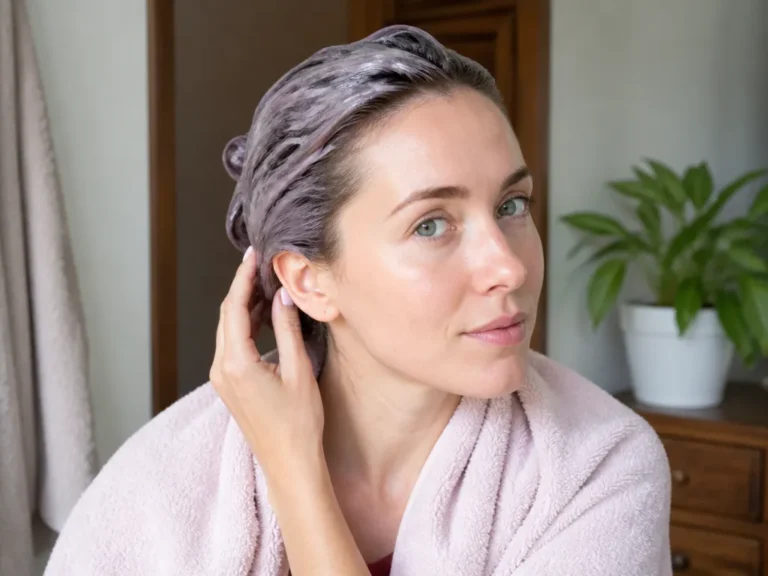
Can I Leave Deep Conditioner In My Hair Overnight?
Deep conditioning feels like a simple way to give your hair a major boost, but the idea of letting it soak while you sleep often does more harm than good. You might assume extra time means extra hydration, yet your hair has a saturation point. Going past the recommended window risks weakening your strands instead of repairing them.
Overnight deep conditioning is not recommended because it causes hygral fatigue, where hair loses its structural integrity from excessive water absorption. Stick to the product label time, usually 10 to 30 minutes. Use hydrolyzed proteins or lightweight leave-in conditioners if you need extra moisture without compromising your hair strength.
Best for: Dry, coarse, or thick hair types. Use caution if: You have fine, low-porosity, or oily hair.
Can I Leave Deep Conditioner In My Hair Overnight?
Most deep conditioners reach their maximum effectiveness within 20 to 30 minutes. Leaving these products on the hair for several hours can lead to structural damage and scalp irritation.
The Risk Of Hygral Fatigue
Hygral fatigue occurs when the hair cuticle expands and contracts too many times. This happens when hair stays wet or saturated with product for extended periods.
The constant swelling and shrinking weaken the hair fiber over time. This process degrades the protein structure of the hair shaft.
Elasticity suffers when the hair becomes over-hydrated. Instead of snapping back into place, the hair feels mushy or stretches like a rubber band before breaking.
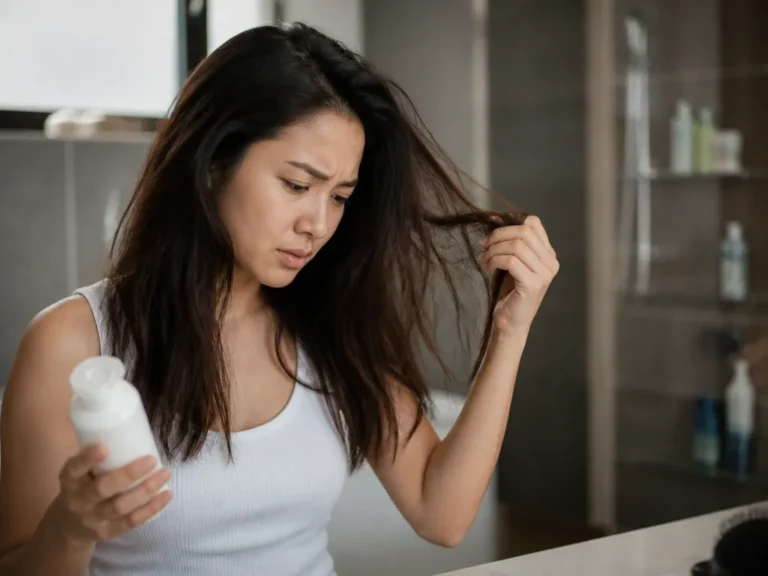
For example, someone with fine hair may notice their strands feel limp and lifeless after an overnight treatment. This is a sign of moisture overload.
Scalp Health And Product Buildup
Heavy conditioners can clog hair follicles if left on the scalp overnight. This buildup may cause itching or breakouts for those with oily or acne-prone skin on the neck and hairline.
Moist environments trapped under a shower cap can also encourage fungal growth. This can lead to dandruff or seborrheic dermatitis in sensitive individuals.
Professional tip: Always rinse deep conditioners with cool water to seal the cuticle and lock in moisture.
Follow this application order for the best results: Clarifying Shampoo → Deep Conditioner → Cool Water Rinse → Leave-in Conditioner.
| Product Type | Approximate Price | Key Ingredient | Best For |
|---|---|---|---|
| High-End (Briogeo) | $30 | Biotin | Damaged/Dry Hair |
| Drugstore (Shea Moisture) | $15 | Shea Butter | Thick/Coarse Hair |
Identify Your Hair Porosity Needs
Hair porosity is the measure of how well your hair cuticles absorb and hold moisture. This determines whether a deep conditioner penetrates the shaft or simply sits on the surface.
Understanding Porosity Levels
Low porosity hair has tightly closed cuticles. This makes it difficult for moisture to enter the hair shaft, but once water is inside, it stays there longer.
High porosity hair has open or damaged cuticles. Moisture enters the hair easily but escapes just as quickly, which often leads to chronic dryness and frizz.
Medium porosity hair has a balanced cuticle layer. It absorbs and retains moisture with minimal effort and requires the least amount of corrective treatment.
| Porosity Type | Water Test Result | Primary Need | Best Ingredient |
|---|---|---|---|
| Low | Floats | Moisture Entry | Glycerin |
| Medium | Sinks Slowly | Maintenance | Aloe Vera |
| High | Sinks Quickly | Moisture Retention | Hydrolyzed Protein |
The Float Test
Porosity levels dictate how the hair reacts to prolonged moisture exposure. High porosity hair is prone to hygral fatigue, which is the weakening of the hair fiber from repeated swelling and contracting.
For instance, leaving a protein-heavy mask on high porosity hair overnight can make the strands brittle. This happens because too much protein creates a hard cast that snaps easily.
Low porosity hair often experiences product buildup when treated overnight. The conditioner sits on the outside of the shaft and creates a waxy film that blocks future moisture.
Professional tip: Use a warm towel or a steamer for 20 minutes if you have low porosity hair. Heat opens the cuticle and allows the conditioner to work without needing an overnight soak.
Budget options for porosity care vary by need. High-end: Briogeo Don’t Despair, Repair! ($28) is great for high porosity. Drugstore: Mielle Organics Babassu Oil (~$15) works well for low porosity.
Ingredients To Watch For
Humectants and proteins dictate how your hair reacts to prolonged moisture exposure. High concentrations of certain ingredients can cause the hair shaft to swell and weaken if left on for many hours. This chemical interaction determines whether your hair feels hydrated or becomes mushy and brittle.
Humectants And Hydration Balance
Humectants like glycerin and honey pull water from the air into the hair cuticle. In humid environments, these ingredients can draw too much moisture into the hair shaft. This constant swelling and shrinking, known as hygral fatigue, can eventually damage the hair structure.
For example, someone with low porosity hair might find that overnight humectant use leads to a heavy, limp feeling. You may notice your hair feels gummy when wet instead of bouncy. This is often a sign that the cuticle is over-saturated.
Dry environments can also cause humectants to work in reverse. If the air is very dry, glycerin can pull moisture out of your hair and into the atmosphere. This leaves your strands feeling even more dehydrated than before you applied the treatment.
Professional tip: If you live in a very dry or very humid climate, stick to the 20-30 minute application window recommended on the bottle.
Protein And Structural Integrity
Proteins such as keratin, silk amino acids, and hydrolyzed wheat protein strengthen the hair by filling in gaps in the cuticle. While these are essential for damaged hair, leaving them on overnight can lead to protein overload. This condition makes hair feel stiff, straw-like, and prone to snapping.
In practice, hair that requires protein to maintain its shape will react poorly to excessive contact time. Over-proteinization creates a hard shell around the hair that prevents actual moisture from entering. This results in a cycle of breakage that is difficult to reverse.
| Ingredient Type | Common Examples | Overnight Risk |
|---|---|---|
| Humectants | Glycerin, Honey, Aloe Vera | Hygral fatigue and mushy texture |
| Proteins | Keratin, Silk, Collagen | Stiffness and breakage (Protein Overload) |
| Emollients | Shea Butter, Coconut Oil | Scalp buildup or clogged pores |
Optimal Deep Conditioning Routine
A practical deep conditioning method involves using moderate heat for 15-20 minutes. This approach supports ingredient absorption while minimizing risks like hygral fatigue and protein overload.
Heat Application
Applying moderate heat during deep conditioning treatments significantly improves product penetration. The warmth helps hair cuticles lift slightly, allowing conditioning ingredients to penetrate more effectively than they would at room temperature.
Time Limits And Proper Rinsing
Exceeding recommended conditioning times leads to product buildup that weighs hair down and attracts dirt. Most deep conditioners work optimally within their specified timeframes.
Signs Of Over-conditioned Hair
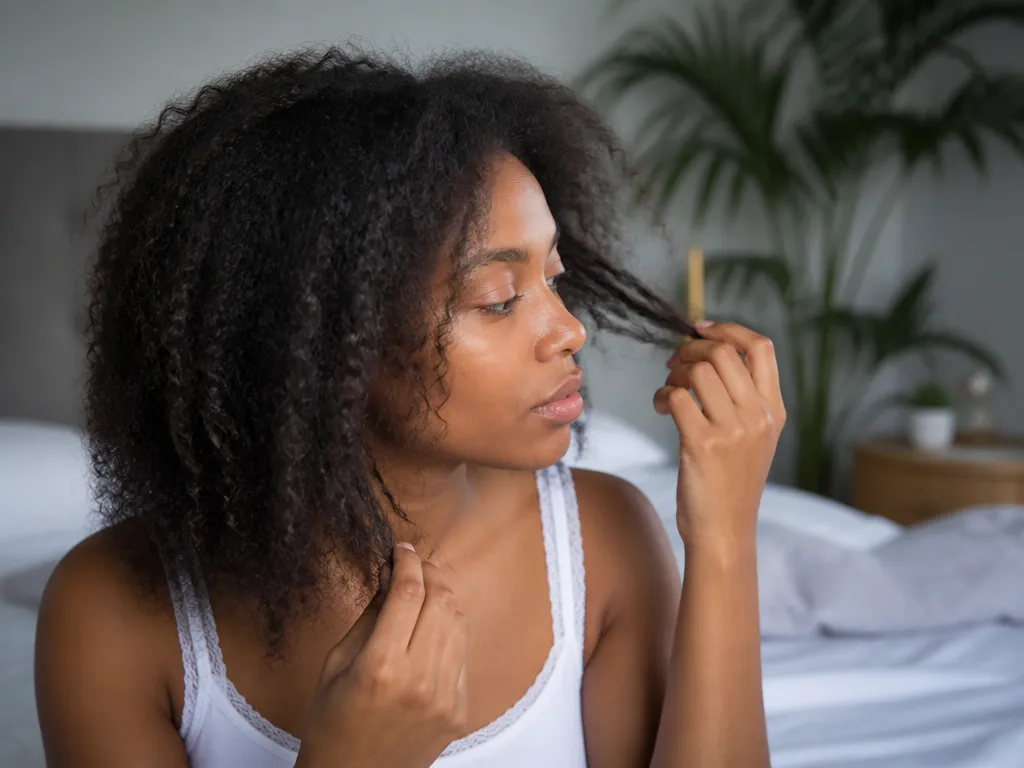
Excessive moisture from deep conditioners left too long can transform healthy hair into a weak, lifeless state. Hair that has been over-conditioned loses its natural structure and struggles to hold styles or maintain its intended texture.
Recognizing the warning signs can help prevent further damage to your strands.
If you notice these signs, reduce conditioning frequency and time. For severely over-conditioned hair, switch to protein treatments to rebuild structure, followed by light moisturizing conditioners to maintain balance. Remember that less is often more when it comes to deep conditioning.
Avoid These Common Mistakes
Scalp Microbiome And Fungal Growth Risks
Your scalp maintains a delicate balance of microorganisms that help keep it healthy. When you leave protein-rich conditioners on overnight, you create a breeding ground for fungus and bacteria, especially if your scalp is already prone to oiliness. This imbalance can cause irritation, dandruff, and even folliculitis in sensitive individuals.
The Danger Of Sleeping With Wet Hair
Sleeping with wet hair weakens the cuticle layer and makes strands more vulnerable to breakage. As you toss and turn during sleep, wet hair strands rub against pillowcases, causing friction that leads to split ends and damage.
| Proper Deep Conditioning | Improper Deep Conditioning |
|---|---|
| Follow recommended time (usually 5-20 minutes) | Leave on overnight |
| Rinse thoroughly with lukewarm water | Rinse minimally or not at all |
| Apply to mid-lengths and ends | Apply directly to scalp |
| Use appropriate frequency (weekly or bi-weekly) | Overuse treatments multiple times per week |
“Dermatologist tip: Conditioners left on too long can cause inflammation on sensitive scalps. Always follow product instructions and perform a patch test before using any new treatment.” – Dr. Jane Smith, Board-Certified Dermatologist
For those with particularly dry or damaged hair, consider using a leave-in conditioner specifically formulated for overnight use instead of traditional deep conditioners. These products have different formulations that won’t disrupt your scalp’s microbiome while still providing overnight moisture protection.
Professional Overnight Product Alternatives
For those seeking intensive hydration without the risks of leaving traditional deep conditioners on overnight, professional haircare brands have developed specialized overnight treatments. These products use different formulations that penetrate hair cuticles without causing protein overload or hygral fatigue.
Leave-in Conditioners Vs. Deep Conditioners
Regular deep conditioners contain high concentrations of proteins and heavy emollients designed for 5-30 minute applications. Overnight versions use lighter molecular structures that gradually absorb without weighing down strands. They typically contain humectants like glycerin and panthenol rather than protein-heavy ingredients.
Recommended Overnight Serums And Oils
Professional overnight treatments offer targeted solutions for various hair concerns. These products are specifically formulated to deliver nutrients while you sleep without the need for rinsing in the morning.
| Product | Key Ingredients | Best For |
|---|---|---|
| Olaplex No. 7 Bonding Oil | Bond-building technology | Chemically treated hair |
| Kérastase Elixir Ultime Original Hair Oil | Camellia oil, arginine | Dry to very dry hair |
| Living Proof Perfect Hair Day Night Cap Overnight Perfector | Olaplex alternative, time-release technology | All hair types |
When selecting an overnight treatment, consider your hair’s specific needs. Fine hair benefits from lightweight serums, while coarse hair may require richer oil formulations. Always apply treatments to mid-lengths and ends rather than the scalp to avoid product buildup.
Expert tip: For best results, apply overnight treatments to damp hair before bed. This allows for better absorption than applying to dry strands. Use a silk or satin pillowcase to prevent friction and product transfer.
Overnight treatments should be used 1-2 times per week maximum, alternating with your regular conditioning routine. This prevents over-moisturization which can lead to limp, lifeless hair. Always monitor your hair’s response and adjust usage accordingly.
Quick Summary
Leaving deep conditioner in your hair overnight is not recommended because it can lead to hygral fatigue. This happens when the hair fiber swells and contracts too often, which weakens the protein structure and makes strands feel mushy or rubbery. Most products reach maximum effectiveness within 10 to 30 minutes. Prolonged exposure also risks scalp irritation or fungal growth by disrupting the microbiome. Instead of overnight soaking, you should use a warm towel to help the product penetrate more effectively during the recommended window.
Hair porosity determines how your strands react to moisture. High porosity hair sinks quickly in a water test and is especially prone to brittle strands if protein treatments are left on too long. Low porosity hair floats and requires glycerin for better moisture entry. To get the best results, you should limit deep conditioning to once a week and follow a specific order: clarifying shampoo, deep conditioner, a cool water rinse, and finally a leave-in conditioner. The most important takeaway is to follow the product label instructions.
| Porosity | Water Test | Best Ingredient |
|---|---|---|
| Low | Floats | Glycerin |
| Medium | Sinks Slowly | Aloe Vera |
| High | Sinks Quickly | Hydrolyzed Protein |
Beauty Routine Cheat Sheet
Stop Doing This Immediately
Stop leaving rinse-out deep conditioning masks in your hair overnight, as this causes structural damage and scalp issues.
Expected Timeline For Results
You will notice an immediate improvement in hair elasticity and moisture after one correct session. Long term structural integrity improves by sticking to once-weekly treatments.
Frequently Asked Questions
Can I Leave Deep Conditioner In My Hair Overnight?
Generally no. Most deep conditioners are designed to be left for 5-20 minutes, while only products specifically formulated for overnight use should be left in overnight. Always check the product label and patch test first.
Is Leaving Deep Conditioner Overnight Bad For Hair?
Traditional deep conditioners can cause buildup or weigh down fine hair when left on overnight. Use them only for the time stated on the label and focus on mid-lengths to ends to avoid scalp irritation.
How Long Should I Leave Deep Conditioner In For Maximum Results?
Most conditioners work best when left for 20 to 30 minutes, while specialized overnight treatments follow their own instructions. For maximum benefits, apply traditional deep conditioner to damp hair, cover with a shower cap or use heat, and rinse thoroughly after the recommended time.
What’s The Difference Between Regular Conditioner And Deep Conditioner For Overnight Use?
Regular conditioners are designed for immediate use and rinse out, while specialized overnight treatments are formulated for extended contact. Traditional deep conditioners should still be used only for the period stated on the label.
Can I Leave Deep Conditioner In Overnight If I Have Fine Hair?
Fine hair can become weighed down or greasy if left with too much product overnight. Opt for lightweight formulas and apply only to the ends, avoiding the scalp. Consider using a pillowcase made of silk or satin to prevent friction and product transfer.

- Pre-Poo Treatments for Low Porosity Hair: 7 Essential Steps - September 20, 2026
- What To Avoid After Prp Hair Treatment? - August 28, 2026
- What Is The Malibu Treatment For Hair? - August 27, 2026