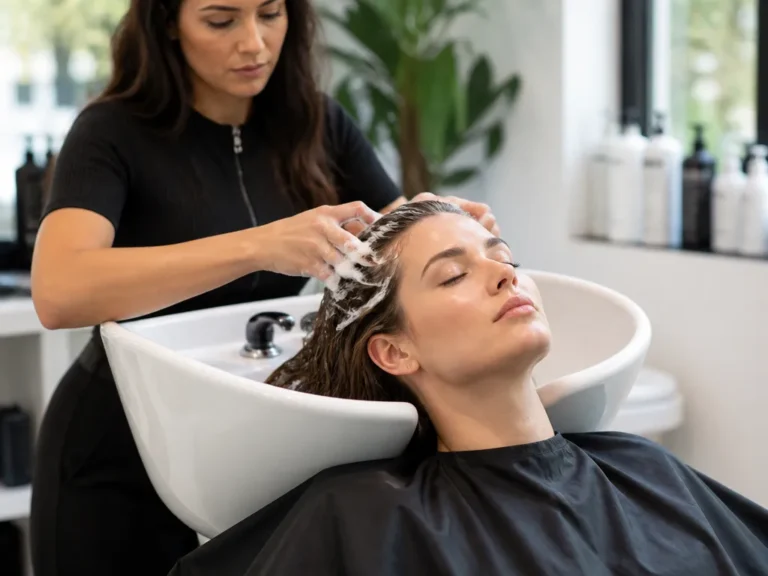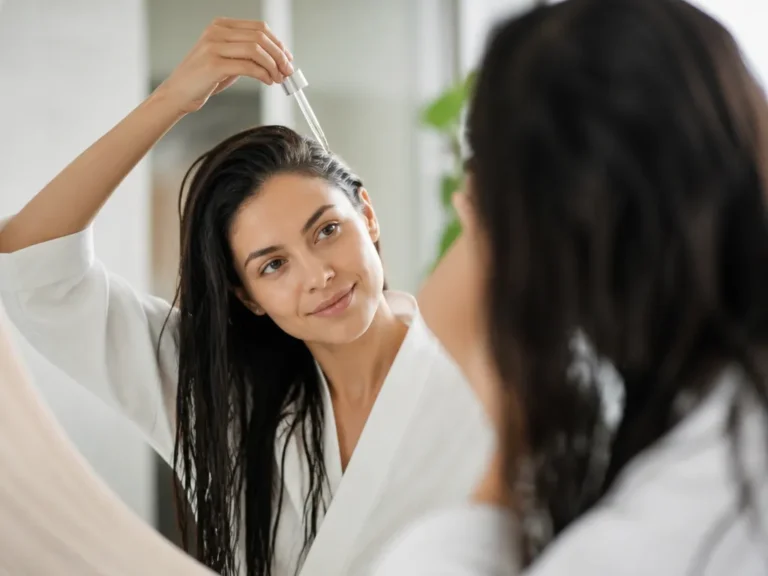
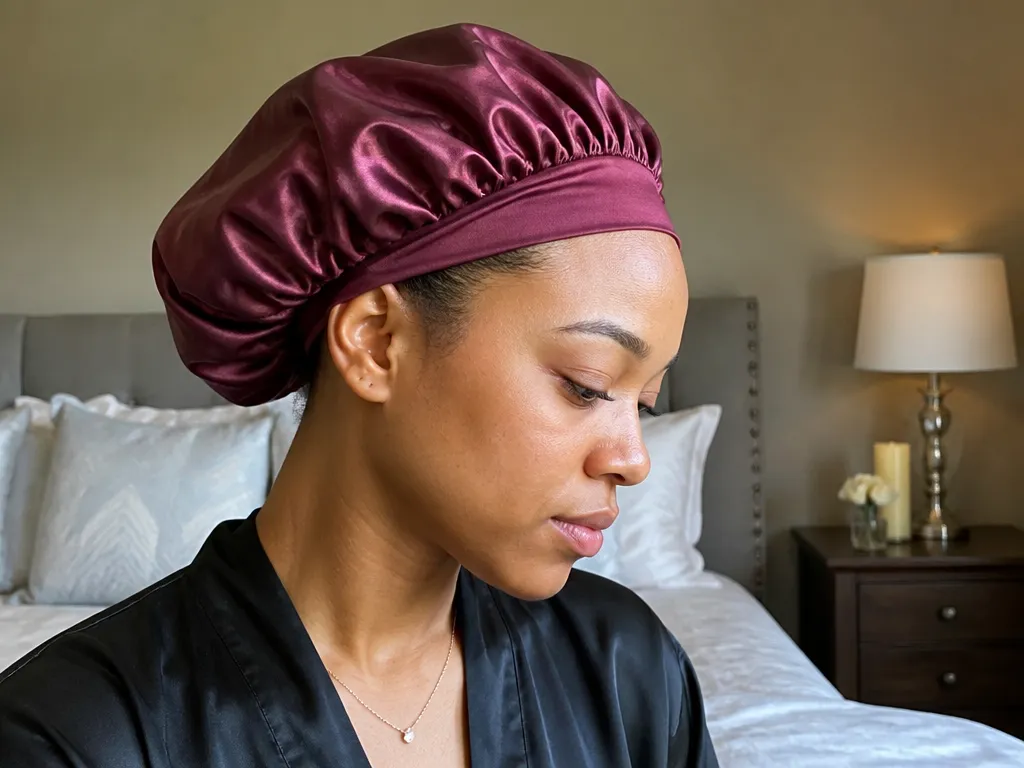
Can You Leave Deep Conditioner In Your Hair Overnight?
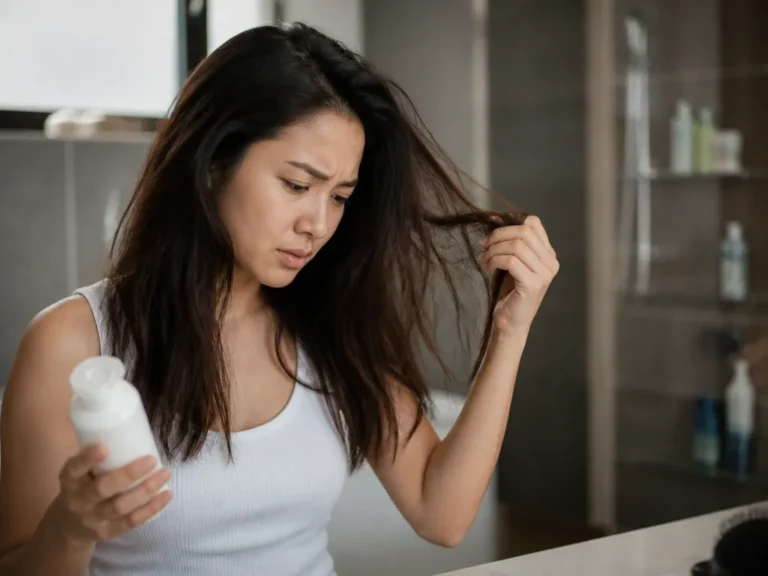
Waking up with hair that feels like actual straw instead of the silky, hydrated mane you hoped for is a universal beauty frustration. You have likely seen the viral videos claiming that sleeping in a deep conditioner is the ultimate shortcut to repair, but the reality is often messier and more damaging than the marketing suggests. Your hair needs balance, not just an endless soak in heavy product.
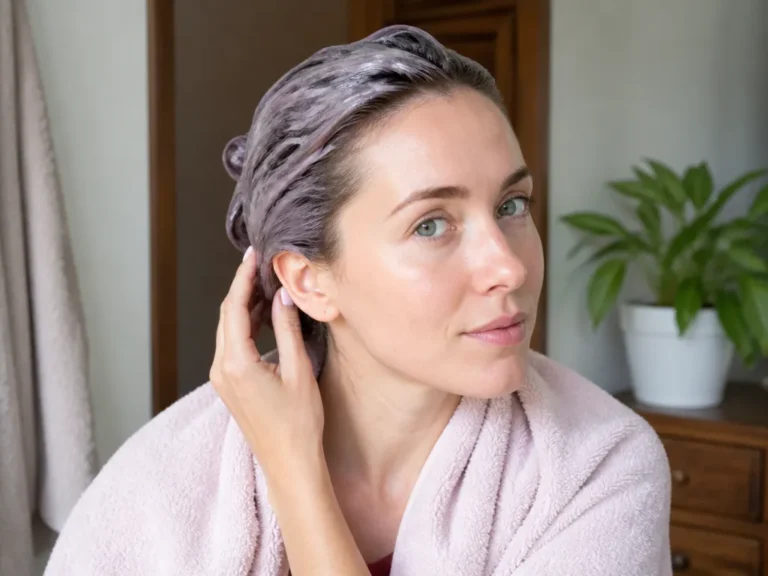
A standard deep conditioner is not designed for overnight use because the ingredients can lead to moisture overload, scalp irritation, or breakage if left on for more than 30 minutes. Stick to masks containing panthenol or glycerin for short durations, or use specific overnight hair serums formulated with dimethicone to seal the cuticle safely.
Best for: Thick, coarse, or highly porous hair types. Use caution if: You have fine, low-porosity, or oily hair, or if you struggle with dandruff or fungal scalp conditions.
Can You Leave Deep Conditioner In Your Hair Overnight?
Extended contact with a standard deep conditioner offers minimal benefit for most hair types and carries significant risks of scalp irritation or structural weakening. Hair reaches maximum saturation levels with conditioning agents within 20 to 30 minutes, meaning any time spent past that window provides diminishing returns.
Prolonged exposure to moisture can cause hygral fatigue, a condition where the hair shaft swells and contracts repeatedly, leading to a loss of elasticity and increased breakage. Furthermore, leaving heavy occlusive ingredients on the scalp for 8 hours or more can disrupt the natural microbiome, often triggering dandruff, itching, or clogged follicles.
The Risks And Reality
Overnight treatment routines often rely on marketing hype rather than hair biology. While some users report softer strands, the trade-off involves potential damage to the hair cuticle and scalp health.
Esthetician Tip: If your hair feels dry, focus on the quality of your wash-day routine rather than the duration of the mask. A 15-minute treatment under a warm towel or shower cap is superior to an overnight soak.
Recommended Ingredients For Short-term Masking
Effective conditioning relies on ingredients that penetrate the cuticle or seal the surface effectively within a short timeframe. Look for these compounds in your rinse-out masks:
| Ingredient | Function | Best For |
|---|---|---|
| Panthenol | Humectant | Fine, limp hair |
| Glycerin | Moisture retention | Dry, porous hair |
| Hydrolyzed Protein | Structural repair | Chemically treated hair |
Consistency in your standard routine provides better results than occasional long-duration masking. Apply your chosen deep conditioner once weekly for 20 minutes, then follow with a cool water rinse to seal the cuticle.
Hair Types And Overnight Conditioning
Deep conditioning treatments are generally designed for 10 to 30 minutes, and leaving a rinse-out formula on overnight poses risks of scalp irritation or hair cuticle swelling. Most hair types thrive better with shorter, targeted treatments, though specific leave-in formulas offer safer alternatives for long-term moisture.
Fine Hair Considerations
Fine hair lacks the structural integrity to withstand heavy, occlusive ingredients for 8 hours. Excessive moisture can lead to hygral fatigue, where the hair becomes overly elastic, limp, and prone to breakage. If you have fine or low-density hair, skip the overnight deep conditioner and use a lightweight leave-in spray on your ends instead.
Thick And Curly Hair Benefits
Thick, curly, or coily hair often struggles with natural oil distribution, so it may benefit from a specialized overnight formula used on the lengths. High-porosity hair can use leave-in products with emollients for additional softness, but a specialized overnight mask remains preferable to a standard rinse-out conditioner.
Esthetician tip: If you choose to use an overnight mask, apply it only to the bottom two-thirds of your hair. Keeping product away from the scalp prevents clogged follicles and potential dandruff or fungal growth.
Chemically And Color-treated Hair
Chemically treated hair often features a raised, damaged cuticle that requires consistent moisture to maintain elasticity. Color-treated strands are particularly susceptible to fading if soaked in water-heavy products for too long. Use a dedicated overnight bonding treatment specifically formulated for structural repair rather than a basic deep conditioner.
| Hair Type | Overnight Suitability | Recommended Frequency |
|---|---|---|
| Fine/Straight | Low | Avoid (use leave-in mist) |
| Thick/Wavy | Moderate | Once every 2 weeks |
| Curly/Coily | High | Once a week |
| Color-Treated | High (with bonding masks) | Once a week |
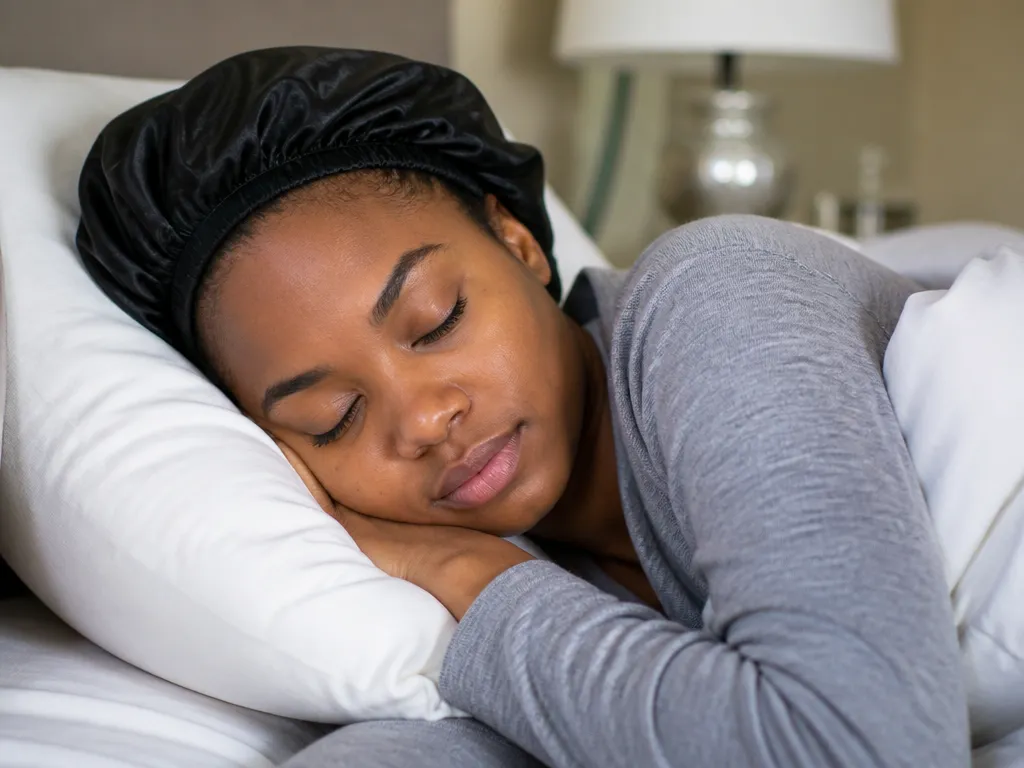
Protect your pillowcase with a silk or microfiber towel to prevent product transfer and moisture loss while you sleep. In the morning, rinse with cool water to seal the cuticle, then follow with a gentle, sulfate-free shampoo to remove any heavy residue. If your hair feels gummy or straw-like after rinsing, you have likely over-conditioned and should stick to shorter treatment windows in the future.
Key Ingredients For Overnight Treatments
Effective overnight hair treatments rely on a balance of moisture-binding agents and protective lipids. These ingredients work slowly to penetrate the hair cuticle or coat the shaft to prevent moisture loss while you sleep.
Repair And Hydration Components
Proteins like hydrolyzed keratin or silk amino acids help rebuild the hair structure by filling in gaps in the cuticle. This is especially helpful for high-porosity hair that loses moisture quickly.
Humectants draw water into the hair shaft to maintain elasticity. Ingredients such as glycerin, panthenol (Pro-vitamin B5), and hyaluronic acid are top choices for preventing dryness.
Oils and butters provide a protective seal to lock in the hydration provided by humectants. For thicker or more textured hair types, heavier ingredients like shea butter or avocado oil work well. Thinner hair types might prefer lighter options like jojoba oil or argan oil to avoid a greasy residue.
| Ingredient Category | Specific Examples | Primary Benefit |
|---|---|---|
| Proteins | Hydrolyzed Keratin, Wheat Protein | Strengthens damaged strands |
| Humectants | Glycerin, Panthenol, Aloe Vera | Attracts and retains moisture |
| Emollients/Oils | Shea Butter, Argan Oil, Coconut Oil | Seals cuticle and adds shine |
Ingredients To Avoid
Harsh surfactants and heavy alcohols can undo the benefits of an overnight soak. Avoid products containing high concentrations of denatured alcohol, as this can cause extreme dryness if left on the hair for several hours.
Silicones like dimethicone can be useful for smoothing, but excessive buildup from heavy, non-water-soluble silicones might make hair feel heavy or limp by morning. If you notice your hair feels “coated” rather than soft, switch to water-soluble silicones or natural oils.
Professional Tip: Always patch test a new intensive mask on a small section of hair behind your ear to ensure it does not cause scalp irritation before applying it to your entire head.
Step-by-step Overnight Routine
Applying an overnight treatment requires specific preparation to protect your hair cuticles and your bedding. Use only products formulated as leave-in masks or overnight treatments, as standard rinse-out conditioners can lead to scalp irritation or moisture overload when left on for eight hours.
Dermatologist tip: If you have sensitive skin, perform a patch test on your inner forearm 24 hours before applying any hair mask to your head to ensure you do not have an allergic reaction to the fragrance or active ingredients.
Morning rinse techniques are just as important as the application process for maintaining hair health. Thoroughly rinse your hair with cool water to remove all traces of the treatment. Follow this with a light application of shampoo only at the roots if your hair feels heavy, then finish with a cool water rinse to enhance shine.
| Treatment Type | Best For | Key Ingredient |
|---|---|---|
| Overnight Cream | Dry, coarse hair | Shea butter |
| Lightweight Serum | Fine, thin hair | Panthenol |
| Hydrating Mist | Color-treated hair | Glycerin |
Consistency is the key to seeing results, though most hair types only need a properly formulated overnight treatment once a week. Monitor your hair texture after each session to adjust the frequency to your specific needs.
Common Overnight Conditioning Mistakes
Using the wrong amount or formula can leave hair greasy, coated, or difficult to rinse. Product choice and placement matter more than applying a larger quantity.
Scalp And Strand Compromise
Individuals with fine or low-porosity hair often notice heaviness first because their strands have less surface area for rich products. Apply only a small amount to the lengths and assess how the hair feels after washing.
Dermatologist tip: If your scalp feels tight, itchy, or develops small bumps after an overnight treatment, discontinue use immediately and switch to a lightweight leave-in conditioner formulated for overnight wear.
In practice, the most effective way to avoid these issues is to use products explicitly labeled as overnight masks or leave-in treatments. Keep them away from the scalp and follow the product’s application instructions rather than treating a standard deep conditioner as a leave-in.
| Issue | Result | Prevention |
|---|---|---|
| Overapplication | Greasy, weighed-down hair | Use a dime-sized amount only on mid-lengths and ends. |
| Scalp Contact | Itching and flaking | Keep all heavy treatments at least two inches away from the roots. |
| Long-term Use | Hair breakage and mushy texture | Limit overnight treatments to once a week maximum. |
Budget-friendly Alternatives
Affordable hair care relies on high-quality fats and humectants found in pantry staples or basic drugstore aisles. Using these ingredients allows for intensive moisture without the premium price tag of luxury overnight treatments.
Diy Overnight Masks
Natural oils provide a protective barrier that prevents moisture loss while you sleep. Coconut oil is a popular choice for high-porosity hair because it can penetrate the hair shaft to reduce protein loss.
For example, applying a small amount of pure jojoba oil can mimic the scalp’s natural sebum. This makes it a safe option for those with oily to combination scalp types who want to avoid heavy buildup.
Professional tip: Always patch test new oils on your inner forearm for 24 hours to check for any allergic reactions before applying them to your entire scalp.
Drugstore Product Recommendations
Drugstore brands often use effective ingredients like glycerin, panthenol, and dimethicone in products intended for overnight use. These ingredients provide the slip and moisture necessary for a properly formulated overnight treatment.
A standard moisturizing conditioner may work well as a short treatment when applied to the ends and rinsed according to its instructions. Look for products that list oils or butters near the top of the ingredient list when choosing a richer rinse-out formula.
| Product Type | Key Ingredient | Best For | Estimated Price |
|---|---|---|---|
| Drugstore Mask | Shea Butter | Coarse/Dry Hair | $5 – $10 |
| Leave-in Spray | Panthenol | Fine/Thin Hair | $6 – $12 |
| Pure Oil | Jojoba/Argan | All Hair Types | $8 – $15 |
Multipurpose Solutions
Standard conditioners can serve dual purposes if you adjust your application technique. Applying a generous layer to the mid-lengths and ends during wash day can act as a makeshift deep treatment when rinsed after the recommended time.
For instance, if you have a budget-friendly conditioner you already use daily, try applying it to damp hair and securing it in a loose braid while it processes. This method helps the product sit on the hair longer without requiring a separate purchase.
Expert Tips For Maximum Benefits
Hair porosity determines the ideal frequency for overnight treatments. High porosity hair typically requires more frequent moisture, while low porosity hair can easily become overloaded.
Frequency And Seasonal Care
Frequency depends on your hair’s ability to hold moisture. High porosity hair, often caused by bleach or heat damage, can usually handle weekly treatments to maintain elasticity.
Low porosity hair should limit these sessions to once every two to four weeks. Over-conditioning these strands can lead to limp hair and heavy product buildup.
Winter months require humectants like glycerin to combat dry indoor heating. These ingredients pull moisture from the air into the hair shaft.
Summer routines should prioritize occlusives like dimethicone or shea butter. These create a protective barrier against humidity and salt water.
| Hair Type | Frequency | Key Ingredient | Primary Goal |
|---|---|---|---|
| High Porosity | Weekly | Shea Butter | Seal Cuticles |
| Low Porosity | Bi-weekly | Panthenol | Deep Penetration |
| Fine/Thin | Monthly | Glycerin | Lightweight Hydration |
Advanced Layering Techniques
Combining a deep conditioner with a lightweight oil increases the seal on the hair cuticle. This is a variation of the LOC (Liquid, Oil, Cream) method used for dry textures.
For instance, apply a water-based leave-in, then a thin layer of jojoba oil, and finish with the overnight mask. This locks in maximum hydration for thick or curly hair types.
Fine hair types should avoid this layering to prevent weighing down the roots. Stick to a single, lightweight product containing panthenol for strength and shine.
Always perform a patch test on a small section of hair before trying a new combination. This ensures the ingredients do not clash or cause unexpected stiffness.
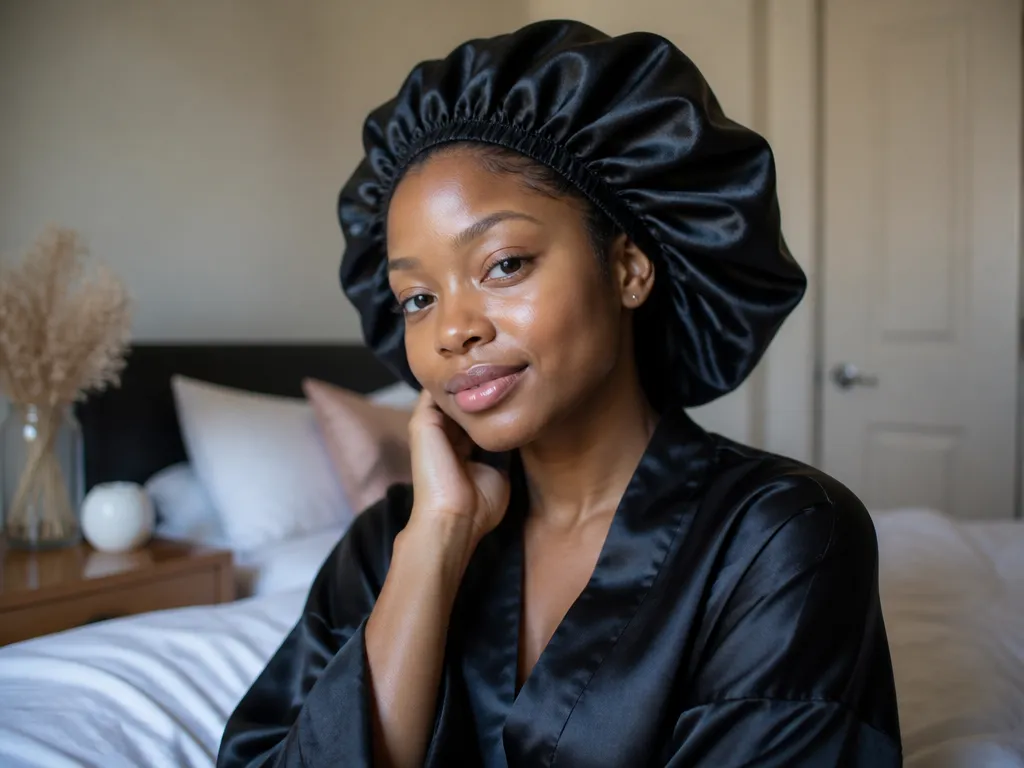
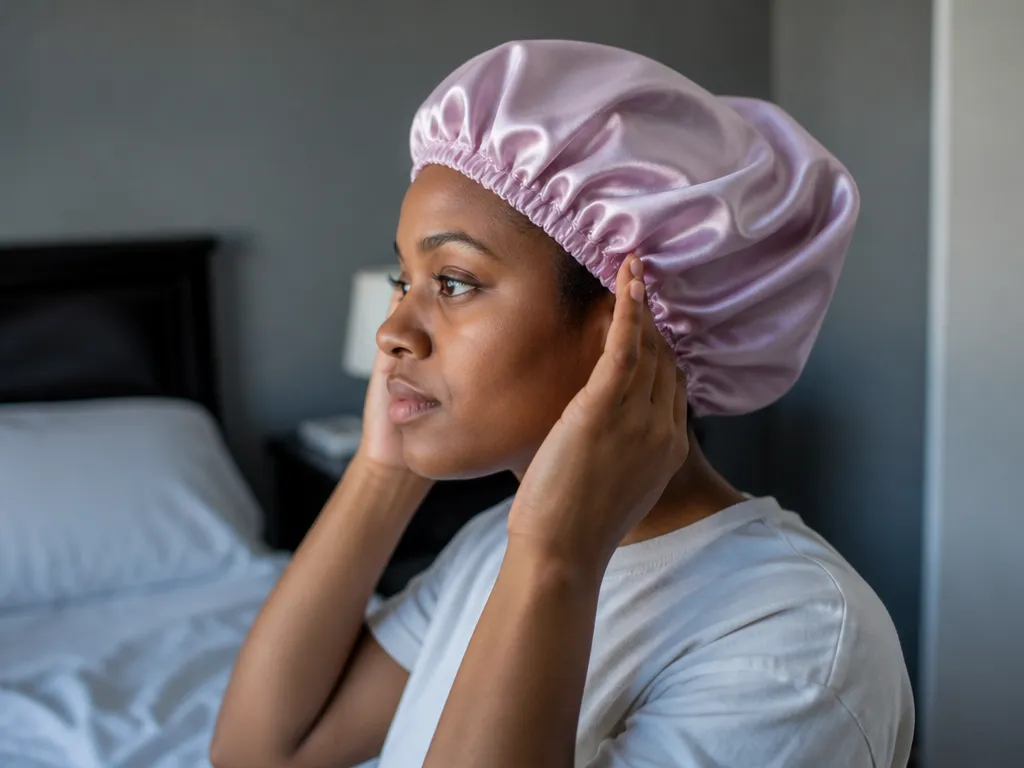
Pro tip: Use a silk or satin bonnet to prevent the product from absorbing into your pillowcase and to reduce friction on the hair cuticle.
Quick Summary
Overnight deep conditioning is not the best shortcut, because most deep conditioners are formulated for a 10 to 30 minute contact window, not 8 hours. Leaving a rinse-out formula on too long can cause moisture overload and breakage, while prolonged scalp contact with heavy ingredients can trigger irritation or clogged follicles.
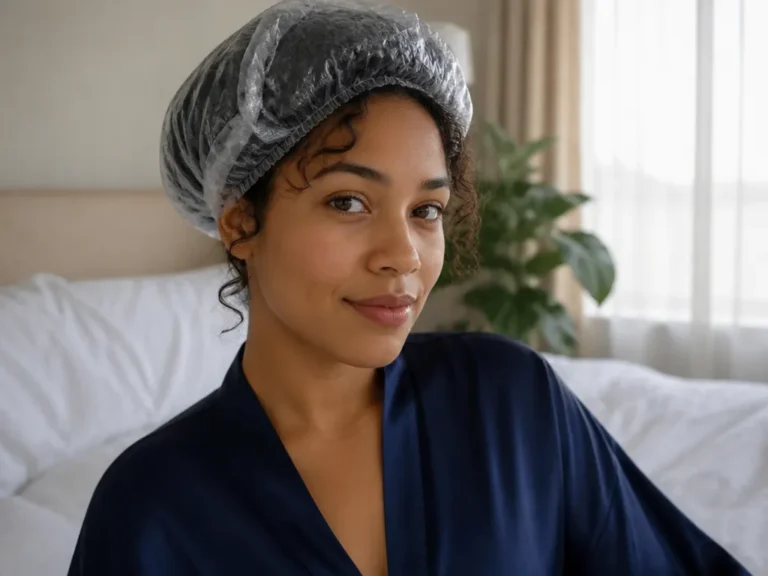
For conditioning benefits without the downside, stick to short masking sessions and choose the right formula for the timing. Look for rinse-out masks with panthenol or glycerin and apply once weekly for about 20 minutes, then rinse thoroughly. If you truly need overnight moisture, use a lightweight leave-in overnight serum formulated for that purpose, apply it from mid-lengths to ends, and protect your hair with a silk or satin bonnet.
| Goal | What to do | Why |
|---|---|---|
| Deep conditioning benefits | Use rinse-out deep conditioner for 10 to 30 minutes | Hair reaches conditioning saturation within that window, longer contact has diminishing returns |
| Overnight moisture | Choose an overnight hair serum with dimethicone and apply from mid-lengths to ends only | Dimethicone helps seal the cuticle more safely, and avoiding scalp contact reduces clogged follicle risk |
| Reduce residue and irritation | Rinse masks completely in the morning, and protect your skin with a silk or satin bonnet | Residue is harder to remove, and product on skin can contribute to acne breakouts or irritation |
Frequently Asked Questions
Can I Leave Deep Conditioner In My Hair Overnight Without Damaging It?
A standard deep conditioner should not be left on overnight. Use it for the period stated on the label, generally 10 to 30 minutes; choose a product specifically labeled for overnight use if you want a longer treatment.
Will Leaving Conditioner On My Hair Overnight Cause Acne?
It can, because heavy oils and silicones can transfer to your pillow and clog pores on your face or back. To prevent acne-prone breakouts, wear a silk bonnet or use a clean towel to keep the product off your skin.
What Is The Difference Between A Regular Conditioner And A Deep Conditioner?
Regular conditioners are meant for quick use and work in 1 to 3 minutes, while deep conditioners have a heavier formula to penetrate the hair shaft. You should prioritize deep conditioning once a week to maintain moisture levels.
Do I Really Need To Rinse Out Deep Conditioner After A Short Time?
Yes, because leaving it on too long can lead to product buildup that makes hair look limp and greasy. Most effective treatments are designed to reach their peak absorption within 20 to 30 minutes.
Is An Expensive Salon Deep Conditioner Worth More Than A Drugstore Version?
Not necessarily, as many affordable brands use effective ingredients like keratin or jojoba oil. The best choice depends on your hair’s porosity rather than the price tag.

- Temporary Hair Color Spray: Application, Longevity, and Removal - September 22, 2026
- 10 Best Washable Hair Dye Sprays for Dark Hair That Actually Show Up - September 22, 2026
- Washable Hair Dye Spray vs. Hair Chalk: Which Is Better? - September 22, 2026