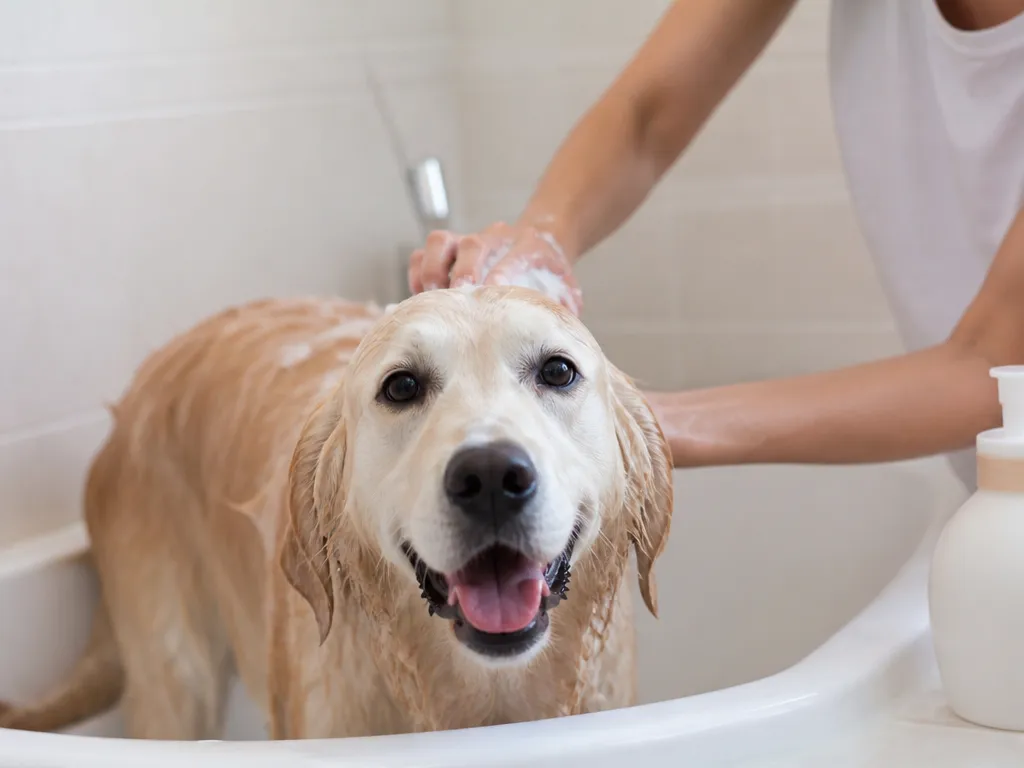
Can You Put Hair Conditioner On A Dog?
Struggling with a dull, tangled, or flaky dog coat, but wondering if your own hair conditioner could help? You’re not alone. Human products can irritate sensitive dog skin, especially around the face, paws, and any breakouts. The good news: with the right approach and dog-safe conditioner, you can get softness and shine without the drama.
Yes, you can use hair conditioner on a dog only in a pinch, but the safer pick is dog-specific rinse-out conditioner with simple, fragrance-free ingredients and gentle surfactants. Look for formulas that avoid essential oils, dyes, and heavy fragrance, and always do a 24-hour patch test first.
Can You Put Hair Conditioner On A Dog?
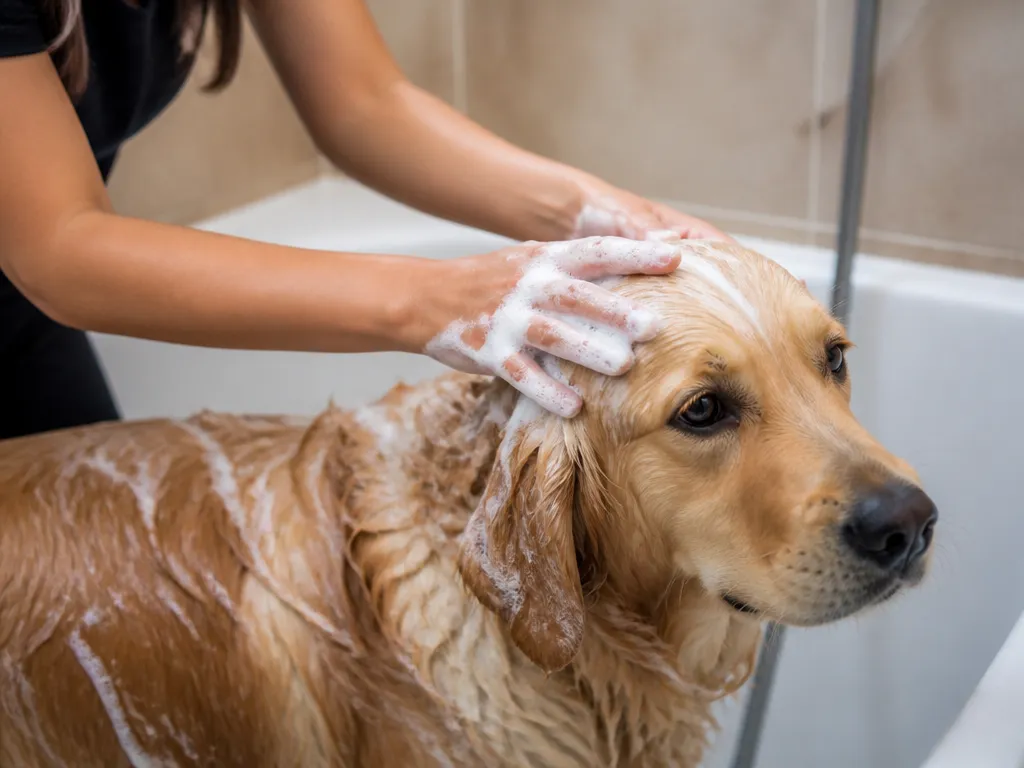
Hair conditioner made for people is not ideal for dogs because dog skin has different needs and sensitivities. Human conditioners can leave residues and include fragrance or conditioning agents that irritate a dog’s skin, eyes, or paws. Even if the coat feels softer for a short time, skin safety is the bigger issue.
Hair conditioner often feels “similar” to pet-safe products because both are designed to reduce tangles and improve slip. Skin safety depends on what is in the formula, not how it feels on fur. Fragrance, preservatives, and certain surfactants can trigger itching or redness, especially on dogs with allergies, hot spots, or compromised skin barriers.
Verdict, In Plain Terms
Using human conditioner on a dog can cause mild to significant irritation in sensitive dogs, and it is not a product swap I recommend for regular grooming. This works best avoided for puppies, seniors, dogs with eczema-like patches, or any pet currently receiving treatment for skin issues. If your dog is itchy or has inflamed areas, skip coat softeners entirely until you know the cause.
For example, a dog with a history of seasonal flares may react to fragrance components within hours to a day, even when the coat looks better immediately. Another common scenario is irritation from licking, where residues on the fur get into the mouth and trigger drooling, gagging, or GI upset. Coat softness is a visible outcome, irritation is the risk you cannot predict from texture alone.
When It’s Temporarily Acceptable (And When It Is Not)
When it’s temporarily acceptable, it is typically only for an emergency detangle when you have nothing else, you can rinse extremely well, and the dog has no history of skin reactions. Acceptable means a single short use, diluted lightly, and closely watched for itching. Not acceptable means any active rash, open sores, suspected infection, or if the dog has been exposed to medicated shampoos or topical treatments.
When it is not acceptable, avoid using human conditioner if your dog has underlying conditions like allergies, demodectic mange, or chronic dermatitis, or if you have a product with strong fragrance. Patch testing also matters for pets, especially around the armpits, belly, or inner thigh where skin is thinner. If the area becomes red or itchy within 24 hours, stop and rinse thoroughly with plain, lukewarm water.
| Situation | Human Hair Conditioner Use | Expected Outcome | What to Do Instead |
|---|---|---|---|
| No skin issues, quick detangle | Only as an emergency, single use | Coat may feel softer, irritation possible | Use a dog-safe conditioner formulated for sensitive skin |
| Itchy dog, hot spots, eczema-like patches | Avoid | Rash and itch can worsen | Use veterinarian-recommended medicated or hypoallergenic grooming products |
| Dog has just used medicated shampoo | Avoid | Can interfere with treatment and increase irritation | Wait until fully healed or follow your vet’s timing |
| Puppy, senior, or allergy-prone dog | Avoid | Higher chance of reaction | Choose fragrance-free, rinse-friendly dog conditioner |
Dermatology-minded tip: If you ever try a substitute, rinse like it is the main event. Water should run clear from the coat, and you should keep the dog from licking while it dries.
Dog Coat Vs Hair Expectations
Dog coats and human hair are built differently, so “conditioner” performance depends on coat type and skin reactivity. Human hair conditioners can leave irritation risk if they contain fragrances, irritant preservatives, or ingredients that do not match canine skin. Matching a coat plan to common skin signals keeps you from treating fur well while upsetting skin.
Coat type changes how products spread, how fast they rinse, and how easily residue gets trapped. Short and curly coats can hold heat close to the skin, long coats can trap conditioner in dense layers, and double-coated or wiry coats often need lighter, more rinsable conditioning to avoid buildup. Wire and curly textures also tangle differently, so “more slip” is helpful, but only if it rinses clean.
| Coat type | What usually happens | Best conditioning approach |
|---|---|---|
| Short | Product reaches skin quickly, residue shows fast | Light, short-contact rinse-off conditioner made for pets |
| Curly | Tangles + dryness in tight curls | Conditioner with good slip, comb through, rinse thoroughly |
| Long | Conditioner can linger in undercoat and mats | Focus mid-length to ends, avoid heavy scalp coverage |
| Double-coated | Undercoat holds residue and can look dull | Choose low-residue formulas, rinse until water runs clear |
| Wire | Dry, rough feel, sheds less evenly | Minimal buildup, use light conditioning and brush out dry |
Skin signals tell you whether conditioning is helping or making things worse. Itching and flaking often mean irritation or dryness, redness points to sensitivity, and dandruff-like buildup can be trapped residue, not “true dandruff.”
Derm tip for dogs: Patch-test any new product on a small fur-and-skin area (24 to 48 hours) before full use, especially for puppies, seniors, and dogs with known allergies.
Leave-in vs rinse-off matters because contact time controls skin exposure. Rinse-off conditioner gives you better control, you can dilute residue by rinsing well, and it tends to be safer for reactive skin than thicker leave-ins. Leave-in products can work for dryness and tangles, but they should be light, applied to the coat lengths, and never layered if you see redness or buildup.
For example, a long-haired dog with itching usually needs less product on the skin and more on the mid-lengths, plus a longer rinse. A double-coated dog with dullness from residue often improves when you use a smaller amount and comb through while still wet, then rinse until the coat feels “squeaky clean” rather than slick.
Work with your dog’s needs: oily to normal coats often tolerate lighter conditioning, while dry or curly coats may need more slip and moisture. Sensitive skin dogs do better with unscented, pet-formulated options and shorter contact time, because fragrance and certain preservatives can trigger irritation in some animals. If your dog has a medical skin issue, stick to a veterinarian-approved product and avoid “DIY conditioner experiments” that make the flare-ups harder to diagnose.
Why Human Conditioner Differs
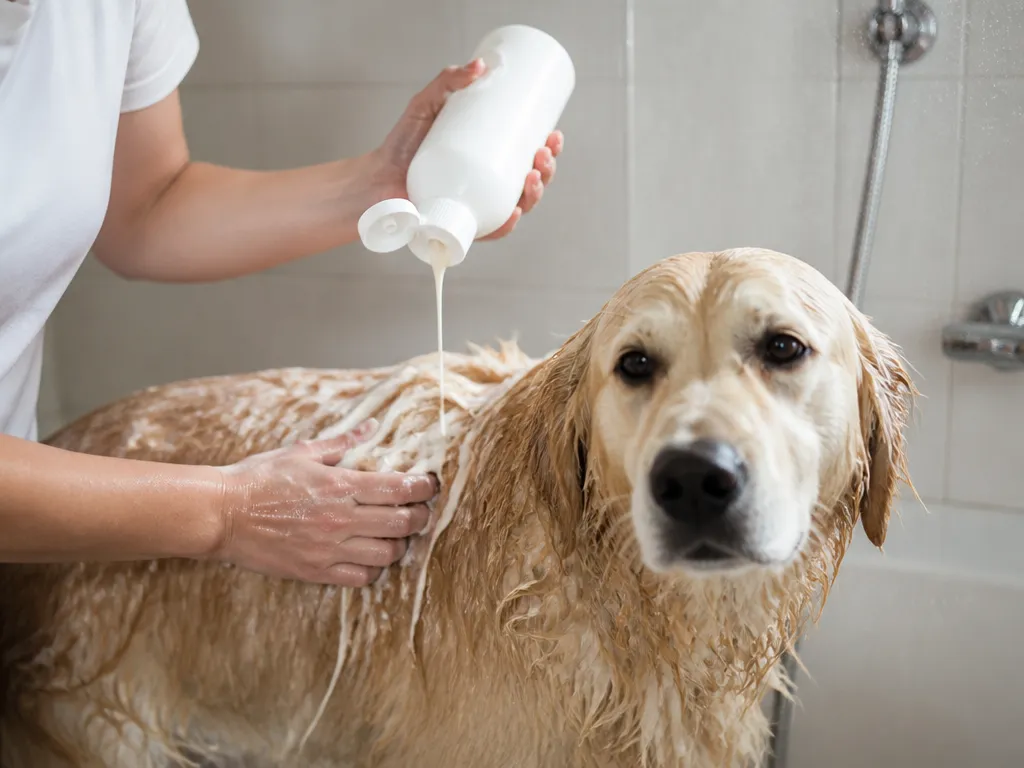
Human hair conditioner is formulated for human skin biology, hair structure, and allergy risk, so it can upset a dog’s skin barrier and trigger irritation. Dog skin tends to be more reactive, and many conditioners are designed to sit on skin for short contact under human shedding patterns and scalp chemistry. This mismatch is the main reason DIY “swap-and-go” products can cause redness, itching, or dryness.
Ph, Fragrance, And Dye: Where Formulas Stray
Human scalp and skin usually sit around a slightly acidic pH, while dog skin commonly falls within a mildly acidic to near-neutral range of about 6.2 to 7.5. When a product’s pH is off for your dog, the barrier can become easier to irritate, which can worsen sensitivity in breeds prone to allergies or dry skin. Even if the coat looks softer at first, repeated exposure can tip skin into inflammation.
Fragrance and dyes are common “cosmetic extras” in human conditioners, and they are frequent contact sensitizers. Dogs can also lick residue off their skin, increasing exposure duration compared with rinse-off human hair routines. If your dog has a history of hotspots, paw-licking, or seasonal flares, fragrance and colorants are more likely to be the weak link.
| Ingredient category | Why it can matter for dogs | What to look for instead |
|---|---|---|
| Fragrance, essential oils | Higher irritation and sensitization risk via skin contact and licking | Unscented or very low-odor, dog-specific formulas |
| Dyes and colorants | Extra chemicals for dye stability that can irritate sensitive skin | Color-free where possible |
| Detangling conditioners/film formers | Can leave a residue that traps dirt on some coats | Rinse-clean formulas made for pet skin |
Common Irritants: Silicones, Allergens, And “Contact Sensitizers”
Many conditioners use silicones and film builders to make hair feel slippery and shiny, which is great for styling but can build up on a dog coat if rinsing is incomplete. Film buildup can make skin feel “okay” for a day, then itchy as the residue mingles with oils and debris. Look for dog-safe leave-on or rinse-off products that are easier to fully rinse if your dog runs hot or sweats under thick fur.
Allergens are also a real concern. Common potential problem categories include certain preservatives, plant extracts, and specific surfactant systems, which can cause contact dermatitis in a subset of dogs. Patch testing matters even for “gentle” formulas because individual sensitivity varies widely by skin type.
“Dermatologist tip: For any new topicals, patch test on a small patch of skin along the side of the chest, wait 24 to 48 hours, then reassess for redness or itching before using anywhere else.”
When your dog has medical conditions like eczema, suspected contact dermatitis, or ongoing ear skin irritation, stick to vet-directed products. If your dog is on steroids, antibiotics, or medicated shampoos, keep the ingredient mix simple and avoid adding human hair chemistry that can complicate the picture.
Dog-safe Conditioners To Buy
Dog-specific conditioners are usually gentler, easier to rinse, and formulated to match coat needs (oily, dry, curly, or tangly).
For sensitive skin, choose a fragrance-free rinse-off conditioner and check for a short ingredient list. Look for soothing agents like oat extract, colloidal oatmeal, or aloe, and avoid products heavy in essential oils (tea tree, citrus) if your dog scratches or has red patches. Patch test on a small area for 24 hours before first full use.
Best Dog Conditioners By Coat Type
Different coats need different textures. Rinse-off conditioners are best for most dogs because they limit residue that can trap allergens on the skin, while leave-in sprays are helpful for detangling when used sparingly.
| Product | Price | Key Ingredient | Best For |
|---|---|---|---|
| Veterinary Formula Antiseptic + Conditioning Shampoo (optional conditioner steps vary by routine) | Mid | Conditioning agents + antiseptic base | When your groomer recommends treating mild itch, only as directed |
| Earthbath Oatmeal & Aloe Conditioner (fragrance-light options vary by line) | Mid | Oatmeal + aloe | Dry, itchy coats that tolerate oatmeal-based comfort formulas |
| Burt’s Bees for Dogs Oatmeal & Buttermilk Conditioner | Mid | Oatmeal | Comforting rinse for normal to dry skin |
| Espree Oatmeal & Aloe Conditioner | Mid | Colloidal oatmeal + soothing botanicals | Sensitive, reactive skin that needs gentle slip |
| FURminator Fresh Grooming Conditioner | Budget to Mid | Detangling conditioning base | Long hair, brushing pain, and tangles after baths |
| Healthy Coat Moisturizing Conditioner (curly/wavy options vary by region) | Mid | Moisture-focused humectant and conditioning blend | Wavy or curly coats that need more slip for finger detangling |
For long hair and tangles, pick a rinse-off conditioner that’s known for slip, then follow with a wide-tooth comb while the coat is saturated. Detangling happens best with conditioner on the outside of the hair shaft, not with a dry brush that drags and breaks curls. Expect results in the first few washes, but reduce aggressive combing over 1 to 3 sessions.
For curly and wavy coats, moisturize first, then detangle, then rinse thoroughly to avoid sticky residue that can flatten curls. Look for conditioners that add softness and reduce friction, and keep the coat damp until combing is done to prevent frizz and flyaways. Curl coats often do better with lower product load than you would use on straight coats.
For leave-in sprays, use them only when a coat is already clean and mostly detangled. Leave-in products can build up, so overspraying can make skin feel greasy and can worsen itch for fragrance-sensitive dogs. Spray onto your hands first, then smooth through the coat, and skip the ears, muzzle, and eye area.
Grooming tip: apply conditioner to the coat, not the skin, then rinse well. If your dog has active hot spots or a diagnosed allergy, follow your vet or dermatologist’s routine for what to use and how often.
For budget options, stick to widely sold oatmeal-based dog conditioners from pet retailers and prioritize the ingredient and texture over brand prestige. For higher sensitivity, prioritize fragrance-free, hypoallergenic-leaning labels, and keep the routine simple so you can spot what triggers irritation.
Step-by-step Conditioning Protocol
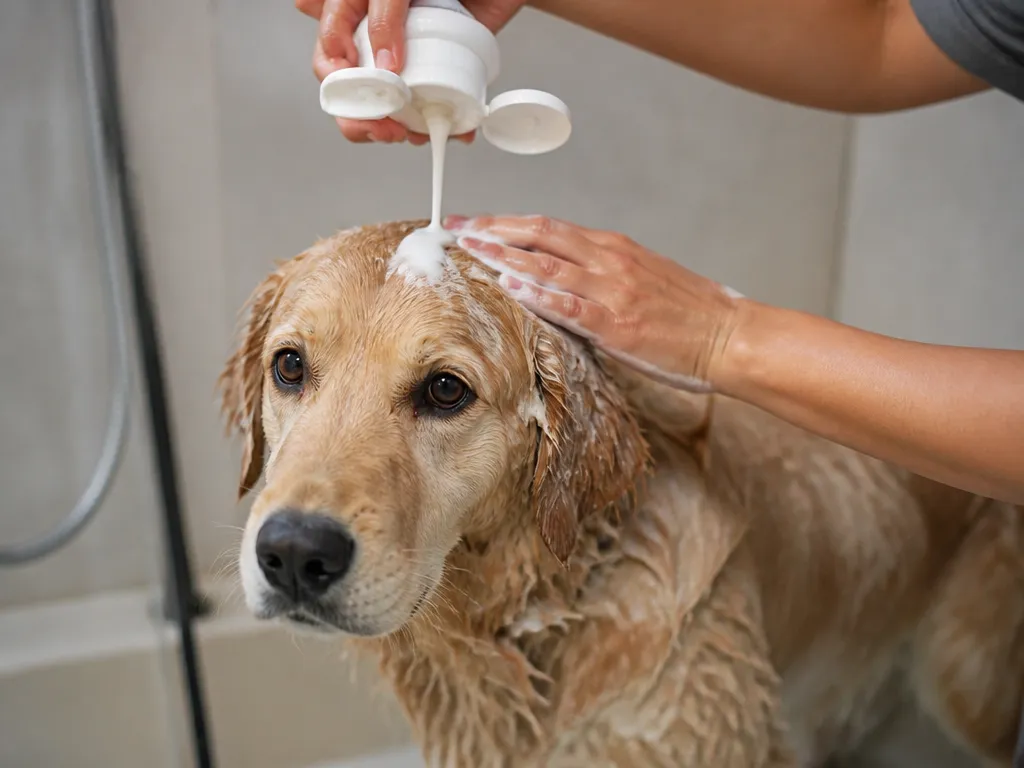
If you are using any conditioner on a dog, start with a dog-safe product and keep it off sensitive areas to prevent itch and residue buildup.
In practice, oily or itch-prone skin dogs can feel greasy if conditioner is left too long or applied too close to the skin. For these dogs, keep the product to coat length only and shorten contact time, then reassess after a few uses.
| Dog coat type | Conditioning frequency | Best approach |
|---|---|---|
| Short and smooth | Every 2 to 4 weeks | Light application on coat length, quick rinse |
| Medium, wavy, or normal shedding | Every 1 to 2 weeks | Comb through after applying, rinse well |
| Long, thick, or prone to mats | Every 1 week to every 10 days | Focus on ends, detangle gently, brush during drying |
| Dry or sensitive skin | Every 2 weeks (or less) | Patch-test, use minimal amount, watch for itch |
Groomer tip: When you’re adjusting frequency, change one variable at a time. Start with less product and longer rinsing before you try more conditioner.
Morning and evening timing is mostly about your schedule, not skin cycles, since dogs do not need separate AM or PM routines like humans. For best comfort, condition after bathing and before drying, then let the coat dry fully before bedtime to reduce the chance of damp-skin irritation.
Ingredients To Avoid On Dogs
Dog skin commonly falls within a mildly acidic to near-neutral pH range of about 6.2 to 7.5. Most human conditioners are acidic, with a pH around 4.5 to 5.5, and may disrupt the skin barrier or lead to dryness and irritation in some dogs.
| Item | Specification | Notes |
|---|---|---|
| Essential Oils | Avoid | Tea tree and peppermint can be toxic if absorbed. |
| Synthetic Fragrance | Low/None | Frequent cause of contact dermatitis and itching. |
| Parabens | Avoid | Can disrupt skin balance and irritate sensitive areas. |
| Artificial Dyes | Avoid | Likely to cause allergic reactions in sensitive breeds. |
Fragrances And Preservatives
Synthetic scents and harsh preservatives like methylisothiazolinone often trigger allergic reactions. These chemicals are designed for human skin and can be too aggressive for a dog’s thinner epidermis.
For instance, a dog with sensitive skin may develop red bumps or excessive licking after using a scented product. Always perform a patch test on a small area of the belly before full application.
Esthetician tip: If you see redness or a “waxy” residue on the coat, the product is too heavy for the dog’s skin type and should be rinsed out immediately.
Medical Conditions And Vet Care
Medicated human conditioners are dangerous for pets because active ingredients can be toxic. Ingredients like salicylic acid or certain steroids are formulated for human absorption rates and skin thickness.
Dogs with hot spots, eczema, or dermatitis need vet-prescribed products. These formulations target fungal or bacterial infections without damaging the skin barrier.
Post-grooming flare-ups often happen when a product is too harsh for the dog’s specific skin type. This is common in breeds with dense undercoats or hypoallergenic coats.
Budget Alternatives And Diy Swaps
Budget-focused care works best when you skip product experiments and focus on coat-cleansing plus brushing.
Best at-home approach starts with conditioner-free brushing and correct bathing technique. Brushing removes loose hair and dander, which cuts down on the “need” for heavy slip products, especially on short coats and oily areas.
DIY options can help you detangle and soften without putting risky additives on the skin. Safe home swaps focus on plain hydration and friction control, not “hair masks” with scents or actives.
| At-home DIY idea | How to use | Best for | Skip if |
|---|---|---|---|
| Plain water mist | Mist lightly, then brush small sections | Dry, flyaway fur | Your dog has itchy skin, hot spots, or broken skin |
| Unflavored oatmeal soak (simple) | Soak per your vet’s comfort level, then rinse well | Minor dryness with no open sores | Active infection or heavy scratching |
| Conditioning spray with dog-safe base | Use a product made for dogs and patch test first | Mat-prone coats | Anything with essential oils or strong fragrance |
Dermatology tip: Start with a patch test behind the ear or on the inner thigh, then watch for redness, swelling, or extra itching for 24 to 48 hours before wider use.
DIY that involves essential oils should be skipped, and DIY “natural” substitutes like lemon, vinegar, and heavily fragranced additives should be avoided. These ingredients can sting irritated skin, worsen eczema in sensitive dogs, or leave residues that attract dirt and microbes. If your dog has allergies, frequent ear infections, or a history of skin reactions, stick to dog-formulated products and talk to your vet.
When to upgrade to veterinary-grade (or clearly vet-formulated) conditioner is when symptoms keep coming back. Upgrade if you see persistent flaking, thickened skin, ongoing odor after baths, recurrent matting from severe dryness, or redness that returns within days.
Pro Tips For Faster Results
Effective coat conditioning requires precise application and thorough rinsing to prevent skin irritation. Proper technique ensures the product reaches the hair shaft without leaving a heavy film that attracts dirt.
Sectioning the coat into small, manageable parts allows for even coverage. This is especially helpful for long-haired breeds or dogs with thick double coats where product often gets trapped near the skin.
Application And Rinsing Techniques
Dilution can make application easier and prevent product buildup. For many professional-grade conditioners, mixing one part product with five parts warm water in a spray bottle helps distribute the formula evenly across the entire body.
Contact time is a critical factor for moisture absorption. Leave the conditioner on for three to five minutes to allow the ingredients to penetrate the hair cuticle.
Grooming tip: Always rinse from the neck down toward the tail to avoid getting heavy residue near the eyes or ears.
Troubleshooting Coat Health
Distinguishing between healthy softness and product buildup is vital for maintaining skin health. Over-conditioning often manifests as a greasy or heavy feel, while under-conditioning leaves the hair feeling brittle or prone to tangles.
| Symptom | Likely Cause | Solution |
|---|---|---|
| Oily or heavy coat | Over-conditioning | Increase rinse time and use a clarifying shampoo |
| Dry, brittle hair | Under-conditioning | Increase contact time or use a deeper conditioner |
| Redness or itching | Product residue/allergy | Perform a patch test and rinse more thoroughly |
| Constant scratching | Skin irritation | Switch to a fragrance-free, hypoallergenic formula |
Post-conditioning itchiness often stems from leftover surfactants or fragrances. If your dog scratches immediately after a bath, check for any lingering scent or slippery texture on the skin.
In practice, if you notice redness or small bumps, stop using the current product immediately. Apply a soothing, vet-approved oatmeal rinse to calm the area and consult a professional if the irritation persists.
Quick Summary
Using human hair conditioner on a dog is not an ideal practice because canine skin has distinct needs and sensitivities. While these products might provide temporary softness, they often contain fragrances, preservatives, and surfactants that can trigger redness or itching. It is best to use a dog-specific rinse-out conditioner with simple, fragrance-free ingredients instead. If you must use a human product in a single emergency, you should dilute it lightly and rinse it extremely well with lukewarm water to avoid residue.
Safety requires a 24-hour patch test on thin skin areas like the belly or inner thigh before full application. You should avoid human products entirely if your pet has active rashes, open sores, or existing skin conditions like eczema or allergies. Furthermore, residues can be dangerous if a dog licks them, potentially causing gagging or gastrointestinal upset. For the safest results, always prioritize dog-specific formulas and consult a veterinarian if you notice oozing, crusty skin, or persistent itching.
| Situation | Recommended Action |
|---|---|
| Emergency detangle only | Single use, diluted, and rinse thoroughly |
| Itchy skin or hot spots | Avoid all softeners; use vet-recommended products |
| Puppies or seniors | Avoid human products; use fragrance-free dog conditioner |
| Active skin infection | Stop all grooming and call a veterinarian |
Frequently Asked Questions
Is It Safe To Use Human Hair Conditioner On A Dog?
It is generally not recommended because human products have a lower pH than dog skin. Using these products can disrupt the skin barrier and lead to dryness or irritation.
What Happens If I Used Human Conditioner On My Dog Once?
One accidental use is usually not a crisis, but you should rinse it off thoroughly. Watch for redness or itching over the next 24 to 48 hours to ensure there is no reaction.
Which Ingredients In Human Conditioner Are Dangerous For Dogs?
Avoid any products containing salicylic acid or tea tree oil, as these can be toxic if the dog licks their fur. Stick to fragrance free options if you have no other choice in an emergency.
What Is A Safer Alternative To Human Conditioner For Dog Fur?
Use a conditioner specifically formulated for pets to match their pH level of 6.2 to 7.5. These formulas moisturize the coat without stripping the natural protective oils of the skin.
How Should I Apply Conditioner To A Dog’s Coat?
Apply the product only to the ends of the fur and avoid the skin. Rinse the coat for at least 2 to 3 minutes to ensure no residue remains on the body.

- Temporary Hair Color Spray: Application, Longevity, and Removal - September 22, 2026
- 10 Best Washable Hair Dye Sprays for Dark Hair That Actually Show Up - September 22, 2026
- Washable Hair Dye Spray vs. Hair Chalk: Which Is Better? - September 22, 2026