Do Curly Hair Conditioners Work?
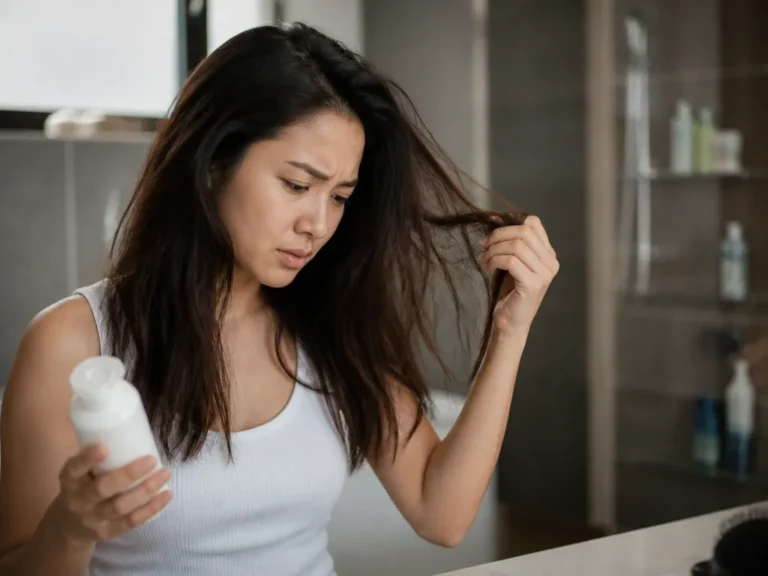
Most people with curls spend a fortune on products only to end up with frizz or limp hair that lacks definition. Curly hair is naturally drier because scalp oils struggle to travel down the coiled hair shaft. You need to know if specialized conditioners actually add moisture or if they are just expensive marketing.
Curly hair conditioners work by using emollients like shea butter and coconut oil to smooth and coat the cuticle. These formulas can provide richer conditioning than lightweight standard conditioners, but the effects generally last until the next wash rather than through multiple washes. Look for ingredients like glycerin or panthenol to improve detangling and curl clumping.
Best for: Dry, coarse, or high-porosity curls. Use caution if: Fine hair or low-porosity curls (to avoid heavy buildup).
Do Curly Hair Conditioners Work?
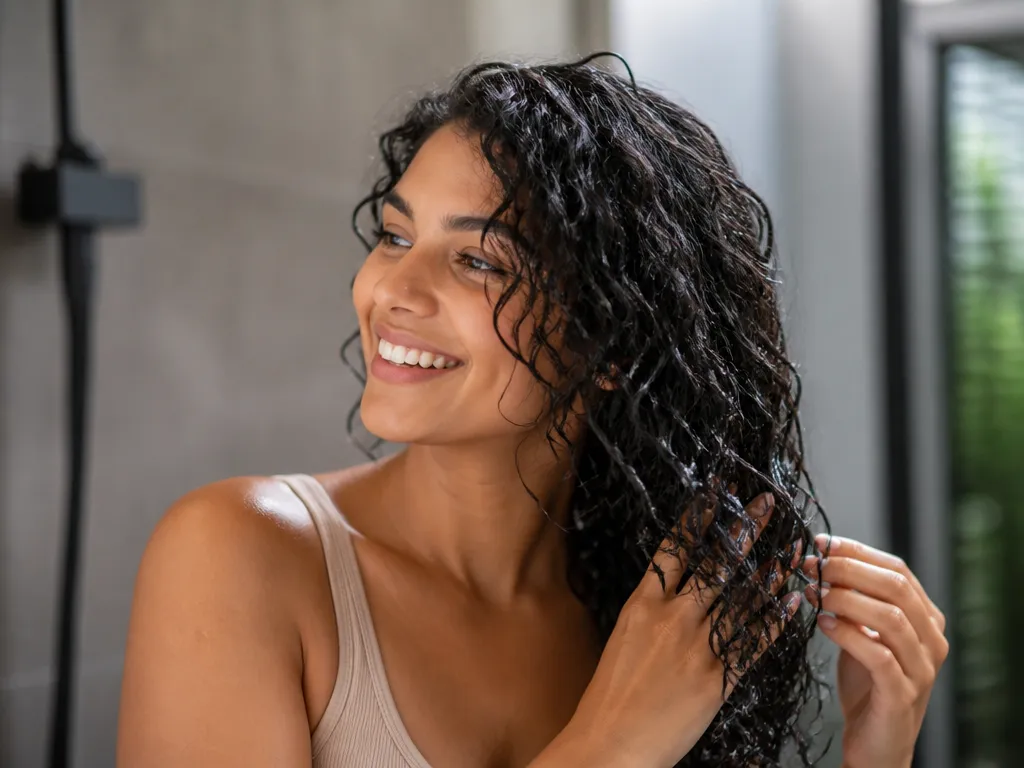
Curly hair conditioners do work, but they work at the level of hair feel and manageability, not as a permanent curl “fix.” Conditioner helps increase slip for detangling, softens the hair shaft, and reduces roughness that can feed frizz and break up curl clumps.
Think of conditioner as a support player. It improves moisture balance and reduces friction so curls can clump more easily, which is what you see as definition. Conditioner also cannot override biology, so your curl pattern, scalp oil production, and how your hair absorbs water still set the ceiling for results.
What Conditioners Can And Can’t Do For Curls
When a conditioner is doing its job, you usually notice softer hair, fewer tangles, and curls that hold together better after rinsing. Some formulas also calm flyaways because ingredients like fatty alcohols and silicones coat the cuticle to lower surface friction.
Results vary because hair is not one texture. High porosity hair may drink conditioner fast but lose its effects quickly, while low porosity hair can resist water and struggle to receive conditioning benefits.
| Hair reality | What you’ll feel | What to adjust (in this section) |
|---|---|---|
| Low porosity curls | Conditioner feels like it sits on top | Use lighter amounts, ensure thorough saturation, and rinse with consistent technique |
| High porosity curls | Hair feels dry again quickly | Stay consistent with conditioning frequency and don’t rush the soak time |
| Coarse or thick curls | Detangling is harder | Prioritize slip-heavy formulas and detangle in sections |
| Fine, easily weighed-down curls | Curls look limp | Apply from mid-lengths to ends and use less product |
“Definition is mostly physics: enough slip for clumping, enough hydration to bend, and enough smoothing to stop frizz.”
Scalp needs also change the outcome. Conditioners are meant for hair, and if you load the scalp area, you may get buildup that weighs curls down and makes them look dull on any skin tone.
For example, if your curls look stringy after rinsing, you may be under-conditioning (too little product or too quick a rinse), or you may be using a formula that coats your hair without giving enough flexibility for curl clumping. For oily to combination scalps, keep conditioner off the roots and concentrate on the lengths.
Quick signal check after 1 to 3 washes: moisture should feel obvious (less roughness), detangling should take less effort, frizz should drop within the first few hours, and curl clumps should look more cohesive, not crunchy. If you get heavy buildup, greasy roots, or limp curls on fine hair, reduce how much you use and keep it off the scalp.
Match Conditioner To Hair Porosity
Low porosity hair resists absorption, so lightweight conditioners sit on the surface until water, warmth, or clarifying steps remove barriers from buildup. High porosity hair accepts moisture quickly but can lose it fast, so you want hydration plus sealing ingredients. Medium porosity sits in between, offering easier detangling and longer-lasting softness.
To identify your porosity, perform a simple strand test and observe on wash day. If a strand sinks slowly or stays near the top for a moment, you likely have low porosity and benefit from lightweight humectants and gentle heat. If it sinks quickly and feels dry afterward, you likely have high porosity and need more moisture with sealing agents.
Curl pattern basics: Looser curls such as 2B respond best to lighter formulas that hydrate without weighing down, while tighter curls like 3C often need a touch more heft to soften curl clumps and reduce frizz.
On wash day, look for slip, detangling time, and how hair feels when wet. A good conditioner should rinse out smoothly yet leave enough slip to glide through a comb. If detangling takes 15 minutes or more, you may need a formula with more slip or a lighter texture.
| Porosity | Hair Behavior | Recommended Conditioner Type | Key Ingredients to Seek |
|---|---|---|---|
| Low | Resists absorption, may feel surface-coated | Lightweight conditioner, silicone-light or silicone-free | Glycerin, propanediol, panthenol |
| Medium | Balanced absorption and slip | Standard hydrating conditioner with optional light protein | Hydrolyzed keratin, hydrolyzed silk, glycerin |
| High | Drinks moisture and frizzes easily | Moisturizing emulsion with sealing agents | Humectants, lightweight oils or silicones, amino acids |
Dermatologist tip: A monthly clarifying step can remove buildup that mimics low-porosity behavior; it does not change your hair’s underlying porosity.
Patch test new products on a small section of hair or scalp before full use, especially if you have sensitive skin or a history of irritation. This approach works for all hair types, and if your scalp trend is oily, choose lighter formulas.
Look For The Right Ingredients
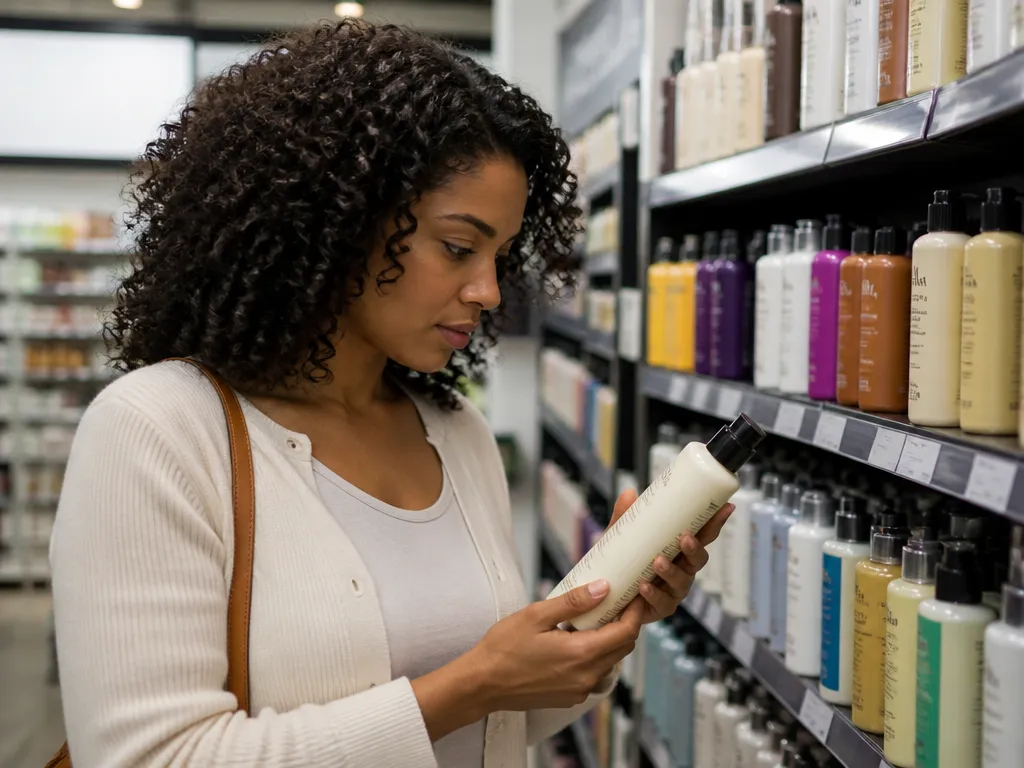
Choose ingredients according to your porosity, curl type, and sensitivity. Emollients and conditioning polymers can improve slip, while silicones or lightweight polymers can smooth the surface. Humectants attract water, and film formers help retain moisture without necessarily suiting every head of hair. Patch test if you have fragrance sensitivity or a reactive scalp, and keep richer formulas away from oily roots.
| Item | Amount/Specification | Notes |
|---|---|---|
| Cetyl alcohol / Cetearyl alcohol | 1-4% each | Fatty alcohols soften the cuticle and improve slip; avoid overuse on very fine hair to prevent heaviness. |
| Oils (argan, jojoba, coconut) | 1-6% combined | Provide slip and conditioning. Heavier oils can weigh down high-porosity curls; balance with lighter emollients. |
| Dimethicone / Cyclopentasiloxane | 0.5-2% or silicone blend | Seal the cuticle and reduce frizz; choose rinse-out for buildup concerns or light leave-in for humid climates. |
| Glycerin / Panthenol | 2-6% (glycerin); 0.5-2% (panthenol) | Humectants support moisture; glycerin’s performance can vary with humidity, so monitor how hair feels. |
| Butters (shea, cocoa) | 2-5% | Film-forming and sealing, great for thick curls; may feel heavy on fine or low-porosity hair. |
| Hydrolyzed proteins (keratin, wheat, silk) | 0.5-1.5% (start low) | Strengthen strands; stop or dial back if hair feels stiff or rough after use. |
| Quaternary polymers (polyquaternium-10/28) | 0.5-2% | Detangles, reduces static, and builds a lightweight conditioning film without heavy buildup. |
| Bond repair agents (when labeled) | As directed | Targets damaged bonds in chemically treated hair; test compatibility and tolerance, especially with sensitive scalps. |
Glossary quick hits: Clarifying removes buildup from products or minerals, used sparingly. Protein strengthens by temporarily tightening hair structure; too much can make strands feel rough. Bond repair ingredients aim to reconnect broken disulfide bonds, usually after chemical processing; test a small strand first to ensure comfort and results.
Conditioning Routine That Actually Works
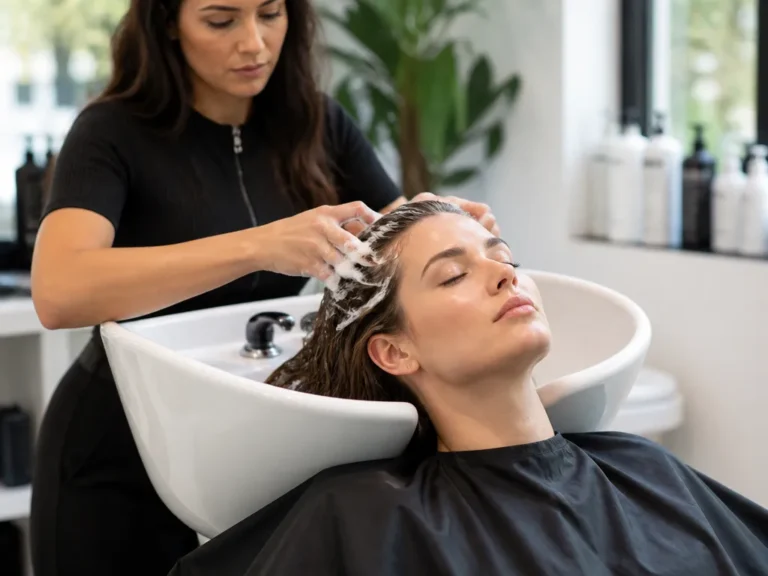
Healthy curls need conditioner to improve slip so strands detangle with less friction, which can reduce breakage and frizz. Conditioner also helps hair hold water, but it only “works” if you apply it in the right order, use enough, and give it time to soften.
How long to sit (the slip window) is your practical timing guide: aim for enough time to feel silky, not stripped. Quick rule by curl type and thickness: tighter curls need less water resistance to soften, while looser waves need longer to prevent flyaways.
| Curl pattern | Slip window to detangle | What it should feel like |
|---|---|---|
| 2A to 2C (wavy, fine to medium) | 2 to 5 minutes | Silky slip with light weight, not heavy coating |
| 3A to 3B (loose to defined curls) | 5 to 8 minutes | Fingers glide through, comb passes with minimal snag |
| 3C to 4 (tight coils) | 8 to 12 minutes | Soft, hydrated feel, tangles break apart without force |
For low porosity hair, conditioner sits longer before it penetrates, so extending to the higher end of the slip window helps. For high porosity hair, conditioner can “disappear” faster, so use slightly more product and don’t over-rinse before leave-in.
Evening Refresh That Doesn’t Undo Your Conditioner Work
Quick target outcomes by step: after shampoo or co-wash, scalp feels clean with no heavy residue. After conditioner detangling, hair feels slippery and knots separate with minimal force. After rinse and leave-in, strands should feel coated but not greasy, and curls should clump when you scrunch. After gel and drying, hair should form a cast or shape that feels firm when dry, then softens once you break the cast.
Editor’s tip: If your conditioner rinses away too fast (hair feels dry within hours), adjust wash frequency, use more conditioner on the ends, and try a richer leave-in. If your curls feel weighed down, use less conditioner, rinse thoroughly, and switch to a lighter leave-in on the first 2 to 3 inches from the scalp.
Home test to judge whether conditioner is truly helping: do two wash days back-to-back, use your usual routine but change only one variable. Wash day A uses standard detangling and rinse, Wash day B uses the same conditioner but gives it the full slip window (for your curl type) plus careful finger detangling, then compare tangles at the sink and frizz after drying.
Mistakes That Increase Frizz
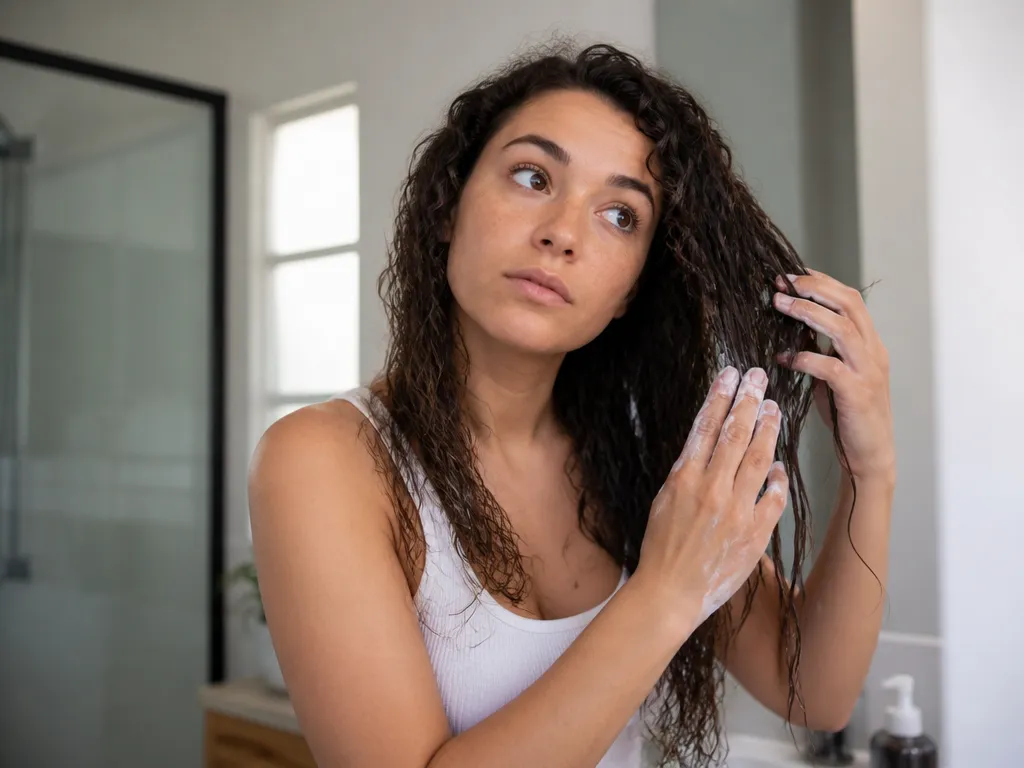
Frizz often ramps up when conditioner is used at the wrong time, the wrong weight, or on the wrong hair areas. Curly hair needs slip long enough to detangle, then a clean rinse so conditioning ingredients are left where you want them, on the hair shaft.
Skipping detangling, or detangling too late, is the quickest way to ruin the slip. Conditioner becomes less effective once it dries or turns tacky, so run your fingers or a wide-tooth comb through while hair is still saturated. For many people, frizz reduction starts in the wet-detention moment, not in the leave-in after.
Too much conditioner can backfire just as easily as too little. Too much product can coat curls so they clump unevenly, which traps moisture fluctuations and makes flyaways more noticeable. Too little product leaves dry cuticles feeling rough, so the curl pattern frays as it dries.
Rinsing is where a lot of “conditioner doesn’t work” complaints come from. Over-rinsing can leave your hair too dry, under-rinsing can leave residue that blocks curl formation. Look for “buildup clues,” like limp roots, stringy curls, or your hair feeling waxy even when it looks clean.
| Rinse outcome | What you feel | Likely result |
|---|---|---|
| Too little rinse | Waxy, coated, tangles feel gummy | Frizz from uneven curl clumping |
| Too much rinse | Squeaky or overly dry slip | Rough cuticles, faster fray |
| Just right | Soft, slippery, curls spring slightly | Even definition and less flyaway |
For curly hair, think “less layering, more intention.” Conditioners already coat the hair shaft, so every added cream or oil should earn its place.
Heavy buildup from everyday layering is another frizz trigger, especially for fine, low-porosity hair. Using conditioner plus leave-in plus heavy creams plus oils can make curls lose structure and dry unevenly, which looks like frizz even when the hair is moisturized.
Protein-heavy products paired repeatedly with damaged hair can also cause stiffness and roughness, which encourages frizz as curls separate during drying. For porous, bleached, or heat-damaged hair, rotate stronger conditioning with lighter moisture and reassess every few weeks.
Conditioning the wrong zones matters. Conditioner on the scalp can clog and weigh down roots, while hair shaft dryness still needs the product where it counts, mid-lengths through ends.
Patch test active hair treatments (especially clarifying, protein, or fragrance-heavy formulas) on a small section first. If you feel burning, extreme itching, or lingering dryness after washing, stop and switch to a gentler conditioning base before you try a heavier routine again.
Best Conditioners Across Budgets
The right formula depends on porosity and curl pattern, because some hair needs more moisture retention while other hair needs a lighter coating to avoid limpness.
| Product | Price | Key Ingredient | Best For |
|---|---|---|---|
| Tresemmé Keratin Smooth Conditioner | Budget | Quaternary conditioning agents + keratin proteins | Smoothing and everyday slip on 2A to 3B curls |
| Hask Placenta Protein Moisturizing Conditioner | Budget | Protein blend | Coarser tangles and hair that feels rough between washes |
| SheaMoisture Jamaican Black Castor Oil Strengthen & Restore Conditioner | Mid-range | Shea butter + castor oil | Medium porosity curls that need richer moisture without heavy buildup |
| Pattern Curl Sheen Conditioner | Mid-range | Cationic conditioning polymers + humectants | Coily curls (3C to 4A) needing slip and shine |
| Amika Soulfood Nourishing Hair Mask (conditioner use is optional) | Splurge | Creamy emollients + lipid-rich oils | High-porosity frizz, especially after bleaching or heat |
| DevaCurl One Condition Decadence | Splurge | Butters + emollients | Thirsty curls that need deeper coating for frizz control |
| SheaMoisture Manuka Honey & Mafura Oil Intensive Hydration Masque | Salon-style add-on | Honey-derived humectants + oils | Periodic repair support for dryness and tangles |
| Verb Ghost Conditioner | Fine-hair friendly | Light conditioning agents | Fine, curlier-than-expected hair that goes flat with heavy creams |
“Derm stylist for hair care tip:” Apply conditioner to wet hair, detangle with fingers first, then use a wide-tooth comb. Rinse in cool to lukewarm water to help the cuticle lie flatter and reduce frizz.
For example, if your hair dries in under 24 hours and feels rough by day two, that points to higher porosity and you will get better results with a richer conditioner or mask (apply for 5 to 10 minutes) instead of repeatedly adding lightweight slip products.
Conditioner Vs Mask Vs Leave-in (When Each Is Worth It)
Conditioner is for regular wash-day detangling and light moisture retention, mask is for deeper, short-term conditioning when hair feels extra dry or tangled, and leave-in is for ongoing frizz control and definition between rinses.
For instance, if you use a cream conditioner daily and your hair feels coated or gets stringy, scale back to a lighter conditioner and save masks for once weekly. If you use a light conditioner but your hair still looks puffy or breaks at the ends, upgrade to a richer mask on a 1 to 2 times per week schedule and follow with a small amount of leave-in on soaking wet hair.
| Hair Situation | Best Pick | How Long |
|---|---|---|
| Smooth detangling, everyday | Tresemmé Keratin Smooth | 1 to 3 minutes |
| Coarse tangles | Hask Placenta Protein Conditioner | 3 to 5 minutes |
| Medium porosity frizz | SheaMoisture Jamaican Black Castor Oil Conditioner | 3 to 6 minutes |
| High porosity, heavy frizz | DevaCurl One Condition Decadence or Amika Soulfood | 5 to 12 minutes |
| Fine hair, limp risk | Verb Ghost Conditioner | 1 to 3 minutes |
Expect noticeable detangling and reduced flyaways in 1 to 2 washes, with more consistent frizz improvement in 3 to 4 weeks of consistent use and the right application time.
For the most honest at-home read, do a strand test: apply one conditioner to half your head, detangle the same way, and compare dry results after a full dry cycle. The best product is the one that improves slip and frizz without leaving residue that makes your curls fall flat, across your own hair texture and climate.
Expert Tips For Lasting Results
Conditioner works best when water, slip, and timing line up, so the “habit” matters as much as the formula. For curly hair, even hydration and consistent detangling reduce friction, which lowers frizz and improves curl clumping on wash day.
Water-first application is the simplest upgrade: soak hair until it is evenly wet, then add conditioner or leave-in so strands can absorb evenly. Section hair into 4 to 8 parts (based on thickness), smoothing product through each section from mid-length to ends, then detangle with fingers or a wide-tooth comb. This is especially helpful for 3A to 4C curls, where dry patches cause uneven curl formation.
Protein and moisture rotation is a feel-based system, not a fixed calendar. If hair feels mushy, limp, or stretches too much when wet, use a conditioner with hydrolyzed proteins (like hydrolyzed keratin or silk) every other wash or once a week. If hair feels rough, dry, or “crackly,” switch back to moisture and look for glycerin, panthenol, and fatty alcohols (like cetyl alcohol) for softness.
| Hair Feel After Conditioning | What to Do Next Wash | Best For |
|---|---|---|
| Mushy or stretchy | Use a protein-leaning conditioner | Low porosity to normal porosity curls |
| Rough or dry | Use a moisture-leaning conditioner | High porosity curls, especially 3C to 4C |
| Balanced | Stick with your current routine | All curl types |
Hair towel technique controls frizz at the source. Microfiber or a cotton T-shirt reduces snagging, and blotting (pressing to absorb) is gentler than rubbing. For fine or low-density curls, squeeze lightly so you do not crush clumps; for thick or high-density hair, blot more thoroughly to avoid waterlogged curl patterns.
Trichology-leaning tip: measure conditioner performance with a consistency test, not vibes. After drying, compare clump size, definition, and frizz level between wash days where the only change is application method (water-first and sectioning versus your usual).
When to get help: persistent scalp irritation, burning, heavy flaking, hives, or sudden severe dryness can mean an allergy or contact dermatitis. Seek a dermatologist or allergist if symptoms linger, spread, or occur every time you use a specific product. If your scalp is actively inflamed, pause styling actives, and consider professional guidance before repeating the experiment.
Quick Summary
Curly hair conditioners can improve manageability through emollients such as shea butter and coconut oil, which smooth the hair’s surface. Because scalp oils struggle to travel down coiled shafts, richer formulas can provide targeted conditioning, but their effects generally last until the next wash. Ingredients like glycerin or panthenol can support detangling and clumping. These products work best for individuals with dry, coarse, or high-porosity curls who need targeted hydration.
To avoid heavy buildup and limp hair, use a clarifying shampoo once every two weeks and apply conditioner only to soaking wet hair. Match your product to your hair porosity, using lightweight formulas for low-porosity hair and hydration plus sealing ingredients for high-porosity hair. Proteins may help damaged hair when used appropriately. Conditioners cannot change your biological curl diameter or density, so the most important takeaway is that they support moisture balance and manageability rather than acting as a permanent fix.
| Hair Type | Recommended Approach |
|---|---|
| Low Porosity | Use lightweight amounts and ensure thorough saturation. |
| High Porosity | Use hydration plus sealing ingredients; stay consistent. |
| Fine Hair | Apply only to mid-lengths and ends to avoid limpness. |
| Coarse/Thick | Prioritize slip-heavy formulas and detangle in sections. |
Frequently Asked Questions
How Long Does It Take To See Results From A Curly Hair Conditioner?
You will notice immediate slip and easier detangling during your first use. For a visible reduction in frizz and improved curl definition, use the product consistently for 2 to 4 weeks.
Can Curly Hair Conditioner Cause Breakouts On My Skin?
Yes, heavy oils and butters can clog pores if they linger on your skin. To prevent “bacne,” always rinse your back and neck thoroughly after you finish conditioning your hair.
What Is The Difference Between A Regular Conditioner And One For Curly Hair?
Curly hair conditioners may contain richer concentrations of emollients, such as shea butter or coconut oil, to smooth and condition the hair’s surface. They are often formulated to provide more conditioning than a lightweight standard conditioner, but the best choice depends on hair texture and porosity.
Do I Really Need A Leave-in Conditioner If I Already Use A Rinse-out One?
It is not required for everyone, but it is helpful for high porosity hair. A leave-in provides a continuous moisture barrier that prevents water from evaporating from your hair during the day.
Is An Expensive Curly Hair Conditioner Better Than A Drugstore Version?
Not always, because many drugstore options use the same key hydrating ingredients like glycerin or aloe vera. You should check the ingredient list and prioritize the first five components rather than the price tag.

- 7 Best Detangling Brushes for Curly Hair: Thick, Fine, Long & Natural Hair - September 25, 2026
- 5 Best Moisturizing Curl Defining Creams for Soft, Defined Curls - September 24, 2026
- Best Curl Creams for Straight Hair: 5 Top Picks for Women - September 24, 2026