
Does Conditioner Make Your Hair Oily?
Waking up with hair that looks greasy just hours after washing is incredibly frustrating. You might think your scalp is the problem, but your conditioning routine is often the real culprit. I will show you how to get soft, hydrated ends without that heavy, weighed-down feeling at your roots.
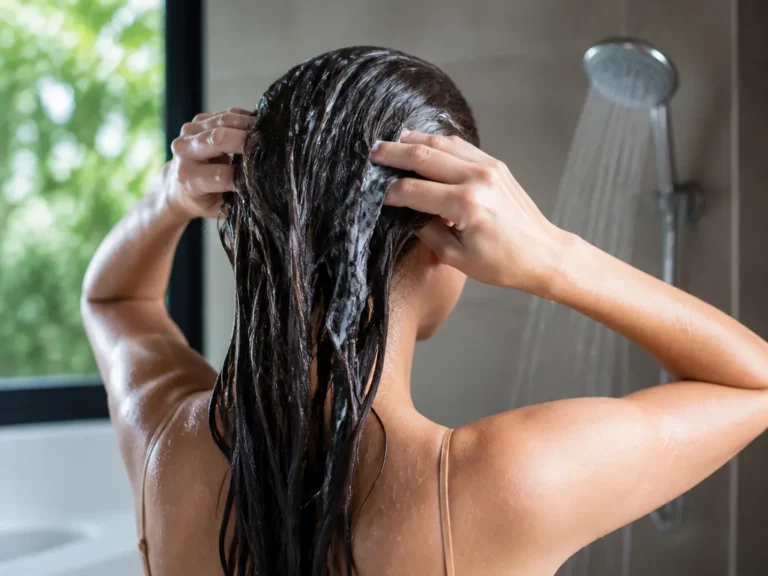
Conditioner makes hair appear oily when applied directly to the scalp or when heavy silicones and butters are not rinsed out thoroughly. To prevent buildup, apply product only from the mid-lengths to the ends and rinse for at least 30 seconds. Using a clarifying shampoo once a week helps remove leftover residue.
Best for: Fine or oily hair types. Use caution if: You have extremely dry, curly, or high-porosity hair.
Does Conditioner Make Your Hair Oily?

Conditioner adds external moisture and slip rather than producing natural sebum. Greasiness occurs when heavy emollients or silicones build up on the hair shaft or scalp.
Natural sebum is an oil produced by sebaceous glands in the scalp to protect the skin. Conditioner contains fatty alcohols and silicones that coat the hair to prevent tangles and breakage.
Heavy formulas can mimic the appearance of oil if the product is too rich for the hair type. This is common for people with fine hair or an oily scalp who use thick, creamy masks daily.
For example, a person with low porosity hair may find that moisture sits on the surface of the strand. This creates a waxy film that looks greasy even after rinsing.
Causes Of Product Buildup
Silicones like dimethicone create a protective film around the hair. These ingredients are not always water soluble and can stack up over several washes. This buildup makes hair look flat and oily.
Applying product to the roots is another common mistake. The scalp already produces enough oil, so adding conditioner to the crown area adds unnecessary weight. This leads to hair that looks greasy just hours after washing.
Poor rinsing also contributes to the problem. If conditioner remains on the hair, it attracts dust and pollutants from the air. This mixture turns into a sticky residue that feels oily to the touch.
| Formula Type | Best For | Key Ingredient | Effect |
|---|---|---|---|
| Lightweight/Milk | Fine or Oily Hair | Aloe Vera | Volume and Slip |
| Creamy/Rich | Thick or Coarse Hair | Shea Butter | Deep Hydration |
Esthetician tip: Always rinse your conditioner with cool water to seal the cuticle and remove excess residue.
Identify Your Hair And Scalp Type
Scalp oiliness depends on sebum production from the sebaceous glands, while hair texture determines how that oil travels down the shaft. Fine hair allows oil to move quickly from root to tip, whereas thick or curly hair often traps oil at the scalp.
Identifying Your Scalp And Texture
Oily scalps produce excess sebum that makes hair look flat and greasy within 24 to 48 hours. This often feels like a slick film on the skin or leaves residue on your fingertips when you touch your roots.
Fine hair has a smaller diameter, which means it lacks the surface area to absorb oil. This causes the sebum to slide down the hair shaft quickly, making the ends look oily even if the scalp is normal.
Thick or coarse hair has a wider diameter and often a more porous cuticle. This structure absorbs more moisture and oil, which usually prevents a greasy look but can lead to dry, brittle ends.
| Hair Type | Oil Movement | Best Conditioner Type | Budget Option |
|---|---|---|---|
| Fine | Fast | Lightweight/Volumizing | Pantene Volume ($6) |
| Medium | Moderate | Balanced/Hydrating | Dove Intensive Repair ($5) |
| Thick/Curly | Slow | Rich/Creamy | Shea Moisture ($13) |
Detecting Product Buildup
Product buildup happens when ingredients like dimethicone or heavy oils stay on the hair shaft instead of rinsing away. This creates a waxy coating that blocks moisture from entering the hair.
Hair that feels stiff or looks dull despite using conditioner often has buildup. You might notice that your hair does not spring back when you pull a strand.
For instance, if you use a silicone-heavy mask every wash, the hair may start to feel heavy and limp. This is different from natural oil, which feels slippery rather than waxy.
Esthetician tip: Perform a “slip test” by running your fingers through wet hair. If the hair feels slimy or sticky rather than smooth, you have product buildup that requires a clarifying shampoo.
Clarifying shampoos are a budget-friendly way to reset the hair. Use a drugstore option like Neutrogena Anti-Residue or a professional choice like Redken Detox. Use these only once a week to avoid drying out the scalp.
Choose Lightweight Conditioning Ingredients
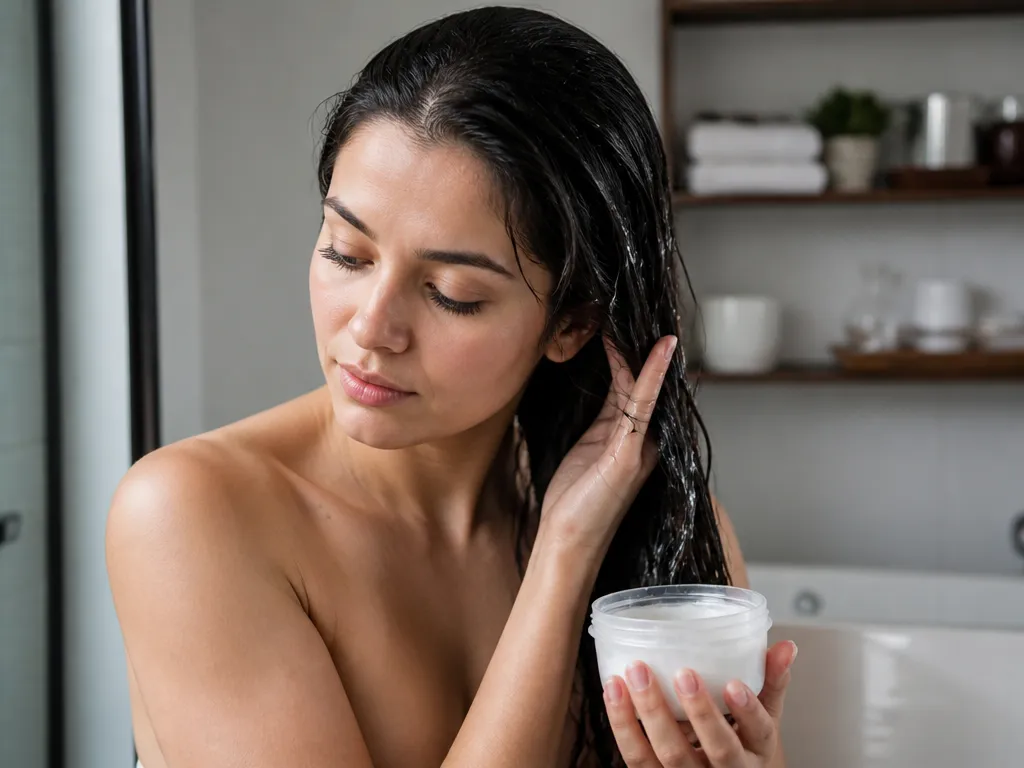
The right conditioner ingredients can provide hydration without creating the heavy buildup that makes hair appear greasy faster. Lightweight formulas deliver moisture where needed without coating each strand with residue that attracts dirt and oil.
Lightweight Hydrators: Aloe And Glycerin
Aloe vera and glycerin are excellent lightweight hydrators that absorb quickly into the hair shaft. These ingredients pull moisture into the hair without creating a barrier that can weigh fine hair down or accelerate oil production at the scalp.
Avoid Heavy Butters And Thick Oils
Rich ingredients like shea butter, coconut oil, and castor oil can overwhelm fine or oily hair types. These heavy formulations create a thick coating that makes hair appear greasy within hours of washing and can clog hair follicles.
| Heavy Ingredients to Limit | Why They Cause Greasiness | Better Alternatives |
|---|---|---|
| Shea Butter | Creates heavy coating | Mango Butter (lighter) |
| Coconut Oil | Protein overload risk | Jojoba Oil (similar to scalp oil) |
| Castor Oil | Extremely thick consistency | Argan Oil (lighter finish) |
Silicone-free Options For Fine Hair
Silicones like dimethicone create temporary smoothness but build up over time, making hair appear limp and greasy faster. For fine or oily hair, silicone-free alternatives provide slip without the long-term residue.
When selecting conditioners, check the first five ingredients for lightweight options. Products with water as the first ingredient followed by humectants like glycerin or aloe vera are typically better choices for those concerned about hair appearing oily.
Master The Correct Conditioning Technique
Proper conditioner application technique directly determines whether your hair appears nourished or weighed down. The difference lies in strategic placement, precise timing, and mindful product selection for your specific hair type.
Mid-lengths To Ends Application
For fine hair, start with a dime-sized amount and distribute evenly from below the ears downward. Use a wider distribution for thicker or drier lengths to provide adequate moisture.
Proper Rinse Duration And Temperature
Rinsing with water that’s too hot can strip moisture and trigger oil production, while insufficient rinsing leaves residue that attracts dirt and oil. The ideal water temperature for rinsing conditioner is lukewarm.
Quantity Control For Fine Strands
Fine hair requires significantly less conditioner than medium or thick hair types. The right amount provides moisture without weighing hair down or creating buildup that leads to rapid oiliness.
Common Mistakes Causing Greasy Hair
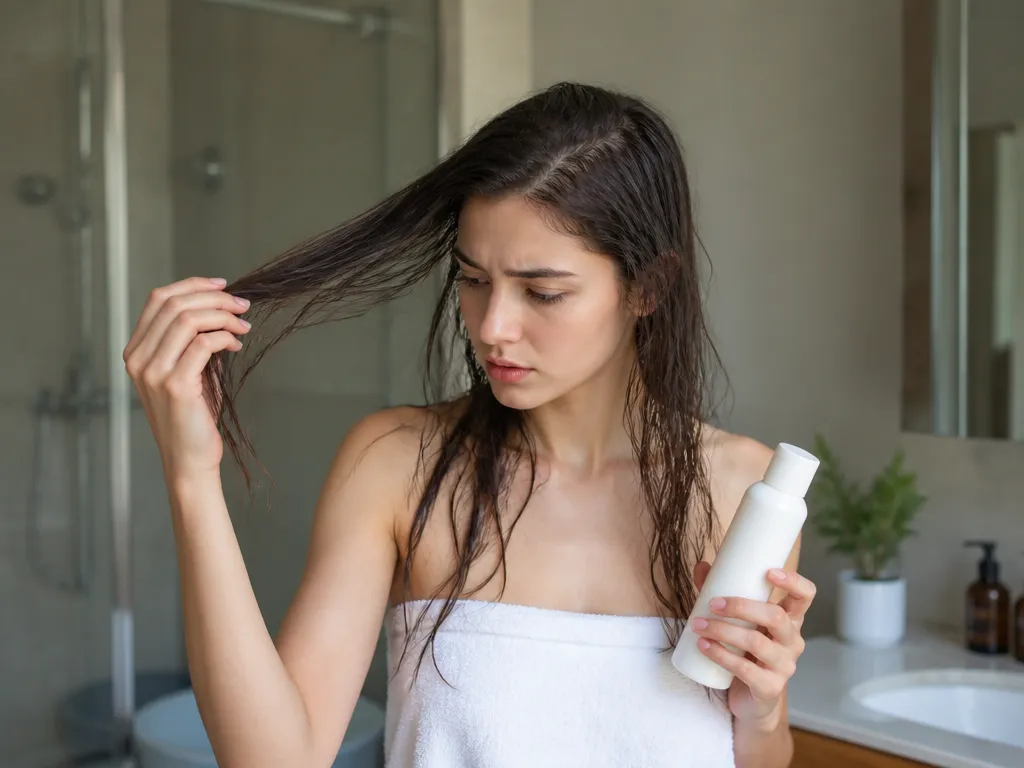
Application And Rinsing Errors
For example, if you have fine hair, even a small amount of product near the crown can make the hair look flat and oily by noon.
Inadequate rinsing leaves a layer of product on the hair shaft. This residue acts like a magnet for environmental pollutants and excess oil.
In practice, rinsing for only ten seconds often leaves behind silicones or fatty alcohols that weigh down the hair.
Esthetician tip: Rinse your hair with cool water for the final 30 seconds to seal the cuticle and remove lingering product residue.
Product Choice And Frequency
Overusing heavy conditioning masks can saturate the hair. This is a common issue for people with oily scalps who try to treat dry ends but apply the mask too high up the shaft.
Heavy formulas often contain dimethicone or behentrimonium chloride. These ingredients are great for coarse or curly hair but too heavy for fine hair.
| Hair Type | Recommended Product | Key Ingredient | Frequency |
|---|---|---|---|
| Fine/Oily | Lightweight Conditioner | Panthenol | Every wash |
| Coarse/Dry | Deep Mask | Shea Butter | Once a week |
| Combination | Balancing Conditioner | Glycerin | Every other wash |
If buildup occurs, use a clarifying shampoo to reset the hair. High-end: Kérastase Aura Detox ($40). Drugstore: Neutrogena Anti-Residue ($10). Both remove stubborn product layers.
Always perform a patch test on a small area of skin if you switch to a new, highly concentrated mask to check for sensitivity.
Drugstore Vs. High-end Solutions
Lightweight conditioners use water-soluble humectants instead of heavy oils to prevent residue on the hair shaft. These formulas rinse away more easily and prevent the weighed-down look common with fine or oily hair.
Budget-friendly Lightweight Options
Drugstore options often use Panthenol (Pro-vitamin B5) or Glycerin to provide moisture without grease. Look for labels that say “volumizing” or “weightless” to avoid heavy silicones like dimethicone.
For instance, a basic volumizing conditioner from a drugstore brand typically costs under $10 and works well for fine hair. It avoids the thick waxes found in “smoothing” or “repair” formulas that often trigger oiliness.
| Category | Typical Price | Key Ingredient | Best For |
|---|---|---|---|
| Drugstore | $5 – $12 | Panthenol | Daily use, fine hair |
| Salon | $25 – $50 | Salicylic Acid | Oily scalp, heavy buildup |
Premium Salon-grade Solutions
Premium products often include Salicylic Acid to chemically exfoliate the scalp and remove sebum buildup. These formulas are more concentrated and use refined plant-based lipids that absorb faster than synthetic oils.
For example, a professional clarifying treatment can reset the scalp’s oil production. Use these intensive treatments only once a week to avoid over-drying the hair.
Licensed esthetician tip: Always rinse conditioner with cool water to seal the cuticle and remove excess residue.
Diy Scalp Refreshing Tips
A simple scalp refresh involves a diluted apple cider vinegar rinse. This helps balance the pH of the scalp and removes mineral buildup from hard water.
Mix one part apple cider vinegar with four parts water. Pour it over the scalp after shampooing, let it sit for one minute, and rinse thoroughly.
Always perform a patch test on a small area of skin behind the ear before using an acidic rinse to check for irritation.
Expert Tips For Balanced Hair
Conditioner can make hair appear oily when applied incorrectly or used excessively, particularly for those with fine hair types or oily scalps. The solution lies in proper application techniques and adjusting your conditioning routine to match your specific hair needs.
The Role Of Clarifying Shampoos
Clarifying shampoos effectively remove product buildup that contributes to greasy-looking hair. These formulations contain stronger cleansing agents that strip away residue from styling products and heavy conditioners. Use them once weekly if you notice your hair losing volume quickly or feeling weighed down.
For oily scalps with dry ends, consider alternating between regular and clarifying shampoos. This approach balances scalp oil control while maintaining moisture for longer hair lengths. Look for clarifying options with apple cider vinegar or tea tree oil for additional benefits without harsh sulfates.
Strategic Conditioning Frequency
Not everyone needs conditioner with every wash. Adjust your conditioning routine based on your hair type and seasonal changes. Fine hair types may benefit from conditioning every other wash, while coarse or curly hair typically needs more frequent moisture to maintain elasticity and prevent breakage.
Double-cleansing For Product Buildup
Double-cleansing involves washing hair twice with different products – first with clarifying shampoo to remove buildup, then with your regular shampoo. This technique works well for product-heavy styling routines or hard water areas that cause mineral buildup.
| Double-Cleansing Method | Best For | Frequency |
|---|---|---|
| Clarifying shampoo first, then regular shampoo | Oily scalps with product buildup | Once weekly |
| Regular shampoo first, then conditioner only on ends | Normal to combination hair | Every wash |
When applying conditioner, focus on the last 2-3 inches of hair for fine types, and distribute from ear-level down for medium to thick hair. Leave on for 1-3 minutes before rinsing thoroughly with lukewarm water to ensure complete removal.
Dermatologist tip: If your hair gets oily quickly between washes, try diluting your regular shampoo with water (1:3 ratio) for a gentler cleanse that removes excess oil without stripping completely.
For those with extremely oily scalps but dry ends, consider using a leave-in conditioner only on the ends while keeping the scalp area product-free. This targeted approach provides moisture where needed without contributing to greasiness at the roots.
Quick Summary
Conditioner adds external moisture rather than producing natural sebum from sebaceous glands. Heavy formulas can create a waxy coating, particularly on fine hair or oily scalps, while lightweight products help maintain softness without excess weight.
| Hair Type | Oil Movement | Best Conditioner Type | Budget Option |
|---|---|---|---|
| Fine | Fast | Lightweight/Volumizing | Pantene Volume ($6) |
| Medium | Moderate | Balanced/Hydrating | Dove Intensive Repair ($5) |
| Thick/Curly | Slow | Rich/Creamy | Shea Moisture ($13) |
Frequently Asked Questions
Why Does My Hair Feel Greasy After Using Conditioner?
This usually happens when the formula is too rich for your hair type or is not rinsed away completely. Heavy ingredients can leave a coating that makes the hair look flat and greasy.
Should People With Oily Hair Skip Conditioner Entirely?
No, skipping conditioner can leave the ends of your hair dry and prone to breakage. Instead, switch to a lightweight, volumizing conditioner or a silicone-free formula that won’t weigh your hair down.
How Often Should I Condition My Hair To Avoid Oil Buildup?
Most people with oily hair should condition every 2 to 3 days or only when they shampoo. Over-conditioning can lead to product buildup, making the hair appear flat and greasy faster.
Can Using Too Much Conditioner Cause Scalp Breakouts?
Yes, heavy conditioners can clog pores and lead to follicular breakouts or irritation. Keep concentrated products away from the scalp to reduce this risk.
Is Leave-in Conditioner More Likely To Make Hair Oily Than Rinse-out?
Leave-in conditioners can cause more oiliness if applied too high up the hair shaft. To avoid this, use a pea-sized amount on the driest portions of the hair.

- 7 Best Detangling Brushes for Curly Hair: Thick, Fine, Long & Natural Hair - September 25, 2026
- 5 Best Moisturizing Curl Defining Creams for Soft, Defined Curls - September 24, 2026
- Best Curl Creams for Straight Hair: 5 Top Picks for Women - September 24, 2026