How Long Should I Deep Condition My Hair?
Leaving a deep conditioner on for hours or even overnight is a common mistake that often leads to hair that feels limp or breaks easily. You might think more time equals more moisture, but your hair strands reach a saturation point where they simply cannot absorb any more product. Understanding the sweet spot for your specific hair texture is the only way to get real results without causing damage.
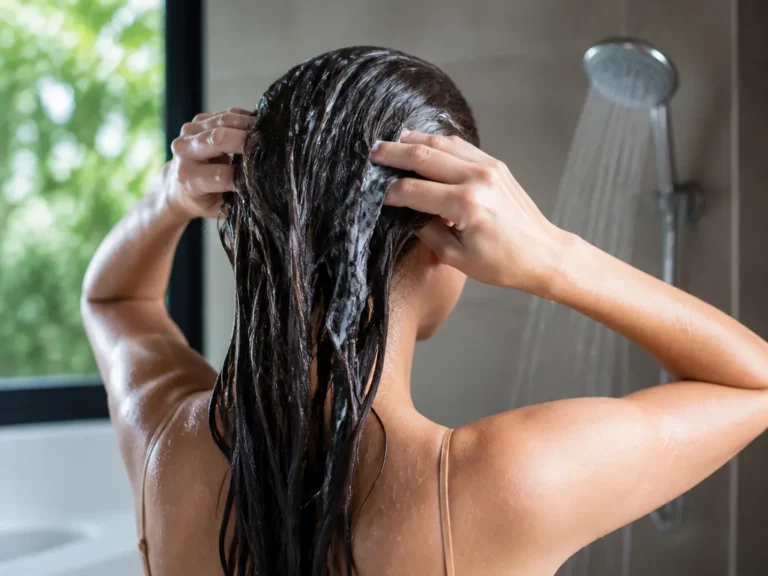
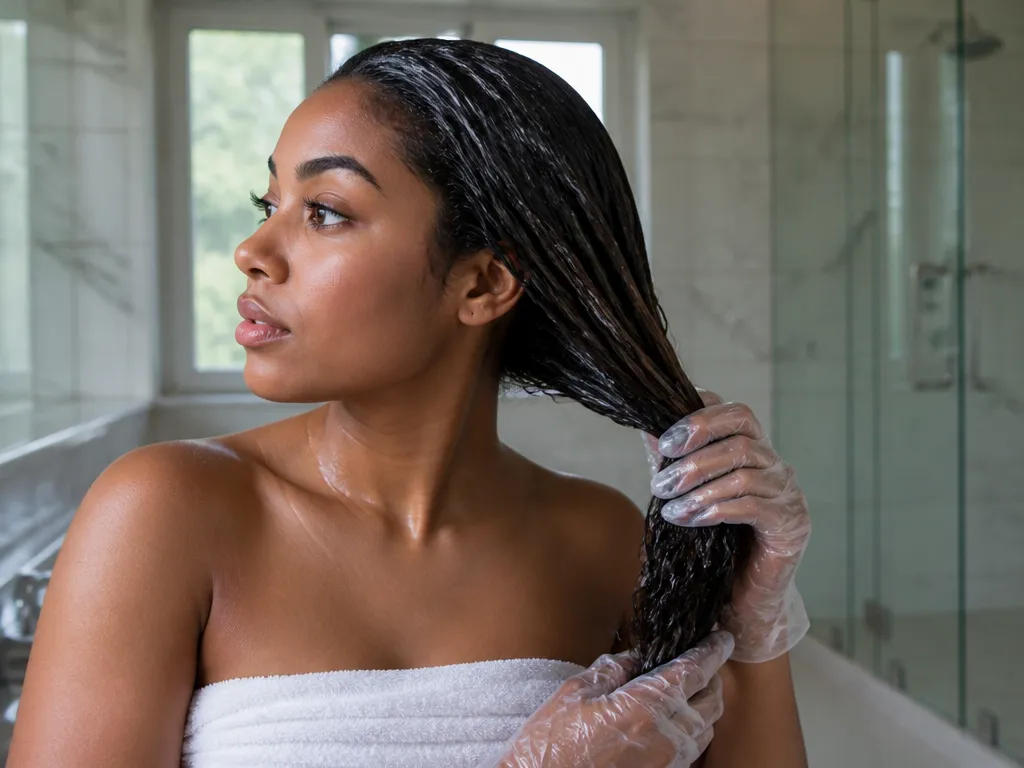
Deep conditioning typically requires 15 to 30 minutes to be effective for most hair types. If you use heat, 10 to 15 minutes is sufficient. Avoid leaving treatments in overnight, as this causes hygral fatigue, which makes hair mushy, overly stretchy, and prone to breakage over time.
Best for: Dry, coarse, curly, or heat-damaged hair. Use caution if: You have very fine or oily hair, as heavy conditioners can weigh your strands down.
How Long Should I Deep Condition My Hair? (Realistic Expectations)
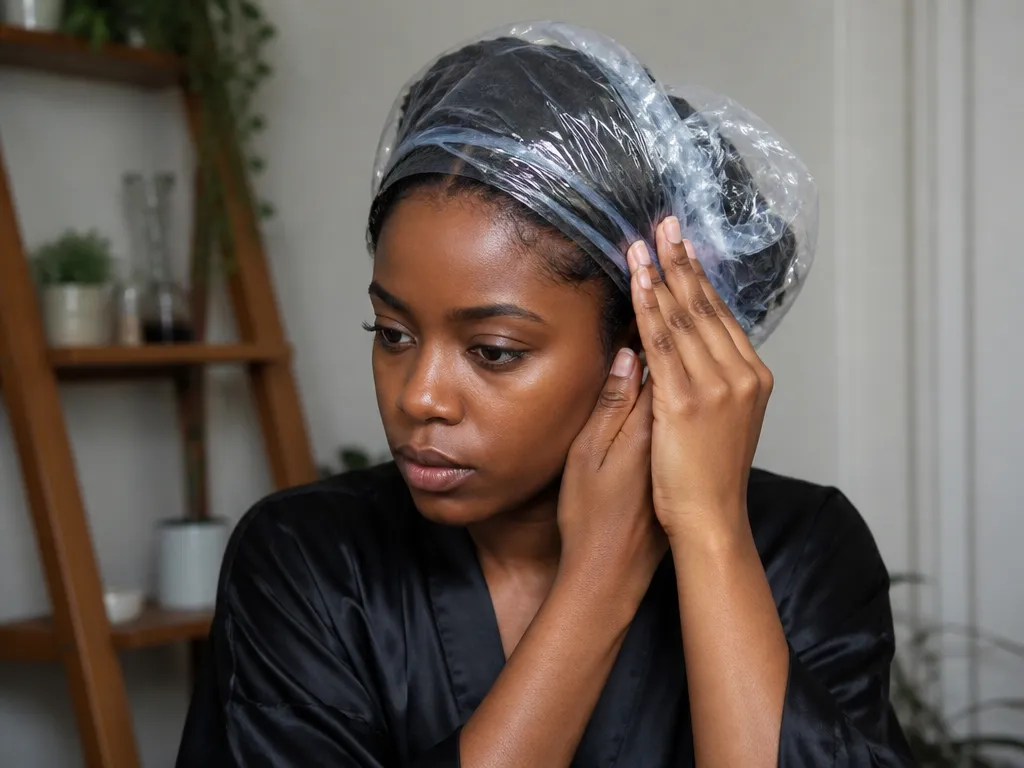
Deep conditioning treatments require between 15 and 30 minutes to effectively penetrate the hair cuticle and deposit moisture or protein. Leaving a mask on for longer than 30 minutes often provides no additional benefit and can actually lead to hygral fatigue, where the hair becomes too soft, limp, and prone to breakage from over-saturation.
Regular daily conditioners operate on the surface of the hair shaft to smooth the cuticle and provide immediate detangling. Deep conditioning masks, conversely, contain a higher concentration of intensive ingredients designed to penetrate deeper into the cortex to address dryness, structural damage, or elasticity issues.
Esthetician tip: Always read the manufacturer instructions first. Some professional-grade masks are formulated to work in as little as five minutes, and exceeding that window can leave a heavy residue that weighs hair down.
Treatment Expectations And Frequency
One single treatment provides an immediate boost in softness and manageability, but lasting structural improvement requires consistent application over several weeks. Expect to see visible changes in hair texture and shine after 4 to 6 weeks of regular usage.
| Hair Condition | Treatment Duration | Frequency |
|---|---|---|
| Fine or Oily | 10 to 15 minutes | Every other week |
| Dry or Curly | 20 to 30 minutes | Weekly |
| Damaged or Bleached | 20 to 30 minutes | Once or twice weekly |
Applying heat during the conditioning process can accelerate the absorption of ingredients, especially for low-porosity hair types. Wrap your hair in a warm towel or use a thermal cap for the duration of the treatment to maximize the effectiveness of your chosen mask.
Over-processing remains a significant risk for hair health. If your hair feels mushy or lacks structural integrity after a treatment, reduce your session time or switch to a protein-based treatment to restore balance.
Identify Your Hair Porosity And Type
Hair porosity determines how quickly your strands absorb and retain moisture, which dictates the necessary duration for a deep conditioning treatment. Low porosity hair possesses tightly closed cuticles that resist penetration, while high porosity hair features gaps in the cuticle layer that allow moisture to enter and escape rapidly.
Low Porosity: The Challenge Of Absorption
Low porosity hair benefits from heat to open the cuticle, allowing conditioners to work effectively within 20 to 30 minutes. Without heat, products often sit on the surface, leaving hair feeling coated rather than hydrated. When applying a mask, use a thermal cap or a warm towel to encourage the ingredients to move past the surface barrier.
High Porosity: Fast Absorption, Fast Loss
High porosity hair requires a shorter, more targeted conditioning time to prevent the hair from becoming overwhelmed or mushy. Because the cuticle is porous, these strands absorb hydration instantly but lose it just as quickly. A deep conditioning session of 10 to 15 minutes is usually sufficient for this hair type.
Esthetician Tip: If your hair feels limp or overly stretchy after a treatment, you have likely over-conditioned. Rinse thoroughly with cool water to help seal the cuticle and lock in the moisture you have added.
Determining Your Porosity At Home
| Porosity Level | Suggested Time | Application Strategy |
|---|---|---|
| Low | 20-30 Minutes | Use heat to lift the cuticle |
| Medium | 15-20 Minutes | Standard application |
| High | 10-15 Minutes | Focus on sealing ingredients |
Best Ingredients For Moisture And Strength
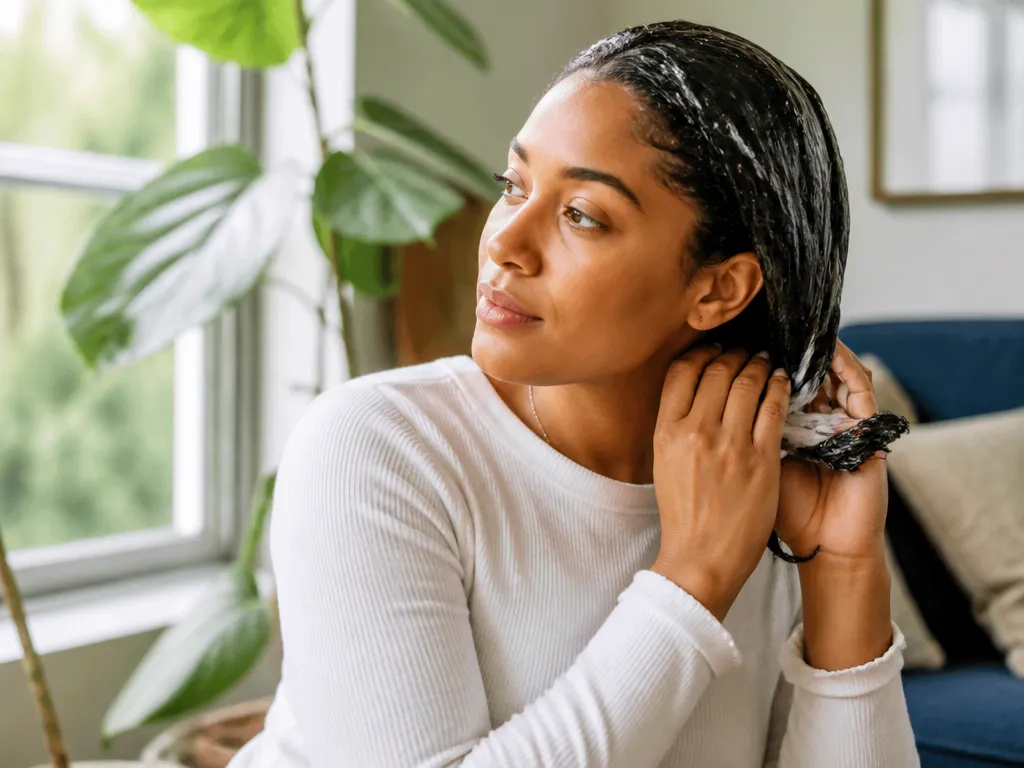
Choosing the right deep conditioning product requires identifying whether your hair needs hydration to soften texture or protein to reinforce structural integrity. Moisture-focused masks address dryness by pulling water into the strand, while protein treatments patch temporary gaps in the hair cuticle caused by chemical processing or heat.
Hydrating Vs. Strengthening Ingredients
| Ingredient Type | Common Examples | Primary Benefit |
|---|---|---|
| Hydrating | Glycerin, Aloe, Shea Butter | Softens, reduces frizz, increases elasticity |
| Strengthening | Hydrolyzed Keratin, Silk Protein, Rice Protein | Adds structure, minimizes breakage, restores body |
Glycerin and aloe vera are humectants that draw moisture from the environment into the hair shaft, making them ideal for coarse or curly hair types that struggle with dryness. Shea butter acts as an emollient to seal that moisture in, preventing the evaporation that leads to brittle ends.
Hydrolyzed proteins, such as keratin and silk, are small enough to penetrate the hair cuticle to provide temporary reinforcement. These are essential for hair that feels mushy or lacks shape after bleaching or heat styling, as they offer the rigidity needed to hold a style.
Balancing Your Treatment
Esthetician tip: Always rinse masks thoroughly with cool water to close the cuticle, which helps lock in the ingredients you just applied. If your hair feels heavy or greasy after treatment, you likely used a product that was too heavy for your specific hair porosity.
Deep Conditioning Routine For Maximum Absorption
Optimal absorption of conditioning agents requires a clean, product-free cuticle to ensure ingredients penetrate the hair shaft rather than sitting on the surface. Conditioning hair that is coated in silicones or styling buildup prevents the formula from reaching the cortex, rendering the treatment ineffective.
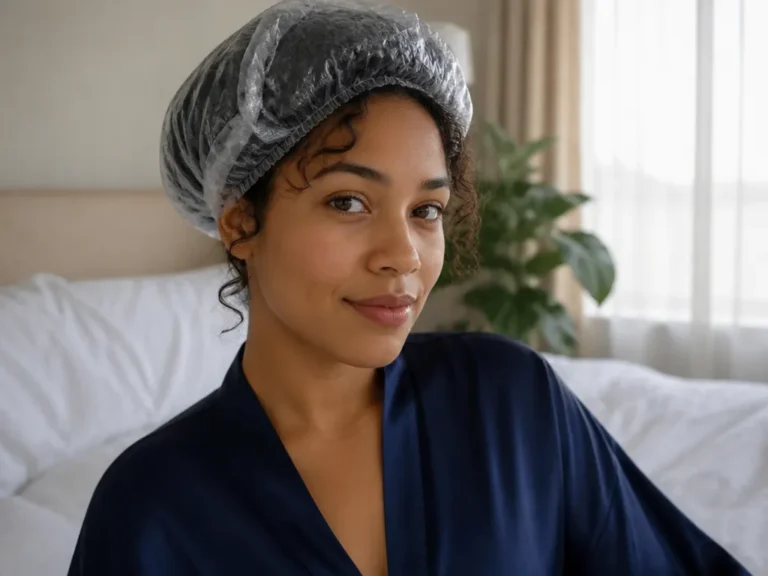
Dermatologist tip: If you lack a thermal cap, wrap a warm, damp towel around your shower cap to maintain a consistent temperature. Heat opens the cuticle scales slightly, which allows humectants and proteins to enter the hair shaft more efficiently.
Timing the treatment depends heavily on the presence of external heat. Without heat, products typically require 20 to 30 minutes to absorb, as the cuticle remains relatively flat. When using heat, the process is accelerated, and 15 to 20 minutes is usually sufficient to achieve maximum results.
Avoid leaving deep conditioners on for several hours or overnight, as this often leads to hygral fatigue. Over-saturation causes the hair to swell and lose its structural integrity, resulting in a mushy or overly stretchy texture.
| Method | Recommended Time | Best For |
|---|---|---|
| Air-Dry | 20-30 minutes | Fine or easily weighed down hair |
| Heat-Aided | 15-20 minutes | Thick, coarse, or low-porosity hair |
Mistakes That Cause Hygral Fatigue
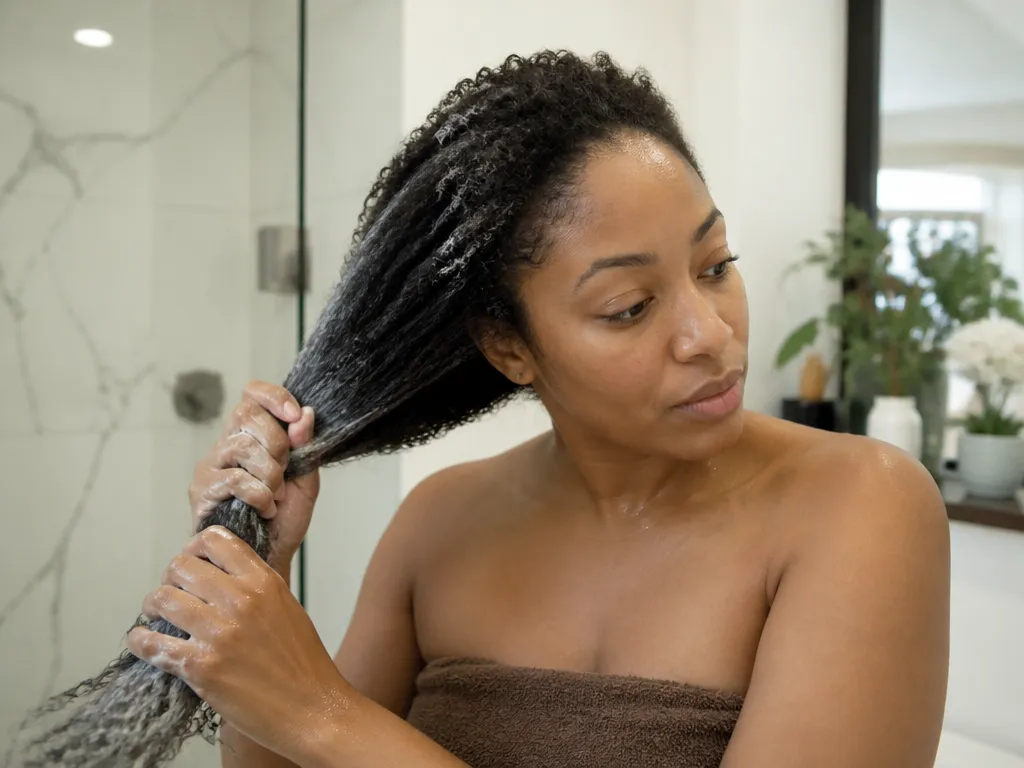
Hygral fatigue occurs when the hair cuticle undergoes repeated cycles of swelling and contraction due to excessive moisture absorption. Leaving deep conditioning treatments on for hours or overnight prevents the hair shaft from returning to its natural, stable state, leading to structural weakness.
Signs Of Over-conditioning
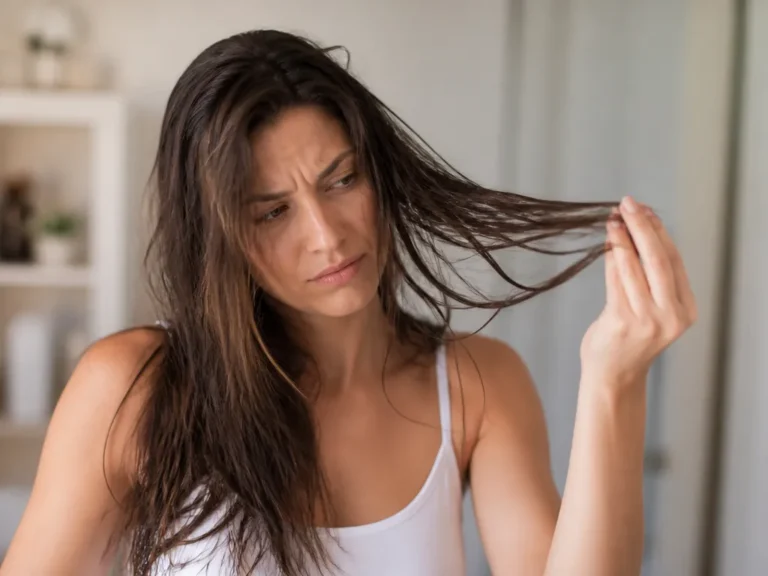
The most common indicator of hygral fatigue is hair that feels mushy, gummy, or excessively soft when wet. Healthy hair should have a degree of natural tension; hair suffering from moisture overload feels like wet cotton or overcooked noodles. You may also notice that your hair refuses to hold a style or loses its curl pattern entirely, appearing limp and lifeless even after drying.
Dermatologist tip: If your hair feels uncharacteristically soft or stretchy, pause all moisturizing masks immediately and focus on gentle, protein-rich treatments to restore structural balance.
Fixing Over-processed Strands
Restoring balance requires a shift toward strengthening rather than hydrating. Incorporate a light, protein-based treatment once every two weeks to reinforce the cuticle. Look for ingredients like hydrolyzed wheat protein or keratin, which temporarily fill in the gaps created by excessive moisture. Avoid heavy oils and butters for a short period, as these trap moisture and further exacerbate the gummy texture.
Drugstore Picks And Diy Mask Options
Deep conditioning products require 10 to 30 minutes of contact time to penetrate the hair shaft effectively. Exceeding this duration often results in hygral fatigue, where the hair becomes overly saturated, limp, and prone to breakage.
Effective Drugstore Selections
Drugstore brands offer high-performance formulas that rival professional lines by using similar humectants and emollients. Look for products containing ingredients like shea butter, glycerin, and panthenol to restore moisture balance.
| Product | Best For | Key Ingredient |
|---|---|---|
| SheaMoisture Intensive Hydration Mask | Thick, coarse, or curly hair | Manuka Honey & Yogurt |
| Pantene Pro-V Miracle Rescue | Heat-damaged or brittle hair | Pro-Vitamin B5 |
| Aussie 3 Minute Miracle Moist | Fine to normal hair | Aloe Vera |
Diy Mask Alternatives
Natural ingredients provide an affordable boost for those who prefer a minimalist approach to hair care. Avocado and honey are two of the most effective kitchen staples for deep conditioning.
Esthetician Tip: Always perform a patch test on your inner arm if you have sensitive skin or known allergies before applying food-based ingredients to your scalp.
Professional Salon Masks
Professional-grade masks are necessary when hair sustains significant chemical damage from bleaching or permanent styling. These formulas contain advanced delivery systems, such as hydrolyzed proteins or bond-building technology, that are not typically available in standard retail products. Choose a salon-exclusive treatment when your hair feels straw-like or snaps easily, as these products provide the structural integrity that basic drugstore moisture masks lack.
Professional Tips For Lasting Hydration
Moisture retention depends on how you apply heat and seal the cuticle after a treatment. Using a steamer or a warm towel helps open the hair cuticle, allowing conditioners to penetrate deeper into the shaft. This is particularly effective for low porosity hair, which often resists moisture absorption due to a tightly closed cuticle layer.
Advanced Application Techniques
Low porosity hair requires extra help to let ingredients like glycerin or aloe vera inside. A handheld steamer provides consistent, gentle heat that works better than a standard shower cap alone. If you do not own a steamer, wrapping your hair in a warm, damp microfiber towel can achieve similar results.
Sealing the moisture is the final, vital step in any conditioning routine. Once you rinse out your mask, apply a lightweight oil to the mid-lengths and ends. This creates a protective barrier that prevents water from evaporating out of the hair shaft.
Professional tip: Always apply oils to damp hair rather than bone-dry hair to trap the existing water molecules effectively.
Seasonal And Texture Adjustments
Environmental factors dictate how often you should reach for a heavy mask. In winter, dry indoor heating strips moisture, so you might need to increase frequency to twice a week. During humid summer months, you may want to scale back to once a week to avoid weighed-down hair.
| Hair Condition | Recommended Treatment Type | Frequency |
|---|---|---|
| Fine or Oily | Lightweight Moisture | Every other week |
| Thick or Curly | Rich Moisture/Butters | Once or twice a week |
| Bleached/Color-Treated | Protein + Moisture Rotation | Once a week |
| Heat-Damaged | Intensive Repair | Twice a week |
Quick Summary
Deep conditioning is most effective when you allow the product to sit for 15 to 30 minutes to penetrate the hair cuticle. While many assume leaving a mask on overnight provides more moisture, this mistake often leads to limp hair or breakage. If you use a thermal cap or a warm towel to apply heat, you can reduce your processing time to just 10 or 15 minutes. It is vital to recognize that hair reaches a saturation point where it cannot absorb any more product from the treatment.
Your hair porosity significantly impacts how you should time your treatments. High porosity hair absorbs moisture quickly and only needs 10 to 15 minutes, whereas low porosity hair has closed cuticles that require heat to work effectively within a 20 to 30 minute window. You should stop immediately if your hair feels mushy or overly stretchy, as these are signs of hygral fatigue.
Frequently Asked Questions
How Long Should I Leave Deep Conditioner In My Hair?
You should leave deep conditioner in your hair for 20-30 minutes for best results, unless the product instructions specify a different time.
How Often Should I Deep Condition My Hair Based On My Hair Type?
For fine or oily hair, deep condition every other week focusing on mid-lengths and ends only. Normal, healthy hair benefits from weekly deep conditioning, while thick, coarse, or curly hair should be treated once or twice a week.
What’s The Difference Between Moisture Masks And Protein Treatments?
Moisture masks hydrate, soften, and smooth frizz with ingredients like glycerin and shea, while protein treatments strengthen and temporarily repair damage using hydrolyzed keratin and wheat protein.
Can I Deep Condition Too Much?
Yes, overusing deep conditioners can lead to limp, mushy, or overly stretchy hair if you use moisture masks too frequently, or stiff, brittle hair with protein treatments. Listen to your hair’s response and adjust accordingly.
Should I Use Heat When Deep Conditioning My Hair?
Using heat can help enhance product penetration by opening the hair cuticle, allowing the conditioner to absorb more effectively. Try applying a warm towel or using a shower cap for 5-10 minutes after application.

- Natural Homemade Deep Conditioner for Natural Hair: Easy DIY Recipes - September 29, 2026
- From Kitchen to Cuticle: Natural Deep Conditioner Recipes for Every Hair Porosity - September 29, 2026
- Homemade Deep Conditioning Hair Conditioner: Natural Recipes for Soft, Healthy Hair - September 29, 2026