How Often Should You Put Conditioner In Your Hair?
Your hair can feel like a straw broom or a silk curtain depending on how much moisture you actually provide. Most people over-condition or under-condition because they follow generic advice instead of listening to their specific hair texture. Conditioning frequency depends on your hair type, but most people should apply conditioner every time they wash their hair. Fine hair might only need it 2 to 3 times a week, while thick, curly, or dry hair can handle daily use with lightweight silicones or natural oils to maintain hydration.
Best for: All hair types. Use caution if: You have an oily scalp or fine, limp hair.
How Often Should You Put Conditioner In Your Hair?
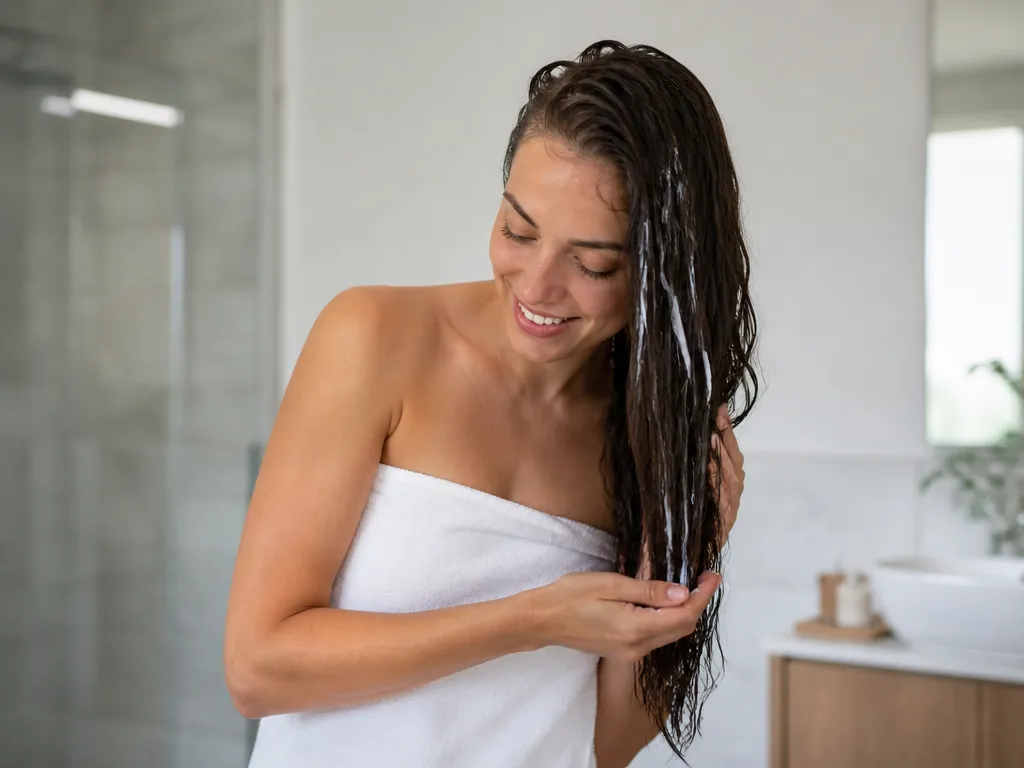
The specific frequency depends heavily on your hair texture and porosity. This product replenishes lipids and moisture stripped away by shampoo, which is essential for preventing breakage and maintaining elasticity. Skipping it too often can lead to dry, frizzy strands that are difficult to style and prone to snapping.
Hair strands are primarily composed of keratin, a protein structure that loses natural oils during the cleansing process. Shampoo acts as a surfactant to lift dirt and oil, yet it often strips these protective oils too aggressively if not formulated well. Conditioner counteracts this by depositing a protective coating over the cuticle, smoothing down rough edges to reduce friction and prevent split ends.
Fine or straight hair types often require a lighter conditioner or a lower frequency to avoid weighing the strands down. Coarse, curly, or highly porous hair needs frequent, rich conditioning to lock in hydration and manage frizz.
In practice, someone with thick, curly hair might use a heavy mask twice a week in addition to their regular conditioner.
Identify Your Hair Type
Hair type is determined by the diameter of the individual strand, the shape of the follicle, and the condition of the cuticle layer. These factors dictate how much moisture the hair can hold and how quickly it evaporates.
| Hair Texture | Porosity Level | Best Formula Type |
|---|---|---|
| Fine | Low | Lightweight / Volumizing |
| Medium | Medium | Balanced / Moisturizing |
| Coarse/Thick | High | Rich / Repairing Creams |
Texture And Density
Fine hair has a smaller diameter and is easily weighed down by heavy creams. This hair type often looks greasy if conditioner is applied too close to the roots. Thick or coarse hair has a larger diameter and often requires heavier lipids to stay manageable.
For example, someone with fine hair should look for lightweight formulas containing glycerin. Someone with coarse hair can handle rich butters like shea butter or coconut oil.
High-end: Kérastase ($50+). Drugstore: Maui Moisture ($7). Both brands offer specific lines for different textures, but the key is the ingredient weight.
Porosity And Scalp Health
Porosity refers to the hair’s ability to absorb and retain moisture. Low porosity hair has tightly closed cuticles that repel water. High porosity hair has gaps in the cuticle that let moisture in and out rapidly.
Pro tip: Place a clean strand of hair in a glass of water. If it sinks immediately, you have high porosity. If it floats on top, you have low porosity.
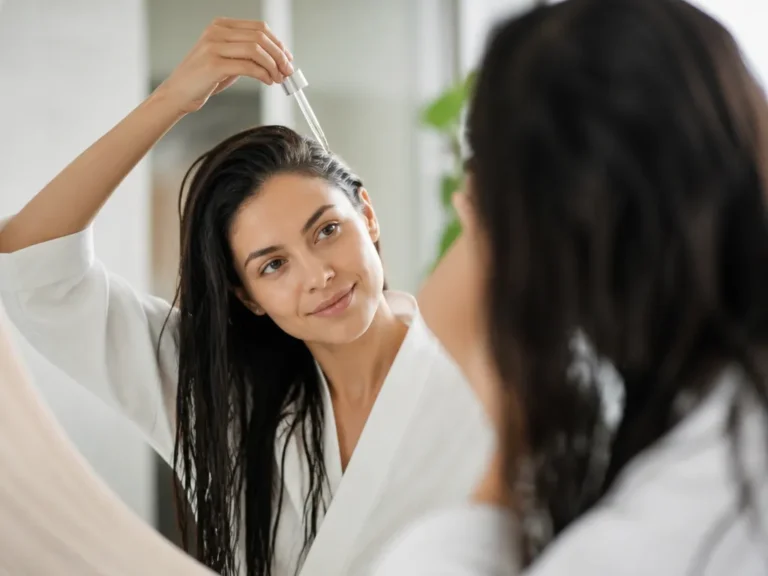
Scalp oil production also dictates your routine. Oily scalps produce excess sebum, which means you should avoid the scalp entirely when conditioning. Dry scalps lack natural oil and may benefit from a light leave-in treatment.
In practice, follow this application order: shampoo → rinse → conditioner (mid-lengths to ends) → rinse → leave-in conditioner. Expect to see a difference in manageability within 2 to 3 washes once you match the formula to your porosity.
Essential Conditioning Ingredients
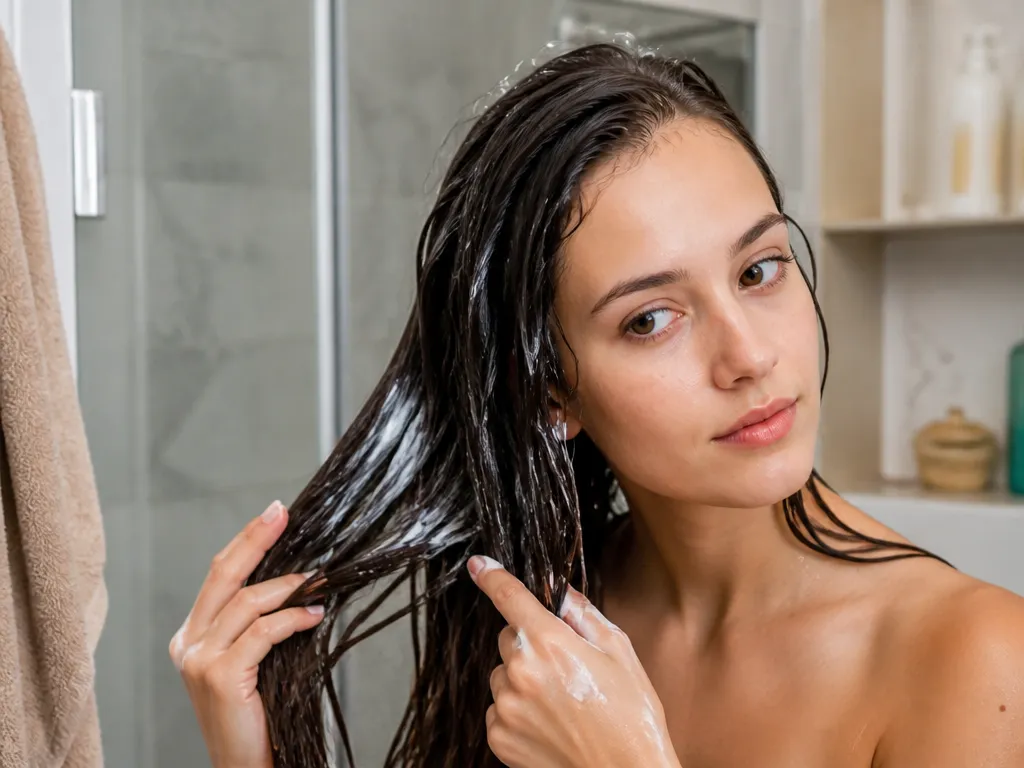
Conditioning agents work by filling gaps in the hair cuticle and sealing the surface to prevent moisture loss. Effective formulas combine humectants to draw water in, proteins to strengthen the structure, and lipids to smooth the exterior.
Humectants like glycerin and panthenol (Pro-vitamin B5) are vital for hydration. They act like magnets for moisture, which helps keep hair flexible and prevents the brittleness often seen in fine or high-porosity hair textures.
Proteins provide the structural support that many chemically treated or heat-damaged strands lack. Ingredients such as keratin or silk amino acids temporarily patch holes in the hair shaft to improve strength and elasticity.
Oils and emollients create a protective barrier to lock in the work done by humectants.
For example, argan oil and jojoba oil mimic the natural sebum produced by your scalp, making them excellent for smoothing frizz without feeling excessively heavy.
| Ingredient Category | Key Examples | Primary Benefit |
|---|---|---|
| Humectants | Glycerin, Panthenol, Hyaluronic Acid | Attracts and retains moisture |
| Proteins | Keratin, Silk Amino Acids, Wheat Protein | Repairs and strengthens the shaft |
| Emollients/Oils | Argan Oil, Jojoba Oil, Shea Butter | Smooths cuticles and seals moisture |
Pro tip: If your hair feels gummy or overly soft when wet, you may have protein overload. Balance your routine by alternating between protein-heavy masks and moisture-focused conditioners.
Choosing Based On Texture
Fine hair types should prioritize lightweight humectants and avoid heavy butters. Using too much shea butter or thick coconut oil can weigh fine strands down, making them appear greasy or flat by midday.
Coarse or curly hair textures benefit most from rich emollients and heavy oils. These hair types often struggle to move natural oils from the scalp down to the ends, so supplemental lipids are necessary to manage volume and frizz.
Expect to see a noticeable difference in manageability and shine after 2 to 4 weeks of consistent use with the correct ingredient profile.
Optimal Conditioning Routine
Most hair types benefit from a light application of rinse-out conditioner immediately after shampooing, while coarser or damaged strands require a mask treatment once a week. Fine hair should stick to the light application only to prevent flatness, whereas thick or chemically treated hair needs the heavier weekly treatment to repair the cuticle.
Proper Rinsing For Scalp Health
The water temperature plays a critical role in how effective your rinse-out product is. Hot water opens the hair cuticle and strips natural oils.
Common Conditioning Mistakes
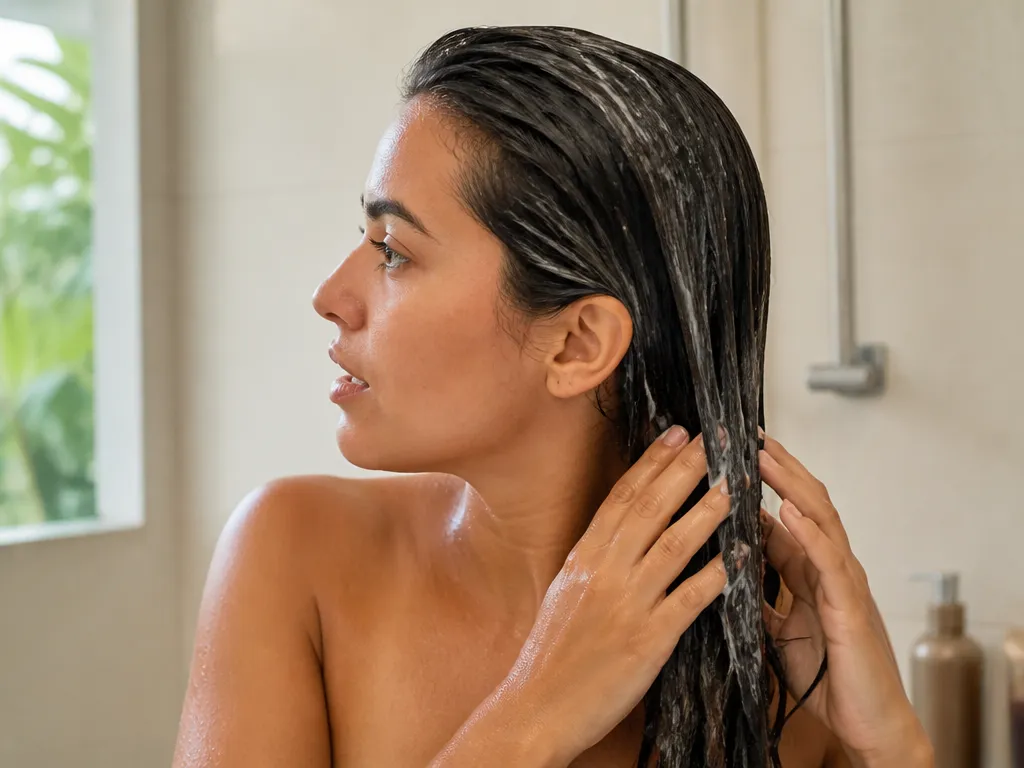
Improper application of hair treatments can lead to greasy roots, scalp irritation, or limp, weighed-down strands. Even high-quality formulas fail to perform if they are applied to the wrong areas or left on the skin.
Application Errors
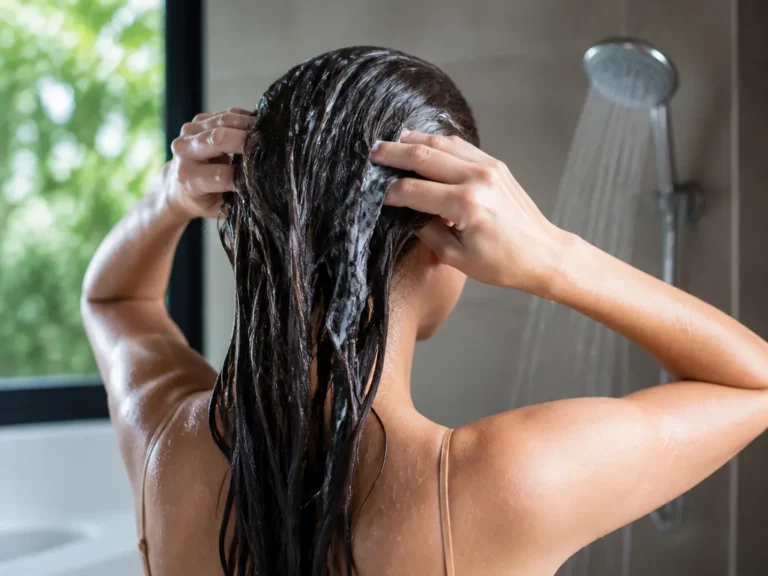
Applying conditioner directly to the scalp is a primary mistake for most hair types. The scalp produces natural oils (sebum) that provide necessary moisture to the base of the hair, so adding heavy conditioners there often causes buildup and clogged follicles.
Focus the product on the mid-lengths to the ends instead. This ensures the oldest, driest parts of the hair shaft receive the moisture they need without making the roots look oily by midday.
Professional tip: Start applying conditioner from the very tips of your hair and work your way up to the ears to avoid scalp congestion.
Fine hair requires a much lighter touch than thick or curly textures. Using a heavy, butter-based conditioner on fine strands can strip away all volume and leave the hair looking flat.
Rinsing And Residue
Skipping a thorough rinse cycle leaves behind a film that attracts dirt and environmental pollutants. This residue can make hair feel tacky or “crunchy” rather than soft and manageable.
In practice, many people rinse too quickly because they fear the water temperature is too cold. You should rinse until the water runs clear and the hair feels “slippery” but not coated in a thick sludge.
| Mistake | Consequence | Correct Action |
| Scalp Application | Oily roots and buildup | Apply mid-shaft to ends |
| Over-application | Loss of volume | Use pea-sized amounts for fine hair |
| Incomplete Rinsing | Dullness and tackiness | Rinse until water is clear |
Drugstore Vs. High-end Options
Conditioner performance comes down to the same core jobs, slip, detangling, and surface smoothing, so you do not need a luxury brand to get results. The difference is usually texture, fragrance strength, and how “comfortable” a formula feels on repeated washes. Choose based on your hair type and scalp tolerance, not the price tag.
Effective Drugstore Classics
Drugstore conditioners are great for most hair types because they balance slip and conditioning without demanding a perfect routine. This works best for oily to combination scalps that still need mid-length to end hydration, since you can keep the formula light and focus on the lengths. If you color your hair, pick a conditioner labeled for color-safe or moisture, then adjust frequency based on dryness.
For sensitivity-prone scalps, look for simple ingredient lists and avoid heavy essential oil blends. Patch test behind the ear or on a small section of your scalp line if you tend to react to fragrances or preservatives.
Premium Salon-grade Investments
High-end conditioners can be worth it when your hair has damage you notice right away, high porosity, frequent heat styling, or brittle ends. Premium formulas often feel more “buttery,” detangle faster, and can include higher-concentration conditioning agents or bond-supportive components. This works best for dry, thick, or tightly curled hair that benefits from richer slip, especially after clarifying treatments.
| Product Type | Price Range | Key Ingredient | Best For |
|---|---|---|---|
| Salon bond-support conditioner | Higher | Bonding agents (brand-specific) | High-porosity, color-treated, heat-styled hair |
| Silicone-rich smoothing conditioner | Mid to high | Dimethicone or similar | Frizz-prone hair needing quick slip |
Use premium conditioner with the same application rule, keep it off the scalp unless the product is specifically scalp-friendly. Apply to damp mid-lengths and ends, then rinse thoroughly so hair does not look flat or dull on day two. For very fine hair, use a smaller amount and focus on the last 3 to 4 inches.
Affordable Diy Hair Masks
Budget DIY masks are a smart add-on when your hair feels rough between regular conditioner sessions. This works best for dry to coarse hair, and curly hair that needs extra surface smoothing during weather changes. For oily scalps, keep the mask only on lengths and rinse well, since heavy mixtures can trigger buildup fast.
Dermatologist tip: Patch test anything DIY, even “natural” oils, since some people react to coconut oil, essential oils, or honey-derived ingredients.
DIY masks are easiest to use 1 time per week, or every 10 to 14 days if you get buildup or your hair goes limp. Apply for 10 to 20 minutes, not hours, and follow with your regular conditioner if your hair needs extra detangling. Evening matters for convenience, but rinse timing matters more for results, rinse thoroughly and avoid leaving residue overnight.
Budget and luxury can both work, the real upgrade is matching the formula weight to your hair texture and staying consistent with your wash schedule. If your hair feels coated or greasy, reduce product amount and frequency, then switch to a lighter drugstore option for daily or near-daily routines. If your ends feel straw-like after rinsing, move to a richer conditioner or one mask per week until the texture improves.
Pro Tips For Better Results
Maximum hydration depends on how you apply the product and the temperature of the water you use. Proper technique ensures the active ingredients penetrate the hair shaft rather than just sitting on the surface.
Technique And Temperature
Cool water provides the most immediate benefit for hair shine. While warm water helps open the cuticle to allow moisture in, a final rinse with cold water seals that cuticle shut. This smooths the hair surface and helps prevent frizz.
Pro Tip: Use a wide-tooth comb to detangle while the conditioner is in your hair to prevent breakage. Always start from the ends and work your way up to the mid-shaft.
Matching Porosity To Product
Hair porosity determines how well your strands hold onto moisture. High porosity hair has gaps in the cuticle that let moisture in quickly but also let it escape just as fast. Low porosity hair has tightly closed cuticles that resist moisture absorption entirely.
| Hair Porosity | Recommended Texture | Key Ingredients to Look For |
| High | Thick Creams | Shea Butter, Coconut Oil, Proteins |
| Medium | Lightweight Lotions | Argan Oil, Glycerin |
| Low | Liquid/Milky Conditioners | Honey, Aloe Vera, Lightweight Oils |
In practice, you may need to adjust your approach if your hair feels dry despite frequent conditioning. If you have low porosity hair, try applying conditioner with a bit of heat, such as a warm towel, to help the cuticle open.
For example, if you have fine, low-porosity hair, a heavy silicone-based conditioner will likely cause buildup. Instead, look for a lightweight, aqueous conditioner that uses humectants like glycerin to draw moisture in without the weight.
Quick Summary
Conditioning frequency depends on your specific hair texture rather than a one size fits all rule. Fine hair types might only require conditioning two to three times per week to avoid a limp appearance. Conversely, thick or curly hair can handle daily use with lightweight silicones or natural oils to maintain necessary hydration and prevent frizz.
To determine your needs, you should consider your porosity by seeing if a hair strand sinks or floats in water. High porosity hair has gaps in the cuticle that require rich creams, while low porosity hair has tightly closed cuticles that repel water. Look for behentrimonium chloride to assist with detangling. The most important step is matching your formula weight to your specific hair texture and porosity.
| Hair Type | Porosity | Recommended Formula |
|---|---|---|
| Fine | Low | Lightweight / Volumizing |
| Medium | Medium | Balanced / Moisturizing |
| Coarse/Thick | High | Rich / Repairing Creams |
Beauty Routine Cheat Sheet
One Thing to STOP Doing Immediately
Stop applying conditioner directly to your scalp, as this can lead to oily roots and buildup.
Expected Timeline for Results
You can expect to see a noticeable difference in hair manageability within 2 to 3 washes once you match your formula to your porosity.
Frequently Asked Questions
Can I Use Conditioner Every Time I Wash My Hair?
Yes, you can use it every time you wash. However, if you have fine hair, try using it only 2 to 3 times a week to avoid weighing down your roots.
Should I Apply Conditioner Before Or After Shampoo?
You should apply conditioner after shampooing. Shampoo opens the hair cuticle to clean, and conditioner closes the cuticle to lock in moisture and add shine.
What Is The Difference Between A Rinse-out And A Leave-in Conditioner?
Rinse-out conditioners are for immediate hydration in the shower, while leave-ins provide continuous protection. Leave-ins are best for detangling and heat protection throughout the day.
Can I Put Conditioner On My Scalp?
No, you should avoid the scalp. Focus the product on the bottom 2 to 3 inches of your hair to prevent greasy roots and clogged pores.
Is Expensive Salon Conditioner Actually Better Than Drugstore Brands?
Not always. While high-end brands may have higher concentrations, many drugstore options use the same core moisturizing agents like glycerin or silicones.

- 13 Best Natural Deep Conditioning Ingredients to Tame Frizzy Hair - September 29, 2026
- How to Make Deep Conditioner for Natural Hair: 8 Easy DIY Recipes - September 29, 2026
- Natural Homemade Deep Conditioner for Natural Hair: Easy DIY Recipes - September 29, 2026