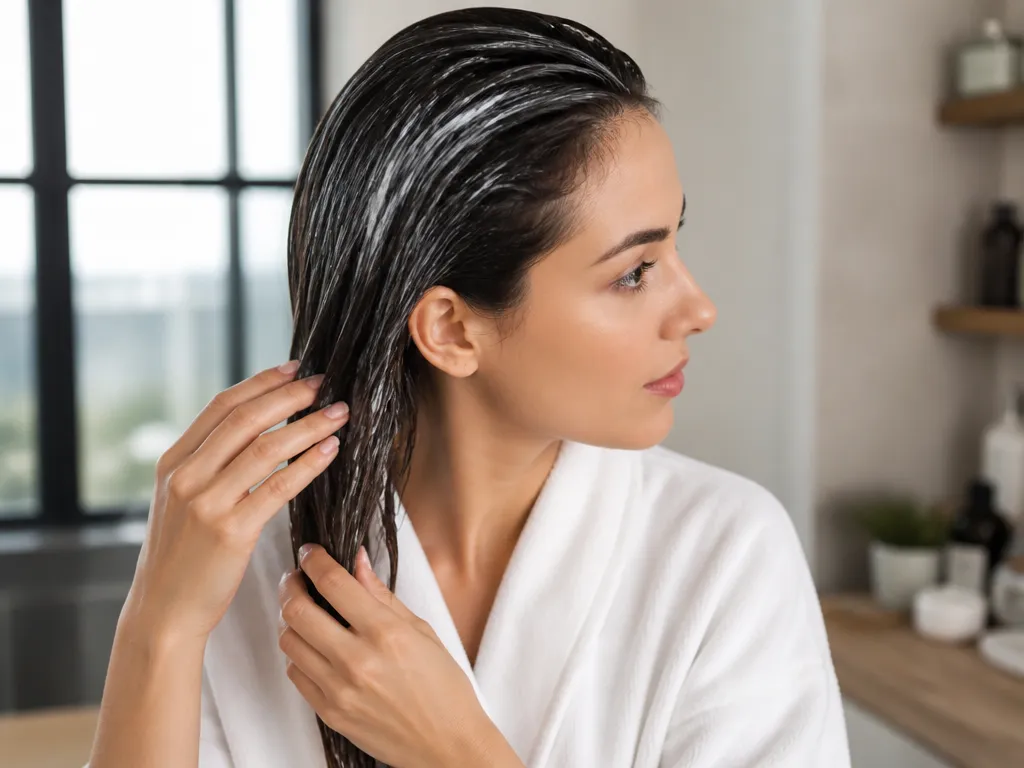
How Often To Do A Hair Mask?
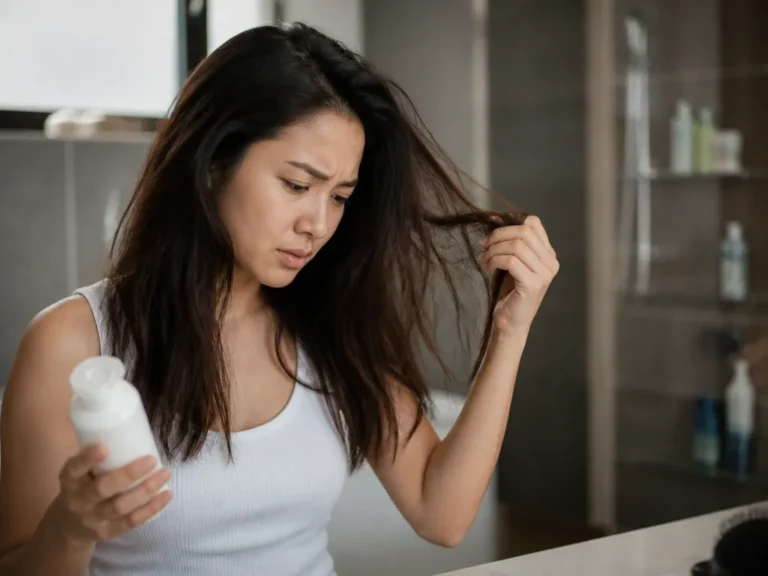
Most people treat hair masks like a once-a-month luxury, but using them incorrectly can actually leave your strands feeling heavy or even brittle. I see so many clients accidentally cause buildup by over-applying or neglecting their specific hair needs. You need a schedule that matches your texture and hair goals to see real results.
Hair mask frequency depends on your hair type. Apply hydrating masks 1 to 2 times per week for dry or curly hair, while fine or oily hair types should limit use to once every 1 to 2 weeks. Use protein-based masks only once every 2 weeks to avoid stiffness.
Best for: dry, curly, and color-treated hair. Use caution if: you have fine hair or an oily scalp.
How Often To Do A Hair Mask?

Deep conditioning treatments provide concentrated nutrients that penetrate the hair cuticle more effectively than standard conditioners. Most people find success with a weekly application, though hair health requirements change based on damage levels and texture.
Conditioners work primarily on the surface of the hair shaft to smooth the cuticle and prevent tangles during rinsing. Masks contain larger molecules and higher concentrations of active ingredients like keratin, argan oil, or shea butter to address deeper structural issues.
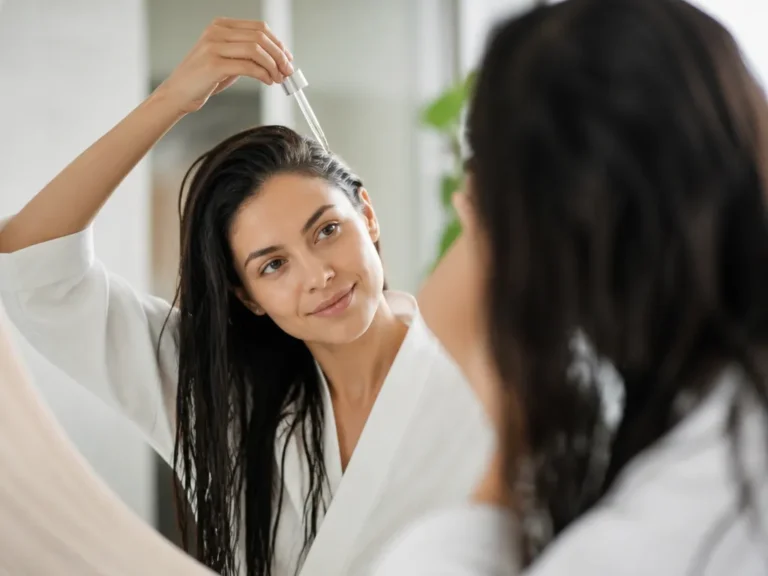
Professional tip: Apply your mask only from the mid-lengths to the ends. Putting heavy masks on your scalp can lead to oily roots or clogged follicles.
Comparing Conditioners And Masks
Choosing between these two products depends on your immediate goal. Conditioners are a daily or post-wash necessity for detangling, while masks are intensive interventions for specific concerns.
| Feature | Conditioner | Hair Mask |
|---|---|---|
| Primary Goal | Surface smoothing | Deep repair or hydration |
| Wait Time | 1 – 3 minutes | 10 – 20 minutes |
| Frequency | Every wash | Once a week (usually) |
Identifying Your Masking Needs
Different hair types require different approaches to prevent either dryness or protein overload. Overusing certain types of masks can actually make hair feel brittle or straw-like.
For example, if you have high-porosity hair from chemical processing, you might need a protein mask every other week. However, if you use protein too frequently without a hydrating mask to balance it, your hair may snap easily.
Expect to see improvements in texture and manageability after 4 to 6 weeks of a consistent routine. Marketing claims of “instant repair” often refer to surface smoothing rather than structural changes to the hair fiber.
Determine Your Hair Type And Needs
Your hair’s unique characteristics dictate how frequently you should use hair masks. Fine hair requires different treatment than coarse or curly hair, and damaged strands need more intensive care than healthy ones.
Testing Your Hair Porosity
Porosity determines how well your hair absorbs and retains moisture. To test your hair’s porosity, place a clean strand of hair in a bowl of water. If it sinks quickly, you have high porosity hair that absorbs moisture fast but loses it just as quickly. If it floats, your hair has low porosity and struggles to absorb products.
Identifying Scalp Oiliness And Sensitivity
Your scalp condition significantly impacts your masking frequency. An oily scalp may require clarifying masks every 1-2 weeks, while sensitive scalps need gentler treatments less frequently. Pay attention to how your scalp reacts to different ingredients and formulations.
For oily scalps, focus on balancing masks with ingredients like tea tree oil or clay. For sensitive scalps, choose fragrance-free, hypoallergenic options with soothing ingredients like aloe or oat extract. If you experience itching or irritation after masking, reduce frequency to every 2-3 weeks.
Recognizing Chemical Or Heat Damage
Chemical treatments like coloring, perming, or relaxing create structural changes in your hair that require specialized care. Heat damage from styling tools can cause similar stress to the hair shaft. Both scenarios call for more frequent masking with targeted ingredients.
Remember that your hair needs change with seasons, styling habits, and overall health. Adjust your masking schedule based on how your hair actually looks and feels rather than sticking to a rigid routine.
Best Ingredients For Specific Hair Goals
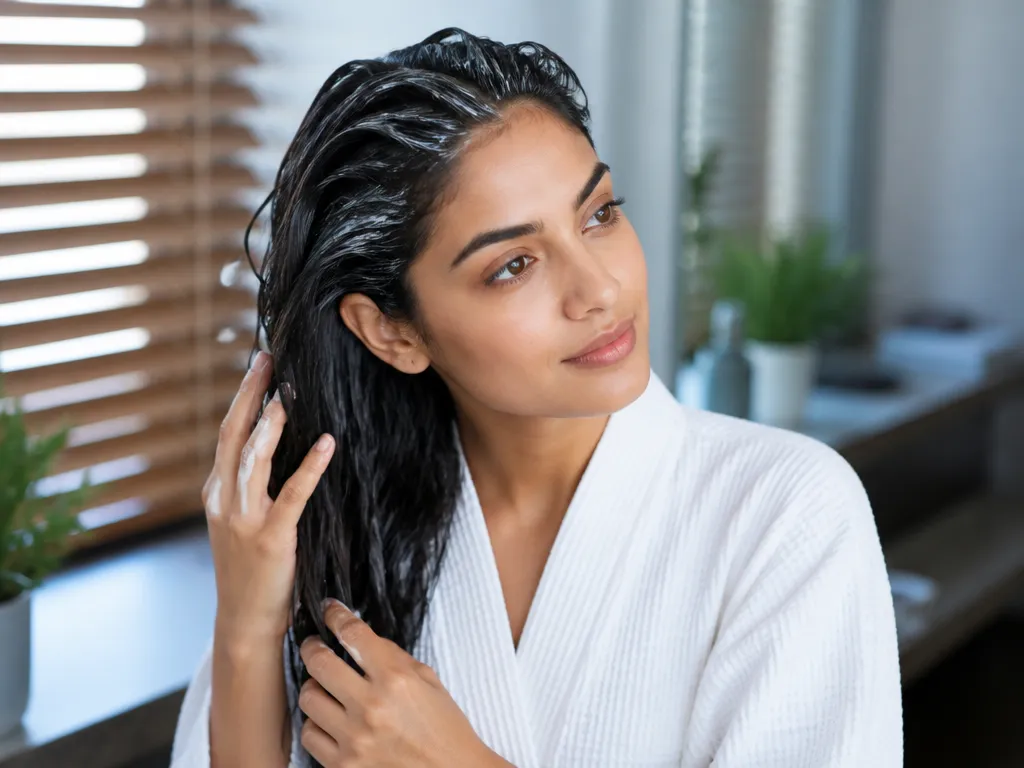
The right ingredients transform a simple hair mask into targeted treatment addressing your specific concerns. Selecting ingredients that match your hair type and goals delivers noticeable improvements in texture, strength, and appearance.
| Item | Amount/Specification | Notes |
|---|---|---|
| Hydrating | For dry, brittle, or frizzy hair | |
| Hyaluronic acid | 0.5-2% | Attracts and retains moisture in hair shaft |
| Glycerin | 3-5% | Humectant that draws moisture from air |
| Aloe vera | 10-20% | Soothes scalp and adds moisture without weight |
| Repairing | For damaged, over-processed, or weak hair | |
| Keratin | 1-3% | Rebuilds hair structure and reduces breakage |
| Amino acids | 2-5% | Building blocks that strengthen hair proteins |
| Hydrolyzed proteins | 3-7% | Penetrate cortex to repair from within |
| Clarifying | For product buildup, oily scalp, or dull hair | |
| Kaolin clay | 5-15% | Gently absorbs excess oil and impurities |
| Apple cider vinegar | 1-3% | Balances pH and removes product residue |
For dry, curly, or chemically treated hair, hydrating ingredients work best when combined with lightweight oils like jojoba or argan that seal in moisture without weighing hair down. These ingredients penetrate the hair shaft to restore elasticity and reduce frizz.
Damaged hair requires protein-rich ingredients that rebuild the hair’s internal structure. Keratin and amino acids work by filling in gaps along the hair cuticle, creating a smoother surface that reflects more light and reduces tangling.
Clarifying masks with kaolin clay or apple cider vinegar effectively remove product buildup and excess oil from both hair and scalp. These ingredients work best when used monthly or when hair feels dull or heavy. Apple cider vinegar also helps balance the scalp’s pH, creating an optimal environment for healthy hair growth.
Step-by-step Hair Mask Application Process
Hair masks penetrate the hair shaft best when applied to clean, damp hair. This prevents surface oils and product buildup from blocking the absorption of active ingredients into the cortex.
Esthetician tip: Always perform a patch test on a small area of skin behind the ear before applying a new mask to your entire head.
Optimizing Absorption And Texture
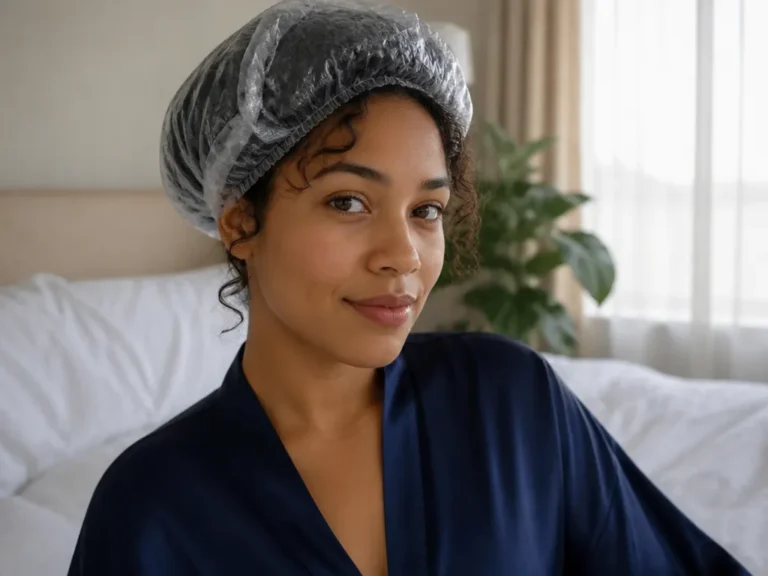
Heat helps the hair cuticle open. This allows ingredients like hydrolyzed keratin or shea butter to enter the shaft more effectively. You can wear a plastic shower cap or wrap a warm, damp towel around your head during the waiting period.
For instance, someone with thick, curly hair can benefit from 20 minutes of heat to ensure deep penetration. Someone with fine hair should avoid heat and limit the mask to 5 minutes to prevent the hair from becoming limp.
| Hair Type | Application Focus | Recommended Time |
|---|---|---|
| Fine/Oily | Ends only | 5 – 10 mins |
| Dry/Curly | Mid-lengths to ends | 15 – 30 mins |
| Damaged/Bleached | Concentrated on ends | 20 mins + heat |
Budget options like SheaMoisture ($14) provide great hydration for curly hair. High-end options like Kérastase ($60) often have smaller molecular structures for faster absorption in damaged hair.
Mistakes That Cause Hair Buildup
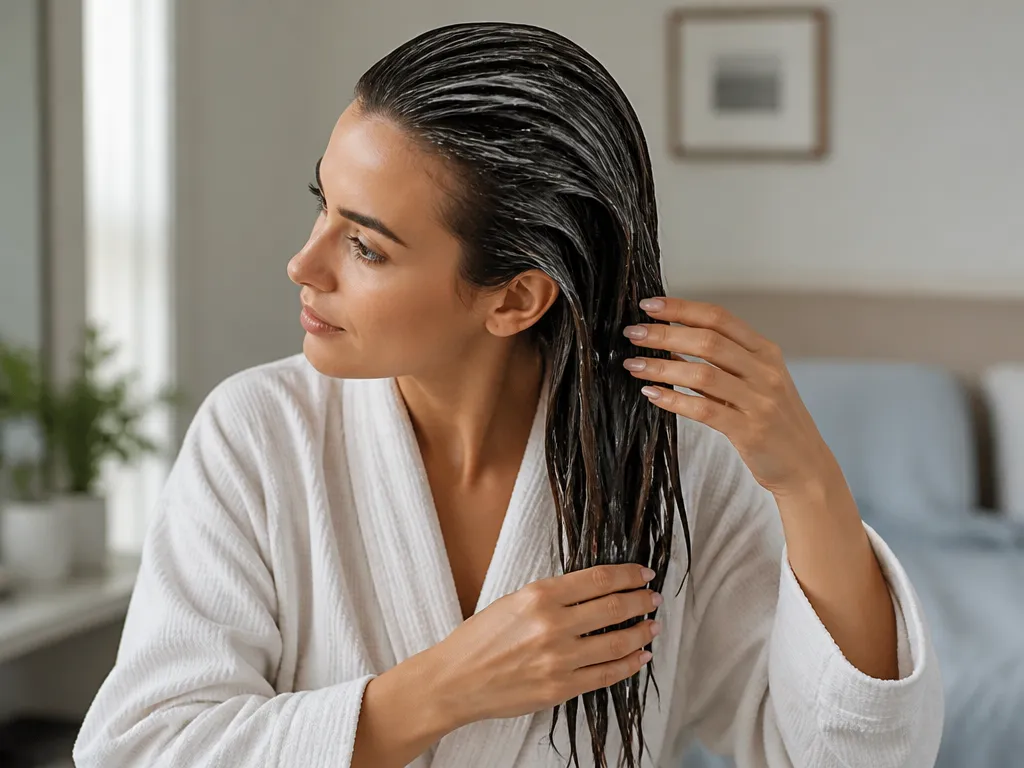
Excessive mask application leads to heavy residue that prevents moisture from penetrating the hair shaft. Using intensive treatments too frequently causes a layer of product to sit on the cuticle, making hair feel greasy or weighed down. This buildup can also trap environmental pollutants and scalp oils against the skin.
Protein overload is a common consequence of using repairing masks too often. While keratin and hydrolyzed wheat protein strengthen damaged strands, an excess of these ingredients makes the hair lose its elasticity. Instead of feeling soft, your hair will feel brittle, stiff, and prone to snapping during brushing.
Pro Tip: If your hair feels “crunchy” or straw-like after a treatment, you likely need to pause protein products and switch to a pure moisture-based mask.
Identifying Over-treatment
Signs of product accumulation vary depending on your hair texture. Fine hair typically shows buildup through a lack of volume and a limp appearance, whereas thick or curly hair may struggle with a dull, matte finish that refuses to shine.
Protein imbalance specifically targets the structural integrity of the strand. For instance, if you notice your ends are breaking off even when you use conditioner, your hair is likely over-saturated with strengthening agents. You should look for a balance between humectants (like glycerin) and proteins (like silk amino acids).
| Issue | Primary Cause | Immediate Fix |
|---|---|---|
| Brittleness/Stiffness | Protein Overload | Switch to hydrating-only masks |
| Greasy/Limpy Hair | Product Buildup | Use a clarifying shampoo |
| Itchy Scalp | Mask on Scalp | Apply masks only from mid-length to ends |
Scalp And Application Errors
Applying heavy masks directly to the scalp is a mistake for anyone with oily or combination hair types. Most masks are formulated with heavy oils and silicones like dimethicone that are meant for the hair shaft, not the skin. These ingredients can clog pores and lead to scalp irritation or seborrheic dermatitis.
Dry hair application can also backfire if the mask is too thick. Applying a heavy cream to bone-dry hair can sometimes result in uneven distribution, where some sections are coated in a thick sludge while others remain untouched. For the most even results, apply treatments to damp, towel-dried hair to ensure the product spreads smoothly.
Drugstore Finds Vs Diy Options
Drugstore hair treatments provide stabilized formulas with specific pH levels designed to seal the cuticle effectively. DIY alternatives offer immediate moisture through natural oils but lack the emulsifiers needed to rinse away cleanly without leaving heavy residue. Choosing between them depends on whether you need structural repair or a quick hydration boost.
Budget-friendly Store Options
Drugstore brands offer reliable results for various hair textures and concerns. These products are formulated to be shelf-stable and easy to distribute through the hair strands.
| Product Type | Key Ingredient | Best For |
|---|---|---|
| Hydrating Mask | Shea Butter or Glycerin | Dry, curly, or coarse hair |
| Repairing Mask | Hydrolyzed Keratin | Damaged or chemically treated hair |
| Lightweight Mask | Panthenol (Pro-Vitamin B5) | Fine or oily hair types |
For instance, a drugstore mask containing argan oil can provide intense shine for wavy hair without the mess of a kitchen recipe. Always patch test new products on your inner arm to check for sensitivities before applying them to your entire scalp.
Safe Diy Moisture Masks
Kitchen staples can supplement your routine when you want a low-cost moisture hit. You must use these sparingly to avoid buildup or protein overload.
Esthetician tip: If you use DIY oils, warm them slightly before application to improve absorption, but never use boiling liquid.
DIY treatments work best for those with very thick or extremely parched hair. For example, applying a thin layer of coconut oil for 20 minutes before washing can soften stubborn curls. However, people with fine hair should avoid these heavy oils as they often lead to limp, greasy strands.
When To Choose Professional Formulas
Professional-grade formulas are necessary when your hair undergoes significant chemical stress. These products often contain higher concentrations of active ingredients and more sophisticated delivery systems.
In practice, if you have bleached hair or frequent salon color, drugstore or DIY options may not be enough to repair the broken disulfide bonds. Professional masks utilize smaller molecular weights to ensure the repair ingredients actually reach the inner cortex of the hair rather than just sitting on the surface.
Expert Tips For Lasting Results
Protein and moisture treatments require a balanced rotation to prevent hair from becoming either brittle or overly soft. Using a protein-heavy mask too frequently can lead to protein overload, which makes hair snap easily under tension.
Professional hair care involves monitoring how your strands react to specific ingredients. You should adjust your routine based on environmental factors like humidity or seasonal dryness.
Balancing Ingredient Types
Hydrating masks focus on drawing water into the hair shaft using humectants like hyaluronic acid or glycerin. Repairing masks often rely on hydrolyzed keratin or silk proteins to temporarily patch structural gaps in the cuticle.
A healthy schedule usually alternates these two categories. For example, if you use a protein treatment on Monday, wait at least one week before applying a deep moisture mask to maintain elasticity.
| Mask Category | Key Ingredients | Best For | Warning Sign |
|---|---|---|---|
| Protein/Bond Building | Keratin, Amino Acids | Damaged, chemically treated hair | Hair feels stiff or straw-like |
| Moisture/Hydrating | Shea Butter, Argan Oil | Dry, curly, or frizzy hair | Hair feels limp or greasy |
Seasonal And Scalp Adjustments
Weather changes dictate how much nourishment your hair needs. In winter, dry indoor heating often requires more frequent moisture application to combat static and breakage.
Summer humidity might necessitate fewer heavy oils to prevent weighed-down hair. You can switch to lighter, water-based conditioners during these months to keep curls bouncy rather than flat.
Professional tip: Always patch test a new mask on a small section of skin behind your ear or on your inner arm 24 hours before full application to check for allergic reactions.
Application Best Practices
Scalp sensitivity is a common issue when using intensive treatments. Most masks are designed for the mid-lengths and ends, as applying heavy oils or proteins directly to the scalp can clog pores or cause buildup.
Common Hair Mask Questions Answered
Daily application of intensive hair treatments can lead to product buildup and hair heaviness. Most hair types require a weekly or biweekly schedule to maintain a healthy balance of moisture and strength without weighing down the strands.
Application And Routine Order
Conditioners and masks serve different purposes in a hair care routine. A mask provides deep nourishment to the hair shaft, while a conditioner seals the cuticle to smooth the surface.
Using a conditioner after a mask is generally unnecessary if you follow the correct order. Applying a mask to clean, damp hair allows the ingredients to penetrate more effectively. Once the mask is rinsed out, your hair is already deeply treated.
Professional tip: Use a mask on damp, towel-dried hair rather than soaking wet hair. Excess water can dilute the formula and prevent it from sticking to the hair fibers.
Managing Specific Hair Concerns
For example, if you have fine hair, avoid heavy shea butter or coconut oil based masks, as these can make your hair look flat.
| Hair Concern | Recommended Mask Type | Frequency |
| Color-Treated | Color-Protecting / Hydrating | Once a week |
| Damaged/Bleached | Protein / Bond-Building | Once a week (or biweekly) |
| Fine/Oily | Lightweight Hydrating | Every two weeks |
| Curly/Coily | Deep Moisture / Nutritive | 1-2 times per week |
Quick Summary
Effective hair masking requires a schedule tailored to your specific hair texture and goals. Dry or curly hair types benefit from hydrating masks one to two times every week to maintain elasticity. In contrast, those with fine or oily hair should limit treatments to once every one to two weeks to prevent weight. You must also be careful with protein-based masks, which should only be applied once every two weeks to avoid making your strands feel stiff or crunchy.
Porosity plays a major role in how you should use these intensive treatments. High porosity hair needs protein-rich masks once every two weeks, while low porosity hair benefits from using a warm towel to help ingredients penetrate. To avoid oily roots or clogged follicles, you should apply most masks only from the mid-lengths to the ends. While some products claim instant repair, real structural improvements in texture and manageability typically take four to six weeks of a consistent routine.
| Hair Type | Recommended Frequency | Mask Type Focus |
|---|---|---|
| Dry or Curly | 1 to 2 times per week | Hydrating / Moisture |
| Fine or Oily | Once every 1 to 2 weeks | Lightweight / Ends only |
| Damaged/Bleached | Varies by porosity | Protein-rich |
| High Porosity | Once per week | Strengthening protein |
Frequently Asked Questions
How Often Should I Use A Hair Mask?
You should use a hair mask once a week if you have normal hair, but you can increase this to 1 or 2 times per week if your hair is extremely dry, curly, or chemically treated.
Can Hair Masks Cause Breakouts If I Have Acne-prone Skin?
Yes, they can if the product touches your face, so you should wash your face after rinsing your hair to remove any residue.
What Is The Difference Between A Hair Mask And A Regular Conditioner?
A conditioner works on the surface to smooth the cuticle, while a mask has a higher concentration of active ingredients designed to penetrate deeper into the hair shaft. You should leave a mask on for at least 5 to 10 minutes to see a real difference.
Do I Really Need To Use A Hair Mask If I Already Use Leave-in Conditioner?
A mask provides a more intense, deep-treatment session that a leave-in cannot replicate. Think of a mask as your weekly deep conditioning treatment and the leave-in as your daily maintenance tool.
Is An Expensive Salon Hair Mask Better Than A Drugstore Version?
Not always, because many drugstore brands use effective silicones and oils that provide immediate shine and softness. Look for key ingredients like keratin, argan oil, or shea butter rather than just focusing on the price tag.

- 13 Best Natural Deep Conditioning Ingredients to Tame Frizzy Hair - September 29, 2026
- How to Make Deep Conditioner for Natural Hair: 8 Easy DIY Recipes - September 29, 2026
- Natural Homemade Deep Conditioner for Natural Hair: Easy DIY Recipes - September 29, 2026