Is It Okay To Leave Conditioner In Your Hair Overnight?
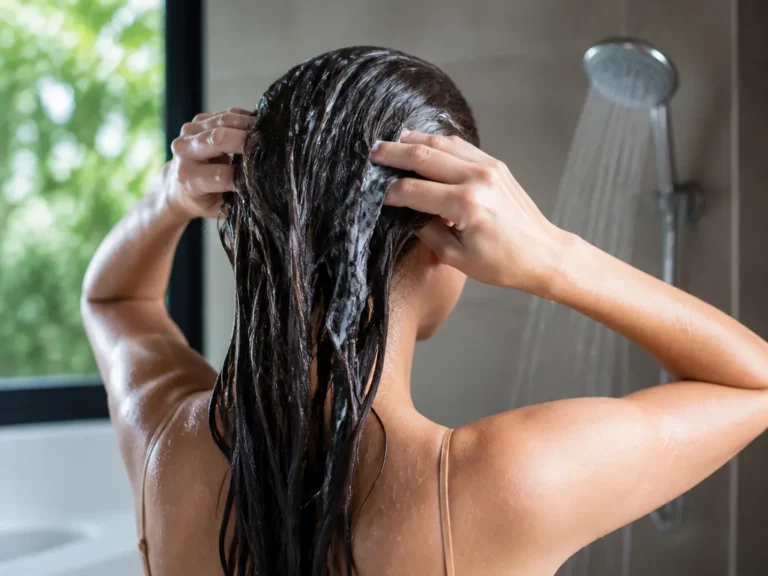
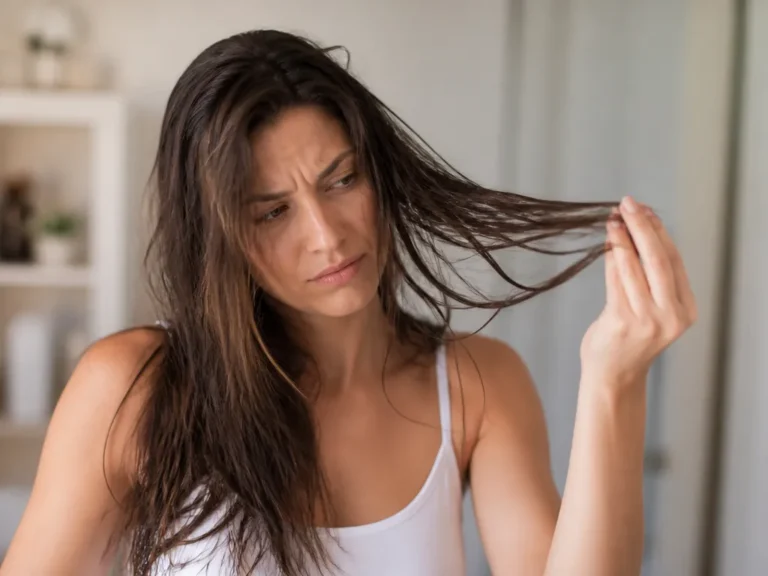
You might be tempted to skip the rinse to save time or boost moisture, but leaving the wrong product on your hair can lead to a greasy mess or scalp irritation. I see people try this all the time to fix dryness, yet they end up with limp, heavy strands instead of soft curls. Best for: dry, coarse, or curly hair types. Use caution if: you have fine hair, an oily scalp, or sensitive skin.
Leaving conditioner in your hair overnight is generally safe if you use a dedicated leave-in conditioner on your mid-lengths and ends. Standard rinse-out conditioners are not designed for 8 hours of contact and can cause buildup or scalp itching. Stick to light, water-based formulas to avoid weighing down your hair.
Is It Okay To Leave Conditioner In Your Hair Overnight?
Leaving conditioner on overnight can be fine for many people, especially with dry, coarse, or curly hair, but it can also cause oily roots, buildup, or scalp irritation. The main difference is formula type: a rinse-out conditioner is not designed to sit for hours, while a true leave-in is.
Rinse-out conditioner is meant to be applied, detangled, and rinsed within a few minutes. It tends to have conditioning polymers and fatty ingredients that give slip, but those same components can weigh hair down if they stay too long and can build up when you repeat the routine often. Leave-in conditioner formulas are designed for extended wear, usually with lighter film formers and sometimes humectants that keep hair feeling soft without getting greasy.
Rinse-out Vs. Leave-in Conditioner (What To Use Overnight)
When overnight conditioning actually works, it usually comes down to two things: your hair needs the extra time to absorb hydration, and your scalp tolerates the product amount. This works best for people with mid-length to long hair who focus application on the lengths and ends, not the roots. For fine hair or oily scalps, sitting rinse-out conditioner on your scalp overnight is where problems start.
Moisture and buildup can look similar at first, soft and shiny, but the trade-off is real. Hair can feel great on day one and then look stringy or dull sooner, which often means product residue is building up rather than actually improving hydration.
In practice, a dry, coarse, curly texture often benefits because curls need time for conditioning to reduce tangles and frizz. For oily to combination skin and scalps, keeping conditioner only on the mid-lengths and ends is a safer choice, even if you use a “light” formula. For straight, fine hair, use a shorter window or switch to a true leave-in that is formulated to stay put.
Dermatologist-style tip for scalps: apply conditioning products from mid-shaft to ends, then massage lightly into the hair only, not the scalp.
| Hair/Scalp Type | Overnight Approach | What to Watch | Best Product Type |
|---|---|---|---|
| Dry, coarse, curly | Apply lightly to lengths and ends | Greasy roots, limp hair | Leave-in or rinse-out used off-scalp |
| Fine hair, oily scalp | Limit to 10 to 20 minutes | Build-up, flat roots | Light leave-in only |
| Color-treated or porous hair | Overnight can help if product is lightweight and off-scalp | Product residue, dullness | Leave-in with humectants |
| Sensitive or reactive scalp | Avoid overnight; shorten contact time | Itchiness, redness, odor | Fragrance-minimized options |
Overnight conditioning should also consider ingredients and irritation risk. Look for gentle conditioners with glycerin and panthenol for moisture and softness, and if you tolerate it, niacinamide (Vitamin B3) can help calm the look of scalp stress for some people. Patch test behind the ear or along a small scalp section if you have a history of allergies, especially with fragrance-heavy formulas or if you use hair dye.
Too long depends on your scalp, but a practical guideline is this: if you are using a rinse-out conditioner, treat overnight as a “test run,” and if you see greasiness or itch, switch to a shorter deep-conditioning window. If you are using a true leave-in, overnight is usually more tolerable, but buildup can still happen if you use too much or do it every night.
Identify Your Hair And Scalp Type
Start by separating your hair into two zones: roots to scalp (your skin) and lengths to ends (your hair fiber). Many people apply too much product near the scalp, which is where problems start, even when the conditioner itself is gentle.
High-porosity And Curly Hair Needs
High-porosity strands soak up water fast, then lose it fast, so they often feel better with longer conditioning time. Curly and coily textures also benefit from added slip for detangling, reduced friction, and softer definition, especially if your hair dries out between washes.
In practice, overnight can work best when you keep the conditioner off your scalp. Aim for a light, even layer on the mid-lengths and ends, then cover with a silk or satin bonnet or scarf to limit dryness and friction overnight.
Fine Hair And Oily Scalp Risks
Fine hair is more prone to getting weighed down, and oily scalps make conditioner residue more likely to build up. Overnight conditioning can also trap oils and dust at the root area, which can feel itchy or look greasy the next day.
In practice, limit overnight to people who have genuinely dry ends and a scalp that stays comfortable without irritation. If your scalp gets oily within 24 hours, consider a shorter deep-conditioning session instead.
Sensitive Scalps And Inflammatory Conditions
Sensitive scalps and inflammatory conditions respond to more than just “moisture.” Fragrance, certain preservatives, and thick emollients can irritate some people, and overnight moisture plus occlusion (bonnets, wraps) can also increase warmth and odor risk if your scalp is not fully dry after showering.
In practice, patch test any “new to you” conditioner by applying a small amount behind the ear or along the hairline and watching for redness, itching, or flaking for 24 to 48 hours. If you have eczema, psoriasis, suspected contact dermatitis, or an active scalp flare, stick to your clinician’s plan and condition only the hair fiber, not the inflamed scalp.
| Hair/Scalp Profile | Overnight Conditioner Fit | How to Apply Safest |
|---|---|---|
| High-porosity, curly, dry ends | Often yes, with scalp kept clear | Mid-lengths and ends only, light layer, satin bonnet |
| Fine hair, oily roots | Usually no | Skip roots entirely, consider 10 to 20 minutes instead |
| Sensitive scalp, inflammation history | Usually no during flares | Condition only lengths, patch test first, rinse well |
Trichologist-level practical tip: if your conditioner is leaving residue at the root after a normal wash, overnight will amplify the same problem. Adjust placement first, time second.
Key Ingredients For Deep Hydration
Humectants like glycerin and hyaluronic acid pull water into hair so you get softness without needing heavy, greasy layers. Emollients such as argan oil and jojoba oil smooth the hair cuticle so strands feel more supple and tangle less. Choosing products with these ingredients helps you hydrate lengths and ends while minimizing root weight and buildup.
What To Look For In A Conditioning Formula
Look for humectants when your hair feels dry, crunchy, or frizzy, especially after towel-drying. Glycerin is great for most hair types because it attracts moisture even in everyday humidity swings. Hyaluronic acid can be especially helpful for hair that tangles when dry, because it improves slip for detangling.
Look for emollients when your hair feels rough, porous, or lacks shine. Argan oil is lightweight compared to many thick oils, so it works well for fine to medium hair that still needs softness. Jojoba oil is waxy but often feels balanced, which makes it a solid pick for curly and coily hair that needs definition without a greasy finish.
| Item | Amount/Specification | Notes |
|---|---|---|
| Glycerin | Common in conditioners, often mid to high in the ingredient list | Supports moisture and slip, tends to be hair-friendly for most scalps |
| Hyaluronic acid | Look for it listed in the ingredients, often as sodium hyaluronate | Helps with water retention, can feel tacky if your hair gets weighed down easily |
| Argan oil | Any inclusion is useful | Good for dry, coarse, or color-treated lengths |
| Jojoba oil | Any inclusion is useful | Often a better texture match for curly hair than very heavy oils |
Ingredients To Avoid (When You Want Zero Weight And Low Buildup)
Heavy silicones and waxes can coat hair so it feels soft right away, but overnight they can also increase residue. This is more noticeable for people with oily roots or fine hair, because coating builds faster at the hairline and near the scalp. If you sweat at night or your scalp is sensitive, heavier film-formers can also trap odor and increase the chance of irritation from prolonged contact.
When you see ingredients like thick waxy components or very film-heavy silicone blends, use the conditioner only on lengths or shorten the timing. Patch test is smart if your scalp gets reactive, especially if you use actives in your routine, since new products can trigger itching or breakouts around the hairline.
Dermatologist tip: If your scalp stings, itches, or feels tight after a new hair product, rinse thoroughly and stop using it on the scalp area.
Safe Overnight Conditioning Routine
Product choice depends on hair porosity and texture. Coarse or curly hair often handles heavier butters well, while fine hair needs lightweight serums.
| Product Type | Best For | Key Ingredient | Budget Option |
|---|---|---|---|
| Leave-in | Fine/Curly | Glycerin | The Ordinary ($8) |
| Deep Mask | Coarse/Dry | Shea Butter | SheaMoisture ($13) |
Specific ingredients like hydrolyzed keratin can strengthen the shaft, but too much protein overnight can make hair brittle. Stick to moisture-focused ingredients for overnight use.
Esthetician tip: Always perform a patch test on your inner arm 24 hours before an overnight treatment to rule out allergic reactions to fragrance or preservatives.
For instance, people with oily scalps should avoid any product application above the jawline. This prevents the conditioner from mixing with natural sebum and causing breakouts along the hairline.
Avoid These Common Mistakes
Heavy rinse-out products often contain cationic surfactants like Behentrimonium Chloride. These ingredients are effective for detangling but can irritate the scalp if they remain in contact for eight hours.
Sleeping with soaking wet hair combined with heavy product creates a humid environment. This moisture can trap bacteria or fungi against the scalp, which leads to a sour odor or itchiness.
Wet hair is more fragile than dry hair. The constant friction against a pillow while the hair is saturated with product increases the risk of breakage and split ends.
| Product Type | Overnight Use | Primary Risk | Best For |
|---|---|---|---|
| Rinse-out | Not Recommended | Scalp Irritation | Quick Shower |
| Leave-in | Safe | Product Buildup | Dry/Curly Hair |
| Deep Mask | Occasional | Hygral Fatigue | Coarse Hair |
Hygral fatigue happens when the hair cuticle expands and contracts too often from water. Leaving a heavy mask on for too long can weaken the hair fiber over time.
For instance, someone with fine hair might find their strands look limp or greasy the next morning. This occurs because heavy silicones like Dimethicone weigh down the hair.
Esthetician tip: Always patch test a new leave-in conditioner on a small area of skin behind your ear for 24 hours to check for allergic reactions.
Monitor your scalp for these warning signs after an overnight treatment: itching, redness, odor, or a burning sensation.
Drugstore Vs. Luxury Alternatives
Effective hair hydration depends on the molecular weight of the ingredients rather than the brand name. Most affordable leave-in conditioners use glycerin and panthenol to attract and hold water in the hair cuticle.
| Product Type | Price Range | Key Ingredient | Best For |
|---|---|---|---|
| Drugstore Leave-in | $5 – $12 | Glycerin | Curly or coarse hair |
| Luxury Mask | $30 – $60 | Hydrolyzed Keratin | Bleached or damaged hair |
| Budget Deep Conditioner | $6 – $10 | Shea Butter | Thick, high-porosity hair |
Affordable Daily Hydration
Drugstore leave-in conditioners are a practical choice for those with curly or coarse hair who need constant moisture. These formulas often contain glycerin or aloe vera to keep strands supple without a high cost.
For example, a simple cream leave-in applied to damp ends can prevent frizz for 48 hours. These products work best for high-porosity hair that absorbs moisture quickly and needs a barrier to lock it in.
Always perform a patch test on your skin before applying a new budget product to your entire scalp. Some cheaper formulas use synthetic fragrances that can cause redness or itching on sensitive skin.
Luxury Overnight Treatments
High-end overnight masks often contain concentrated proteins and lipids that penetrate deeper into the hair cortex. Ingredients like hydrolyzed keratin or argan oil help repair the structural bonds of hair damaged by bleach or heat.
In practice, these are better for fine hair that would be weighed down by the heavier waxes found in cheaper options. You should expect to see a reduction in breakage and improved shine after 3 to 4 consistent uses.
Apply these treatments from the mid-shaft down to the ends. Avoid the roots to prevent the hair from looking greasy the next morning.
Professional tip: Heat opens the hair cuticle, which allows conditioners to penetrate faster. Wrap your hair in a warm, damp towel for 10 minutes to mimic a professional steam treatment.
This heat-assisted method provides results similar to an overnight soak without the risk of scalp irritation. It is a safer alternative for people with oily scalps or those prone to follicle clogging.
Expert Tips For Better Results
To prevent morning frizz and dryness, use a silk wrap or satin bonnet instead of cotton. Silk reduces friction, so your hair retains the softness you got from the overnight conditioning, especially if you have curls or textured hair.
Layering is where people get into trouble, especially with conditioner. If you want extra slip or shine, apply a leave-in conditioner first, then add a light oil only on the ends so the oil does not lock you into product buildup.
Stylist tip: If your hair feels sticky or coated the next morning, reduce the number of products, not just the amount of water in the shower.
Frequency is your “safety knob.” For most people, using a rinse-out conditioner overnight too often can leave hair feeling coated, and scalps can react if they get product residue repeatedly.
| Hair + Scalp Type | Overnight Plan | What to Avoid |
|---|---|---|
| Dry, coarse, or curly hair | 1 time per week | Applying to scalp |
| Wavy hair (medium density) | Every 1-2 weeks | Heavy oils near roots |
| Fine hair or oily scalp | Skip overnight; use 10 to 20 minutes | Leaving anything creamy on roots |
| Sensitive scalp | Patch test, start with 1 time every 2 weeks | New actives or fragrances |
For example, if you deal with oily roots, your best results usually come from conditioning the lengths for 10 to 20 minutes while you shower, then styling with a light leave-in only at the ends. For dry ends, you can follow with a single drop of oil after styling, rather than stacking oil on top of overnight conditioner.
Ingredient-wise, be cautious with formulas that include fragrance, essential oils, or very rich emollients if your scalp gets irritated. Patch test any new conditioner behind the ear or along the hairline for 24 to 48 hours, then reassess if you feel itching, burning, or tightness.
Budget alternatives can still work as long as you keep placement smart. High-end: a targeted leave-in with conditioning emollients (look for ingredients like glycerin and panthenol), Drugstore: a basic leave-in or detangling conditioner with similar humectants, then limit oil to the ends.
Quick Summary
For the best results, use a dedicated leave-in conditioner or an overnight mask rather than a rinse-out product. Leave-in formulas are lighter and often contain humectants to provide hydration without weight. If you choose to test a rinse-out product overnight, limit its contact time to 10 to 20 minutes to prevent residue. To protect your bedding from product transfer, use a silk bonnet or a satin wrap. The most important rule is to prioritize lightweight, water-based formulas and keep all conditioning products away from your scalp.
| Hair Type | Recommended Approach | Risk Factor |
|---|---|---|
| Dry, Coarse, Curly | Use leave-in or light rinse-out on ends | Greasy roots or limp hair |
| Fine, Oily Scalp | Limit rinse-out to 10-20 minutes | Heavy buildup and flat roots |
| Sensitive Scalp | Avoid overnight conditioning | Itchiness, redness, or odor |
Beauty Routine Cheat Sheet
One Thing To Stop Doing Immediately
Stop applying heavy, rinse-out conditioners directly to your scalp or leaving them on for extended periods without rinsing.
Expected Timeline For Results
Immediate softness and reduced frizz can be seen after the first application, while long-term hydration benefits for coarse textures develop with consistent use of proper leave-in products.
Frequently Asked Questions
Can Leaving Conditioner In Overnight Cause Hair Damage?
Yes, it can lead to hygral fatigue, which occurs when the hair shaft swells and shrinks too much from excess moisture. This process can make your hair feel mushy or weak over time.
What Is The Difference Between Regular Conditioner And Leave-in Conditioner?
Regular conditioners have heavier surfactants designed to be rinsed off quickly. Leave-in versions are formulated with lighter ingredients that won’t weigh down your hair or clog pores over 24 hours.
Will Leaving Conditioner In My Hair Overnight Cause Breakouts On My Face Or Back?
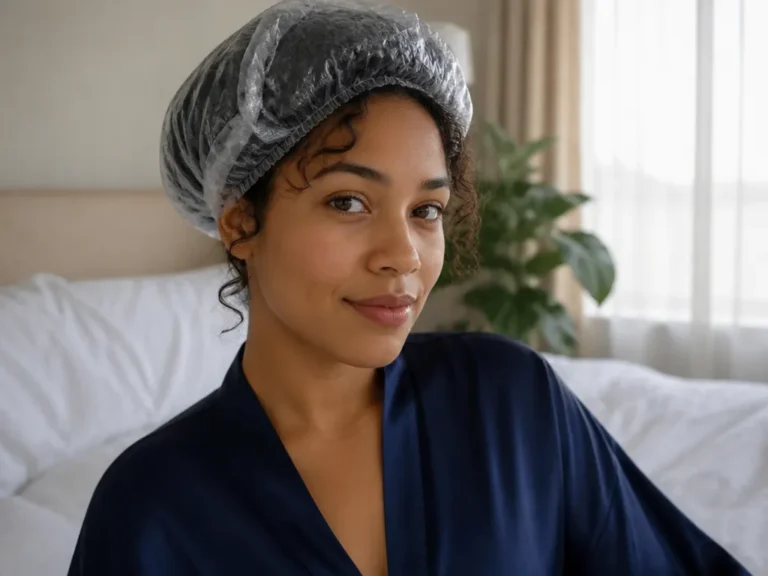
Yes, the heavy oils and silicones can transfer to your pillow and trigger acne cosmetica. You should wrap your hair in a silk scarf or wear a shower cap to protect your skin.
How Long Should I Actually Leave A Deep Conditioner On?
Most deep conditioners reach their maximum effectiveness within 20 to 30 minutes. Leaving them on longer often provides no additional benefit and may irritate your scalp.
Is An Expensive Overnight Hair Mask Better Than A Drugstore Conditioner?
Luxury masks often contain higher concentrations of hydrolyzed proteins that penetrate the hair cuticle more effectively. However, a basic drugstore leave-in is usually sufficient for daily moisture.

- Top 10 Best Hair Conditioner For Ends 2026 - October 6, 2026
- Top 10 Best Hair Conditioner For Elderly 2026 - October 6, 2026
- Top 10 Best Hair Conditioner For Elderly Women 2026 - October 6, 2026