
Is It Okay To Condition Hair Everyday?
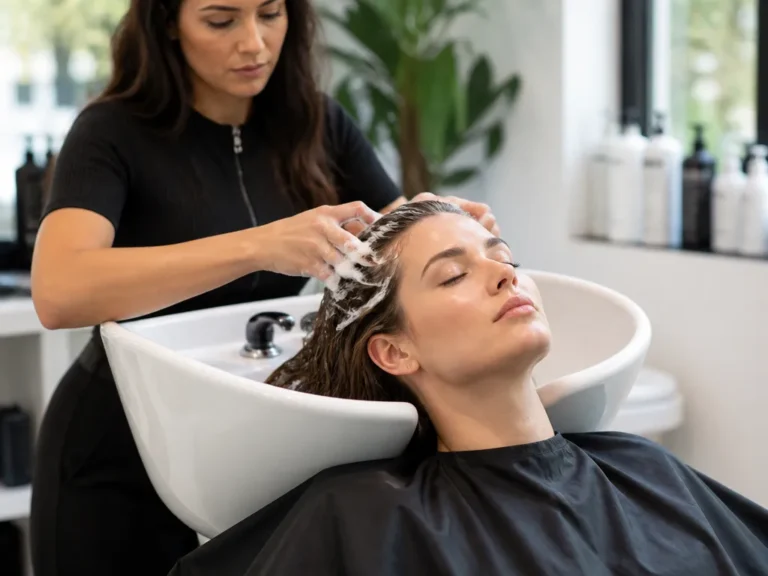
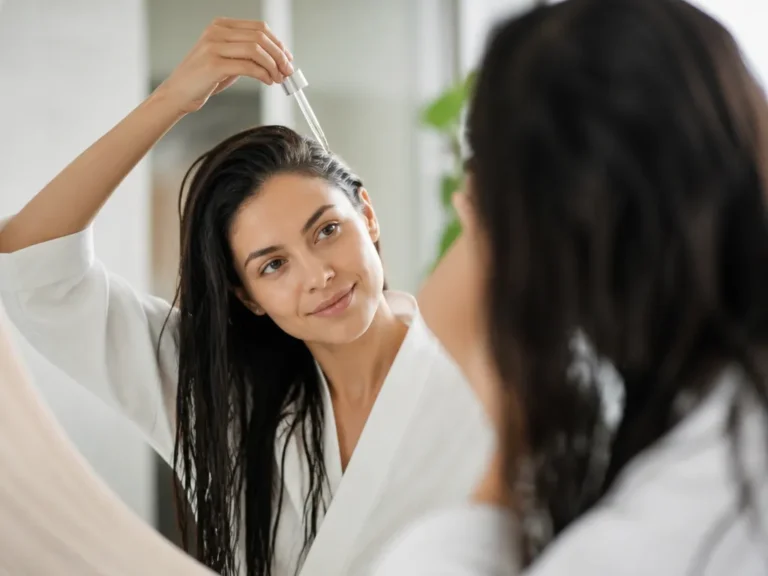
You might feel like your hair needs a moisture hit every single time you step into the shower, but more isn’t always better. Over-conditioning can lead to heavy, limp strands that lose all their natural bounce.
Daily conditioning is generally safe if you focus on the mid-lengths and ends rather than the scalp. Use lightweight silicones or behentrimonium chloride to smooth the cuticle without buildup. Fine hair types should limit conditioning to 2 or 3 times per week to avoid grease. Best for: dry or curly hair. Use caution if: fine or oily hair.
Is It Okay To Condition Hair Everyday?
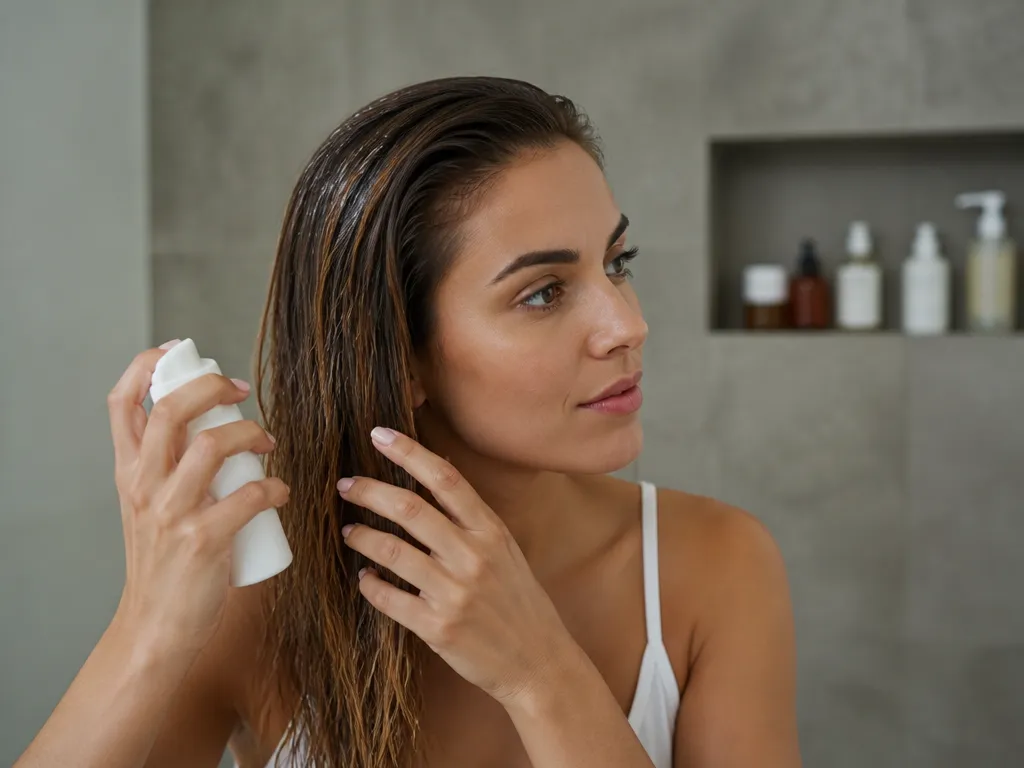
Daily conditioning can be beneficial for certain hair types but may cause buildup for others. The decision depends on your hair texture, porosity, and scalp condition.
Who Benefits From Daily Conditioning
Individuals with dry, coarse, or curly hair types often thrive with daily conditioning. These hair textures tend to lose moisture quickly and benefit from the extra hydration.
The science behind moisture involves how conditioner’s ingredients like proteins and humectants penetrate the hair cuticle. These ingredients fill in gaps in the hair’s outer layer, reducing friction and improving manageability.
Dermatologist tip: “Focus the conditioner on mid-lengths and ends, where hair is oldest and most damaged, rather than applying directly to the scalp.”
| Hair Type | Recommended Conditioning Frequency | Key Ingredients to Look For |
|---|---|---|
| Fine/Oily | 2-3 times per week | Lightweight formulas with panthenol |
| Medium/Normal | Every other day | Balanced formulas with glycerin and silk proteins |
| Coarse/Dry | Daily | Rich formulas with shea butter and arginine |
Buildup occurs when too much product accumulates on the hair shaft, leaving it feeling heavy, greasy, or limp. This is especially common with protein-rich conditioners for those with low-porosity hair.
Scalp health is another consideration. While conditioner is primarily for hair, residue can migrate to the scalp and potentially clog follicles. Those with acne-prone scalps should be particularly mindful of their conditioning frequency and product selection.
Identify Your Hair Type
Key Ingredients For Daily Care
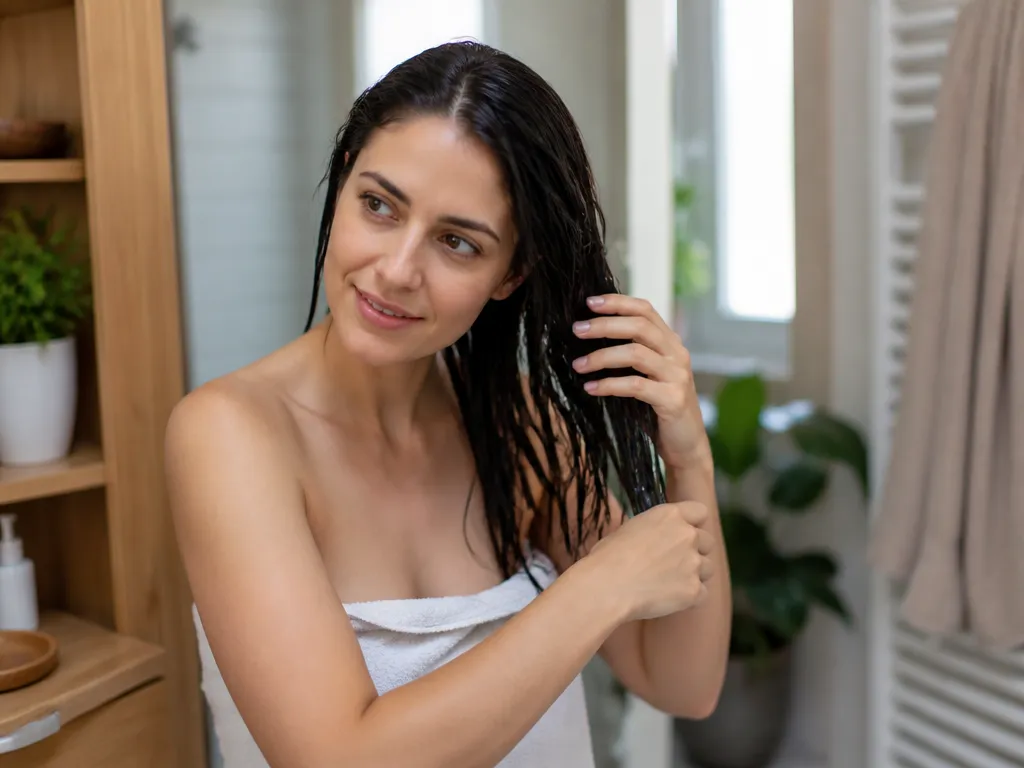
Conditioner works daily when its formula adds slip and moisture without loading the hair shaft. Look for humectants like glycerin and panthenol (pro-vitamin B5), which help hair feel softer while reducing roughness from dryness.
Hydrating conditioners also lean on hair-friendly emollients and film formers that prevent tangles, especially on coilier textures. Overly heavy formulas can make fine or easily weighed-down hair look greasy, so ingredient choice matters as much as frequency.
Hydrating Ingredients To Look For
Glycerin draws water into the hair and can improve elasticity, which helps prevent that dry, straw-like feel that causes breakage. Panthenol penetrates more easily than many oils and helps hair feel smoother after rinsing, so you get manageability without needing to pile on product.
For curly to coily hair, moisture retention is key because the hair surface often loses water faster. Look for conditioners that pair glycerin and panthenol with lightweight fatty alcohols like cetyl alcohol or stearyl alcohol, since they improve softness while staying less greasy than thick butters.
Proteins And Sealants For Strength And Smoothness
Keratin and other proteins can temporarily reinforce the hair’s surface so it feels less rough, especially if you heat style or color. Ceramides act like a barrier support, helping hair retain moisture and resist frizz.
Trade-off: protein-heavy conditioners can feel too stiff for very fine hair or for hair that already feels “hard” or over-processed. If your hair gets crunchy or tangles feel worse, scale back and choose a more moisture-forward option while you adjust your routine.
| Item | Amount/Specification | Notes |
|---|---|---|
| Glycerin | Commonly listed as an early or mid ingredient | Best for dry, frizzy hair that needs slip; fine hair may require smaller amounts. |
| Panthenol (Pro-vitamin B5) | Often near the mid-to-late ingredient range | Helps softness and detangling; generally a safe daily pick. |
| Keratin | Typically included as a conditioning protein | Good for rough, heat-damaged hair, but ease up if hair feels stiff. |
| Ceramides | Listed as a skin-hair barrier ingredient | Helps reduce moisture loss and frizz; great for humid-weather styling. |
Daily Conditioning Steps
Conditioner is safe to use daily for many people, but the “right” approach is applying it lightly, focusing on mid-lengths and ends, and rinsing well when your scalp gets oily or itchy. Daily conditioning helps with detangling and friction control, while heavy build-up can make hair feel limp, greasy, or itchy. Use a leave-in to maintain slip between washes, then finish with a light oil or serum only where hair is dry.
For example, if you have low-porosity hair that feels coated quickly, use less rinse-out conditioner and rely more on a light leave-in. For high-porosity hair that drinks up moisture, you can increase leave-in use and add a slightly richer finisher to prevent tangles.
Morning Vs. Evening Touch-ups (Between Washes)
Morning touch-up is for re-adding slip, not re-washing your hair. Mist lightly with water, then smooth a micro-amount of leave-in through ends only; this helps oily to combination hair types avoid scalp buildup while still controlling flyaways.
Evening touch-up is for reducing friction overnight. Use a thin layer of leave-in on damp ends (or water-mist then smooth) before bed, then protect with a satin bonnet or pillowcase to cut tangling and breakage for all hair textures.
| Product Role | Best For | Key Ingredients to Look For | How to Apply |
|---|---|---|---|
| Leave-in (daily) | Dry hair, curly to coily textures, frizz-prone ends | Panthenol, glycerin, hyaluronic acid | Pea-size to dime-size on damp hair, mid-lengths to ends |
| Rinse-out conditioner (wash day) | Detangling, smoothness, softness | Fatty alcohols (for slip), quaternary conditioners | 2 to 5 minutes, avoid scalp unless scalp is dry |
| Finisher (oil/serum) | End dryness, shine, smoothing flyaways | Argan oil, dimethicone | 1 to 3 drops only on the driest areas |
Patch-test tip: If you add a new leave-in or conditioner daily, test a small amount behind the ear or along the side of your neck for 24 to 48 hours first, especially if you have a sensitive scalp or known fragrance allergies.
Never combine multiple heavy conditioners at once, especially if you notice greasy roots the same day. This routine is designed to be “layered lightly,” not stacked thick, so hair stays bouncy and your scalp stays comfortable across consecutive days.
Common Mistakes To Avoid
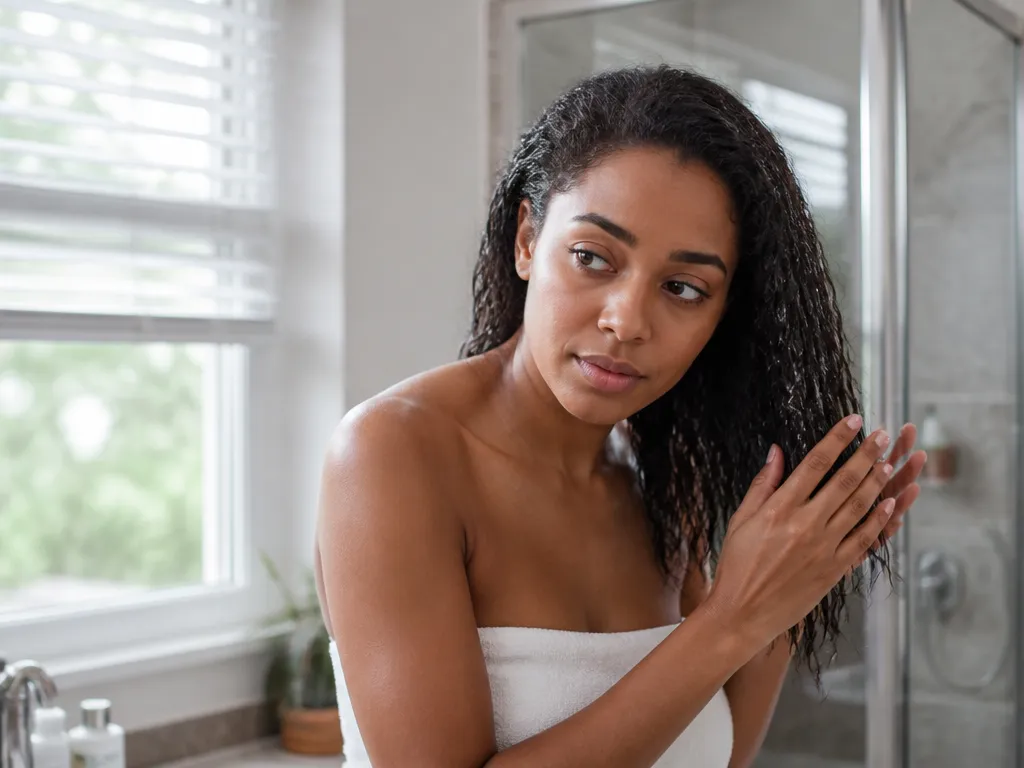
Conditioning daily can be fine, but common mistakes make hair feel waxy, heavy, or coated instead of softer. The biggest culprits are conditioning the scalp when you should target the lengths, and over-applying rich formulas that leave buildup on the hair shaft.
Conditioning the scalp is the fastest way to trigger limp roots and a greasy look, especially for people with oily scalps or fine hair. Conditioner is designed to smooth hair fibers, but the scalp needs a balance of cleansing, airflow, and light hydration, not a layer of emollients.
For example, if you have oily to combination skin or a scalp that gets shiny within a day, keep conditioner off the part line and focus it from mid-lengths to ends. If you have dry, curly, or coily hair, you still apply the conditioner to strands, not the scalp, because your dryness lives on the cuticle and ends.
Over-application and buildup happen when you use too much product or condition every wash without clarifying. Silicone-rich conditioners can feel great at first, but repeated layering can create a film that dulls shine and makes hair resist styling.
| Problem from daily conditioning | Likely mistake | What to do instead |
|---|---|---|
| Limp, flat roots | Conditioner on scalp | Apply only mid-lengths to ends |
| Waxy feel or dull shine | Too much product, not enough rinse | Use less and rinse thoroughly |
| Stringy ends | Heavy formula every wash | Switch to lighter conditioner or use every other wash |
Dermatologist-style hair tip: If your hair feels coated within 24 hours, reduce amount first, then change to a lighter conditioner, then clarify only when buildup shows up.
For curly, coily, and dry textures, heavier conditioners can be tempting, but daily use often needs a lighter option or careful portioning. For straight or fine hair, daily conditioning should usually mean “small amount, ends only,” not “full head coverage.”
Patch test is smart for new hair products too, especially if you get scalp irritation. Apply a tiny amount behind the ear or along a small scalp area, wait 24 hours, and stop if you notice itching, burning, or redness.
Budget Options And Diys
Conditioner can be an everyday “yes” for most hair because it coats the strand to reduce friction, but budget formulas and DIY masks work best when you keep them lightweight and use them on the right schedule for your hair type. Thicker, heavier conditioners can build up on fine or oily scalps, leaving hair limp even if the product is “moisturizing.”
Budget Picks By Hair Type
Choose conditioners based on how your hair behaves between washes, not on how lush the label sounds. Oily to combination scalps usually do better with a quick rinse conditioner applied mid-length to ends only, while dry or coarse hair can handle richer formulas more often.
| Product | Price | Key Ingredient | Best For |
|---|---|---|---|
| CeraVe Daily Moisturizing Lotion (leave-in friendly as a comparison point) | Drugstore range | Hyaluronic acid + ceramides | Oily to combination scalps needing light hydration on ends |
| Garnier Whole Blends Conditioner | Drugstore range | Plant-based oils or fatty alcohols | Normal to dry hair that needs slip and detangling |
| SheaMoisture Conditioner | Mid-budget | Shea butter-based emollients | Coily to very dry hair that benefits from richer conditioning |
Hair rule of thumb: fine hair needs less product and less time; coarse hair can handle longer contact and more emollients.
Use this quick compatibility guide when you want to condition frequently without buildup. The same conditioner can feel “great” on day one and greasy on day three, so adjust the amount before you switch products.
Safe Diy Masks (Occasional)
DIY conditioning is safe when you keep it simple, but it is also easy to overdo, which can lead to residue or an itchy scalp. Treat DIY masks like a low-risk “once in a while” reset, not a daily staple, and always use fresh ingredients.
For example, a honey yogurt mask can be gentle and moisturizing, especially if your hair feels rough. Mix 2 tablespoons plain yogurt with 1 tablespoon honey, apply from mid-length to ends, then rinse thoroughly after 10 to 20 minutes.
For instance, an olive oil mask can help dry, coarse hair feel softer quickly. Warm 1 to 2 tablespoons olive oil in your hands, coat the ends, leave for 20 to 45 minutes, then shampoo well (you may need a second cleanse).
Patch testing still matters with DIY, especially on sensitive scalps or after chemical services. Test behind your ear or on a small scalp section, and skip if you get stinging, redness, or swelling.
| DIY Mask | Best Hair Type | How Often | What to Watch For |
|---|---|---|---|
| Honey + plain yogurt | Normal to dry, wavy to curly | Once weekly or less | Sticky feeling if rinsing is incomplete |
| Olive oil | Coily to very dry ends | Every 1 to 2 weeks | Limpness or scalp greasiness if used too often |
Expert Tips For Best Results
Hair porosity determines how much moisture the strands can hold and how quickly they lose it. High porosity hair absorbs water fast but leaks it just as quickly, while low porosity hair resists moisture penetration.
Matching Products To Porosity And Climate
High porosity hair often has gaps in the cuticle from heat or chemical damage. This hair type needs heavier creams and oils to seal the cuticle and prevent moisture loss.
Low porosity hair has a tightly closed cuticle that prevents products from entering the shaft. Use lightweight, water-based conditioners and apply them with warm water to help the cuticle open.
Climate also changes how you should apply product. In dry, cold winters, hair loses moisture to the air and needs occlusive ingredients like shea butter. In humid summers, heavy products can weigh hair down and cause it to look greasy.
Esthetician tip: Always apply conditioner from the mid-lengths to the ends. Avoid the scalp to prevent clogged follicles and flat roots.
Balancing Protein And Moisture
Hair needs a balance of protein for strength and moisture for elasticity. Too much protein makes hair feel brittle and snap easily. Too much moisture makes hair feel mushy, limp, and overly soft.
For instance, if your hair feels like a wet noodle when stretched, you need a protein-rich conditioner. If it feels like straw and breaks immediately, switch to a deep moisture mask.
Bond-building conditioners are a separate category that repair the actual disulfide bonds in the hair. These are best for people with bleach damage or frequent heat styling.
| Product | Key Benefit | Best For | Price Point |
|---|---|---|---|
| Olaplex No.5 | Bond repair | Bleached/Damaged | High-end |
| Living Proof Restore | Strength and hydration | Dry/Brittle | Mid-range |
| Maui Moisture | Basic hydration | Daily use/Normal | Budget |
Follow this application order for the best result: shampoo, conditioner, then a leave-in treatment if you have high porosity hair. Always rinse conditioner with cool water to seal the cuticle and add shine.
Quick Hair Conditioning Summary
Daily conditioning is usually only beneficial for hair that feels rough, dry, or tangled right after washing, since conditioner softens and detangles the hair shaft. Many people with fine or oily roots should condition less often to avoid buildup and limpness, even if the ends look thirsty. The sweet spot is matching frequency to how your scalp and hair react after 24 hours.
| Hair Type | Best Daily Approach | Conditioning Focus | Watch-Out |
|---|---|---|---|
| Fine, straight, easily weighed down | Condition every wash, but keep it to 1-2 minutes | Mid-lengths to ends only | Limp roots, dull texture, faster “dirty” look |
| Oily scalp / combination hair | Skip conditioner on scalp; reduce frequency to every other wash | Ends only, rinse well | Greasy feel, coated strands |
| Curly, coily, or dry textured hair | Condition every wash is fine | Ends to mid-lengths; detangle gently | Over-softening can reduce curl definition if product is too heavy |
| Thick, wavy | Condition every wash, then adjust by feel | Mid-lengths to ends | Build-up if conditioner is left too long or hair is not rinsed |
| Color-treated or chemically processed | Condition every wash, but use a lighter formula on roots | Ends prioritized; avoid scalp if you get buildup | Protein overload can make hair feel stiff, especially with repeated treatments |
Best Daily Approach By Hair Type
Fine hair can handle conditioning often, but it needs restraint. Apply conditioner only from ear-level down, then rinse until your fingers slide easily through the ends.
Curly to coily hair typically benefits from conditioning at every wash because it reduces tangles and helps keep the cuticle smoother between bends. Detangle with conditioner in, starting at the ends and working upward to prevent breakage.
Oily roots are the main reason people regret daily conditioning. Keep conditioner off the scalp, use smaller amounts, and consider conditioning every other wash if your roots feel coated the next day.
Trichology-style rule of thumb: if your roots feel greasy or your hair looks stringy within 24 hours, reduce frequency or product amount.
One-minute Routine Cheat Sheet
For daily conditioning, keep it to a quick “soften and detangle” window, especially if you style with heat. If you use heavier masks (often thicker and more occlusive), save those for weekly or every-other wash, unless your hair is very dry.
Quick Summary
Daily conditioning is safe for most people if they focus on the mid-lengths and ends rather than the scalp. While dry or curly hair often thrives with daily moisture, those with fine hair should limit use to 2 or 3 times per week to prevent limp strands. To maintain hair health, apply product from the ears down and use a clarifying shampoo every 7 to 14 days. Rinsing for at least 30 seconds is essential to remove residue and prevent buildup.
Choosing the right ingredients is as important as how often you condition. Humectants like glycerin and panthenol improve elasticity and softness, while proteins like keratin and hydrolyzed silk reinforce the hair surface. Coarse hair may need rich formulas with shea butter and arginine, but protein-heavy options can make fine hair feel crunchy or stiff. Ceramides provide a barrier that resists frizz across all hair colors. The most important takeaway is that your specific hair texture and porosity determine your ideal conditioning frequency.
| Hair Type | Frequency | Key Ingredient |
|---|---|---|
| Fine/Oily | 2-3 times per week | Panthenol |
| Medium/Normal | Every other day | Glycerin/Silk Proteins |
| Coarse/Dry | Daily | Shea Butter/Arginine |
Frequently Asked Questions
Can I Use Conditioner Every Day Without Weighing Down My Hair?
Yes, but you should only apply product to the bottom 2 to 3 inches of your strands. Avoid the scalp to prevent oil buildup and flat roots.
What Is The Difference Between A Leave-in And A Rinse-out Conditioner?
Rinse-out formulas are designed to close the cuticle quickly, whereas leave-ins use lighter molecules for long-term hydration. Use a leave-in if your hair feels dry between washes.
Can Daily Conditioning Cause Breakouts On My Back?
Yes, the silicones and oils in conditioners can clog pores and cause “bacne”. To prevent this, always wash your body after you have completely rinsed the conditioner from your hair.
Is A Professional Conditioner Worth The Cost Compared To A Drugstore Version?
For daily use, drugstore brands are usually fine, as the main difference is the concentration of active ingredients. Save your budget for a high-end deep treatment once every 7 to 10 days.
Do I Really Need Conditioner If I Use A Hydrating Shampoo?
Yes, because shampoo opens the hair cuticle to remove dirt, and conditioner is required to seal the cuticle back down. This step is essential to lock in moisture and stop frizz.

- Top 10 Best Hair Conditioner For Everyday Use 2026 - October 5, 2026
- Top 10 Best Hair Conditioner For Extensions 2026 - October 5, 2026
- Top 10 Best Hair Conditioner For Eczema 2026 - October 5, 2026