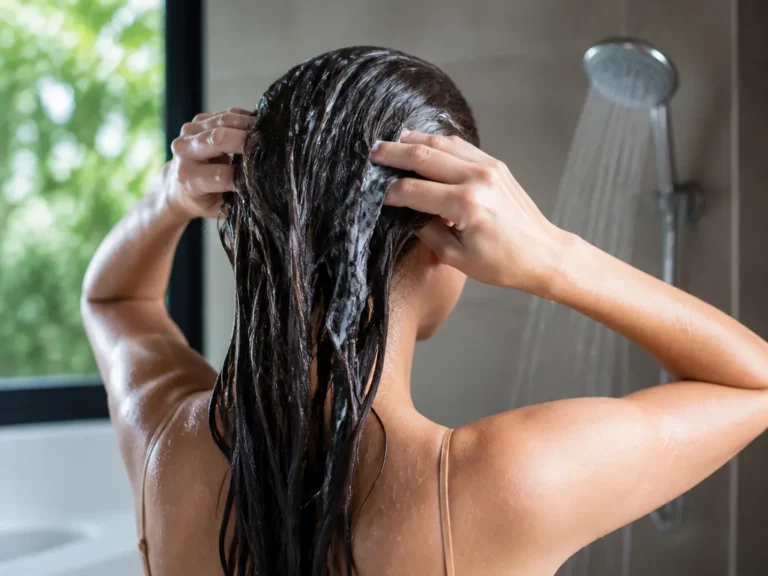

Should I Put Conditioner In My Hair Everyday?
Most people think more conditioner always equals better hair, but daily application can actually leave your strands looking limp and greasy. You might be overdoing it without realizing your hair type requires a specific balance. The right frequency and application method can help you avoid scalp issues.
Conditioning every day is acceptable if you apply lightweight formulas only to the mid-lengths and ends. Avoid the scalp to prevent oil buildup and heavy hair. Dry or curly hair types can often handle daily use, while fine or oily hair should limit conditioning to 2 or 3 times per week.
Best for: dry, curly, or color-treated hair. Use caution if: you have an oily scalp, fine hair, or acne-prone skin.
Should I Put Conditioner In My Hair Everyday? (The Short Answer)?
Conditioner every day is usually fine, but only when it is applied correctly. Conditioners are meant for hair fiber moisture and softness, so daily use is safest on mid-lengths to ends, not on the scalp.
Conditioner frequency depends on how your hair behaves between washes, your texture, and how quickly buildup shows up. Fine or oily-prone hair can look flat or greasy faster if conditioner reaches the roots, while coarse, curly, color-treated, or dry hair often benefits from more frequent conditioning because it loses water and oils more easily.
The Golden Rule: Mid-lengths To Ends Only
Start with less product than you think you need, then add only if your ends feel rough. If your scalp is even slightly sensitive or prone to acne, keep conditioner away from the hairline and crown where oils collect.
| Hair type | Daily conditioner outcome | Best routine tweak |
|---|---|---|
| Oily scalp, fine hair | Can feel weighed down quickly | Use a lighter formula and apply only to ends |
| Thick/coarse hair | Often softer with daily conditioning | Focus on ends, consider a richer conditioner |
| Curly/wavy | Less frizz, better clumping | Apply mid-lengths to ends, detangle gently |
| Color-treated or chemically processed | Better moisture retention | Condition every wash day, keep it off the scalp |
| Dry/damaged ends | More slip and reduced breakage feel | Use daily conditioner on ends, mask 1x weekly if needed |
Conditioner can worsen buildup if it sits on the scalp, which is why the application location matters more than the “daily” part.
Skipping conditioner does not usually harm healthy hair shafts, but it often shows up as roughness, tangles, and more friction at the ends.
In practice, people with curly textures, dryness, or chemically processed hair tend to notice the difference within a few wash cycles because their hair has less natural slip.
When daily conditioning goes wrong, the most common signs are greasiness at the roots, flat hair at the crown, and increased product buildup that makes hair feel coated. Daily conditioning is worth adjusting if any of these happen: reduce to every other wash, switch to a lighter conditioner, or do a gentle clarifying reset once every few weeks if buildup is persistent.
Identify Your Hair And Scalp Type
Different hair types have distinct hydration requirements that determine how often conditioner should be applied. Your specific combination of scalp oil production, hair texture, curl pattern, and porosity level creates a unique profile that dictates whether daily conditioning will benefit or potentially harm your hair.
Many people experience a combination of oily roots with dry ends, which creates a challenge for conditioning frequency. The scalp produces natural sebum that travels down the hair shaft, with finer hair types showing oiliness more quickly than coarse hair.
Hair texture refers to the thickness of individual hair strands and significantly impacts how conditioner affects hair volume and appearance.
| Texture Type | Characteristics | Conditioning Frequency Recommendation |
|---|---|---|
| Fine | Diameter similar to sewing thread; tends to flatten easily | 2 to 3 times per week with a lightweight formula |
| Medium | Diameter between fine and coarse; holds styles well | Daily conditioning typically beneficial when needed |
| Coarse | Diameter larger than sewing thread; often appears fuller | Daily conditioning recommended when hair needs moisture |
Curly, coily, and wavy hair patterns have unique structural characteristics that make them more prone to dryness and frizz.
Hair porosity refers to your hair’s ability to absorb and retain moisture, which is crucial for determining how conditioner will interact with your hair.
Expert tip: To test your hair’s porosity, place a clean strand of hair in a glass of water. If it sinks quickly, you have high porosity; if it floats, you have low porosity; if it sinks slowly, you have normal porosity.
High porosity hair absorbs moisture quickly but loses it just as fast, often benefiting from protein treatments alongside conditioning. Low porosity hair repels moisture, requiring specific techniques like using heat to open the hair cuticle during conditioning. Normal porosity hair maintains the best balance and responds well to regular conditioning routines.
Best Ingredients For Your Hair Goals
Effective conditioning depends on matching specific chemical properties to your hair’s current state. Humectants pull moisture into the hair shaft, emollients seal that moisture in to smooth the cuticle, and proteins rebuild structural integrity for damaged strands.
Hydration-focused products work best for fine or low-porosity hair that tends to feel brittle but gets weighed down easily. For these hair types, lightweight humectants prevent the “greasy” feeling often associated with daily use.
Thick, curly, or coarse hair types generally require heavier emollients to manage frizz and improve elasticity. These textures often have a more open cuticle, making them prone to moisture loss without a protective lipid layer.
Ingredient Breakdown By Hair Need
| Ingredient Category | Examples | Primary Benefit |
|---|---|---|
| Humectants | Glycerin, Aloe Vera, Hyaluronic Acid | Attracts water to the hair shaft for deep hydration. |
| Emollients | Argan Oil, Shea Butter, Coconut Oil | Smooths the cuticle and prevents moisture evaporation. |
| Proteins | Hydrolyzed Keratin, Silk Amino Acids | Fills gaps in the hair cuticle to strengthen damaged strands. |
Damaged or color-treated hair often needs a balance of protein and emollients to maintain strength. Using too much protein without enough moisture can make hair feel stiff or straw-like.
Pro tip: Always patch test new hair masks on a small section of hair behind your ear to ensure the formula does not cause scalp irritation or unexpected discoloration.
Ingredients To Avoid
Drying alcohols can strip the natural oils your hair needs to stay supple. Check your labels for ingredients like Isopropyl Alcohol or Ethanol, which can cause immediate dryness and long-term breakage if used daily.
Expect to see improvements in softness and manageability within 2 to 4 weeks of consistent, targeted conditioning. If you notice heavy buildup or a dull appearance, incorporate a clarifying shampoo once every two weeks to reset your strands.
Correct Conditioning Technique Step-by-step
| Hair Type | Amount | Key Focus |
|---|---|---|
| Fine/Oily | Quarter-sized | Ends only |
| Thick/Coarse | Walnut-sized | Mid-lengths to ends |
Mistakes That Cause Greasy Hair
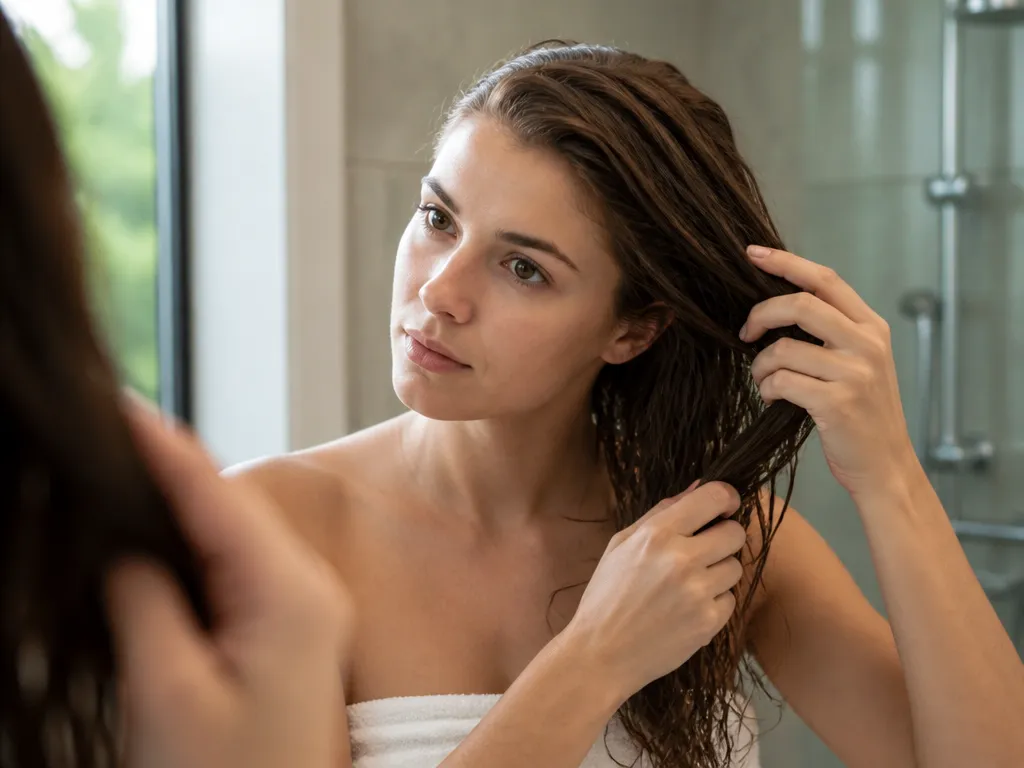
Applying conditioner directly to the scalp is a common mistake that leads to excessive oiliness as it weighs down hair roots and disrupts the natural oil balance. Daily conditioning without proper technique creates product buildup that makes hair appear greasy just one day after washing.
Signs Of Product Buildup And Scalp Irritation
Recognizing the signs of product buildup is crucial for maintaining healthy hair. Hair that feels coated or sticky after washing, appears dull despite being recently cleaned, or requires more frequent washing than usual indicates excessive product accumulation.
Scalp irritation manifests as itchiness, redness, or flaking that develops after introducing new conditioning products. These symptoms often occur when ingredients in conditioners clog pores or disrupt the skin’s natural barrier function, particularly when applied too close to the scalp.
For example, many people mistake scalp irritation for dandruff and continue using the same products, worsening the condition.
In practice, switching to a clarifying shampoo once every two weeks and adjusting application technique typically resolves these issues without requiring complete product changes.
Drugstore Gems Vs High-end Options
Drugstore and high-end both work if the weight level and ingredients match your hair type, but your technique and formula matter more than the price tag.
Effective Drugstore Conditioner Picks
Drugstore conditioners shine when you pick the right “weight” for your hair. Fine or oily-to-combination hair usually does best with lighter, slip-forward formulas, while thick, curly, or dry hair often needs richer conditioning agents like fatty alcohols and emollients.
In practice, a simple rinse test helps you choose: if hair feels coated or limp after 30 to 60 seconds of rinsing, the formula is probably too heavy for your routine.
When Salon-grade Formulas Are Worth It
Salon-grade conditioner can be worth the splurge when you need targeted moisture or repair support for damaged ends. High-end options often include more refined conditioning systems and stronger detangling performance, which can reduce breakage from brushing, especially for curly textures and heat-treated hair.
For example, if your ends are dry after dye or bleach, a richer conditioner with film-forming conditioners can help hair feel smoother between washes. For curly or coarse hair, that can mean less frizz and easier detangling, which makes daily conditioning more comfortable.
| Product Tier | Price Range | Key Ingredient to Spot | Best For |
|---|---|---|---|
| Drugstore | Typically budget-friendly | Glycerin or panthenol | Oily-to-normal hair that needs everyday comfort |
| High-end / Salon | Typically higher | Behentrimonium chloride system or richer emollients | Dry, damaged, thick, or color-treated ends |
“Conditioner only works at the place you put it. Apply to mid-lengths and ends, then rinse thoroughly so it never migrates to your scalp.”
Simple Diy Rinse Alternatives
DIY can replace conditioner occasionally, especially if you are trying to reduce build-up. A lightweight option is a cool water rinse plus a short, diluted treatment pass only on the ends.
For sensitive scalps, patch test any DIY mix on a small area of hairline or behind the ear first, since fragrances and plant extracts can irritate some people.
How To Read A Conditioner Label
Conditioner labels can look complex, but you can shop by function. “Conditioning fats and film formers” help smoothing, while “humectants” help hydration, and heavy oils can increase coatiness if you use it daily on fine or oily hair.
Build-up reset tip: if hair gets weighed down, clarify once every two weeks, then return to a lighter conditioner and keep application strictly on ends.
Pro Tips For Lasting Hair Health
Hair health depends on the balance between moisture and protein to prevent breakage and buildup. Over-conditioning leads to hygral fatigue, where the hair shaft swells and shrinks too often, which eventually weakens the cuticle.
Choosing Your Conditioner Type
Rinse-out conditioners provide immediate slip for detangling and are best for thick or coarse hair. Leave-in versions offer a light layer of protection that lasts all day, making them ideal for curly hair or fine strands that get weighed down by heavy creams.
| Type | Primary Goal | Best For | Application |
|---|---|---|---|
| Rinse-out | Detangling & Softness | Coarse, Thick, Curly | Mid-lengths to ends, rinse after 2 mins |
| Leave-in | Moisture Retention | Fine, Dry, Color-treated | Damp hair, do not rinse |
For a high-end option, Pureology Hydrate is a professional favorite for color-treated hair. A budget-friendly alternative is Maui Moisture, which uses aloe vera as a base instead of water.
Maintenance And Scalp Safety
Clarifying shampoos remove the silicone and wax buildup that accumulate from daily conditioning. Use a formula with salicylic acid once every two weeks for fine hair, or once a month for coarse hair.
Pro tip: Always rinse conditioner with cool water to seal the cuticle and increase shine.
Acne-prone scalps must avoid applying any conditioner within two inches of the root. Ingredients like dimethicone can clog follicles and cause breakouts along the hairline.
Seasonal changes require adjustments to your routine. Cold winter air strips moisture, which often requires a switch to heavier creams. In humid summer months, switch to a lightweight spray to avoid greasy roots.
For instance, a person with oily skin and fine hair should use a clarifying wash on Sundays and a light leave-in spray on mid-lengths during the week. This prevents the scalp from becoming an oily mess while keeping the ends hydrated.
Conditioning Frequency Cheat Sheet
Conditioning frequency depends on hair porosity, texture, and scalp oil production. Most people only need it during their actual wash cycle, though some dry types benefit from daily leave-ins.
| Routine | Hair Type | Frequency | Key Ingredient |
|---|---|---|---|
| Lightweight | Fine/Oily | 2 to 3 times per week | Volumizing polymers |
| Balanced | Normal/Dry | 2-3x per week | Glycerin |
| Moisture-Heavy | Curly/Coarse | Daily or Co-wash | Shea butter |
| Repair-Focused | Color-treated | Every wash + Mask | Hydrolyzed protein |
Custom Routine Guides
Fine hair requires a minimal approach to avoid flat roots. Use a lightweight, volumizing conditioner on the bottom two inches of your hair 2 to 3 times per week.
For instance, a budget-friendly option is Pantene Volume ($5), while a high-end choice is Pureology Hydrate Sheer ($32). Both avoid heavy oils that weigh down thin strands.
Normal to dry hair thrives on a 3x per week schedule. This prevents the buildup of silicones that can make hair look dull over time.
In practice, this means using a rinse-out conditioner three times per week. Use a clarifying shampoo once every two weeks to reset the hair shaft.
Curly and coarse hair often needs daily moisture. These textures are naturally drier because scalp oils cannot travel down the coiled shaft easily.
Low-poo routines replace shampoo with conditioner (co-washing) to maintain the natural lipid barrier. Look for formulas with behentrimonium chloride for better slip and detangling.
Brittle or color-treated hair needs a dual-layered approach. Use a rinse-out conditioner daily or every wash, then add a leave-in treatment to seal the cuticle.
For example, apply a bond-builder like Olaplex No. 3 ($30) or a drugstore alternative like L’Oreal Elvive Bond Repair ($10) once a week.
Correct Application Order
Esthetician tip: Always patch test a new leave-in conditioner on a small area of skin behind the ear to check for allergic reactions before applying it to your entire head.
Common Conditioner Questions Answered
Conditioner closes the hair cuticle and adds a protective layer of lipids to the shaft. This process prevents tangles and reduces moisture loss regardless of how often you wash.
Application And Safety
Conditioning without shampooing, often called co-washing, works well for thick, curly, or extremely dry hair. These hair types need extra moisture and can handle the lack of a strong surfactant. Behentrimonium Methosulfate is a common conditioning agent in these formulas that helps detangle without stripping oils.
For instance, someone with 4C coils might only shampoo once every two weeks but condition daily to maintain elasticity. This prevents the hair from becoming brittle and breaking during styling.
Fine or oily hair types should avoid this method. It leads to flat hair and greasy roots within hours. These users should stick to a traditional shampoo and conditioner routine to maintain volume.
Conditioner does not cause hair loss because it stays on the hair shaft and does not penetrate the follicle. Any hair seen in the drain is usually already shed and was simply released by the slippery texture of the product.
Scalp irritation can happen if you apply heavy creams to the skin. This can clog pores or cause seborrheic dermatitis in people prone to dandruff. Keep product away from the scalp.
Pro tip: Rinse conditioner with cool water to seal the cuticle and add shine.
Treatment Frequency And Hair Length
Deep conditioners provide concentrated proteins and oils that can weaken hair if used too often. Using these masks more than once a week can lead to hygral fatigue, where the hair becomes overly porous and mushy. This occurs when the hair shaft swells and contracts too frequently from moisture.
In practice, a person with color-treated hair should use a protein mask every 7 to 10 days. They should perform a patch test on a small section of hair first to ensure the protein does not make the hair feel stiff or straw-like.
Very short hair, such as a buzz cut, usually does not need conditioner because the hair is too new to be damaged. Once hair reaches an inch or more, a light conditioner helps manage texture and prevents dryness.
| Product Type | Frequency | Best For | Key Ingredient |
|---|---|---|---|
| Daily Conditioner | Daily/Every Wash | Dry or Curly | Behentrimonium Methosulfate |
| Deep Mask | Once weekly | Damaged or color-treated hair | Protein or emollients |
Quick Summary
Daily conditioning is acceptable if you focus application on the mid-lengths and ends rather than the scalp. Applying product to the roots can cause oily buildup, limp strands, and even scalp irritation or acne. While people with curly, coarse, or color-treated hair often benefit from daily use to retain moisture, those with fine or oily hair should limit conditioning to two or three times per week. Using lightweight formulas for fine hair and thicker creams for curls helps maintain the proper balance for your specific texture.
Proper technique involves applying a dime to a quarter-sized amount from ear level down to the ends. You should rinse for at least 30 seconds to ensure no residue remains, and consider using a clarifying shampoo once every two weeks to reset any product buildup. If your hair feels flat or greasy at the crown, reduce frequency or switch to a lighter formula.
| Hair Type | Recommended Frequency | Product Type |
|---|---|---|
| Fine or Oily | 2 to 3 times per week | Lightweight formulas |
| Curly or Coarse | Daily is often fine | Thicker creams |
| Color-Treated | Every wash day | Moisture-rich formulas |
Frequently Asked Questions
Is It Bad To Condition Your Hair Every Day?
It is rarely “bad” unless you have very fine or thin hair. For dry or curly textures, daily conditioning helps maintain essential moisture. You should avoid over-conditioning fine hair to prevent it from looking flat or greasy.
Can I Use Conditioner On Oily Hair?
You absolutely can, but you should focus only on the mid-lengths and ends. Applying conditioner to the scalp can clog pores and make your roots look heavier. Use a lightweight formula to keep your hair fresh.
What Is The Difference Between Leave-in And Rinse-out Conditioner?
You generally use rinse-out conditioner during your wash routine, while leave-in conditioner can be used more sparingly between washes. Leave-in products are designed to stay in your hair to protect it, so using them every day might be too heavy for most hair types.
How Much Conditioner Should I Use For Long Hair?
A quarter-sized amount is usually sufficient for long hair. You want to coat the strands without saturating the roots. Start with a smaller amount and add more if your hair feels dry or tangled.
Does Expensive Conditioner Work Better Than Cheap Conditioner?
Price does not always equal better results. A drugstore conditioner with ceramides can be just as effective as a luxury brand. Look for specific ingredients like hyaluronic acid or shea butter rather than just the packaging.

- 10 Best Hair Oil For Overnight Treatment Buyer Guide 2026 - October 26, 2026
- 10 Best Hair Oil For One Year Old Baby Buyer Guide 2026 - October 26, 2026
- 10 Best Hair Oil For Oily Skin Buyer Guide 2026 - October 26, 2026