Should You Use Leave In Conditioner Everyday Curly Hair?
Curly hair has unique needs that often leave us wondering about daily leave-in conditioner. Your curls might be begging for moisture one day and feeling weighed down the next. Finding the right balance can transform your routine from frustrating to fabulous.
Daily leave-in conditioner can work for many curly hair types when applied correctly. High-porosity and dry curls benefit most from daily use, while low-porosity hair may need it only 2-3 times weekly. Always start with a dime-sized amount and adjust based on how your hair responds.
Should You Use Leave In Conditioner Everyday Curly Hair?
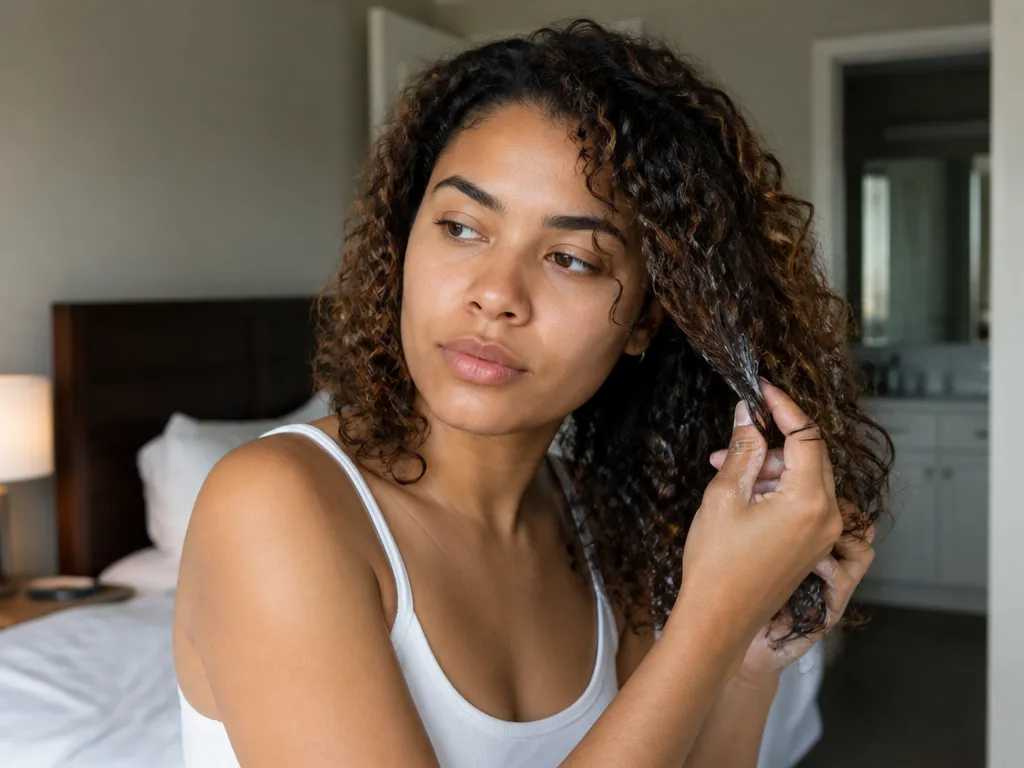
Daily leave-in conditioner use benefits curly hair by maintaining moisture levels and reducing frizz, but this practice may cause buildup or weigh down fine hair types depending on individual porosity and product formulation.
When Daily Use Works
Daily leave-in conditioner application provides optimal results for thick, coarse, or high-porosity curly hair that struggles with moisture retention. These hair types typically benefit from consistent hydration to maintain elasticity and prevent breakage.
Curly patterns with tight coils or kinks (types 3A to 4C) often thrive with daily leave-in treatments, as they tend to be the most prone to dryness. The slip from conditioners also aids in detangling, reducing mechanical damage from brushing.
When Daily Use Fails
Fine or low-porosity curly hair may become weighed down or greasy with daily leave-in application, as these hair types cannot absorb product efficiently and are prone to buildup. Excess product can flatten curls and reduce volume.
Scalp health also determines suitability for daily use. Those with oily scalps or existing buildup issues should limit leave-in application to 2-3 times weekly to avoid clogging follicles or causing irritation.
| Hair Type | Daily Leave-In Suitability | Alternative Approach |
|---|---|---|
| Fine/Low Porosity | Poor | Use 2-3 times weekly, focus on mid-lengths and ends |
| Medium/Medium Porosity | Moderate | Daily application, use lighter formulations |
| Thick/High Porosity | Excellent | Daily application, may need heavier formulations |
Realistic Hydration Expectations
Leave-in conditioners provide temporary moisture that lasts 24-48 hours, meaning daily application maintains hydration levels but does not permanently alter hair’s moisture balance. Consistent use over weeks yields better results than occasional heavy applications.
For optimal results, pair leave-in conditioners with other moisture-retaining practices like the LOC (Liquid-Oil-Cream) method or LCO (Liquid-Cream-Oil) method, depending on your specific curl pattern and porosity. This layering approach addresses both immediate and long-term hydration needs.
“Curly hair thrives on moisture, but balance is key. Too much product can suffocate curls while too little leaves them brittle. Listen to your hair’s response and adjust accordingly.” – Dr. Maya Rodriguez, Board-Certified Trichologist
Identify Your Hair And Scalp Needs
Curly hair can handle daily leave-in use only when your scalp tolerates it and your hair does not need frequent cleansing to remove buildup. The same product can be lifesaving on wash-day curls and heavy by day two if your porosity or scalp oil level is on the “builds fast” side.
Porosity Check: High Vs Low
High-porosity curls absorb water fast, then lose it just as fast, so daily moisture often helps frizz and dryness. Low-porosity curls resist moisture uptake, so daily leave-in can leave a waxy or sticky film that flattens volume and makes curls clump into crunchy pieces.
Try this at home: after washing, spritz damp hair with water, then watch how quickly it dries and how it reacts to light leave-in. If water “vanishes” quickly and the hair feels rough, you are likely high porosity; if it stays damp longer and feels coated, you are likely low porosity.
High porosity usually does better with a lighter, water-based leave-in plus a tiny refresh mist, while low porosity often needs leave-in only after cleansing (or in very small amounts) to avoid that coated look.
Curl Pattern: Coily, Curly, Or Wavy
Coily and curly patterns naturally have tighter bends, so they need more slip and hold to reduce breakage during styling and re-wetting. Wavy hair has a looser structure, so it often gets weighed down by everyday conditioning, even if it is still dry at the ends.
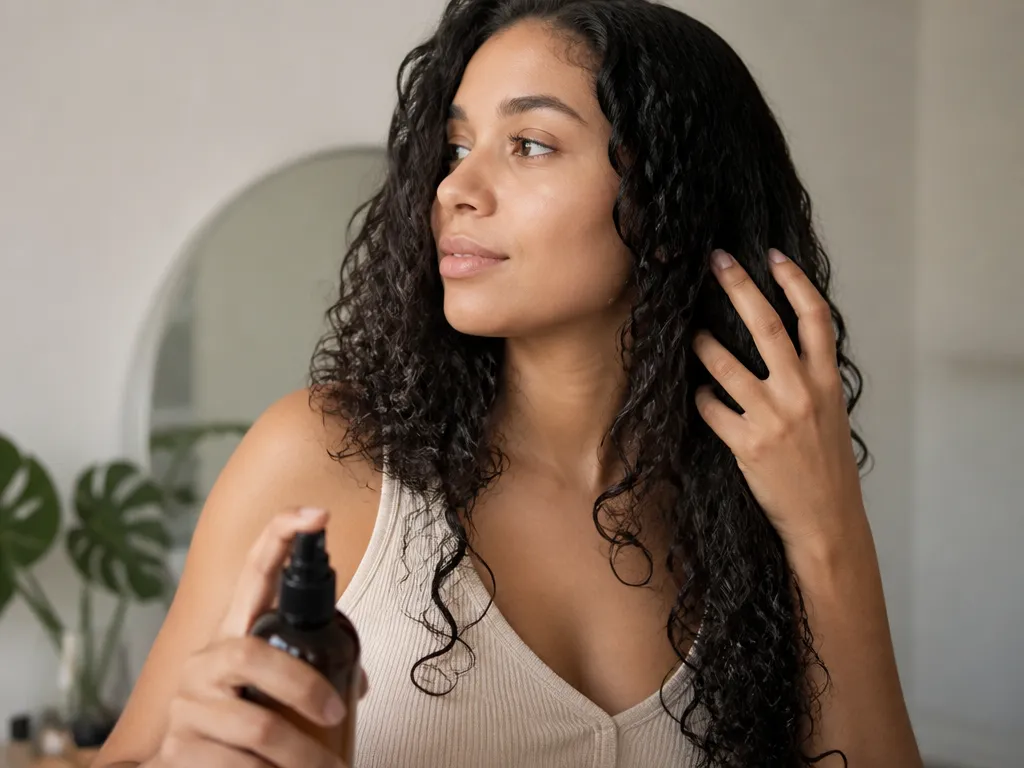
In practice, coily hair can benefit from daily leave-in when you use a pea to dime size amount and focus on mid-lengths and ends. Wavy hair tends to do better with a curl-activating mist or a very light leave-in only on the dry sections.
Scalp Condition: Oily Vs Dry Signals
An oily scalp usually means product buildup shows up quickly, leading to limp roots and itchy flakes. A dry or tight scalp can improve with gentler conditioning on the lengths, but leave-in that touches the scalp too often can irritate sensitive skin.
For example, if you wash every 1 to 3 days and your roots feel greasy within 24 hours, your leave-in is likely overdosing. If your scalp feels dry, tight, or tight-and-flaky after washing, you may need a more moisturizing cleanse and a leave-in that stays off the scalp rather than “more every day.”
Rule of thumb: keep leave-in 2 to 3 inches away from the scalp if you are scalp-prone to oiliness or sensitivity, and only apply to the areas that actually curl and frizz.
Use This Quick Decision Table
| What you notice | Likely need | Daily leave-in? |
|---|---|---|
| Water dries quickly, hair feels rough | More frequent hydration on lengths | Usually yes, very light amounts |
| Water stays longer, hair feels coated or gummy | Less product between washes | Usually no, apply after cleansing only |
| Roots get flat or greasy fast | Scalp-friendly spacing | Depends, avoid scalp area |
| Scalp is tight or itchy, flakes look dry | Gentle cleansing, careful placement | Depends, keep it off scalp |
Dermatology-style skin tip applied to haircare: patch-test any scalp-sensitive formula on a small behind-the-ear or hairline spot for 48 hours before using it daily, especially if you have itching or redness.
Best Ingredients For Daily Moisture
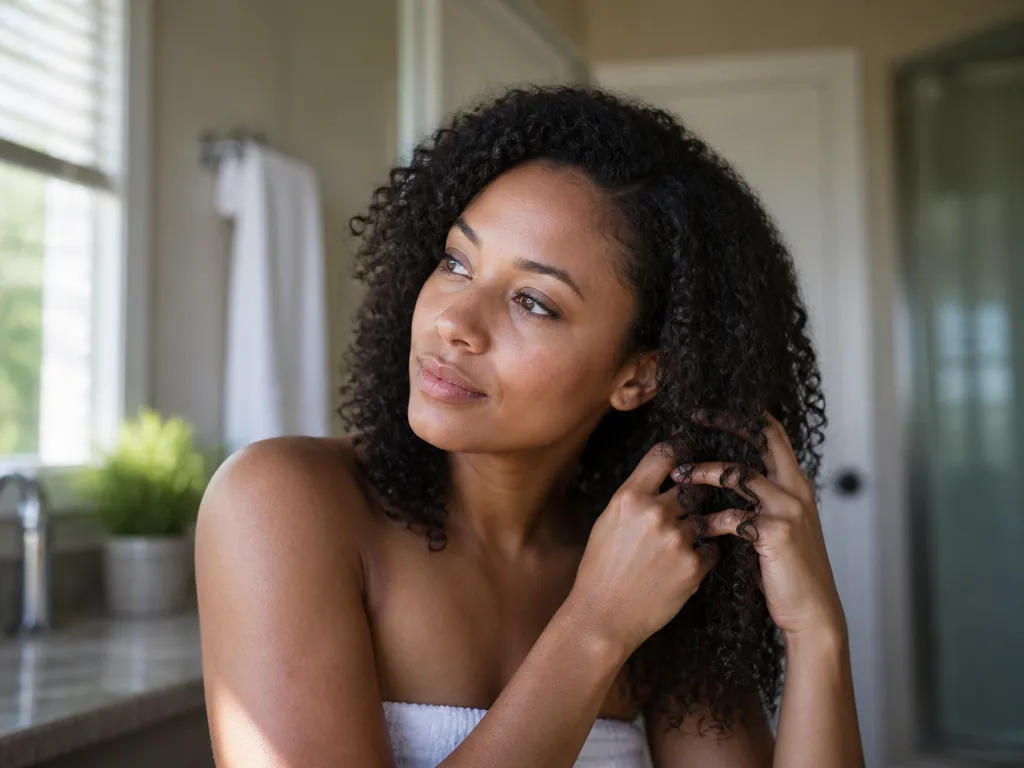
For daily or near-daily use, aim for leave-ins with water-loving humectants (glycerin, aloe) and lightweight emollients (small amounts of fatty acids or soft esters) that moisturize without coating the hair shaft. Look for protein only in modest amounts so curls stay buoyant instead of getting stiff or dry.
Humectants pull moisture toward the hair, which helps curls look plumper and less frizzy between washes. Glycerin and aloe vera are great picks, especially for normal, dry, and color-treated curls. If your air is very dry, humectant-heavy products can feel sticky, so keep application light and add a quick mist of water before smoothing it in.
Lightweight oils are the “seal” step, but the ingredient list matters. Jojoba, grapeseed, and coconut oil can help reduce moisture loss, yet heavy oil formulas may flatten fine curls or make oily or scalp-sensitive hair feel greasy fast. If you get buildup easily, choose leave-ins that list oils as later ingredients and avoid formulas packed with long-chain fatty alcohols and butters in large amounts.
Protein helps maintain structure, but overuse is where daily leave-ins can go wrong. Look for gentle forms like hydrolyzed proteins (keratin, wheat, rice) in smaller quantities, or “strength” ingredients balanced with humectants and emollients. For thick, coarse, or over-processed hair, a small amount of protein can improve bounce, while fine hair often needs less to avoid stiffness and dullness.
| Item | Amount/Specification | Notes |
|---|---|---|
| Glycerin (humectant) | Commonly mid-to-high on label | Best for dry to normal curls; use a light hand to prevent tackiness. |
| Aloe vera | “Aloe” should appear relatively early in INCI list | Helps hydration and slip for detangling, especially for curly hair that gets crunchy. |
| Lightweight emollients (soft esters, fatty acids) | Earlier than heavy waxes/butters, in modest amounts | Improves softness without the waxy feel that causes buildup. |
| Light oils (jojoba, grapeseed) | Later in INCI list if you are buildup-prone | Best when used sparingly on ends only. |
| Hydrolyzed protein (keratin/wheat/rice) | Small amounts, not the dominant conditioning story | Ideal for coarse or damaged curls; reduce frequency if strands feel stiff. |
Application order tip: After misting lightly with water, smooth leave-in from mid-lengths to ends, then scrunch. Avoid the scalp unless your formula is specifically scalp-friendly.
Daily Curl Refresh Routine
Daily Curl Refresh Routine can be used daily when you choose a lightweight leave-in and apply sparingly. It can hydrate curls, reduce frizz, and make detangling easier without washing. If your scalp tends to get greasy or your curls lose bounce, cut back to every other day or rely on water-only refreshes on non wash days.
Patch test any new leave-in on a small section of hair at least 24 hours before daily use. If you notice irritation or itching, stop and switch to fragrance-free or hypoallergenic formulas. For most, this approach works best for oily to combination scalps, while very dry scalps may need less frequent daily use or a lighter routine on non-wash days.
Avoid These Common Mistakes
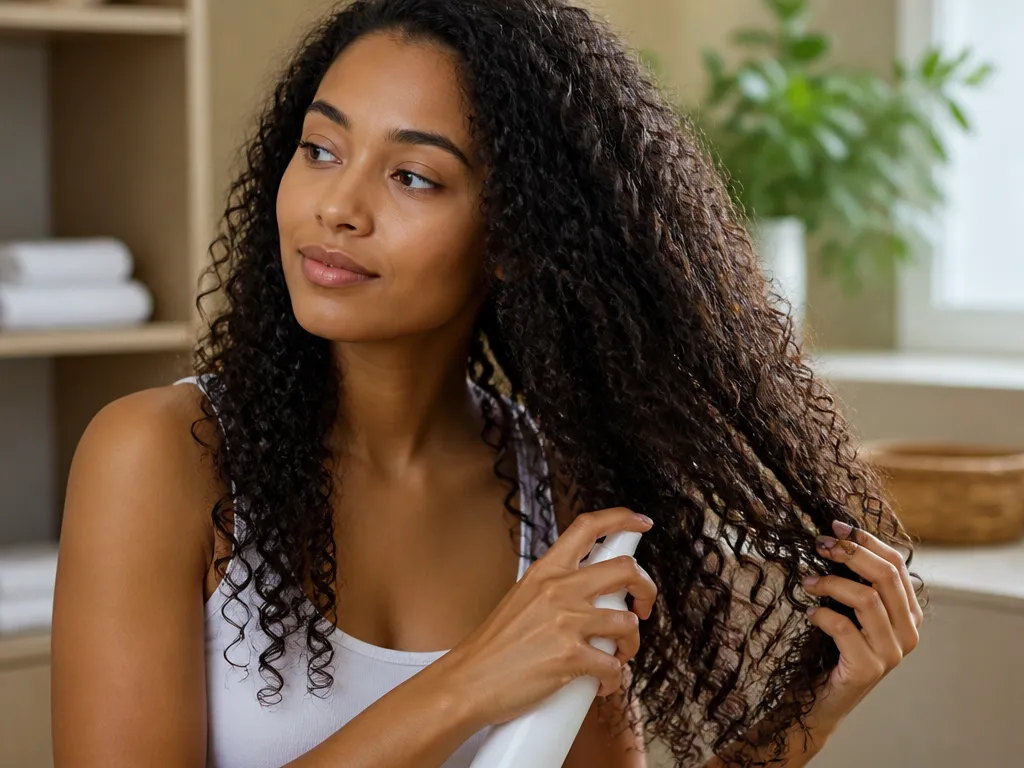
Applying leave-in conditioner to the scalp causes grease and can clog hair follicles. These products are designed for the hair shaft, not the skin.
Scalp And Root Application
Root application often leads to flat curls and an oily appearance. Start your application at the ears and work down to the ends of your hair.
For instance, applying a heavy butter to the crown can cause scalp irritation or breakouts. This is especially true for those with oily scalps or acne-prone skin around the hairline.
Managing Product Buildup
Layering products daily without a deep cleanse creates a film on the hair. This buildup blocks moisture from entering the shaft, which makes curls feel dry despite the product.
Esthetician tip: Use a clarifying shampoo once every two weeks to reset your curls and remove residue.
Over-saturating With Heavy Creams
Heavy creams are best for coarse, high-porosity hair. Fine hair or low-porosity hair often becomes limp when too much product is used.
| Product Type | Best For | Budget Option | High-End Option |
|---|---|---|---|
| Lightweight Spray | Fine/Low Porosity | json-based mists ($8) | Pureology Color Fanatic ($30) |
| Thick Cream | Coarse/High Porosity | SheaMoisture ($13) | Pattern Beauty ($20) |
In practice, start with a dime-sized amount of product. You can always add more, but removing excess requires a full wash.
Avoid mixing too many different brands in one routine. Different formulations can react, causing the hair to feel sticky or “tacky” to the touch.
Drugstore Vs High-end Options
Price does not always dictate performance in curly hair care. High-end products often use refined ingredients, but drugstore options frequently contain the same humectants like glycerin and aloe vera.
Daily Refresh Vs Wash Day Formulas
Lightweight sprays are best for daily use because they prevent product buildup on the scalp. These formulas rely on water and light oils to reactivate curls without adding weight.
For example, a drugstore spray with aloe vera provides the same slip as a luxury mist for fine curl patterns. These options work well for low porosity hair that gets weighed down easily.
| Product Type | Price Point | Key Ingredient | Best For |
|---|---|---|---|
| Light Spray | $5 – $15 | Aloe Vera | Daily Refresh |
| Budget Cream | $10 – $20 | Shea Butter | Thick Curls |
| Luxury Cream | $25 – $40 | Humectants | Dry Curls |
Expert Tips For Healthy Curls
Clarifying, weather-based adjustments, and preventing buildup are what make daily leave-in use actually work for curly hair. Leave-ins can improve slip, softness, and frizz control, but only if you clean the scalp and reset the hair periodically.
Clarify on a schedule that matches your product load. If you refresh daily with a leave-in (especially creamy formulas, heavy oils, or butters), you will likely need a deeper cleanse more often than someone who only uses leave-in on wash days.
Adjust leave-in use for humidity, heat, and sun exposure because curls absorb and react differently across seasons. In damp weather, you often need less cream and more lightweight hydration (think humectants like glycerin at moderate levels) to avoid “wilt” or stringy clumps.
In hot, dry, or air-conditioned environments, curls can feel crunchy or flat because moisture escapes faster. In those conditions, apply a slightly richer leave-in, then seal the ends with a tiny amount of lightweight oil (like argan oil) only where hair is driest.
| Weather/Scenario | Best Leave-in Strategy | Who it helps most |
|---|---|---|
| High humidity | Use less product, prefer lighter leave-ins, add gel after for hold | 2B to 3C curls that frizz easily |
| Hot, dry, indoor AC | Lightly mist hair, apply leave-in to damp lengths, refresh with water | 4A to 4C curls prone to dryness |
| Winter wind | Use a moisture-forward leave-in, then a thin occlusive on ends | Low- to medium-porosity hair |
“Product-induced dullness” usually comes from buildup, hard water residue, or too much emollient at the scalp. Keep leave-in on lengths and ends first, then distribute upward only if your hair truly needs it.
Manage product-induced dullness by watching for early signs: greasy roots, grayish cast, sticky curls, or curl pattern that won’t bounce back after misting. When those happen, reduce daily leave-in quantity and shorten the time between clarifying sessions.
For example, if your curls look clumped and lifeless after 24 hours, try a “micro-refresh” instead of full reapplication. Micro-refresh means spritzing water on the affected sections, then adding a pea-sized amount of leave-in total, focusing on the mid-lengths to ends.
Skin-type guidance matters because scalp irritation can mimic “hair problems.” Oily to combination scalps often do better with lighter, gel-leaning leave-ins and no scalp contact, while dry scalps may tolerate creamy textures but still need periodic clarifying to prevent buildup.
| Hair/Scalp Profile | Daily Leave-in Fit | What to avoid |
|---|---|---|
| Oily roots, fine hair | Light leave-in on ends only, refresh with water | Skipping scalp cleansing or applying creamy leave-in at roots |
| Dry scalp, thick curls | Daily is fine if you clarify regularly | Overloading with heavy butters daily |
| High porosity | Daily hydration can help if you reset with clarifying | Letting buildup build until hair stops re-wetting evenly |
Timing matters, too. Apply leave-in after cleansing (and after any conditioner rinse-out), then finish with styling gel/cream only where needed, because layered products stack fast and can cause dullness in as little as a few days.
Retreat daily use when your hair feels coated or your curls lose their shape. Expect improvements in softness and frizz control within 1 to 2 wash cycles, but clarifying and quantity tweaks are what usually fix the “why does my hair look dull?” problem.
Quick Summary
Daily leave-in conditioner can work for many curly hair types when you apply it correctly. High-porosity and dry curls are described as benefiting most from daily use, while low-porosity hair may need leave-in only 2 to 3 times weekly. The article also stresses starting with a dime-sized amount, applying to damp or wet hair for better moisture distribution, and focusing on mid-lengths and ends instead of the roots unless a product is designed for scalp use.
Daily use can fail, especially for fine or low-porosity hair that becomes weighed down or greasy due to poor absorption and quicker buildup. Regular clarifying, appropriate product quantities, and careful ingredient selection help manage buildup. Leave-in moisture is temporary, lasting about 24 to 48 hours, so consistent use matters more than occasional heavy applications. The most important takeaway is to match daily leave-in frequency to your porosity and scalp tolerance, then adjust based on how your hair responds.
| Hair need | Daily leave-in guidance from article | Where to apply |
|---|---|---|
| High-porosity, dry curls | Often excellent, may use daily | Mid-lengths and ends |
| Low-porosity, buildup-prone | 2 to 3 times weekly | Mid-lengths and ends |
| Fine curls | Start with pea-sized amount, adjust to avoid flattening | Mid-lengths and ends, avoid roots |
| Thick/coarse curls | May handle nickel-sized portions, daily can work well | Mid-lengths and ends |
Frequently Asked Questions
How Long Until I See Results From Using Leave In Conditioner Every Day On Curly Hair?
Most people notice softer, less frizzy curls after about 1 week of daily use, with more defined moisture by 2 weeks. If your hair is very dry, you may see improvements sooner, but consistency matters.
Can I Use Leave In Conditioner If I Have Sensitive Or Acne Prone Skin?
Yes, you can, but start with a patch test for 24 to 48 hours and choose fragrance free, lightweight formulas if possible. Avoid heavy oils near the hairline if you notice breakouts on the skin around your face.
What Is The Difference Between Leave In Conditioner And Curl Cream Or Hair Milk With Similar Ingredients?
Leave in conditioner is mainly for moisture and detangling, while curl creams or milks add hold or styling texture. If you want frizz control and a bit of shape, pick a curl cream; for pure conditioning, stick with a leave in conditioner.
Do I Really Need To Use Leave In Conditioner Every Day For Curly Hair?
Not necessarily. Start with every other day and adjust based on how dry or frizzy your curls feel after washing, moving to daily use only if needed.
Is The Expensive Version Worth It Versus The Drugstore Version For Daily Use On Curly Hair?
In most cases a drugstore option with similar humectants and conditioning ingredients works well, so upgrade only if you want a fragrance free formula, specific ingredients, or a preferred scent. Always compare ingredient lists and patch test new products.

- 10 Best Hair Oil For Overnight Treatment Buyer Guide 2026 - October 26, 2026
- 10 Best Hair Oil For One Year Old Baby Buyer Guide 2026 - October 26, 2026
- 10 Best Hair Oil For Oily Skin Buyer Guide 2026 - October 26, 2026